REVIEW · POKHARA
From Pokhara: 4-Day Annapurna and Poon Hill Himalayan Trek
Book on GetYourGuide →Operated by Fewa Trail Treks and Expedition Pvt Ltd · Bookable on GetYourGuide
Sunrise here feels like a reset button. This 4-day trek delivers the big Annapurna panorama from Poon Hill sunrise and then finishes with a soak in the Jhinu hot springs to loosen your legs. The route also threads through lower Himalayan forests and quiet villages, so the scenery changes in a way that keeps you awake and paying attention.
I especially like the way you get both viewpoints and culture: Poon Hill for the wide sky-and-mountains moment, and Ghandruk for how people actually live here. With a licensed English-speaking guide and tea house nights in Ghorepani, Tadapani, and Ghandruk, you’re not guessing your way through the trail rhythm. One possible drawback: if weather or road conditions force an itinerary tweak, you’ll want smoother communication than you might hope for.
In This Review
- Key Things to Know Before You Go
- Why Poon Hill + Annapurna Views Feel So Worth It in 4 Days
- Day 1: Pokhara to Ulleri, Then to Ghorepani by Foot
- Day 2 Sunrise at Poon Hill, Then the Downshift to Tadapani
- Day 3 Jhinu Hot Springs and the Gurung Village of Ghandruk
- Day 4: From Nayapul Back to Pokhara
- Forest Hiking, Tea Houses, and the Reality of Comfort
- Price and Value: Is $287 Fair for This 4-Day Trek?
- Guides and Communication: What Makes the Trek Feel Smooth
- Who This Trek Is Best For (and Who Should Skip It)
- Should You Book This 4-Day Poon Hill and Annapurna Trek?
- FAQ
- How long is the trek?
- Where does the trek start and end?
- What are the main hiking stops during the 4 days?
- How long is the hike on each day?
- Do I get to see the Annapurna Range?
- Is there a hot springs stop?
- What kind of lodging is included?
- Is food included in the price?
- What does the tour price include?
- What do I need to bring for permits?
- Is there a cancellation option?
Key Things to Know Before You Go
- Poon Hill sunrise is the main event, with an easy-to-moderate hike that still feels like a payoff.
- Tea house stays at Ghorepani and Tadapani help you keep the trek moving without heavy luggage.
- Jhinu Hot Springs add a practical recovery stop, not just a scenic detour.
- Ghandruk Gurung village gives you a cultural lens alongside the trekking scenery.
- Private guide support helps with permits and navigation, especially with changing trail realities.
- Bring your passport details early so permits are handled properly before you start.
Why Poon Hill + Annapurna Views Feel So Worth It in 4 Days
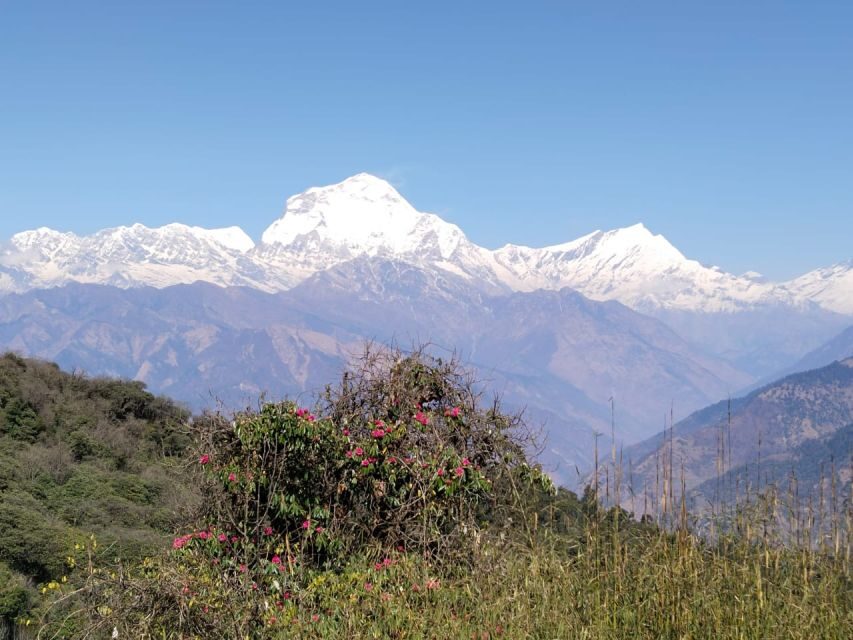
If you want Annapurna scenery without committing to a long expedition, this trek is designed for you. You’ll move at a steady pace through classic lowland-to-hill trekking country, then hit the best viewpoints right when your legs and lungs have adjusted to the altitude.
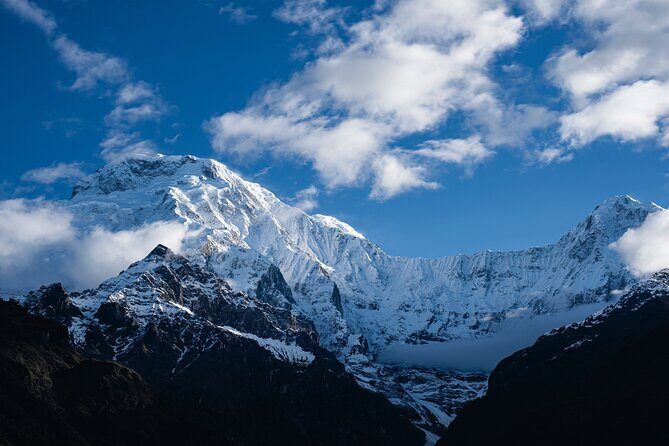
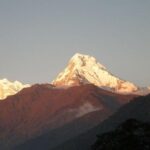
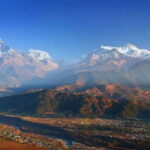
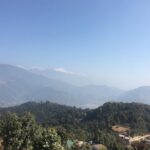
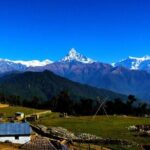
The core reason this works: you get the mountains in layers. First, you’ll climb into the Ghorepani area, where the terrain begins to open up. Then, at Poon Hill, you’re placed for sunrise over the Annapurna Range, which is one of those rare moments where the view looks bigger than your photos can explain.
And then you don’t just walk onward. You end with the healing-style payoff at Jhinu hot springs. After days of uphill and downhill, a warm soak is not a luxury—it’s a tool. It helps you feel human again before the drive back to Pokhara.
You can also read our reviews of more hiking tours in Pokhara
Day 1: Pokhara to Ulleri, Then to Ghorepani by Foot
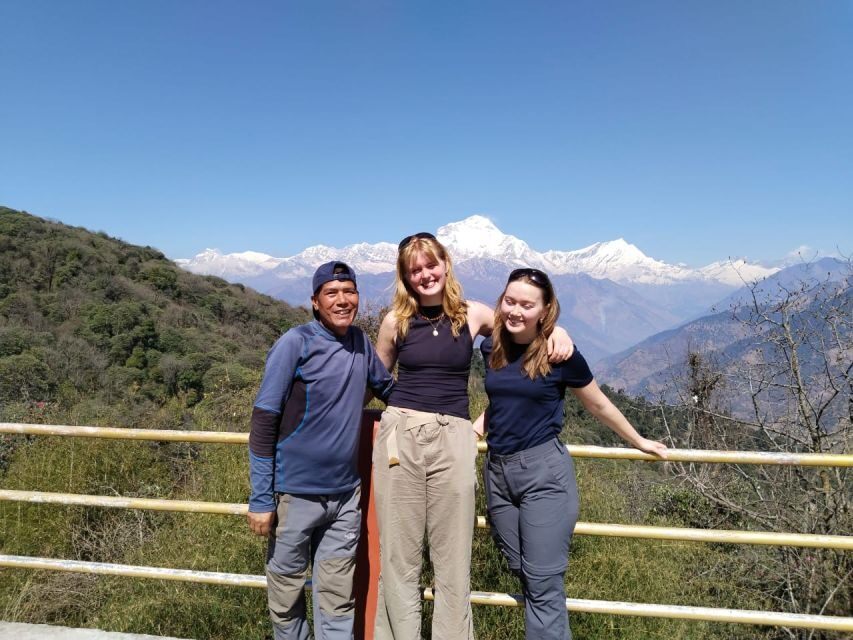
You start with hotel pickup in Pokhara by private car or jeep. After breakfast, you drive toward Ulleri, then begin hiking upward. This first day is about getting settled: not just in altitude, but in the walking rhythm of Nepal’s hill trails.
From Ulleri, you hike up to Ghorepani, which takes around 5 hours on the trail. Ghorepani is where the trek starts to feel more “mountain trekking” than “village hiking,” even if you’re still surrounded by forest and farmland patterns.
Practical stuff to know: tea houses here are built for trekkers. That means you’ll likely have a simple room, a place to eat, and a predictable routine. You’re not climbing for a summit today—you’re setting up for tomorrow’s sunrise push.
Possible drawback on Day 1: this trek is run around mountain access, and road disruptions can change starting points. One recent experience included a day lost due to a landslide affecting the planned route, so be ready for the idea that the logistics can change even when your itinerary looks fixed on paper.
Day 2 Sunrise at Poon Hill, Then the Downshift to Tadapani
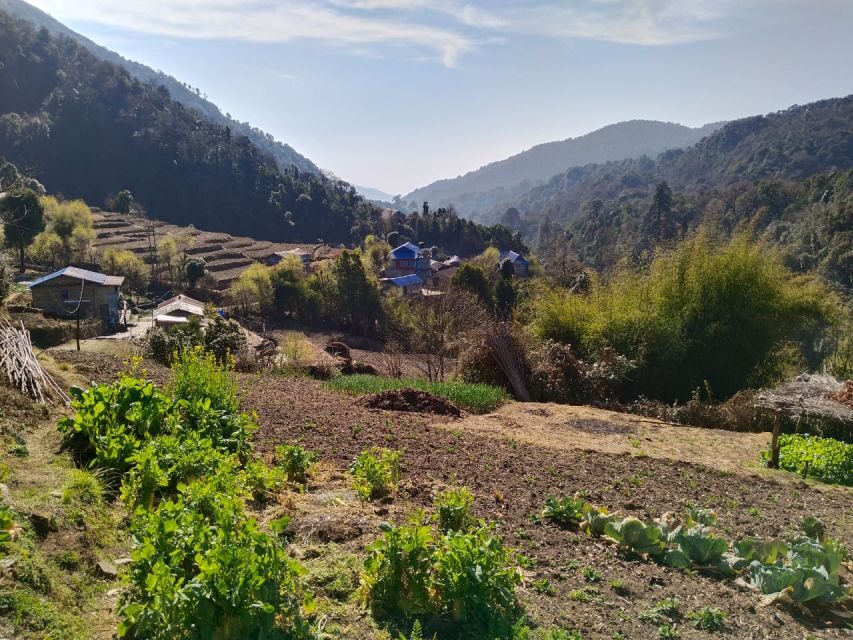
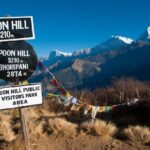
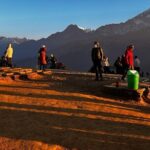
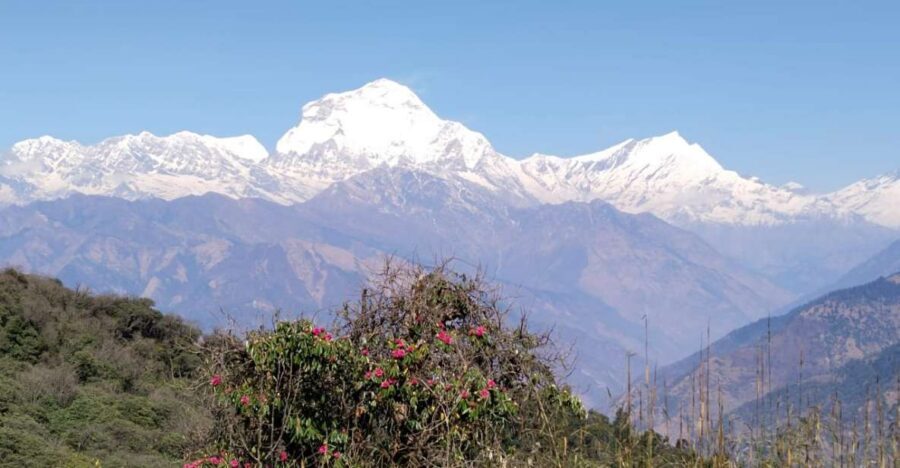
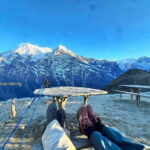
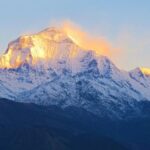
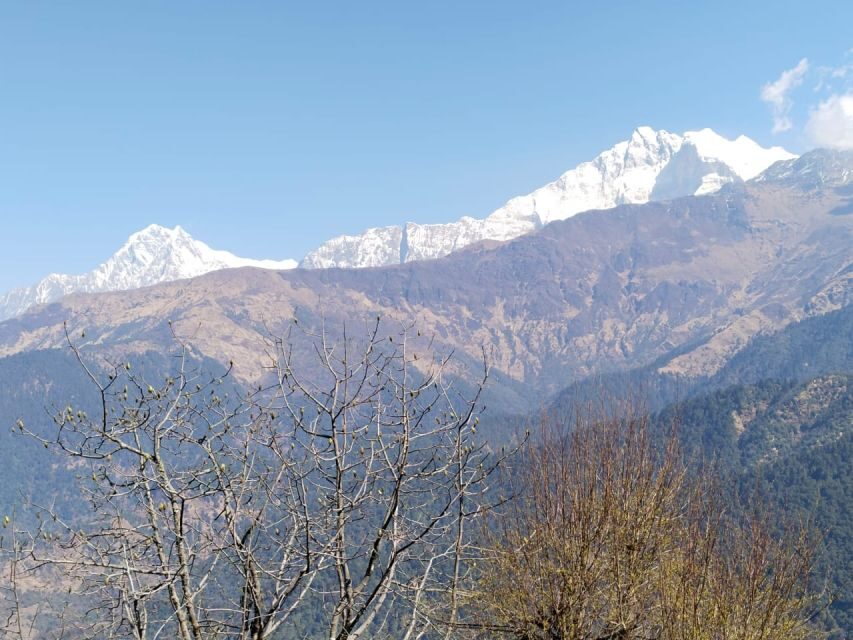
This is your big morning. You head out early toward Poon Hill for sunrise, with about a 1-hour hike to the top from the area you’re staying. If you can handle an early start, sunrise here is the moment you’ll remember. You’ll get the full view of the Annapurna Range stretching out in multiple directions.
From the top, you don’t hang around all day. You come back down toward Ghorepani, grab breakfast, and then continue onward to Tadapani. Day 2’s trekking time is about 6 hours total, and that mix—short climb, then a steady descent/forward movement—creates a satisfying flow.
Why Tadapani matters: it’s part of the transition from the viewpoint zone toward deeper forest paths. The trail starts to feel more like walking through a mountain ecosystem than just walking to a landmark.
One thing to watch: sunrise depends on weather. One guide (Muku) was considered good, but the overall trip would’ve benefited from tighter weather forecasting instead of waiting and hoping. If your guide shares a plan for checking conditions, that’s a green flag. If they seem relaxed about forecasts, you’ll want to stay flexible with your expectations and allow extra time for early departures.
Day 3 Jhinu Hot Springs and the Gurung Village of Ghandruk
Day 3 is a double reward day. You first head toward Jhinu for a soak in the natural hot springs. The waters are considered therapeutic, and after your previous days of walking, you’ll feel why people plan their trek around this stop rather than treating it as an optional detour.
You’ll spend some time at Jhinu, then continue on toward Ghandruk, a native Gurung village known for its architecture and for how the Gurungs have adapted their lives to the Himalayan region. Your Day 3 trek time is about 6 to 7 hours, so you’ll want to treat this as a full hiking day, not a half-day with a break in the middle.
Why this day is valuable for you: it shifts the story from scenery to people. Poon Hill is breathtaking, but Ghandruk adds context. You start to see how the terrain shapes daily life—where homes sit, how communities are organized, and how culture survives at high altitude without turning into a museum.
The hot springs also change how you experience the walk. Even if the trek days are similar on paper, the warm water can make the rest of Day 3 feel easier and less punishing, which helps your mood at the end of the day when you’re arriving for dinner and sleep.
Day 4: From Nayapul Back to Pokhara
On the final day, you hike down to Nayapul, then drive back to Pokhara and get dropped at your hotel. This is the practical payoff day. You’ve done the views, the forests, and the village time—now you switch from trail time back to city time.
Because you’re ending with a drive, your packing should keep things easy. Think about what you’ll want on the walk down and what can stay in storage until you’re on the road again. If you’re the type who likes a final stop for snacks or a simple meal in Pokhara after trekking, you’ll likely have enough energy because the trek duration is shorter than the earlier days.
Also, because this is a guided trek with pickup and drop-off included, you’re not left coordinating transportation with a sore body. That matters more than it sounds when you’re finishing a 4-day itinerary.
A few more Pokhara tours and experiences worth a look

Forest Hiking, Tea Houses, and the Reality of Comfort
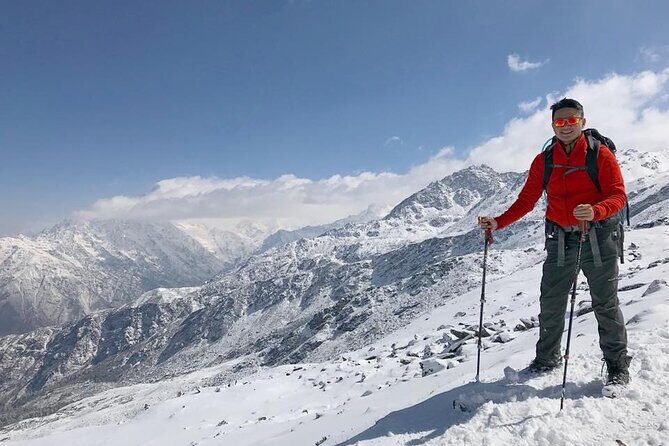
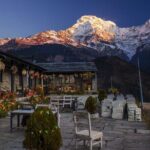
This trek spends time in lower Himalayan forests, and that affects your day-to-day experience. You get shade and a break from constant sun in sections of the hike, and you also get that shifting smell and sound of mountain vegetation. The trail can be muddy after rain, and the air can feel cooler as you climb—so light layering is your friend.
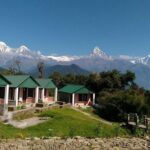
Tea houses and guest houses are part of the deal here. You’ll get lodging in Ghorepani, Tadapani, and Ghandruk, and the nights are set up so you can recharge and eat without carrying cooking gear. The trade-off is that comfort is basic by design. If you’re expecting hotel-level amenities, you’ll be disappointed, but if you’re trekking, you’ll likely find the setup totally reasonable.
Food and drinks are not included, which is common on these routes. That also means you can choose what you’re comfortable with. If you’re sensitive to spicy food after long walking days, plan to keep meals simple and steady.
Price and Value: Is $287 Fair for This 4-Day Trek?
At about $287 per person for 4 days, the price feels reasonable if you compare it to what’s included. You’re paying for guided navigation (a licensed English-speaking guide), tea house/guest house accommodation, necessary permits, and hotel pickup and drop-off by private vehicle.
Where the value really shows up is in stress reduction. Permits on these routes require paperwork well in advance, and your operator needs time to prepare arrangements. You also get someone to help you keep the itinerary moving when trail conditions change. If you’ve ever trekked without solid local support, you know how quickly small uncertainties turn into big energy drain.
If you’re trying to budget accurately, remember the big missing piece: food and drinks. Those will be on you, and that can matter more than you expect over four days. Still, it gives you control over your diet and spending.
Also consider the itinerary design: it’s not just a long hike to a single viewpoint. You get multiple meaningful stops—Poon Hill sunrise, Ghorepani breakfast, Tadapani overnight, Jhinu hot springs, and Ghandruk village time. In a short timeframe, that’s good planning.
Guides and Communication: What Makes the Trek Feel Smooth
A good guide makes the trail feel safer, simpler, and more enjoyable. This trek includes a licensed English-speaking guide, and two guide names came up from real experiences: Muku and Gobinda. Both were described as supportive and helpful, and that’s exactly what you want on a trek where early starts and changing conditions are part of the deal.
The part to pay attention to is communication. One experience noted that itinerary adjustments weren’t communicated well when road access changed after a landslide. That doesn’t mean the trek is poorly run—it means you should build your own habit of checking what’s happening before you commit to a big plan that day (especially sunrise timing and morning departures).
A simple strategy: when your guide gives a timeline, ask what the plan is if weather blocks sunrise or if trail access changes. If you can get a clear answer, you’ll feel calmer immediately.
Who This Trek Is Best For (and Who Should Skip It)
This trek is a great fit if you want classic Annapurna scenery in 4 days and you like a mix of viewpoints, forests, and village stops. It’s also a good choice if you’d rather have a private guide handle permits and logistics instead of piecing it together yourself.
It’s less suitable if you have mobility impairments, and it’s not recommended for pregnant women. That’s not about fitness only—it’s about the trail conditions and the walking demands of moving between villages and viewpoints.
If you’re comfortable hiking several hours a day and you’re okay with basic tea house lodging, you’ll likely love the pace. The days are structured enough that you can plan energy: you climb early for sunrise, then you walk through the day, then you sleep and recover with a warm meal.
Should You Book This 4-Day Poon Hill and Annapurna Trek?
If your main goal is Poon Hill sunrise plus hot springs recovery, this trek is a strong bet. The route is compact, the included guidance removes a lot of guesswork, and the blend of Ghorepani–Tadapani–Ghandruk with Jhinu hot springs gives you variety, not just one long view day.
I’d book if:
- You want a manageable trek duration with multiple highlights.
- You like the idea of tea house nights and simple trekking logistics.
- You’re excited about sunrise views and are willing to start early.
I’d pause and ask more questions if:
- You’re planning around very specific timing (like a must-see sunrise on a particular day) and you need strong weather certainty.
- You’re the kind of traveler who needs tight, same-day clarity when conditions change.
FAQ
How long is the trek?
It’s listed as a 4-day trek.
Where does the trek start and end?
You start from Pokhara with hotel pickup, then you hike to Nayapul and drive back to Pokhara for drop-off at the end.
What are the main hiking stops during the 4 days?
You’ll hike from Ulleri to Ghorepani (Day 1), go to Poon Hill and continue to Tadapani (Day 2), visit Jhinu hot springs and then hike to Ghandruk (Day 3), and finish by going down to Nayapul (Day 4).
How long is the hike on each day?
Day 1 is about 5 hours. Day 2 is about 6 hours. Day 3 is about 6 to 7 hours. Day 4 includes the descent to Nayapul plus a drive back to Pokhara, but no specific hike time is given.
Do I get to see the Annapurna Range?
Yes. The route includes sunrise viewing from Poon Hill, which is described as giving a full view of the Annapurna Range.
Is there a hot springs stop?
Yes. You’ll have a chance to bathe in the Himalayan hot springs at Jhinu.
What kind of lodging is included?
Accommodation is included in tea houses or guest houses.
Is food included in the price?
No. Food and drinks are available to purchase separately.
What does the tour price include?
It includes hotel pickup and drop-off in a private car/jeep, all necessary permits, accommodation in tea houses or guest house, a licensed English-speaking guide, and guide expenses.
What do I need to bring for permits?
You’ll need your passport (a copy is accepted), and you must provide passport details at least 24 hours before the tour so the permits can be prepared.
Is there a cancellation option?
Yes, free cancellation is available up to 24 hours in advance for a full refund.