REVIEW · KATHMANDU
Langtang Panorama Trek
Book on Viator →Operated by Unique Path Trekking Expedition Pvt. Ltd · Bookable on Viator
Langtang gets under your skin fast. This trek takes you north of Kathmandu into a quieter side of the Himalaya, with Langtang Valley villages and big panoramic viewpoints that feel earned, not rushed. I like that the route balances forest walking with altitude days, and you get a well-paced mix of days that go up, and days that let your legs reset.
Second thing I really like: the trip includes Gosaikunda and the Lauribina Pass zone, so you’re not just doing one kind of scenery. You also get practical support for altitude, including an ox meter for checking oxygen saturation and heart rate, plus a guide who keeps the group moving with purpose.
One possible drawback to plan for: this is a moderate but real trek. You’ll hit long hiking days (up to about 7.5 hours in the high zone), and the itinerary includes nights at guest houses where comfort varies, so pack smart and expect simple.
In This Review
- Key Things That Make This Trek Worth Your Time
- Langtang Panorama: The Valley North of Kathmandu That Feels Big
- Your 10-Day Route: Day-by-Day What You’ll Actually Do
- Day 1: Kathmandu to Syabrubesi (1610 m)
- Day 2: Syabrubesi to Lama Hotel (2480 m)
- Day 3: Lama Hotel to Langtang Village (3541 m)
- Day 4: Chorkari ri (5050 m) and back to Kyangjin Gompa
- Day 5: Langtang Village back down to Lama Hotel
- Day 6: Lama Hotel to Thulo Syabru (2200 m)
- Day 7: Thulo Syabru to Cholangpati (3680 m)
- Day 8: Gosaikunda and Lauribina Pass area (4600 m), then down to Cholangpati
- Day 9: Dhunche (walk down) from Cholangpati
- Day 10: Dhunche area back to Kathmandu
- Forests, Villages, and the Rhododendron Walk You’ll Remember
- Chorkari Ri and Lauribina Pass: Why the Big Elevation Day Works
- Meals, Sleeping, and Gear: What’s Provided vs What You Must Bring
- The Guide Team: Small-Group Attention and Real Responsiveness
- Price and Logistics: When $755 Looks Like Good Value
- Fitness and Pacing: What Moderate Really Means Here
- Should You Book This Langtang Panorama Trek?
- FAQ
- What is the total duration of the Langtang Panorama Trek?
- What are the highest points on the route?
- Is transportation to and from Kathmandu included?
- Are meals included during the trek?
- What trekking gear is provided?
- Is a porter included?
Key Things That Make This Trek Worth Your Time
- Forest-to-far-views pacing: rhododendron, oak, magnolia, pines, firs, plus bamboo sections along the way.
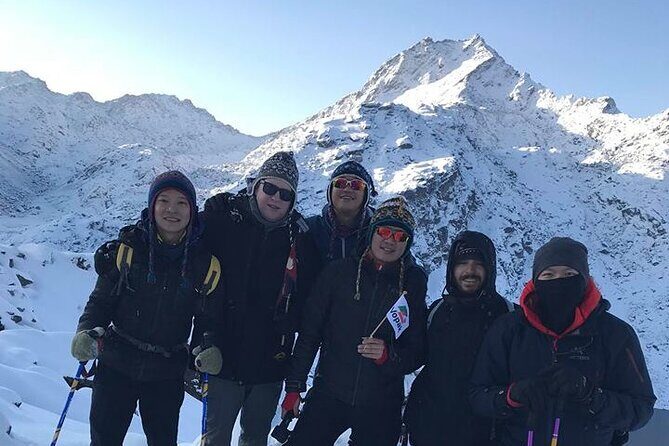
- Two high moments: Chorkari ri (5050 m) and the Lauribina Pass area (4600 m), both tied to the best panoramas.
- Altitude check support: an ox meter helps your guide monitor pulse and oxygen saturation.
- Meals and basics covered on trail: breakfast, lunch, and dinner throughout the trekking days.
- A small-group cap (max 25): more attention from your guide, especially for timing and route changes.
- Team flexibility in rough weather: your guide may suggest an alternative plan if conditions or injuries force adjustments.
Langtang Panorama: The Valley North of Kathmandu That Feels Big
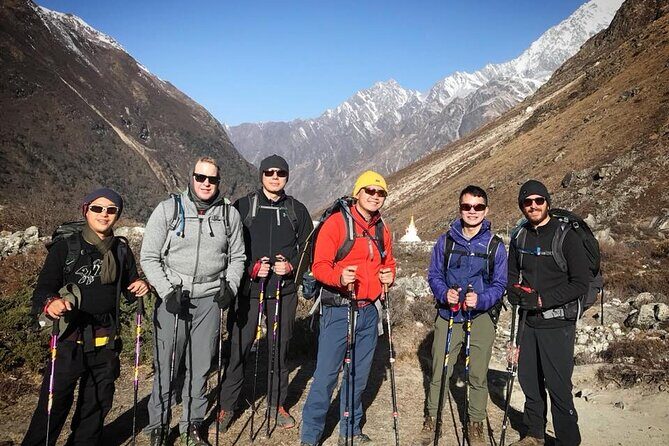
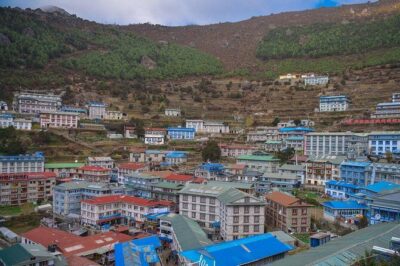
Langtang sits just north of the Kathmandu valley rim, but it delivers a very different vibe than the more famous trail magnets. You move through a classic Himalayan mix: steep bits, quiet forest stretches, and village stops where local life keeps going whether the mountains are clear or not.
What makes this itinerary feel like good value is the variety inside one trek. You get deep valley trekking plus the Gosaikunda lake area, all while staying on a route designed for a moderate fitness level rather than a hardcore mountaineering schedule.
You can also read our reviews of more hiking tours in Kathmandu


Your 10-Day Route: Day-by-Day What You’ll Actually Do
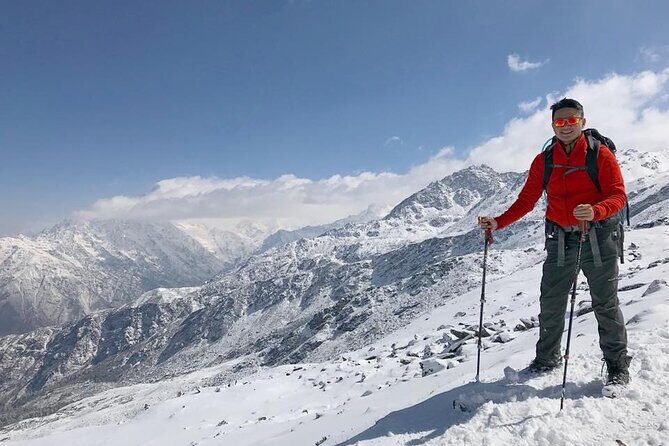
This is a “build up, then peak, then come down” trek. The first half gets you higher in stages, the middle gives you the main views, and the back half helps you descend without turning it into a knee-crunching punishment.
Day 1: Kathmandu to Syabrubesi (1610 m)
You start with a long drive from Kathmandu to Syabrubesi—about 7 hours by bus. It’s a useful setup day: you’re not hiking yet, but you’re already shifting into the Langtang region and its cooler mountain air.
Day 2: Syabrubesi to Lama Hotel (2480 m)
Today is your first real walking day, about 5.5 hours to Lama hotel (2480 m). You’re gaining elevation gradually, which is exactly what you want early on—enough work to wake your legs up, not enough to drain you.
Day 3: Lama Hotel to Langtang Village (3541 m)
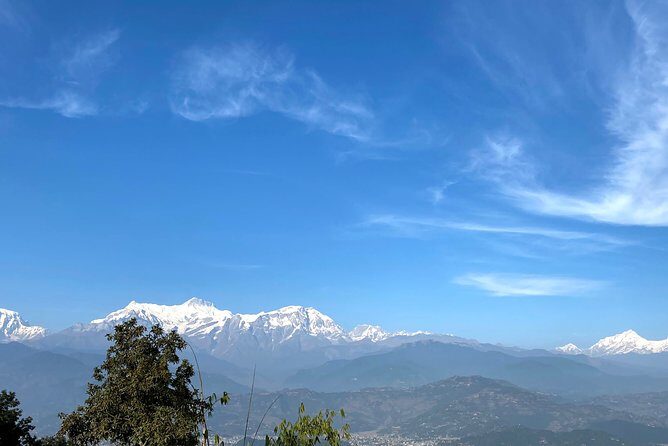
Now you climb to Langtang village at 3541 m, around 5 hours of trekking. The payoff is that the scenery starts opening up more, and you’re moving into the heart of the Langtang-Ganesh Himal and Jugal mountain range feel.
Langtang village itself matters for more than photos. It’s a place to reset with guest-house basics and see how daily life looks when mountains frame everything.






Day 4: Chorkari ri (5050 m) and back to Kyangjin Gompa
This is one of the big “work for the view” days: around 7.5 hours total, going up to Chorkari ri (5050 m) and returning toward Kyangjin Gompa. Higher views mean thinner air, so expect a slower pace than you’d use at lower altitude.
This day often feels like two treks in one: the climb feels steep and focused, then the return becomes about rhythm and pacing.
Day 5: Langtang Village back down to Lama Hotel
You drop back to Lama hotel (2480 m), roughly 6 hours. A day like this is a gift. It helps your body recover while you still get scenery and a sense of momentum, instead of ending with pure slog fatigue.
Day 6: Lama Hotel to Thulo Syabru (2200 m)
Another elevation shift, but you’re not going straight up. You’ll trek about 5.5 hours to Thulo Syabru at 2200 m. Think of it as a “re-balance day” where you can stay steady and prepare for the higher ridge days ahead.
Day 7: Thulo Syabru to Cholangpati (3680 m)
Today heads back up to Cholangpati (3680 m) over about 6 hours. This is where the mountains start to feel closer and the air feels different even if you’re not at the highest point.
Cholangpati is also a practical staging area for the next day’s lake and pass section.
Day 8: Gosaikunda and Lauribina Pass area (4600 m), then down to Cholangpati
This is your long scenic day: around 7.5 hours, including the Gosaikunda visit and Lauribina pass zone (4600 m) before returning to Cholangpati. You’re trading altitude for payoff—lake views plus pass-country walking.
Plan to move carefully on this type of day. On steep terrain at higher altitude, steady steps beat speed.
Day 9: Dhunche (walk down) from Cholangpati
You trek down to Dhunche, around 4.5 hours. This is shorter, but downhill days can still be tough on knees, so keep your pace controlled and your steps light.
Day 10: Dhunche area back to Kathmandu
You drive back to Kathmandu by bus—about 5.5 hours—and transfer to your hotel. After a trek like this, the bus ride can feel like a blur, but it’s a clean, simple finish to tie off the trip.
Forests, Villages, and the Rhododendron Walk You’ll Remember
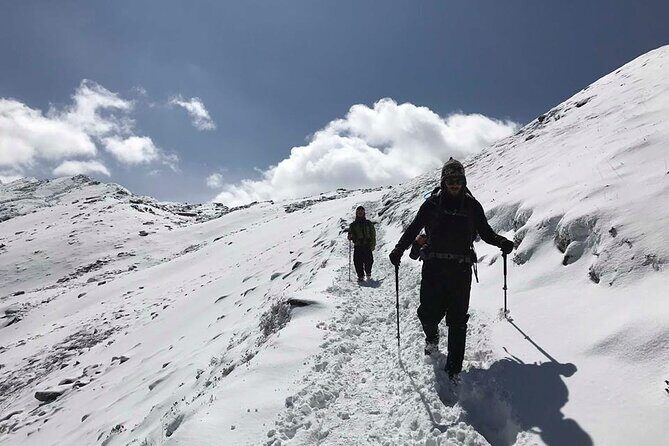
One of the best parts of this trek is how it uses vegetation as part of the experience, not just a background detail. Expect sections through rhododendron trees (Nepal’s national flower) plus oaks, magnolia, pines, and firs, along with bamboo groves in some stretches.
That bamboo country matters because it’s tied to wildlife chances in the region. The trek description points out that red panda can be found in these areas, which is why slow walking and quiet observation can be worth it when conditions allow.
Villages also play a real role in why this feels like a “panorama trek” instead of a “sit-and-trudge trek.” You’re moving through places where you’ll see guest-house life and local rhythms, and that helps the hiking feel human in between altitude days.
Chorkari Ri and Lauribina Pass: Why the Big Elevation Day Works
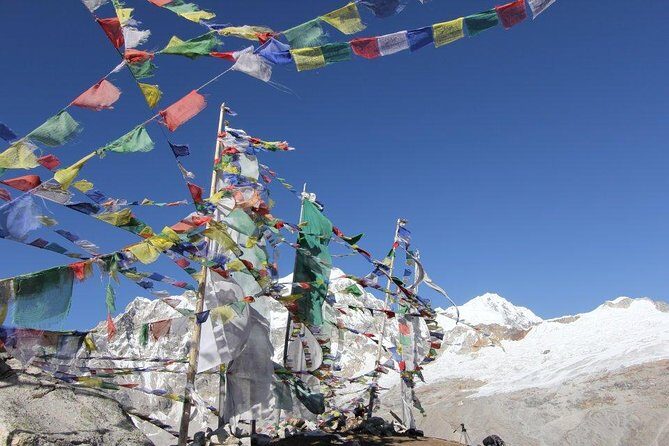
This itinerary includes two standout high sections: Chorkari ri (5050 m) and the Lauribina Pass area (4600 m). Both are high enough to make you think about breathing and pacing, but not so technical that you need special climbing skills.
What makes the plan work is the support around it. You’ll have an ox meter used to check pulse and oxygen saturation at higher altitude, plus first aid medical kit support. That doesn’t eliminate altitude risk, but it helps you and your guide make smarter decisions about pace and breaks.
Also note the structure: you don’t jump from low to the pass-country in one day. You get a series of altitude steps (2480 m, 3541 m, then 5050 m) so your body has time to adjust.
Meals, Sleeping, and Gear: What’s Provided vs What You Must Bring
You’ll eat well enough to keep moving. The trek includes three meals a day—breakfast, lunch, and dinner—during the trekking portion. That matters because it removes one big unknown from a high-country schedule.
For lodging, you’ll use guest houses, with twin sharing comfortable and clean private rooms during the trek. That’s a key detail for comfort planning: you’re not in tents, but the rooms are also not luxury hotels.
On gear, this operator provides a four-season sleeping bag and down jackets to use if necessary. That’s a big help if you don’t already own winter-grade layers or if you don’t want to travel with bulky insulation.
What you’ll still need to handle yourself: personal equipment and your own daily essentials. Also, drinks in the mountain (hot, cold, and alcoholic) are not included, so budget cash for that comfort.
The Guide Team: Small-Group Attention and Real Responsiveness
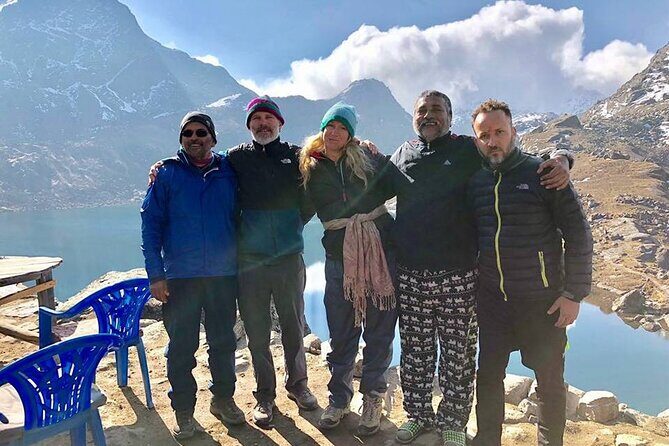
This trek runs with a maximum group size of 25, and you’ll have an experienced, English-speaking guide. That matters because trekking success isn’t about being macho—it’s about timing, route choices, and keeping the group safe.
From the experience of people who’ve been with this team, the owner Babu shows up in the way you’re supported before and during the trip. Guides like Suresh and Damber (spelling may vary) are described as responsible and reliable, and that usually translates into practical things on the ground: pace control, clear explanations, and quick problem-solving.
One important value-add here: plans can change due to weather or injuries. In one case, the guide suggested a worthwhile partial trek on the Tamang Heritage Trek route when the original plan couldn’t continue. That’s exactly the kind of flexibility you want to hear about before you go.
Price and Logistics: When $755 Looks Like Good Value
$755 per person is not cheap, but it’s also not just buying a route on a map. The price is tied to real costs: ground transportation, three meals a day during trekking, permits (including Langtang national park entry), TIMS, and a lot of administrative overhead.
You also get included altitude safety tools (the ox meter) and basic medical support (first aid kit). Plus, you receive a trip map and a trekking cap souvenir, along with an achievement certificate.
Where you’ll spend extra: drinks on the mountain, personal equipment, Kathmandu meals and accommodation, tips for staff/driver, and the porter is not included. If you need a porter to keep your load light, you’ll either pack smarter or plan to pay separately.
So the real value question is this: does the package remove enough friction for you? If you want a guided, structured trek with fewer “where do I sleep, what do I eat, what permits?” headaches, this pricing starts to make sense.
Fitness and Pacing: What Moderate Really Means Here
The tour is for travelers with moderate physical fitness. That doesn’t mean “easy.” It means you should be comfortable hiking for about 5 to 7.5 hours on several days, with one or two longer push days tied to higher elevation.
Before you go, I’d focus on legs plus stamina: repeated uphill walking, stair work, and building tolerance for uneven terrain. Pack in a way that keeps your back comfortable, because the porter is not included.
Also, plan your hydration and don’t fight the altitude. If you feel off, slow down early. The altitude monitoring tools are there to help your guide assess what’s happening.
Should You Book This Langtang Panorama Trek?
You should book if you want a well-supported Himalayan trek that gives you both Langtang Valley walking and a real lake-and-pass day at Gosaikunda. The structure is smart: gradual altitude build, a major viewpoint day, then a controlled descent so you’re not wrecked by the end.
I’d skip it (or ask a lot of questions first) if you’re looking for a short, gentle hike. The itinerary includes long days, high altitude passes, and guest-house logistics where comfort depends on conditions and availability.
If you do book, two practical moves will pay off fast: train for steady uphill walking before you go, and pack layers so you’re comfortable when temperatures drop at higher elevations.
FAQ
What is the total duration of the Langtang Panorama Trek?
The trek is listed as 10 days (approx.).
What are the highest points on the route?
You’ll reach around 5050 m at Chorkari ri and around 4600 m in the Lauribina Pass area near Gosaikunda.
Is transportation to and from Kathmandu included?
Yes. You’ll have bus transport from Kathmandu to Syabrubesi at the start, and a bus ride back to Kathmandu on the final day, with hotel transfer.
Are meals included during the trek?
Yes. Breakfast, lunch, and dinner are included during the trekking days. Meals and accommodation in Kathmandu are not included.
What trekking gear is provided?
A four-season sleeping bag and down jackets are provided to use for trekking if necessary. The trip also includes a trip map, first aid medical kit, and an ox meter for altitude-related checks.
Is a porter included?
No. Porter service is not included, and tips for trekking staff and the driver are expected.