REVIEW · KATHMANDU
Poon Hill Trek
Book on Viator →Operated by Ace the Himalaya · Bookable on Viator
Sunrise over the Himalayas is hard to fake, and this trek delivers with an early hike to Poon Hill for big, clear mountain views. I also love the built-in airport, hotel, and city-tour logistics, which makes the whole trip feel calm instead of chaotic.
The trade-off is that even on an “easy” route you’ll still start early, walk uphill/downhill on mostly rural paths, and sleep in simple tea-house lodges that aren’t trying to be five-star.
In This Review
- Key highlights worth clocking before you go
- Why Poon Hill feels like the Annapurnas in miniature
- Kathmandu temple day: Pashupatinath, Boudhanath, Bhaktapur
- Getting to Pokhara: the buffer city that makes trekking easier
- Trek day start from Nayapul to Hille and Tikhedhunga
- Through Ulleri, oak and rhododendron forests, to Ghorepani
- Poon Hill sunrise: the payoff moment you plan your whole morning for
- Tadapani to Ghandruk: Gurung culture and classic mountain framing
- Ending at Nayapul, then Pokhara for a breather
- Back to Kathmandu: farewell dinner with cultural performances
- Price and value: where the money goes (and where it doesn’t)
- Guides and porters: the human factor that changes your day
- Fitness and packing reality for an easy trek that still climbs
- Weather and route conditions: the part you can’t control
- Should you book the Poon Hill trek with Ace the Himalaya?
- FAQ
- How long is the Poon Hill trek and what cities are included?
- Is airport pickup and hotel transfer included?
- What kind of lodging will I have during the trek?
- Which meals are included?
- How are porters handled for luggage?
- Are trekking permits included?
- What is the maximum group size?
- Is there free cancellation if weather is bad?
Key highlights worth clocking before you go
- Unobstructed Poon Hill sunrise with a return to Ghorepani for a hot breakfast
- Village trekking through Magar and Gurung areas, including Ulleri and especially Ghandruk
- Tea-house comfort that’s practical, not fancy, with mostly twin-share rooms and occasional dormitory spaces
- Permits handled for you, including Annapurna Conservation Park permits and the TIMS permit
- Porter support built in, with one porter for every two guests
- A Kathmandu add-on that’s actually worth your time, including Pashupatinath, Boudhanath, and Bhaktapur Durbar Square
Why Poon Hill feels like the Annapurnas in miniature
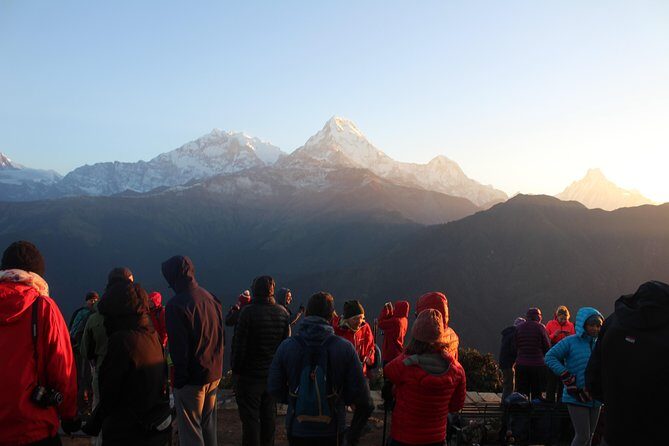
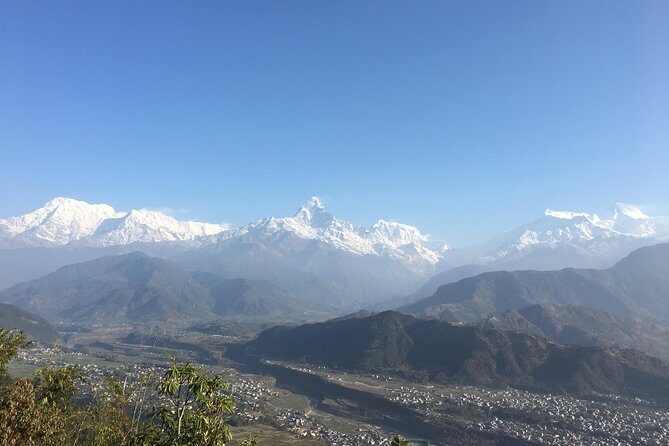
Poon Hill is famous for a reason: it’s a high-enough viewpoint that can feel like a front-row seat to the Annapurna region. You’re not doing technical climbing. You’re doing lots of walking, then getting rewarded with sweeping views when weather cooperates.
What makes this trip appealing for many people is the balance. You get easy trekking days through forests and villages, plus clear “big-mountain payoff” moments at the viewpoint. And because you also spend time in Kathmandu and Pokhara, the experience doesn’t feel like you disappeared into the mountains for ten days with no cultural context.
You can also read our reviews of more hiking tours in Kathmandu



Kathmandu temple day: Pashupatinath, Boudhanath, Bhaktapur
Your trip starts in Kathmandu with airport pickup, then it escalates into a focused city circuit before you head toward the trail. This matters, because Kathmandu can feel like a lot on day one. Having a guided day with a private vehicle helps you get your bearings fast, and it saves time you’d otherwise waste figuring out transit and ticket lines.
Here’s what you’ll see:
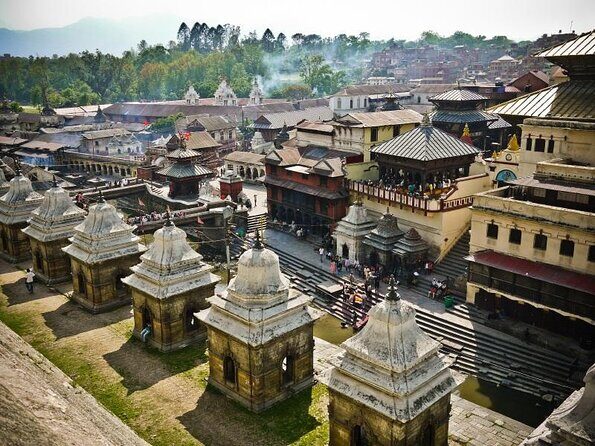
- Pashupatinath Temple: you can’t go inside (it’s for Hindus only), but you can view the temple and daily life from the eastern bank of the Bagmati River. It’s a strong first glimpse of Nepal’s living religious traditions.
- Boudhanath Stupa: one of the holiest Buddhist sites in Kathmandu, built in the 5th century, with Buddha’s eyes facing four directions. If you’re there when pilgrims are around, prayer wheels add that steady, rhythmic energy.
- Bhaktapur Durbar Square: a royal residential quarter with major sights like the Nyatapola-style pagoda temple and other historic temple clusters.
This city day is also practical because the monument entrance fees are included, so you’re not stuck scrambling for cash or searching for what’s covered.
Getting to Pokhara: the buffer city that makes trekking easier
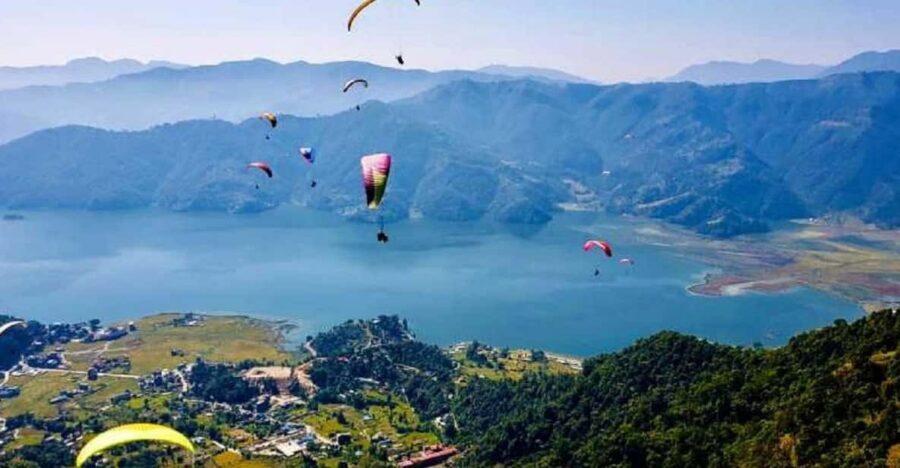
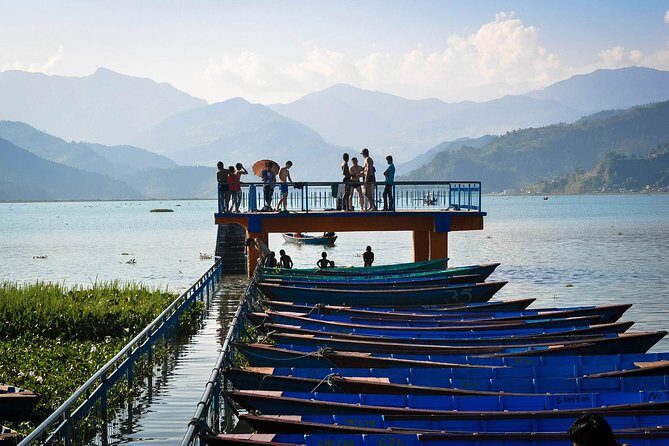
Pokhara is the calm cousin of Kathmandu. You’ll travel there by tourist bus, and you’ll arrive in a lakeside setting that feels more human-scaled. It’s also a better mental gear for trekking.
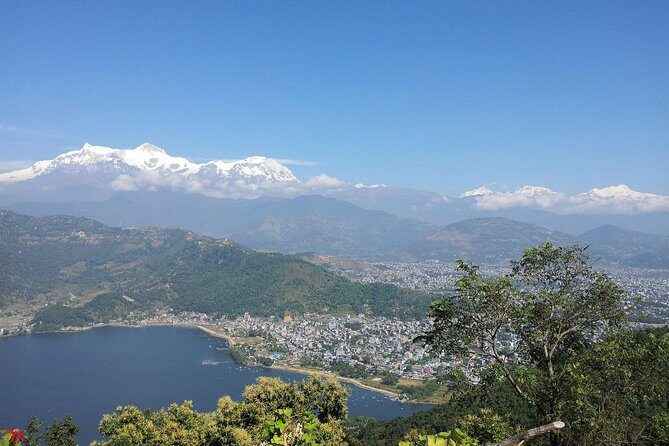
Pokhara is known for panoramic mountain views, including Annapurna and Machhapuchhare (Fish Tail Peak). Even if clouds block some peaks, the town itself helps you reset. You’ll use Pokhara to transition from city traffic and temple days into steady walking days.
Also, starting from Pokhara is a value play. You get the big-city orientation first, then the trail begins with real scenery rather than transport chaos.
Trek day start from Nayapul to Hille and Tikhedhunga
Your trek begins after a drive from Pokhara to Nayapul, with a short walk along the Modi Khola. This first segment is designed like a soft landing. You start around Birethanti (1,015 m), then climb steadily toward Hille (1,495 m), and continue up to Tikhedhunga (1,570 m).
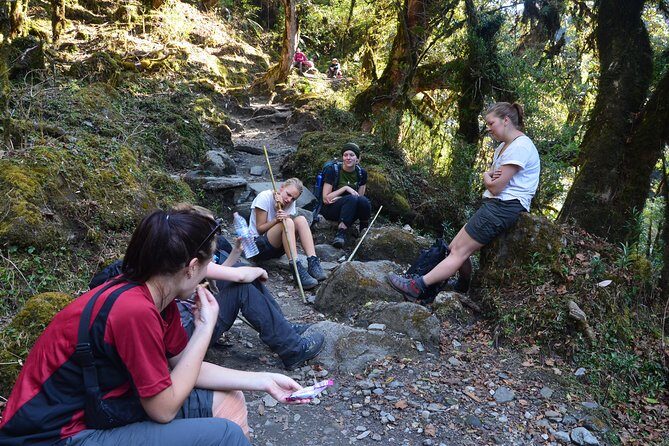
Why I like this day: it teaches your body what “trek pace” means without trying to break you on day one. The walking time is relatively short, and the route stays friendly—good if you’re new to trekking or you’re carrying a little too much excitement.
One consideration: it’s still uphill. You’ll feel it if your fitness level is more “weekend hikes” than “daily climbs.” But the gradual start is exactly the point.
Through Ulleri, oak and rhododendron forests, to Ghorepani
From Tikhedhunga, you move toward Ulleri (a Magar village around 2,070 m) and then keep gaining altitude through forests. The climb is more noticeable here, but it’s broken up by village stops and changing scenery.
You’ll pass through Banthanti (2,250 m), then Nangethanti (2,460 m), and finally reach Ghorepani (2,840 m). Ghorepani is the hub for the sunrise mission, so reaching it the day before matters. It gives you time to settle in, eat well, and get an early start without rushing.
This part of the route is where the trekking feels most “alive.” Oak and rhododendron forests mean you’re not walking through one-note scenery. You’re moving under trees with birds around you, and every bend can show a new angle of the mountains in the distance.






Poon Hill sunrise: the payoff moment you plan your whole morning for
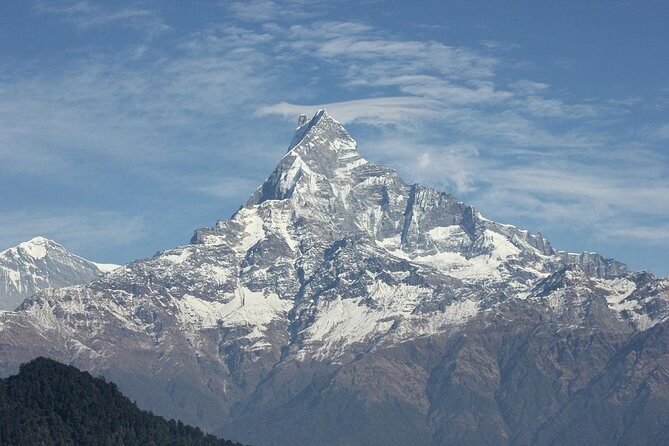
This is the headline: a very early hike to Poon Hill (3,210 m) for sunrise. The ascent to the viewpoint is about an hour hiking, and once you’re up there, the focus is simple: stand still, breathe, and watch the mountain colors change.
You’ll get about an hour at the viewpoint, then you return to Ghorepani for a hot breakfast. That detail matters more than it sounds. You’re cold at sunrise. Coming back to a warm meal is the kind of logistics that turns a tough start into a satisfying memory.
After breakfast, the next portion is also important. You don’t just do sunrise and go home. You continue on ridges and through pine and rhododendron forests toward Deurali (2,960 m), then descend to Banthanti and continue onward to Tadapani.
Practical tip: if you hate starting early, don’t book this thinking you’ll sleep in. This trek runs on the sunrise clock.
Tadapani to Ghandruk: Gurung culture and classic mountain framing
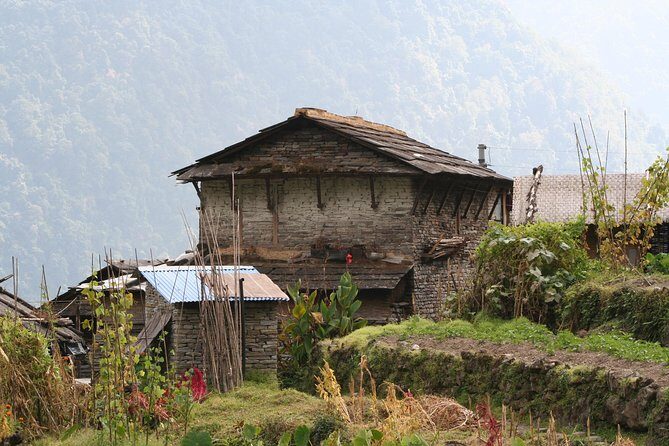
Your route shifts from forest paths toward village life with a descent toward Ghandruk. Ghandruk is a Gurung village, and it’s a good place to experience the Annapurna region beyond just walking and photos.
This village is known for:
- Strong mountain views
- Gurung culture, including distinct dialect, costumes, and lifestyle
- A community connection to Gurkha soldiers
On the day you reach Ghandruk, you get more breathing room than on the pure “walk all day” sections. You can visit the Annapurna Conservation Office and museums, then explore the village in the afternoon. This is a meaningful stop because it helps you understand how conservation and tourism overlap in this region.
One more note: Ghandruk is also where the trip can feel more social. Tea houses, shared meals, and village pacing make it easier to talk with other trekkers and locals without interrupting your own rhythm.
Ending at Nayapul, then Pokhara for a breather
On the final trekking day, you head back to Nayapul, then you drive to Pokhara. Once you’re back in the lakeside area, you’re free to take it easy: stroll near the water, grab a casual meal, and avoid packing again for a bit.
I like that the ending doesn’t yank you straight into another long travel day without downtime. You finish the walk, then you transition gradually.
Back to Kathmandu: farewell dinner with cultural performances
After Pokhara, you return to Kathmandu in the morning. The plan includes a farewell dinner at a traditional Nepalese restaurant with cultural performances.
This part isn’t just a “nice-to-have.” It’s the payoff for the effort you’ve put in. After days of simple food, early mornings, and hiking steps, sitting down for a proper evening feels good.
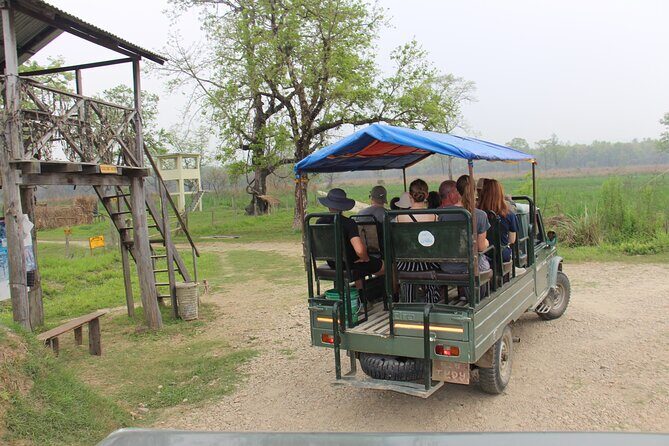
And if you want to add on extra Nepal time, it’s useful that the trip mentions extensions like Chitwan, rafting, shopping time, or biking.
Price and value: where the money goes (and where it doesn’t)
At $1,172.27 per person for a roughly 10-day experience, you’re paying for more than the trail itself. You’re also paying for the support system that keeps the trek moving smoothly.
Here’s the value breakdown from what’s included:
- Private airport/hotel transfers plus a Kathmandu city tour by private vehicle
- Trek guide (licensed English-speaking) and porters (one porter for every two guests)
- Lodging: three nights in a three-star Kathmandu hotel and two nights in Pokhara, plus guesthouse stays during the trek (mostly twin-share, occasionally dormitory)
- Permits: Annapurna Conservation Park permits and the TIMS permit
- Meals during the trek (breakfasts plus included lunches and dinners on trek days)
- Staff support costs covered (food, accommodation, salary, insurance, equipment, and medicine for staff)
- Gear you receive: a duffel/kit bag and a sun hat
What’s not included matters too:
- Lunch and dinner in Kathmandu and Pokhara
- Travel insurance that covers emergency rescue/evacuation
- International airfare and the Nepal entry visa
- Tips for drivers and trekking staff (tipping is expected)
So the real question isn’t only whether the price is “high” or “low.” It’s whether you want the hassle removed. If you’d rather spend your energy on sunrise and walking rather than permits, transport, and logistics, this package is a sensible match.
Guides and porters: the human factor that changes your day
In trekking, your comfort comes down to people as much as scenery. This trip includes a licensed, English-speaking trekking guide and porters to carry your luggage. That porter ratio—one porter per two guests—is a big help, especially if you’re not traveling with ultra-light gear.
I also noticed a theme in past feedback tied to guide quality and team spirit. Names that came up include Amod and Limbodia, Sushanta, Baburam (Babu), Janardan, Ishwar, Raj, and Ramesh Karki, with porters like Poson and Bipi mentioned alongside them. The consistent point wasn’t just friendliness. It was practical support: helping keep the trek smooth, managing pacing, and handling route adjustments when plans needed flexibility.
Also, because the trek is capped at a maximum of 15 travelers, you generally won’t feel swallowed by a huge crowd.
Fitness and packing reality for an easy trek that still climbs
This is labeled as easy, and the route choice supports that. Still, the trekking includes altitude gains to around 3,210 m at Poon Hill, plus multiple uphill/downhill transitions.
You should be ready for:
- Early starts (because the sunrise hike is the main event)
- Several days of walking with elevation changes
- Tea-house conditions: simple rooms, shared spaces, and basic comfort
On packing, the only hard rule from the details is that personal trekking equipment isn’t included. So bring your own daypack, layers, rain protection, and trekking shoes appropriate for uneven paths.
For my money, pack for cold mornings and warm afternoons. The temperature swing around sunrise is the kind of thing that makes or breaks your mood.
Weather and route conditions: the part you can’t control
This experience requires good weather. If conditions are poor, you’ll be offered a different date or a full refund. That’s the honest trade in mountain travel.
Even when the day looks perfect at dawn, visibility can change fast in the Himalayas. That’s why the timing matters and why you’re hiking early: the goal is to catch sunrise when the odds are best.
Should you book the Poon Hill trek with Ace the Himalaya?
If you want the Annapurnas with a high chance of classic views, this is a strong option. I’d book it if you like structured days, want permits and transport handled, and appreciate the idea of having a real team around you (guide plus porter support).
I would think twice if:
- You hate early mornings and steady walking, even on an easier route
- You’re expecting luxury accommodations during the trek
- You’re not comfortable with simple tea-house stays and a bit of altitude effort
If you want a memorable mountain sunrise plus village trekking without turning your trip into a logistics project, this one fits.
FAQ
How long is the Poon Hill trek and what cities are included?
The experience is approximately 10 days. It includes Kathmandu, a transfer to Pokhara, and the trek loop that starts near Nayapul and returns to Nayapul, with the trip ending with a drive back to Kathmandu and drop-off at Tribhuvan International Airport.
Is airport pickup and hotel transfer included?
Yes. You get airport/hotel/airport pickup and drop-off by private tourist vehicle, plus the trek organization includes transfers between Kathmandu and Pokhara by tourist bus and between Pokhara and Nayapul by private vehicle.
What kind of lodging will I have during the trek?
During the trek, you’ll stay in guesthouses, mostly in twin-share rooms with an occasional dormitory setup. In Kathmandu and Pokhara, the trip includes three-star hotel rooms with breakfast.
Which meals are included?
Breakfast is included for 9 breakfasts total, and lunch (6) and dinner (6) are included. Lunch and dinner in Kathmandu and Pokhara are not included.
How are porters handled for luggage?
You’ll have porter support, with one porter for every two guests. The price includes food, accommodation, and support for the staff.
Are trekking permits included?
Yes. The trip includes Annapurna Conservation Park permits and the TIMS permit for trekking.
What is the maximum group size?
This experience has a maximum of 15 travelers.
Is there free cancellation if weather is bad?
Yes. You can cancel up to 24 hours in advance for a full refund. The experience requires good weather, and if it’s canceled due to poor weather, you’ll be offered a different date or a full refund.