REVIEW · KATHMANDU
An 8- day itinerary for Ghorepani Pun Hill trek for Sunrise & Himalaya view Tour
Book on Viator →Operated by Nepal Hiking Pvt. Ltd. · Bookable on Viator
Sunrise over the Himalaya is worth the early alarm. This Ghorepani to Pun Hill trek is a classic Annapurna outing that mixes big mountain views with real village life, including Magar stops at Ulleri and Gurung time in Ghandruk. I especially like that the itinerary is built around one headline moment—Pun Hill at 3,210 meters—then turns into an easy-to-follow hiking rhythm through forests and river valleys. One consideration: the climb for Pun Hill starts around 5:00 a.m., so you’ll want to be comfortable with early starts and steep sections.
Another thing I like is how the logistics are handled for you: you get an English-speaking guide, permits (TIMS and Annapurna Conservation), and coach transfer between Kathmandu and Pokhara. You also get a shared porter setup for two people, which helps on an overnight trek where bags can start to feel heavy fast. Still, you should be honest with yourself about fitness and altitude—this is not a gentle stroll, and weather can affect sunrise conditions.
In This Review
- Key highlights worth your attention
- Sunrise over Pun Hill: the part that makes the whole trek click
- Kathmandu to Pokhara by tourist coach: a long day that pays off
- Day 2: from Nayapul up through Birethanti, Hile, and Tikhedhunga
- Day 3: Ulleri and the Magar village feel, then forests up to Ghorepani
- Day 4: 5:00 a.m. to Pun Hill for sunrise, then Tadapani and rest
- Day 5: downhill to Ghandruk for Gurung village life, then back toward Nayapul
- Day 6: Pokhara to Kathmandu, and the feeling of landing again
- What you get for about $884.97 per person: value check that’s not just math
- Guides and the human touch: the encouragement factor
- Altitude, fitness, and weather reality: plan for life up high
- Should you book this Ghorepani Pun Hill sunrise tour?
- FAQ
- What time does the tour start in Kathmandu?
- How long is the trek package?
- What is the highest point included in the plan?
- Are permits included?
- Who will guide the hike and what language is used?
- How is transportation handled between cities and the trail start?
- What meals are included during the trek?
Key highlights worth your attention
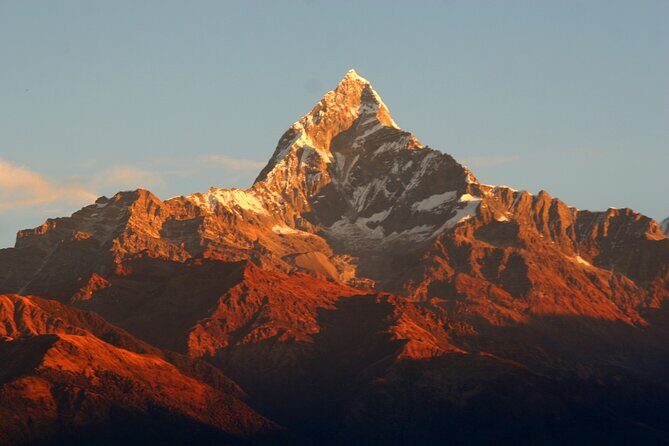
- Pun Hill at 3,210m for panoramic sunrise views of Dhaulagiri, Annapurna, and Machhapuchhre (when skies cooperate)
- Magar culture in Ulleri and Gurung culture in Ghandruk, two different communities with distinct village flavor
- Oak and rhododendron forests on the way to Ghorepani, so your hike isn’t just rocks and dust
- A structured day around sunrise, with a hike out early and a proper hot breakfast back at your guest house
- Coach transfers and permits included, so you spend less time figuring out paperwork and more time on the trail
Sunrise over Pun Hill: the part that makes the whole trek click
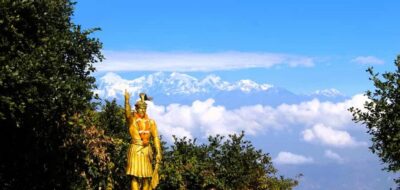
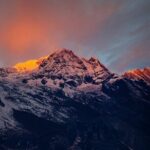
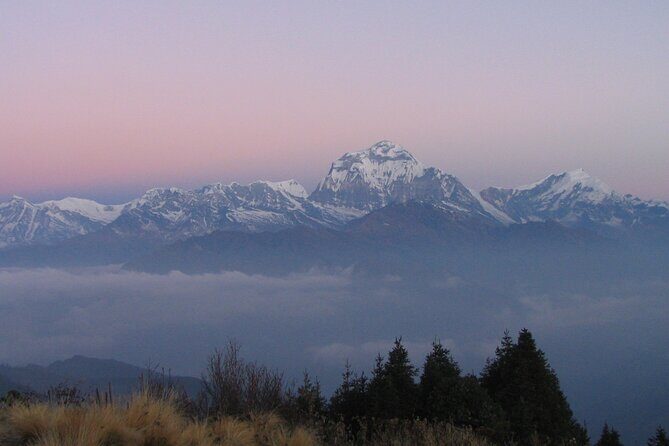
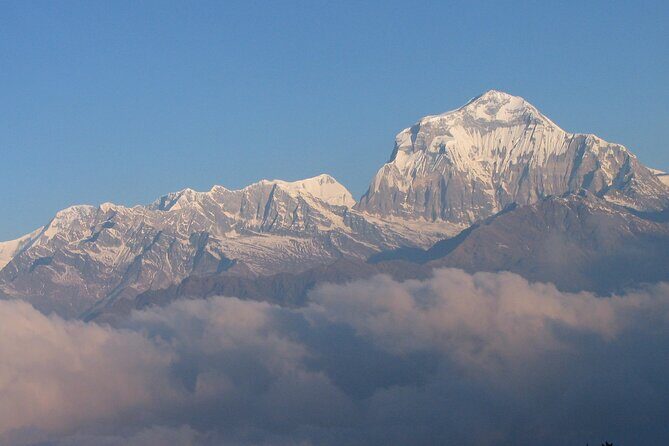
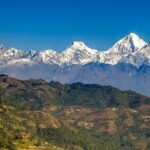
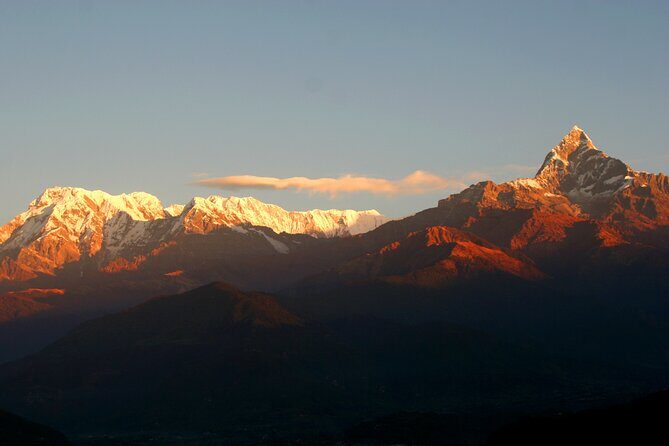
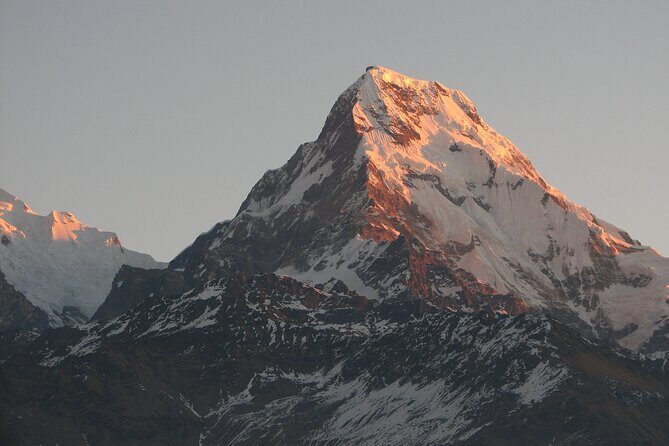
Pun Hill is the headline because it’s high enough to frame the Himalaya in a way that feels close, dramatic, and personal. On clear mornings, you’re looking across a lineup that can include Mt. Dhaulagiri, Annapurna South, Annapurna I, Himchuli, Machhapuchhre, Tukuche Peak, and more. Even if you’re not a hardcore mountaineer, you’ll still feel the scale—because the mountains are lined up, not hiding behind one another.
What I like about the way this trek is organized is that sunrise isn’t just a marketing promise. You get an early push to Pun Hill, then you return to your lodge for a hot breakfast before continuing hiking. That matters. Many treks treat sunrise like a hit-and-run. Here, you’re actually given a full rhythm: early start, payoff views, then food and rest before you move on.
The view is the big reason to do this trek. But the other reason is that you experience the region at human pace—trail edges, village paths, and everyday stops that don’t feel like a theme park.
You can also read our reviews of more hiking tours in Kathmandu


Kathmandu to Pokhara by tourist coach: a long day that pays off
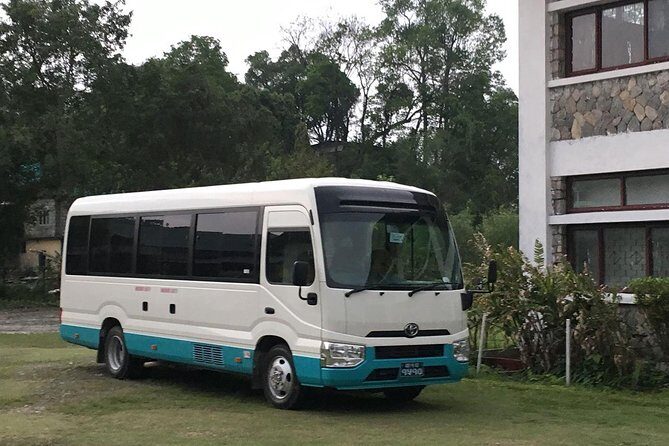
Your day begins in Kathmandu with a morning start time listed as 8:00 am. After an early breakfast, you’re taken to the tourist bus station and head to Pokhara on a big tourist coach for about 6 hours.
This day isn’t about sightseeing. It’s about position. Getting to Pokhara means you start your trek from Nayapul the next day, which keeps the hiking portion tight and efficient.
If you tend to feel cranky when plans run late, you’ll be relieved to know this trip is designed around coordination and clear handling. In past departures, the team has been praised for answering questions promptly and keeping the adventure organized, which is a comfort when you’re already dealing with travel fatigue.
Day 2: from Nayapul up through Birethanti, Hile, and Tikhedhunga
On the trekking front, Day 2 starts with a short drive from Pokhara to Nayapul (about 45 minutes). Then you follow the river corridor—first walking along the bank of the Modi Khola, reaching Birethanti (around 1,065 meters) after roughly 20 minutes.
Birethanti is useful in real life. It’s large enough to feel like a hub, with shops and tea houses, so you get that early “we’re in trekking country” feeling. It’s also a gentle mental transition from transport mode to walking mode. After that, the trail continues through villages and follows the north bank of the Bhurungdi Khola.
From there, the hike shifts into a steady climb toward Hile (about 1,495 meters). Then you push on to Tikhedhunga (about 1,525 meters). This is the kind of day that tests your legs in small doses—enough climb to wake up your rhythm, not so much that you’re completely toasted.
Practical tip: if you like warm-up walks, this is where you find your pace. Don’t rush. Let your breathing settle. The trail keeps asking for steady effort, and consistency beats sprinting.
Day 3: Ulleri and the Magar village feel, then forests up to Ghorepani
Day 3 is where the trek starts feeling more “Annapurna” and less “intro hike.” After breakfast, you climb steeply to Ulleri, a major Magar village at about 2,070 meters. Ulleri matters because it adds culture to the scenery. You’re not just passing through altitude—you’re moving through a community.
Then the ascent becomes gentler as you hike through fine forests of oak and rhododendron toward Banthanti (about 2,250 meters). The plant life here isn’t decoration; it makes the walk cooler and more varied, and it can soften the monotony of long uphill stretches.
You continue to Nangethanti (about 2,460 meters), then keep walking until Ghorepani (about 2,775 meters). Ghorepani sits high enough to set you up for Pun Hill next morning. It’s also a place where guest houses cluster, so you get that pre-sunrise energy creeping in.
If you’re the type who likes to plan your comfort in advance, Ghorepani is where you want to get your gear organized: layers ready, water handled, and sleep prioritized.
Day 4: 5:00 a.m. to Pun Hill for sunrise, then Tadapani and rest
This is the main event. You’ll wake early (around 5:00 am) and start an hour hike to Pun Hill so you can catch sunrise. From there, you’re aiming for panoramic views across the Annapurna Himalaya range—Dhaulagiri, Annapurna South, and Machhapuchhre are specifically called out as key sights.
Then you head back to your guest house for a hot breakfast. I love this part because it gives you a payoff cycle that actually makes sense: early effort, big view, then a real meal and time to reset.
After breakfast, you continue trekking to Tadapani. The itinerary doesn’t list exact altitude for Tadapani here, but this segment is basically the transition from sunrise zone back into trekking mode. You’re still gaining altitude and working the trail, but the day is no longer a cold, pre-dawn grind.
Practical note: sunrise days can be chilly. Even if the forecast looks good, temperatures near early morning can surprise you. Pack for cold mornings, not just daytime warmth.
A few more Kathmandu tours and experiences worth a look

Day 5: downhill to Ghandruk for Gurung village life, then back toward Nayapul
Day 5 shifts gears into a downhill walk through forest to Ghandruk (around 2,000 meters). Ghandruk is a beautiful village inhabited by the Gurung community, and it’s often where hikers pause to feel the difference between “walking through” and “arriving.”
This day also gives you your best lunch-style moment. The plan is to stop in Ghandruk for lunch and enjoy views of the Annapurna range while you eat. Then you continue downhill to Nayapul, followed by the drive back to Pokhara.
This is the kind of finish that feels satisfying. You’re not just descending tired and silent. You’re descending with a culturally grounded break, then closing the loop with transport back to Pokhara.
If you want a lesson from the way this trek is designed: give yourself permission to enjoy the pause. Ghandruk isn’t a checkpoint. It’s the place where you get to look around and notice how people live up here.
Day 6: Pokhara to Kathmandu, and the feeling of landing again
After breakfast, you return to Kathmandu on a tourist coach. The tour ends back at the meeting point.
This final transfer matters more than you might think. After several trekking days, a planned ride back keeps you from stretching your trip into extra stress. You can arrive, reset, and decide what you’ll do with the rest of your Nepal time.
One thing to keep in mind: accommodation and food in Kathmandu are not included, so you’ll likely be budgeting for that part separately.
What you get for about $884.97 per person: value check that’s not just math
The price is listed as $884.97 per person, and the value comes from what’s bundled rather than what’s romantic.
Included highlights:
- An English-speaking hiking guide
- Accommodation as per the itinerary
- One shared porter for every 2 people
- Annapurna Conservation and TIMS permits
- Travel to and from Pokhara in a big tourist coach
- Meals during the trek: dinner (3), lunch (4), breakfast (5)
Not included:
- Nepal visa
- Travel insurance
- Accommodation and food in Kathmandu
So what are you really paying for? You’re paying for fewer decisions. Permits and guide planning remove paperwork headaches. Transport reduces friction between city travel and trail travel. And the porter arrangement helps keep the trek manageable, especially on days where stairs and steep trail sections add up.
Would it be cheaper if you organized everything yourself? Maybe. But you’d also take on the risk of coordination issues, permit timing, and mismatched logistics. This is the kind of trek where getting the basics right makes the experience better, not just easier.
Guides and the human touch: the encouragement factor
One reason this trek earns consistent praise is the way the team shows up on the ground. In past trips, guides like Gakul and Surya have been described as encouraging in a steady way. That matters on Pun Hill day and on the steep climb to Ulleri, where your motivation can drop if nobody reads the pace.
The support structure also includes people like Bhairam and Tilak (named in prior trip feedback). You don’t necessarily travel with the same people every time, but it signals a pattern: communication and on-trail support are taken seriously, not treated like paperwork afterward.
I recommend this trek especially if you want a guided path with real human attention, not just a person walking ahead and pointing at the next turn.
Altitude, fitness, and weather reality: plan for life up high
You’ll reach a key viewpoint at 3,210 meters (Pun Hill), and the trek route includes climbs up to Ghorepani around 2,775 meters, plus village stops at higher elevations. That means you should take altitude seriously even if you’re fit.
The trip also explicitly requires a strong physical fitness level. The Day 3 section includes a steep climb to Ulleri, and sunrise day includes an early hike to Pun Hill before breakfast and continuing to Tadapani.
Weather is another reality check. The experience requires good weather, and if poor weather cancels it, you’re offered a different date or a full refund. This doesn’t guarantee sunshine, but it does mean the operator isn’t pretending the mountain always cooperates.
Should you book this Ghorepani Pun Hill sunrise tour?
Book it if:
- You want the classic Pun Hill sunrise with a plan that includes breakfast and a smooth continuation afterward
- You care about culture stops at Ulleri (Magar) and Ghandruk (Gurung), not just stacking miles
- You’d rather pay for permits, transport, meals, and a guide than handle all that yourself
- You’re comfortable with early starts and steady uphill hiking
Skip or rethink it if:
- You dislike steep, high-altitude trekking and early mornings
- You want a fully independent trip with zero guiding and no included meals/transport
- You’re not prepared for weather-related changes
If you’re in the sweet spot—good fitness, flexible about sunrise conditions, and excited for both mountain views and village time—this is a solid way to experience the Annapurna region without turning your holiday into a logistics project.
FAQ
What time does the tour start in Kathmandu?
The meeting start time is listed as 8:00 am, with an early breakfast before you’re taken to the bus station.
How long is the trek package?
The itinerary runs Day 1 through Day 6, and the summary describes it as about 6 days (approx.). Some descriptions refer to it as an 8-day tour, but the provided schedule totals 6 days.
What is the highest point included in the plan?
Pun Hill is listed at 3,210 meters above sea level.
Are permits included?
Yes. The plan includes Annapurna Conservation and TIMS permits.
Who will guide the hike and what language is used?
You’ll hike with an English-speaking hiking guide.
How is transportation handled between cities and the trail start?
You travel from Kathmandu to Pokhara by big tourist coach, then drive to Nayapul to start the trek. After the trek, you return by tourist coach to Kathmandu.
What meals are included during the trek?
Dinner (3), lunch (4), and breakfast (5) are included as part of the trek plan. Kathmandu meals are not included.