REVIEW · KATHMANDU
Island Peak Climbing | Summit 6,189m with Expert Guides
Book on GetYourGuide →Operated by Accessible Adventure Pvt. Ltd · Bookable on GetYourGuide
Island Peak tests you, then rewards you. This 14-day climb in Nepal’s Koshi Zone pushes you into the Everest region, with Sherpa culture stops and expert guide support built around getting you safely up to 6,189m. You’re not just “hiking for views” here—you’re training your body and your movement for real altitude and real climbing.
I love the way the plan earns its summit day. The acclimatization days around Namche Bazaar and the technical pre-climb training at Island Peak Base Camp give you a practical ramp-up, not a blind jump toward the top.
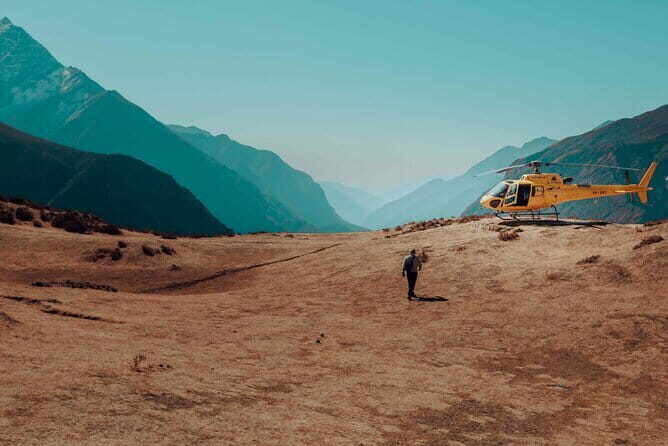
One consideration: Lukla flights can be weather-sensitive, and in peak season operations may shift to Ramechhap Airport. That can ripple your timing, even when everything else is organized well.
In This Review
- Key Highlights Worth Getting Excited About
- The Island Peak Sweet Spot: Everest Views, Beginner-Friendly Climbing Goals
- Kathmandu Arrival: Use Day One to Get Your Bearings
- Fly to Lukla and Walk to Phakding: Your First “This Is Real” Moment
- Namche Bazaar Acclimatization: The Pause That Makes the Summit Possible
- Tengboche to Dingboche: Monastery Stop, Big Walls, Higher Breathing
- Chhukung to Base Camp: Where Trekking Starts Turning Technical
- Summit Day to 6,189m: The Long Climb and the Need for Calm
- The Contingency Day: Why Buffer Time Is Not a Waste
- Return to Kathmandu: The Quiet Win
- Price and Value: What You’re Paying For (and What to Budget Extra)
- Packing and Gear Reality Check for Island Peak
- Who Should Choose This 14-Day Island Peak Climb
- Should You Book Island Peak With This Operator?
- FAQ
- How high is the Island Peak summit on this climb?
- How long is the trip from start to finish?
- What permits or fees are included, and what is not included?
- Do I get any training before the summit attempt?
- Are flights to Lukla included in the price?
- Are drones allowed during the trip?
Key Highlights Worth Getting Excited About
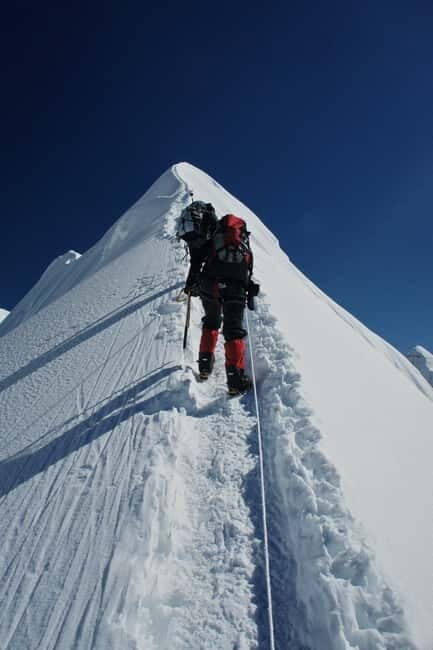
- A real summit goal at 6,189m with structured climbing support and gear
- Sherpa culture in mountain villages as part of the trekking rhythm
- Glacier and technique practice before you ever rope up for the summit
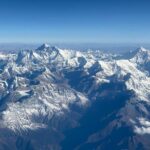
- Serious Everest-region viewpoints including Everest, Lhotse, Ama Dablam, and Island Peak
- A guide team with extensive route experience, plus porter support to keep you moving
The Island Peak Sweet Spot: Everest Views, Beginner-Friendly Climbing Goals
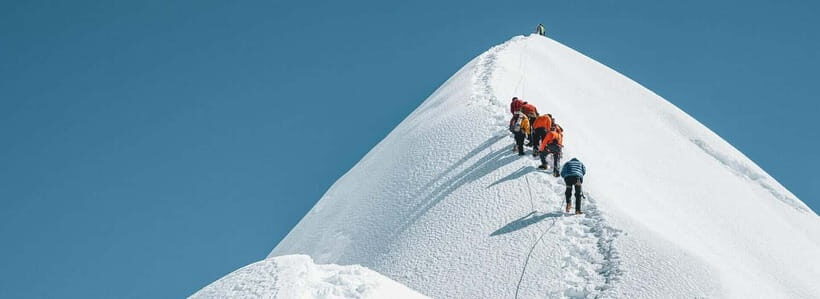
Island Peak (6,189m) sits in that rare category where you get both: the myth of Everest and a climb that is achievable for people who train and take instructions seriously. If you’ve ever looked at Everest-region photos and wondered what it would feel like to stand in that altitude pressure cooker, this is the path that turns curiosity into a plan.
What makes it work is the balance between trekking and climbing preparation. You spend enough time in the high Khumbu to let your body adjust, and you also get hands-on support for the technical side (ropes, ice hardware, and glacier walking practice). In other words, you don’t reach summit day with zero idea what’s coming.
And yes, the views help. When you’re walking above 4,000m and then stepping higher toward the glacier zone, Everest, Lhotse, and Ama Dablam are not background details. They’re your visual scoreboard.
You can also read our reviews of more tours and experiences in Kathmandu.
Kathmandu Arrival: Use Day One to Get Your Bearings
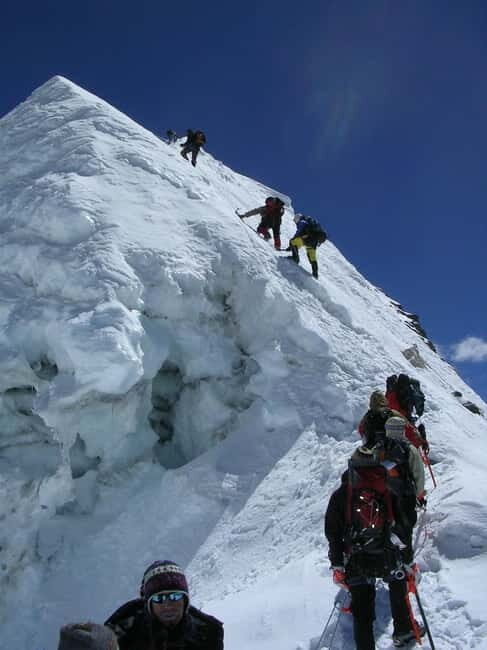
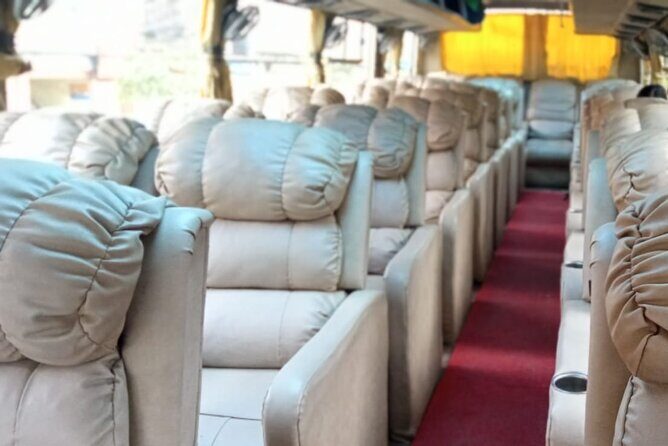
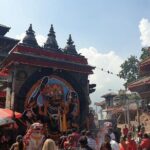
You start in Kathmandu at 1,338m, with airport and hotel transfers handled by private vehicle. That matters more than it sounds: the first day in Nepal is when you want everything simple—sleep, food, and logistics—so your nervous system stays calm before the flight-and-trek rhythm begins.
You’ll have two nights in a deluxe Kathmandu Suite Home or similar, plus three meals per day while you’re on trek. Even if you don’t feel like sightseeing yet, this is the day to settle into altitude-adjacent life: hydrate, keep your schedule light, and let your body gear up for the thinner air you’ll earn over the next two weeks.
A helpful mindset here: treat Kathmandu as your setup day, not your adventure day. Save your big energy for the trail.
Fly to Lukla and Walk to Phakding: Your First “This Is Real” Moment
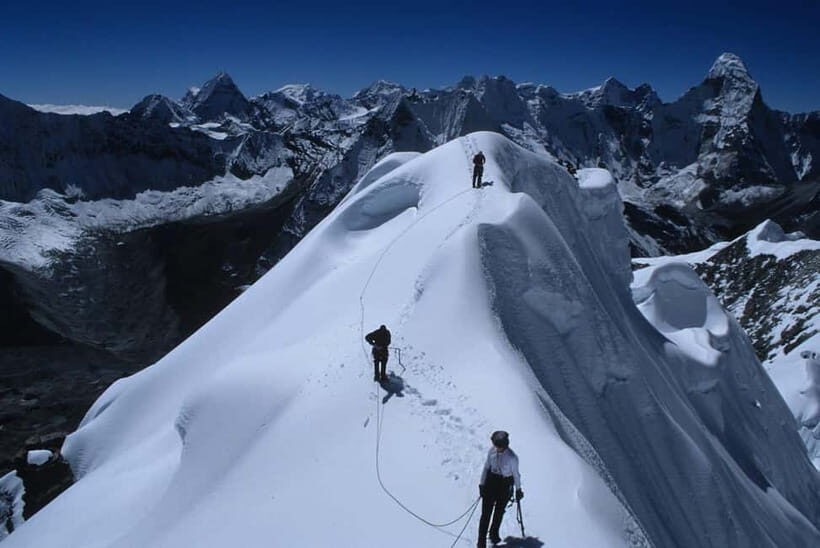
On Day 2, you fly to Lukla (35 minutes), then trek to Phakding for about 3–4 hours. It’s a classic Everest-region on-ramp: short walking, first bridges, and a quick shift from city life into mountain logistics.
You’ll climb and then settle—about 300m of ascent on paper—while walking roughly 8 km. This is the kind of day where the air feels thinner, but the pressure is mostly mental. You’re learning what pacing feels like. You’re also getting used to breathing slower and stepping with control.
One practical thing I like about this start: it doesn’t try to exhaust you. The early trekking hours are designed to introduce you to the rhythm before the plan starts climbing.
Namche Bazaar Acclimatization: The Pause That Makes the Summit Possible
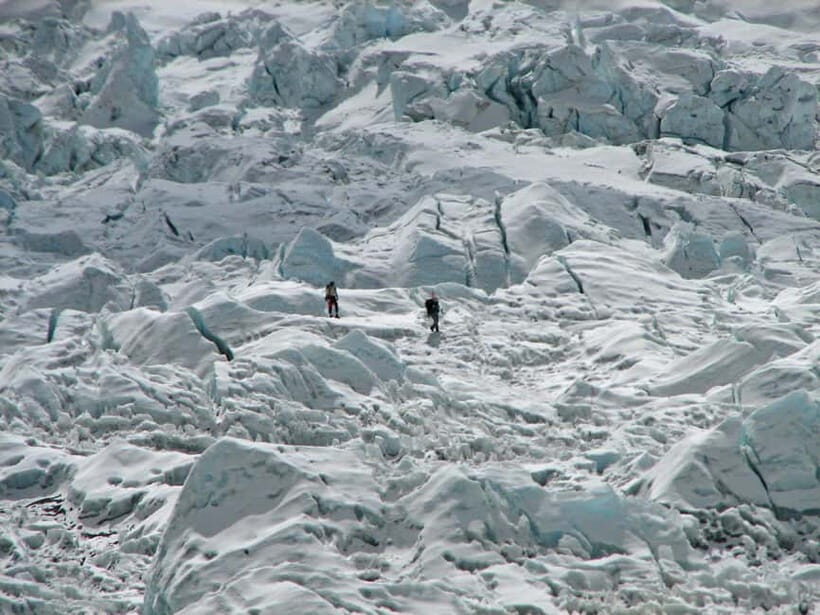
Day 3 is your jump to Namche Bazaar (3,438m) in about 5–6 hours. Along the way you cross suspension bridges and start getting your first substantial sights of Everest. You also climb roughly 600m, with about 10 km of walking.
Then Day 4 gives you the real “smart climber” move: acclimatize in Namche with optional hikes. You stay at about the same elevation and do gentle movement around 3,438m—2–3 hours of walking if you choose to hike. You’ll likely see Everest and Ama Dablam from the area.
This is where you learn the key habit for altitude success: don’t rush. Acclimatization isn’t about suffering; it’s about helping your body adapt while keeping energy for later days.
Tengboche to Dingboche: Monastery Stop, Big Walls, Higher Breathing
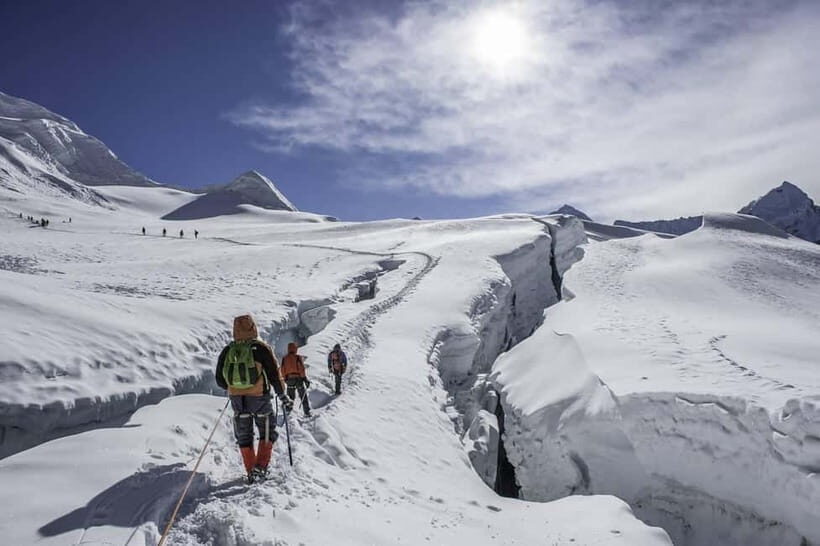
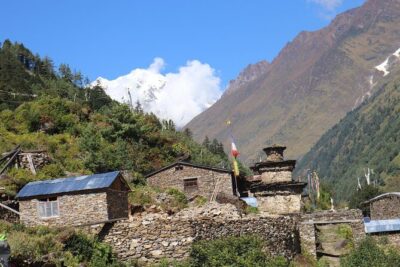
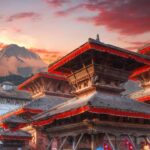
Day 5 takes you to Tengboche (3,870m) in about 5–6 hours, with around 430m ascent. Tengboche’s monastery experience isn’t just scenery—it’s a cultural reset inside a physical challenge. When your mind is tired, that kind of landmark can help you slow down and notice the setting.
You’ll continue seeing Everest-region giants, including Everest, Lhotse, and Ama Dablam. These aren’t quick glimpses, either. The trail gives you long enough sightlines that mountains become part of the walking—not just a photo target.
Day 6 moves higher to Dingboche (4,360m) in 5–6 hours (about 490m ascent). This leg is about widening your world. Valey views open up, you climb into the high Khumbu zone, and your body starts feeling the elevation more clearly.
If you want one practical takeaway: here’s where you should tighten up your hydration and snacking schedule. Consistent fueling beats occasional hero moments.
Chhukung to Base Camp: Where Trekking Starts Turning Technical
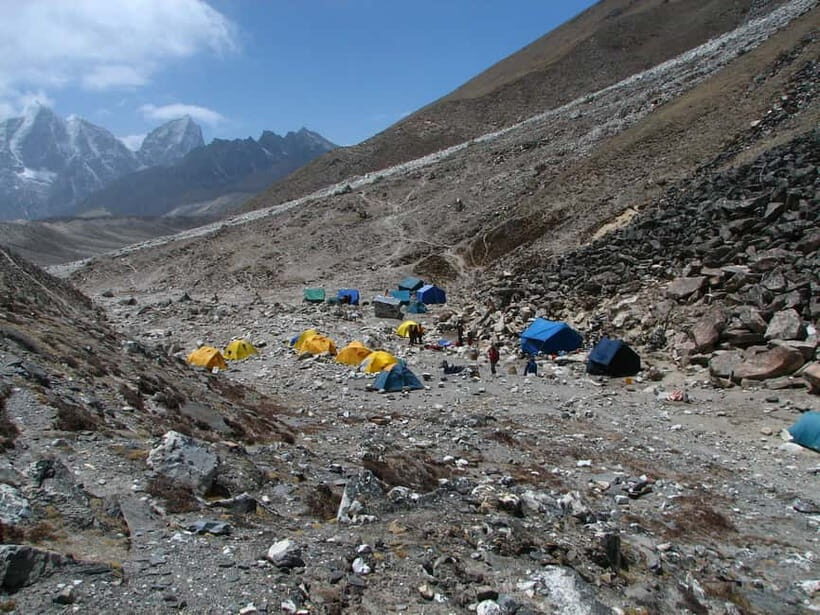
Day 7 brings you to Chhukung (4,730m), about 3–4 hours and 6 km. The big difference is focus. The walk feels more alpine, and Island Peak starts showing up as more than a distant point.
On Day 8, you go to Island Peak Base Camp (5,200m) in 3–4 hours, then you do pre-climb training. This is the step that turns a trek into a climb: you’ll practice glacier walking and you’ll get time to understand how moving on snow and ice feels under the reality of higher altitude.
Also pay attention to what’s happening behind the scenes. You’ll have group climbing equipment provided—ropes, ice screws, snow bars, ice hammers, tents, and kitchen equipment. That’s big for value because it reduces the cost and hassle of renting or buying gear that you might not use again.
This day is not where you should be brave. It’s where you should be attentive.
Summit Day to 6,189m: The Long Climb and the Need for Calm
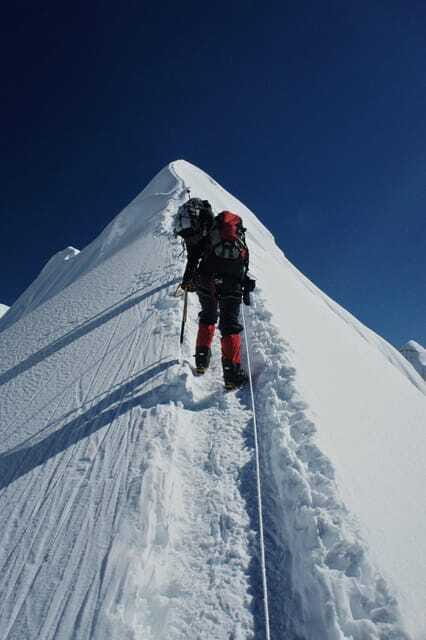
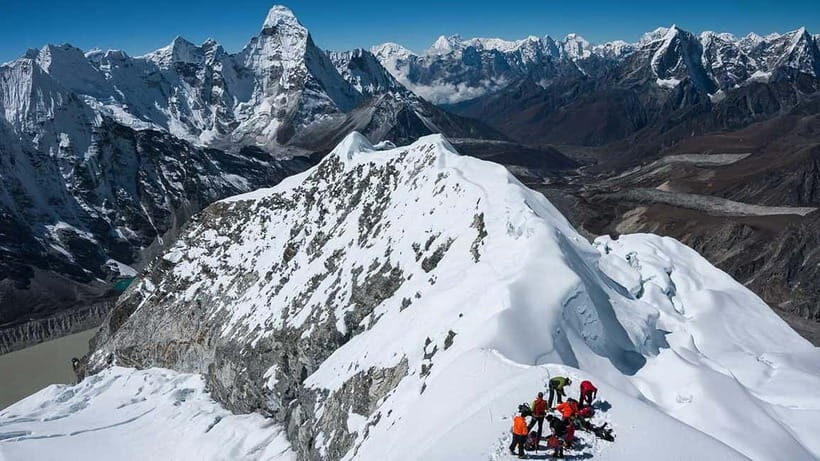
Day 9 is summit day: Island Peak to 6,189m and back to Base Camp, with 8–10 hours of trekking and about 10 km covered. You climb roughly 989m and descend the same amount, so this is a day built around sustained effort and smart pacing.
From a planning perspective, summit day is where your early acclimatization earns its keep. If you’ve respected Namche and treated Base Camp training like serious work, you’ll be less likely to panic when effort ramps up.
You’ll also be moving in a higher-altitude environment where technique and confidence matter. That’s why having expert support is the whole point. On paper, your climbing guide is listed with min. experience of 20+ summits, and one account of the guide described extensive experience (including routes like Ama Dablam) and good technical training. That background matters when conditions or timing get tricky.
A small but important detail: build your day around steadiness, not speed. Most people fail at altitude because they spend too much oxygen too fast.
The Contingency Day: Why Buffer Time Is Not a Waste
Day 10 is a contingency day. This isn’t a luxury; it’s a weather and timing hedge. Everest-region conditions can change quickly, and the best climbs are planned with flexibility rather than ego.
On Day 11 you trek back down from Chhukung to Namche Bazaar (about 5–6 hours, 18 km), dropping roughly 1,292m. This descent is long enough that your legs will remind you what summit day cost. Think of it as active recovery with big mileage.
Day 12 takes you from Namche back to Lukla (2,800m) in 6–7 hours and around 19 km. The walking is demanding, but the elevation is kinder. You’ll feel the relief in your breathing first, then your legs later.
Return to Kathmandu: The Quiet Win
Day 13 is your flight back to Kathmandu (35 minutes). The air thickens again as you drop to 1,338m. After a 14-day program, this feels like the moment you can finally exhale.
You’ll have a final day for departure on Day 14. By then, you’re not just leaving Nepal—you’re leaving the altitude task with a new baseline for confidence. You did the work. You handled the technical side. You came back with a summit to measure yourself against.
Price and Value: What You’re Paying For (and What to Budget Extra)
The published price is $1,699 per person for a 14-day program. That sounds like a lot until you look at what’s bundled.
What you do get included:
- Kathmandu transfers and two nights in a deluxe Kathmandu suite
- Three meals per day during the trek
- Best-available local lodges and tented accommodation
- A climbing guide for the ascent (min 20+ summits)
- Group climbing gear: ropes, ice screws, ice hammers, snow bars, tents, and kitchen equipment
- Porter support: one porter for every two clients (with food, accommodation, salary, equipment, and insurance included)
- Fees and permits included for parts of the route: NMA service charge/Royaltee, SPCC fee, Sagarmatha National Park entry, and Khumbu Pasang Lhamu Rural Municipality fee
- Garbage deposit of USD 500
- 24-hour support from the company
- A heli rescue assistant to contact your insurance
- Free duffle bag
What costs extra (and you should plan for):
- Island Peak climbing permit: listed as USD 350 / USD 175 (confirm which applies to your group)
- Round-trip flights Kathmandu–Lukla: USD 440 per person
- Travel insurance for the climbing guide: USD 100
- Personal expenses like drinks, Wi‑Fi/charging, laundry, hot water/hot shower (not included), and phone calls
- Tips for guides, porters, and drivers are customary but not included
My practical take: this price is best for people who want the heavy lifting handled—guides, equipment, food, lodging, and most route fees—rather than piecing it together alone. You’re also paying for risk management via guide experience, training, and contingency planning.
Packing and Gear Reality Check for Island Peak
You’ll bring a passport, cash, and climbing gear, plus a flashlight. That’s the bare minimum the program calls out. Since the tour provides many climbing logistics (including key safety gear as part of the group kit and a free duffle bag), your personal packing should focus on clothing and comfort that works at altitude.
You might find it useful to plan for:
- Cold nights and temperature swings at higher elevations
- Layers you can adjust while climbing and while resting
- Sleepwear and warm outerwear for tented nights and lodge nights
Also note what you’re not allowed to do: no drones.
And one more practical warning: you should ensure travel insurance covers high-altitude trekking and climbing. The tour also mentions heli rescue assistance to contact insurance, which is exactly what you want if the day goes sideways.
Who Should Choose This 14-Day Island Peak Climb
This plan is built for adults with a good level of physical fitness and the willingness to follow instructions. It’s also not for everyone: it lists children under 14, pregnant women, wheelchair users, and people over 95 years as not suitable.
This is a great fit if:
- You want the Everest region experience with a clear summit goal at Island Peak
- You like structured training days, not just walking days
- You want expert climbing support and group equipment so you’re not managing dozens of gear decisions
It may be less ideal if you’re looking for a purely casual hike. Island Peak is a climbing objective, and your summit day depends on more than motivation.
Should You Book Island Peak With This Operator?
If you want a strong structure—acclimatization, Base Camp practice, a real summit plan, and 24-hour support—this is the kind of program that makes sense. The value is especially good if you don’t want to source group climbing gear, negotiate logistics, or worry about missing route fees.
Before you book, do two simple checks:
- Confirm the exact extra costs you’ll pay on top of $1,699—especially the climbing permit amount and Lukla flights.
- Treat flight timing as a real variable due to weather and possible Ramechhap operations in peak season.
If you can handle those two realities, you’re likely stepping into a well-run climb that gives you the best shot at earning that 6,189m summit with safety and confidence.
FAQ
How high is the Island Peak summit on this climb?
The summit is Island Peak at 6,189m.
How long is the trip from start to finish?
The program runs for 14 days.
What permits or fees are included, and what is not included?
The tour includes fees such as the Sagarmatha National Park entry permit, SPCC fee, and Khumbu Pasang Lhamu Rural Municipality fee. The Island Peak climbing permit is listed as not included (USD 350 / USD 175).
Do I get any training before the summit attempt?
Yes. You’ll have acclimatization and pre-climb training at Base Camp, including glacier walking training.
Are flights to Lukla included in the price?
No. Round-trip flights from Kathmandu to Lukla are listed as not included.
Are drones allowed during the trip?
No, drones are not allowed.