REVIEW · KATHMANDU
Everest Base Camp trek with Helicopter return 9 days
Book on Viator →Operated by Adventure Master Trek · Bookable on Viator
Everest Base Camp in nine days, then by air. This short trek is designed for people who want the Everest payoff without spending a full week (or more) on the trail back down. The helicopter return setup is the big draw here, since the hardest work stays focused on the climb to Kala Patthar.
I like two things most about this trip style. First, you get real altitude support: an oximeter and a first aid kit, with oxygen saturation, pulse, and heart rate checked twice a day. Second, your logistics are kept tight: airport pickup uses private car service, and the trek runs with an experienced guide plus porters (one porter for two people).
One consideration: it’s still high-altitude trekking. Once you get above Dingboche, the route turns more remote and steeper, so you’ll want solid moderate fitness and patience with slow walking. Also, helicopters can be weather-dependent, so build in calm flexibility when the mountain decides to be the boss.
In This Review
- Key reasons this Everest Base Camp + helicopter return format works
- Kathmandu arrival day: private car and a calm start
- Lukla flight day: why that short hop sets the pace
- Namche Bazaar acclimatization and the Everest View Hotel reset
- Khumjung to Kyangjuma: where altitude climbs and quiet sets in
- Tengboche sunrise and the rhododendron descent to Deboche
- From Dingboche toward the Khumbu Glacier: the steep, remote stretch
- Gorak Shep and Kala Patthar: the high payoff day
- Helicopter return: how it changes the whole risk and rhythm
- Price and logistics: what $3,888 buys you, and what it doesn’t
- Fitness, gear, and how to survive the altitude jump
- Will the guide make or break your Everest experience?
- Who this 9-day EBC with helicopter return fits best
- Should you book this Everest Base Camp trek with helicopter return?
- FAQ
- How long is the Everest Base Camp trek with helicopter return?
- Is this trek difficult?
- What transport is included for getting there and around?
- What are the key altitude highlights on this route?
- Are meals included?
- What’s included for safety and altitude monitoring?
- Do you provide permits and official fees?
- What about tipping, visa, and cancellation?
Key reasons this Everest Base Camp + helicopter return format works
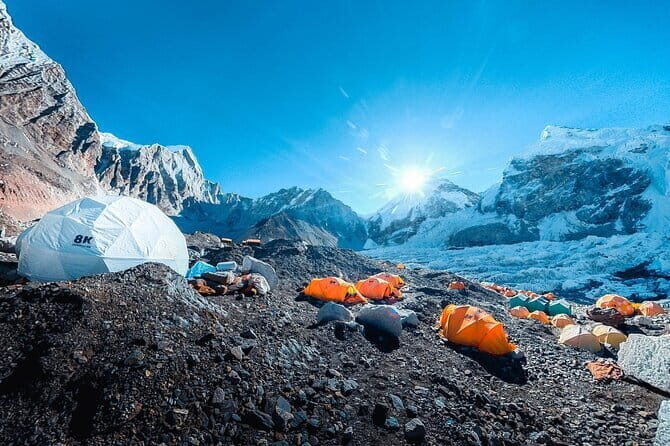
- You trade a long descent hike for a helicopter ride from Gorak Shep
- Twice-daily medical-style checks with an oximeter
- Guided pacing through the steep, remote stretch above Dingboche
- Acclimatization days that break up the altitude jump
- Porter support (one porter for two people) so you can keep moving
- Private transport in Kathmandu to reduce stress on day one
Kathmandu arrival day: private car and a calm start
Day 1 is all about getting you into the right headspace. An airport team meets you at the international terminal, helps with check-in, and takes care of bags. It’s the kind of setup that prevents the common day-one chaos: sore feet, late paperwork, and that awkward moment when everyone is trying to carry everything at once.
You’re also gathered with the core team after you settle in. That matters more than it sounds, because in Everest country you’re not just shopping for souvenirs; you’re preparing for altitude, timing, and route decisions. If you prefer your days organized and predictable, this start fits.
One more practical touch: the trip includes a mobile ticket. That’s small, but it can cut down on scrambling for confirmations once you’re in motion.
You can also read our reviews of more hiking tours in Kathmandu
Lukla flight day: why that short hop sets the pace
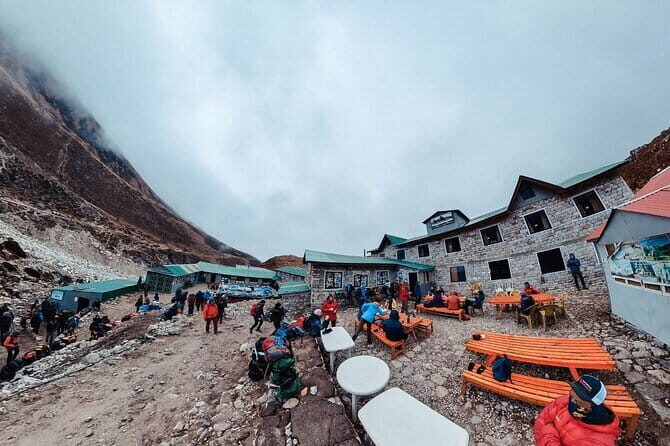
The next morning begins early with the short flight from Kathmandu to Lukla, landing at Tenzing Hillary Airport. It’s brief, but it’s also your first real “you’re here now” moment. The flight offers strong views, and once you land you’re immediately met by porters. Then the trekking rhythm begins right away.
This matters because this itinerary is built as a sprint compared with longer Everest routes. You’re not wandering for weeks; you’re stacking height and acclimatization efficiently. If you treat the Lukla day like a warm-up rather than a full workout, you’ll feel better later.
Also, because the trek is moderately difficult, you’ll likely rely on steady pacing more than speed. That’s good news: it means the trip is more about endurance and breathing control than about “go hard or go home.”
Namche Bazaar acclimatization and the Everest View Hotel reset
Day 3 routes you from the lower villages toward Namche Bazaar, using a trail that climbs gradually through rhododendron and magnolia forest areas. Along the way, you cross multiple bridges (including the Monjo area segment), and you keep moving through small settlements as the Khumbu terrain starts looking more rugged.
Namche Bazaar is often the hinge point of Everest treks, and this itinerary uses it that way. By the time you arrive, you’re not just “at a place.” You’re at the altitude buffer that helps your body adjust before the higher, tougher days.
Day 4 gives you a proper rest and acclimatization block in Namche Bazaar. The plan includes taking the Syangboche Airstrip route above Namche, to reach the Everest View Hotel. For many people, this becomes a practical altitude lesson: you feel the “high” without turning it into a suffer-fest.
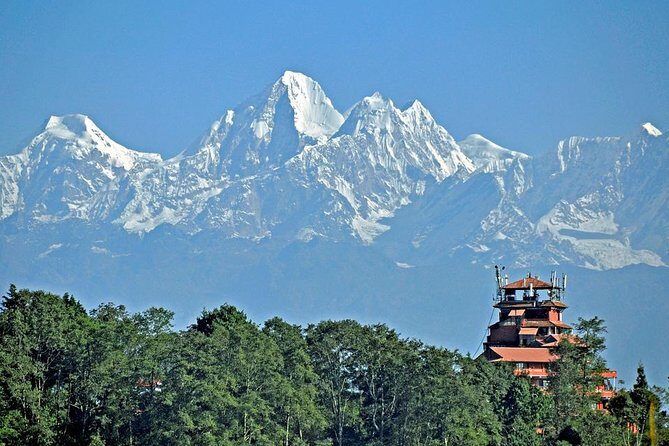
Here’s the value: you get exposure to big Himalayan views and higher elevation while keeping your legs reasonably fresh. That’s what you want before you move toward the steeper, more remote terrain.
Khumjung to Kyangjuma: where altitude climbs and quiet sets in
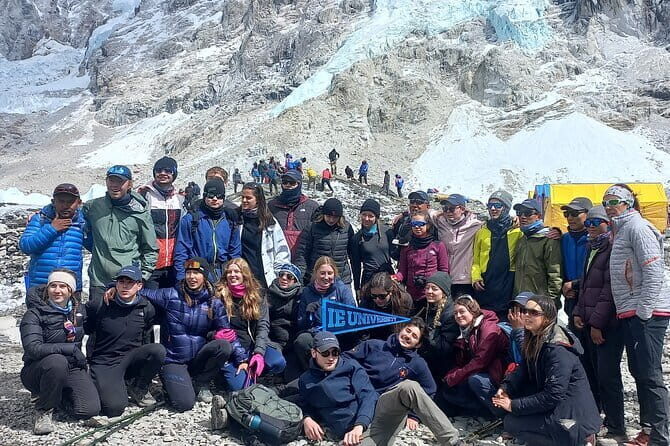
On Day 5 you start climbing again, leaving Namche and heading toward Kyangjuma (about 3,550 m). The path rises along greener foothills, and you get frequent mountain views during the climb. After that, the trail winds uphill and soon drops down to the next settlement area.
This day is useful because it’s not just “climb, climb, climb.” You get that stop-and-balance rhythm that helps you keep moving without panic. You’re still gaining elevation overall, but you’re not doing it in one brutal straight line.
This part of the route is also where trekking starts to feel more like a real expedition. The town energy fades a bit. Instead of constant bustle, you shift to watching your breath, counting steps, and noticing how the air feels thinner with every hour you go up.
Tengboche sunrise and the rhododendron descent to Deboche
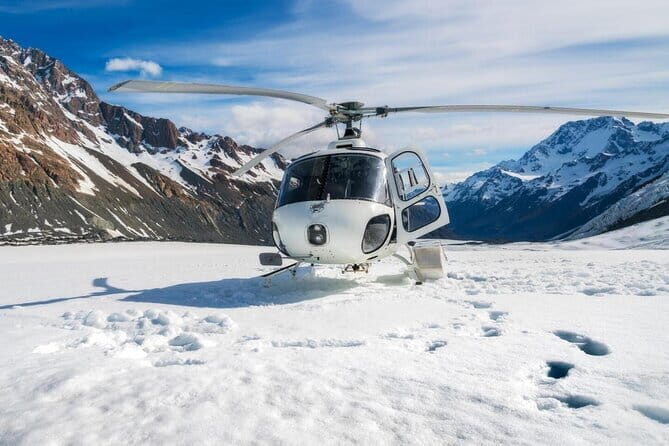
Day 6 includes an early start for sunrise views around Tengboche. That early timing isn’t just for photos. In the mountains, morning light can make visibility far better, and you get a strong payoff for getting up before you’re fully awake.
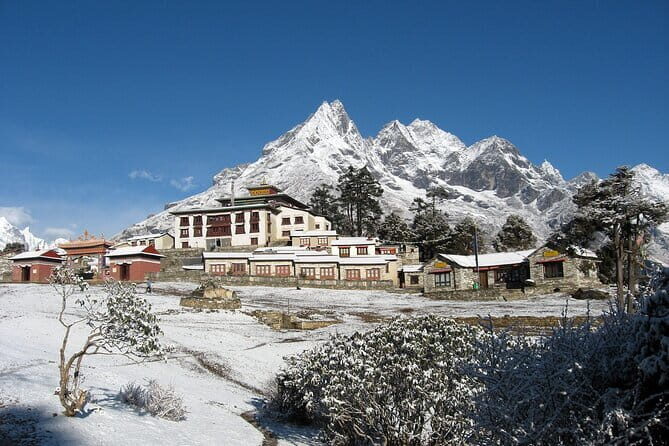
After breakfast, the trekking continues downhill through rhododendron forest toward Deboche (around 3,320 m). That descent is a nice reset. It gives your body a chance to recover a bit before you push again into higher terrain.
There’s also wildlife potential on this day, with chances to spot things like musk deer and blue sheep. You shouldn’t plan your day around seeing animals, but it’s a reminder that Everest country isn’t only about mountains—it’s also alive with creatures moving through the same valleys you’re walking.
A few more Kathmandu tours and experiences worth a look
From Dingboche toward the Khumbu Glacier: the steep, remote stretch
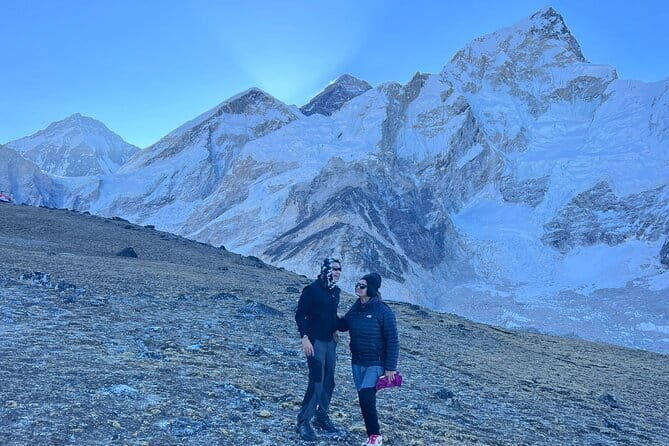
Day 7 is one of the more serious “Everest trekking” days. Much of your walk follows the Khumbu glacier area. As you leave Dingboche, you climb through a ridge, and then the path trends upward more noticeably. You also get views of peaks such as Cholatse and Tawache from the area.
This is also where the trip description hits its key point: above Dingboche, the trail becomes more remote and steeper. That means fewer distractions and a stronger need for steady effort. If you tend to overdo it early in the day, this is when you’ll feel the consequences.
The good part: the day is guided by an expert mountain guide, and the itinerary stays structured. That matters because in the high zone, you want someone who can help keep the group safe and moving at a sustainable pace.
Gorak Shep and Kala Patthar: the high payoff day
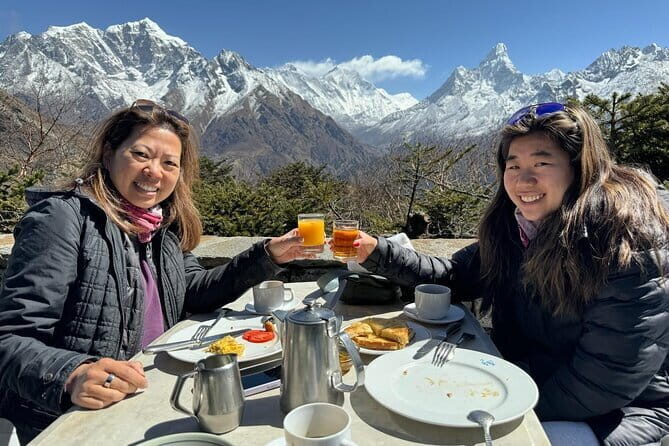
Day 8 targets Gorak Shep, starting from Lobuche and following a wide valley up to Gorak Shep. The route becomes rocky, and as elevation increases, the trail gets steeper. It’s a long day, and it’s the kind where you don’t need to be “motivated.” You just need to keep your rhythm.
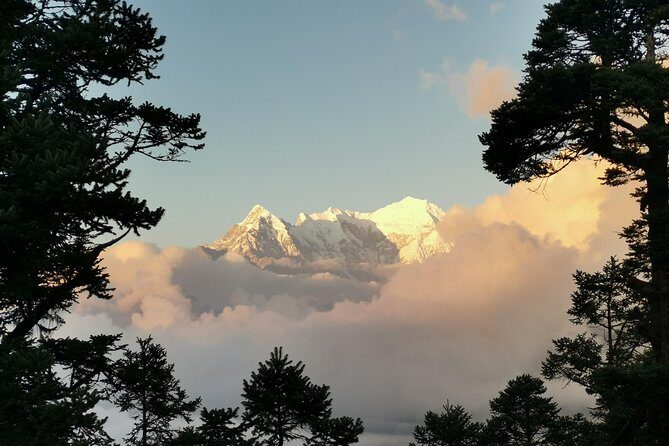
Then Day 9 is all about Kala Patthar. The plan is clear: you can’t leave the Everest area until you’ve seen the view from Kala Patthar first. The trail is well-used and easy to follow, but it’s still a high-altitude climb in thin air. The early sun’s golden rays are the payoff idea here, and you’ll feel why people plan their whole Everest visit around this kind of moment.
Important practical detail: this itinerary pairs the Kala Patthar viewing day with the helicopter return. That changes how you think about the final day. You’re not doing a full hike back down for hours and hours. You’re earning the view, then shifting gears to the ride back.
Helicopter return: how it changes the whole risk and rhythm
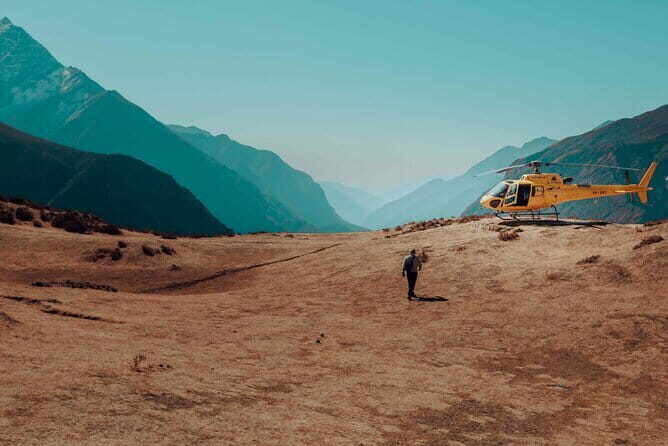
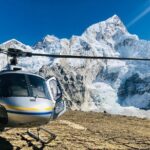
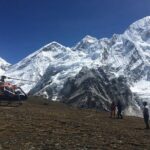
The helicopter flight is from Gorakshep to Lukla on the last day, and the trip also includes flights back toward Kathmandu. In real-world terms, that means you avoid the long “legs-only” descent that often turns into a slog after you’ve already spent days climbing.
For many people, this is the main value proposition:
- You conserve energy for the highest viewpoints (instead of using it all on the retreat).
- You reduce time on foot at extreme altitude stages.
- You can enjoy a shorter overall trip while still reaching Kala Patthar.
Now, a balanced note: helicopter operations depend on conditions. If weather gets messy, schedules can shift. One review tied to this Everest style of travel mentioned unseasonal weather and how helicopter planning helped manage it. That’s a reminder to stay flexible and trust the guide’s call-making.
If you’re the type who gets anxious about timing, this format can be comforting. It’s still adventurous, but the “getting back” part is designed instead of improvised.
Price and logistics: what $3,888 buys you, and what it doesn’t
At $3,888 per person, this is not a budget Everest. But it’s also not just a “map and hope” deal. The included items are substantial, especially considering the short duration:
What’s included (high value items)
- Private car ground travel including airport to hotel
- Flights between Kathmandu and Lukla, plus the helicopter leg (Gorakshep to Lukla)
- An experienced guide with lodging, food, drinks, transportation, and insurance covered
- Permits and official costs paid
- A first aid kit and an oximeter used for twice-daily checks
- Dinner (8), breakfast (8), and lunch (8)
- A porter for two people
- A trip completion certificate
Where you’ll need to budget extra
- Your visa and travel medical insurance
- International airfare
- Meals in Kathmandu for lunch and dinner (not included)
- Tips to the guide, porter, and driver (tipping is expected)
- Tea house extras like hot showers and phone charging (often around $2 to $5)
- Drinks and alcohol on the trek are not included
The biggest “value” insight is how much is covered that usually becomes messy on Everest: permits, medical checks, guides, and transport. Many independent trekkers underestimate those costs until they’re already in country.
If you want a straightforward package—less time negotiating local details, more time focusing on altitude—you’re likely to feel this price is justified.
Fitness, gear, and how to survive the altitude jump
This trek is labeled moderate, and that fits its structure: you’re walking every day, climbing gradually toward high points, and you’re spending about seven full days in the mountains. Still, “moderate” doesn’t mean easy. Above Dingboche, the trail gets steeper and more remote, and Kala Patthar sits at roughly 5,644 m.
What to plan for
- Expect slow walking. Short steps and steady breathing win.
- Take the acclimatization seriously. Day 4’s rest plus the Everest View Hotel trip is built for a reason.
- Treat the “big days” carefully: Day 8 to Gorak Shep and the Kala Patthar morning on Day 9 are where you’ll feel altitude most.
Gear advice is not spelled out in your data, so I’ll keep it practical: bring layers for cold mornings, expect dry conditions, and pack so you can carry only what you need. With a porter for two people, you shouldn’t be dragging a huge heavy pack up every switchback.
Also, this itinerary includes oximeter checks twice daily. That means the guide is tracking basic physiology in a structured way. Don’t ignore symptoms anyway. If you feel off, speak up quickly so the guide can adjust pacing and decisions.
Will the guide make or break your Everest experience?
On a short Everest plan, your guide’s job is huge: pacing, route flow, safety checks, and keeping the group moving with altitude in mind. You’ll also appreciate guidance during the steeper, remote segments and the high-altitude viewpoint day.
There’s at least one piece of feedback connected to Everest trekking with this operator mentioning a guide named Raj as helpful and efficient. Another Everest trek feedback highlighted a guide named Ramesh as fantastic for support. I can’t assume the exact guide on your specific departure, but the pattern is clear: guide support is a strong part of the experience here.
Who this 9-day EBC with helicopter return fits best
This is a great match if:
- You have limited time and still want Everest Base Camp style experiences
- You prefer guided structure over DIY planning
- You want the big viewpoints (including Kala Patthar) without a long hike back down
It may be less ideal if:
- You enjoy long, slow trekking for its own sake and want lots of extra days to roam and acclimatize
- You need absolute flexibility independent of weather, since helicopter timing can be affected
Should you book this Everest Base Camp trek with helicopter return?
I’d book it if you want a focused Everest trip with practical safety structure and less time spent hiking back down. The mix of included flights, permits, meals on trek, and medical-style altitude monitoring makes it feel like a “designed route,” not just a collection of hiking days.
You should think twice if you’re chasing a leisurely, month-like journey or if you’re the type who hates any schedule risk at all. This is still the Himalaya. But it’s also a smart, time-efficient way to reach the high moments—especially Kala Patthar—without turning the final days into a painful descent.
FAQ
How long is the Everest Base Camp trek with helicopter return?
The trek is about 9 days total, with roughly 7 full days in the mountains and a helicopter return on the last day.
Is this trek difficult?
It’s described as moderate difficulty. It still climbs to high altitude and becomes steeper and more remote above Dingboche.
What transport is included for getting there and around?
You get private car ground travel in Kathmandu, a flight from Kathmandu to Lukla (and also included flight back toward Kathmandu), and a helicopter flight from Gorakshep to Lukla.
What are the key altitude highlights on this route?
You trek gradually upward toward Kala Patthar (about 5,644 m). The itinerary notes that above Dingboche (about 4,410 m), the trail becomes more remote and steep.
Are meals included?
Yes. The package includes breakfast (8), lunch (8), and dinner (8) during the trek. Lunch and dinner meals in Kathmandu are not included.
What’s included for safety and altitude monitoring?
The trip includes a first aid kit and an oximeter, used to check your pulse, oxygen saturation, and heart rate twice a day.
Do you provide permits and official fees?
Yes. The package includes the papers and permit fees you need while hiking, plus taxes and official costs paid to the government.
What about tipping, visa, and cancellation?
Visa and travel medical insurance are not included. Tipping is expected for the guide, porter, and driver. Cancellation is free up to 24 hours in advance for a full refund.