REVIEW · KATHMANDU
Everest Base Camp Trek with Helicopter Return from Gorakshep to Lukla
Book on Viator →Operated by Ace the Himalaya · Bookable on Viator
Everest Base Camp, but with a helicopter finish. That combination is the hook: you earn the high-altitude trek, then trade the long downhill leg for a fast shared ride from Gorakshep to Lukla. I like how the route builds up gradually, with real acclimatization days, not just a straight shot uphill.
Two more things I really like: the included logistics (airport transfers, domestic flights, permits, and meals) mean you’re not constantly chasing details, and the team setup includes a first-aid trained, licensed English-speaking guide plus porters (one porter for every two guests). One drawback to think about up front is the weather dependency. Flights and helicopter timing in the Khumbu area can shift, and the trip requires good conditions to run as planned.
In This Review
- Key Highlights You’ll Actually Feel on the Trail
- Everest Base Camp With a Helicopter Return: What You’re Paying For
- Kathmandu Start: Pickup, Two Hotel Nights, and a Real Pre-Trek Prep
- Lukla First Steps: The Flight In and the Dudh Koshi Route to Phakding
- Namche Bazaar Acclimatization and Everest View Point Timing
- Tengboche to Dingboche: Monastery Views, Mani Stones, and Glacier Country
- The Nangkartshang Peak Day: A Smarter Acclimatization Choice
- Lobuche and the Khumbu Glacier: Where the Trek Gets Serious
- Everest Base Camp Day and Kala Pattar: The Two Big Achievements
- Gorakshep to Lukla by Helicopter, Then Back to Kathmandu
- Meals, Water, and Gear Support That Keep You Moving
- Guides and Porters: The Team That Makes the Trek Feel Managed
- Who Should Book This Everest Base Camp With Heli Return
- Should You Book It?
- FAQ
- How long is the Everest Base Camp trek with helicopter return?
- Does the price include the helicopter ride from Gorakshep to Lukla?
- How do you travel between Kathmandu and Lukla?
- What permits are included for trekking?
- What kind of accommodation do you get in Kathmandu and on the trek?
- Are meals included on the trek?
- Is porters support included?
- Do I need travel insurance?
- What fitness level is required and how big is the group?
Key Highlights You’ll Actually Feel on the Trail
- Helicopter return from Gorakshep to Lukla, cutting out the hardest last miles
- Acclimatization built in, including a dedicated Nangkartshang Peak day
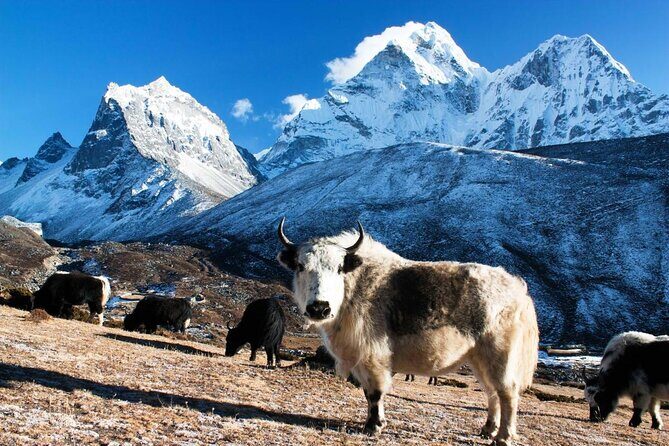
- Real Everest landmarks day-by-day, from Namche to Tengboche to Lobuche
- Licensed English-speaking guide + first-aid kit with oxymeter, for practical altitude checks
- Filtered water setup (Katadyn Pocket Water Filter) and regular included meals
- Small group size (max 14) keeps the trek from feeling crowded
Everest Base Camp With a Helicopter Return: What You’re Paying For
This is not just an Everest Base Camp trek with a random shortcut. The $3,000-per-person price is anchored by two big cost drivers that you’ll feel immediately: the Kathmandu–Lukla airfares and the shared helicopter ride from Gorakshep to Lukla. When you price it out this way, the trek starts to look more like a packaged “experience + access” deal rather than only guided hiking.
The value also comes from what’s handled for you. You get airport pickup and drop-off by private tourist vehicle in Kathmandu, two nights in a twin-sharing three-star hotel with breakfast, all standard meals during the trek, Everest National Park permits plus TIMS, and the staff costs (including insurance and equipment/medicine for the team). In places like the Khumbu, those admin details can be a headache if you do it alone.
Here’s the trade-off: you’re committing to an organized plan where timing matters. If weather turns, helicopter availability and flights can affect your day flow, and the trip is explicitly described as requiring good weather.
You can also read our reviews of more hiking tours in Kathmandu


Kathmandu Start: Pickup, Two Hotel Nights, and a Real Pre-Trek Prep
Day 1 is built around getting your footing fast in Kathmandu. An official greets you at Tribhuvan International Airport, and you’re taken to your hotel in a private tourist vehicle. Then you’ll do a pre-trip meeting and meet your trekking guide, which matters more than it sounds—EBC treks involve altitude planning, pace setting, and gear logistics.
You also get two nights in a twin-sharing three-star hotel in Kathmandu with breakfast included. That’s a practical buffer before and after the trek, especially when you’ve got domestic flights to catch and you’ll be dealing with jet lag and early mornings.
If you’re the type who likes to do a lot of research on your own, the organized start may feel a bit structured. But for most people, the payoff is peace of mind: you’re not scrambling for permits, transfers, or meal plans while your body is already adjusting.
Lukla First Steps: The Flight In and the Dudh Koshi Route to Phakding
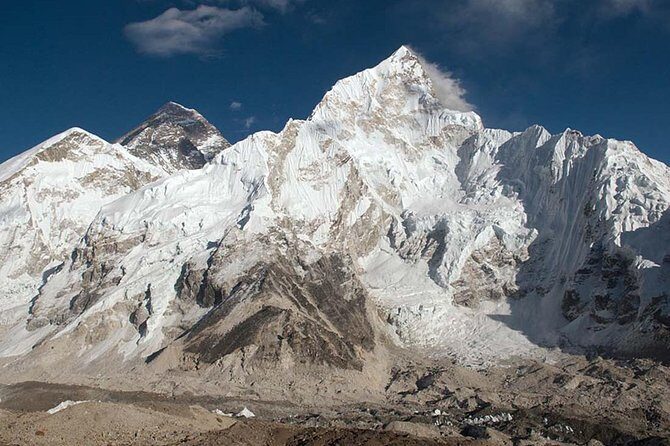
On Day 2, you fly from Kathmandu to Lukla (Tenzing and Hillary Airport) on a short scenic flight, about 35 minutes, landing at roughly 2,804 meters. That arrival jump is part of the magic and part of the mental adjustment: you go from city air to high-altitude terrain quickly.
From Lukla, you trek to Phakding. This first walking day is usually less about suffering and more about getting used to the rhythm: stone steps, prayer flags, and the way the trail threads through the valley.
The trail then follows the Dudh Koshi corridor on Day 3, with suspension bridges crossing the river multiple times. Day 3 is listed as about a 6-hour hike total to reach Namche Bazaar, and the bridges are exactly the kind of feature that makes early Khumbu days feel special without being overly technical.
Namche Bazaar Acclimatization and Everest View Point Timing
Namche is where the trek starts to feel like it’s really happening. Day 4 includes an acclimatization day and a short trek around town so you can adjust to thinning air pressure.
A highlight here is Everest View Point, with a listed timing of about 24 minutes. Even if you only have a short outing, this is the day that helps you calibrate your breathing and pacing before you push toward higher villages.
The important part is the concept: you’re not just adding miles; you’re giving your body time. If you tend to rush when things look beautiful, you’ll benefit from how this day is planned. It’s also a good chance to understand how you personally handle altitude before committing to the Everest Base Camp push.
Tengboche to Dingboche: Monastery Views, Mani Stones, and Glacier Country
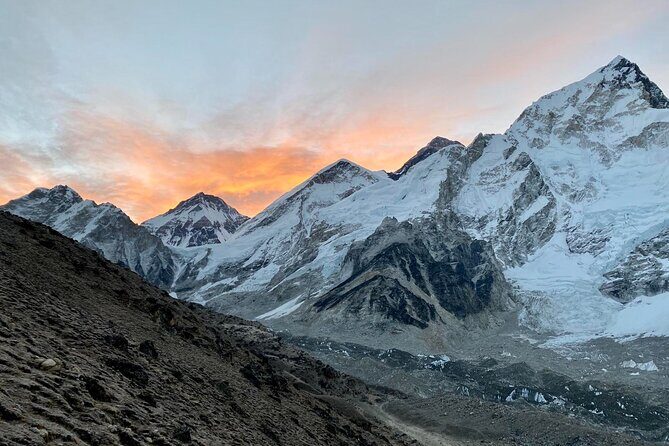
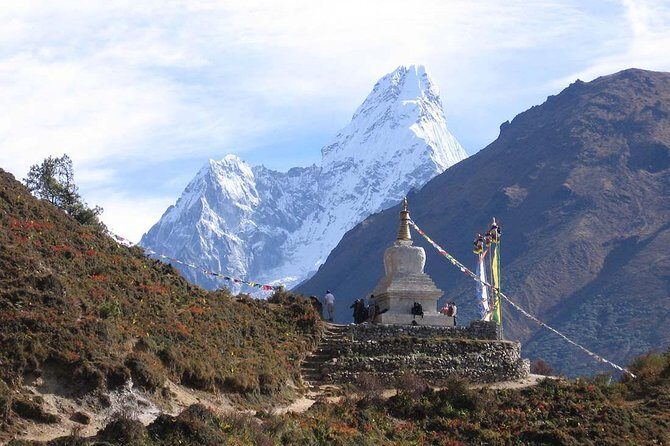
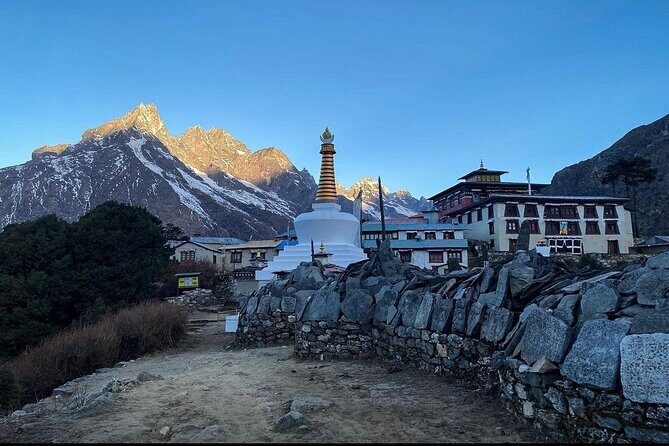
Day 5 brings you to Tengboche (listed as reaching about 3,860 meters). The route continues along the Dudh Koshi with magnificent mountain views, and Tengboche is known in the itinerary for its monastery, where you can spend time and take in the spiritual rhythm of the village.
Day 6 moves toward Dingboche and includes a more “Khumbu travel” feeling as the trail crosses bridges and passes multiple communities. You drop to Debuche, cross another suspension bridge over the Imja Khola, and climb toward Pangboche, where there are thousands of mani stones. That detail is more than decoration; it’s a clue you’re now in the densest, most culturally layered part of the route.
Expect Day 5 and Day 6 to feel like long hiking days (both are listed around 16 hours in the schedule). Even if the itinerary timing includes travel and breaks, it’s still a signal: you’ll want to keep your effort steady, not explosive.
A few more Kathmandu tours and experiences worth a look

The Nangkartshang Peak Day: A Smarter Acclimatization Choice
Day 7 is a standout because it’s not designed as “more trekking, just because.” It’s specifically an acclimatization day with no progress toward Everest Base Camp.
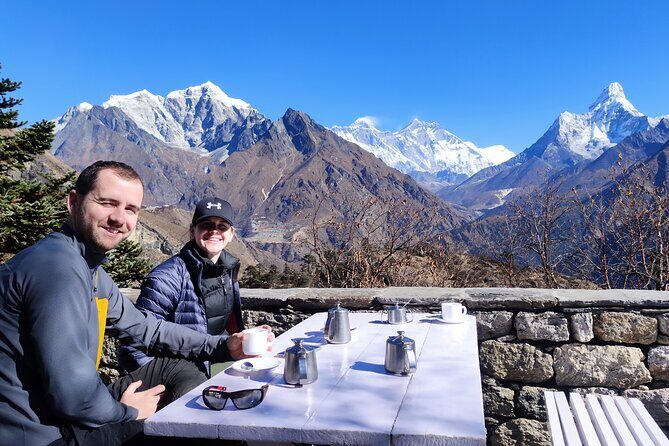
You’ll hike to Nangkartshang Peak just above Dingboche. The itinerary emphasizes that it’s an excellent viewpoint, especially for sunrise-style reward if conditions allow. Practically, this kind of day helps you train your body to handle altitude while keeping your overall plan under control.
This is the day I’d watch most closely if you’re new to high-altitude trekking. When you’re told to take it easy but still climb, it can feel contradictory. That contradiction is the point: you’re testing tolerance and building confidence for the harder days later.
Lobuche and the Khumbu Glacier: Where the Trek Gets Serious
Day 8 brings you to Lobuche, and the route follows the lateral moraine of the Khumbu Glacier. The itinerary also calls out stone memorials for climbers who have perished on nearby summits. It’s a sobering moment, but it also makes the environment feel real, not just scenic.
The day is listed as about 16 hours, so plan for fatigue. Mentally, this is also where the trek shifts from “valley hiking” to “Everest zone walking.” The glacier surroundings change the way you experience wind, temperature, and how exposed you can feel.
If you tend to get restless waiting for the big moments, this day can be a useful recalibration. The trail is working on you here—slowly, steadily—so the next two days land with impact rather than chaos.
Everest Base Camp Day and Kala Pattar: The Two Big Achievements
Day 9 is Everest Base Camp at 5,365 meters. It’s described as a big and difficult day walk along the Khumbu Glacier, up to the base camp area—this is one of those days where the scenery is earned, not handed to you.
If you’re expecting Base Camp to feel like a theme park, adjust your thinking. It’s a high-altitude zone with real effort involved. Still, it’s the closest you can get to Mount Everest without mountaineering equipment, and that’s exactly why the day matters.
Day 10 is Kala Pattar (listed around 5,555 meters), described as one of the most difficult yet rewarding days. The plan spends the morning climbing Kala Patthar, with strong payoff views depending on weather. If you’re planning your photos and your energy, this is where you’ll feel the altitude most clearly.
The practical trick for both Day 9 and Day 10 is pace discipline. Big altitude days punish fast starts. Go slow enough that you can enjoy the moment when you arrive, not just survive until you do.
Gorakshep to Lukla by Helicopter, Then Back to Kathmandu
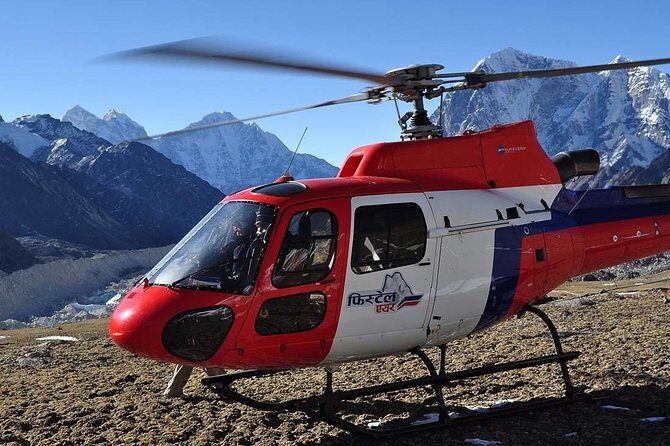
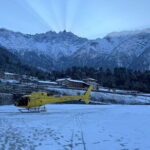
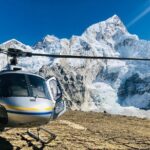
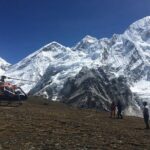
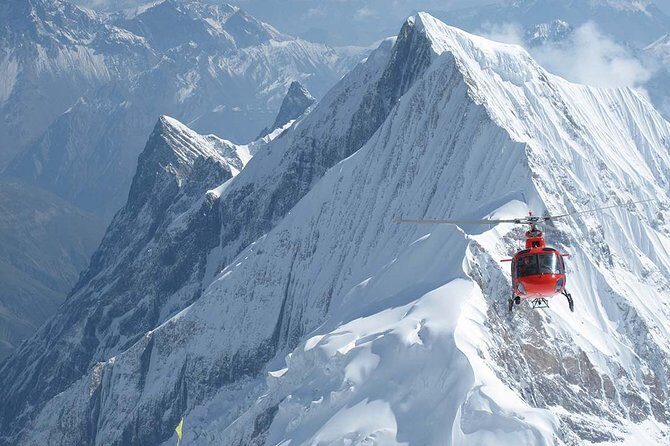
This is the signature moment of the trip. The overview spells out a scenic helicopter ride of about 20 minutes from Gorakshep back to Lukla. You’re trading a long, exhausting walking segment for an efficient descent in one dramatic flight.
Day 11 then connects you to the final air leg. You’ll enjoy the last glimpse of the mountains, and the itinerary lists a 35-minute scenic flight returning you to Kathmandu. Once you land, you’re met and transferred back to your hotel.
One thing to know: this day is subject to timing and weather. The experience provider’s approach to “good weather required” isn’t just a fine-print warning; it’s how you should plan your mindset. If conditions are tricky, day flow can shift, and that’s part of the Everest reality.
Meals, Water, and Gear Support That Keep You Moving
Food and hydration are handled in a way that’s genuinely useful. All standard meals during the trek are included: breakfast, lunch, and dinner (plus a farewell dinner on the last night). Seasonal fruits are also included during the trek, which is a small detail that can make a long day feel less monotonous.
Water is filtered on the trails using a Katadyn Pocket Water Filter. That’s the kind of practical inclusion that prevents you from burning time and energy asking where to refill safely.
You also get a first-aid kit with an oxymeter to measure your oxygen saturation level. That’s a quiet comfort feature. It doesn’t eliminate altitude risk, but it gives you a tool for checking trends during the hardest part of the hike.
Guides and Porters: The Team That Makes the Trek Feel Managed
The tour includes an Ace the Himalaya licensed English-speaking trekking guide who’s trained in first aid. This matters on EBC-style routes where your pace, weather, and altitude management can decide how comfortable the experience feels.
Porters are part of the setup too. You’re assigned one porter for every two guests, which means you’re not carrying everything up and over long, tiring days. In the feedback you’ll see repeated praise for guides such as Raj and Ram, plus support staff like porters including Bishal, Jot, Sher, and others. That pattern matters: people remember how the team kept logistics tight and morale steady.
If you want the trek to feel like an adventure instead of a constant negotiation with your own gear, this is one reason the trip reviews score so high.
Who Should Book This Everest Base Camp With Heli Return
This is a strong fit if you want Everest Base Camp and also want to reduce the “last-day grind.” The helicopter return from Gorakshep to Lukla is a real relief valve, and the itinerary includes multiple acclimatization supports (Namche plus the Nangkartshang day) rather than pure endurance punishment.
You should think twice if you’re not comfortable with long hiking days. Day 5, Day 6, Day 7 acclimatization, and Day 8 are all listed at about 16 hours, and Day 9 and Day 10 are explicitly difficult and demanding.
A moderate physical fitness level is required, and that’s sensible. “Moderate” doesn’t mean easy; it means you should be able to walk for long periods, handle elevation, and keep a steady pace without frequent stops that blow up the schedule.
Also remember the group size cap of 14 travelers. That’s large enough to meet people but small enough that you’re not lost in a herd.
Should You Book It?
If your dream is Everest Base Camp but you’d rather spend your effort on the parts you can’t get anywhere else, I’d lean yes. The best reason to book is simple: you get the trek and the payoff days, and you also buy back time and fatigue with the helicopter return.
Book if you want an organized, high-support plan with permits, flights, meals, filtered water, and a guide who’s trained for first-aid and altitude monitoring. Don’t book if you’re hoping for total certainty in weather, or if you’re likely to get anxious when mountain operations require flexibility.
If you’re ready for big-altitude effort with strong structure behind it, this is an efficient way to reach the Everest zone without turning the last miles into a slog.
FAQ
How long is the Everest Base Camp trek with helicopter return?
The trip is listed at 12 days (approx.).
Does the price include the helicopter ride from Gorakshep to Lukla?
Yes. A shared helicopter ride from Gorakshep to Lukla is included.
How do you travel between Kathmandu and Lukla?
You fly by air on a short scenic route Kathmandu–Lukla and later back Lukla–Kathmandu, with a listed flight time of about 35 minutes each way.
What permits are included for trekking?
The package includes Everest National Park permits and TIMS permit for trekking.
What kind of accommodation do you get in Kathmandu and on the trek?
In Kathmandu, you stay in a twin-sharing three-star hotel with breakfast included (2 nights). During the trek, you use twin-sharing guesthouse accommodation with attached toilets in Lukla, Phakding, and Namche.
Are meals included on the trek?
Yes. It includes all standard meals during the trek (breakfast, lunch, and dinner), plus a farewell dinner on the last night.
Is porters support included?
Yes. You get porter support with a ratio of one porter for every two guests.
Do I need travel insurance?
Travel insurance is not included, and it’s specified that it should cover emergency rescue and evacuation.
What fitness level is required and how big is the group?
You should have moderate physical fitness. The group has a maximum size of 14 travelers.