REVIEW · KATHMANDU
Everest Base Camp Trekking
Book on Viator →Operated by Trek Mania Nepal · Bookable on Viator
Everest starts with a scary little flight. One minute you’re in the Kathmandu Valley routine; the next you’re headed for the Lukla flight and the first real look at Himalayan scale. The bigger payoff comes later at Kala Patthar, where the mountains feel close enough to touch.
I like the way this trek is managed for comfort and safety, with a licensed guide and the practical stuff bundled in. You’re also not stuck guessing at altitude pacing, because you get a true rest-and-adjust day in Namche with optional hikes.
One drawback to keep in mind: mountain weather can mess with flight plans, so your schedule has a built-in risk. If you dislike uncertainty, this route asks you to stay flexible and go with the flow.
In This Review
- Key highlights worth your attention
- From Kathmandu to Ramechhap and Lukla: Where the Trek Actually Begins
- Phakding to Namche: River Trails, Prayer Flags, and Your First Everest Glimpse
- Namche Acclimatization: Museum Lessons and Hikes That Let Your Body Catch Up
- Tengboche and the Prayer-Wheel Detour: Big Spiritual Atmosphere Without the Hassle
- Dingboche, Stone Walls, and the Slow Work of Altitude
- Gorak Shep and Kala Patthar: The Day You’ll Talk About for Years
- Everest Base Camp at 5,364m: The Emotion Meets the Ice
- The Return Through Tengboche and Namche: Same Route, New Eyes
- Price, Inclusions, and What This Deal Really Covers
- Who This Trek Fits Best (and Who Might Want a Different Route)
- Should You Book This Everest Base Camp Trek with Trek Mania Nepal?
- FAQ
- What months are best for this Everest Base Camp trek?
- Are permits included in the price?
- What trekking gear is provided?
- Are meals included, and are drinks included?
- What about flights to and from Lukla?
- Is travel insurance included?
- Can I cancel and get a full refund?
Key highlights worth your attention
- Lukla flight experience: short runway drama, high views, and weather-dependent timing
- Namche acclimatization day: museum time plus optional hikes that help your body adjust
- Iconic monastery stops: Tengboche’s spiritual setting and early prayer-ceremony moments
- Kala Patthar viewpoint: one of the clearest, closest looks at Everest-area summits
- Base Camp at Khumbu Glacier: raw scale at 5,364m, close to the icefall zone
- Value-packed inclusions: permits, domestic flights, guide, lodging, and all main meals
From Kathmandu to Ramechhap and Lukla: Where the Trek Actually Begins
You don’t start hiking the moment you land. You start with logistics that matter: a private transfer out of Kathmandu for about five hours to Ramechhap, a quieter alternate gateway during busy seasons. If you’ve ever watched Nepal travel move like a well-run puzzle, this part gives you that feeling fast.
Then comes Lukla’s landing. Lukla airport is famous for its very short runway, perched high in the mountains, with views that make you forget to check your phone. Flights here can be unpredictable due to weather, so I treat this day as the start of a real-life Himalaya situation, not a simple bus-and-train routine.
What I like is that the process is planned, not improvised. You’re given the momentum early, and you arrive with permits and trail planning already handled, which reduces stress on a day when your legs are still cold.
You can also read our reviews of more hiking tours in Kathmandu


Phakding to Namche: River Trails, Prayer Flags, and Your First Everest Glimpse
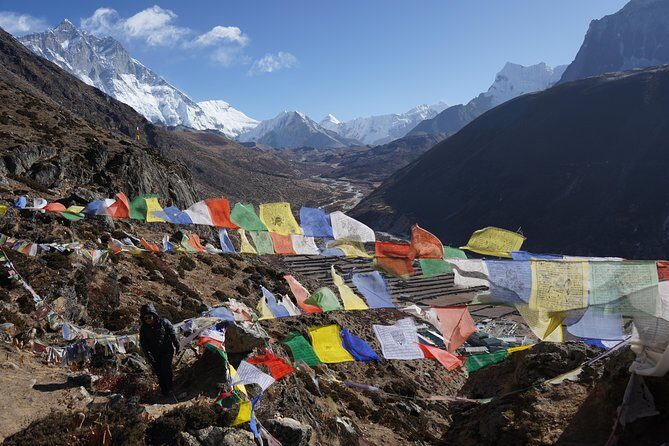
After landing at Lukla, you walk into the Dudh Koshi river valley toward Phakding. This section keeps things friendly: farmland, traditional Sherpa villages, and suspension bridges that look more intense than they feel. You’ll also pass mani walls with Buddhist prayers, a small but real reminder that this is a lived-in spiritual route, not just a scenic walking track.
Phakding is a good first base because it’s alongside the Dudh Koshi River and gives you time to settle. The next morning’s work then starts building altitude gradually, still without turning into a straight-up grind.
The Phakding → Monjo → Jorsale → Namche route is where you start feeling the rhythm of the Everest trek. The trail follows the west bank of the Dudh Koshi with pine forests and little villages like Toktok and Bengkar. Suspension bridges keep popping up, and the spiritual touches continue with prayer flags and mani stones.
Eventually you reach the Sagarmatha National Park entry point where permits get checked. That’s not glamorous, but it matters. It’s one of those “adulting” moments on the mountain—quick, official, and worth doing right—so you can keep walking without confusion later.
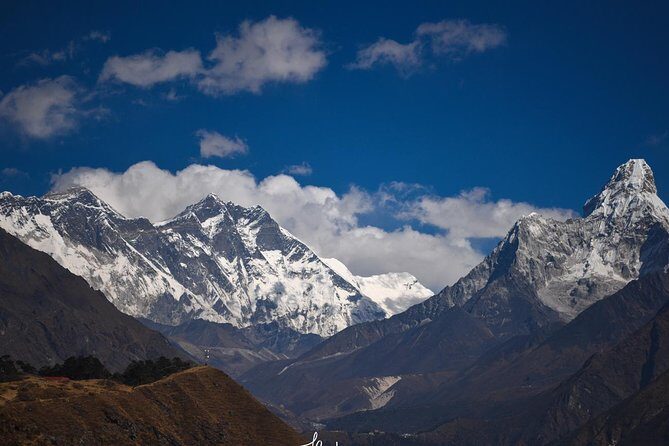
The final push into Namche is the day’s challenge. The climb from Jorsale to Namche takes around two and a half to three hours and includes a dramatic high suspension bridge at the river confluence. Midway, on a clear day, you may catch your first glimpse of Mount Everest along with Lhotse and Nuptse. Even if you don’t see it, the sense of approaching the big walls of the Khumbu region builds day by day.
Namche Acclimatization: Museum Lessons and Hikes That Let Your Body Catch Up
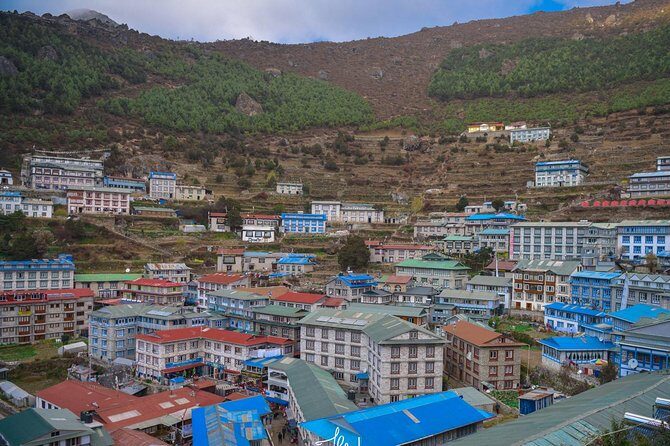
Namche Bazaar is the gateway town, set in an amphitheater-style area where you can actually feel warmth when the weather cooperates. It’s also built for trekkers, with bakeries, gear shops, cafes, and a real everyday mix of locals and visitors. More importantly, it gives you altitude adjustment instead of forcing you higher too fast.
This is where I think this trek does something smart: it gives you a full acclimatization day, not just a token break. You can explore Namche’s historic museum that focuses on Sherpa history and the relationship between mountain life and climbing culture. That background makes the days ahead feel less like a checklist and more like a story you understand.
For body and breath training, you have options. One is a hike toward the Everest View Hotel for panoramic views of Everest, Lhotse, Ama Dablam, and surrounding peaks. Another is a walk to the traditional Sherpa villages of Khumjung and Khunde, with monastery visits and the famous yeti scalp at Khumjung Monastery. These are not extreme summit efforts, but they teach you something valuable: how to move steadily while your lungs work harder.
My takeaway from this day is simple. If you take the acclimatization seriously—walk at a comfortable pace, drink water, don’t race—you set yourself up for fewer problems later.
Tengboche and the Prayer-Wheel Detour: Big Spiritual Atmosphere Without the Hassle
Leaving Namche, you’ll head toward Phunki Thanga with views opening onto Ama Dablam, Lhotse Shar, Taboche, Kangtega, and Thamserku. The trail includes a memorial stupa of Tenzing Norgay Sherpa, adding meaning to the scenery you’re chasing. It’s one of those moments where the mountains feel huge, but the human story is right there too.
Then you pass a line of seven water-powered prayer wheels at Phunke Tenga. The wheels spin continuously with the river flow, and locally a single spin is believed to equal reciting the mantra Om Mani Padme Hum. It’s a small stop, but it’s the kind of detail you remember because it connects sound, water, and faith in one place.
From there, the route continues toward Tengboche. This day builds your sense of reaching the spiritual heart of the Khumbu region, and Tengboche Monastery is the centerpiece. It’s set against tall peaks and offers a calm, ceremonial atmosphere that slows your pace, even if your legs want to keep marching.
You should treat Tengboche like a “show up early” kind of stop. The itinerary includes prayer ceremonies at Tengboche, and arriving with that structure makes the visit more than just photos. You’ll have a chance to notice traditional paintings and the monastery’s interior details, not only the outer postcard view.
Dingboche, Stone Walls, and the Slow Work of Altitude
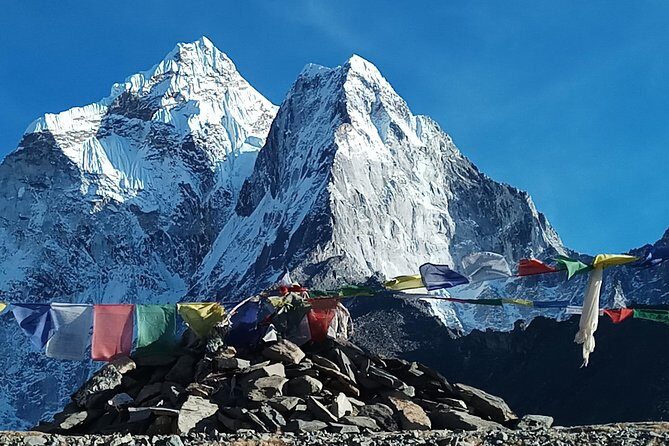
As you move higher, the trek shifts from village life into more stark highland terrain. Dingboche is a traditional village where wide stone walls stretch along fields, said to have been formed when farmers piled rocks separated from the soil. It sounds like a local legend, but it also shows how people adapt and work with the land instead of fighting it.
This stop is also part of acclimatization. You get time there to rest and adjust, which is a big deal in a trek like this where altitude sneaks up on you. If you’ve read advice before, you’ve probably heard to take it slow; this part of the route proves why. Even if you feel okay, your body may still need time to settle into the thinner air.
The next move toward Lobuche continues over moraine and ridge terrain, sometimes near pastures. The trail can feel exposed when the haze rolls in and views disappear, so I recommend packing your patience along with your snacks. The good news is that you reach places like Dughla along the way, which breaks the day into workable sections.
This stretch trains you for what comes next: the glacier zone, where the air is thinner and every step feels louder than it used to.




Gorak Shep and Kala Patthar: The Day You’ll Talk About for Years
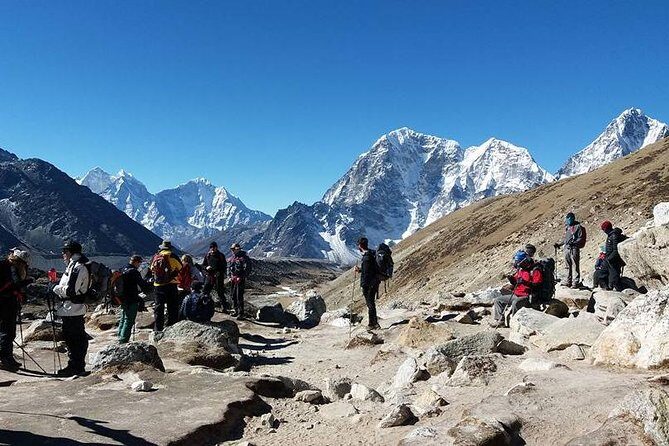
If you want the best view day, this is it. From Lobuche you walk to Gorak Shep early, and you’ll travel through dramatic, glacial terrain along the lateral moraine of the Khumbu Glacier. The elevation gain isn’t extreme on paper, but thin air turns everything into effort.
You’ll have time to spot peaks like Pumori, Nuptse, and the icy ridges of Everest-area mountains as you get closer. Then you arrive at Gorak Shep, the last settlement before Everest Base Camp, at 5,140m. This isn’t a comfort town, but it’s a staging ground that sets up the big viewpoint push.
Later, you hike to Kala Patthar at about 5,550m. This climb takes roughly two hours and is steep and steady over loose rock and dusty switchbacks. That’s a tough combination when your legs are already acclimatized but still working hard.
The payoff is why this trek has such a loyal fan base. From Kala Patthar, you get a clear, close view of Everest’s summit area, plus a 360-degree panorama with Everest dominating the skyline, flanked by Lhotse, Nuptse, Pumori, and Ama Dablam. Base Camp views are dramatic, but Kala Patthar is different: it feels like you’re looking at the mountain up close, not just nearby from a distance.
On the way down, pace matters. Loose rock is not a good place to rush.
Everest Base Camp at 5,364m: The Emotion Meets the Ice
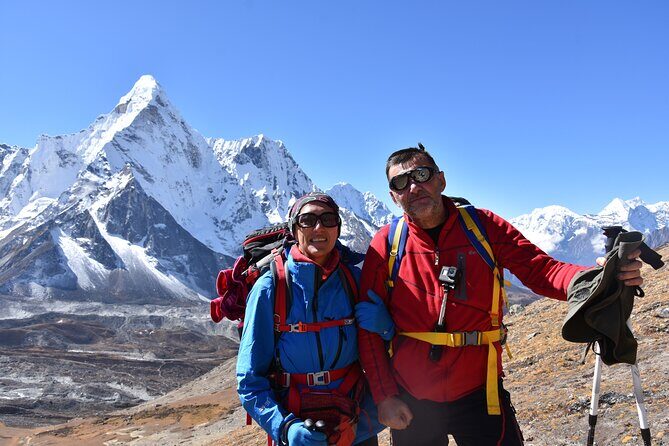
The big Base Camp day starts early from Pheriche. The trail can be slippery, and sometimes it travels through narrow snow bluffs where you need careful footing. This is one of those days where you stop thinking about time and start focusing on rhythm—step, breathe, repeat.
When you reach Everest Base Camp at 5,364m, you’re at the foot of the Khumbu Icefall. You can’t see the Everest summit directly from Base Camp, but the surrounding giants and the scale of the glacier create awe in a way that’s hard to explain until you’re there. During the climbing season, expedition tents add color and activity against the ice backdrop, making the area feel alive in a very remote way.
Standing at Base Camp isn’t about checking a box. It hits you with the contrast between human ambition and the raw, indifferent presence of glacier ice. If you’re the type who likes meaning in your travel, this place delivers.
I also like that the day is framed as an experience, not just a stamp-and-go stop. You get time at Base Camp and time to take it in before heading back toward your sleeping spot.
The Return Through Tengboche and Namche: Same Route, New Eyes
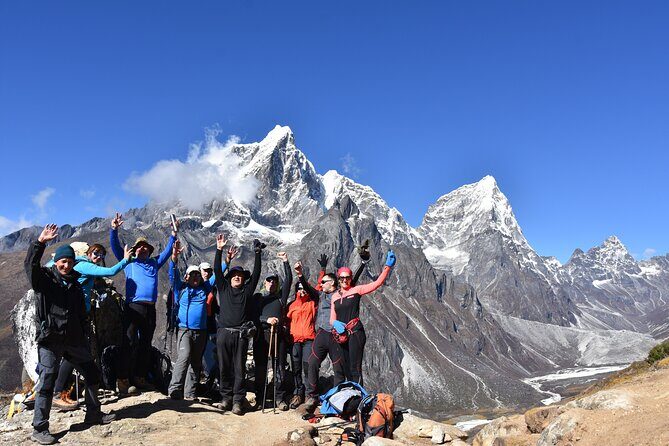
Coming down after Base Camp can feel like a letdown at first, until you realize it’s still climbing and descending around altitude checkpoints. You’ll head back through Tengboche, where the monastery sits on a ridge and offers views of Everest, Ama Dablam, and nearby peaks. It’s a powerful place to revisit, because the mountains look different when you’ve already walked the glacier zone.
From Tengboche you continue back to Namche Bazaar. Namche becomes less of a gateway town and more of a home base as you’re finishing. You can refuel, browse, and take care of little things you postponed earlier.
Your final trek day is the walk back to Lukla along the same general trail. It can feel long, but the familiarity helps. By now, you’re not distracted by first-time nerves, so you can focus on good walking habits and keeping your energy steady.
Price, Inclusions, and What This Deal Really Covers
At $1,300 per person for about 12 days, this trek isn’t cheap. But in the Everest world, the price makes sense when you look at what’s included.
You get private transportation plus domestic flights Kathmandu → Lukla and Lukla → Kathmandu. Those flights are a major part of the cost and one of the hardest to replicate on your own. You also get permits for Sagarmatha National Park and the Khumbhu Pasang Lhamu Rural Municipality tax, plus a government-licensed trekking guide.
The trek includes accommodation during the walk and a hotel in Kathmandu. Meals are also covered: breakfast, lunch, and dinner for the trek days listed in the package. On top of that, you get trekking gear on a rental basis, including a duffle bag, sleeping bag, and down jacket (and you return these after the trek).
What’s not included is where you’ll need to budget carefully: drinks, extra night costs, hot/cold showers, tips for your guide, personal expenses like laundry and device charging, and travel insurance or rescue operation costs. Also, Nepal visa and your international airfare aren’t included, and airport/departure tax isn’t listed as covered.
My practical advice: if you’re trying to compare value, treat this as a managed package with your biggest risks reduced. You’re not just paying for walking; you’re paying for permits, guide planning, and the expensive air access to Lukla.
Who This Trek Fits Best (and Who Might Want a Different Route)
This works best if you want the classic Everest Base Camp experience with structured acclimatization and a guided, private setup. It’s suited to people with moderate physical fitness who can handle mountain hiking days that can run long and feel higher than expected.
You’ll like it if you value cultural stops and not just scenery. Monasteries like Tengboche, Sherpa history at Namche’s museum, and even prayer-wheel detours add texture to the trip. The route also appeals to view-chasers because Kala Patthar is built in as the big summit-view payoff.
You might want to think harder if you hate uncertainty around flights. Lukla air timing is weather-dependent, and the experience itself requires good weather. If you have a hard deadline tied to work or events, build extra flexibility into your schedule.
Should You Book This Everest Base Camp Trek with Trek Mania Nepal?
I’d book it if you want a well-organized, value-heavy package where the heavy lifting is handled: licensed guide, permits, domestic flights, meals, lodging, and key viewpoints built into the schedule. The private nature means your pace can be managed for your group, and the acclimatization day in Namche is exactly the kind of smart structure that helps at altitude.
I’d pause before booking if you’re not comfortable with the realities of mountain travel: thin air, long hiking days, and the possibility of flight changes due to weather. Everest is not a theme park, and that’s the point.
If you do book, plan for cash for drinks and personal costs, and don’t treat the flight day like an easy start. Go with a steady mind, take acclimatization seriously, and make Kala Patthar your big goal day.
FAQ
What months are best for this Everest Base Camp trek?
The best months listed are March, April, May, September, October, and November.
Are permits included in the price?
Yes. The package includes permits for Sagarmatha National Park and the Khumbhu Pasang Lhamu Rural Municipality tax.
What trekking gear is provided?
Trek Mania Nepal provides trekking gears on a rental basis: a duffle bag, a sleeping bag, and a down jacket. You return the rented items after the trek.
Are meals included, and are drinks included?
Meals are included during the trek days: breakfast, lunch, and dinner. Drinks are not included, and you’ll cover those as an extra personal expense.
What about flights to and from Lukla?
Flights to Lukla can be unpredictable due to weather. The experience also notes that it requires good weather, and if it’s canceled due to poor weather you’ll be offered a different date or a full refund.
Is travel insurance included?
No. Travel insurance and rescue operation costs are not included.
Can I cancel and get a full refund?
Yes. You can cancel up to 24 hours in advance for a full refund.