REVIEW · KATHMANDU
Annapurna Circuit Trek
Book on Viator →Operated by Hit The Himalaya · Bookable on Viator
Thorong La is the headline, but the warm-up matters. This Annapurna Circuit Trek is interesting because it mixes Himalayan scenery with real village life and built-in altitude planning, plus the detour to Tilicho Lake for that wow-factor payoff. I also like that you’re not left to figure out permits, lodging, and logistics on your own. One consideration: you’ll spend several days with long drives and cold, steep trail walking, so “moderate fitness” really means it.
You start in Kathmandu with an easygoing cultural reset—Thamel for meals and people-watching, then temple stops at Pashupatinath, Buddha Stupa, and Kathmandu Durbar Square. For timing, the trek is best in April–May or September–October, when conditions are usually more forgiving. The private-group feel and mobile ticket setup should make the pre-trek part straightforward.
At $1,560 per person for about 15 days, the value comes from what’s bundled: guides/porters, trekking permits, lodging throughout, and flights (including the Jomsom–Pokhara hop). If you want a guided route with less admin stress, it’s a practical way to tackle one of Nepal’s most famous trekking circuits.
In This Review
- Key highlights worth planning around
- Kathmandu Temple Start: Thamel meals and three major sites
- Kathmandu to Besisahar, then Jagat: the road days set the tone
- Pisang to Manang: choosing the upper vs lower path
- Manang acclimation: Ice Lake, monasteries, and a clinic stop
- Tilicho Lake and the high traverse: emerald mornings, loose-rock afternoons
- Yak Kharka to Thorong Phedi: quieter trails before the big push
- Thorong La (5,416m) to Muktinath: early starts and big viewpoint payoff
- From Lubra to Kagbeni to Jomsom to Pokhara: the flight shortcut and lakeside reset
- Price and logistics: what $1,560 buys you on this circuit
- Altitude reality check: how to stay safe and comfortable on this route
- Guide and porter support: Bhupal-style teamwork and altitude help
- Should you book this Annapurna Circuit trek with Hit The Himalaya?
- FAQ
- How long is the Annapurna Circuit Trek?
- Where does the experience start?
- How much does it cost?
- Is pickup included?
- What’s included in the trek price?
- What flights are included in the itinerary?
- What is not included?
- What fitness level do I need?
- What time of year is recommended?
- Is it a private group?
Key highlights worth planning around
- A smart acclimation rhythm in Manang so you’re not rushing into higher country
- Tilicho Lake as a dedicated high-mountain day with early-morning timing
- Thorong La crossing at 5,416m with pre-dawn starts for comfort and visibility
- Jomsom to Pokhara by flight to avoid a long, rough return drive
- Meals and major permits included, not just a guide and a prayer
- Bhupal and team feedback centers on real support when altitude and fatigue hit
Kathmandu Temple Start: Thamel meals and three major sites
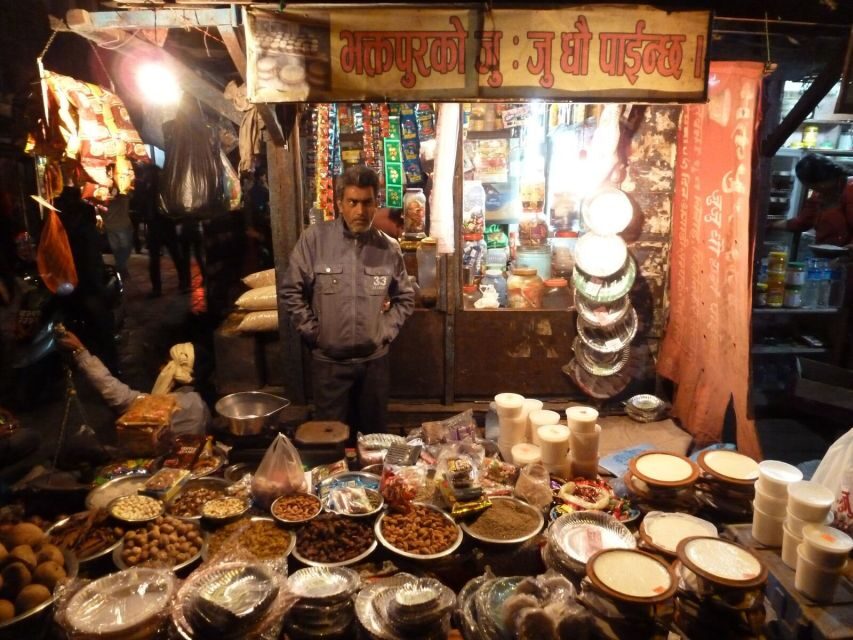
Day 1 is all about landing and getting your footing in Kathmandu. After you clear customs at Tribhuvan International Airport, you’ll ride in by car and then have time to wander Thamel, the neighborhood that’s basically built for travelers: lots of restaurant choices, and it’s easy to find both Nepali and Western-style food if you need a comfort meal after a flight.
Day 2 keeps things light but meaningful. You visit Pashupatinath Temple, then Buddha Stupa, and Kathmandu Durbar Square. This is a good use of time because it gives you context for the trek before you ever see the mountains close up. It also helps you spot practical items you might need later—like warm layers or basic trekking supplies—without feeling rushed.
If you’re the type who gets anxious without a plan, this Kathmandu start helps. You’re given a guided structure, but you still have room to self-direct your meals and pacing.
You can also read our reviews of more hiking tours in Kathmandu


Kathmandu to Besisahar, then Jagat: the road days set the tone
The trek really begins before the first step on trail. Day 3 is a long transfer from Kathmandu toward the trail corridor, with a drive that threads through Nepal’s river valleys. You’ll pass scenery tied to the Manaslu and Annapurna ranges, and you’ll follow roads near the Trishuli and Marshyangdi river confluence area.
Two things matter on these road days. First, you’ll feel the bumpy rhythm—winding, narrow, and rough until you reach places along the route such as Chame. Second, it’s a good time to prep mentally: tomorrow’s walking will be easier if you’ve already settled into the “slow and steady” mindset.
You don’t just get transported—you also get a gradual sense of altitude shifting. That’s useful because it sets expectations for what the mountains will do to your energy later.
Pisang to Manang: choosing the upper vs lower path
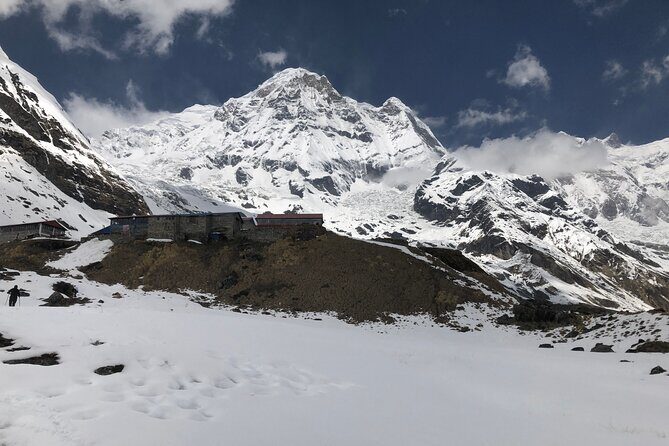
Day 4 is a transition day from driving into trekking country. You reach the Pisang area after routing through settlements like Dharapani and points along the way such as Chyamje and Tal. The itinerary calls out big visual payoffs early, including Annapurna range views plus a waterfall and suspension bridge sighting along the drive.
Then Day 5 is your first proper ascent into the Annapurna high country: Pisang to Manang. The trek is described as a moderate ascent with two possible paths:
- a higher-altitude, drier upper route (recommended), and
- a lower, more moderate route if you feel altitude symptoms.
That choice is important. It’s not just about distance—it’s about how your body reacts. If you tend to get breathless quickly, you’ll want to listen to how you feel the day before rather than forcing the “best looking” route.
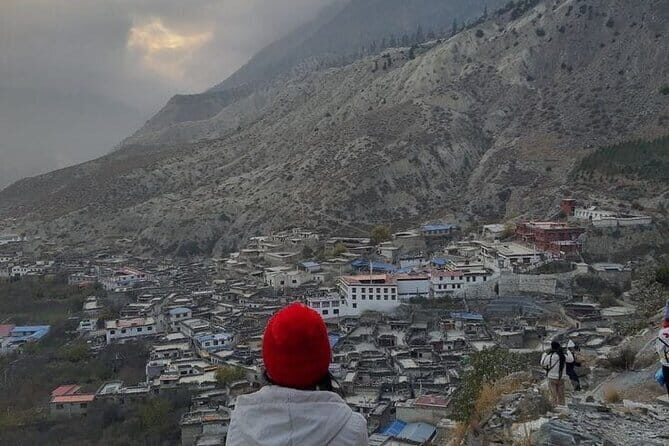
Once you arrive in Manang, you’re rewarded with mountain views described around Annapurna, Pisang area peaks, Tilicho Peak, Pisang Peak, and Gangapurna. Manang itself also gives you the sense of a Himalayan town—plus the story-telling Buddhist town of Ghyaru appears on the route, which makes the trek feel human, not just scenic.
Manang acclimation: Ice Lake, monasteries, and a clinic stop
One of the best parts of this route is the way it uses Manang for acclimation rather than treating it like a quick overnight. Day 6 is an extra day to help your body adjust before higher terrain. You sleep back in Manang, then you have options for side trips.
The itinerary highlights several popular outings:
- trekking toward Ice Lake (3,900m)
- getting Chongkor view glacial/lake scenery
- visiting Gumbas and local monasteries
- taking in views involving the Gangapurna glacier
There’s also a practical stop mentioned for altitude awareness: the Himalayan Rescue Association (clinic) where you can get information about altitude sickness. Even if you don’t need medical help, this type of stop reinforces a key reality: altitude isn’t something to ignore on this circuit.
If you’re the type who worries about “doing it wrong,” the acclimation day is your safety net. It builds time into the schedule so you’re not constantly racing the clock.
Tilicho Lake and the high traverse: emerald mornings, loose-rock afternoons
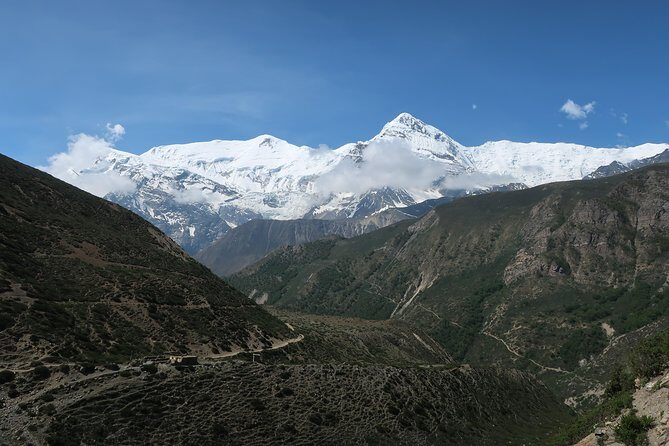
Days 7 through 9 are where the trek starts to feel like a true adventure circuit rather than a straightforward trail.
- Day 7 takes you from Manang to Sri Kharka, passing through the Khangsar village area. The trek is described as dusty and rugged, with monastery scenery and mountain backdrops like Chulu and Gungang.
- Day 8 pushes you to Tilicho Base Camp (Hotel New Tilicho). This day is described as easier on steepness but exhausting because you’re dealing with small trails, loose stones, and areas prone to landslides. You’ll also notice that after you pass into this part of the route, you won’t see hotels/teahouses in the same way as before—so your planning needs to be simple and realistic: eat when you can, rest when you can, and don’t count on extra options “just in case.”
- Day 9 is the standout early-morning walk to Tilicho Lake. The itinerary calls out less wind in the morning, a demanding first ascent, then the reward: an emerald view of Tilicho with glittering glaciers nearby. After exploring, you retrace back and sleep again at Sri Kharka.
This is the part of the circuit many people remember, because it feels like a separate expedition inside the Annapurna Circuit.





Yak Kharka to Thorong Phedi: quieter trails before the big push
Day 10 takes you from Sri Kharka toward Yak Kharka, with an easy-to-steady rhythm: descend toward Khangsar village, cross a river, then ascend through a barren landscape with Yak Kharka as the destination. There’s also a possibility of wildlife like blue sheep if luck is on your side.
You can also visit Tare Gumba, described as sacred for people living in the area. Even if you’re not a religious traveler, these stops break up the “just walking” feeling and remind you that you’re moving through lived-in mountain communities.
Day 11 then sets up the high pass by taking you to Thorong Phedi. This is framed as a final stretch—progressively acclimating above 4,500m. The path is described as isolated, cold, and glacier-valley shaped, and the itinerary encourages you to stay hydrated and take it easy.
When you arrive at Thorong Phedi, the plan is to go straight to a tea house and warm up, then sleep early. That’s smart, because Day 12 is where the trek gets serious.
Thorong La (5,416m) to Muktinath: early starts and big viewpoint payoff
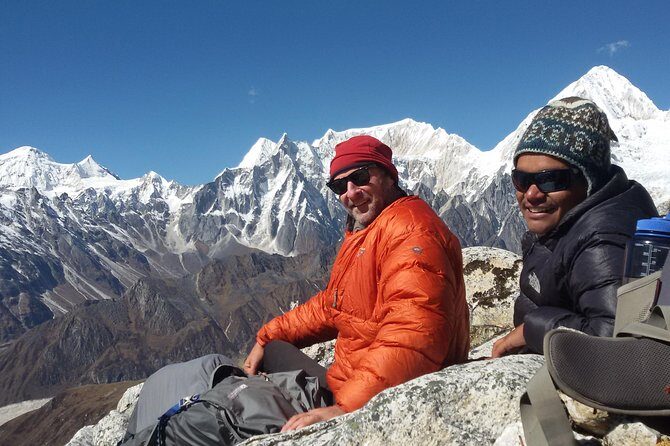
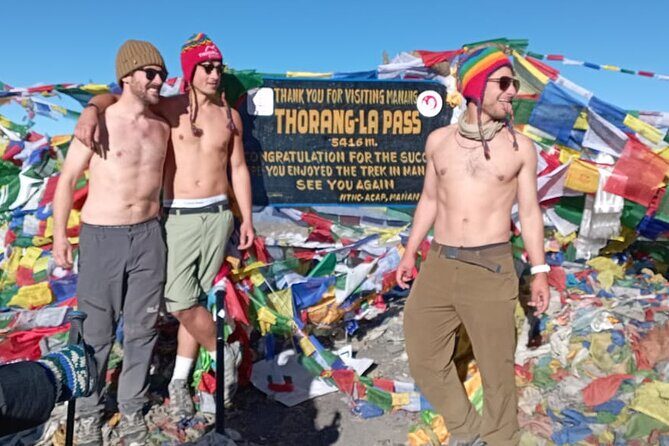
Day 12 is one long, challenging day focused on the Thorong La Pass (5,416m / 17,769ft). You’ll get up early and leave before sunrise. The reason given is practical: there is less wind in the morning. The trail is steep early, then becomes a test of endurance rather than tricky scrambling.
The itinerary notes:
- reaching High Camp
- a final stretch where the last few hundred meters to the top are difficult
- then a mountain vista at the summit
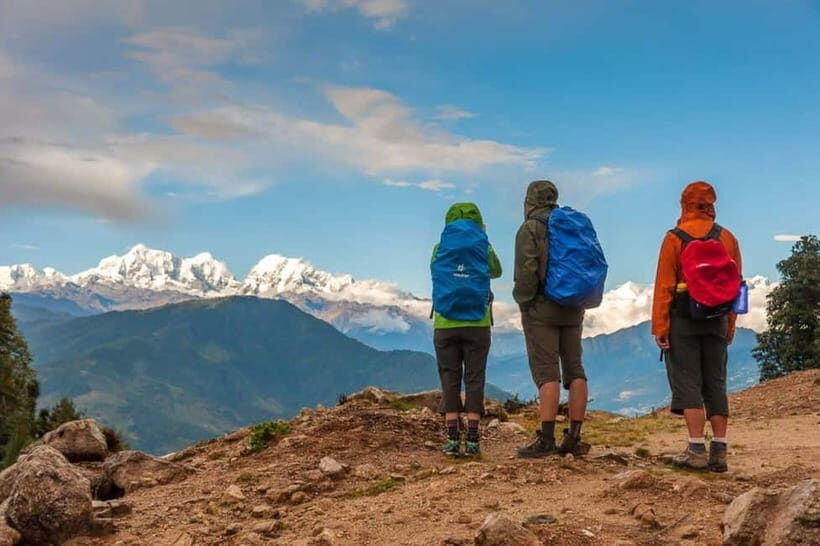
From the pass, you can see Dhaulagiri (8,167m) mentioned directly, plus views toward Upper Mustang. That view matters because it reframes your hike: you’re not just climbing—you’re crossing into a landscape where Nepal’s upper kingdoms and geography become visible from above.
Day 12 ends in Muktinath, a pilgrimage site. On Day 13, you visit Muktinath Temple (Vishnu Temple) for blessings, and the trek then continues toward the Jomsom side via Lubra and down toward Kagbeni.
This is a good time to slow down mentally. The pass is the technical climax; Muktinath is the emotional one.
From Lubra to Kagbeni to Jomsom to Pokhara: the flight shortcut and lakeside reset
Day 13 includes your transfer plan options. After Muktinath, you either board a vehicle or trek to Jomsom via Lubra. The itinerary specifically says you can see the best view from the top of Lubra village—something you wouldn’t get the same way from the bus/jeep. Then you descend down to Kagbeni, described as the junction between upper and lower Mustang.
Day 14 shifts gears from hiking to travel comfort. You’ll head to Pokhara either by bus/jeep (taking up to 8–9 hours on rough roads) or by flight. The itinerary strongly emphasizes the flight as the easy option: it’s about 25 minutes, and it flies through the Kaligandaki gorge. There’s also a heads-up that the flight could be delayed if winds are strong or visibility is weak.
Once in Pokhara, you get the reward phase: lakeside downtime and an overnight hotel stay. Day 15 returns you to Kathmandu by tourist bus, a hotel check-in, and a farewell meal at a traditional restaurant with the option of Nepal cultural events.
It’s a nice way to end. You get the mountain intensity, then you land back in a place where you can breathe.
Price and logistics: what $1,560 buys you on this circuit
Let’s talk value the way it matters on a trekking trip.
At $1,560 per person for about 15 days, you’re paying for far more than a guide. The package includes:
- air-conditioned vehicle support on the travel segments provided
- all required permits for the trek
- accommodation for the whole trip
- professional certified guides and porters
- flights: Jomsom to Pokhara, and Pokhara to Kathmandu
- UNESCO-related permits for Kathmandu tours
- meals: 13 lunches, 13 dinners, and 14 breakfasts (as listed)
What’s not included is also clear: tips/gratuities and personal expenses.
So the practical question is: are you getting value for your style? If you want your time spent on walking and scenery—not on arranging permits, lodging, and air transfers—this price structure makes sense. If you already have your own logistics dialed, you might compare costs with a more DIY approach. But for most people, the included flights and meals remove a lot of friction.
Also note this is a private tour/activity, meaning you travel with your group rather than mixing into a larger crowd you can’t pace.
Altitude reality check: how to stay safe and comfortable on this route
This itinerary is built around altitude, and you’ll feel it day by day.
- The trek plan explicitly includes acclimation with an extra Manang night.
- It calls out choosing the route that matches how you feel (upper vs lower Pisang–Manang path).
- Hydration is emphasized before the pass push, and Thorong Phedi is described as a typically cold rest stop.
You should treat those as instructions, not suggestions. On this circuit, small choices—moving slowly, drinking regularly, dressing for cold nights—can decide whether a day feels manageable or miserable.
Also watch the trail conditions described in the plan:
- loose stones and landslide-prone areas near Tilicho Base Camp
- a cold, isolated glacier-valley feel around Thorong Phedi
- steep first hours on Thorong La day
For gear, the only “facts” you can rely on from the plan are cold at higher points and challenging footing at certain segments. Beyond that, you’ll want standard high-altitude trekking basics: warm layers, rain protection, and footwear you trust on uneven ground.
Guide and porter support: Bhupal-style teamwork and altitude help
One reason guided trekking works is the human layer: pace management, route decisions, and the calm when you feel off. The feedback you provided includes a guide name: Bhupal. In that feedback, people described him as amazing and focused on giving the best possible experience, and they praised porters for going beyond expectations when altitude issues appeared, including carrying again after someone got sick.
Now, you shouldn’t assume your group gets the same exact guide unless your booking confirms it. But the broader point is still useful: this operator’s team is described as attentive, and porters are presented as active helpers, not just “extra hands.”
If altitude sickness is your worry, keep a practical mindset. Use the acclimation days, take early starts seriously, and treat team support as part of the plan, not an emergency only.
Should you book this Annapurna Circuit trek with Hit The Himalaya?
Book it if you want a guided Annapurna Circuit that includes the Tilicho Lake detour, built-in acclimation in Manang, and a more efficient travel rhythm at the end via flights. The included permits, lodging, meals, and the Jomsom–Pokhara flight make it a strong value if you’d rather spend your energy hiking than coordinating.
Skip it or reconsider if you know you dislike long road transfers or you want a less structured itinerary with lots of flexibility. This trek has set pacing, cold high points, and at least one day where the trail conditions include loose rock and landslide-prone sections.
If you want the famous circuit with real mountain logistics handled for you, this is an easy yes—so long as you take altitude seriously.
FAQ
How long is the Annapurna Circuit Trek?
The trip is listed as about 15 days.
Where does the experience start?
It starts at Tribhuvan Airport in Kathmandu, Nepal.
How much does it cost?
The price is $1,560.00 per person.
Is pickup included?
Yes, pickup is offered.
What’s included in the trek price?
Permits for the trek, accommodation for the whole trip, guides and porters, air-conditioned vehicle support, and flights (Jomsom to Pokhara and Pokhara to Kathmandu) are included. It also includes meals: 13 lunches, 13 dinners, and 14 breakfasts, plus UNESCO heritage site tour permits in Kathmandu.
What flights are included in the itinerary?
The package includes a flight from Jomsom to Pokhara and a flight from Pokhara to Kathmandu.
What is not included?
Personal expenses and tips/gratuities are not included.
What fitness level do I need?
The information states travelers should have a moderate physical fitness level.
What time of year is recommended?
The trek is best visited in spring (April–May) and autumn (September–October).
Is it a private group?
Yes, it’s described as a private tour/activity, with only your group participating.