REVIEW · POKHARA
Morning Tibetan cultural tour to Tibetan settlements Pokhara
Book on Viator →Operated by The Tibetan Encounter Day Tours P. Ltd · Bookable on Viator
Waking up for a cultural morning feels different here. This 5:30 a.m. Pokhara tour takes you through Tibetan monasteries and settlements, guided by Mr. Thupten Gyatso, so you understand the community today—not just the landmarks. I like that it’s structured, hands-on, and paced for real conversation, with lunch built in.
Two things I’d highlight: you get small-group time (max 15) and a guide who stays focused on culture, religion, and everyday life. You’re also not stuck with one viewpoint, because the day moves from monastery learning to family food moments to village walks.
One consideration: the schedule is long (about 8–9 hours) and starts early. If you hate mornings or prefer lots of downtime, plan for an active day with minimal flexibility.
In This Review
- Key Points to Know Before You Go
- A 5:30 a.m. Start in Pokhara: What It Means for Your Day
- Mr. Thupten Gyatso and the Small-Group Advantage (Max 15)
- Stop 1: Jangchub Choeling Tibetan Buddhist Monastery (Start With Meaning)
- Stop 2: Tashi Palkhel Tibetan Settlement (Food + Family Life)
- Stop 3: Pema Ts’al Sakya Monastic Institute and a Young Monk’s Perspective
- Stop 4: Shree Gaden Dhargay Ling Monastery (Prayer Wheels, Flags, Stupas)
- Stop 5: Tashi Ling Tibetan Village Walk and School Glimpses
- Lunch of Momos and Thukpa: Simple, Filling, and Very On-Theme
- Price and Value: Is $85 Fair for This Pokhara Morning?
- Who This Tour Suits Best (and Who Should Think Twice)
- Should You Book This Morning Tibetan Cultural Tour?
- FAQ
- What time does the tour start?
- How long does the tour last?
- Is pickup available?
- What places do you visit?
- Is lunch included, and what is served?
- Are there dietary options?
- How big is the group?
- Are admission tickets included?
- Does the tour run in bad weather?
- Can I cancel for a refund?
Key Points to Know Before You Go
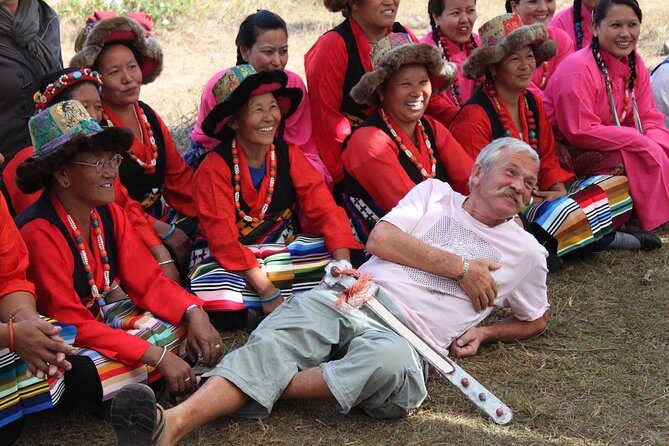
- Mr. Thupten Gyatso leads the morning, and you’ll get clear explanations tied to daily life and Buddhist practice
- Max 15 people means you can ask questions and actually keep up
- Lunch includes momos and thukpa, plus vegetarian/non-veg and gluten-free options
- Five faith-and-community stops cover monasteries and Tibetan settlement life in Pokhara
- Hotel transfers and pickup are included, so your morning starts with less hassle
- Works in all weather conditions, so pack for rain and temperature shifts
A 5:30 a.m. Start in Pokhara: What It Means for Your Day
This tour begins at 05:30 a.m., which is early by any standard. The upside is simple: you’ll finish with most of the day still ahead of you. With an 8–9 hour duration, it’s long enough to feel substantial, but it’s not a whole-day blackout where you lose your afternoon.
You’ll want to be ready for a proper morning rhythm. Expect walking between sites and time inside religious and community spaces where you should keep your voice low and your posture respectful. Since it runs in all weather, I’d treat this like a day trip where clothing matters: bring layers and something rain-friendly. If the forecast looks iffy, a hooded jacket beats a fragile umbrella.
The tour is also designed to be workable logistically. Pickup and hotel transfers are included, and the area is listed as near public transportation. That matters if your hotel is tucked away or you’d rather meet the group without a long walk.
You can also read our reviews of more historical tours in Pokhara

Mr. Thupten Gyatso and the Small-Group Advantage (Max 15)
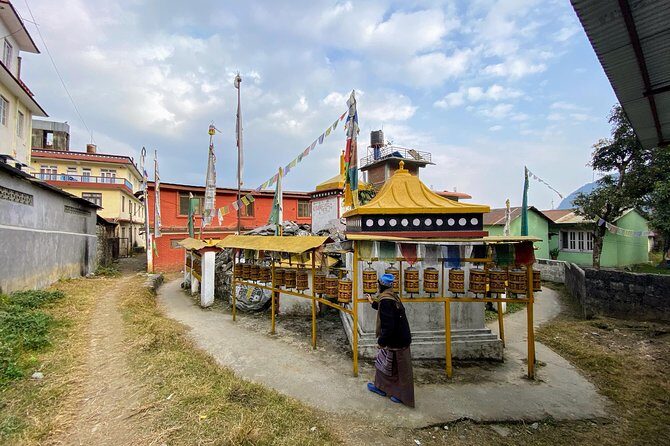
A lot of cultural tours “show you stuff.” This one aims to help you understand the people behind the stuff. The guide, Mr. Thupten Gyatso, is central to the day. The emphasis isn’t only on what you see; it’s on what Tibetan life looks like in contemporary Nepal—culture, religion, and how the community educates and welcomes visitors.
With a maximum of 15 travelers, you’re less likely to feel lost in the shuffle. In practice, that usually means two things: you can hear explanations, and you can ask questions without waiting your turn for 30 minutes. If you care about how beliefs connect to daily habits—symbols, monasteries, teaching, and food—this format helps.
Also note the tour includes a mobile ticket and offers group discounts. That’s not just convenience trivia. It usually means fewer last-minute headaches and a smoother start when the morning is already early.
Stop 1: Jangchub Choeling Tibetan Buddhist Monastery (Start With Meaning)
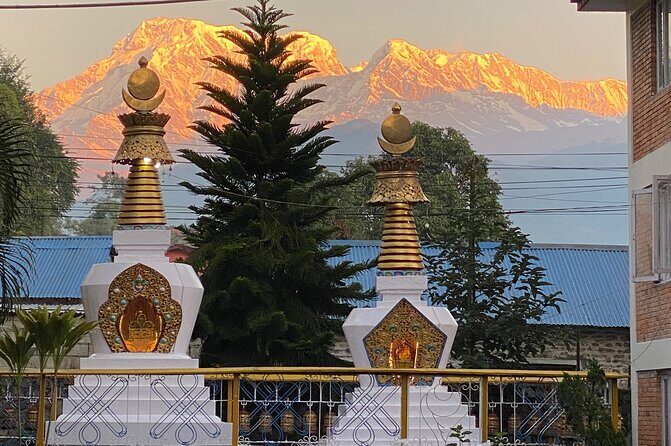
Your first major stop is the Jangchub Choeling Tibetan Buddhist Monastery, with about 1 hour on the site. This is your foundation stop. Instead of jumping straight into sights, you begin with context: Tibetan culture and religion, and the broader story of Tibetan refugee life in Nepal.
The monastery visit is also where you should set your mental “language level.” If symbols and terms feel confusing later, this first stop gives you the baseline. It’s free admission here, so you’re not paying separately to access the learning space.
Practical tip: arrive mentally ready to slow down. Monasteries tend to reward attention more than speed. Look for signs and the way people move through the space—those small details often make later explanations click.
Stop 2: Tashi Palkhel Tibetan Settlement (Food + Family Life)
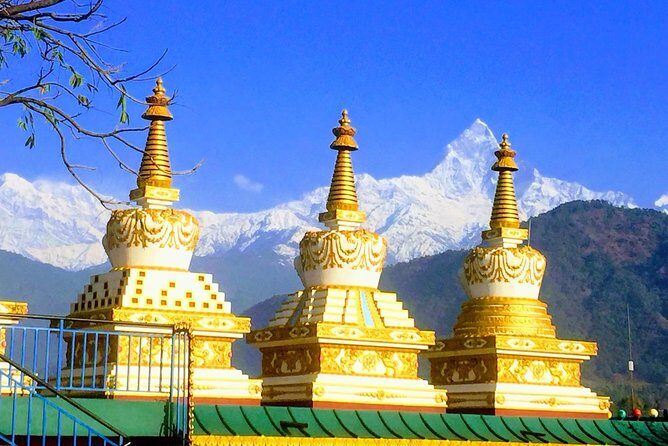
Next comes Tashi Palkhel Tibetan Settlement, again about 1 hour. This is where the tour shifts from sacred space to everyday life. You’ll visit a local Tibetan family and experience Tibetan food, and you’ll also have breakfast as part of the home visit.
This stop matters because it turns “culture” from a concept into something you can taste and observe. Food is a shortcut to understanding: ingredients, comfort dishes, shared routines, and how people host. Even if you don’t know Tibetan terms, you can still learn how the day runs inside the home.
One word of advice: go in with curiosity, not expectations. Home visits are personal, and the best attitude is calm and respectful. Ask questions if the guide encourages it, and follow cues from the hosts about where to sit, how to move, and what’s appropriate to photograph (if photography is allowed—rules can vary by place).
Stop 3: Pema Ts’al Sakya Monastic Institute and a Young Monk’s Perspective

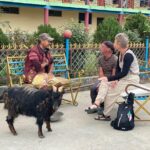
After the family stop, you head to Pema Ts’al Sakya Monastic Institute for about 1 hour. Here the tone changes again. You’ll visit a monastery and meet with a young monk who’s eager to share insights into monastic life and education.
This is one of the most valuable parts of the day, because it’s not only description—it’s Q&A potential. The tour explicitly encourages you to ask questions to deepen your understanding. If you’ve ever wondered what monastic study looks like day to day, this is the kind of place where your questions get answered directly.
Admission is listed as free for this stop too, which keeps the day focused on learning rather than paperwork or extra spending.
Practical consideration: listen more than you talk at first. Let the monk explain, then ask one or two clear questions. You’ll get more useful answers and the experience feels better for everyone.
A few more Pokhara tours and experiences worth a look
Stop 4: Shree Gaden Dhargay Ling Monastery (Prayer Wheels, Flags, Stupas)
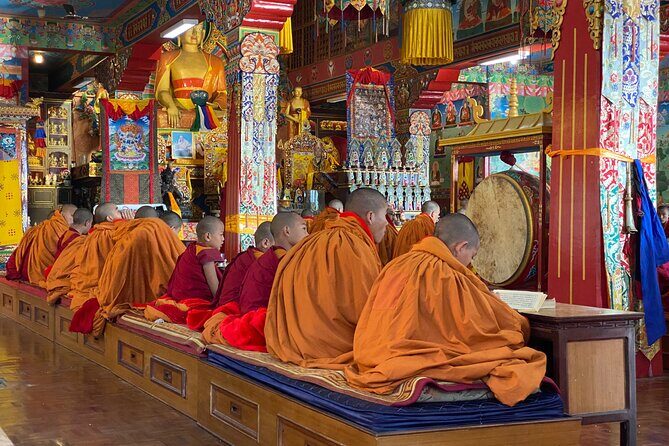
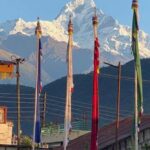
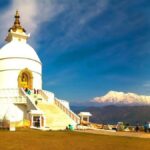
Now you switch to Shree Gaden Dhargay Ling Monastery for about 45 minutes. This stop is shorter, but it has a specific purpose: you’ll learn the meaning of Buddhist signs and symbols that show up in daily life, including prayer wheels, prayer flags, and stupas.
Shorter doesn’t mean shallow. If you’re the kind of traveler who likes seeing symbols explained in plain language, this can be a fast but satisfying stop. It helps because you’ll recognize these elements later—on buildings, in courtyards, and sometimes even around settlements.
Possible drawback? If you prefer long, unbroken time in one place, this stop can feel like a quick pass. But the overall day balances short symbol learning with longer village walking, so it doesn’t feel out of place.
Stop 5: Tashi Ling Tibetan Village Walk and School Glimpses
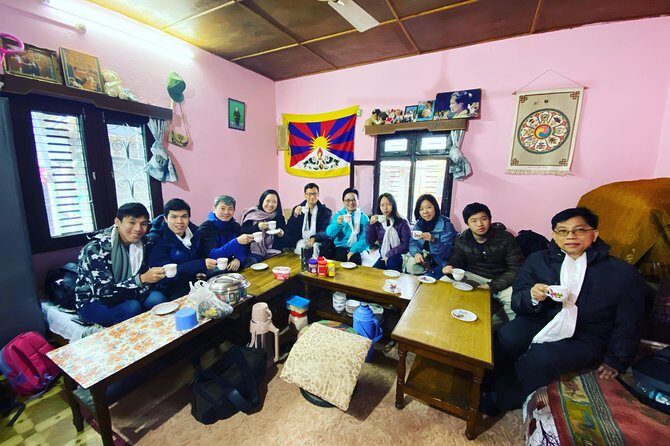
The biggest block of time comes at the Tashi Ling Tibetan Village, where you spend around 4 hours. This is where you shift from guided explanations to experiencing the rhythm of life. You’ll walk around the village to see daily living and explore Tibetan schools.
This stop is the payoff for travelers who want to understand culture as something practiced, not staged. Schools in particular connect everything: language, religion, community continuity, and future generations. Even when you only see parts of the day, you get a sense of priorities.
Because it’s 4 hours, it also means you should plan your energy. Wear comfortable shoes. If you’re sensitive to dust or wind, bring something to cover up your face a little. And since the tour runs in all weather, the village walk can get chilly or damp depending on conditions.
Lunch of Momos and Thukpa: Simple, Filling, and Very On-Theme
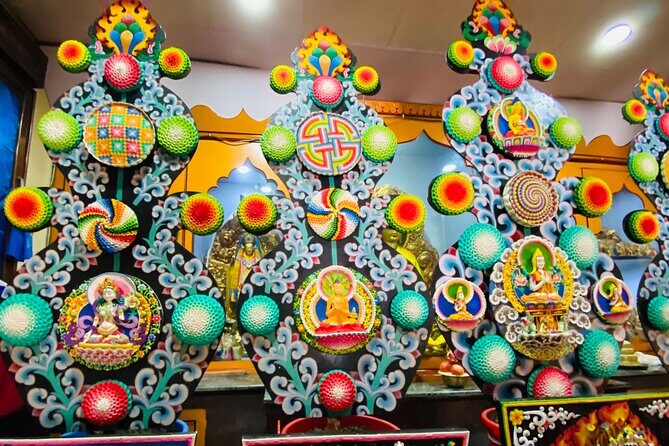
Lunch is included, and it’s Tibetan food: momos and thukpa. That’s a smart choice for a morning like this, because it keeps the day coherent. You’re not eating a generic meal halfway through cultural learning—you’re still in the culture zone.
The tour also states it offers vegetarian/non-vegetarian meals and gluten-free food. That’s a practical win if you have dietary restrictions. I’d still double-check with the operator at booking time how they handle your exact needs, because “gluten-free” can mean different things in different kitchens.
Since the day is long, aim to eat fully, even if you don’t feel hungry at first. You’ll likely be moving through multiple sites afterward, and a warm, filling lunch makes the rest of the day easier on your energy.
Price and Value: Is $85 Fair for This Pokhara Morning?
At $85 per person, this tour sits in the “value with structure” category. You’re paying for more than transport—you’re paying for access and interpretation.
Here’s what you get for that price:
- Hotel transfers and pickup, which reduce morning stress
- A small group experience (max 15)
- Multiple stop visits that include free admission tickets at each listed site
- A full teaching day with a specific guide, Mr. Thupten Gyatso
- Lunch, including momos and thukpa, plus dietary options
If you tried to piece this together yourself in Pokhara—transport, timing, and a guide who can connect all the dots—you’d likely spend time and money. The best value here is the explanation layer: the day helps you connect monastery symbols, monastic education, and family life in Tibetan settlements.
If you’re looking for a cheaper tour with fewer stops, this may feel pricey. But if you want a guided, high-context cultural morning, the cost feels reasonable.
Who This Tour Suits Best (and Who Should Think Twice)
This tour is perfect for you if you:
- like culture with explanation, not just photo stops
- enjoy meeting people in real settings like settlements and villages
- want a morning in Pokhara that teaches the story behind Tibetan community life
- appreciate Q&A-style learning, especially at monastic sites
You might think twice if you:
- hate early starts and long structured days
- want lots of free time to wander on your own
- prefer activities that don’t involve religious spaces
It’s also a good match for visitors who care about Buddhism as lived practice—symbols, schools, and daily routines—not only as sightseeing.
Should You Book This Morning Tibetan Cultural Tour?
I’d book it if your goal is understanding Tibetan life in Nepal through people, food, and place. The combination of small-group pacing, Mr. Thupten Gyatso’s explanations, and a day that mixes monasteries with family and school visits makes it feel more human than a typical checklist tour.
Before you go, only ask yourself one thing: are you okay with an early start and a long, moving schedule? If yes, you’ll likely come away with a clearer picture of how Tibetan culture, religion, and education exist in Pokhara today.
FAQ
What time does the tour start?
It departs at 05:30 a.m.
How long does the tour last?
The tour runs for about 8 to 9 hours.
Is pickup available?
Yes. Pickup is offered, and hotel transfers are included for convenience.
What places do you visit?
You visit Jangchub Choeling Tibetan Buddhist Monastery, Tashi Palkhel Tibetan Settlement, Pema Ts’al Sakya Monastic Institute, Shree Gaden Dhargay Ling Monastery, and Tashi Ling Tibetan Village.
Is lunch included, and what is served?
Yes. You’ll enjoy lunch with momos and thukpa.
Are there dietary options?
Yes. The tour serves vegetarian and non-vegetarian food and also offers gluten-free food.
How big is the group?
The tour has a maximum of 15 travelers.
Are admission tickets included?
Admission tickets are listed as free for each stop.
Does the tour run in bad weather?
Yes. It operates in all weather conditions, so dress appropriately.
Can I cancel for a refund?
Yes. Free cancellation is available. You can cancel up to 24 hours in advance for a full refund.