REVIEW · POKHARA
Annapurna Base Camp Trek from Pokhara
Book on Viator →Operated by Arpan Nepal · Bookable on Viator
Annapurna Base Camp feels human and wild. This 8-day trek out of Pokhara blends village stops like Ghandruk and Chhomrong with quieter forest paths, then pushes up to 4,130m for the high-mountain payoff most people dream about. You also get the practical perks that make the route less stressful, like hotel pickup and private transfers to the trail start.
I especially like the English-speaking trekking guide and the fact that your TIMS card and trekking permit are included, so the paperwork side is handled before you’re on your feet all day. The one drawback to plan for is that meals are not included, so your daily food budget is on you.
In This Review
- Key things I’d watch for before you go
- Pokhara to Annapurna Base Camp: why this route works
- Day 1: Nayapul to Ghandruk, the first village welcome
- Day 2: Ghandruk to Chhomrong, where the trail gets serious
- Day 3: Chhomrong to Sinuwa, forests, bridges, and calmer hours
- Day 4: Sinuwa to Deurali, edging toward the higher air
- Day 5: MBC (3,730m) to Annapurna Base Camp (4,130m), the payoff day
- Day 6: Down to Bamboo, legs learn the art of controlled descent
- Day 7: Bamboo to Jhinu Danda, hot spring recovery after the hard part
- Day 8: Back to Nayapul and Pokhara, the car ride that feels earned
- What you’re really paying for at $335 per person
- The guide and permits: the practical backbone of the trek
- Guest houses and meals: how to avoid budget surprises
- Fitness and altitude: what “strong physical fitness” means in real terms
- Who this trek is best for
- Should you book this Annapurna Base Camp trek from Pokhara?
- FAQ
- How long is the Annapurna Base Camp trek from Pokhara?
- Is hotel pickup and drop-off included?
- Are meals included in the price?
- What permits are included?
- What altitude do you reach on this trek?
- Is this tour private?
Key things I’d watch for before you go
- Private trip pace: it’s only your group, so you’re not shuffled around with strangers.
- Permits handled: TIMS card and trekking permit are included, which matters on the Annapurna region trails.
- Village trekking days: Ghandruk, Chhomrong, and Sinuwa give you culture, not just scenery.
- Nature variety: expect natural forests, plus suspension bridges along the way.
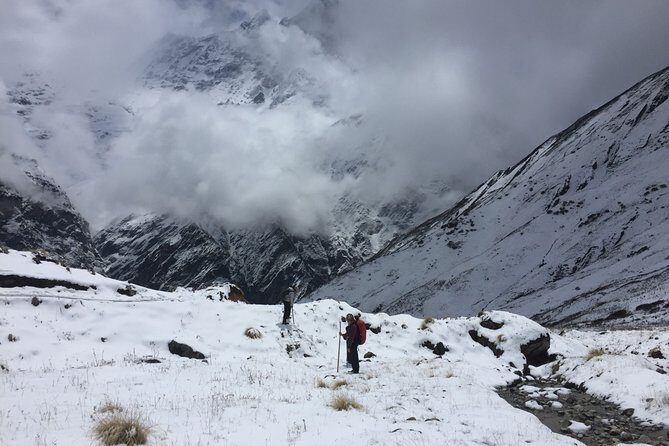
- Main summit day is built in: you reach MBC (3,730m) before continuing to ABC at 4,130m.
- Recovery day at Jhinu Danda: trekking down to the hot spring area gives your legs a reset.
Pokhara to Annapurna Base Camp: why this route works
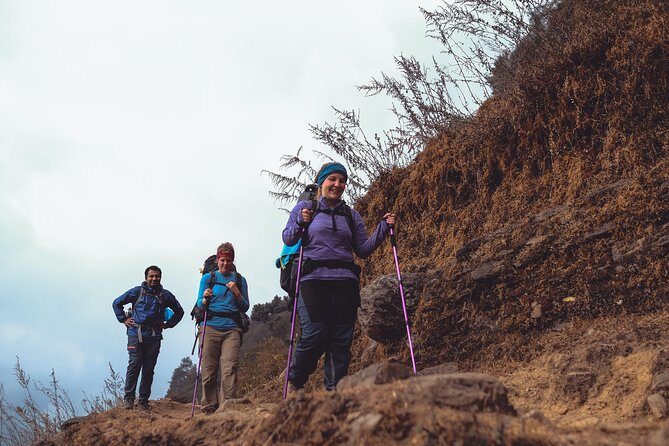
This is a classic Annapurna Base Camp trek design: you start with a village and forest rhythm, climb higher in stages, then make your big push to the base camp zone. The walking days are organized around short-to-moderate blocks, with guest-house nights so you’re not living in a tent for the whole trip.
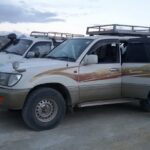
The Pokhara base is a major plus. You get hotel pickup and drop-off, plus a private vehicle transfer between Pokhara and Nayapul. That reduces the usual pre-trek hassle and lets you focus on acclimating and enjoying the hike rather than losing time to logistics.
Your biggest number on this trip is altitude: Annapurna Base Camp sits around 4,130m. That’s the point where weather and your breathing feel different, so the trek’s slow, staged route is part of why it works.
You can also read our reviews of more hiking tours in Pokhara
Day 1: Nayapul to Ghandruk, the first village welcome
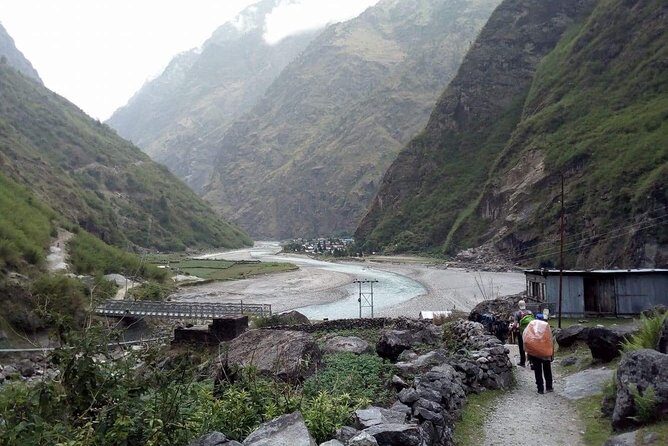
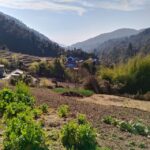
Day 1 starts easy-ish because you drive to Nayapul, then begin trekking toward Ghandruk. The draw here is that you’re not hiking through empty scenery. You’re entering a real community landscape right away, with rural life close enough to feel immediate.
Ghandruk is also one of those places where the trail suddenly becomes social. You’ll likely notice how people live with the mountains around them, and how trails connect homes, fields, and viewpoints. Even if you just want a scenic intro, this village start gives the trek context fast.
Time-wise, it’s about a long drive plus a day trek (listed as 7 hours). If you’re sensitive to travel fatigue, it helps to treat day 1 as a warm-up. Go steady and save your energy for the climbing days that follow.
Day 2: Ghandruk to Chhomrong, where the trail gets serious
On day 2 you head to Chhomrong, trekking for around 6 hours. This is a step deeper into the Annapurna region vibe: the route tends to feel more focused on elevation, and the views start to pull into the foreground.
Chhomrong is also one of those stops that can feel like a boundary between “village walk” and “mountain trek.” You’ll likely sense the sense of anticipation—like you’re getting closer to the high country even before you’re truly at it.
One practical note: with a day that’s both longer and higher in feel, you’ll want to keep your pace conservative. It’s tempting to hike fast early. This is the day to resist that urge.
Day 3: Chhomrong to Sinuwa, forests, bridges, and calmer hours
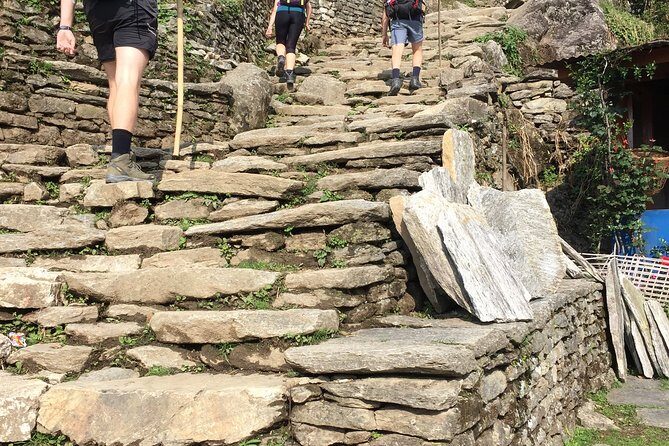
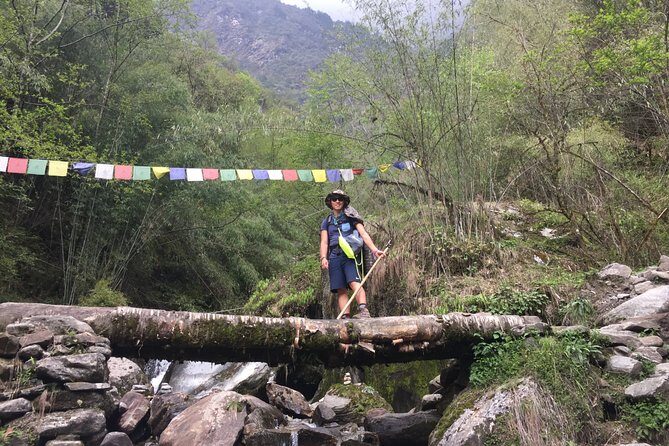
Day 3 takes you to Sinuwa (about 6 hours). This is where the trek adds texture. The overall trek description highlights natural forests and suspension bridges, and routes in this part of Annapurna commonly include exactly that mix—walking under trees, then crossing a bridge that suddenly opens the valley.
Sinuwa also tends to feel less like a “main stop” and more like a quiet checkpoint. That’s a good thing. The day’s value isn’t just the destination—it’s the steady walking, the changing trail feel, and the way the mountains keep appearing in new angles as the path bends.
If you like photography, this is often the day that rewards patience. Stop less, keep moving, and you’ll catch different views without turning the trail into a photo workshop.
Day 4: Sinuwa to Deurali, edging toward the higher air
On day 4 you trek to Deurali (about 6 hours). This segment is about building altitude gradually so day 5 doesn’t hit like a brick. Deurali is a common feel point on this kind of ABC route: you’re higher, the air feels different, and the scenery shifts from lush pockets to sharper mountain edges.
The best way to handle this day is to think of it as a controlled transition. Don’t chase speed. Keep breathing steady. If your guide is doing their job well, you’ll find a pace that keeps you moving without turning the last hour into a struggle.
Guest-house nights are part of the plan, so you’ll have a place to settle and recover. Those nights matter because tomorrow includes the trek’s big “reach ABC” push.
Day 5: MBC (3,730m) to Annapurna Base Camp (4,130m), the payoff day
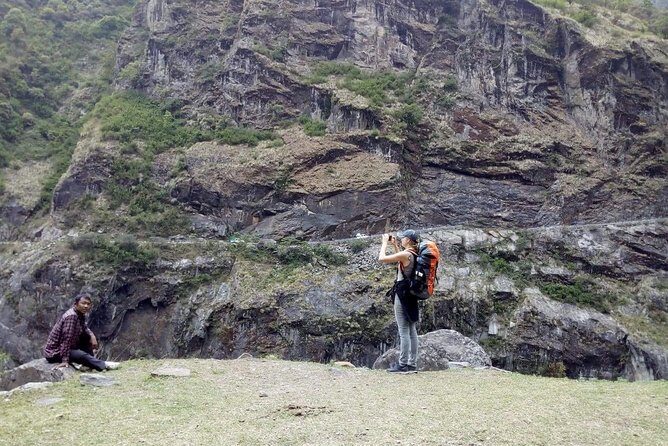
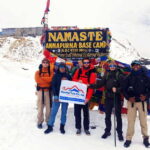
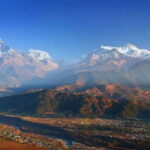
Day 5 is the headline: you go to MBC at 3,730m, then continue to Annapurna Base Camp at 4,130m (about 6 hours total on this listed day). This is where your planning meets the mountains.
The structure—MBC first, ABC second—helps because it gives your body a chance to adjust to the high altitude before you finish at the top zone. Even if you feel strong, it’s still worth treating it like two separate mini-goals: arrive at MBC, regroup, then keep going to ABC.
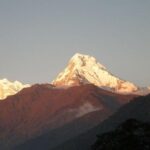
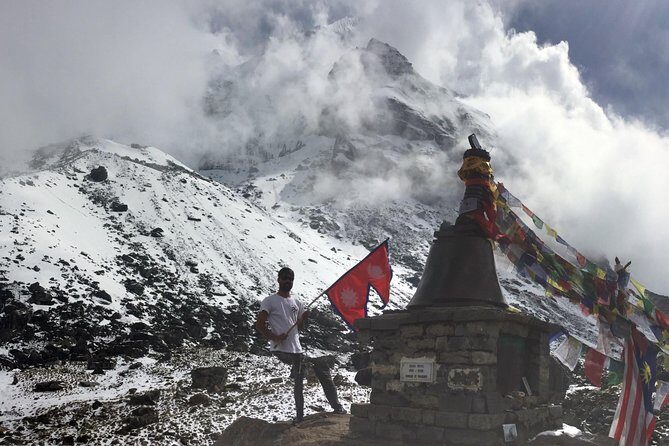
What you’ll enjoy most here is the feeling of arrival. ABC is not just a point on a map. It’s a place where the Annapurna massif dominates everything, and where the trek stops being “a hike” and becomes “a mountain moment.”
If you’re thinking practically: bring layers you can manage easily. Conditions near base camp can change fast, and you’ll be standing around at times even if your walking pace is solid.
Day 6: Down to Bamboo, legs learn the art of controlled descent
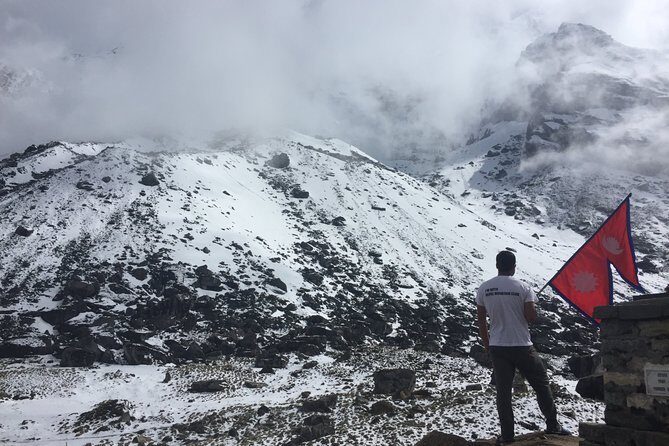
Day 6 takes you down to Bamboo (about 6 hours). Descending is its own workout. Your knees and thighs will work in a different way than they do uphill, and you’ll feel it if you stride too fast.
This day is also important psychologically. After the intensity of reaching ABC, the descent gives you breathing room—less altitude pressure, more time to enjoy the scenery without worrying about peak conditions.
If you want to make day 6 easier, focus on short steps and steady rhythm. Save the big “I made it” celebrations for later in the evening, when you’re resting in the guest house.
Day 7: Bamboo to Jhinu Danda, hot spring recovery after the hard part
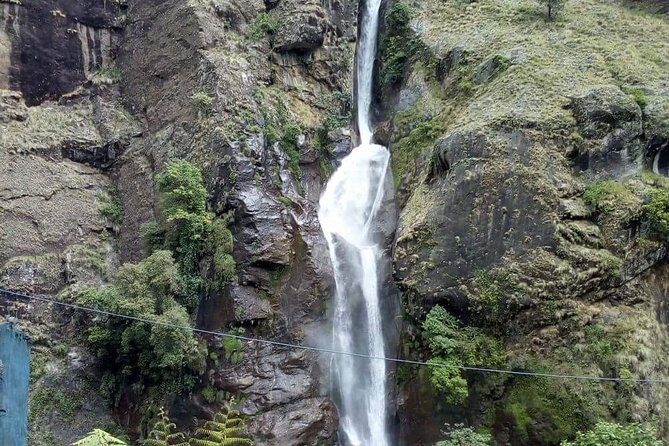
Day 7 heads down to Jhinu Danda with a final goal of the hot spring area (about 6 hours). This is the trek’s clever reset. You’ve been climbing and working hard, and now the route gives you a reward that helps your body recover.
Hot springs are not magic, but they can take the edge off soreness. This day is also where the trekking becomes lighter in mood. The destination feels like a place to unwind, not just pass through.
Be ready for the usual “downhill to a payoff spot” feeling: you’ll be tired, but the day’s end motivation stays strong because the hot spring is tangible and close.
Day 8: Back to Nayapul and Pokhara, the car ride that feels earned
On day 8 you trek down to Nayapul and then transfer back to Pokhara by car, with drop-off to your hotel. The listed time is about 8 hours, which makes sense: there’s a final walk segment plus the ride back.
This is a good day to plan a soft schedule after you arrive. Don’t cram sightseeing or long dinners. Your body will be running on post-trek recovery mode.
Still, there’s something satisfying about the contrast: one final stretch on foot, then that moment you’re sitting, warm, and off the trail. It’s the end of the rhythm.
What you’re really paying for at $335 per person
$335 is not just “a guide and some days walking.” In this package, you’re covering several items that usually cost extra on trekking itineraries: hotel pickup and drop-off, private vehicle transfer to and from Nayapul, an English-speaking trekking guide, and key paperwork like the TIMS card and trekking permit.
Your accommodation is also included as guest house stays. That matters because higher points on the trek require real lodging coordination, not something you want to scramble for day by day.
What is not included is equally important: meals and personal expenses are on you. Also note rescue costs in an emergency and a gratuity expectation. If you’re budget-conscious, you’ll want to calculate your total day-by-day food spending before you commit.
Because it’s a private trip, the value can be strong if you’re traveling with a friend or small group. If you’re solo, it may still be worth it for the guide attention, but the overall sense of value will depend on how you handle the meal costs.
The guide and permits: the practical backbone of the trek
This trek is guided, and that’s not a small detail. The guide speaks English, which makes the experience smoother when you need to ask questions about timing, trail rhythm, and how to handle the higher-altitude day.
A big plus is that the trek’s TIMS card and trekking permit are included. On a trek like Annapurna, permits are not just bureaucracy. They’re part of keeping routes regulated and locals supported, and they help your plan stay official and straightforward.
Private trip also matters here. You’re not racing to match a larger group’s pace. You can settle into a rhythm that fits your fitness level and your comfort on longer days.
Guest houses and meals: how to avoid budget surprises
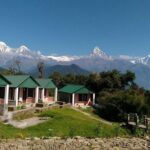
Accommodation is included as guest house nights. That typically means simple rooms and basic comforts—good enough for sleep and recovery, not luxury. Your guide will keep the plan moving so you aren’t searching for places each night.
Meals, however, are not included. That’s normal for trekking, but it means your daily expenses will add up quietly. If you’re trying to keep costs down, plan for a consistent approach: breakfast, lunch during the walk, and dinner at the guest house stop.
The good news from real-world trek experience is that you’ll almost certainly find food that keeps you going. Also, a strong guide often helps you pick meals that are filling and practical for trekking days, even when you’re paying out of pocket.
Fitness and altitude: what “strong physical fitness” means in real terms
This trek is listed for people with strong physical fitness. With a high point around 4,130m, the challenge is not just distance. It’s the combination of distance, repeated elevation changes, and the slower breathing that comes with altitude.
I’d take the time you have before the trek seriously. Focus on stamina and leg strength. Also practice walking for longer stretches without pushing too hard. The trek’s daily walking blocks are around 6 to 7 hours on most days, so your body needs to handle that kind of effort repeatedly.
If you’re the type who feels okay for a day hike but gets wiped out by multi-day climbing, this is the point where you should rethink the fit. The route is rewarding, but it’s still a real mountain trek.
Who this trek is best for
You’ll love this trek if you want:
- A route with village culture built into the day plan, not just a scenic background
- High-mountain payoff at Annapurna Base Camp
- A guided experience with English support
- A manageable trip length (about 8 days) rather than an open-ended expedition
It may be a tougher match if:
- You hate cold weather or altitude effects and don’t want to deal with 4,130m conditions
- You want all-inclusive dining and no daily spending
- Your idea of hiking is short and flat
Should you book this Annapurna Base Camp trek from Pokhara?
I think it’s a smart booking choice if you value structure and support. The combination of private transfers, permit handling (TIMS and trekking permit), and an English-speaking guide removes a lot of avoidable stress. Add in the village stops and the hot spring recovery day, and you get a trek that feels like more than just walking to a viewpoint.
I’d book it when you’re ready to cover meals and when you can handle 8 days of active hiking with a high-altitude finish. If that’s your fit, this is the kind of Annapurna trek that can genuinely change how you see mountains—because you meet them on the trail, not just from a distance.
FAQ
How long is the Annapurna Base Camp trek from Pokhara?
The trek is listed as 8 days (approx.), including pickup, transfers, trekking days, and the return to Pokhara.
Is hotel pickup and drop-off included?
Yes. The tour includes hotel pickup and drop-off in Pokhara, plus the private vehicle transfers between Pokhara and Nayapul.
Are meals included in the price?
No. All meals are not included, so you’ll pay for food separately during the trek.
What permits are included?
Your package includes a trekking permit and TIMS card.
What altitude do you reach on this trek?
You reach MBC at 3,730 meters and the main destination Annapurna Base Camp at 4,130 meters.
Is this tour private?
Yes. It’s a private trip, and only your group participates.