REVIEW · POKHARA
Sarangkot sunrise with Morning Tibetan Cultural Tour
Book on Viator →Operated by The Tibetan Encounter Day Tours P. Ltd · Bookable on Viator
Sunrise in Pokhara changes when you have real stories. This Sarangkot sunrise and Tibetan cultural tour with Mr. Thupten Gyatso ties the mountain views to daily life—Tibetan Buddhism, refugee routines, and the people keeping traditions alive in Nepal.
I especially liked two things: the warm, hands-on stop at a Tibetan family home for breakfast, and the way the day moves through monasteries and symbols with clear explanations you can actually use. You’re not stuck looking at signs—you’re learning what they mean and how they show up in ordinary life.
The main drawback to plan for is the very early start. You’ll be up around 5:15 AM, and since the tour runs in all weather, clouds or rain can soften the sunrise payoff.
In This Review
- Key points before you go
- Why this Pokhara tour feels different than standard sightseeing
- Sarangkot sunrise: the view part, plus how to be ready
- Tashi Palkhel settlement: a home breakfast that changes how you see the culture
- Monasteries with names you can remember: Sakya and Dhargay Ling
- Tashi Ling Tibetan Village: crafts, schools, and how traditions get passed on
- Tibetan doctor consultation: why it’s included and what you’ll likely take away
- Meals, drinks, and the real value of what’s included
- Timing, group size, and how the day flows
- Who should book this Tibetan cultural tour in Pokhara
- Should you book the Sarangkot sunrise Tibetan cultural tour?
- FAQ
- What time does the Sarangkot sunrise tour start?
- Is hotel pickup and drop-off included?
- What meals and drinks are included?
- Are entrance fees included?
- Do I need to buy tickets in advance?
- Can I request a vegetarian meal?
- What places will I visit during the tour?
- Is a Tibetan doctor consultation included?
- How large is the group?
Key points before you go
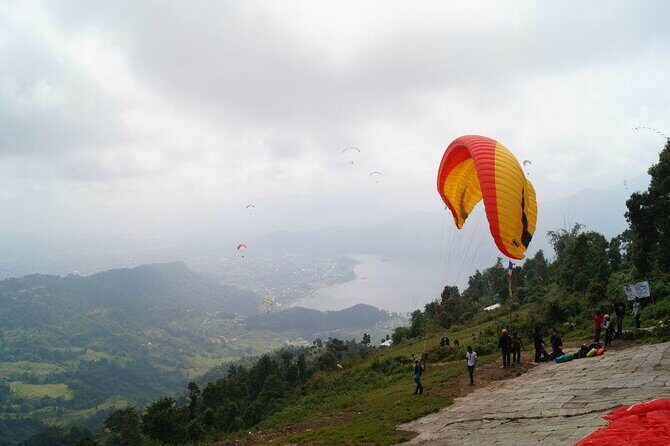
- Sarangkot sunrise with panoramic mountain views over Phewa Lake and Himalayan peaks
- Small group size (max 15) with a guide who has personal ties to the community
- Entrance fees, breakfast, lunch, and bottled water included, so you’re not doing snack math all day
- Two Tibetan refugee settlement visits: home breakfast, village walk, and a carpet workshop
- Monastery time at Pema Ts’al Sakya Monastic Institute and Shree Gaden Dhargay Ling Monastery with Q&A encouraged
- Tibetan doctor consultation included, plus time to learn about Tibetan medicine
Why this Pokhara tour feels different than standard sightseeing
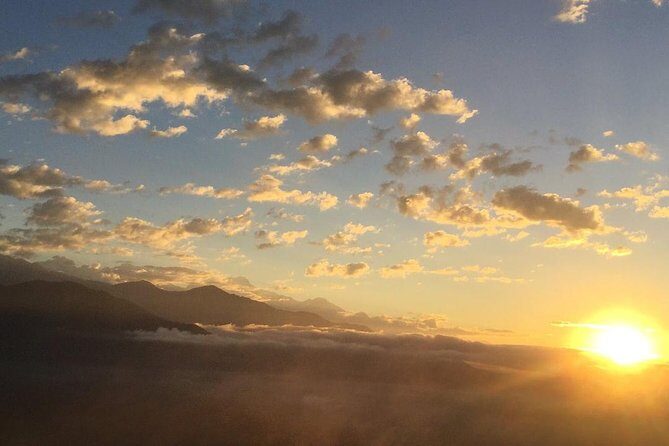
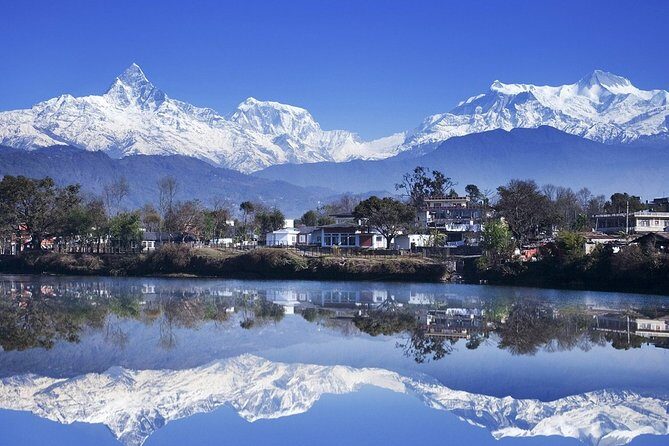
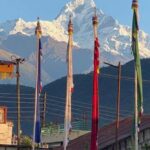
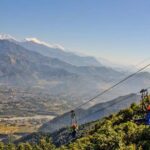
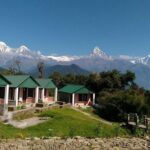
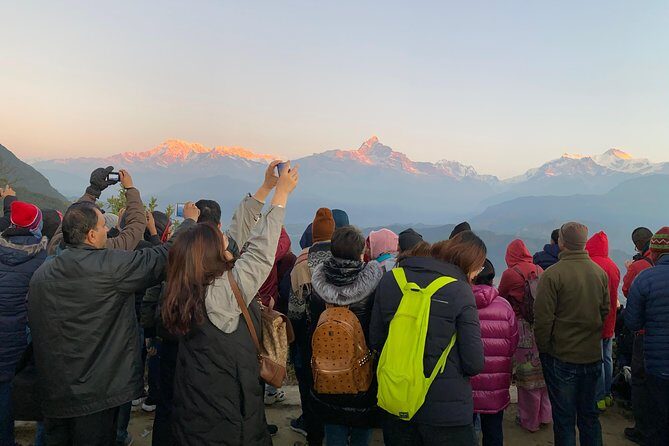
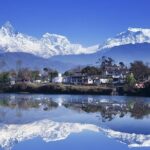
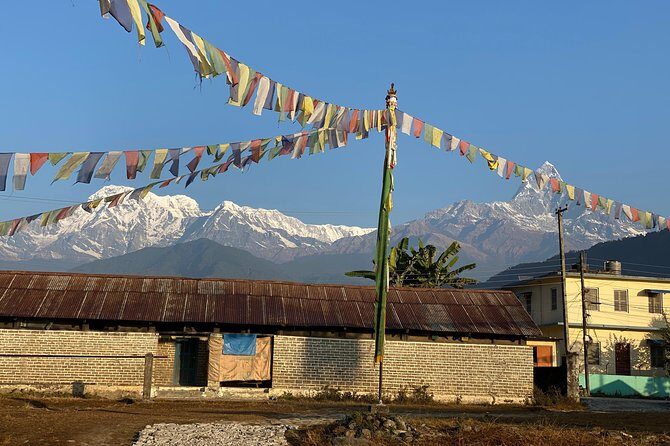
Pokhara is great for views, but this day gives you something deeper than a postcard. You start at Sarangkot for sunrise—Annapurna and Dhaulagiri often dominate the horizon, and on clear mornings you may even spot Machapuchare, the Fishtail peak—then the tour shifts to what those mountains mean to the people living under them.
The big strength is the human thread. Mr. Thupten Gyatso isn’t just leading a script. He’s a native Tibetan connected to the region, and the day is built around helping you understand Tibetan culture and Buddhism as something lived, not just displayed. You’ll see how refugee communities organize daily life, keep religious practices going, and pass on traditions to younger generations.
I also like that the itinerary has variety without feeling chaotic: sunrise, a family visit, monastery visits, then a second settlement with crafts and education. It’s an easy way to get context early in a Pokhara trip, especially if it’s your first time in Nepal or your first time seeing Tibetan refugee life up close.
You can also read our reviews of more historical tours in Pokhara
Sarangkot sunrise: the view part, plus how to be ready
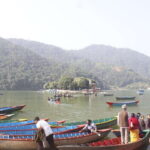
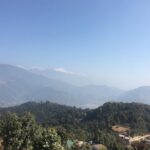
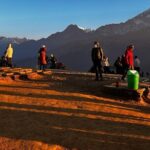
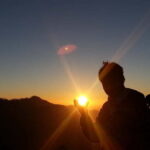
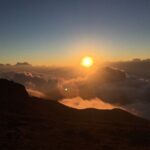
Sarangkot is the headline stop, and it’s a smart one. From the hill, you get broad, open sightlines toward the Annapurna and Dhaulagiri mountain ranges as the sky lightens. The tour timing matters here: sunrise is usually when the peaks look their most dramatic, and the scene becomes a golden backdrop for Phewa Lake below.
On clear days, Machapuchare (Fishtail) can appear in the distance. Even if you don’t see it, the overall mountain panorama is still the reason most people wake up this early.
Practical tips for this part of the day:
- Dress for cold mornings. Sunrise at altitude can feel chilly even when Pokhara later warms up.
- Bring layers, not one thick jacket. You’ll be moving between stops.
- Expect photos, not miracles. Clouds can soften views, and the tour runs in all weather, so the day still continues even if the sky is stubborn.
- Be ready for quiet urgency. You’ll want to arrive focused, because the best light won’t wait.
The payoff is not only the mountains. You’re also starting the day with a moment of calm before heading into the more grounded, people-first parts of Tibetan refugee life.
Tashi Palkhel settlement: a home breakfast that changes how you see the culture
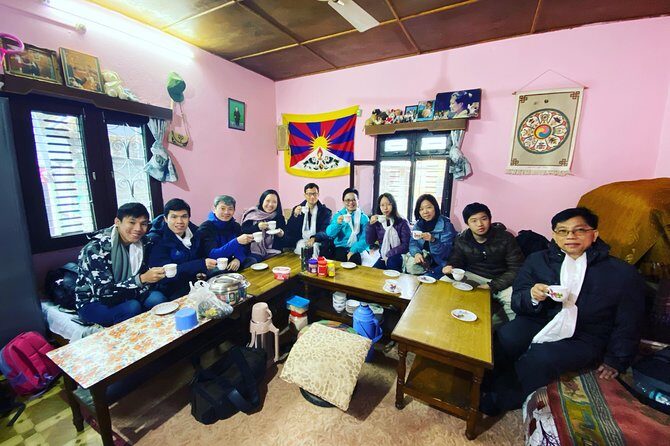
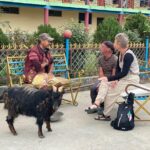
The first settlement stop is Tashi Palkhel Tibetan Settlement, and it’s designed to move beyond “look at the buildings” tourism. After sunrise, Mr. Thupten takes you to a local Tibetan family home, where you’re invited into daily life in a respectful, straightforward way.
Breakfast is included, and this is one of the most memorable pieces of the tour. Food in Tibetan culture isn’t just fuel—it carries identity, and it reflects what communities can access and how traditions were carried into exile. Mr. Thupten explains Tibetan food and the cultural significance behind dishes, so you’re not eating blindly. You’ll likely pick up little details—how ingredients, preparation, and routine connect to Buddhism and community life.
What I like about the home visit:
- You get a real sense of routine, not just a staged talk.
- It puts a face to the refugee story, which makes later monastery and village stops feel more meaningful.
- The breakfast setting helps you slow down and ask questions without the pressure of a formal museum experience.
One consideration: since this is a family home interaction, keep your energy steady and your questions thoughtful. It’s a cultural exchange, not an airport-style hurry-through.
Monasteries with names you can remember: Sakya and Dhargay Ling
After the settlement visit, you’ll spend time at two Buddhist sites, and each one teaches a different layer.
First is Pema Ts’al Sakya Monastic Institute. Here, the focus is on monastic life. You’ll meet a young monk who’s eager to share insights into monastic education and daily life. The tone tends to be practical: what a day looks like, how learning works, and how faith fits into discipline. You can ask questions, and photos/videos are allowed during the visit.
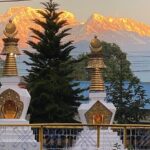
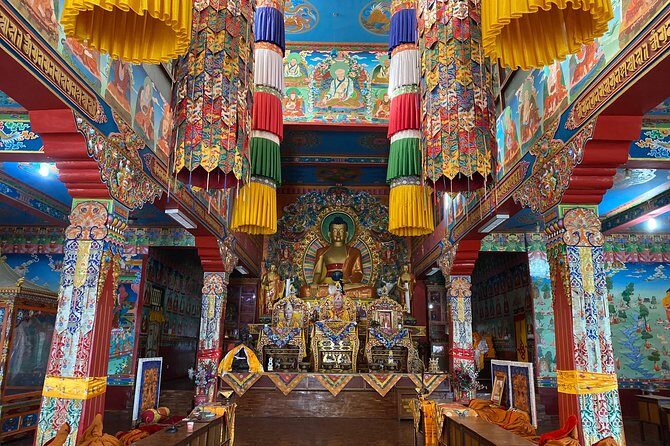
Then comes Shree Gaden Dhargay Ling Monastery. This stop is more about symbols you’ll see in everyday religious practice. You’ll learn meanings behind prayer wheels, prayer flags, stupas, and other Buddhist signs that matter in daily life. You also enter inside the monastery, where you can see more of what makes the place feel active and lived in—not just ornamental.
Why these monastery stops work well on one tour:
- You get both the people side (meeting a monk, hearing about life and education) and the practice side (understanding symbols and objects).
- The guide links culture to religion in a way that helps you recognize what you’re seeing later in villages and settlements.
If you’re sensitive to religious spaces, keep a low, respectful posture. Simple things like speaking softly and dressing appropriately go a long way.
Tashi Ling Tibetan Village: crafts, schools, and how traditions get passed on
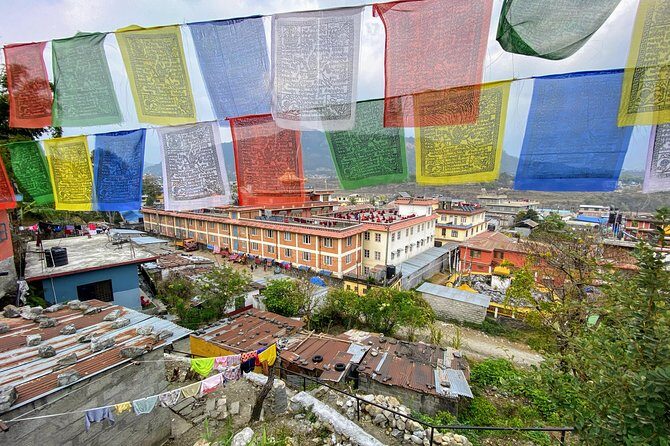
The second settlement stop is Tashi Ling Tibetan Village, and this is where the day gets extra hands-on. You’ll walk around the village to see how people live their everyday lives, then you’ll shift into learning about education and community organization.
One highlight here is the emphasis on schools. You’ll learn about Tibetan schools and their educational system, which helps explain how language, religion, and culture keep moving forward in refugee communities.
Another great stop is the carpet workshop. You’ll watch how Tibetan carpets are made by hand, step by step. Then you’ll visit the carpet showroom to browse designs and colors. There’s also a nice personal touch in how the day is presented: in at least one account from the group, the guide’s nephew is connected to a shop tied to the craft experience, which can make the viewing feel more like meeting makers than shopping from a distance.
You’ll also spend time at a photo gallery focused on the history of Tibetan refugees. This is important context because it turns what could feel like a closed community into an understandable story: arrivals, changes, rebuilding, and the ongoing effort to preserve identity.
Potential drawback for this portion: it can feel like a lot of learning in one stretch. If you need breaks, pace yourself, drink your water, and ask your guide to repeat the key points you care about most.
A few more Pokhara tours and experiences worth a look
Tibetan doctor consultation: why it’s included and what you’ll likely take away
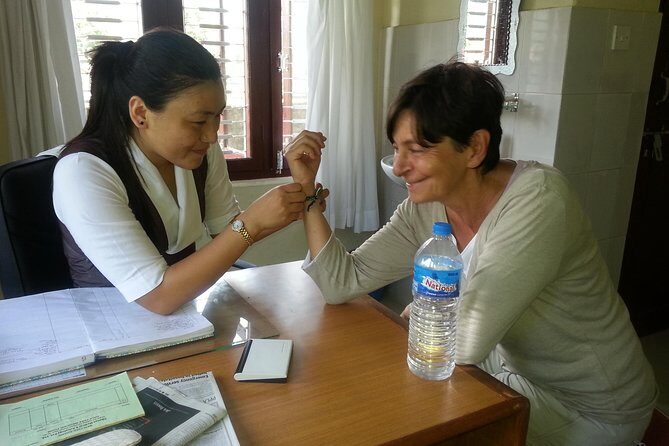
Near the end of the settlement portion, you meet a Tibetan doctor and get a consultation as part of the tour inclusions.
The tour data doesn’t list medical services in detail, but it does clearly include learning about Tibetan medicine through the doctor consultation. Practically, that means you’ll likely hear how Tibetan medicine is approached, how people understand health and balance, and what’s been carried through generations.
Even if you’re not looking for any treatment, this is valuable because it broadens the cultural picture. Buddhism and monasteries are central, but Tibetan culture also includes traditional knowledge systems—ways of thinking about the body and wellbeing that shaped daily life long before refugee settlements existed.
Keep your expectations realistic: this is cultural education and a consultation, not a replacement for medical care. If you have a serious health issue, treat this as learning, and follow up with professionals at home.
Meals, drinks, and the real value of what’s included
At about $114.87 per person for an 8-hour day, this tour competes in a mid-range price zone for Pokhara. What makes it feel like good value is how much is folded into the total cost.
Included items you’ll actually use:
- Hotel pickup and drop-off
- Breakfast and lunch
- Coffee and/or tea
- Bottled water
- All entrance fees included
- Professional guide/driver
- Tibetan doctor consultation
When a tour includes both meals and entrance fees, you avoid the usual “surprise costs” that pile up when you travel independently. You’re also saving time from searching for food spots that fit your schedule. For a long day starting before sunrise, that convenience matters.
A practical note: there’s a vegetarian meal option available if you request it when booking. If you eat vegetarian, do that early so you’re not negotiating last minute.
Timing, group size, and how the day flows
This tour is built for a tight timeline. Opening hours list Monday 5:15 AM to 1:45 PM, and the tour duration is noted as about 8 hours. In plain terms, you’re committing to an early morning with a full set of stops.
The group size cap is 15 travelers, which helps a lot. Smaller groups make it easier for the guide to pace the day, ask-and-answer during monastery visits, and manage transitions between early sunrise time and later settlement walks.
Also, the itinerary is designed to keep momentum:
- Sunrise gives you the emotional high point.
- Settlements anchor that emotion into real people’s lives.
- Monasteries add the religious meaning.
- Village craft and photo history add the continuity and future.
If you hate rushed mornings, this might test your patience. If you like structured days that actually teach, it’s a strong fit.
Who should book this Tibetan cultural tour in Pokhara
This is a great match if you want:
- A culture-focused Pokhara day, not just views
- Tibetan refugee context and Buddhist practice explained clearly by someone connected to the community
- A mix of home visit, monasteries, village walk, and craft learning
- A small-group experience where questions are welcome
It’s also a solid option for first-time Nepal visitors because you get a built-in orientation to Tibetan culture and Buddhism early in your trip. If you’re traveling with family, the day structure can work well since it alternates between quiet, informative moments and hands-on activities like the carpet workshop.
If you only want a short sightseeing loop, you might find this tour’s early start and multiple stops to be too much.
Should you book the Sarangkot sunrise Tibetan cultural tour?
I’d book it if you care about meaning, not just minutes. The combination of Sarangkot sunrise plus visits to Tibetan settlements and monasteries makes this feel like a full cultural experience, and the inclusions—meals, entrance fees, pickup, and doctor consultation—help justify the price.
Skip it if your main goal is maximum relaxation or if you’re not comfortable with early mornings and a packed day.
If you want a Pokhara tour that teaches you something you’ll actually remember while you’re still looking at the mountains, this one is a strong choice.
FAQ
What time does the Sarangkot sunrise tour start?
The tour operates with opening hours listed as Monday 5:15 AM to 1:45 PM, and the experience duration is about 8 hours, so plan for an early start.
Is hotel pickup and drop-off included?
Yes. Hotel pickup and drop-off are included in the tour.
What meals and drinks are included?
The tour includes breakfast and lunch, plus coffee and/or tea and bottled water.
Are entrance fees included?
Yes. All entrance fees are included.
Do I need to buy tickets in advance?
A mobile ticket is provided as part of the experience.
Can I request a vegetarian meal?
Yes. A vegetarian option is available if you advise during booking.
What places will I visit during the tour?
You’ll visit Sarangkot, two Tibetan refugee settlements (Tashi Palkhel and Tashi Ling), and monasteries including Pema Ts’al Sakya Monastic Institute and Shree Gaden Dhargay Ling Monastery.
Is a Tibetan doctor consultation included?
Yes. The tour includes a Tibetan doctor consultation as part of the included activities.
How large is the group?
The tour has a maximum group size of 15 travelers.