REVIEW · POKHARA
7 Days Annapurna Base Camp Trek from Pokhara
Book on Viator →Operated by Swami Narayan Travels Pvt Ltd · Bookable on Viator
A steep day, a hot shower dream, and a big day at Base Camp. This 7-day Annapurna Base Camp trek from Pokhara mixes busy village life, quiet forest stretches, and the kind of mountain drama that makes you forget your aching legs. It’s also a practical setup: hotel pickup, permits (TIMS + trekking), and an English-speaking guide are included, so you spend your energy on the trail instead of paperwork.
What I like most is the way the itinerary builds momentum: starting with the climb from Nayapul into Ghandruk, then moving step-by-step through Chhomrong, Annapurna Sanctuary, and onward to Base Camp. I also really appreciate the support side—your guide is there in the real way: pacing, route guidance, and making sure you’re not just surviving each day.
One thing to think about before you book: you should be ready for a strong fitness level. Even though it’s a classic tea-house trek, you’re trekking multiple 6–7 hour days, plus the altitude around Base Camp (reported around 4,130–4,310 m in the feedback).
In This Review
- Key things that make this trek worth it
- Annapurna Base Camp from Pokhara: what you’re really signing up for
- Day 1: Pokhara to Nayapul, then Ghandruk’s first real welcome
- Day 2: Chhomrong and the steady rhythm of Annapurna trekking
- Day 3: Annapurna Sanctuary and the move toward the higher bowl
- Day 4: Machhapuchhare Base Camp to Annapurna Base Camp
- Day 5: Trek down to Bamboo and how recovery should feel
- Day 6: Hot springs day from Ghandruk, plus a well-earned reset
- Day 7: Phedi back to Pokhara lakeside comfort
- Price and value: what $287.92 covers (and what you’ll still spend)
- The guide experience: support, fun, and competent pacing
- Who should book this trek (and who should reconsider)
- Should you book this Annapurna Base Camp trek?
- FAQ
- What is the duration of the Annapurna Base Camp trek from Pokhara?
- Where does the trek start and how do you get there from Pokhara?
- How long are the daily treks?
- What is included in the price?
- Are meals included?
- Is the trip private?
- What accommodation will I have during the trek?
- What about rescue costs or emergencies?
- At what altitude is Annapurna Base Camp?
Key things that make this trek worth it
- Private car transfers from Pokhara as part of the plan, so you’re not figuring out how to get to trailheads on your own
- TIMS card + trekking permit included, which saves you time (and stress) before you head out
- Guest house accommodation throughout the trek, keeping the trip simple and budget-friendly
- An English-speaking trekking guide who can help with pacing and daily logistics
- A proper Base Camp push via Machhapuchhare Base Camp, not just a rushed sightseeing version
- Strong feedback on support from Mr. Saroj and guide service from Mr. Krishna
Annapurna Base Camp from Pokhara: what you’re really signing up for
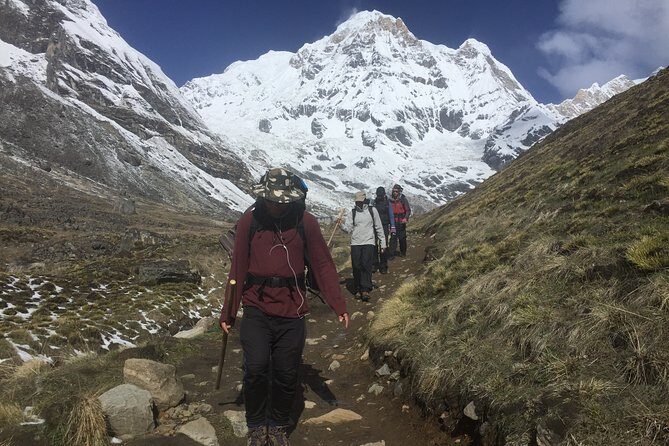
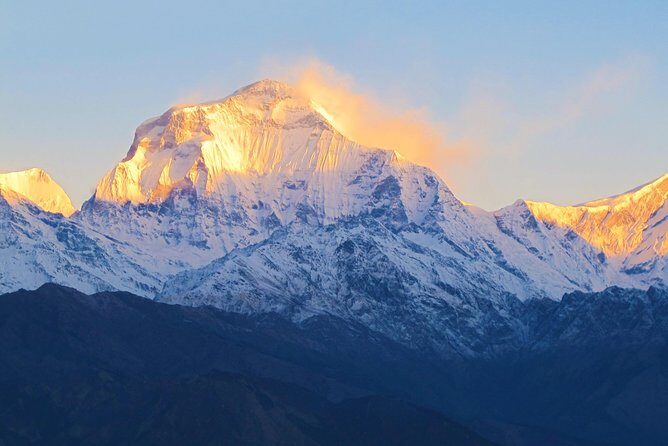
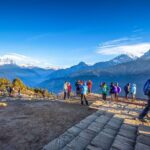
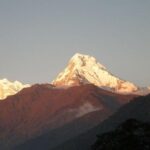
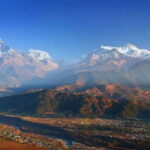
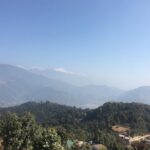
This is the kind of trek where the numbers matter. Seven days sounds short until you’re hiking hours through villages, climbing ridges, crossing suspension bridges, and watching the Annapurna massif change shade hour by hour. You’re moving through Gurung countryside, forest sections, and a string of viewpoints that slowly tighten the emotional grip—by the time you reach Base Camp, you’re not just seeing a destination. You’re arriving at a place your legs have earned.
For value, I like that the package covers the “pre-trek essentials” and the “while-trekking essentials.” You get permits (TIMS + trekking), an English-speaking guide, and guesthouse stays. That means your money goes toward the trip you actually came for, not scattered add-ons.
You’ll still need to plan for the parts that aren’t included. Meals aren’t part of the price, and personal expenses are on you. Also, the trek climbs to serious altitude—so this isn’t for casual weekend fitness. It’s absolutely doable for many people, but you should take the fitness requirement seriously.
You can also read our reviews of more hiking tours in Pokhara
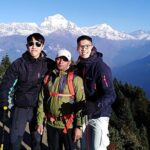
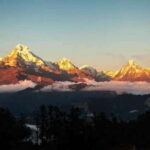
Day 1: Pokhara to Nayapul, then Ghandruk’s first real welcome
You start in Pokhara and drive to Nayapul (about 1 hour 30 minutes). This is one of those “small but important” starts: you save energy and daylight by getting to the trailhead quickly, instead of spending your first morning commuting.
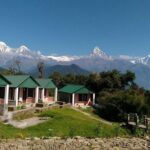
From Nayapul, you trek to Ghandruk. The hike is listed at about 6 hours, which usually means a steady mix of uphill walking, village scenery, and getting used to the rhythm of tea-house country. Ghandruk is a classic stop on this route because it’s lively compared to the higher sections. You’re around people and routines, not just scenery and altitude. That helps your mindset on Day 1.
Practical note: because meals aren’t included, your first day is a good time to set expectations. You’ll likely stop for snacks along the way, then eat at the guesthouse when you arrive. Keep water and light snacks easy to access—your pace depends on it.
Day 2: Chhomrong and the steady rhythm of Annapurna trekking
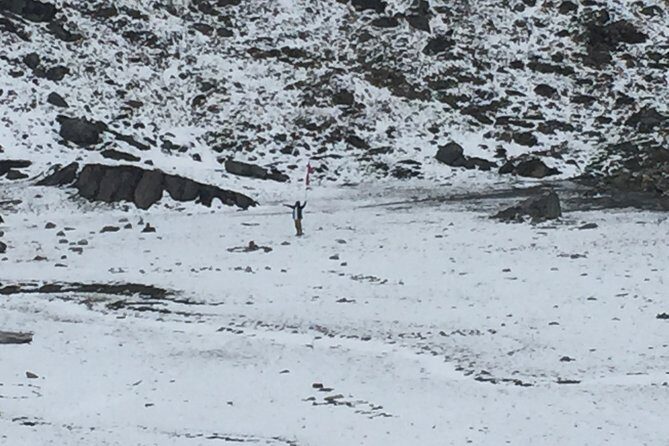
Day 2 continues the story with a hike to Chhomrong (about 6 hours). This is a key junction point in how the trek feels. Chhomrong is where you start transitioning from lower village trekking into more dramatic mountain-focused days.
What I like about this pacing is that it’s not random. It’s structured so your body learns the work. You’re still doing full trekking hours, but you’re not thrown into a single brutal day without buildup.
Also, this stretch often gives you that feeling of slowly being pulled toward the Annapurna core. One day you’re thinking about trail steps. The next, you’re watching mountain forms sharpen in the distance. Even if the weather changes, the trek has a way of making you pay attention.
Day 3: Annapurna Sanctuary and the move toward the higher bowl
On Day 3, you head to Annapurna Sanctuary, trekking toward Himalaya (listed at about 7 hours). This is a longer day, and it’s also a psychological one. Sanctuary areas tend to feel like the air changes—still outdoors, still trekking, but with more of that high-altitude stillness creeping in.
The good part is that this day helps you understand the route ahead. You start to see how the trail turns into a sequence of small gains leading to big visual payoffs. The forests and village sections you had earlier start to feel like they were the warm-up act.
The possible drawback is simple: it’s a long day. If you rush, you’ll feel it later. The best way to do a day like this is with a calm pace and consistent breaks, not frequent big stoppages. A good guide makes this easier, and the feedback you get around caring, supportive guiding is exactly what you want here.
Day 4: Machhapuchhare Base Camp to Annapurna Base Camp
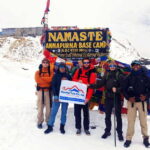
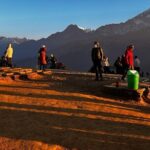
Day 4 is the big bridge between “this is amazing” and “this is unforgettable.” First you trek to Machhapuchhre Base Camp for about 5 hours, then continue to Annapurna Base Camp (about 2 hours more).
Even if you don’t know the geography in advance, the structure tells you what to expect: a build-up day, then a final push. Machhapuchhre Base Camp is often where people feel the mountains shift from background to full-time focus. And when you continue onward, Base Camp feels like a reward you’ve been climbing toward all week.
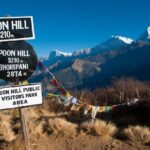
Altitude matters here. Reviews mention Annapurna Base Camp around 4,130 meters and also around 4,310 meters. Either way, you’re in the serious zone. That means:
- Take the slow game seriously
- Don’t treat this as a photo sprint
- Expect the air to feel different
This is where you’ll be glad the trip is arranged with a guide rather than you trying to self-manage everything. Your guide can help you pace and keep the day from turning into a struggle you didn’t need.
A few more Pokhara tours and experiences worth a look
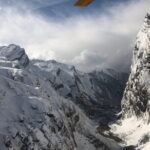
Day 5: Trek down to Bamboo and how recovery should feel
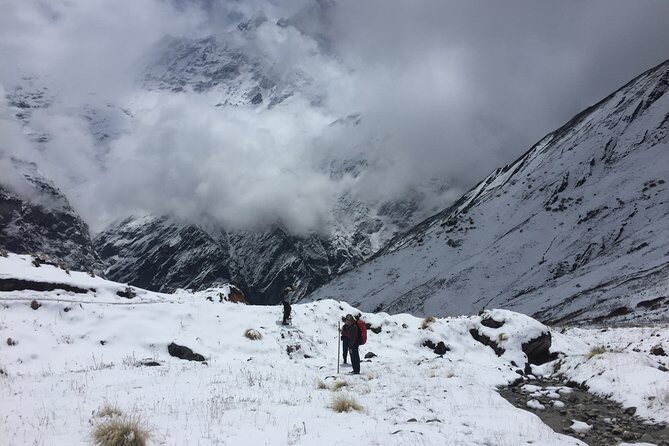
Day 5 shifts gears with a trek down to Bamboo (about 6 hours). After the Base Camp intensity, this kind of day matters more than people think. You’re still walking hard, but the goal becomes controlled fatigue. Good trekking days after a major summit are the ones where you can keep your steps smooth without maxing out your energy.
Bamboo (and similar stops) also remind you what’s happening at ground level. You’re not only chasing high views—you’re moving through a living trekking corridor with guesthouses, daily rhythms, and people who have done this trail route in every kind of weather.
One small reality check: because meals aren’t included, your energy depends on what you choose to eat and how consistently you hydrate. Try to treat food as fuel, not just a reward.
Day 6: Hot springs day from Ghandruk, plus a well-earned reset
Day 6 takes you on a trek that includes time for hot springs, starting from Ghandruk. The route time is listed at about 4 hours, which makes this one of the more forgiving days.
This is the day you start thinking about your feet. After multiple long trekking days, hot springs can feel like a cheat code—so it’s worth showing up in a relaxed mindset. Even if the water isn’t a miracle cure, it’s a strong morale boost.
Also, this is a good day to use your time wisely. Don’t let it become a slow-motion free-for-all where you lose daylight and momentum. You want enough time for rest, yes, but you also want to keep your body ready for the final descent.
Day 7: Phedi back to Pokhara lakeside comfort
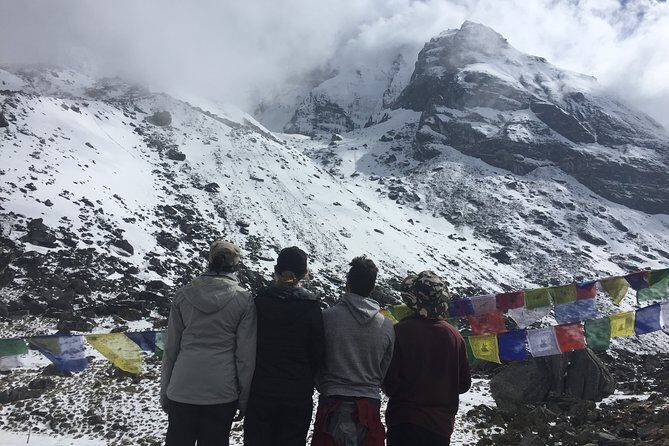
On the final day, you trek down to Phedi (about 4 hours), then take a 45-minute drive back to Pokhara. It’s a satisfying end: the walking is shorter, and you get your return transfer to your hotel area.
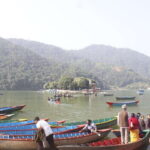
If you’re trying to plan a recovery evening, this is where you do it. Pokhara’s lakeside vibe is a nice way to decompress after a week that can feel intense. You’ll likely want a simple dinner, a shower that lasts a long time, and maybe a low-stakes walk to soak in the difference between city life and mountain life.
The best part of this ending is that it feels complete. You’re not left managing the return logistics after trekking all week—someone else has already arranged the route back.
Price and value: what $287.92 covers (and what you’ll still spend)
The price of $287.92 per person is easiest to judge if you separate essentials from extras.
Included essentials:
- Hotel pickup and drop off
- Round-trip transfer with a private car as per the itinerary
- Trekking permit + TIMS card
- English-speaking trekking guide
- Guest house accommodation
- Private trip (your group only)
Not included:
- Meals and personal expenses
- Rescue costs in an emergency
- Gratitude (optional)
So where’s the value? You’re paying for the hard-to-handle parts: permits, guide, and transport. That’s especially valuable if you’re busy, new to trekking logistics, or you want the freedom to focus on walking rather than chasing documents.
The biggest budgeting swing is meals. A guest house trek usually means you’ll buy food on the trail and at stops. If you go in thinking meals are an optional extra, you might get surprised by the total. If you plan for them from day one, it stays predictable.
Also, because this is a private trip, the cost structure can feel different than a big group trek. But it can also mean better pacing and a more tailored experience—assuming you’re okay with the tradeoff of fewer shared cost anchors.
The guide experience: support, fun, and competent pacing
You’ll feel the quality of a trek in the boring moments: the moment you’re tired, the moment weather shifts, the moment you’re trying to decide if you’re pushing too hard.
The feedback you can take seriously from the experience includes praise for support from Mr. Saroj and guide service credited to Mr. Krishna. Another thread of feedback calls out guides like Prem and DB as energetic and fun, including dance breaks during uphill and downhill movement. That kind of light-hearted pacing matters on a long trek. It doesn’t replace good fitness, but it can stop monotony from draining your motivation.
Practical tip: bring a mindset that your guide is there to help you make smart day-to-day choices. Your job is to follow a consistent pace and communicate if you’re struggling. A good guide turns that into a smoother trek.
Who should book this trek (and who should reconsider)
This trek fits best if:
- You have strong physical fitness for multi-hour hikes
- You want the classic Annapurna Base Camp route with a built-in structure
- You appreciate a guided trip where permits and transport aren’t your job
- You want guesthouse lodging, not camping logistics
You might reconsider if:
- You’re looking for an easy stroll version (this isn’t that)
- You don’t want to handle extra costs for meals
- You’re unsure about altitude comfort and the idea of adjusting pace
If you’re the kind of person who likes villages, forests, suspension-bridge moments, and then the big payoff at Base Camp, you’ll likely enjoy the full arc of this itinerary.
Should you book this Annapurna Base Camp trek?
If you want the Annapurna Base Camp experience without turning your trip into a logistics project, I think this one makes sense. The mix of permits + guide + transfers + guesthouses is a practical combo, and the feedback strongly points to supportive service—especially thanks to organizers like Mr. Saroj and guides such as Mr. Krishna.
Book it if you’re ready for long hike days and you’re serious about pacing. Pass if you’re hoping for a short, light walking vacation.
One last thought: pack for the mountain mindset. Move calmly, eat steadily, and treat Base Camp as a moment you earn, not a finish line you sprint.
FAQ
What is the duration of the Annapurna Base Camp trek from Pokhara?
The trek is listed as 7 days approximately.
Where does the trek start and how do you get there from Pokhara?
You start in Pokhara and drive to Nayapul on the first day.
How long are the daily treks?
Daily trek times are listed for each day’s main walking segment, including about 6 hours to Ghandruk, 6 hours to Chhomrong, 7 hours toward Himalaya/Annapurna Sanctuary, 5 hours plus 2 hours on Day 4, 6 hours to Bamboo, and about 4 hours on both the hot spring day and the final day to Phedi.
What is included in the price?
Included items are hotel pickup and drop off, round-trip transfer with a private car as per itinerary, trekking permit and TIMS card, English speaking trekking guide, guest house accommodation, and a private trip.
Are meals included?
No. All meals and personal expences are not included.
Is the trip private?
Yes. It’s described as a private tour/activity, meaning only your group participates.
What accommodation will I have during the trek?
You’ll have accommodation in guest house during the trek.
What about rescue costs or emergencies?
Rescue cost in case of an emergency is not included.
At what altitude is Annapurna Base Camp?
One review mentions Annapurna Base Camp at 4130 meters, and another mentions 4310 meters, so expect it to be roughly in that 4,100–4,300 m range based on the provided feedback.