REVIEW · POKHARA
7-Day Trek to Annapurna Base Camp from Pokhara
Book on Viator →Operated by CAN Travels · Bookable on Viator
Base Camp is a goal with a heartbeat. This 7-day Annapurna Base Camp trek from Pokhara is interesting because it mixes serious mountain effort with real village life, plus a guide who keeps things organized. I like that you get an English-speaking trekking guide and included guest house accommodations, so you can focus on walking and taking in the Annapurna massif without playing logistics roulette.
One consideration: this route is not a stroll. You’ll hit multiple uphill days, including a full push to reach the Base Camp area from around 3,900m, and the trip expects you to have strong fitness.
In This Review
- Key Highlights You’ll Feel on the Trek
- Pokhara to Annapurna Base Camp: A Realistic Adventure Route
- Day 1: From Siwai Toward Ghandruk and Annapurna Valley Views
- Day 2: Upper Sinuwa (Sinuwa Hilltop) and the First Real Strain
- Day 3: Deurali and the Cooler Air Toward Annapurna Sanctuary
- Day 4: The 730m Push to Annapurna Base Camp
- Day 5: Bamboo and a Careful Descent Back Down
- Day 6: Jhinu Danda, Forest Walking, and Chomrong Khola
- Day 7: Suspension Bridge, Samrung Khola, and Back to Pokhara
- Price and Value: What $345 Covers (and What It Doesn’t)
- Guides Make the Difference: Biru, Amrit, Shiva, and a Calm Pace
- What to Pack and How Strong You Need to Be
- Cultural Stops With Gurung and Magar Communities
- Should You Book This Annapurna Base Camp Trek?
- FAQ
- What time does the experience start?
- Is hotel pickup and drop-off included?
- Are trekking permits and documents included?
- Do I have to pay for food during the trek?
- Are trekking poles included?
- Can I cancel for a full refund?
Key Highlights You’ll Feel on the Trek
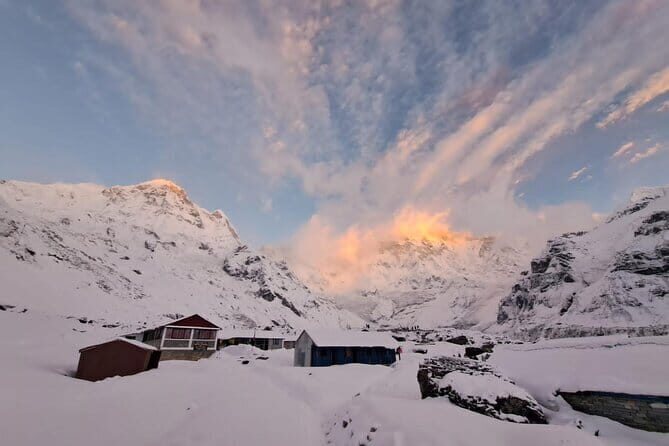
- Private trek setup with your own group: it’s organized as private, not a cattle-car scramble.
- English-speaking guide and emergency first aid kit: helpful for pacing, safety, and staying calm when the weather shifts.
- Permits and official documents handled: you don’t have to hunt paperwork on your Nepal days off the trail.
- Included trekking poles: one per person, which helps on descents when legs start bargaining.
- Village culture along the way: expect warm hospitality and cultural exchanges with local Gurung and Magar communities.
- Base Camp climb is built in: the plan includes the day of ascent to Annapurna Base Camp from the Machhapuchhre Base Camp area.
Pokhara to Annapurna Base Camp: A Realistic Adventure Route
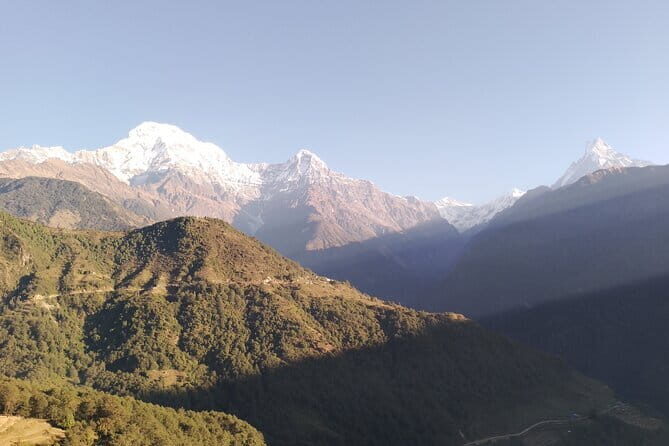
Pokhara is the launch pad for a reason. It keeps the start simple: you’re picked up within the Lakeside area, and the trek is structured around clear trail days with guesthouse nights. The overall pacing works for people who want a genuine Himalayan trek without needing a whole expedition toolkit.
Also, the plan is designed with practical comfort in mind. You don’t just get a route—you get the basic services that keep a trek from turning into a scavenger hunt. That includes trekking permits and all required documents, a guide, guesthouse accommodation during the trek, and transport to and from the trailheads (Pokhara to Siwai, and later Samrung Khola back to Pokhara).
You’ll also notice the operator lists flexible, traveler-friendly touches like a mobile ticket and hotel pickup/drop-off in the Lakeside area. The trek is still physical, but the “getting there” part is handled.
You can also read our reviews of more hiking tours in Pokhara
Day 1: From Siwai Toward Ghandruk and Annapurna Valley Views
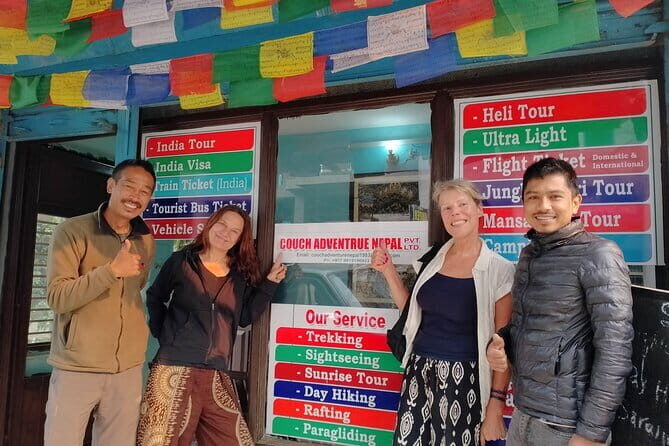
Day 1 starts with a drive toward Siwai, then you walk into Ghandruk. This is where the trip quickly turns from city life into mountain rhythm.
The walk is about setting your legs and your expectations. The trail goes through the Modi River corridor and passes through authentic villages and hillside terrain with views into the Annapurna valley. That combination matters: you ease in with human-scale scenery before the higher days ask more of you.
Expect about 7 hours of trekking. For many people, Day 1 is where you decide your pace. Walk steady, keep water handy, and don’t treat it like a race—tomorrow’s climb starts the “we’re gaining altitude” feeling.
Day 2: Upper Sinuwa (Sinuwa Hilltop) and the First Real Strain
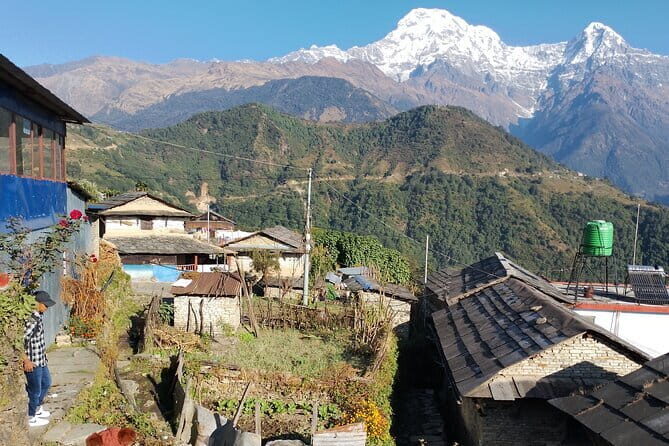
On Day 2 you move from Ghandruk toward Upper Sinuwa. The trail can be uneven in rhythm: you’ll have ups and downs, but the big point is that it’s a strenuous day overall. The plan calls out about 7 hours of walking, plus your lunch break during the middle of the day.
What I like about this day is that it teaches you something important about treks here: the effort isn’t just altitude. It’s also sustained walking on demanding footing and grade changes. Upper Sinuwa is described as a hilltop area with a lodge and restaurant, which is a comforting waypoint after a harder push.
If you’re not used to daily hiking, Day 2 is where you’ll feel the difference between “I can do it once” and “I can do it for a week.” Take short breaks, stay warm as you go higher, and keep your pack weight realistic.
Day 3: Deurali and the Cooler Air Toward Annapurna Sanctuary
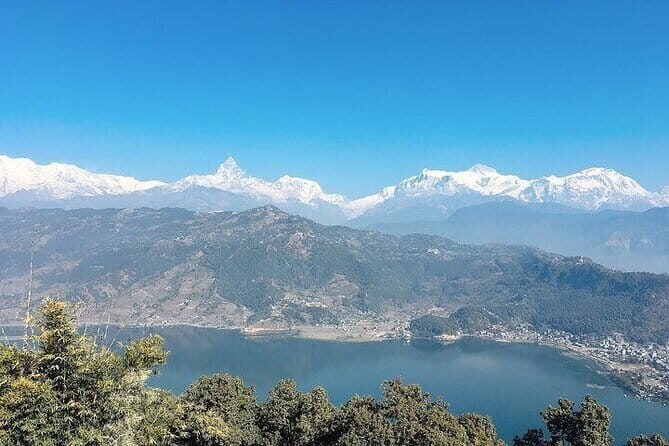
Day 3 is another turning point. After overnight in Upper Sinuwa, the trail ahead is uphill and the air gets cooler and fresher as you head toward Annapurna Sanctuary.
This day is about 6 hours. That shorter total time doesn’t mean it’s easy—it often means the climbing is more efficient, and you’ll work without the long stretches of flat walking. The route also signals a shift in your surroundings: more alpine atmosphere, more exposure to the weather, and more of that “we’re getting close” feeling.
The tour description notes winding paths and big views on the way. When the trail bends like that, you tend to get those quick, rewarding glimpses that make people stop mid-step and look around longer than their knees like. Plan for that, but don’t let it turn into long pauses—you still need to conserve energy.
Day 4: The 730m Push to Annapurna Base Camp
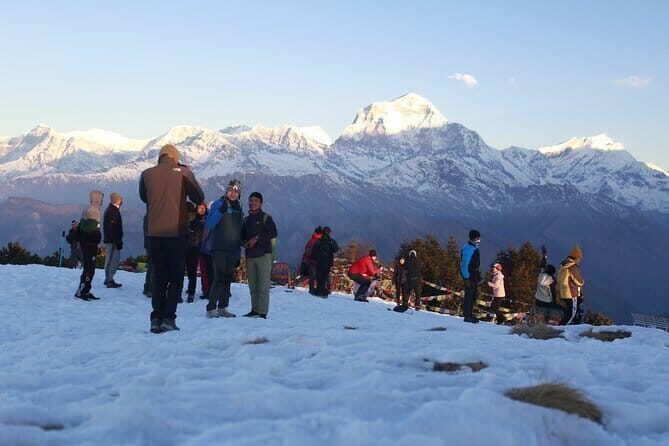
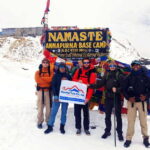
Day 4 is the money day: Annapurna Base Camp. The plan also mentions a section that goes up to Machhapuchhre Base Camp first, sitting at about 3,900m, and then the day’s climb includes about 730m up to reach Annapurna Base Camp.
At roughly 7 hours, this is a long day where your mindset matters as much as your legs. Altitude plays its part, but so does effort management. If you go out too fast, you’ll pay for it later. If you go steady, you’ll be more likely to arrive with energy to enjoy the moment.
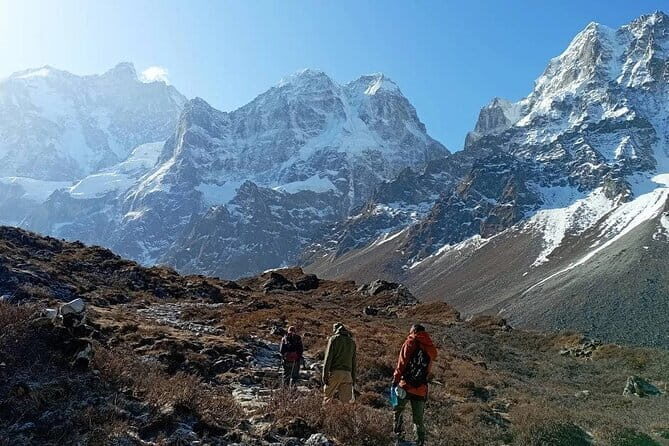
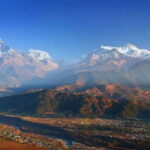
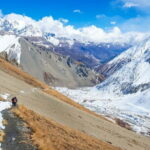
This is also where the “why people do this” becomes real. You’re standing in awe with the Annapurna massif around you. The descriptions emphasize the sheer magnitude of nature’s grandeur and the serenity of the alpine sanctuary. Even if your body is tired, your eyes usually do their job right away.
Practical tip: build in time for photos later rather than rushing. In higher areas, clouds can change visibility fast, so being mentally ready to wait a bit helps.
A few more Pokhara tours and experiences worth a look
Day 5: Bamboo and a Careful Descent Back Down

After Base Camp, Day 5 is about moving away from the high point and down toward Bamboo. The plan lists about 6 hours of trekking.
This day sounds simple—“back down”—but descent is where ankles and knees start negotiating. The description specifically warns you should walk carefully during the downhill sections. That warning is worth treating like a rule, not a suggestion.
The route is described as decent on the way down, moving via areas including Deurali, Himalaya, and Dovan before reaching Bamboo. Even without the exact details, the pattern is clear: you’re transitioning back from sanctuary terrain to lower forests and villages.
Since trekking poles are included, use them early. Don’t wait until your legs are tired—good pole technique is what keeps descents from turning into a slow-motion slideshow of sore feet.
Day 6: Jhinu Danda, Forest Walking, and Chomrong Khola
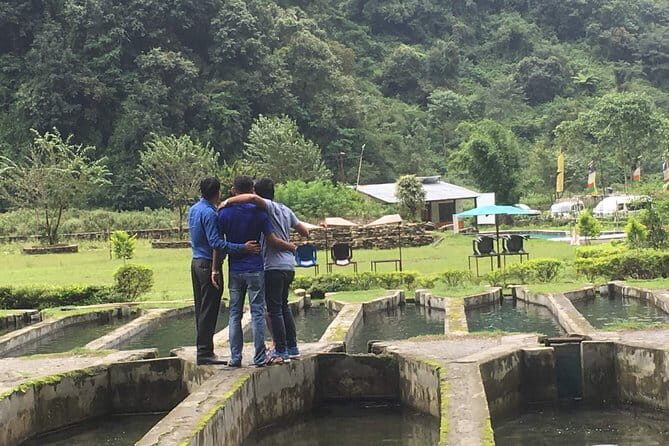
Day 6 is another classic mountain day: short steep sections mixed with forest descent and village approaches. The plan mentions a short steep up to KhuldiGhar, then downhill within the forest to reach a lonely spot called Sinuwa-Danda, and then descent to Chomrong Khola.
After a bridge, you climb for a short while and continue to Chomrong village. Total time is listed at about 6 hours.
This is a good day for people who want variety. You’re not just moving; you’re switching environments—open views to forest shade, then back toward a settlement rhythm. It also sets you up for Day 7’s final approach out of the valley system.
If you’re traveling with family or anyone new to trekking, Day 6 is where supportive pacing matters. The guide’s job here is huge: keeping everyone comfortable and choosing safe steps when paths get narrow or slippery.
Day 7: Suspension Bridge, Samrung Khola, and Back to Pokhara
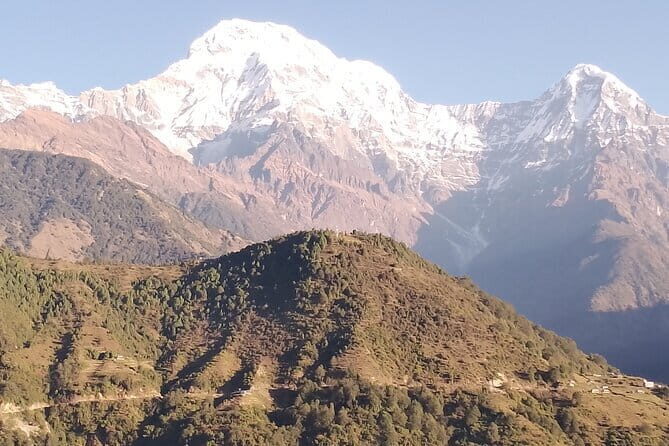
Day 7 begins with short downhill walking and includes crossing a long suspension bridge. The route then reaches Samrung Khola, and from there you catch a local jeep back to Pokhara.
Time is listed at about 6 hours. This is a satisfying finish because you get one last push on foot, then you’re done with the daily trekking routine for the day.
After a week like this, that final transfer matters. You want it to be smooth, and the plan includes transport from Samrung Khola to Pokhara (by local jeep). That reduces the risk of ending tired and stuck.
Once you’re back in the city, you’ll likely feel the after-effects immediately: body soreness, but also that mental relief when the map stops asking for effort.
Price and Value: What $345 Covers (and What It Doesn’t)
At $345 per person, the value looks best when you compare what’s included versus what you still must plan for.
Included in the core price:
- Hotel pickup/drop-off within Lakeside area
- Friendly English-speaking trekking guide
- Trekking permits and official documents
- Guesthouse accommodation during the trek
- Pokhara ↔ trailhead transfers (shared jeep or bus for those legs)
- Trekking poles (one per person)
- Emergency normal first aid kit with the guide
- Private trek setup for your group
Not included:
- Food and drinks (available to purchase)
- Personal expenses
- Porter per day $25 (not included)
- Gratuities (optional)
Here’s how I’d think about it: you’re paying for the scaffolding that makes a trek actually work—guide, permits, lodging, poles, and key transport—while leaving daily meals and extras to you. That structure can be good if you like choosing what you eat (and when). It can also be stressful if you show up under-prepared and then realize you’ll be paying every meal plus snacks, hot drinks, and whatever your body wants to bargain for once altitude hits.
Also, the porter option is important for value planning. The note says $25 per day with one porter for two people. If you want lighter loads—especially for families, older trekkers, or anyone with a pack issue—that can be a smart add-on.
Guides Make the Difference: Biru, Amrit, Shiva, and a Calm Pace
The feedback around the guides is consistently strong. Names that come up include Biru, Amrit, and Shiva, with praise for being patient, cheerful, and attentive to safety and comfort.
What matters for you is the practical effect of that kind of guiding:
- The pace is more controlled, so you’re less likely to burn out early.
- Explanations about the mountains and what you’re seeing can turn “just walking” into real understanding.
- Safety becomes a conversation, not an afterthought—especially on steep or exposed segments.
On a trek like Annapurna Base Camp, a guide isn’t only for navigation. They’re also there for decision-making when weather, trail conditions, and energy levels shift. A solid guide helps you arrive with less stress and more time to enjoy the moment.
What to Pack and How Strong You Need to Be
You should have strong physical fitness for this trek. The day-to-day walking time (mostly 6–7 hours) plus the higher sections mean you’re working your stamina daily.
Since the tour provides trekking poles, you still need to bring the basics:
- layers for warming up and cooling down
- rain protection (mountains love changing plans)
- good trekking shoes
- a day pack you can manage comfortably
One thing I’d keep in mind: even when the itinerary totals seem “reasonable,” the feel changes once you reach cooler air near the sanctuary approach and when you climb toward Base Camp. Treat it like an endurance week, not a single-day challenge.
Cultural Stops With Gurung and Magar Communities
The trek isn’t only about peaks. The route is described as including cultural exchanges with local Gurung and Magar communities along the way, with warm hospitality and opportunities to experience traditions, folklore, and cuisine.
What that means for you day-to-day is simple: you’ll pass through villages where people are living their real lives, not performing for a bus. You’ll have chances to connect, ask questions, and taste local food at guesthouses and lodges.
Just remember: cultural respect goes a long way. Be polite, keep your volume down in smaller spaces, and assume that small kindnesses (like patience and small purchases) support the people you’re meeting.
Should You Book This Annapurna Base Camp Trek?
If you want a guided Annapurna Base Camp trek that’s organized enough to feel manageable—while still challenging enough to feel worth it—this one makes sense. I’d especially recommend it if you value:
- a private trek feel for your group
- included permits and transfers so you can focus on walking
- trekking poles and guesthouse nights
- a guide who’s known for safety and a positive attitude (Biru, Amrit, Shiva are repeatedly highlighted)
I would hesitate if you’re looking for an easy trek with minimal uphill effort. Days like the push toward Upper Sinuwa and the Base Camp ascent require real stamina. Also plan your budget for food/drinks and consider the porter option if carrying your load will slow you down.
FAQ
What time does the experience start?
The meeting point start time is 2:15 pm.
Is hotel pickup and drop-off included?
Yes, pickup and drop-off are included within the Lakeside area in Pokhara.
Are trekking permits and documents included?
Yes, trekking permits and all official documents are included.
Do I have to pay for food during the trek?
Yes. Food and drinks are not included, but they are available for purchase.
Are trekking poles included?
Yes. Trekking poles are provided, one per person.
Can I cancel for a full refund?
Yes. You can cancel up to 24 hours in advance for a full refund.