REVIEW · POKHARA
Pokhara: Full-Day Sharing Bus Tour on 7 Iconic Destination
Book on GetYourGuide →Operated by My Dream Adventure · Bookable on GetYourGuide
Pokhara has a funny way of cramming big scenery into small time. This full-day shared bus route strings together iconic Pokhara sights like Shiva at Pumdikot, the World Peace Stupa, and two cave stops, with just enough structure to keep you moving. You’ll also get a real taste of local travel style: bus windows up, stops timed, and you exploring on your own once you arrive.
I like two things most: the value (it’s cheap for how many places you hit), and the mix of spiritual spots plus underground caves plus water and river scenery. One drawback to plan for: this is not a slow, guided wander. Entry fees are extra, and the day can feel more like a timed circuit than a leisurely tour, especially if you’re hoping for lots of flexibility at each stop.
In This Review
- Key Highlights Worth Your Time
- The Big Idea: A Cheap, Efficient Pokhara Circuit
- Pickup and How the Day Actually Moves
- Pumdikot Shiva Idol and the World Peace Stupa
- Devi’s Falls and Mahadev Cave: Water Drama in City Range
- Mahendra Cave: Stalactites, Stalagmites, and the Underground Reality Check
- The Second Cave Stop: Bat Cave and What to Expect
- Seti River Banks: Seeing Nature Push Through the City
- Bindabasini Temple: Ornate Calm at the End of the Loop
- Food and Entry Fees: The Part You Must Budget
- Comfort Tips That Make the Day Easier
- Driver Skill, Bus Comfort, and the Shared Group Factor
- Where You End Up: Back Near Fewa Lake
- Should You Book This Pokhara Sharing Bus Tour?
- FAQ
- How long is the Pokhara full-day sharing bus tour?
- How much does the tour cost?
- Are entry fees included?
- Does the tour include pickup from my hotel?
- Is lunch or food included?
- Is this a fully guided tour at each stop?
- Is the tour suitable for claustrophobia or back problems?
- Where do you end the tour?
Key Highlights Worth Your Time
- Mahendra Cave’s stalactites and stalagmites give you a real underground “wow” without needing a long trek
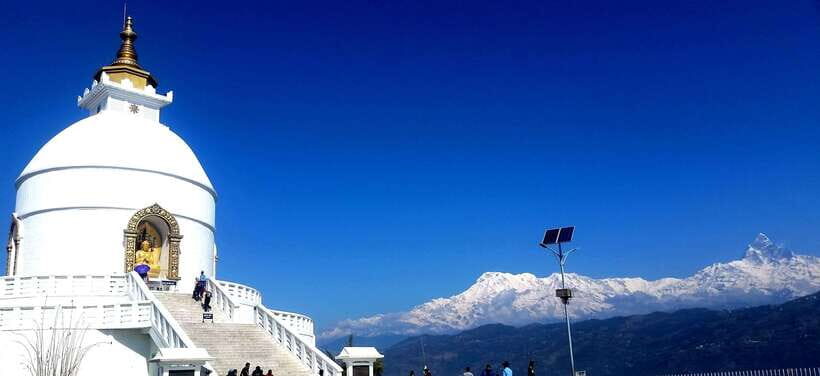
- World Peace Stupa and Pumdikot Shiva Idol stack calm views with big spiritual energy
- Devi’s Falls plus Mahadev Cave fit water drama and rock scenery into one efficient block
- Seti River bank stroll lets you feel how nature shapes Pokhara, right inside town
- Bindabasini Temple is a strong payoff for anyone who likes quiet, ornate, sacred spaces
- Self-paced stops on a schedule means you control how long you spend, as long as you’re back on time
The Big Idea: A Cheap, Efficient Pokhara Circuit
For $12, this is the kind of day I’d call practical rather than fancy. You’re paying mainly for transportation and a tight route. That matters in Pokhara because getting around by yourself can mean renting a bike, haggling for taxis, or losing an hour here and there. With a shared bus, you trade total freedom for a clean “see the highlights” plan.
The route is built around four themes that feel very Pokhara:
- Spiritual viewpoints (Shiva Idol at Pumdikot, World Peace Stupa, Bindabasini Temple)
- Water and geology (Devi’s Falls, Mahadev Cave, Seti River flow)
- Underground caves (Mahendra Cave, plus a second cave stop)
- A walk through town nature (Seti River banks before you circle back)
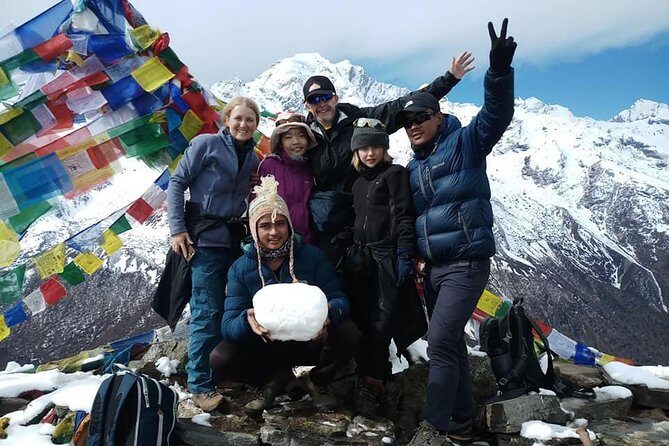
And because it’s shared, you’ll usually meet a friendly mix of people from different places. That can make the waiting between stops feel shorter.
A few more Pokhara tours and experiences worth a look

Pickup and How the Day Actually Moves
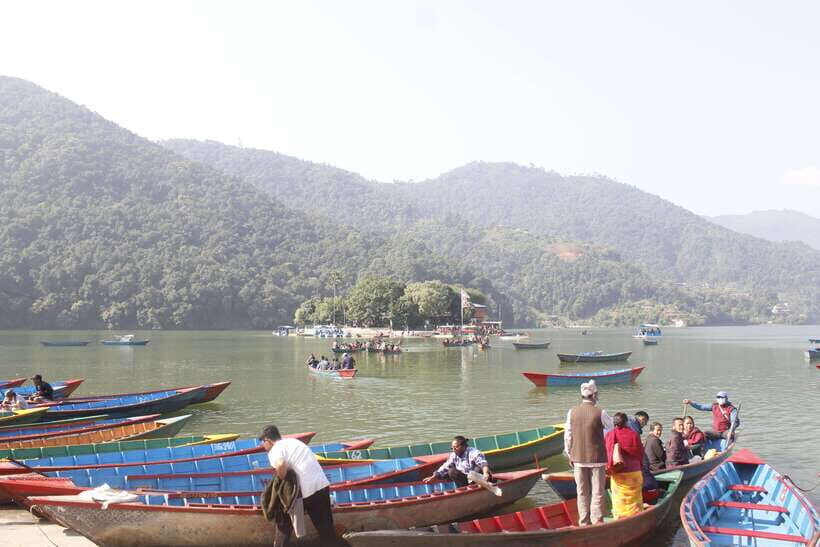
This starts with hotel pickup inside the Lakeside area of Pokhara. You’re picked up with your name card, so you’re not out there guessing which vehicle is yours. Then you roll out on a sharing bus with sightseeing time at each stop.
Here’s the key thing to understand: you’re not being followed around like a private guide. You get time allocated for each attraction, and you explore on your own. That works if you’re the kind of person who likes to read a sign, take a few photos, and decide how long something is worth your energy.
It also means you should set expectations:
- Bring comfortable shoes. Some cave and temple areas involve uneven ground or stairs.
- Keep an eye on the clock. The bus won’t wait forever.
- If you want “ask a million questions” guidance, this may not scratch that itch.
Also note the timing: the tour is listed as 6 hours, but real-world days can run longer depending on road traffic, how long people take at each stop, and any closures or slowdowns.
Pumdikot Shiva Idol and the World Peace Stupa
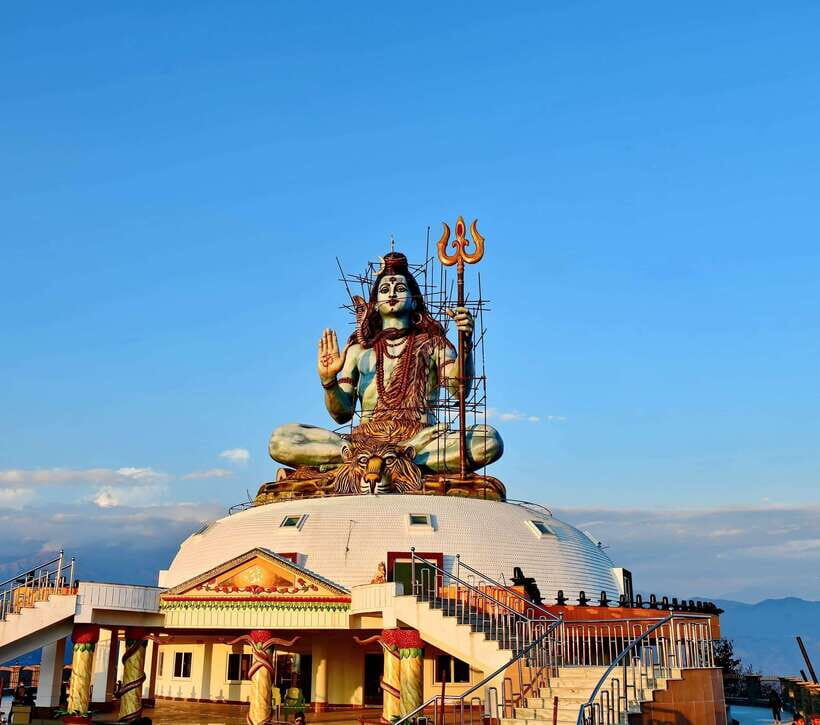
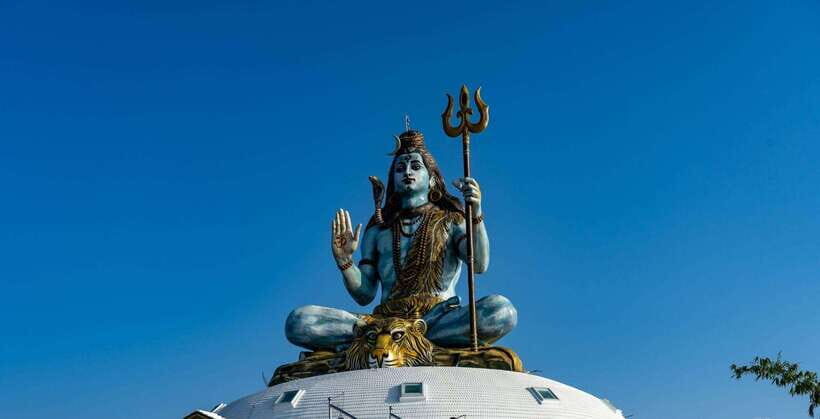
Your first big spiritual hits come early. You start at the Shiva Idol (Pumdikot). Even if you’re not a temple expert, this stop gives you a strong sense of place quickly. It’s one of those locations where Pokhara’s mix of religion, views, and local life feels very immediate.
Next is the World Peace Stupa. This is the kind of place where the main value isn’t just the structure. It’s the mood. You get a breather from traveling, plus you’re up where the air feels different from street level. If you like photos, this is also one of the better spots to shoot wide angles of the surrounding hills.
Practical note: go in with a light plan. You’ll have time to look, but you won’t have hours and hours. Wear something you can walk in, because you might climb a bit depending on the route from the bus.
Devi’s Falls and Mahadev Cave: Water Drama in City Range
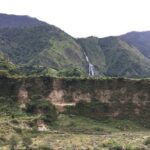
Then it’s time for water. The schedule includes Devi’s Falls (also listed as Devi’s Water Fall). This is one of Pokhara’s signature “how is that even possible” scenes. Water forces the whole story here. You’ll see the flow and the rock channeling it through a dramatic setting.
After that, you continue to Mahadev Cave. This is where the day starts shifting from “look at water” to “look at rock.” A cave visit changes the pace fast: you go from bright outdoor light to dim interiors, with air that feels cooler and damp.
What I’d do here: treat this as a photo-and-walk stop. Don’t rush, but don’t expect a long, guided deep explanation. You’ll get to see the key features, and then you move on.
Mahendra Cave: Stalactites, Stalagmites, and the Underground Reality Check
Now the underground adventure goes to Mahendra Cave. This is one of the highlights for a reason: the cave has visible stalactites and stalagmites, and seeing them up close gives you that real “time scale” feeling. The shapes are not just decoration. They’re a reminder of slow nature building what you’re looking at in seconds.
Caves also have a reality check side:
- Lighting can be basic, so bring your camera knowledge (or your phone battery planning).
- Ground can be slippery or uneven.
- It’s not a good fit if you’re dealing with claustrophobia.
Also, this tour has an underground sequence, so if you’re prone to feeling nervous in confined spaces, think twice before you book. The tour isn’t designed for that. It’s designed to move.

The Second Cave Stop: Bat Cave and What to Expect
After Mahendra Cave, you move into another cave stop described here as the Bat Cave. If you’re expecting a guaranteed bat spectacle, keep expectations flexible. The itinerary is about caves and their ecosystem, but actual cave activity can vary with conditions.
That’s why I recommend focusing on what you can control:
- Enjoy the cool air and rock textures.
- Watch your step.
- Take photos only when it’s safe and you’re not blocking other visitors.
If you’re traveling with kids or older relatives, go slow. Cave visits can be tiring in a way that’s different from walking outside.
Seti River Banks: Seeing Nature Push Through the City
Then you switch back to outdoors with a stroll on the Seti River banks. The goal here is simple: feel the power of nature as it cuts through the city. Seti River flow is described as mesmerizing, and the walking portion is your chance to soak in that “Pokhara is shaped by water” feeling.
This stop also resets you mentally. You’ve been underground. Now you get light, air, and more room to move. It’s a good time to stretch your legs and buy a quick snack or water if you didn’t pack enough.
If it’s hot, this is where having sunscreen and water matters. The tour does suggest bringing both, and you’ll understand why fast once you’re out in open sun.
Bindabasini Temple: Ornate Calm at the End of the Loop
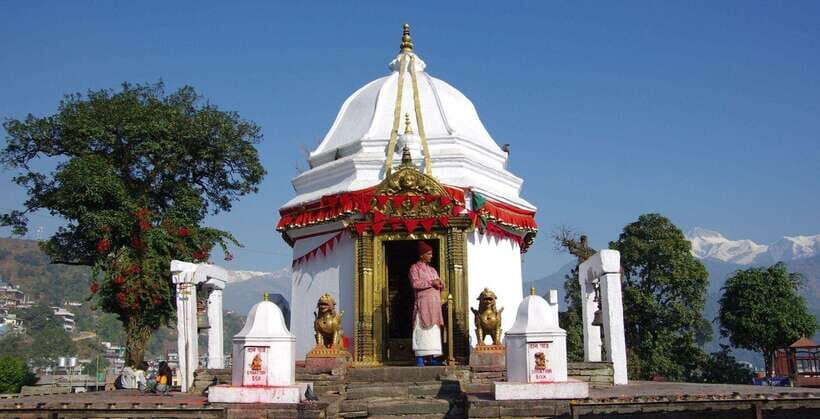
Next up is Bindabasini Temple, described as intricately designed and serene. This is one of those stops where you’re not just sightseeing. You’re stepping into a quiet spiritual rhythm. Even if you’re not sure about the traditions, you’ll feel the atmosphere right away: people slow down, voices lower, and the space does its job.
The value of this stop is balance. Before this, you’ve had caves, water, and travel stress. Bindabasini Temple gives you a softer landing before the day ends.
If you want photos, be respectful. Temples are active places, and lighting inside may be darker than you expect.
Food and Entry Fees: The Part You Must Budget
Here’s the real money math. The tour price is $12, and entry fees are not included. Expect around US$ 4 for monuments, depending on what’s required that day. Food and drink are not included either.
So you’re really budgeting like this:
- Tour: about $12
- Entry fees: about $4 (approx)
- Food and water: depends on you
In exchange, you’re getting a full-day route that covers multiple Pokhara landmarks without needing to coordinate your own transport. That’s the value equation. It’s not a luxury experience, but it’s a smart one when time and budget are tight.
One extra practical detail: a few people reported tea provided during the day. That’s a nice comfort, but it doesn’t replace lunch, so still plan to eat on your own.
Comfort Tips That Make the Day Easier
This tour doesn’t ask you to hike for hours, but it does ask you to move. That’s why the “small” packing items matter.
Bring:
- Comfortable shoes (caves and uneven ground are the real test)
- Water (you’ll want it once you’re outside)
- Sunscreen (open-air parts of the route add up)
- Camera (there are multiple photo-worthy stops)
- Light layers if you run cold in caves
Not allowed:
- Smoking
- Alcohol and drugs
And it’s not suitable if you have:
- Back problems
- Claustrophobia
- Wheelchair use
That’s not about being picky. It’s about safety and space. Caves and temple stairs don’t support mobility limitations in the way a flat city walk would.
Driver Skill, Bus Comfort, and the Shared Group Factor
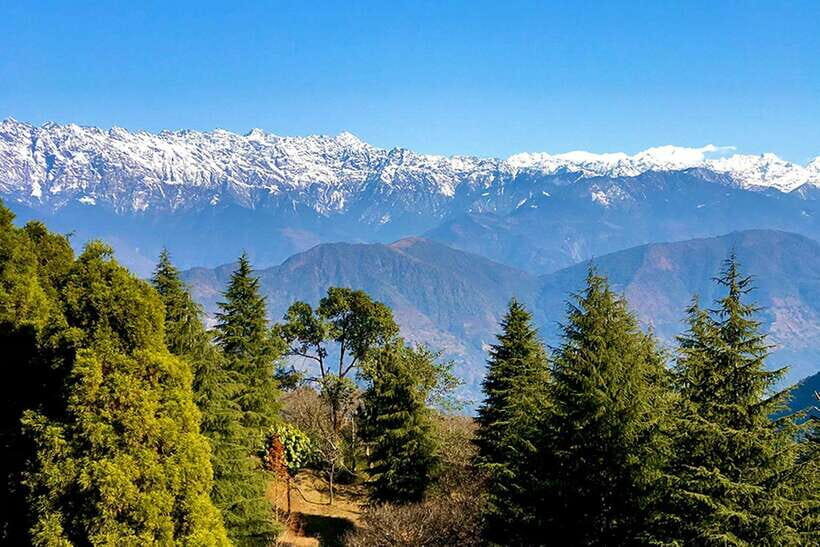
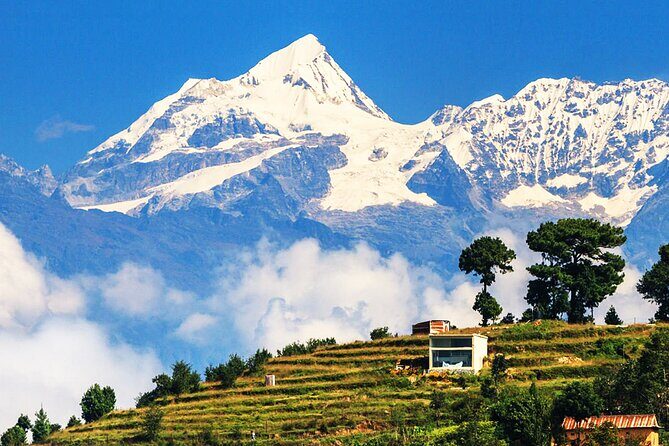
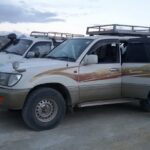
A lot of the “how it feels” comes down to the driver. The bus ride itself is part of the day: you’re going to see mountains through the windows, and a skilled driver makes the route feel smooth and safe.
One thing to keep in mind: the bus experience can vary. Some outings include AC upgrades when it’s hot. Other times it may be a more basic bus setup. Either way, you’ll still spend most of the day outdoors at stops, so pack for sun and keep expectations realistic about comfort level.
Where You End Up: Back Near Fewa Lake
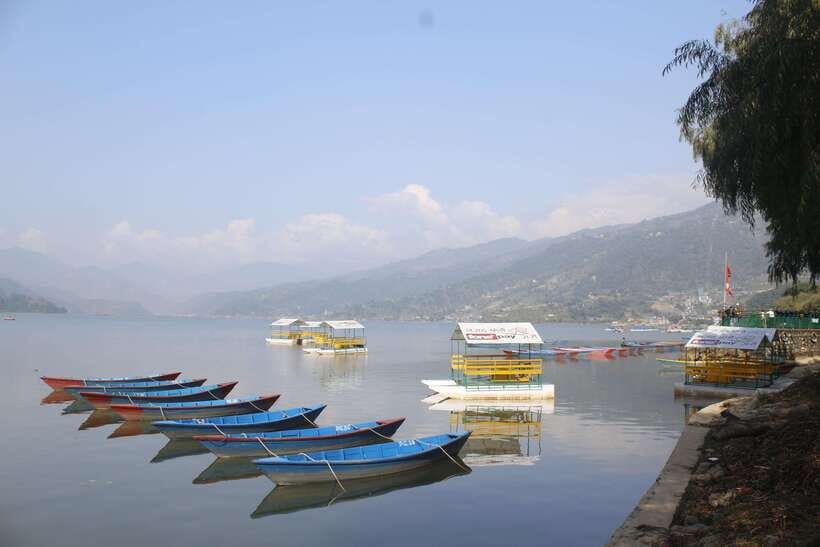
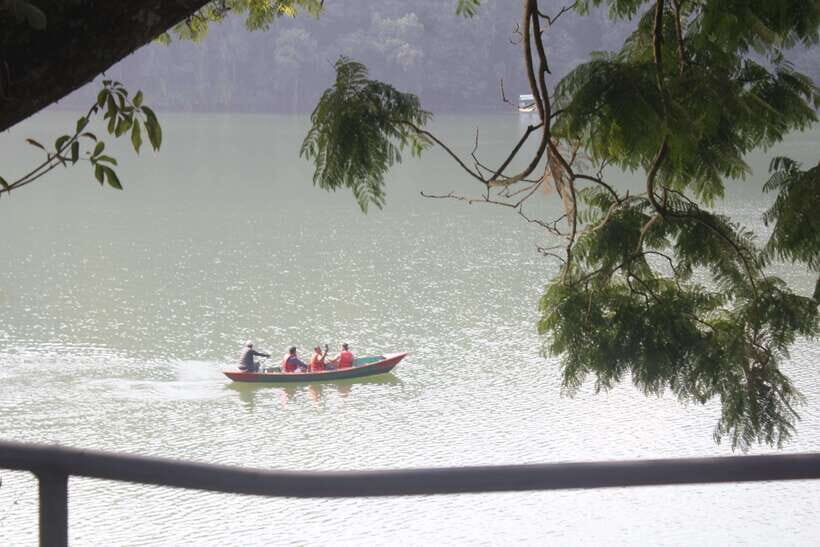
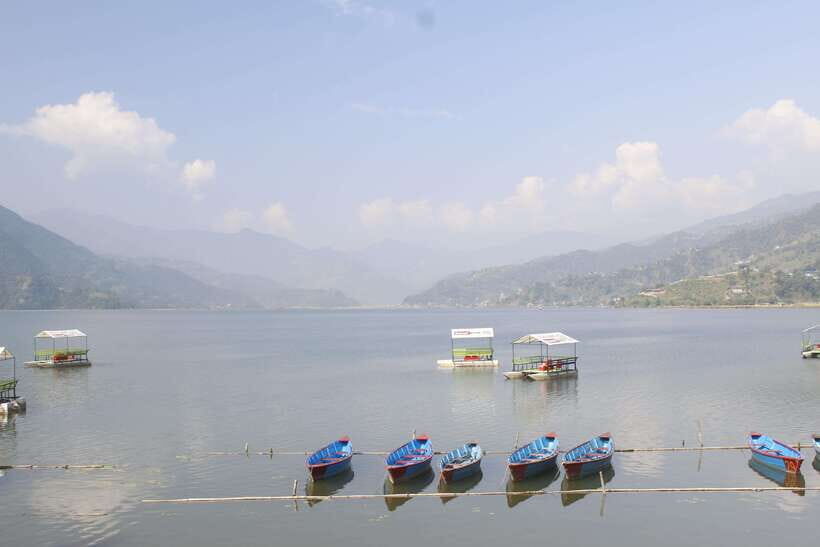
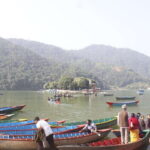
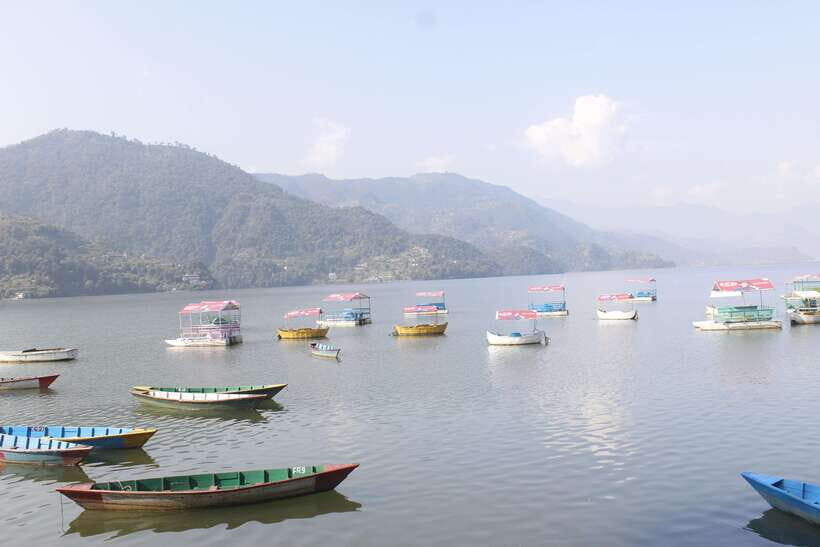
At the end, the bus drives back to Fewa Lake. From there, you usually have a choice: you can explore the lake area on your own (since it’s the last stop near the hotel zone), or you can ride back to your hotel on the same bus at the same time.
If you like having a plan for your last hour, this is convenient. Fewa Lake is a natural place to unwind and decide what’s next—coffee, a short walk, or just a slow view session.
Should You Book This Pokhara Sharing Bus Tour?
Book it if:
- You want to see a lot of Pokhara highlights in one day without arranging your own transport.
- You’re okay exploring on your own at each stop as long as the schedule keeps you on track.
- You’re interested in caves and spiritual sites, not just lakes and viewpoints.
Skip it if:
- You need a fully guided, question-and-answer style tour at each monument.
- You’re claustrophobic or have mobility or back concerns.
- You hate timed stops. This is a circuit day, not a slow wander.
If you fit the first group, this is a solid value choice. It’s structured enough to get you from cave to temple to river without stress, and it stays affordable even after you add in the small extra costs for entry and meals. For a first visit to Pokhara, it’s an efficient way to get your bearings fast.
FAQ
How long is the Pokhara full-day sharing bus tour?
The tour duration is listed as 6 hours.
How much does the tour cost?
The price is $12 per person.
Are entry fees included?
No. Entry fees to the monuments are not included and are listed as approximately US$ 4.
Does the tour include pickup from my hotel?
Yes. Pickup is included from any hotel within the Lakeside area of Pokhara.
Is lunch or food included?
No. Food and drink are not included.
Is this a fully guided tour at each stop?
The format is shared bus sightseeing with timed stops, so you explore independently at the attractions rather than staying with a guide inside every location.
Is the tour suitable for claustrophobia or back problems?
No. It is not suitable for people with back problems or claustrophobia.
Where do you end the tour?
The bus returns to Fewa Lake. You can opt to explore the lake area on your own, or return to your hotel on the same bus at the same time.