REVIEW · POKHARA
Pokhara: Full-Day Guided Sightseeing Tour
Book on GetYourGuide →Operated by Breakfree Adventures Pvt. Ltd. · Bookable on GetYourGuide
Morning mountains, minus the stress. This Pokhara full-day guided sightseeing loop is interesting because it starts with a Sarangkot sunrise run, then strings together the area’s most famous sights in a logical order—from Davis/Devi’s Fall to the World Peace Pagoda and the suspension bridge. I like that you get a live English guide who keeps things moving and makes each stop feel connected, and I like the payoff of big mountain views without having to plan transfers on your own. The one drawback to keep in mind is early timing and some steep, uneven walking at a couple of the stops.
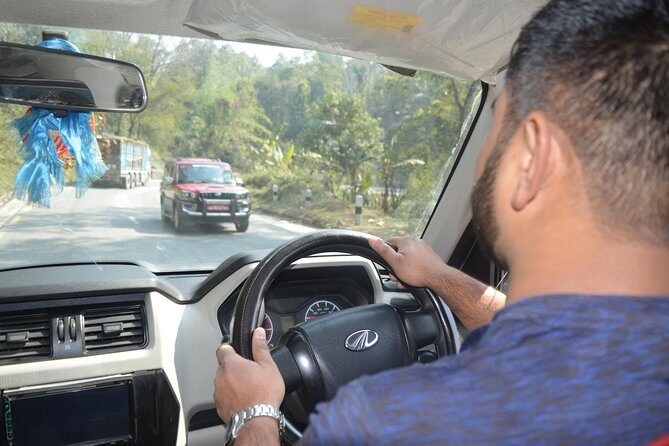
You’ll be in a small group (limited to 15), riding in a private vehicle with hotel pickup and drop-off, which helps when your day runs long and starts early. The route is built for efficiency: sunrise first, then city sights, then the viewpoints that look best later in the day.
In This Review
- Quick hits
- Getting to Sarangkot sunrise early, the smart way
- Breakfast reset and Pokhara city time without detours
- Davis/Devi’s Fall and Gupteshwor Cave: water power and stone steps
- Lord Shiva’s temple: a quieter stop with time to look around
- World Peace Pagoda: where the mountains show up big
- Suspension bridge: the final walk before the return drive
- Price and logistics: what $95 includes, and what to budget for
- What you should bring and how to prepare
- Who this 8-hour Pokhara tour is best for
- Should you book this Pokhara Full-Day Guided Sightseeing Tour?
- FAQ
- How long is the Pokhara full-day guided sightseeing tour?
- Is hotel pickup and drop-off included?
- What group size is this tour?
- Is the tour guide available in English?
- Which main sights are included during the day?
- Are monument entrance fees included?
- Are beverages provided?
- Do I need any ID to join the tour?
- Does the tour include free cancellation?
Quick hits
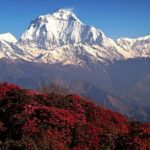
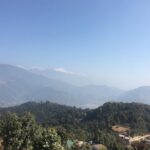
- Sarangkot first light: the classic early view over the Himalayas
- Davis/Devi’s Fall: a strong visual stop right after the city drive
- Gupteshwor Cave: water-and-stone scenery that changes the pace
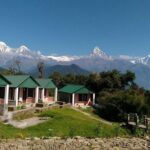
- World Peace Pagoda: wide mountain views, with Annapurna and Machhapuchhre in sight
- Suspension bridge: a final, easy-to-enjoy walk before heading back
Getting to Sarangkot sunrise early, the smart way
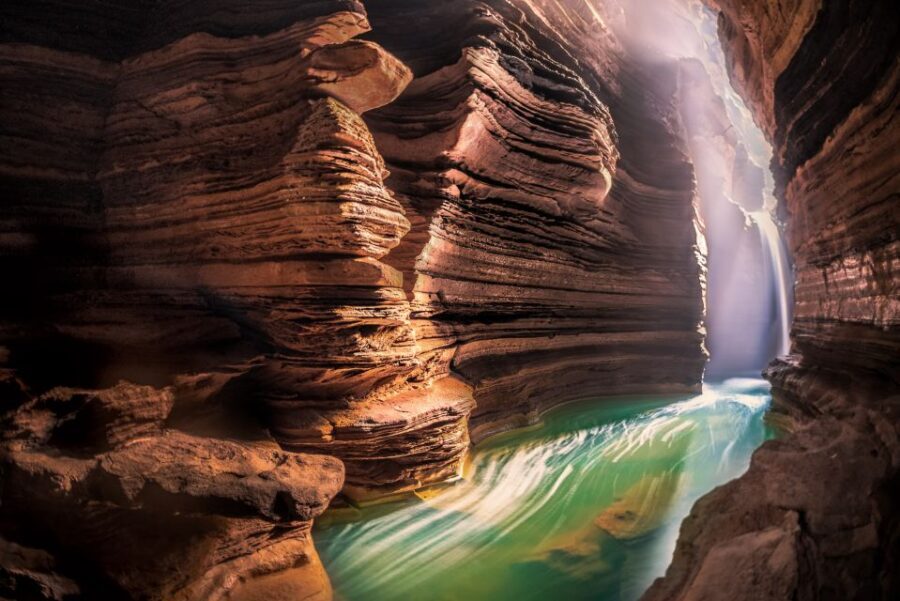
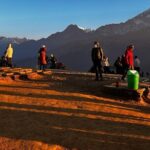
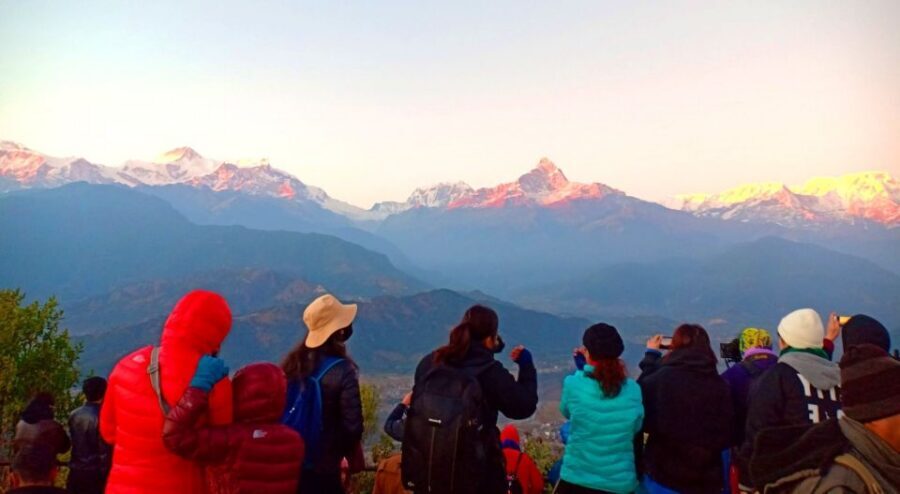
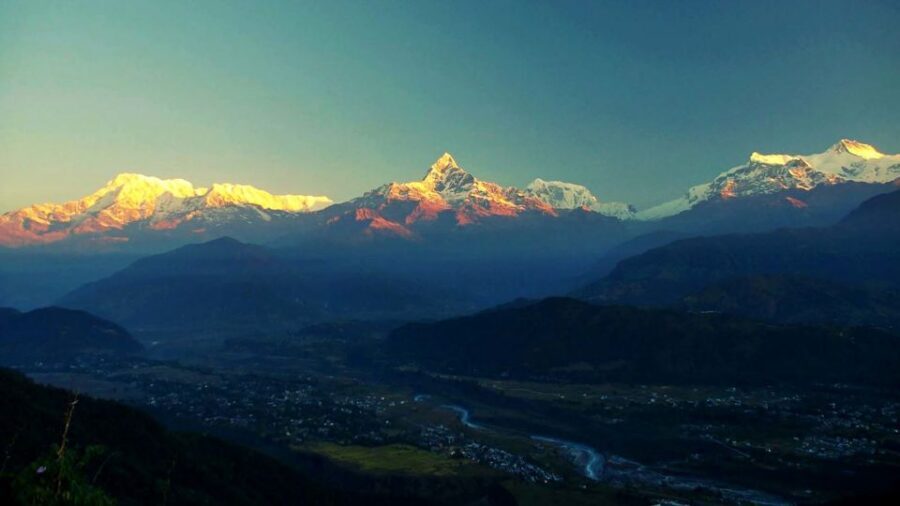
Pokhara is a gateway city, but mornings here can be a bit of a scramble if you plan solo. This tour solves that by waking you early and driving straight to Sarangkot Hill so you can focus on one job: watching the sky change.
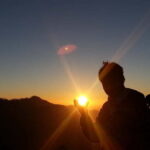
The sunrise timing is the headline. You’re up early, but the payoff is real—those early light moments tend to make the mountain silhouettes look crisp and dramatic. It’s also the easiest time of day to enjoy views without battling heat and crowds.
What I like about the approach is the simplicity. You don’t have to figure out transport or guess where the best angle is. You also get the comfort of being in a small group in one private vehicle, instead of piecing together rides with different drivers and schedules.
You can also read our reviews of more guided tours in Pokhara

Breakfast reset and Pokhara city time without detours
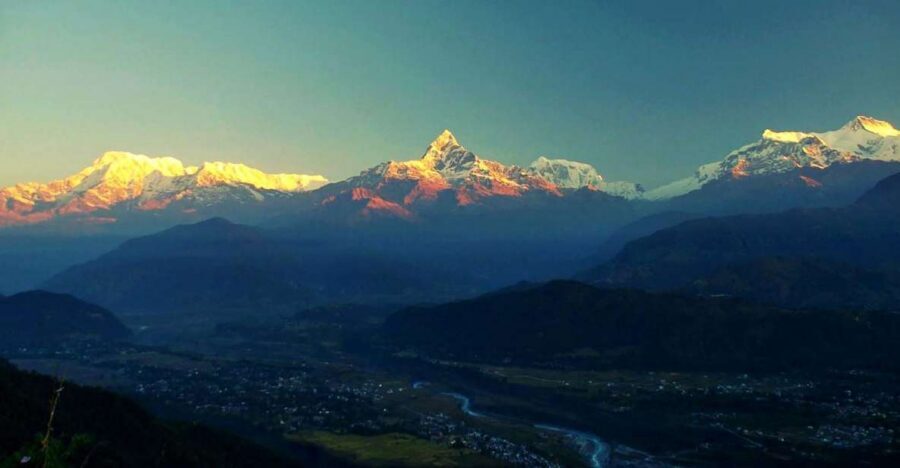
After the sunrise spot, you drive back to your hotel for breakfast. That matters more than people think. Starting a long day on a shaky schedule can turn sightseeing into endurance, so having that reset is a big part of why this tour feels smooth.
Then the city portion starts. The route is designed to pull you through the main Pokhara highlights in an order that makes sense for a full 8 hours. You’re not just hopping randomly from one place to another; the stops are grouped so you’re not constantly backtracking.
Also, because the guide is with you the whole day, you get help interpreting what you’re seeing. At places like the falls, cave, and viewpoints, a little explanation goes a long way. You don’t just arrive; you understand the shape of what you’re looking at.
Davis/Devi’s Fall and Gupteshwor Cave: water power and stone steps
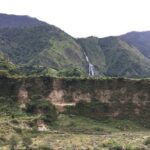
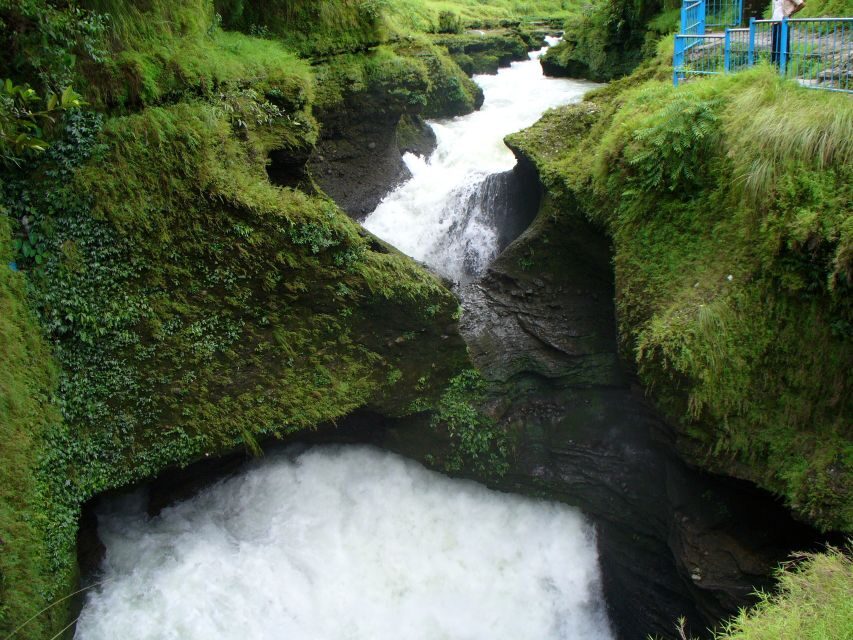
The day’s first major sightseeing stop after breakfast is Devis Fall (often called Davis Fall). This is one of those Pokhara sights that works fast: you see it, you get it, and you’re glad you didn’t skip it. The water-driven scenery stands out because it looks dramatic and a little unusual compared with calmer city fountains.
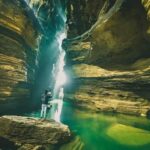
Then comes Gupteshwor Cave. This stop adds variety to the day. You shift from open-air water scenery to a darker, stone-focused environment. Caves naturally change your pace—things slow down, and you pay more attention to footing and the immediate surroundings.
One practical note: wear shoes you trust. Even when the route isn’t long, caves and falls can involve uneven ground and stairs. One thing I’d definitely plan for is that you’ll be on your feet for much of the day, including at least some steep terrain.
And since monument entry fees aren’t included, you’ll want to be ready to pay at-site if fees apply. That’s not a deal-breaker, but it’s better when you arrive prepared instead of scrambling.
Lord Shiva’s temple: a quieter stop with time to look around
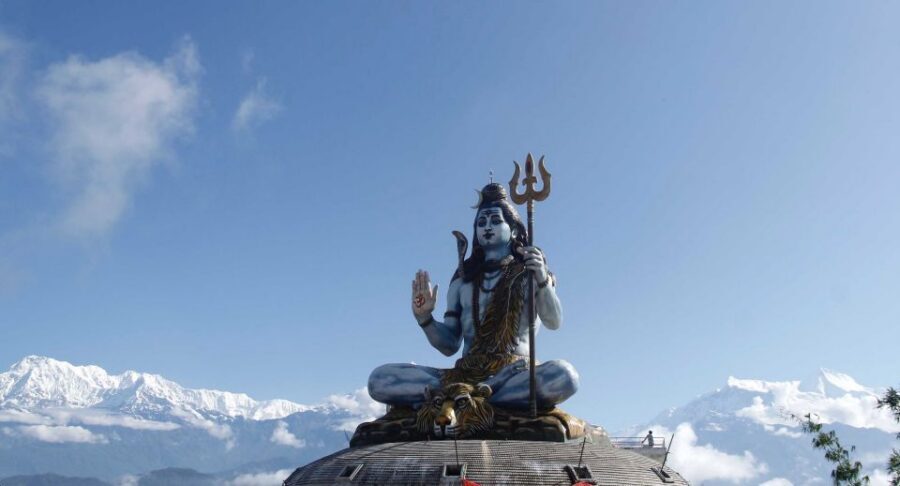
Next up is Lord Shiva’s temple. This is a different kind of stop than the falls or the pagoda. It’s more about atmosphere and time on-site, not just grabbing a photo and moving on.
You’ll take some time to explore the temple area. That free time is useful because you can decide your pace: linger for a calm look, or move through quickly if you prefer to keep energy for the later viewpoint stops.
Because this is a religious site, I recommend keeping things respectful and simple—walk with care, avoid blocking others, and treat it like a place people actually visit for worship, not just a photo set.
World Peace Pagoda: where the mountains show up big
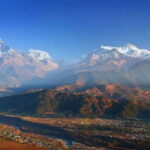
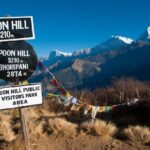
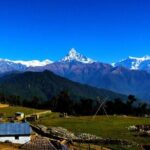
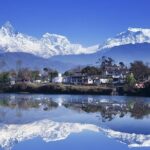
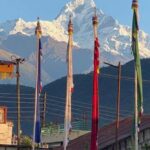
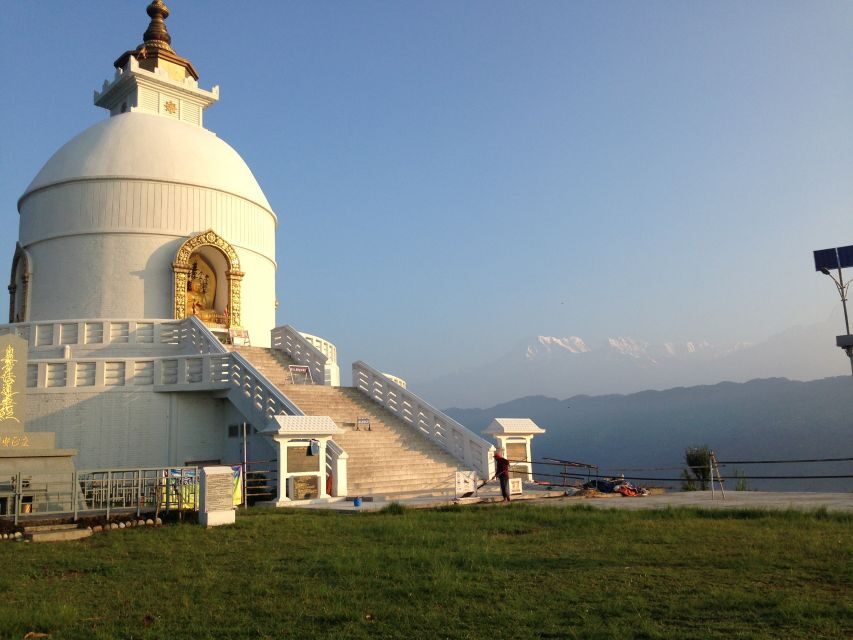
The World Peace Pagoda stop is one of the best reasons to do a full-day route. The pagoda gives you broad mountain views, and you’re specifically looking for a sightline that includes Annapurna and Machhapuchhre.
This is the kind of viewpoint where the guide help really shines. They can point out what you’re looking at and how the mountains relate to the valley below. Without that, you might still enjoy the view, but you’d miss a lot of the meaning behind it.
If you care about photos, this is where you’ll want to slow down. The pagoda viewpoint tends to be the moment when your eyes adjust from “I’m seeing mountains” to “I’m actually tracking the mountain range.” It’s also a great mental break in the middle of a long day.
A few more Pokhara tours and experiences worth a look
Suspension bridge: the final walk before the return drive
The last major sight is the suspension bridge. As a closing stop, it works well because it’s easy to enjoy even when you’re feeling the day’s early start. It’s a classic Pokhara-style experience: a walk, some photos, and a quick chance to take in the surrounding area from a different angle.
Pacing matters here. You’ve already done sunrise and multiple stops, so don’t treat the bridge like a power-walk. Keep your footing steady. If you’ve been wearing stiff shoes for uneven ground, a little extra time to settle your pace is smart.
Then you head back to your hotel, completing the loop. It’s a clean wrap-up: sunrise to pagoda to bridge, without ending the day on something that’s too tiring or too complicated.
Price and logistics: what $95 includes, and what to budget for
At $95 per person for an 8-hour guided day, the value depends on how you travel and what you would otherwise pay to piece this together yourself.
Here’s what’s included:
- hotel pickup and drop-off
- city tours with a live English guide
- private vehicle for the day
- government taxes & service charges
Not included:
- monument entrance fees
- beverages
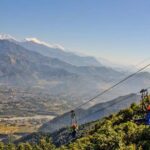
- optional activities like paragliding, ultra light flight, hot air balloon, and zipline
So you’re paying for more than a list of stops. You’re paying for early morning logistics (that Sarangkot run), guided interpretation, and a private vehicle that keeps your route efficient.
If you’re traveling solo, the price can feel steep compared with a shared ride. One practical move: check whether your booking fills a small group, because the per-person cost changes how you’ll feel about value. If you’re splitting costs with someone, it usually feels much more reasonable.
Also plan on snacks and water. Since beverages aren’t included, bring your own or budget for it locally. It’s not just comfort—staying hydrated helps when the day includes early hours and some uphill walking.
What you should bring and how to prepare
This tour runs early and stays active, so pack like you’re doing a proper day of sightseeing, not a casual stroll.
Bring:
- Passport or ID card (required)
Practical add-ons (based on the kind of terrain and walking you’ll do):
- Comfortable walking shoes with traction
- A light layer for early morning chill
- Something small to snack on, since beverages aren’t included
If you’re sensitive to cold at sunrise, consider a warmer top. Even in Nepal’s warmer seasons, mornings at higher viewpoints can feel cooler than the city.
Who this 8-hour Pokhara tour is best for
This tour is a good fit if you want the highlights of Pokhara in one day and you don’t want to manage transportation between viewpoints yourself.
You’ll likely enjoy it if:
- you’re short on time and want a packed but organized route
- you care about sunrise views and would rather not handle the logistics
- you like having a guide explain what you’re seeing at major stops
- you prefer a small group setting (limited to 15)
You might want to think twice if:
- you dislike early starts
- you prefer flatter walking routes
- you have limited stamina, since some stops involve steep terrain and stairs
The tour can still work for many people who are cautious and steady on their feet. But if steep, uneven ground is a big challenge for you, it’s worth planning extra carefully.
Should you book this Pokhara Full-Day Guided Sightseeing Tour?
Book it if you want an efficient day that hits the core Pokhara icons: Sarangkot sunrise, Davis/Devi’s Fall, Gupteshwor Cave, Lord Shiva’s temple, World Peace Pagoda with Annapurna and Machhapuchhre views, and the suspension bridge—all with a live English guide and hotel pickup.
Skip or at least consider alternatives if your priority is purely relaxed city time or if you know you’ll struggle with steep, uneven walking. Also factor in that entrance fees and beverages aren’t included, so bring a little extra budget and stay comfortable.
For most first-timers, this is a smart way to get the best of Pokhara without turning your trip into a puzzle. You’ll trade some sleep for mountain views, and you’ll trade a bit of effort for a day that feels tightly put together.
FAQ
How long is the Pokhara full-day guided sightseeing tour?
It runs for 8 hours.
Is hotel pickup and drop-off included?
Yes, pickup and drop-off are included from your hotel in Pokhara.
What group size is this tour?
It’s a small group, limited to 15 participants.
Is the tour guide available in English?
Yes, the live tour guide speaks English.
Which main sights are included during the day?
You’ll visit Sarangkot for sunrise, World Peace Pagoda, Davis/Devis Fall, Gupteshwor Cave, a suspension bridge, and Lord Shiva’s temple, plus city sightseeing in Pokhara.
Are monument entrance fees included?
No, monument entrance fees are not included.
Are beverages provided?
No, beverages are not included.
Do I need any ID to join the tour?
Yes, you should bring a passport or ID card.
Does the tour include free cancellation?
Yes, free cancellation is available up to 24 hours in advance for a full refund.