REVIEW · POKHARA
From Pokhara: 3-Day Ghorepani Poon Hill Trek with Guide
Book on GetYourGuide →Operated by Linkage Tour & Travel · Bookable on GetYourGuide
Poon Hill sunrise is the real deal. This 3-day trek in Nepal’s Annapurna region hits unbeatable mountain views and includes a guided walk through villages and forest paths that feel like you’re moving with the place, not just watching it. I love how short this is for such a big payoff, and how your guide helps you pace the day so you can enjoy the walk. One heads-up: it’s not a stroll—expect lots of stairs and a solid climb, especially in the first two days.
You start and end in Pokhara with roundtrip transport, and you’ll sleep in simple, standard lodges along the route. The trek is often described as manageable for many fitness levels, but the stairs add up. If you get winded easily, plan to take it slow and let your guide set a rhythm.
This trip is best if you want the classic Annapurna panorama without committing to a longer trek. It’s also a strong first multi-day hiking option, as long as you’re ready for some steady effort and early mornings.
In This Review
- Key Things I’d Plan Around
- Day-by-Day: What Each Day Actually Feels Like
- Day 1: Pokhara to Ulleri (first climb, first views)
- Day 2: Ulleri to Ghorepani (forest paths and bigger mountain energy)
- Day 3: Poon Hill at sunrise and the downhill into Pokhara
- Why This Trek Works So Well for Beginners (and for busy schedules)
- The Guide Factor: Why Private Usually Feels Better Here
- Pacing, Permits, and What’s Actually Included in the Price
- Packing Like Someone Who Wants to Enjoy Their Feet
- Lodges and Village Stops: Simple, Not Fancy, and That’s Fine
- Weather, Sunrise, and How to Keep Expectations Friendly
- Booking Decision: Should You Book This Trek?
- FAQ
- Do I need trekking permits for this trek?
- What’s the fitness level needed?
- Are meals included?
- Do I get a porter?
- Is transportation included from Pokhara?
- Is there luggage storage?
- What should I bring with me?
- Is the guide English-speaking?
Key Things I’d Plan Around
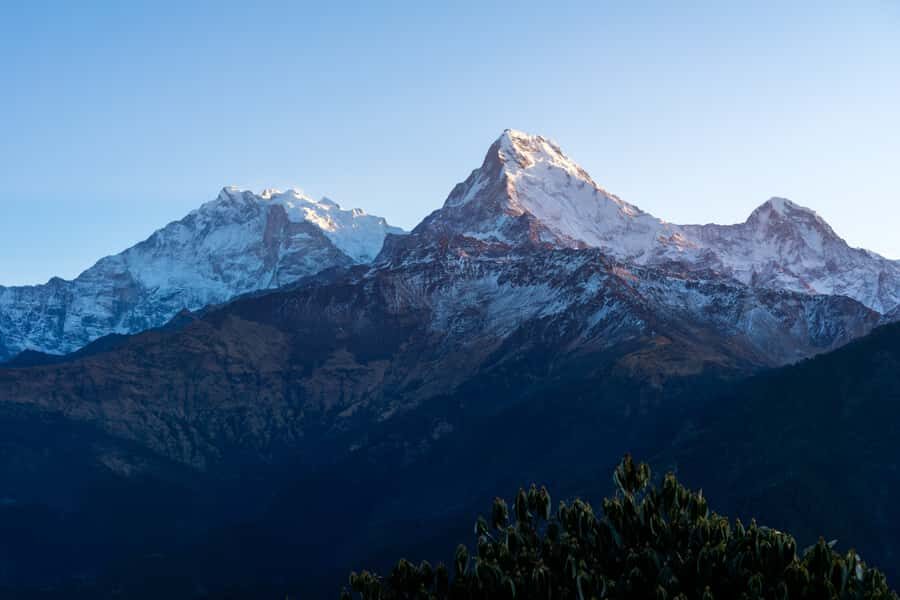
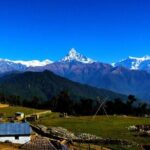
- Sunrise timing matters: you’ll rise early for Poon Hill so you don’t miss the best light on the Annapurna and Dhaulagiri ranges
- Stairs are the main workout: even though the route is short, the steps feel constant on key stretches
- Your guide shapes the experience: guides like Bidur, Dipak, Mukunda, Paras, Santosh, and Sandesh are praised for pacing, organizing tea-house stops, and keeping you feeling safe
- Tea houses keep it social: you’ll spend real time at village stops, not just pass through
- You can travel lighter: duffel bag support and luggage storage in Pokhara help you avoid overpacking
- Private group = your pace: you’re not stuck matching someone else’s hiking speed
Day-by-Day: What Each Day Actually Feels Like
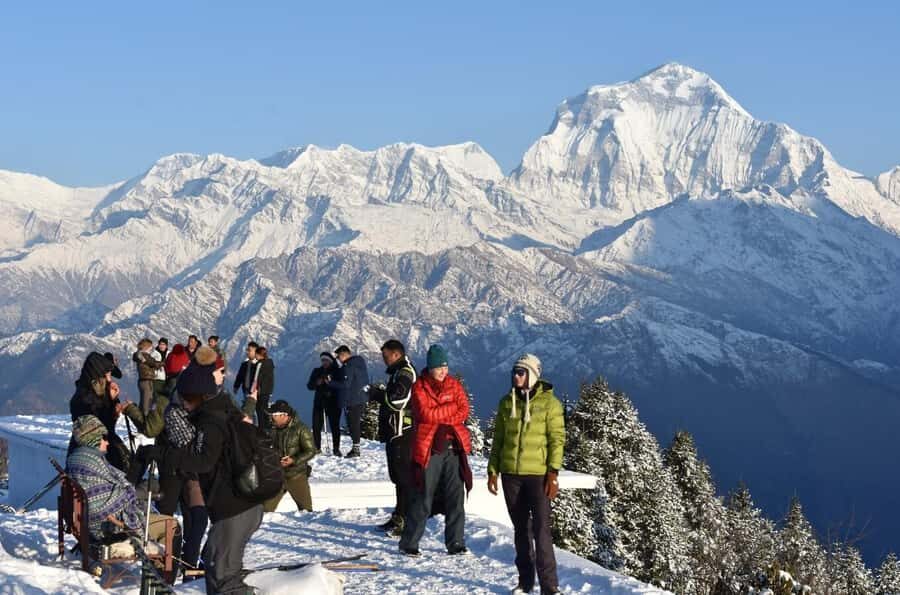
This trek is designed for a simple rhythm: drive in, hike between villages, sleep at a lodge, and then repeat. Even with only 3 days on the calendar, the route gives you a real sense of altitude change, trail variety, and community life.
You can also read our reviews of more guided tours in Pokhara

Day 1: Pokhara to Ulleri (first climb, first views)
You’ll start with a drive from Pokhara to Nayapul (about 1–2 hours). Then you transition onto the trail near Nayapul and work your way toward Tikhedhunga over roughly 3–4 hours.
After Tikhedhunga, the hike continues to Ulleri (another 2–3 hours). This is where you’ll feel the trekking legs start working. The terrain is stair-heavy at times, and that’s true even if you’re mentally ready for hiking. The payoff is that you get your first real taste of the Annapurna region before Day 2 makes things bigger.
Why this day is valuable: you’re not jumping straight into the sunrise scramble. You build stamina early, but still have time to settle in at night.
Practical tip: plan to take short breaks. Guides such as Bidur and Dipak are often praised for checking in and adjusting pace so you don’t burn out on the climb.
Day 2: Ulleri to Ghorepani (forest paths and bigger mountain energy)
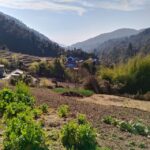
Day 2 is the main hiking day. You’ll trek from Ulleri to Ghorepani, typically around 5–6 hours. Expect a mix of forest sections and village approaches, with frequent chances to pause for water and snacks.
This is also when the Annapurna and Dhaulagiri views start feeling closer—less like a distant poster and more like something you’re walking toward. Ghorepani itself is a base for sunrise days, so the vibe is very trek-focused: tea houses, warm drinks, and people swapping stories about early starts.
Why this day matters: Ghorepani puts you in position for Poon Hill without rushing. You’re also sleeping higher than Pokhara, so your body gets a gentle introduction to altitude conditions (even on a short trek).
Practical tip: tea houses along the way are part of the experience. Multiple guides—like Paras and Santosh—are specifically praised for picking good places to rest and refuel, which makes a big difference on a day that’s mostly walking.
Day 3: Poon Hill at sunrise and the downhill into Pokhara
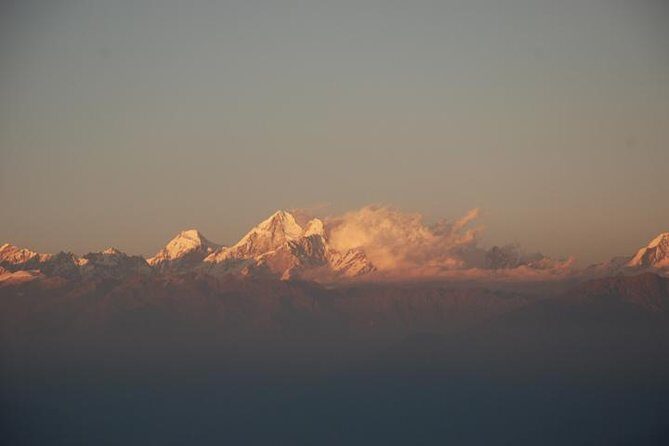
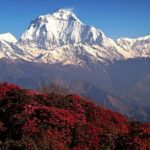
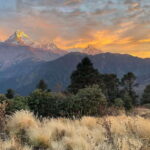
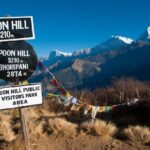
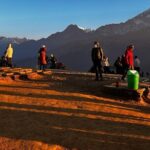
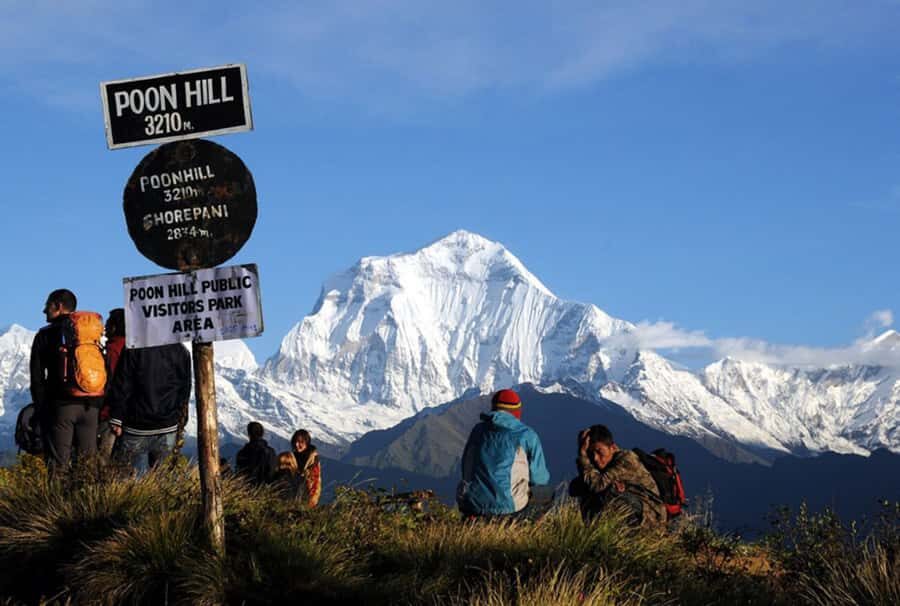
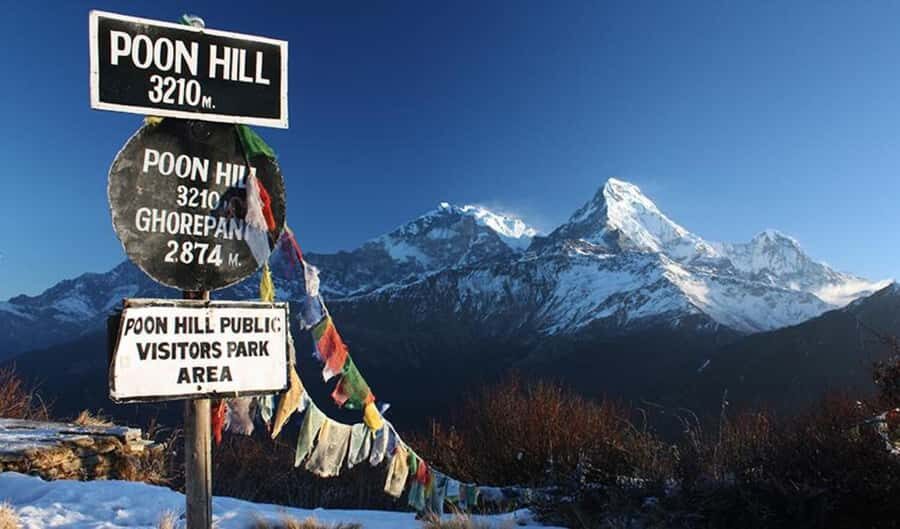
Day 3 starts with the early morning hike to Poon Hill. You’ll typically spend about 1–2 hours reaching the viewpoint, then enjoy the sunrise and the panoramic views of the Himalayas, especially the Annapurna and Dhaulagiri ranges.
After breakfast back around Ghorepani, you’ll hike down to Nayapool (about 4–5 hours), then drive back to Pokhara (about 1–2 hours).
What makes this day memorable: the contrast. You go from pre-dawn effort to a wide-open sunrise moment, and then you shift into downhill mode that feels like your reward for getting up early.
Practical tip: keep expectations flexible about clouds. One guide like Paras is even highlighted for keeping the experience special even when skies aren’t perfect. Your sunrise won’t be identical to someone else’s day, but the trek itself and the morning ritual are the point.
Why This Trek Works So Well for Beginners (and for busy schedules)
This is one of those treks that feels like you’re getting “a whole Nepal adventure” without needing weeks away. It’s short, organized, and designed to be achievable for trekkers of different comfort levels—especially if you can handle stairs.
But let’s be honest: easy for Nepal still means effort. One theme in the trek experience is that the first two days bring a lot of stair climbing and substantial elevation gain (around 2000 meters for the early portion). That’s why pacing matters.
Here’s the best way to think about it:
- You don’t need marathon fitness.
- You do need steady legs, good shoes, and a strategy for taking breaks.
- You’ll feel it in your thighs, especially on day 1 and parts of day 2.
If you’re a complete first-timer, guides such as Dipak, Bidur, and Sandesh are praised for keeping things calm and organized—making sure accommodation and trail logistics go smoothly so you can focus on walking and scenery.
You can also read our reviews of more hiking tours in Pokhara
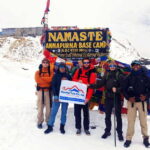
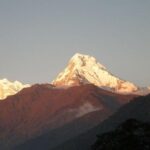
The Guide Factor: Why Private Usually Feels Better Here
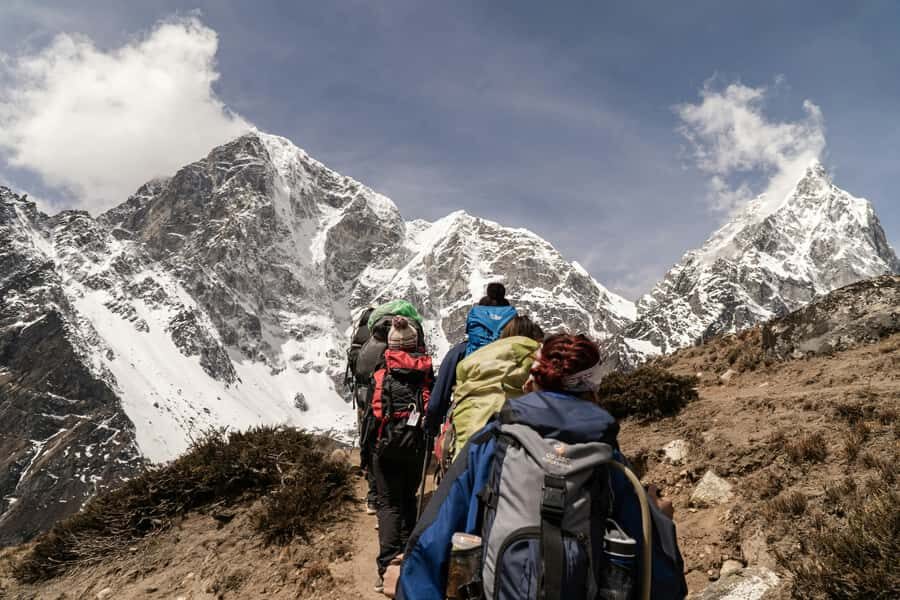
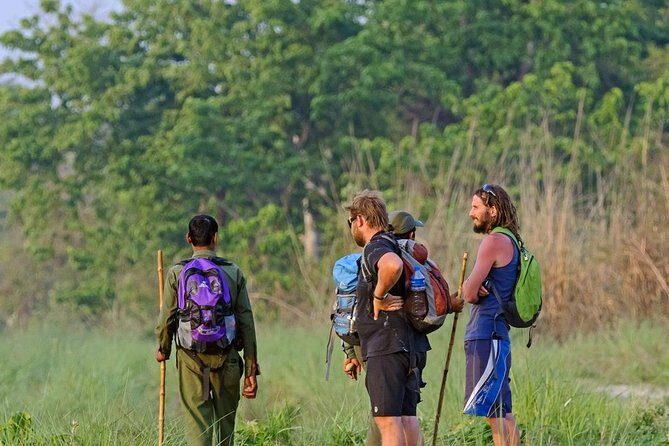
You’re on a private group for this trek, with a live English guide. That matters more than people think on a short trek. When the schedule is tight, you need someone who can:
- match your pace to the terrain
- keep you on track for sunrise timing
- choose good places to pause and eat
- handle the small problems before they become stress
Different guides show up in the experience: Bidur, Dipak, Mukunda, Paras, Santosh, Sandesh, and others. The consistent praise is for friendly, professional guidance and for keeping trekkers comfortable—especially when the hike feels harder than expected.
You’ll also hear about guides helping with photos and keeping morale up. On a sunrise trek, mood is real. If you’re tired at 4 a.m., encouragement can make the difference between gritting through it and enjoying it.
Pacing, Permits, and What’s Actually Included in the Price
At about $162 per person, this price can feel reasonable if you consider what you’re getting beyond just a walking buddy. You’re also covering:
- hotel pickup and drop-off in Pokhara
- private accommodation in standard lodges
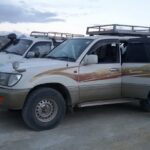
- roundtrip transportation
- Annapurna Conservation Area permit and trekking permits
- a trekking guide, plus a first aid kit
- a duffel bag and trekking pole support
- luggage storage in Pokhara
That logistics bundle is a big part of the value. On a trek like this, the time cost of planning permits, coordinating transport, and sorting lodge nights adds up quickly. Having it handled lets you show up and focus on the hike.
Meals are the one variable. If you choose the standard option, you may purchase meals during the trek. If you choose a premium option, meals are included. Porters are also tied to the option: you may be able to add a porter for $15 per day if you want extra carry help.
My practical take: if you’re carrying a small pack already and you’re comfortable with stairs, you might not need a porter. If you want less strain (or you’re newer to trekking), adding porter support can turn the trek from tiring to enjoyable.
Packing Like Someone Who Wants to Enjoy Their Feet
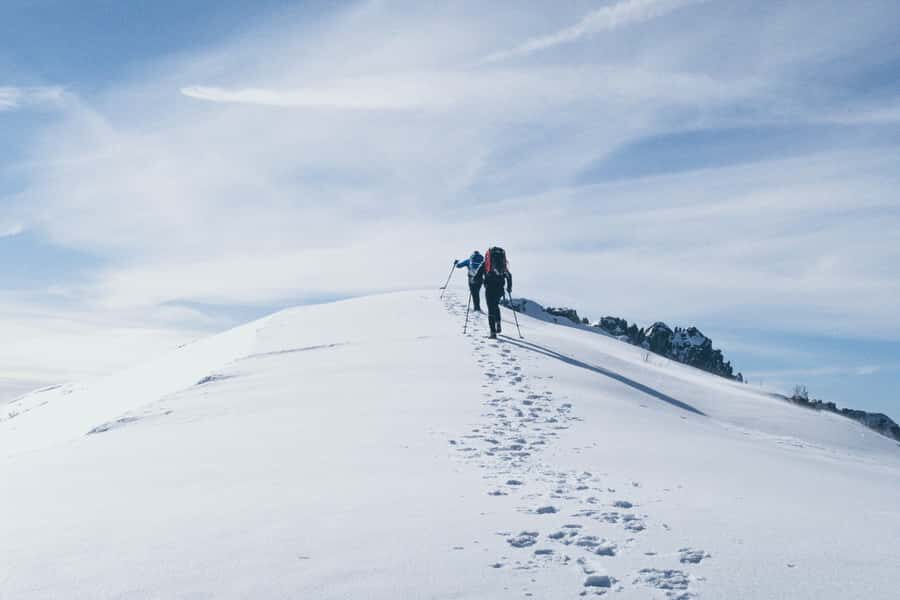
What to bring from the essentials list:
- passport or ID card
- warm clothing
- hiking shoes
That warm clothing part matters. Sunrise starts early, and mountain mornings can be cold. Good footwear matters even more than people expect, because the trail is stair-heavy in places and your feet will feel it.
If you’re tempted to pack light but bring random cotton layers: don’t. Bring warm layers that you can adjust. Your body warms up on the climb, then cools quickly during viewpoint breaks.
Also, remember the trek includes a duffel bag and luggage storage in Pokhara, so you don’t have to carry everything on your back for the whole journey.
Lodges and Village Stops: Simple, Not Fancy, and That’s Fine
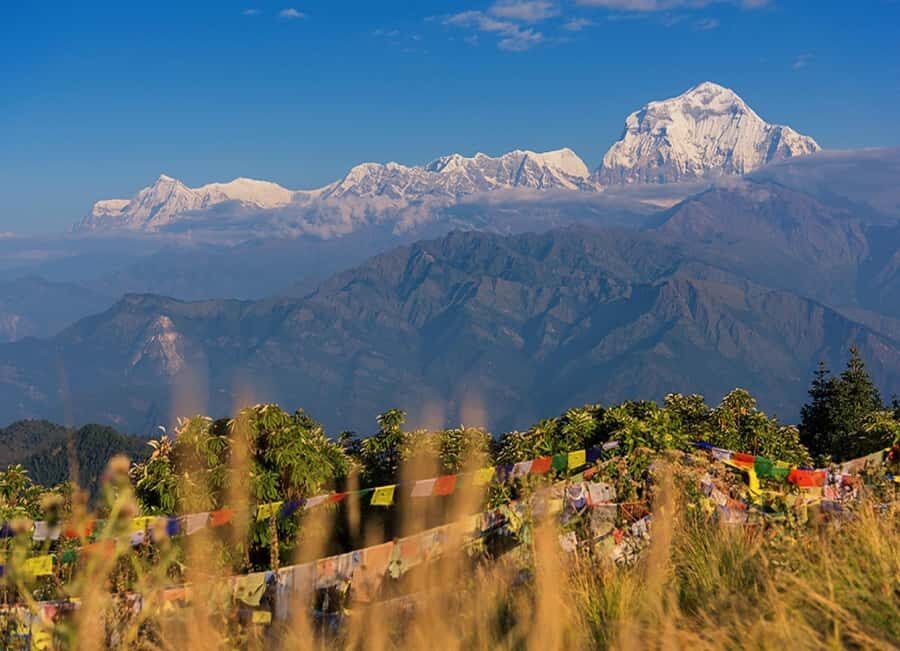
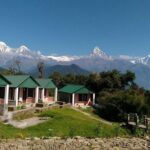
You’ll sleep in standard lodging along the route. This is not luxury trekking, and that’s okay. Tea houses and lodge rooms are part of the deal—where you recharge between hiking segments and plan the next morning.
What you’re really buying with these nights is position. Ghorepani is your staging point for Poon Hill. Ulleri gives you an early foothold on the climb. Those stops turn the trek into something more than just walking; they become little chapters of the day.
You’ll also pass through charming villages and spend time at places where local culture and hospitality show up in everyday ways, including warm tea-house welcomes.
Weather, Sunrise, and How to Keep Expectations Friendly
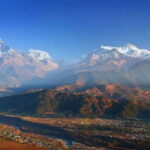
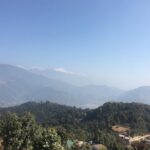
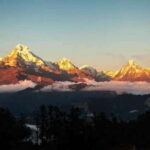
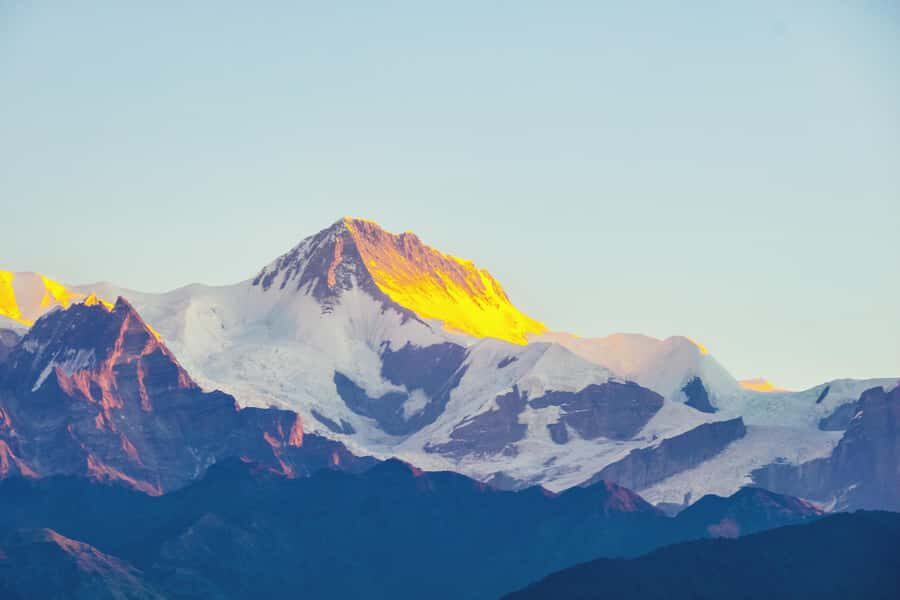
Sunrise over the Himalayas is the headline. The viewpoint at Poon Hill gives panoramic views of the Annapurna and Dhaulagiri ranges, and that’s why people set alarms for this trek.
Still, mountains play by their own rules. Clouds can soften views, and that’s why a good guide experience matters. Several guides are praised for keeping the morning experience positive even when conditions aren’t perfect.
Your best move: treat sunrise like a ritual, not a guarantee. You’re going because it’s early, challenging, and worth it when the sky cooperates. Even on a cloudy day, the effort and the morning energy are part of what you’re here for.
Booking Decision: Should You Book This Trek?
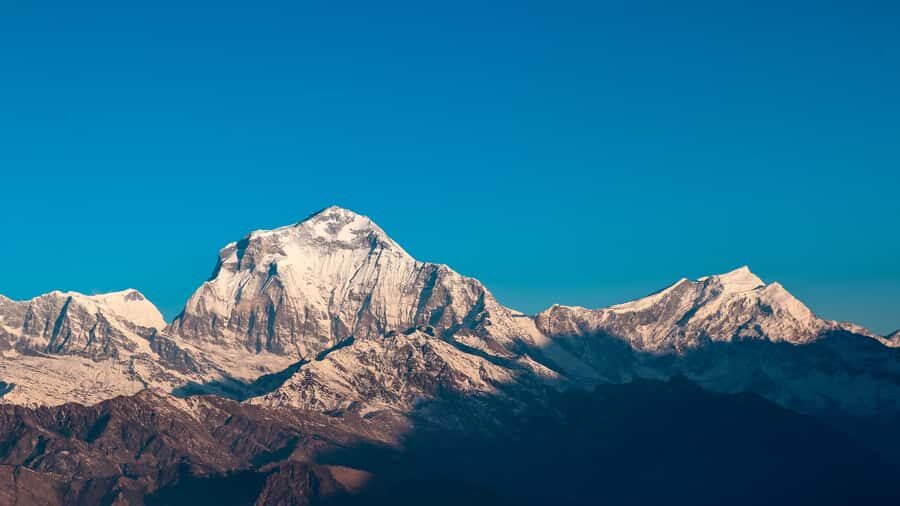
Yes—if you want the classic Annapurna highlight in a short time window, and you’re ready for stairs and early mornings. This is a strong pick for beginners to moderate trekkers who value a guided, organized experience over self-planning.
Maybe skip it (or add a porter) if:
- you’re not comfortable with stair-heavy climbs
- you expect a totally easy hike
- you don’t handle early wake-ups well
- you want lots of free time for wandering instead of a structured 3-day pace
If you do book, I’d choose your option based on how you want to manage effort:
- Premium meals can reduce decision fatigue on trail days.
- A porter can reduce thigh-burn for the first two days.
FAQ
Do I need trekking permits for this trek?
Yes. The price includes the Annapurna Conservation Area permit plus all required trekking permits.
What’s the fitness level needed?
It’s a short trek, but it includes many stairs and notable elevation gain in the first two days. It’s often described as manageable for Nepal standards, but still physically challenging.
Are meals included?
That depends on the option you choose. With the standard option, you may purchase meals during the trek. With the premium option, meals are included.
Do I get a porter?
Porter service is included only if you select the premium option. You can also purchase porter service for $15 per day.
Is transportation included from Pokhara?
Yes. Hotel pickup and drop-off are included, along with roundtrip transport.
Is there luggage storage?
Yes. Luggage storage facilities are available in Pokhara.
What should I bring with me?
Bring a passport or ID card, warm clothing, and hiking shoes.
Is the guide English-speaking?
Yes. You’ll have a live tour guide who speaks English.
If you want, tell me your hiking background (first-timer, 5k hikes, gym stamina, etc.) and your comfort with early mornings, and I’ll help you judge whether this 3-day plan is the right fit.