REVIEW · KATHMANDU
Momo, Dhalbhat & Thukpa Cooking Class, Nepal
Book on Viator →Operated by Momo, Dhalbhat & Thukpa Cooking Class · Bookable on Viator
Golden temples and food lessons belong together in Patan. This class pairs a short look around Hiranya Varna Mahavihar with a hands-on Nepali cooking session that starts at a local market. You’ll be cooking classic comfort foods, with ingredients picked locally.
I especially like two things: the market stop, where you meet vegetable sellers and shop for the meal rather than relying on a pre-packed bag. I also like that the instruction centers on real technique, not just recipes, so you can make momo and dal bhat with confidence after you leave.
One consideration: some parts of the meal may be partially prepared for you, so if you want every step to be fully hands-on from start to finish, go in with that expectation.
In This Review
- Key highlights
- Golden Temple to Patan streets: why the day starts with walking
- The local market stop: where your ingredients start telling you the truth
- Cooking with Esther Rai: momo, dal bhat, and thukpa, plus menu flexibility
- Hands-on kitchen time: what it feels like when you cook on a rooftop
- What you eat at the end: dal bhat comfort, momo satisfaction, thukpa warmth
- Price and timing: is $25 really worth it?
- Getting the meeting point and planning your day around it
- Weather and cancellations: plan with one simple rule
- Who should book this cooking class in Patan
- Should you book Momo, Dal Bhat & Thukpa with Esther Rai?
- FAQ
- How much is the Momo, Dhalbhat & Thukpa Cooking Class?
- How long does the cooking class last?
- Where is the meeting point for the class?
- What dishes will I learn to cook?
- Do we visit a market before cooking?
- How many people are in a group?
- Is this experience using a mobile ticket?
- What happens if the weather is bad or I need to cancel?
Key highlights
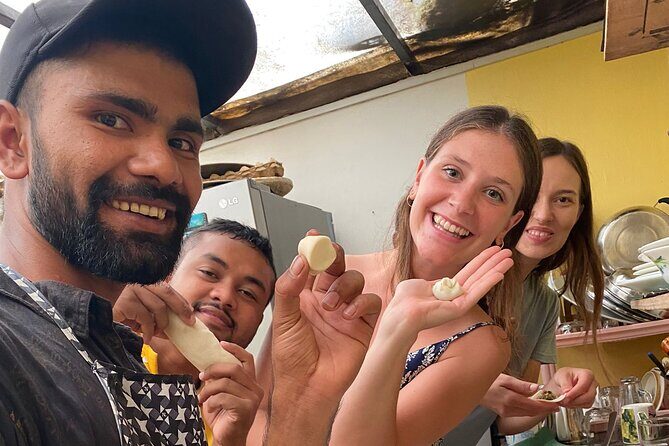
- Market shopping in Patan before you cook, with time to talk with local ingredient sellers
- Small group size (max 10), so questions don’t get lost in the crowd
- Golden Temple stop at Hiranya Varna Mahavihar, then a walk through Patan (Lalitpur)
- Rooftop cooking spot close to Patan Durbar Square for easy exploring before or after
- Menu can match your request, centered on momo, dal bhat, and thukpa
Golden Temple to Patan streets: why the day starts with walking
This experience is built around Patan, also called Lalitpur, which means you get more than a cooking class stuck in one room. You start at Nagabahal – Nyadha Galli in Patan, and you’ll move through two quick stops before you head into the kitchen rhythm.
The first stop is the Golden Temple (Hiranya Varna Mahavihar). You’ll get historical context and cultural notes as you look around. It’s a good way to set the scene, especially if you’re new to Nepalese food and wonder where the flavors and food customs come from. The temple stop also breaks up the day so you’re not going straight from arrival into chopping mode.
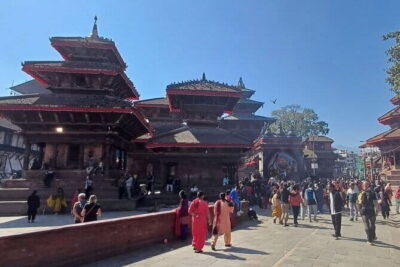
The second stop is Patan itself. This is where you can connect the dots: local markets feed local households, and those households cook with traditions that don’t change overnight. In practical terms, Patan’s scale is friendly for a short walk, and it’s easier to get your bearings fast if you plan to explore a bit around Patan Durbar Square later.
If you’re someone who dislikes wandering with no clear purpose, this should still make sense, because the walk sets up the market and then the cooking. You’re not just “sightseeing.” You’re building a story around the meal.
You can also read our reviews of more cooking classes in Kathmandu

The local market stop: where your ingredients start telling you the truth
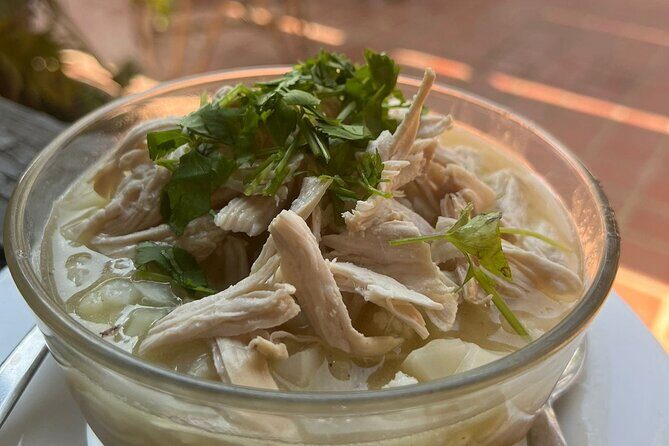
The market part is the heart of why this class feels like Nepal, not just a demo of Nepalese dishes.
Before cooking begins, you’re taken to a local vegetable market. You’ll interact with local sellers and choose ingredients on the spot. That’s useful in two ways. First, you learn what people actually buy for everyday cooking, like which vegetables are easy to find and how they’re commonly cut or prepared. Second, you pick up how Nepalese kitchens think about balance—freshness, spices, and the way dishes fit together as a meal.
From a value standpoint, this is also part of what you’re paying for. Many cooking classes teach recipes using pre-selected ingredients. Here, you start by shopping like a local, which gives you context you can carry home when you’re grocery shopping later.
A small but real bonus: you don’t need to be a fluent talker. You can ask simple questions about vegetables, meat, or spice choices, and the market atmosphere does a lot of the work for you. This is also a good moment to slow down and notice the pace of local life before you return to your cooking station.
Cooking with Esther Rai: momo, dal bhat, and thukpa, plus menu flexibility
The main teacher is Esther Rai. She started her cooking class program during COVID-19 as a way to support her family, and that purpose shows in the warmth of the teaching style. This is one reason the experience feels more personal than a scripted tourist activity.
The class centers on three staples: dal bhat, momo, and thukpa. You’ll learn and practice how to make them, and then you eat what you cooked. On top of that, Esther makes the menu based on guest request, so you’re not locked into a one-size-fits-all plan.
What I like about that flexibility is control. If you’re craving comfort food, you can lean toward dal bhat. If you want a snack-to-meal favorite, focus on momo. If you’re more into noodles and warming soups, you’ll gravitate toward thukpa. It also helps if you’re traveling with people who want different things.
In some sessions, you may also see extra dishes showing up alongside the core menu. One example from prior participants is learning chicken curry alongside momo and dal bhat, plus new spice combinations. Even if your exact set of dishes differs, the teaching emphasis is consistent: you’ll learn how to work with the ingredients, not just follow a step list.
You’ll also notice that the teaching isn’t only about what to do. Esther and her collaborator Amos explain traditions and how the dishes fit Nepalese life. That background matters because Nepalese flavors often make more sense when you understand the culture and daily routines behind them.
Hands-on kitchen time: what it feels like when you cook on a rooftop
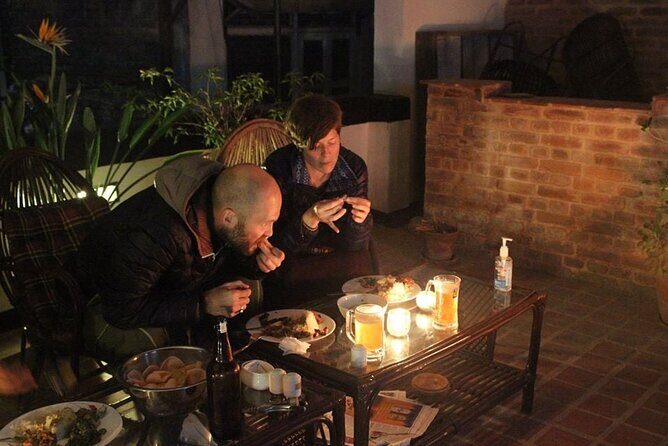
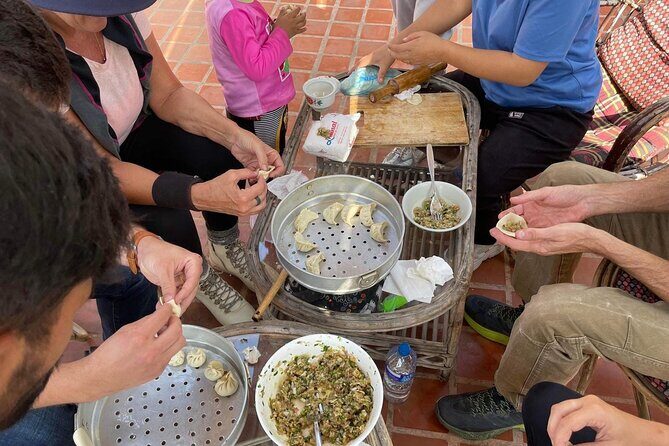
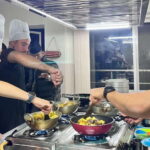
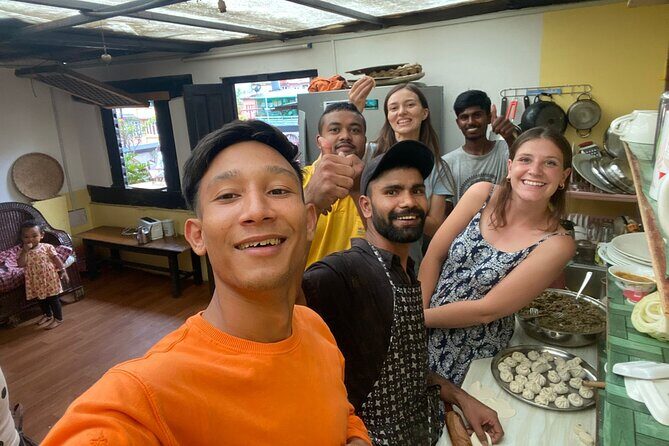
The kitchen space is described as being on a rooftop, and being up there changes the vibe. It’s still practical cooking, but the setting feels lighter, and you often get better airflow and more natural light than you would in a basement kitchen or windowless room.
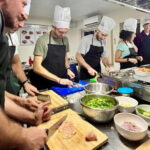
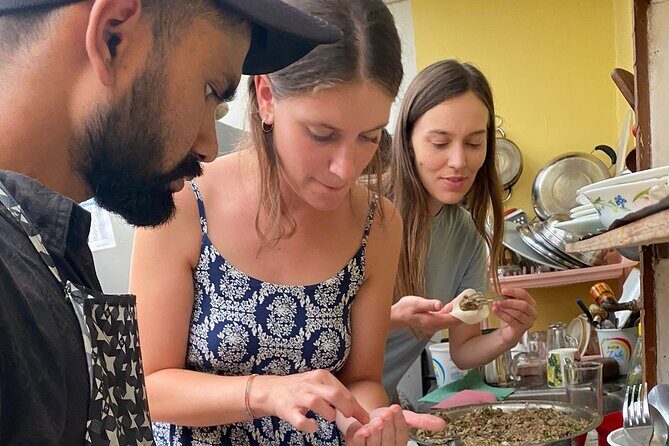
Because the group maximum is 10 travelers, you’re not fighting for counter space or waiting too long for attention. That small group size matters for momo in particular. Momo filling and shaping require patience. If you’re rushed, it turns into a stress test. In a smaller class, you can ask questions while you’re working.
That said, here’s the balanced part. One potential drawback is that you may find some steps already handled or partially prepared for you. That doesn’t automatically reduce the value, because you still learn the key moves and seasoning logic. But if your personal goal is to do every single task from raw start to finished dish with zero help, you should calibrate expectations.
If you’re the kind of cook who learns best by repeating hand movements—mixing, folding, shaping, tasting—you should still feel satisfied. You get the practice, plus the payoff of eating what you made.
What you eat at the end: dal bhat comfort, momo satisfaction, thukpa warmth
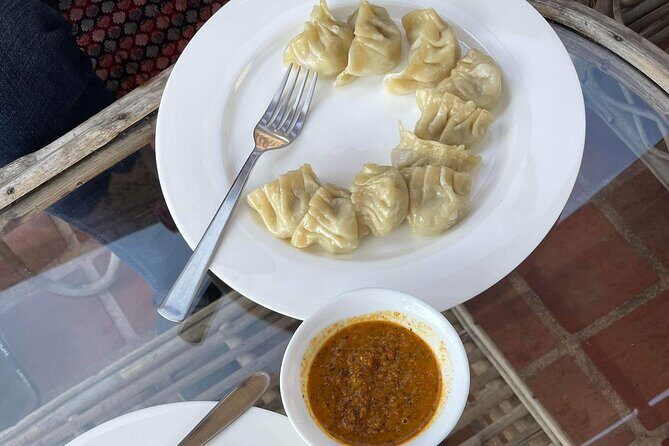
This class doesn’t end with just a bite and a thumbs-up. You’ll eat the food once it’s cooked, and that’s the whole point: Nepalese meals are meant to be shared and actually enjoyed, not just photographed.
Here’s what stands out about the dishes you’re likely to make:
- Dal bhat: the comfort base. It’s the anchor dish people return to. If you like simple flavors done carefully, this is the one.
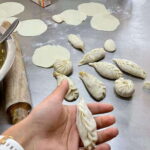
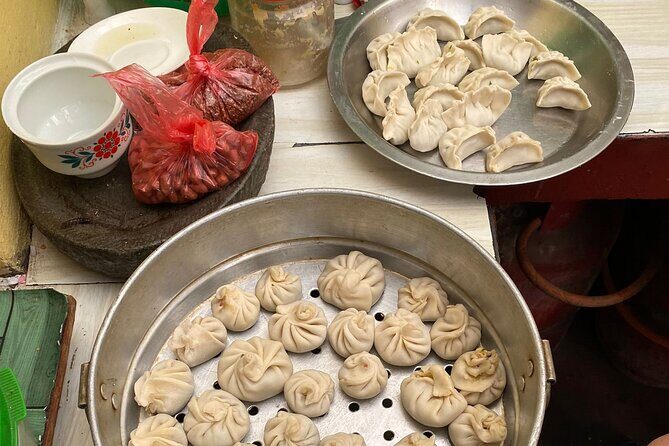
- Momo: hands-on satisfaction. When you get the wrapper, filling balance, and steaming timing right, the whole experience clicks.
- Thukpa: a warming finish. Noodle soups are built for cold or rainy days, and thukpa is where Nepalese spices show up in an easy-to-eat format.
Several past participants emphasized flavor quality, with comments like the dal bhat being among the best they had in Nepal. While I can’t promise your exact results, I can tell you why that reaction happens: you’re working with fresh market ingredients and you’re guided by someone who cooks these dishes regularly.
Also, because the menu can adjust to your request, you’re more likely to eat something you actually want. That’s a big deal in a short 3-hour activity. Nobody wants to spend limited time learning a dish they won’t enjoy at the end.
A few more Kathmandu tours and experiences worth a look

Price and timing: is $25 really worth it?
At $25 per person for an approximately 3-hour experience, the price looks simple on paper. The real question is what’s included.
In this case, you’re getting:
- a market visit to buy ingredients
- a small-group cooking session (max 10)
- instruction and practice for multiple Nepalese dishes
- the meal you cook
- an added cultural walk in Patan (including the Golden Temple)
When you compare that to doing a market walk on your own and then paying for a cooking class separately, the bundled approach is what makes the price feel fair. You’re not just paying for recipes. You’re paying for time with local hosts, market access, and a meal that turns the teaching into something tangible.
Booking is typically about 6 days in advance on average. That’s useful to know: if you’re traveling around a festival period or on short stays, don’t wait until the last day.
Timing-wise, this runs long enough to shop, cook, and eat, but it’s short enough to fit into a Kathmandu-area itinerary. Since the activity ends back at the same meeting point, you won’t spend your evening figuring out transportation logistics.
Getting the meeting point and planning your day around it
You start at Nagabahal – Nyadha Galli, Lalitpur 44600, Nepal, and you return there to finish.
This is a smart setup if you want to explore Patan before or after. The cooking location is also noted as being about a 5-minute walk from Patan Durbar Square, so you can build a full morning around it. If you’re landing in Nepal for the first time, it’s an easy win: you’re not committing to an all-day trek just to get a local meal experience.
One more practical note: it’s listed as near public transportation. That matters because Kathmandu and Patan can be a bit chaotic on foot if you’re tired. A meeting point that’s easier to reach makes the whole day less stressful.
Weather and cancellations: plan with one simple rule
This experience requires good weather. If it’s canceled due to poor weather, you’ll be offered a different date or a full refund.
You can also cancel for a full refund up to 24 hours before the start time. If you cancel within 24 hours, the refund rules tighten. If you’re traveling with a packed schedule, it’s worth checking the forecast and keeping your other plans flexible on the day you book.
Who should book this cooking class in Patan
I think this works best if you want food as a cultural tool, not just a meal.
You’ll likely enjoy it if:
- you like cooking and want hands-on practice with Nepalese staples
- you’re curious about how markets and homes connect
- you want a small group experience rather than a large bus-style activity
- you like learning why dishes taste the way they do, not only how to make them
You might hesitate if:
- you’re expecting every step to be fully self-directed with zero prep help
- you’re in a hurry and can’t spare a solid 3 hours
If you’re on a first Kathmandu trip, this is also a nice alternative to spending all your time in Thamel. Patan feels different, and the walk plus market makes it feel like you’re living Nepal for a few hours.
Should you book Momo, Dal Bhat & Thukpa with Esther Rai?
Yes, if you want an efficient way to experience Nepalese cooking with real local ingredients and a warm teaching team. The combination of market shopping, a Golden Temple stop, and a short rooftop cooking session is a strong value for $25, especially with the small group size.
Book it if your priority is learning flavors you can repeat later. And if you love dal bhat, momo, or thukpa, you’re exactly in the right place.
If you hate any chance of partial prep, ask about how hands-on the process is on your specific date. Otherwise, this is one of those experiences where the meal is the proof, not an afterthought.
FAQ
How much is the Momo, Dhalbhat & Thukpa Cooking Class?
It costs $25.00 per person.
How long does the cooking class last?
The duration is about 3 hours.
Where is the meeting point for the class?
The start and end point is Nagabahal – Nyadha Galli, Lalitpur 44600, Nepal.
What dishes will I learn to cook?
You’ll learn and practice making momo, dhalbhat (dal bhat), and thukpa. The menu can be adjusted based on guest request.
Do we visit a market before cooking?
Yes. You’ll go to a local vegetable market to buy ingredients and interact with local sellers before you start cooking.
How many people are in a group?
The activity has a maximum of 10 travelers.
Is this experience using a mobile ticket?
Yes, it includes a mobile ticket.
What happens if the weather is bad or I need to cancel?
Good weather is required. If it’s canceled due to poor weather, you’ll be offered a different date or a full refund. You can cancel up to 24 hours in advance for a full refund.