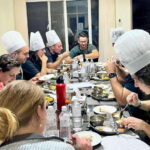
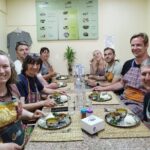
The smells start before you even cook. This women-led Nepali cooking class pairs hands-on meal making with a real slice of Kathmandu life in Thamel. You begin with a warm chai welcome, pick from three menus, then learn the spices and techniques that make Nepali food taste like Nepali food.
What I like most is that you’re not watching from the sidelines. You cook yourself with clear guidance, and several parts feel designed for you to leave with skills you can use again. I also love the way the school leans into authenticity through local ingredients, plus the keepsake Namaste Cooking School Recipe Book that helps you recreate what you made.
One consideration: the class runs about 4 hours, and it depends on good weather. If conditions aren’t right, you may need to reschedule, so plan your Kathmandu days with some breathing room.
In This Review
- Key things worth knowing before you go
- Thamel welcomes you with chai and real warmth
- Picking from three menus (and handling allergies the smart way)
- Spice skills you can actually use at home
- Hands-on cooking with guidance—and less mess than you expect
- What you cook is the payoff: fresh food and a real lunch
- Price and group size: good value for a small, focused class
- Getting there: meeting point, Thamel location, and timing
- Weather and schedule reality
- Who should book this cooking class—and who might pass
- A simple decision guide: should you book?
- FAQ
- How long is the Nepali cooking class?
- What’s included in the price?
- Is pickup available?
- How big is the class?
- Can I choose what I cook?
- What happens if the weather is bad?
Key things worth knowing before you go
- Women lead the whole experience, with a friendly, energetic teaching style.
- Masala chai welcome sets a warm tone from the first minute.
- Three menu choices let you steer the meal toward your tastes and needs.
- Spice basics included, so you learn how flavors work, not just steps to copy.
- You cook and eat, and cleanup is handled for you, keeping the class low-stress.
- Small group size (max 16) helps you get attention and move at a good pace.
Thamel welcomes you with chai and real warmth
Kathmandu’s Thamel is where most visitors base themselves, and this class is right in the middle of it. That matters more than it sounds. When your cooking class is easy to reach on foot or by short transport, you waste less time and you can arrive with less stress.
The experience starts with a genuine Nepal-style welcome: a traditional cup of masala chai. It’s a small thing, but it signals what you’re walking into. This is hospitality first, cooking second—like someone has decided you’re worth the trouble of being comfortable.
Another strong point is the teaching team. The school is run by local women focused on preserving Nepal’s indigenous culinary heritage. In the classes described by past participants, you may meet instructors like Sabita and Sushila, and the vibe is upbeat and social rather than rigid. If you’re traveling solo, that kind of energy helps you feel included fast.
You can also read our reviews of more cooking classes in Kathmandu

Picking from three menus (and handling allergies the smart way)
Right after the welcome, you choose from three carefully selected menus. The practical benefit: you’re not stuck with a fixed “mystery meal.” You can pick what sounds appealing and what fits your appetite for spice, meat, or vegetarian options.
The school also asks about dietary restrictions and allergies. That’s a key detail for safety and for satisfaction. Nepali cooking uses a range of spices and ingredients, so it’s worth being clear upfront. If you’re gluten-free, vegetarian, avoiding certain legumes, or steering away from specific allergens, speak up before you start chopping anything.
This is also where you can set expectations for pacing. A menu choice can shift what you cook, how the meal comes together, and what kinds of flavors you practice. If you want your class to feel like a personal highlight, take the menu choice seriously. It’s part of making the experience yours.
Spice skills you can actually use at home
After menu selection, you get an introduction to Nepali spices—the flavors behind the dishes. This isn’t just name-dropping. It’s meant to help you understand why food tastes the way it does across different regions of Nepal.
You’ll learn how spices function together, not only what goes into the pot. That’s the difference between a recipe you follow once and a cooking style you can repeat. For many people, the hardest part of cooking abroad is knowing what substitute actually works. A spice-focused explanation makes those substitutions less random.
And it’s timed well. You learn the spice basics before the hands-on part, so you can connect theory to what you’re doing. While you’re cooking, you’re not guessing. You’re applying what you were just taught.
Hands-on cooking with guidance—and less mess than you expect
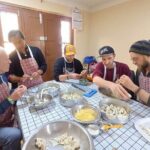
Here’s the heart of the experience: a hands-on cooking class where you prepare dishes yourself with guidance. You’re not just assembling plates. You’re doing real steps—learning by making.
Past participants highlight how the instruction stays friendly and practical, especially when it comes to getting you unstuck. Even if you’ve never cooked Nepali food before, you’ll likely feel guided at each phase: prep, cooking, and bringing it together.
One of the biggest comfort points is cleanup. Several people specifically noted that they did not have to clean up much. The instructors handle the mess, so you can focus on cooking and enjoying the process. That’s a surprisingly big quality-of-life factor in cooking classes.
Also, the class isn’t always silent. Some participants describe a playful atmosphere with laughter, singing, and even dancing. You shouldn’t expect that every day, but it’s a reminder that this is social learning. If you like meeting people and sharing stories, this class gives that space.
Finally, if you enjoy language exchange, you might get some of that too. One participant shared that English and Nepali language practice happened alongside the cooking. You can use that moment to ask about ingredients or traditional ways dishes are eaten.
What you cook is the payoff: fresh food and a real lunch
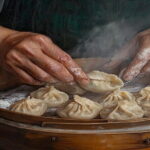
Lunch is included, and that changes the value equation. You’re not paying just for the “activity.” You’re paying for the whole half-day experience, including food you helped make and can eat right away.
Because the class runs about 4 hours, it’s long enough to learn, cook, eat, and still feel like you did something meaningful. You’re unlikely to end up bored or rushing. Instead, you get a full arc: warm welcome, prep, cooking, then sitting down to enjoy what you produced.
The food is described as fresh and delicious by participants, which makes sense if you’re cooking with ingredients sourced through local farmers. The school emphasizes indigenous ingredients, aiming for authentic flavors rather than “tourist-safe” versions. That authenticity is what makes the meal feel like Nepal, not just a cooking demonstration.
Then there’s the keepsake: you receive a Namaste Cooking School Recipe Book at the end. That’s practical, not just decorative. It gives you a way to replay the dishes later, using what you learned while it’s still fresh in your memory.
A few more Kathmandu tours and experiences worth a look

Price and group size: good value for a small, focused class
At $30 per person for around 4 hours with lunch included, the price lands in a sensible zone for Kathmandu activities. You’re getting more than a meal; you’re getting instruction, a cultural welcome, and a recipe book.
Group size is capped at 16 travelers, and that matters. Smaller groups usually mean less waiting and more attention. If you’ve struggled in larger classes before—where the instructor can’t reach you when you need help—this cap is a real advantage.
You’re also offered pickup, and you’ll receive a mobile ticket. Pickup can be important in a city like Kathmandu, where traffic and navigation can turn a simple schedule into a headache. Having the option makes the class easier to fit into your day.
If you’re planning carefully, note that this class is commonly booked about 17 days in advance on average. That tells you it’s not a “wait until the last minute” kind of thing. If you want your preferred date, lock it in.
Getting there: meeting point, Thamel location, and timing
The meeting point is listed as Tribhuvan Airport, Kathmandu, and the activity ends back at the meeting point. With pickup offered, this setup is generally easy: you’re not trying to map a cooking school in Thamel while you’re tired from travel.
The school being in the heart of Thamel is a plus if you’re exploring Kathmandu between activities. After your class, you can step back into the neighborhood right away—shops, small eateries, and street life are close by.
Also, it’s near public transportation, which helps if you choose not to use pickup on a given day. For practical travelers, having multiple ways to reach the school reduces risk if your plans shift.
Weather and schedule reality
This experience requires good weather. If weather cancels it, you’ll be offered a different date or a full refund. That’s not something to ignore in Kathmandu. Build your cooking class into a day where you can handle a change without losing a major chunk of your trip.
Who should book this cooking class—and who might pass
This class is ideal if you want:
- A hands-on meal experience instead of a passive food tour
- A Nepalese cooking intro that includes spices and technique
- A social, friendly environment where even solo travelers can feel comfortable
- Something practical you can repeat later with a recipe book
It’s especially good for couples and small groups because lunch is included and the experience is structured. With a max of 16 people, it won’t feel like you’re stuck in a crowd.
Who might consider something else? If you only want a quick snack-style food stop, four hours is longer than you might prefer. Also, if weather is a major risk for your schedule, plan your day with flexibility.
A simple decision guide: should you book?
Book this class if you want a Kathmandu afternoon that’s hands-on, locally led, and easy to build into a real itinerary. The combination of women instructors, chai welcome, menu choice, spice instruction, and lunch plus recipe book makes it good value for the time.
If you’re the type who loves learning how flavors work—why spices matter, how dishes come together—this experience is built for you. And if you care about authenticity, the school’s emphasis on indigenous ingredients and local sourcing fits that goal.
Skip it if you’re looking for a very short activity, or if you have a fixed schedule where a weather-related reschedule would ruin your week.
FAQ
How long is the Nepali cooking class?
The class lasts about 4 hours.
What’s included in the price?
Lunch is included, and the class is led in English. You also receive a recipe book at the end.
Is pickup available?
Pickup is offered, and the activity starts at Tribhuvan Airport and ends back at the meeting point.
How big is the class?
The group size is capped at a maximum of 16 travelers.
Can I choose what I cook?
Yes. You choose from three menus, and you’ll also be asked about dietary restrictions or allergies.
What happens if the weather is bad?
The experience requires good weather. If it’s canceled due to poor weather, you’ll be offered a different date or a full refund.
If you tell me your travel dates and whether you’re vegetarian or have any allergies, I can suggest how to time this class with your other Kathmandu plans.