REVIEW · KATHMANDU
Annapurna Circuit Short Trek
Book on Viator →Operated by Adventure Bound · Bookable on Viator
You can do the Annapurna Circuit feeling fit. This short version keeps the big-mountain payoff while cutting the walking days, with tea house days and a guided setup that handles the paperwork and logistics.
I especially like the practical mix of meals, permits, and gear support, so you spend less time worrying and more time walking. One drawback to plan for: even in a shorter format, you still need moderate fitness and you’re dealing with real altitude and mountain weather.
The best part is that it’s designed for people who want the classic route’s feeling but can’t spare the full commitment. It’s not a “sit back and watch” trip; you’ll walk, you’ll climb, and you’ll earn those views—just on a tighter schedule. If you’re prone to altitude issues or want zero cold mornings, this might not be your style.
In This Review
- Key things that make this trek click
- Why the Short Annapurna Circuit fits real schedules
- Kathmandu to trail: pickup, permits, and gear you may not pack
- From Besisahar area vibes to your first tea house nights
- The high pass day reality: what Thorung La means for your body
- Jomsom finish: why flying out can feel like a gift
- Food and comfort: included meals and the tea house trade-offs
- Guides are the difference maker here
- Price and value: where your $1,180 really goes
- The practical drawbacks to respect before you commit
- Who this trek suits best (and who should rethink)
- Final call: should you book this short Annapurna Circuit?
- FAQ
- How long is the Annapurna Circuit Short Trek?
- Where does the trek start, and when do you begin?
- Are meals and tea house accommodation included?
- Are permits included for the trek?
- Do I get a guide and trekking essentials?
- Do I need to bring my own sleeping bag and down jacket?
- Is a porter included?
- Is this tour private?
- Is free cancellation available?
Key things that make this trek click
- Short-cut route logic: less total walking time, but still a real Annapurna Circuit experience
- Tea house comfort with 3 meals: breakfast, lunch, and dinner are included each trek day
- Permits and a map in the package: you’re not scrambling for essentials
- Guide support shown again and again: Santosh, Raj, Bhakta Kubir Rai, Raman Aryal, Sandip, and Anja Dhital are names that come up in guide praise
- Jomsom to Pokhara flight: a smarter finish if you’re trying to save energy
Why the Short Annapurna Circuit fits real schedules
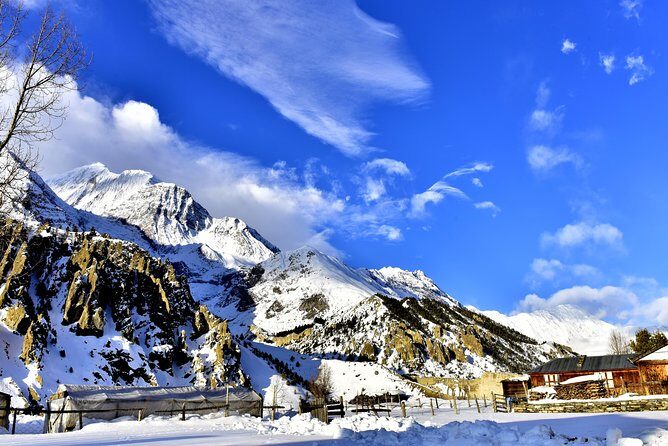
The Annapurna Circuit is famous for a reason: you’re moving through deep valleys, crossing high passes, and watching the scenery change with altitude. But the full circuit can eat up weeks. This short trek is built for people who have limited time yet still want the big moments—without turning the trip into a second life.
Here’s the trade: you still do real trekking days, just fewer of them. So you don’t get that long, slow build where your body adapts like a training program. Instead, you need to show up ready and listen to your guide on pacing.
The practical win is that the trip is designed to be doable in about 12 days (approx.), including arrival and departure. That makes it one of those Nepal plans you can actually fit into a normal vacation calendar.
You can also read our reviews of more hiking tours in Kathmandu


Kathmandu to trail: pickup, permits, and gear you may not pack
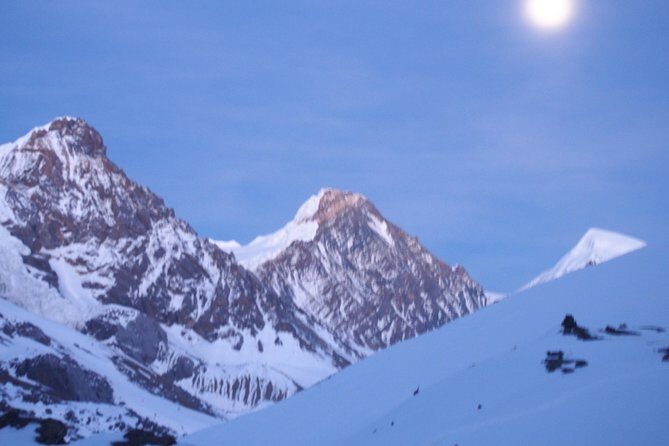
This trip starts in Kathmandu, with pickup from Kathmandu international airport included. There’s also a mobile ticket, which is handy if you’re trying to keep things organized without chasing paper confirmations.
Permits matter a lot on the Annapurna routes, and yours are included here for the Annapurna Circuit trek. You also get a trekking map, which I really appreciate. The map doesn’t replace your guide’s expertise—but it helps you understand where you are, so every turn feels less mysterious.
Gear support is another value point. If you don’t already have one, the package includes a sleeping bag and down jacket—with the note that you’ll need to return them after the trip. I like this approach because it stops the classic beginner problem: buying expensive cold-weather gear for one trek and then never using it again.
Timing is also set. The meeting point says a 7:15 am start time, so you can plan your morning with less guesswork.
From Besisahar area vibes to your first tea house nights
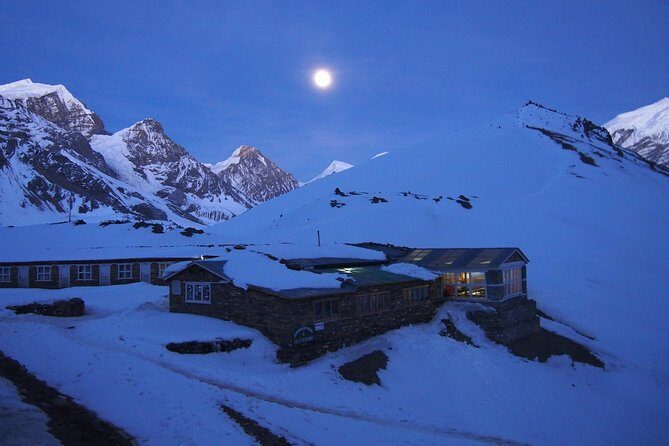
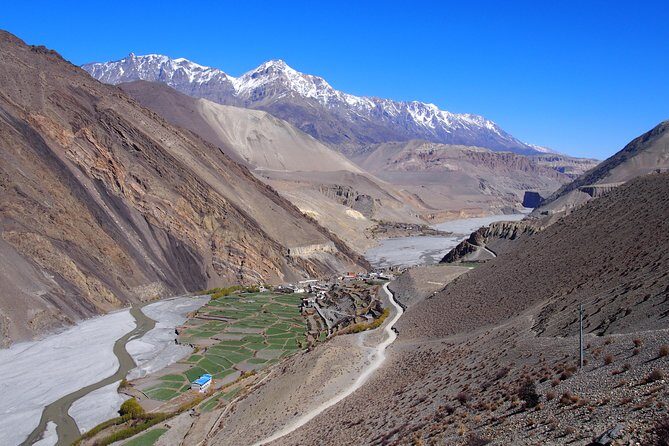
Your journey begins around Besisahar, on the Marshyangdi River. Even if you only catch views briefly, this is the kind of starting region where the mountains look close and the trail feels like it’s already part of your story.
Besisahar is also a sensible place to top up supplies before you go full trail mode. If you missed a snack run in Kathmandu, this is where you can grab what you need.
From there, you’ll transition into the trekking rhythm: walking days ending at tea house accommodations. Tea houses are basic by city standards, but that’s the point—they’re local infrastructure built for trekkers. You get a warm meal, a place to sleep, and the chance to reset before the next day’s effort.
One thing to watch: you’ll likely be moving from the comfort of transport into a world where your schedule is ruled by trail time and weather. Your best strategy is simple: don’t overpack. And don’t treat high altitude like a casual hike.
The high pass day reality: what Thorung La means for your body
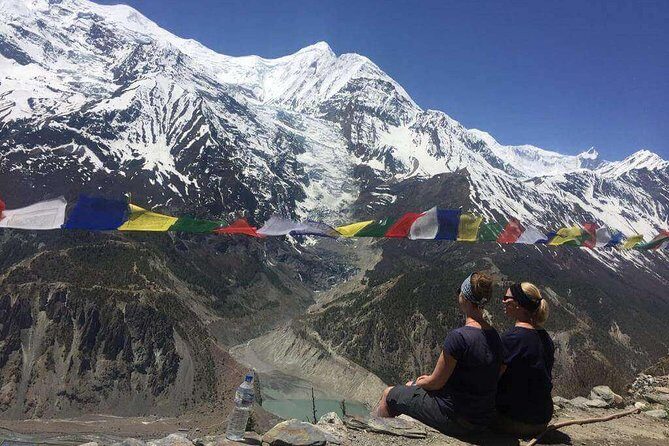
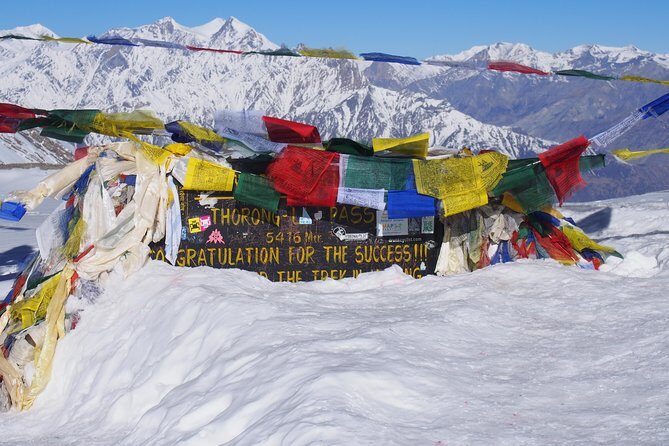
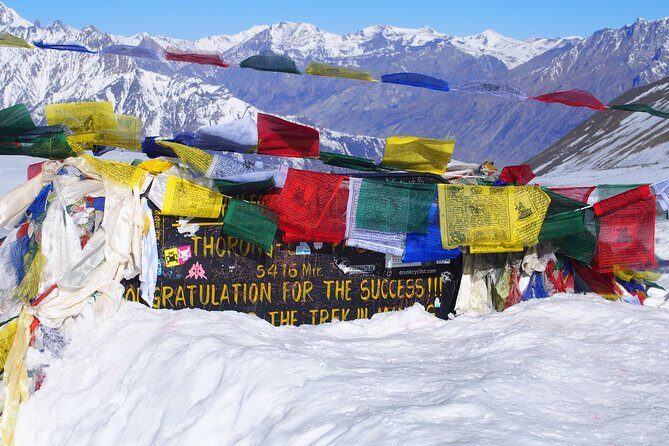
The Annapurna Circuit is known for its high crossings, and one of the big names you’ll hear here is Thorung La (5416 m). Even on a shorter trek, that kind of altitude is a serious day.
What does that mean in real life? Expect slow steps, cold air, and the need to pace yourself more than you think you should. This isn’t just about toughness—it’s about strategy. Go easy at the start of the day, keep breathing controlled, and let the climb come to you.
If your version includes side options, you may hear about things like Tilicho Lake (5000 m) or other high viewpoints. The trip notes say the itinerary can be customized, and guide praise in the available details includes variants that combine extra altitude goals. So ask early if you want add-ons, because they can change the pace and the day-by-day feel.
The best mindset for a high pass day is boring on purpose: aim for steady effort, hydrate consistently, and follow your guide’s advice on acclimatization pacing.
Jomsom finish: why flying out can feel like a gift
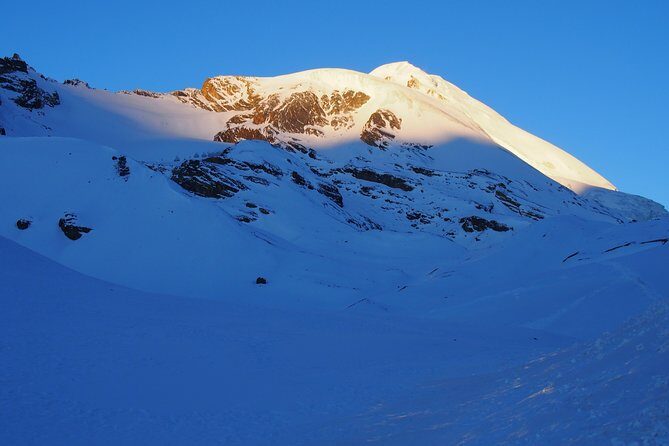
Most Annapurna Circuit lovers will tell you the best reward is the descent and the sense of arrival. This short trek adds an extra practical twist: there’s a flight ticket from Jomson/Jomsom to Pokhara included.
That flight matters because it can save you the kind of extra walking that drains your legs right when you want to enjoy the end of the trek. It also helps you protect vacation time—especially if you’re on a tighter schedule.
After Pokhara, you’ll get tourist bus transport back to Kathmandu. So your exit is planned. No hunting for rides with tired knees and a head full of altitude.
And Pokhara is a smart place to recover. It’s where you can eat something that feels like normal life again, sleep more deeply, and do the post-trek checklist: laundry if you want it, hydration, and checking your gear return.






Food and comfort: included meals and the tea house trade-offs
One of the cleanest value pieces in this itinerary is food. During the trek you get 3 meals a day: breakfast, lunch, and dinner. That reduces decision fatigue. You’re not trying to figure out where the next meal is, or negotiating snack math mid-day when you’re already tired.
Tea houses are also about predictable basics:
- A warm meal at night
- A bed or sleeping space
- A chance to dry out a bit (not always completely, depending on conditions)
Comfort isn’t luxury. But the payoff is that you can keep energy focused on walking, not logistics. If you like simple routines and you’re okay with the trade-offs of mountain accommodation, you’ll do fine.
What I’d plan for personally: bring clothing layers you can manage in the cold mornings, and expect that nights can feel chilly. The down jacket and sleeping bag rental helps, but you still want the right inner layers.
Guides are the difference maker here
The trek itself is about altitude and distance. But the experience is shaped by the human details—pace, advice, reassurance, and the way your guide handles the hard parts when your brain starts bargaining.
In the available guide details, some names show up repeatedly in positive experiences: Santosh, Raj, Bhakta Kubir Rai, Raman Aryal, Sandip, Anja Dhital, Bibek, and Devi Raman Aryal. That pattern isn’t random. It suggests consistent guide quality across different groups and trip timing.
What does that look like day-to-day? You’ll likely get:
- Help adjusting to your speed (especially important on high altitude days)
- Patient, practical explanations that reduce stress
- A positive tone that keeps morale steady when the trail turns slow
Also note: the trip is private. That matters because it’s easier for a guide to tailor pacing and decision-making when it’s just your group. You’re not trying to match the stride of strangers.
Price and value: where your $1,180 really goes
At $1,180 per person, this is not a budget bargain. But it also isn’t just paying for views. A big chunk of what you’re buying is risk and friction removal.
Included items that directly affect your cost and comfort:
- Pickup from Kathmandu international airport
- 1 night accommodation with breakfast in Pokhara
- Bus transportation from Kathmandu to Bulbule
- All necessary permits
- 3 meals per day during the trek
- Tea house accommodation
- A government-licensed experienced helpful and friendly guide
- Sleeping bag and down jacket if you need them (returned after the trip)
- Trekking map and first aid medical kit
- Flight ticket from Jomson/Jomsom to Pokhara
- Tourist bus transport to Kathmandu from Pokhara
- Government taxes and office service charge
What’s not included matters too:
- Accommodation in Kathmandu
- Extra city nights if your timing forces it
- Private transport and air tickets beyond what’s listed
- Travel and rescue insurance (this is on you)
- Porter (listed as not included)
- Personal expenses like phone calls, laundry, bar bills, battery recharge, bottled/shower-type extras
So the value math looks like this: if you were to hire a guide, secure permits, manage lodging, and get the Jomsom flight yourself, costs would likely climb quickly. This package is built to keep those pieces bundled.
Where you might feel the price most: if you already own your cold-weather gear, or if you plan to handle insurance and city lodging on your own. But the included guide, meals, permits, and flight are the core value drivers.
The practical drawbacks to respect before you commit
This trek is short, but it is not gentle.
Here are the main considerations I’d take seriously:
- Moderate fitness requirement: the trip notes say moderate physical fitness level. If you’re unsure, be honest with yourself about your recent hiking stamina.
- Altitude is real even when the route is shorter: Thorung La at 5416 m is the kind of number that changes how your body works, not just how far you walk.
- Tea house living is basic: you get lodging and meals, but don’t expect hotel-level comfort.
- Gear rental return: sleeping bag and down jacket are included if needed, but you must return them after the trip.
Also, your day-to-day can change with conditions. This is mountain trekking. Build in flexibility.
Who this trek suits best (and who should rethink)
This is a great match if you want:
- A high-impact Annapurna experience without full-circuit time demands
- A guided trek with permits and meal planning already handled
- The structure of tea house nights and an organized finish with Jomsom to Pokhara flight
It might be less ideal if:
- You’re looking for a low-altitude walk
- You hate cold mornings and basic accommodation
- You’re expecting a completely hands-off trip with no physical effort
And for people who like to move at a steady pace while still enjoying stops for photos and rest, this format often feels like the best compromise.
If you’re trekking with a partner (like the guide-positive experiences around couples and families), a private format can help keep the pace comfortable and reduce waiting.
Final call: should you book this short Annapurna Circuit?
If you want the Annapurna Circuit feeling—passes, valleys, and tea house trekking—but you can’t spare weeks, I’d say yes, with clear eyes. The biggest strength is how much is included: meals, permits, tea house lodging, guide guidance, and the smart exit via flight.
Book this if:
- Your schedule is tight but you still want a real trek
- You’re okay with basic mountain accommodation
- You can handle moderate fitness and altitude pacing
Reconsider if:
- You’re not comfortable with cold or height, even in a shorter plan
- You need a very flexible itinerary with lots of downtime built in
- You don’t want to do high-altitude days like Thorung La
FAQ
How long is the Annapurna Circuit Short Trek?
The trip is listed as 12 days (approx.), and it notes that the short trek can be completed in about 14 days including arrival and departure.
Where does the trek start, and when do you begin?
The journey begins in Besisahar. The start time is listed as 7:15 am.
Are meals and tea house accommodation included?
Yes. During the trek you get 3 meals a day and tea house accommodation.
Are permits included for the trek?
Yes. All necessary permits for the Annapurna Circuit Trek are included.
Do I get a guide and trekking essentials?
Yes. You’ll have a government-licensed experienced helpful and friendly guide, plus a trekking map and a first aid medical kit.
Do I need to bring my own sleeping bag and down jacket?
If you don’t have them, the package includes a sleeping bag and down jacket. You must return them after the trip.
Is a porter included?
Porter is listed as not included. (You’d need to arrange it separately if you want one.)
Is this tour private?
Yes. It’s listed as a private tour/activity, meaning only your group participates.
Is free cancellation available?
Yes. You can cancel up to 24 hours in advance for a full refund.