REVIEW · POKHARA
Nepalese Kitchen in Pokhara: Momos or Dal Bhat Cooking Class
Book on GetYourGuide →Operated by Snow Peak Tours and Travels pvt. ltd. · Bookable on GetYourGuide
Momo folding is a workout, in a good way. This Nepalese Kitchen experience in Pokhara puts you in a real home kitchen for a hands-on momos or dal bhat lesson, not a staged demo. You get to learn the spices, techniques, and everyday habits that make these dishes taste like Nepal.
I love the fact that you cook alongside a local instructor and actually sit down to eat what you make. I also like the small, private-group feel, with English, Hindi, and Nepali support so you can follow the steps without guessing.
The only real drawback to plan for: you may feel like the portions keep coming. If you’re not hungry or you hate sharing food, this class can push past your comfort zone.
In This Review
- Key points I’d use to decide fast
- Nepalese Kitchen in Pokhara: Why This Class Feels Local, Not Performative
- Getting There from Lakeside Road (and the Quick Photo Stop Moment)
- Inside Sarita’s Kitchen: How the Lesson Actually Works
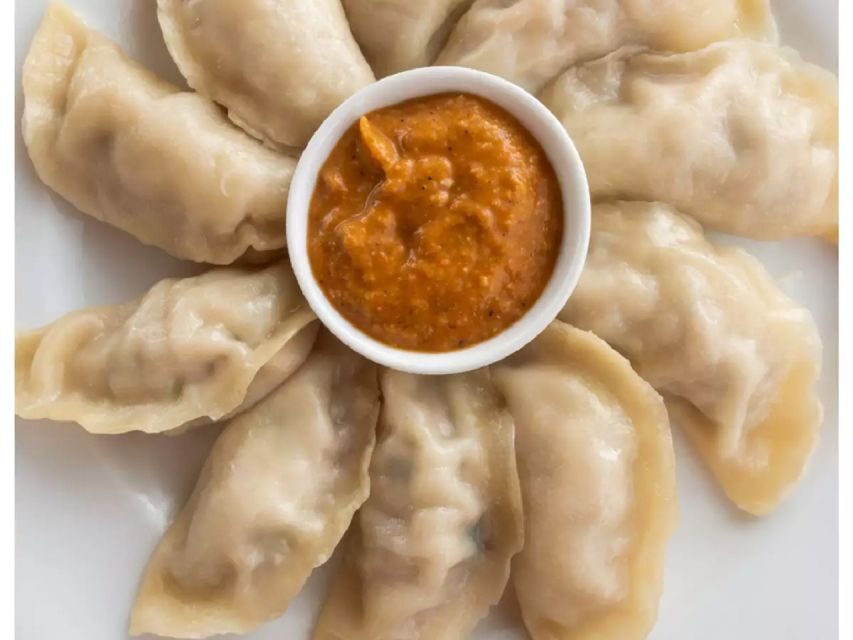
- Momos: The Dumpling-Making Skill You Can Use Anywhere
- Dal Bhat: Learning Nepal’s Comfort-Meal System, Step by Step
- What You Take Home: Recipes, Not Just Memories
- Price and Value in Pokhara: Is $28 Worth It?
- Who This Cooking Class Fits Best (and Who Might Prefer Something Else)
- Final Verdict: Should You Book This Momos or Dal Bhat Class in Pokhara?
- FAQ
- What dish options do I get in this cooking class?
- How long is the experience?
- Is it a private group?
- What’s included in the price?
- What languages will the guide/instructor use?
- Do I need ID to join, and can I use a copy?
Key points I’d use to decide fast
- Real home kitchen in Pokhara, led by a friendly host named Sarita
- Choose momos or dal bhat and learn the full workflow, not just a couple tricks
- Private, intimate setup for your group, so questions don’t get lost
- Learn with fresh ingredients and traditional spice use, including vegetable prep and seasoning
- You’ll leave with a printed or digital recipe, plus practical guidance you can repeat at home
Nepalese Kitchen in Pokhara: Why This Class Feels Local, Not Performative
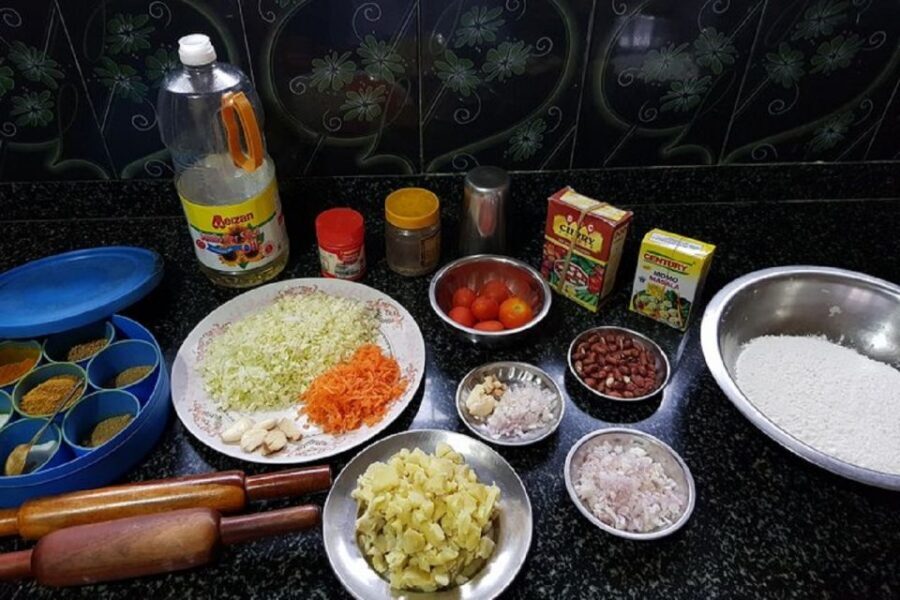
Pokhara is full of cooking tours that show you food, then move you along. This one works differently. You spend your time in a family kitchen where the cooking rhythm looks like daily life, with chopping, mixing, seasoning, and the final meal all happening in front of you.
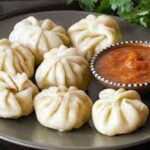
What makes it especially interesting is the dish choice. Momos teach dumpling technique and spice balance in a hands-on way. Dal bhat is a whole-system meal, so you learn more than one component. Either option is a shortcut to understanding why Nepalese comfort food tastes the way it does: seasonings are layered, textures matter, and timing is part of the skill.
I also appreciate the human side of it. In past classes, Sarita’s hosting style shows up as patient teaching, clear explanations, and a relaxed vibe that makes it easier to try even if you’re not a confident cook. A clean kitchen and fresh ingredients come up again and again, which matters because cooking classes can get messy fast when the setup isn’t right.
The final point: you’re paying for a skill session plus a meal. At $28 per person for a 3-hour class with round-trip transfer from the Lakeside area, it’s not just about eating. It’s about learning a process you can repeat, and that’s where the value lives.
You can also read our reviews of more cooking classes in Pokhara
Getting There from Lakeside Road (and the Quick Photo Stop Moment)
The experience starts around the Pokhara Lakeside area, with pickup at Lakeside Road, Lakeside-6. You’ll also return to the same area after the class. That keeps things simple. Instead of hunting for a meeting point in town traffic, you get picked up and dropped off.
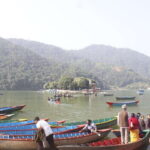
There’s also a short window that includes a photo stop, a visit, and free time, plus guided time before the cooking portion. Since details like exactly what you see aren’t spelled out in advance, treat this as a light orientation and a chance to get comfortable in the area before you start working in the kitchen.
For logistics, this has two advantages:
- It reduces the chance you’ll waste energy figuring out transport right before cooking.
- It makes the day feel like a flow, not a scramble.
One transportation note to keep in mind: while transfer quality is rated highly overall, at least one person reported a taxi trying to push extra services. If that happens to you, be calm and firm, then stick with the agreed plan.
Inside Sarita’s Kitchen: How the Lesson Actually Works
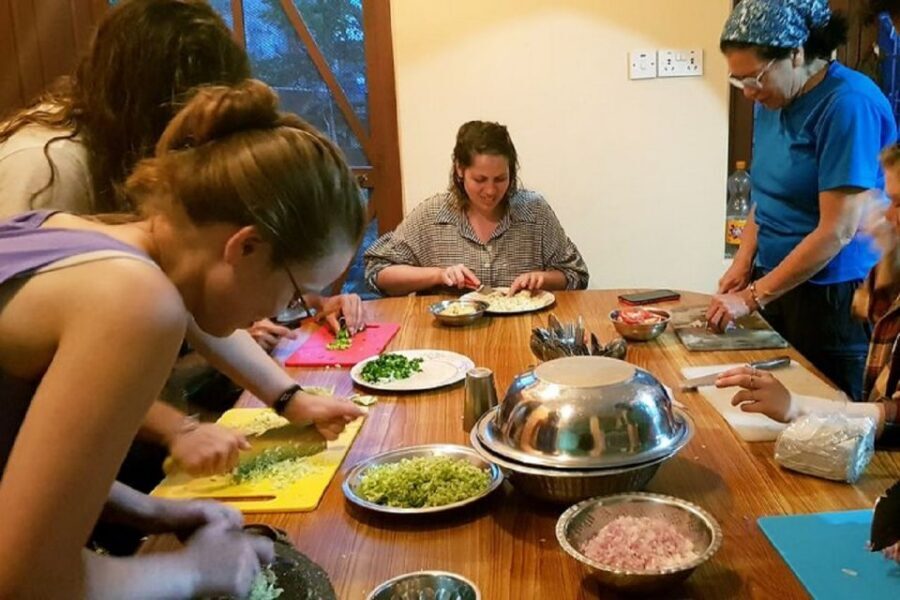
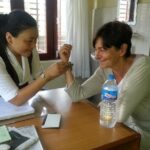
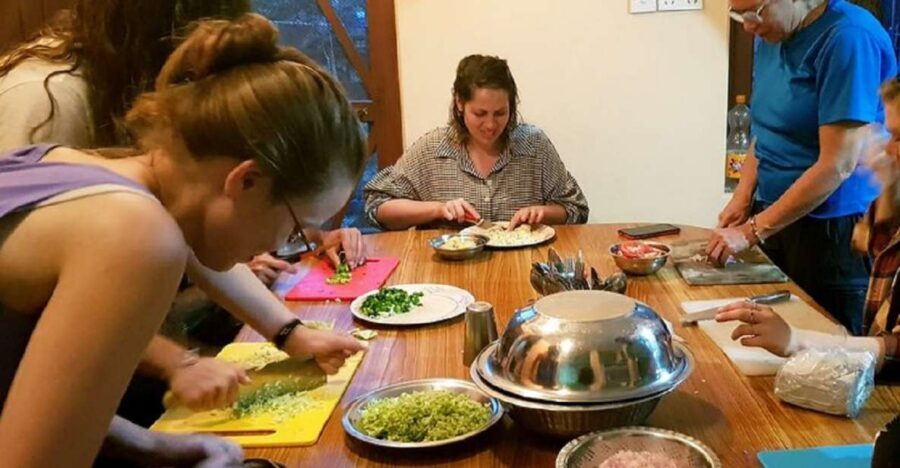
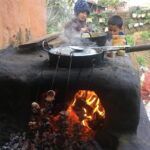
You’re not just watching instructions. You’re doing the work—hand-by-hand. The class begins with a warm introduction to local ingredients, spices, and everyday cooking methods used in Nepalese homes. From there, the steps shift into action: chopping, mixing, seasoning, and cooking with guidance.
A big part of the class value is how it teaches technique, not just recipes. Cooking momo wrappers, for example, is a “feel” skill—proper thickness and shaping affect the outcome. Dal bhat is also more than a single pot. It’s built on seasoning discipline and managing multiple elements so the meal comes together right.
Here’s what you can expect during the lesson:
- Step-by-step instruction from your local host, with explanations in English, Hindi, or Nepali
- You’ll prep ingredients alongside the instructor, so you learn what goes where and when
- You’ll cook in a home kitchen, which changes the pace compared with a commercial cooking setup
- After cooking, you sit down and eat the dish you made, with conversation that often adds cultural context
Based on the tone of the experience described by past participants, the teaching style is patient and structured. People note that Sarita is organized, explains clearly, and keeps things comfortable even if your language skills are basic. One participant even mentioned getting recipe instructions in their native language, which is a smart touch if you want to reproduce the dishes later.
Practical tip: don’t show up with a picky mindset. If you’re open to spices and fresh ingredients, you’ll get more out of the lesson than if you’re trying to mentally translate everything into your own cooking habits.
Momos: The Dumpling-Making Skill You Can Use Anywhere
If you pick momos, expect a lesson that focuses on the mechanics of dumplings and the flavor logic behind Nepalese fillings and sauces.
Momos are a great “learn fast, use forever” dish. Once you understand the wrapper, filling balance, and shaping method, you can adapt the fillings later with whatever vegetables or proteins you like.
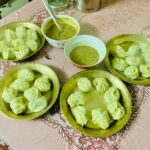
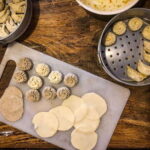
From what people describe, the session can be surprisingly productive. One class included shaping enough momos that the group left with a serious quantity. That’s a clue to how hands-on the class really is. You won’t just make a token sample. You’ll likely spend real time chopping and mixing filling, then shaping dumplings with a guide nearby.
What to watch for while you cook:
- Shaping takes practice. Your first dumplings might look funny. That’s normal.
- Proper seasoning in the filling is the difference between bland and memorable.
- Cooking technique matters for texture, especially for steamed momo results.
If you’re the type who likes to bring food home, consider bringing a small to-go container. People have recommended this because the class can leave you very full—and it’s nice to have an option for leftovers.
Also, if you’re short on time, know this: momos take longer than you think when you’re learning from scratch. The class is planned around teaching, not speed-churn efficiency.
Dal Bhat: Learning Nepal’s Comfort-Meal System, Step by Step
Choosing dal bhat is like learning the logic behind a complete meal. Instead of just one technique, you learn how seasoning and components work together.
Dal bhat is beloved in Nepal for a reason: it’s filling, balanced, and built for daily life. In this class, you’ll start from scratch and follow a process that helps you understand what to cook and why. Past participants describe it as delicious and also surprisingly educational, because it involves multiple steps.
A key advantage of dal bhat cooking is that it teaches habits you can carry into other meals:
- Layering flavor with spices rather than dumping seasoning at the end
- Understanding how lentils and vegetables develop taste during cooking
- Getting comfortable with step order so nothing tastes rushed
One feedback item worth noting: someone suggested that a printout available earlier would help some cooks follow steps without getting lost during the process. That tells me the class runs with a practical pace. If you want a smoother experience, ask to access the recipe early so you can check steps while you cook.
Bottom line: if you want something you can recreate for family meals at home, dal bhat is an excellent choice. It’s also a more gentle option than momos if you’re worried about shaping technique, though dal bhat still has a lot of steps.
A few more Pokhara tours and experiences worth a look
What You Take Home: Recipes, Not Just Memories
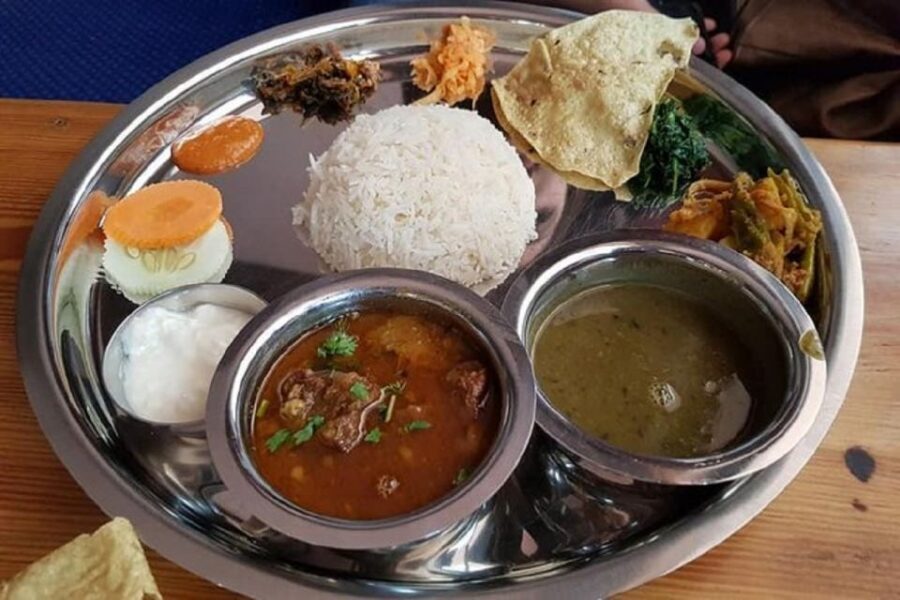
This class includes a printed or digital recipe so you can recreate what you learned. That’s important. Many cooking classes hand you a vague card afterward. Here, the intent is clearly to help you repeat the dishes with some structure.
If you’re trying to cook at home soon after returning, focus on the parts that the class makes easier:
- ingredient list and spice sequence
- practical method notes for preparation steps
- guidance on how the finished dish should taste and feel
One participant mentioned receiving the full recipe forwarded in their native language, which suggests the host is thinking about comprehension, not just documentation. Even if you get the recipe in standard form, you’ll still have a grounded reference for quantities and steps.
Also, you get the meal you prepare during the class. That matters because taste is part of learning. When you know what the dish is supposed to be like, you can troubleshoot better at home.
Price and Value in Pokhara: Is $28 Worth It?
At $28 per person for a 3-hour home-kitchen lesson with round-trip transfer from Lakeside, the value depends on your goal.
Here’s how I’d think about it:
- If your goal is a nice meal only, this may not beat a restaurant deal where you can eat and leave fast.
- If your goal is a real cooking skill and a recipe you can repeat, this price starts to make sense quickly.
You’re paying for:
- a local instructor (and a home setting, which is usually more relaxed and more “real” than commercial kitchens)
- fresh ingredients and spices
- hands-on time across prep and cooking
- the meal itself
And you’re getting a private-group experience. That tends to improve the learning. If the instructor can focus on fewer people, you get better pacing, more corrections, and fewer moments where you feel left behind.
One more value factor: transportation is included from the Lakeside area. In a city where timing can get tricky, removing friction before cooking is a real benefit.
If you’re on a tight budget, consider this one a splurge that pays off because it teaches you something you can use later. I’d treat it like a skill tour more than a food stop.
Who This Cooking Class Fits Best (and Who Might Prefer Something Else)
This is best for:
- couples who want a calm, cultural activity that isn’t exhausting
- solo travelers who like a structured experience with a warm host
- anyone who likes hands-on cooking and wants to learn Nepali spice and technique
- food lovers who want recipes they can cook later, not just a meal they forget
It may feel less ideal if:
- you’re very short on time in Pokhara and need a faster half-hour food taste
- you dislike eating a lot during experiences
- you want a highly formal, restaurant-style cooking class structure
One small hint from past classes: people advised arriving hungry. That’s a good sign of portion size and meal satisfaction, but it also means you should plan your day so you’re not trying to squeeze in another big meal right afterward.
Final Verdict: Should You Book This Momos or Dal Bhat Class in Pokhara?
If you want an authentic, hands-on Nepalese food experience in Pokhara, I think this is a strong choice. The home-kitchen setting, Sarita’s patient teaching style, and the fact that you actually cook and eat what you make add up to an activity that feels personal and useful—not just entertaining.
Book it if you care about learning technique, spices, and a process you can repeat. Bring an appetite, and consider a to-go container if you like leftovers.
Skip it only if you’re looking for a quick snack stop or you’d rather watch than cook. Otherwise, this is one of the more practical cultural activities you can do in Pokhara, with a meal at the end and a recipe to carry home.
FAQ
What dish options do I get in this cooking class?
You can choose between cooking Nepali momos or dal bhat, and your instructor guides you step by step for the option you pick.
How long is the experience?
The class lasts 3 hours.
Is it a private group?
Yes, the experience is set up as a private group.
What’s included in the price?
The included items are round-trip transfer from the Pokhara Lakeside area, the cooking class with a local instructor, fresh ingredients and spices, hands-on guidance, the meal you cook, drinking water, and a printed or digital recipe.
What languages will the guide/instructor use?
The live guide/instructor can work in English, Hindi, and Nepali.
Do I need ID to join, and can I use a copy?
You should bring a passport or ID card, and a copy is accepted.