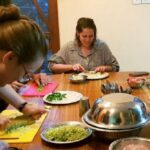
In Pokhara, dinner can be taught. This authentic Thakali cooking class is built around a real household kitchen feel, with you cooking step-by-step instead of just watching. I like the hands-on part most, because you chop, stir, and learn as you go, then you sit down to eat what you helped make.
You’ll also get that rare combo of strong flavor education and a relaxed vibe. The chef and family members are friendly and patient, and you’ll get chances to taste while the dishes are cooking. The only real drawback to plan for is that Thakali food can lean heavy on spices, so if you’re very spice-shy, tell your hosts early.
In This Review
- Key things to know before you cook Thakali in Pokhara
- Thakali cooking in Pokhara: why this feels like a home meal
- Hotel pickup and a 3-hour schedule you can actually handle
- Welcome to Thakali cuisine: spices, tools, and the logic behind the flavors
- Hands-on cooking: chopping, stirring, tasting, and learning the steps
- The signature dish moment: building flavor for Dal Bhat and other favorites
- Lunch included: what you take away when you eat what you made
- How much is $45 worth in real terms?
- Who should book this Thakali cooking class (and who should reconsider)
- Quick practical notes so you enjoy it fully
- FAQ
- FAQ
- What is the duration of the Pokhara Thakali cooking class?
- Is hotel pickup and drop-off included?
- Will I cook or just watch?
- What will I eat?
- Is this a private experience or mixed with other groups?
- Can I cancel and still get a refund?
- Should you book this cooking class in Pokhara?
Key things to know before you cook Thakali in Pokhara
- Hotel pickup and drop-off make the whole thing easy to fit into your day.
- English-speaking family chef guidance, with clear step-by-step coaching.
- Hands-on cooking where you actually prepare the meal, not just observe.
- Local spices and homegrown ingredients show up in the way the food is built.
- Lunch with soft drinks is included, so you’re not spending extra after the class.
- Reviews highlight a warm family welcome (you’ll feel like you’ve been invited in).
Thakali cooking in Pokhara: why this feels like a home meal
Thakali food is not about one magic ingredient. It’s about balance: spices, vegetables, and staples working together in a way that tastes hearty, steady, and very Nepal. In Pokhara, this class matters because you’re not learning the “what” only—you’re learning the “how,” right in a working kitchen where people cook daily.
The best part for me is the tone. This isn’t a stiff cooking show. It’s more like you join a family for a few hours, roll up your sleeves, and learn by doing. If you’ve ever felt cooking classes are too performative, the pace here is different: you’ll have real tasks, and the family chef stays focused on teaching you.
You should also know that Thakali food often uses a lot of spice. One of the most repeated pieces of feedback is exactly that: expect bold seasoning and plan accordingly. If you’re worried about heat, you can still enjoy the process—just communicate your spice comfort level early.
You can also read our reviews of more cooking classes in Pokhara

Hotel pickup and a 3-hour schedule you can actually handle
This is one of those tours that respects your time. The class runs about 3 hours, which is long enough to cook properly but not so long that it hijacks your whole day. Since round-trip transfer by private car is included, you don’t waste your morning hunting for transport or worrying about timing.
In practice, that means the day feels simple. You get picked up, you head to the kitchen area, and you return afterward. It’s especially helpful in Pokhara where you might be moving between lakeside and a neighborhood area, and walking logistics can eat time.
One small consideration: because it’s private for your group, the schedule is likely built around your arrival and the kitchen rhythm. So try to be ready at pickup time and avoid arriving late with everything still on your schedule.
Welcome to Thakali cuisine: spices, tools, and the logic behind the flavors
Your session starts with an introduction to Thakali cuisine—what makes it Thakali, what spices do, and why the ingredients are treated the way they are. This matters because Thakali cooking isn’t just “season more.” It’s structured. You’ll learn how seasoning is added, how flavors build, and how different components in the same meal stay balanced.
From reviews, the chefs pay attention to how the kitchen runs. For example, one guest talked about seeing spices kept organized and an efficient flow while they cooked. That’s a real teaching tool: when spices and tools are easy to reach, you cook with confidence instead of chaos.
You’ll also be working with traditional utensils and local-spice methods (the kind you usually don’t see in casual cooking classes). The goal isn’t nostalgia. It’s that old-school process that makes the food taste the way it does.
Hands-on cooking: chopping, stirring, tasting, and learning the steps
Here’s where this class earns its top rating: it’s hands-on. You don’t just stand around and take notes. You actively participate—chopping vegetables, working through steps, and stirring pots while the chef guides you.
You might be with a chef like Sanva (and even her cousin, per one review), or you might learn from someone like Shanta, or from kitchen team members described as Roma and Rita. The key isn’t which name you get—it’s that you’re taught in a way that makes you feel comfortable moving around the kitchen.
Expect a kitchen rhythm where you’re always “on.” One review described how guests saw efficient movement in the kitchen and used vegetables that were familiar to the local growing area. Another mentioned tasting dishes as they cooked. That’s a huge difference from many classes. You get feedback while you’re learning, not hours later after the food is gone.
A practical tip from the experience: don’t show up hungry in a relaxed way. Show up ready. More than one guest advice is clear—don’t eat breakfast beforehand, because you’ll have a lot of good food coming after you cook.
If you have a sensitive stomach or you’re not used to spice, tell the chef at the start. The class includes ingredients and utensils, so the staff can guide you on how to handle seasonings during your cooking tasks.
The signature dish moment: building flavor for Dal Bhat and other favorites
The class focuses on preparing a signature Thakali dish, with examples like Dal Bhat or other traditional specialties. What you’ll learn is the balance: how spices, vegetables, and staple components come together so the meal tastes complete instead of random.
Even without a strict “watch this technique” framing, you’ll notice that the chef teaches in small, repeatable steps. One of the best outcomes described in reviews is learning the secrets of spices and the process—how to create that warm, savory flavor that feels Nepalese and home-cooked.
You’ll also have a chance to taste the dishes while they’re being prepared. That’s not just a treat; it’s instruction. It trains your palate to understand what’s happening as the dish develops.
And because Thakali meals are built for comfort and staying power, you’re not just learning one-off flavors. You’re learning how a Nepali household thinks about a full plate: not separate experiments, but a coordinated meal.
A few more Pokhara tours and experiences worth a look
Lunch included: what you take away when you eat what you made
The class includes lunch with soft drinks, which makes the experience feel complete. You cook, you taste, and then you sit down to eat. That matters because it turns the cooking session into a meal experience, not a lab that ends when the ingredients run out.
One repeated theme in the feedback is that the final meal is the payoff: the grand finale is lunch, and it’s not a token snack. You’ll leave full with food that has been explained to you while you were actively cooking it.
This is also when you’ll understand why the class is designed around the family kitchen. A family meal carries context. You learn how people season, how they share food, and how the meal works culturally—not only how it works technically.
If you’re traveling with kids, the class can work well. One review specifically mentioned an eight-year-old having a fun time, and that’s a good sign that the pacing and teaching approach are friendly enough for younger learners who can participate.
How much is $45 worth in real terms?
At $45 per person, this is priced like a focused food experience, not a generic tour. What makes it feel like good value is that you get a package of practical inclusions:
- Hotel pickup and drop-off
- Private car round-trip transfer
- English-speaking experienced cooking family chef
- All cooking ingredients and utensils
- Lunch with soft drinks
When you add those together, the cost becomes less about “paying for cooking lessons” and more about paying for a fully handled, local food afternoon. If you were to do this independently—find the right kitchen contact, source ingredients, hire an instructor, and cover transport—you’d likely spend more.
The other value is intangible but real: family hospitality. Multiple reviews highlight a warm, gracious welcome and the fun of getting to know the people behind the food. That turns the experience into something you remember, not just something you photographed.
Who should book this Thakali cooking class (and who should reconsider)
This class is a strong fit if you want practical cooking skill and a real culture moment. It’s ideal if you like hands-on learning, enjoy spices, and prefer experiences where you’re invited into a home kitchen rather than placed in a staged environment.
You’ll also appreciate it if you’re the type of traveler who enjoys small details—like how spices are organized, how efficiently the kitchen runs, and how homegrown ingredients show up in the dish.
Consider a different option if you’re looking for a purely instructional cooking demo where you mostly watch. This class is designed for participation. You’ll be doing tasks, so it’s best when you’re comfortable getting involved.
And plan your appetite and spice tolerance. With Thakali cooking leaning into spice, you’ll be happiest if you come ready to taste and learn how seasoning works instead of avoiding it.
Quick practical notes so you enjoy it fully
A few things will make your time smoother:
- Eat lightly beforehand, especially if you’re the type who normally starts the day with a full breakfast.
- Wear comfortable clothes you can move around in. You’ll be in a working kitchen area.
- Bring curiosity. The chef teaching approach is clear and patient in the way the family interacts.
- If spice is a concern, say so at the start so adjustments can be made while you cook.
The vibe is friendly and relaxed, and you’re there to learn. The staff seem to take that role seriously, from teaching efficiently through to serving the lunch that completes the experience.
FAQ
FAQ
What is the duration of the Pokhara Thakali cooking class?
It runs for about 3 hours.
Is hotel pickup and drop-off included?
Yes. Hotel pickup and drop-off are included, along with round-trip transfer by private car.
Will I cook or just watch?
You’ll do hands-on cooking. You’ll help prepare the Thakali dish step by step, guided by an English-speaking cooking family chef.
What will I eat?
Lunch is included, with soft drinks. The class focuses on preparing a signature Thakali dish such as Dal Bhat or other traditional specialties.
Is this a private experience or mixed with other groups?
This is a private tour/activity, and only your group participates.
Can I cancel and still get a refund?
Yes. You can cancel for a full refund if you cancel up to 24 hours in advance.
Should you book this cooking class in Pokhara?
Book it if you want more than a meal. This is one of the better ways to understand Thakali cuisine because the instruction is built into the cooking itself—spices, steps, utensils, and tasting as you go. The combination of hands-on participation and lunch included is what makes it feel like real value, especially with pickup and private transfers handled.
Skip or adjust expectations only if you’re not into spice or you’d rather watch than participate. If that’s you, still talk to the chef early. Otherwise, I think this is a smart Pokhara choice when you want a memorable, authentic food experience without the stress of planning it yourself.