REVIEW · KATHMANDU
Everest Base Camp: 3 Hour Helicopter Sightseeing Tour
Book on GetYourGuide →Operated by Nepal Social Treks · Bookable on GetYourGuide
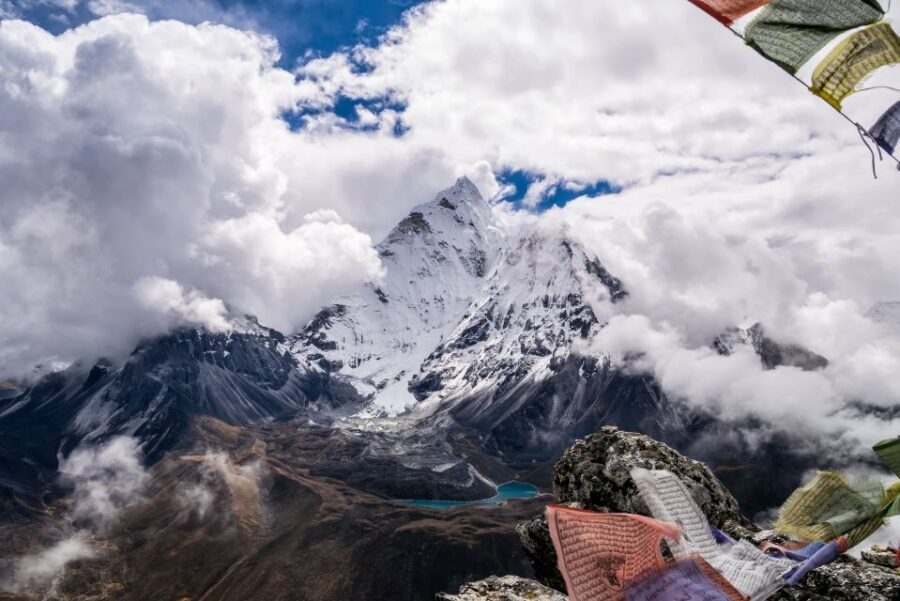
The clouds part over Everest. This 3-hour helicopter route is a rare way to see Everest Base Camp and the highest-view hotel area without spending weeks hiking the Khumbu. I like that each person gets a window seat, and I also love the short, special stop for tea or breakfast at Everest View Hotel as the mountains reappear and disappear in the cloud drift.
One big consideration: the whole plan depends on flying conditions. If the weather is unsuitable, you may be rescheduled or refunded, and the day can feel tight because you have a maximum of 45 minutes at the hotel for views and refreshments.
In This Review
- Key Things to Notice Before You Go
- Everest Base Camp by Helicopter: Why This Tour Works for Real Schedules
- Getting There From Kathmandu (and Patan) Without Losing the Morning
- Kathmandu to Lukla: The Gateway Leg
- Over Namche, Tengboche, Dingboche, and Toward Gorakshep
- Reaching Above Everest Base Camp: What You’ll Actually See
- Everest View Hotel: The 45-Minute Cloud-Level Break
- The Return Flight: Back to Lukla and Then to Kathmandu
- What $1,600 Gets You (and What It Doesn’t)
- Safety, Pilots, and the Way the Day Feels
- What to Bring (and the Small Rules That Save Hassle)
- Who Should Book This Everest Helicopter Tour
- Who Might Want to Skip It
- Should You Book Everest Base Camp by Helicopter?
- FAQ
- How long is the Everest Base Camp helicopter sightseeing tour?
- What is the price per person?
- Where does pickup happen?
- Do I get a window seat?
- Is breakfast included at Everest View Hotel?
- What’s included in the price?
- Are national park entrance fees included?
- What should I bring, and are there any restrictions?
Key Things to Notice Before You Go
- 5-person helicopter feel: small group, lots of personal space, no crowd pushing for photos
- Window seats for everyone on the flight to Everest Base Camp
- Everest View Hotel stop with a hard time limit for tea/coffee or breakfast
- A real route over Sherpa hubs like Namche, Tengboche, and Dingboche
- Weather decides the timeline, so be ready for a reschedule day
- Professional flight operations with pilots named Alistair and Troy mentioned in prior experiences
Everest Base Camp by Helicopter: Why This Tour Works for Real Schedules
Not everyone can carve out a month (or more) for the full Everest Base Camp trek. This is built for the “I only have a short window” traveler who still wants to stand in the story of the Khumbu. In a few hours, you’ll fly over the places most people only reach after long days on foot, then you’ll spend a small but meaningful chunk of time at the Everest View Hotel area.
What makes it feel different from a quick scenic flight is the focus on the Everest spine: you’re not just skimming the region from far away. You go toward Everest Base Camp, and along the way the flight passes over key settlements and valleys that you’d recognize on the trekking map.
The other reason it works is group size. With just up to 5 participants aboard the helicopter, you’ll usually get a calmer experience than you’d have on a larger excursion. Everyone can position for photos, and the pilot has less passenger traffic to manage during critical flight moments.
A few more Kathmandu tours and experiences worth a look

Getting There From Kathmandu (and Patan) Without Losing the Morning
Your day starts with pickup from Kathmandu or Patan, with multiple options listed like Bhaktapur (Rammandir Rd 12), Lalitpur, and locations that include a Bikers Club and the airport area. Your exact pickup time is confirmed after booking, and your transfer is designed around the flight schedule rather than a slow breakfast-and-cafe crawl.
You also get an express-style security check. That matters because even a small delay near departure can ripple into a tight flight itinerary. You’ll want to keep your bag small, since you’re asked not to carry large luggage. Bring what you need for warmth; the mountains do not care about your itinerary.
English guidance is included, which helps with the flow of the day. You’re not just being transported; you’re being told what you’re doing and why.
Kathmandu to Lukla: The Gateway Leg
The flight heads east from Kathmandu toward the Everest gateway area around Lukla. Along the way, you’ll pass over parts of the region that connect to the classic trekking route. One practical detail: the experience includes a fuel step at Lukla, so it’s not always a straight shot.
On some flights, you may also see operational stops connected to supplies and crew needs. For example, one prior experience described flying to Lukla first to drop off a technician and handle fuel and food, then continuing on to the mountain sector. That’s a useful mental model: this isn’t a toy sightseeing lap; it’s a working aviation route that may include these brief stops.
The best part of the Lukla gateway leg is what it signals. Once you’re in that phase, the trip stops feeling like Kathmandu-to-Everest sightseeing and starts feeling like you’ve actually crossed into the Khumbu world—faster, yes, but unmistakably the same geography.
Over Namche, Tengboche, Dingboche, and Toward Gorakshep
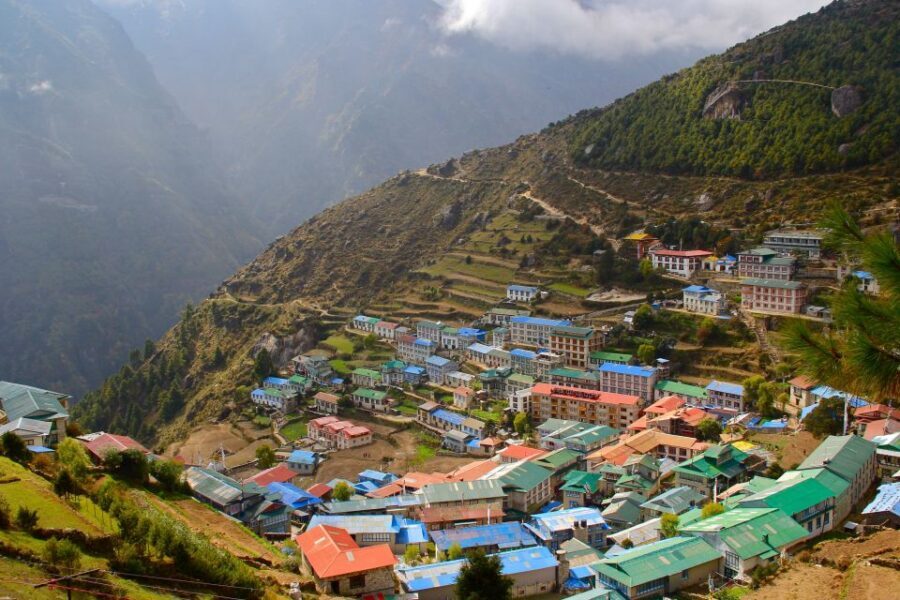
After Lukla, the flight shifts into the high-mountain corridors. You’ll see views over places like Namche Bazaar, Tengboche, Dingboche, Gorakshep, and the Khumbu glaciers. Even if you’ve never trekked here, these names land because they’re trekking landmarks.
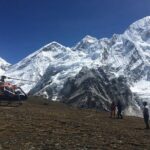
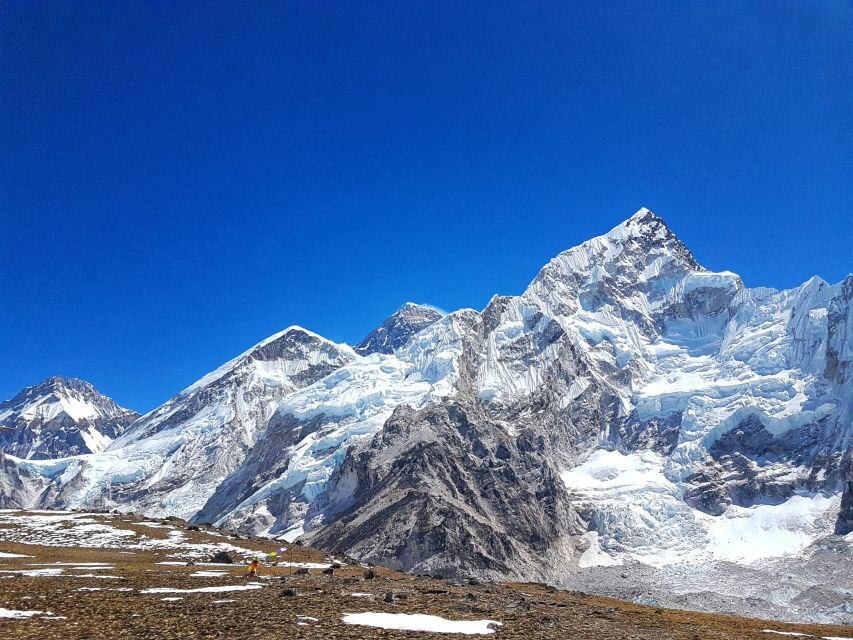
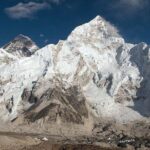
You’ll also get multiple mountain highlights from the air, including views of Mount Everest, plus Nuptse, Changtse, and Lhotse. Those are not random peaks. They’re the wall-and-knife-edge profile that makes this region famous in the first place.
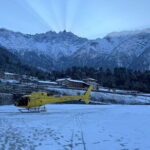
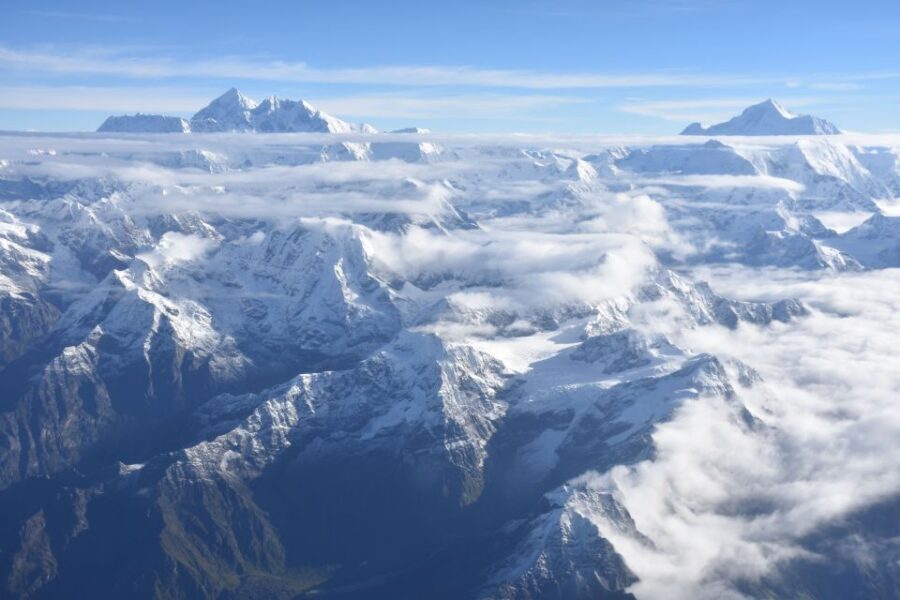
This is also where timing and cloud cover start to matter. The mountains can hide behind cloud, then reveal themselves fast. One prior experience mentioned blue skies with hardly any wind, and that kind of day makes the difference between seeing shapes and seeing details. When clouds drift past peaks, you can feel the whole region changing.
Reaching Above Everest Base Camp: What You’ll Actually See
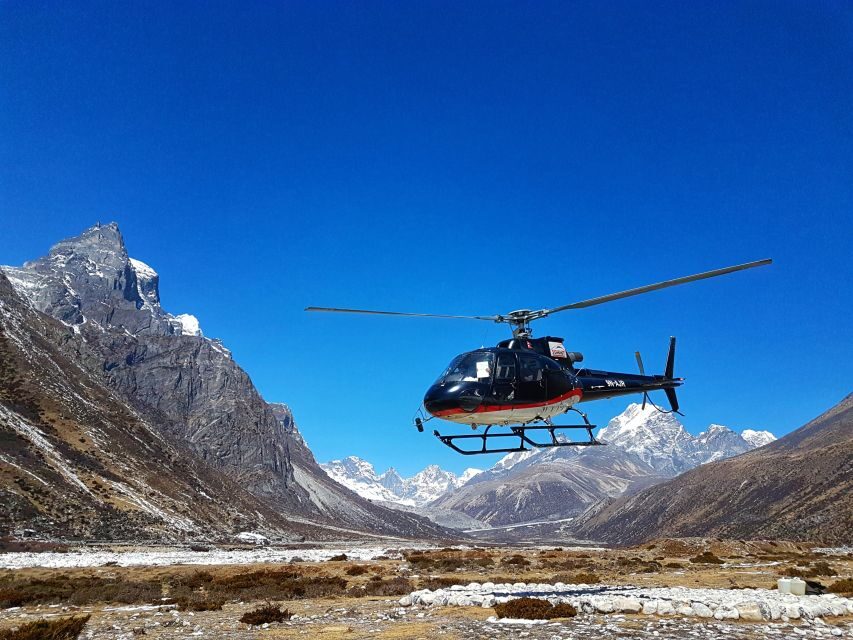
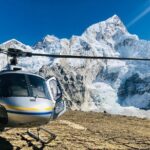
The core moment is flying over Everest Base Camp. You shouldn’t expect a “walk around Base Camp” experience—this is an aerial sightseeing tour with a hotel stop, not a trekking expedition with on-foot time at the campsite.
Even without stepping onto the ground, the view from above the Base Camp area can be emotionally powerful. One earlier experience described how time next to Everest Base Camp felt beyond words, and that matches what your body usually reacts to when you finally see that scale from the air: it’s hard to put into normal travel language.
Also, you should understand the flight altitude isn’t something you can control day-to-day. On one described departure, the group flew around 19,000 feet above basecamp, which is the kind of height that delivers big, readable views. Your exact numbers can vary with routing and weather, but the idea stays the same: you’re there for the Everest spine in a way most day tours never reach.
A few more Kathmandu tours and experiences worth a look

Everest View Hotel: The 45-Minute Cloud-Level Break
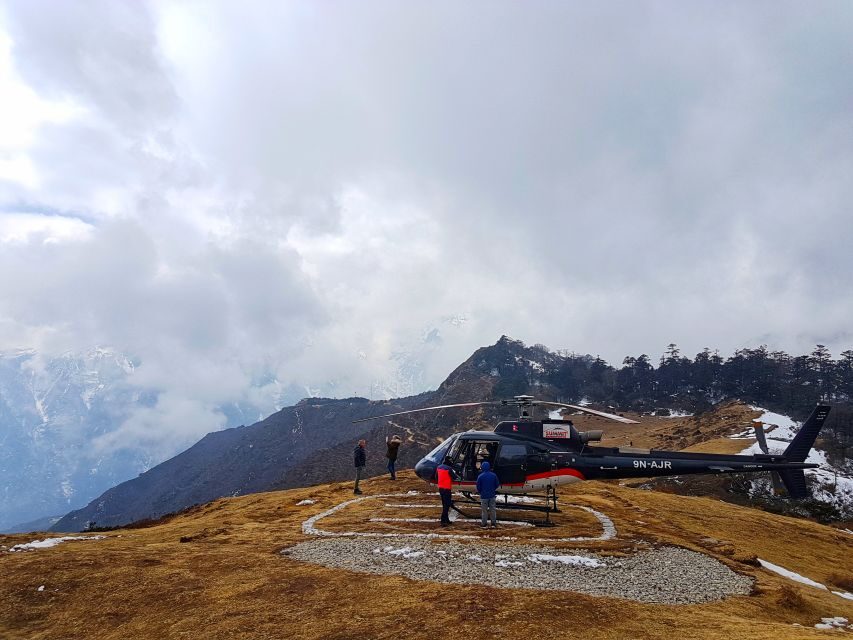
This is the stop you’ll remember long after the helicopter sound fades. You get a maximum of 45 minutes landing time at the Everest View Hotel for refreshment. Options include tea or coffee, and breakfast is part of what the experience is designed around—though breakfast itself is specifically listed as not included in the tour price.
So plan around a quick hit:
- Take photos fast, since cloud timing can change in minutes.
- Use the time for a warm drink and a moment to scan the peaks.
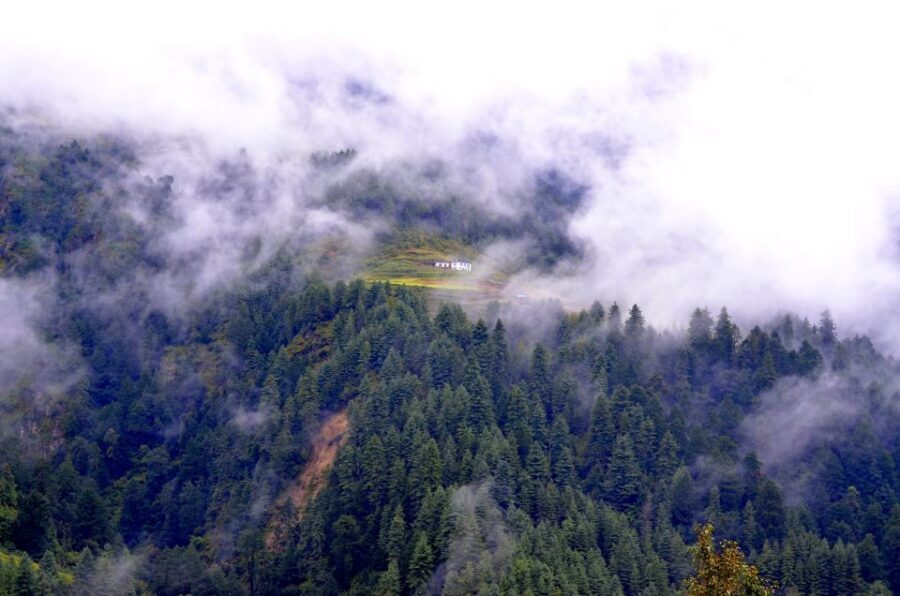
- Watch the shifting scenery as clouds drift past, revealing forests and smaller villages on the slopes.
A key thing I like about this hotel-area stop is how it gives you a “pause” inside an otherwise fast day. The flight is motion and speed; the hotel time is stillness and perspective. You can actually look at the mountain shapes long enough for your brain to map where you are in the Khumbu.
And because it’s capped at 45 minutes, the stop keeps its focus. You’re not stuck for hours. You’re there when the views are likely to do their best work.
The Return Flight: Back to Lukla and Then to Kathmandu
After the hotel break, you’ll fly back toward Lukla for fueling and then continue to Kathmandu to end the experience. The structure is similar to the outbound leg: brief operational stops and then the main visual sweep.
If you’re an order-and-checklist type of traveler, this helps reduce stress. You know the day won’t stretch endlessly. It’s a 3-hour experience overall, with the flight and hotel time built into that window.
One practical detail mentioned in a prior experience is that the helicopter may also pick up a climber on the return. That’s not something you should expect every time, but it reinforces how flexible and functional these flights can be. You’re riding a helicopter route serving multiple people with multiple needs.
What $1,600 Gets You (and What It Doesn’t)
At $1,600 per person, this is not cheap. But it’s also not a “pay a lot for nothing” kind of price if you look at what’s included.
What you get:
- A chartered helicopter flight
- Sightseeing as per the route (including the Everest Base Camp area overflight)
- Passenger insurance
- English live tour support
- Pickup from Kathmandu and Patan zones
- Window seating for each participant
What costs extra:
- National Park entrance fees (not included)
- Breakfast at the Everest View Hotel (listed as not included)
So where does the value land? You’re paying for time in a helicopter, not for a standard tour bus or a single scenic viewpoint. You’re also paying for the advantage of a small group (up to 5), where everyone can see and photograph without being hemmed in.
If you’re comparing against a trek, don’t only compare money. Compare time and energy. A helicopter tour buys you the Everest story in hours instead of weeks, with a different kind of “payoff.” It’s a memory of altitude and angles rather than a memory of daily progress and acclimatization.
Safety, Pilots, and the Way the Day Feels
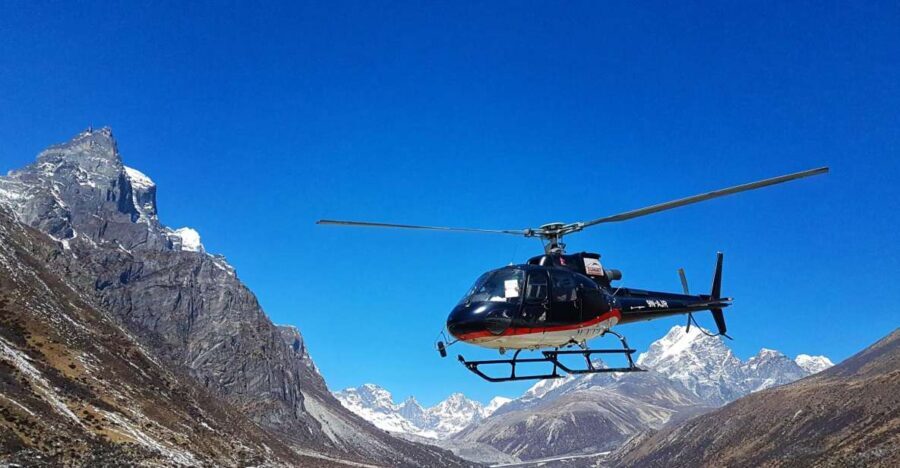
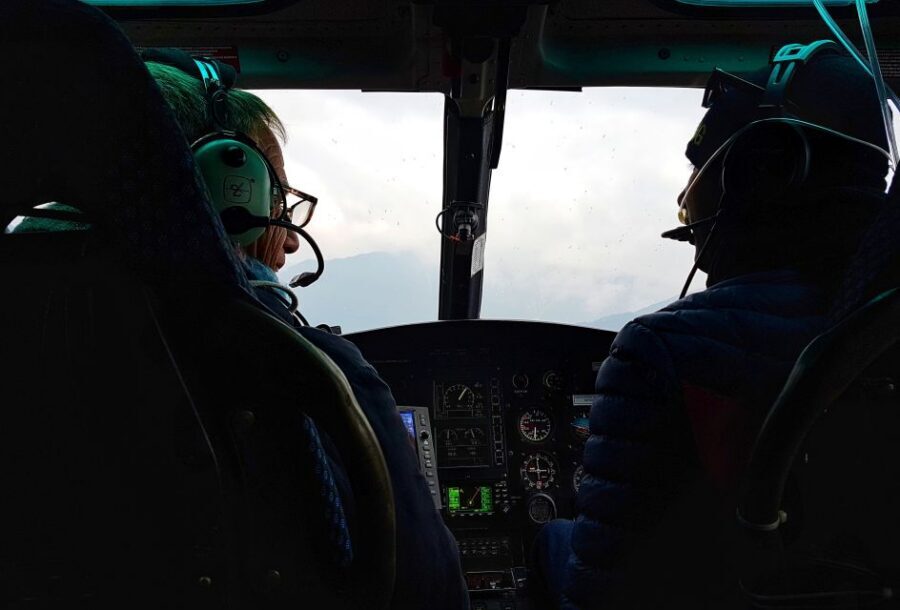
Safety is built into how this is run, and prior experiences specifically praised professional, safe flying. Pilot names Alistair and Troy came up, with comments about being professional and very safe. One experience also described an Airbus helicopter as well maintained.
Even with all the positives, I keep one balanced note: a helicopter day is still a flying day. You’re subject to weather conditions, and the operator may reschedule for the next day or process a refund if flying isn’t possible. That’s not a flaw; it’s simply how mountain aviation works.
It also means you should keep your schedule flexible around the tour date if you can. If you’re locked into other plans that cannot change, you may end up disappointed by a reschedule.
What to Bring (and the Small Rules That Save Hassle)
This experience is light on what you carry, heavy on what you wear. Bring:
- Passport or an ID card
- Comfortable shoes
- Warm clothing
Also follow the rules:
- Don’t smoke
- Don’t carry large bags
Those instructions aren’t just bureaucracy. Warm clothing matters because you’ll be higher in colder air, and comfortable shoes help during pickup, boarding, and any short transitions on the ground. Large bags are also a logistics headache in small aircraft operations, so keeping it minimal is part of respecting the process.
Who Should Book This Everest Helicopter Tour
This tour fits best if you:
- Want Everest Base Camp views without trekking time
- Have limited days in Nepal but still want a major mountain moment
- Prefer a small group experience with window seats
- Can accept that weather can change the schedule
- Are okay with a short hotel stop instead of hours on foot
It’s also a good match for people who value a “moment of awe with structure.” You get a defined route, named geographic waypoints you can recognize (Namche, Tengboche, Dingboche, Gorakshep), and a planned refreshment break.
Who Might Want to Skip It
Consider passing if:
- You need a very predictable schedule and can’t handle the possibility of rescheduling due to flying conditions
- You want a long, on-foot experience at Base Camp itself (this is an airborne sightseeing tour with a hotel-area break)
- You need wheelchair accessibility (the info says wheelchair access only for the private option, and the activity is not suitable for wheelchair users in general)
Also, if you’re traveling with a lot of gear or you’re the type who hates travel-day constraints, the small-bag rule may feel limiting.
Should You Book Everest Base Camp by Helicopter?
I’d book this if your goal is a fast, high-impact Everest day and you’re comfortable with the tradeoffs: high cost, weather dependency, and a short viewing break rather than extended time on the ground. It’s designed for people who want the Everest story now, not later.
If that sounds like you, this tour has a strong recipe: window seats, a tight route over major Khumbu landmarks, and a 45-minute Everest View Hotel pause where the clouds can treat you like the main character. Just budget for extras like national park fees and breakfast, dress for cold, and keep the day flexible in case the mountains say not today.
FAQ
How long is the Everest Base Camp helicopter sightseeing tour?
The total duration is 3 hours. The exact starting times depend on availability.
What is the price per person?
The price is listed as $1,600 per person.
Where does pickup happen?
Pickup is included from any hotel in Kathmandu and Patan, and there are also listed pickup options in areas like Bhaktapur, Lalitpur, and locations near Kathmandu’s airport area.
Do I get a window seat?
Yes. The tour states that each participant gets a window seat while flying to Everest Base Camp.
Is breakfast included at Everest View Hotel?
No. The tour states that breakfast at the Everest View Hotel is not included. You can spend up to 45 minutes there for refreshment such as tea/coffee.
What’s included in the price?
Included items are a chartered helicopter flight, sightseeing as per the itinerary, and passenger insurance.
Are national park entrance fees included?
No. National Park entrance fees are not included.
What should I bring, and are there any restrictions?
Bring your passport or ID card, comfortable shoes, and warm clothing. Large bags are not allowed, and smoking is not allowed.