REVIEW · KATHMANDU
Kathmandu Bike Tour: Patan Heritage & Newari Food by Bike
Book on GetYourGuide →Operated by Madhu – Local Guide & Experiences in Nepal · Bookable on GetYourGuide
Ride out of Kathmandu chaos fast—and see Patan by bike. I love the way this short day plan swaps stop-and-go traffic for a calm ride, then lands you at Patan Durbar Square for real cultural texture in a tight timeline.
I also love the food timing and variety, because you get properly Newari favorites like samay baji and yomari rather than a generic meal stop. One thing to consider: you are on a motorbike for the day, so if you get motion sickness or you prefer minimal riding, this might not be your best match.
In This Review
- Key things I’d circle on the map
- Why a Kathmandu-to-Patan bike ride feels different
- Getting picked up: Thamel, Kalimati, Lalitpur, Swayambhu
- Patan Durbar Square: your UNESCO stop with walking time
- What the guided walk actually adds
- The Newari food stop: bara, choila, chatamari, yomari, samay baji
- Leaving the old city lanes and returning to Kathmandu smoothly
- What it costs and why $28 can make sense
- Who this tour fits best (and who should skip it)
- Small planning tips that make the day easier
- Should you book this Kathmandu Bike Tour for Patan and Newari food?
- FAQ
- How long is the Kathmandu Bike Tour to Patan Durbar Square and Newari food?
- How much does it cost?
- Where can I get picked up and where will I be dropped off?
- What is the main sightseeing stop?
- Are entrance fees included?
- What Newari dishes are included?
- What languages is the guide available in?
- Is this tour suitable for wheelchair users?
Key things I’d circle on the map
- Patan Durbar Square (UNESCO) in a focused, guided 2-hour window with photo time
- Authentic Newari food featuring classics like bara, choila, chatamari, yomari, plus samay baji
- Multiple pickup and drop-off options across Kathmandu and Lalitpur areas
- Private group setup so the pace feels more personal than a big group tour
- Local guide support in English and Hindi, with practical explanations as you walk the alleys
- WhatsApp-friendly communication via +9779845415226 for arranging details
Why a Kathmandu-to-Patan bike ride feels different
A bike tour here is not just transportation. It’s the fastest way to change the feel of the day. Kathmandu traffic can drain your energy before you even start sightseeing. This tour builds in a simple reset: you get outside the densest traffic zones on a motorbike, with the breeze doing half the work.
Once you reach Patan, the experience switches from “getting there” to “seeing.” Patan’s old lanes reward walking, but a bike is what gets you there comfortably and efficiently. You’re basically mixing two travel modes that fit Nepal well: speed on the road, and slow exploration on foot around heritage spaces.
The best part is that the day doesn’t sprawl. You’re not trying to hit a dozen far-flung stops across the valley. You get a concentrated look at Patan’s heart, plus a food break that actually connects to the culture you’re walking through.
You can also read our reviews of more food & drink experiences in Kathmandu

Getting picked up: Thamel, Kalimati, Lalitpur, Swayambhu
One practical detail I like a lot: you have 4 pickup options—Thamel, Kalimati, Lalitpur, and Swayambhu. That matters because it keeps you from spending the morning hunting for a meeting point or paying for extra transit. You can wait in your hotel lobby or at the specified pickup location.
Then there’s the transfer time: about 30 minutes to get to Patan. That’s short enough to feel efficient, long enough to settle in and get moving without stress. After the sightseeing and food time, you get another 30 minutes back, with 4 drop-off options (Thamel, Swayambhu, Lalitpur, Kalimati). In other words, the tour is built to return you near where you started.
If you’re staying near Swayambhu or Lalitpur, this setup can feel especially convenient. You’ll likely lose less time to logistics and get more time for photos and walking in the old city.
Patan Durbar Square: your UNESCO stop with walking time
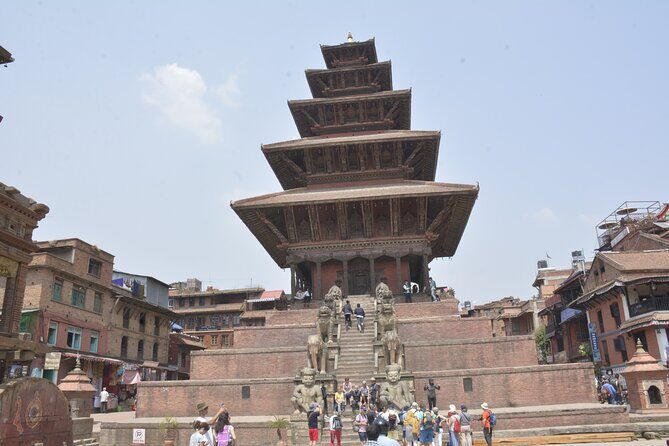
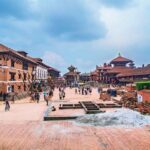
Your main sightseeing anchor is Patan Durbar Square, a UNESCO-listed site packed with temples, royal courtyards, and traditional Newari-style architecture. The tour’s structure around the square is the sweet spot: you get a guided circuit plus free time so you can re-orient at your own pace.
Expect roughly 2 hours at the Durbar Square area, with a mix of:
- guided viewing (so you understand what you’re looking at)
- photo stops and walking time
- shopping and sightseeing space
A big reason this stop works well is that it’s dense. In a small area, you can see layers of craft, architecture, and courtyard layout. When a guide points out what to notice—doorways, carvings, temple placement—Patan starts to make more sense fast.
One detail I’d keep in mind: an earlier booking noted time around the Golden Temple area as part of the Patan Durbar Square experience. If your guide has you there on your schedule, it’s a good example of how the square isn’t just one monument. It’s a cluster of sacred and civic spaces that you understand by moving through them.
Good to know before you go: the tour includes a “skip the ticket line” component, but entrance fees are not included. So budget extra for site entry if you don’t already have passes.
What the guided walk actually adds
A guide isn’t there just to point at things. On a heritage site like Patan Durbar Square, the value is interpretation—helping you connect the architecture to the people and beliefs that shaped it.
In one recent booking, the guide named Biraj was highlighted as being great and well prepared about what was being seen. That kind of guidance is exactly what turns a “pretty area” into a place that feels alive. You’ll get better at noticing patterns: which details look ceremonial versus decorative, how courtyards create community space, and why the layout matters.
If you want the best experience, come with a simple mindset: slow down for the carvings and doorways, not just the biggest buildings. The alley feel of Patan is part of the charm, and it makes more sense when you can label what you’re seeing.
The Newari food stop: bara, choila, chatamari, yomari, samay baji
Food is not an add-on here. It’s one of the main reasons to pick this tour over a straight sightseeing day.
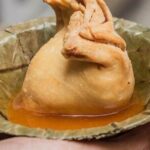
After the Durbar Square time, you shift into a local Newari restaurant stop and sample classic Newari dishes. Based on what’s included and listed, you’re likely to encounter a mix such as bara, choila, chatamari, yomari, and also samay baji.
Here’s why this matters for your understanding of Patan:
- Newari cuisine is tied to local traditions, so eating what locals eat makes the heritage stop feel less abstract.
- Many of these dishes are street-food adjacent or home-style classics, which means you get flavor you might not naturally find if you’re only navigating major tourist areas.
A few practical notes so you enjoy the meal:
- Come hungry. The food stop is the payoff moment after walking time.
- Be ready for rich, savory flavors. Newari plates often mix textures and spices in a way that can surprise first-timers—in a good way.
Also, one booking specifically mentioned a delicious meal in a small but very nice place after time in the Golden Temple area. That’s the kind of restaurant choice that makes a short tour feel worth it: you’re not sent to a generic place far from the action.
A few more Kathmandu tours and experiences worth a look


Leaving the old city lanes and returning to Kathmandu smoothly
After you finish around Patan Durbar Square and the meal, the tour keeps things simple. You ride back to Kathmandu for another 30-minute transfer and then get dropped off based on your initial pickup choice.
This matters if you’re the type who hates the “last hour scramble.” Since the plan is compact, you’re not left wondering what happens next. You finish your walking and eating, then you’re done.
If you’re thinking about how your day will feel, it’s a good balance:
- active sightseeing time on foot
- a meal that grounds you
- a straightforward return ride
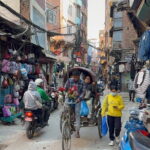
You’re also escaping the hardest part of Kathmandu travel: the crowded streets. The motorbike ride isn’t just fun; it’s the practical way to compress time and avoid spending your day stuck in traffic.
What it costs and why $28 can make sense
The listed price is $28 per person for a one-day Kathmandu Bike Tour focused on Patan heritage plus Newari food.
Is it cheap? Not always, depending on what you’re comparing it to. But value here comes from the mix:
- round trip motorbike ride
- an English-speaking guide (and in practice, the tour languages include English and Hindi)
- bottled drinking water
- government charges included
- the core attraction time at Patan Durbar Square plus guided viewing
- a Newari cuisine tasting/meal component as part of the itinerary
The two main items not included are entrance fees and personal expenses. So your real cost might be slightly higher once you add those site entries and any drinks or extras you buy on your own.
Still, for many visitors, $28 is a fair deal because it removes planning stress. You don’t have to coordinate transport, find a guide, or figure out where the food stop should be. On a tight schedule, that convenience is worth something.
Who this tour fits best (and who should skip it)
This is a great option if you want:
- an efficient one-day Patan experience
- a cultural walk where someone explains what you’re seeing
- a food stop that feels local and connected to the area
- an itinerary that reduces Kathmandu traffic time
It’s especially suited to curious travelers who like heritage details and want to try authentic Newari dishes without doing a lot of research.
It’s not a match if:
- you can’t comfortably ride a motorbike (motion sensitivity varies person to person)
- you need wheelchair-friendly access, since the tour is not suitable for wheelchair users
Also note the rules: drones are not allowed, so if you travel with one, leave it at home.
Small planning tips that make the day easier
You don’t need to overpack, but you do want to be prepared.
Bring:
- sunglasses
- comfortable clothes for walking around old stone areas
- cash
- a passport and a copy is accepted
Wear:
- footwear with grip for uneven surfaces you might encounter around courtyards and lanes
If you want to confirm details quickly, the tour is easy to contact via WhatsApp: +9779845415226. That’s useful when you’re coordinating pickup time and you want a clear point of contact without phone tag.
And keep this mindset: Patan moves best at walking speed. Even though you arrive by motorbike, the experience really kicks in when you slow down and look at the courtyards and temple edges.
Should you book this Kathmandu Bike Tour for Patan and Newari food?
I think this is worth booking if you want a compact Patan day that combines heritage sights plus authentic Newari eating, with a private-group feel and convenient pickup options.
Here’s how I’d decide in 30 seconds:
- Book it if you like guided walking, want to taste dishes like bara, choila, chatamari, yomari, and want to escape Kathmandu traffic.
- Skip it if you strongly dislike motorbike rides or you need full mobility accommodations.
If you’re doing Nepal for a short window—one day in the valley—this tour is a smart way to get grounded in both the architecture and the food culture in a single hit.
FAQ
How long is the Kathmandu Bike Tour to Patan Durbar Square and Newari food?
It’s a one-day experience with about 30 minutes transfer each way and around 2 hours at Patan Durbar Square.
How much does it cost?
The price is $28 per person.
Where can I get picked up and where will I be dropped off?
Pickup options include Thamel, Kalimati, Lalitpur, and Swayambhu. Drop-off options are Thamel, Swayambhu, Lalitpur, and Kalimati.
What is the main sightseeing stop?
The core visit is Patan Durbar Square (UNESCO-listed), including guided tour time, photo stops, and free time.
Are entrance fees included?
No. Entrance fee(s) are not included, but the tour includes “skip the ticket line.”
What Newari dishes are included?
The food tasting includes Newari dishes such as samay baji, choila, yomari, and other classics like bara, chatamari, and bara-type items as listed for tasting.
What languages is the guide available in?
The live tour guide is available in English and Hindi.
Is this tour suitable for wheelchair users?
No. It is not suitable for wheelchair users.
If you tell me where you’re staying (area/neighborhood) and whether you’ve ridden a motorbike in Nepal before, I can suggest which pickup point will feel easiest.