REVIEW · KATHMANDU
Kathmandu Valley Trek
Book on Viator →Operated by High Route Adventure · Bookable on Viator
Morning clouds part over the Himalayas. This short trek in the Kathmandu Valley region strings together classic Nepal scenery: stone steps and forest trails from Sundarijal into Chisapani, then the famous high-hill viewpoint of Nagarkot for sunrise and wide valley views. It’s built around the kind of timing that makes the whole trip feel worth it—especially the early morning wake-up for the view.
Two things I really like here: the guide support (including the calm, capable presence of Bhumi, described as patient, easy to talk to, and great at keeping you confident), and the way the essentials are handled for you—a teahouse stay in Chisapani, a hotel in Nagarkot, plus breakfast. One consideration: the schedule is compact and includes early starts, so if you’re hoping for a relaxed sleep-in holiday, you’ll want to adjust your expectations for sunrise viewing.
In This Review
- Key highlights worth your time
- What this Chisapani to Nagarkot trek really feels like
- Price and logistics that matter at about $283
- Day 1: Sundarijal to Chisapani, with the lift of stone steps
- Chisapani Taal stop: a calm moment before the big morning
- Day 2: Sunrise time, Shivapuri trails, and the run into Nagarkot
- Nagarkot morning views: the reason people do this trek
- Day 3: Changunarayan lunch and a smooth return to Kathmandu
- What’s included on your nights: teahouse and hotel comfort levels
- Guide quality: why Bhumi’s style matters on a short trek
- How much walking time to expect (and how to prep)
- Who should book this trek
- Should you book the Chisapani to Nagarkot trek?
- FAQ
- What is the total duration of the Kathmandu Valley Trek?
- Where does the trek start and where does it end?
- What’s included in the price?
- What is not included?
- Is pickup offered?
- How are tickets handled?
- Do I need to buy admission tickets?
- What is the cancellation policy?
Key highlights worth your time
- Sunrise-first planning at Chisapani and then again at Nagarkot, with big Himalayan views built into the flow
- Bhumi-level guidance that focuses on confidence and comfort, not just moving fast
- Teahouse in Chisapani + hotel in Nagarkot so you’re not improvising lodging each night
- Short, manageable walking windows (about 4 hours on the main walking days listed)
- Private-group format, so you’re trekking as your own group with your guide and driver support
What this Chisapani to Nagarkot trek really feels like
This trek is a sweet spot: not too long, but still “real trekking.” You’ll get the rhythm of Nepal travel—drive first, hike second, then reward yourself with those panoramic mornings people come for. The big payoff is altitude-adjacent viewpoints: Chisapani sets you up for a sunrise show over the Himalayas, and Nagarkot follows through with a wider sweep that can include snow-capped peaks and the sprawling Kathmandu Valley far below.
And because the trip is only about 3 days, it’s a good choice if you want the experience without turning the holiday into a long bootcamp. You’ll still have uphill and stepped terrain, but the structure keeps you from getting crushed by day after day of long distances.
You can also read our reviews of more hiking tours in Kathmandu


Price and logistics that matter at about $283
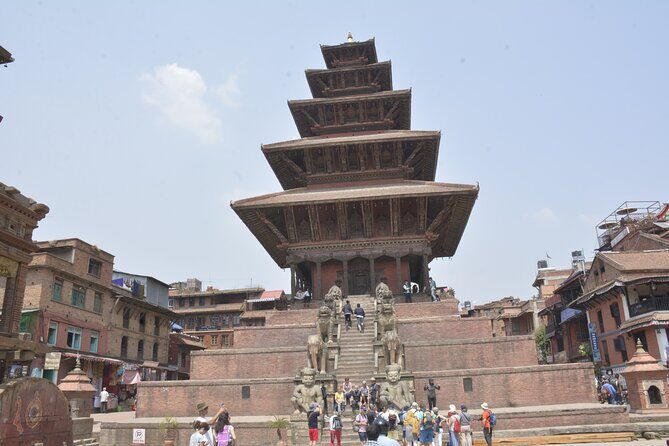
At $283 per person, this isn’t “cheap,” but it also isn’t padded. The value comes from what’s included versus what you’ll have to arrange yourself on a DIY trek.
Included items that genuinely reduce hassle:
- A tour guide (so you’re not figuring routes, timing, or basic logistics on your own)
- Hotel in Nagarkot and a teahouse in Chisapani, which is a big planning win
- Breakfast for 3 days
- Official taxes/expenses and a fuel surcharge
- Pickup is offered, plus you’ll receive a mobile ticket
What’s not included (so you can budget without surprises):
- Nepal visa fee
- Travel insurance
- Tips
A practical way to think about the price: you’re paying for (1) guided time, (2) two nights of lodging that are already placed, and (3) transport support between Kathmandu and the trailheads, plus between the trek end and Kathmandu. If you were to arrange those pieces separately, you’d likely spend similar money—then add your own time stress on top.
Day 1: Sundarijal to Chisapani, with the lift of stone steps
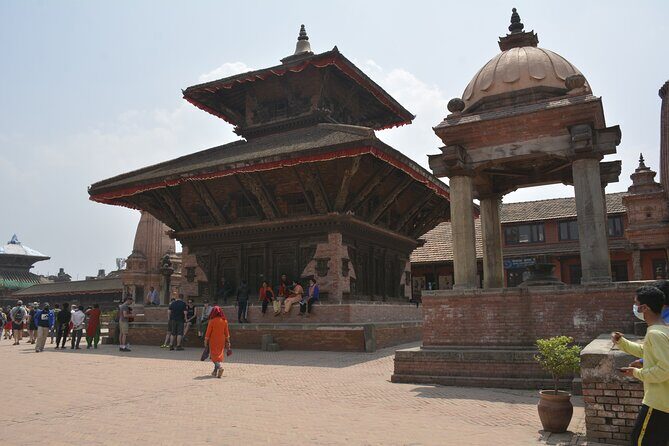
Your day starts with a hotel breakfast and check-out, then a scenic drive from Kathmandu to Sundarijal. That transfer matters more than you might think. It helps you begin the trek with less friction, and you’re not using your limited trek energy on getting to the trailhead.
From Sundarijal, you’ll do trek prep before you walk—this is where you’ll typically get a gear check and get your bearings. Then it’s onto the start of the trail toward the Shivapuri National Park entrance, following the kind of stone steps and forested paths that Nepal is famous for.
The goal for Day 1 is reaching Chisapani, a hill station where you can settle in and get ready for morning views. If you’re the type who likes being outdoors but also likes not feeling constantly rushed, Chisapani is a smart first landing point. It’s early in the program, but the payoff is there: you’re building toward sunrise without exhausting yourself so much that you can’t enjoy the next day.
Possible drawback to plan for: even though this day is relatively short (the walking block is listed at around 4 hours), stepped terrain can feel longer than it looks on paper. Bring footwear you trust.
Chisapani Taal stop: a calm moment before the big morning
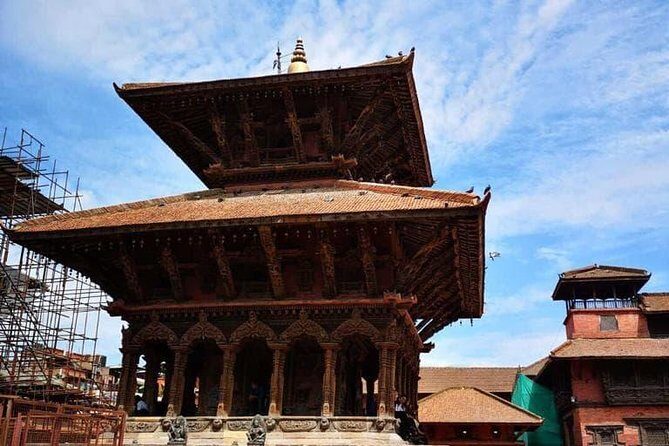
One of the scheduled stops on Day 1 is Chisapani Taal. The way this is slotted into the day suggests it’s meant as a quieter pause—something that breaks up the climb and gives you a chance to reset before you continue trekking onward toward the hill station area.
What to take from this as a practical traveler: use these small stops. Don’t just stand there checking your phone battery and calling it a rest. Sip water, eat something small if you packed snacks, and let your breathing steady down. On a stepped route, small adjustments make the walking feel easier fast.
Day 2: Sunrise time, Shivapuri trails, and the run into Nagarkot
Day 2 is the one with the “wow” factor baked in. You’ll get an early wake-up call so you can catch the sunrise view from Chisapani. This is one of the key reasons this trek is popular: the morning show over the Himalayas changes everything about how the trek feels. Instead of “just hiking,” it becomes “morning reward, then onward movement.”
After sunrise viewing, you’ll have breakfast, check out, and then continue trekking through the Shivapuri National Park area. Then you head toward Chauki Bhanjyang as part of the route shaping before reaching Nagarkot.
Even though the day includes movement, it’s designed to keep you pointed toward viewpoints rather than just trekking to trek. Nagarkot is the final payoff hilltop, and the timing is set so you arrive with the best chance of enjoying the view cycle the program is known for.
What I’d watch as a consideration: if you’re sensitive to early mornings, Day 2 is your most likely “tough day.” You’ll trade comfort now for the chance at clear, dramatic light.






Nagarkot morning views: the reason people do this trek
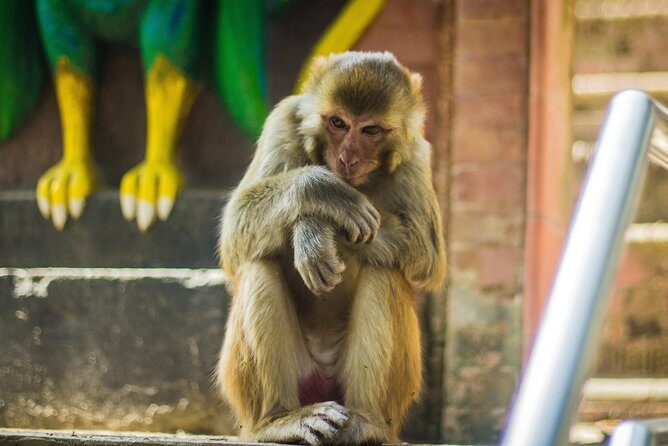
Nagarkot is the headline act. The trek is built around the idea that dawn can reveal a big panorama: snow-capped peaks when conditions cooperate, plus the Kathmandu Valley stretching out below.
Here’s the practical part: sunrise viewing is worth it only if you’re prepared to stand around in cool morning air. Dress in layers and don’t rely on one warm item. Even if the afternoon is pleasant, mornings in this region can feel sharper than you expect.
Also, be patient with the view timing. Clouds and haze can change quickly. Your guide’s job here is not magic forecasting—it’s getting you in position and helping you make the most of what the sky gives you.
Day 3: Changunarayan lunch and a smooth return to Kathmandu
On the final day, the structure flips from uphill energy to finishing well. You’ll start with hotel breakfast and check-out, then trek toward Changunarayan. You’ll also have lunch at Changunarayan, followed by a drive back to Kathmandu where you’ll check into your own hotel for an overnight stay.
This “finish with food and a cultural stop” approach is smart for two reasons:
- It gives the day a purpose beyond just walking.
- It keeps the end of the trek from feeling abrupt, so you land back in Kathmandu feeling like the trip had a satisfying arc.
If you enjoy the sense that travel should end with something grounding—like a meal in a meaningful place—this Day 3 format will feel like a good landing.
What’s included on your nights: teahouse and hotel comfort levels
One of the most practical inclusions here is where you sleep:
- Teahouse in Chisapani
- Hotel in Nagarkot
That means you’re not hunting for rooms while tired. You’re also not paying for lodging separately while trying to match your pace.
Teahouse stays can vary in comfort, but the benefit is predictability. You can focus on the trek rather than solving where to sleep, where to eat, and how to pay. The hotel night in Nagarkot is the more comfortable stop in most cases, and it makes sense as the “closer to big-view payoff” day.
And because breakfast is included for all 3 days, you’re not starting each morning with the stress of finding food first.
Guide quality: why Bhumi’s style matters on a short trek
A 3-day trek gives you less margin for mistakes. That’s why guide quality counts. Bhumi is described as:
- easy to talk to
- extremely competent
- patient
- an all-around nice guy
- someone who inspires confidence right from the start
Here’s how that translates to your real experience. A competent guide helps you keep a steady pace, adjust when your legs feel heavy, and handle the little “what now?” moments before they become problems. On stepped terrain and early mornings, calm leadership is not extra—it’s part of why the trek feels smooth.
Also, the best guides pay attention to tiny things you might overlook: gear readiness, timing, and making sure you know what’s coming next. When those pieces are handled, you can enjoy the views without constantly worrying about the logistics.
How much walking time to expect (and how to prep)
The main walking blocks shown are around 4 hours on Day 1 and Day 2. That doesn’t mean it’s effortless. Steep and stepped sections can slow your pace even when the total “hours” looks moderate.
To prep smartly:
- Wear shoes with traction and support you trust on stairs
- Pack layers for morning chill, especially for sunrise timing
- Bring a water bottle you can keep sipping from
- If you’re a snack person, pack small energy bites for the steps
If you’ve never trekked before, this format still has a beginner-friendly feel—especially because the days are short and the guide is there to help you keep it under control. If you’re experienced and want more intensity, you may feel like it’s a taste rather than a grind, but that can be exactly the point.
Who should book this trek
This trek is a great fit if you:
- want classic Nepal hill views but don’t want a long multi-week commitment
- like the idea of sunrise driving your schedule
- prefer guided structure (pickup, guide, lodging) over DIY planning
- are traveling with a group that wants a shared experience with fewer decisions to make
It’s also a solid choice if you enjoy steady outdoor time rather than nonstop sightseeing. The walking days connect the dots between Kathmandu and the viewpoint culture of the hills.
Should you book the Chisapani to Nagarkot trek?
Yes, if you want a short trek with a clear payoff and you like being outside early. The combination of Chisapani sunrise setup, a well-supported guided route, and included lodging plus breakfast makes it a strong value at about $283.
Skip it or consider alternatives if you’re not into early wake-ups or you hate stepped uphill terrain. Also, if you were hoping for a full-service luxury trip, teahouse nights aren’t designed to be high-end.
If you book, go in expecting a friendly, structured adventure—not a long expedition. And pack for chilly mornings. Nagarkot sunrise rewards the prepared.
FAQ
What is the total duration of the Kathmandu Valley Trek?
The trek is listed as approximately 3 days.
Where does the trek start and where does it end?
It starts with a drive from Kathmandu to Sundarijal and includes trekking to Chisapani, then toward Nagarkot. The trip ends with a drive back to Kathmandu after trekking toward Changunarayan.
What’s included in the price?
The price includes a tour guide, fuel surcharge, hotel in Nagarkot, teahouse in Chisapani, and breakfast for 3 days, plus all official expenses and government taxes.
What is not included?
Not included are the Nepal visa fee, travel insurance, and tips.
Is pickup offered?
Yes, pickup is offered.
How are tickets handled?
You receive a mobile ticket.
Do I need to buy admission tickets?
Admission tickets are listed as free at the scheduled stop times.
What is the cancellation policy?
You can cancel for a full refund up to 24 hours in advance of the experience’s start time. If you cancel less than 24 hours before, the amount you paid is not refunded.