REVIEW · KATHMANDU
Kathmandu: Food, Drink and Shopping Rickshaw Tour
Book on GetYourGuide →Operated by Deepak Kushwaha · Bookable on GetYourGuide
Momo and a rickshaw sound like trouble. But this Thamel food-and-shopping loop is oddly satisfying: you zip along by rickshaw, then slow down on foot to taste classic Nepal snacks and browse the kind of markets that actually sell daily-life stuff. I love the way the guide makes each stop feel practical, not touristy, and I especially enjoyed how Deepak ties what you eat to what it means in Nepal. The main catch? If you have dietary limits, you need to flag them up front so the tastings can be adjusted.
What really wins this tour is the pairing of food with context. I liked that the guide doesn’t just hand you plates—he explains what you’re tasting and how to order it like a local. And because the groups are kept small, you get more back-and-forth (and fewer “what’s the next stop?” moments), which matters when you’re sampling street foods and moving through busy lanes.
In This Review
- Key Highlights I’d Prioritize
- First, Here’s What This 3-Hour Thamel Plan Actually Feels Like
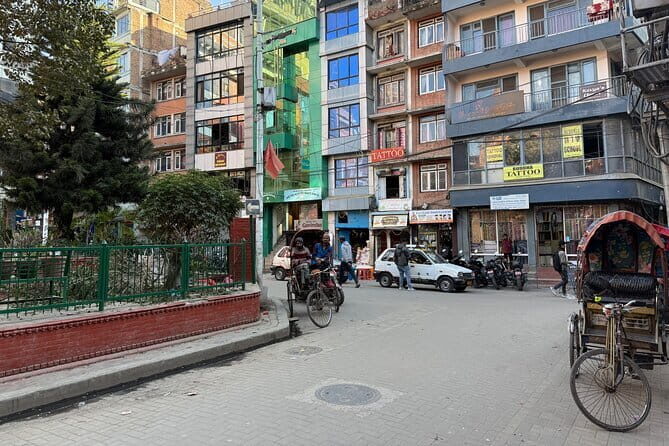
- The Rickshaw Ride: Fast Orientation Without the Stress
- Food Tastings That Don’t Feel Random
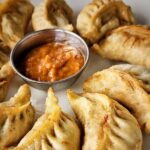
- Mo:Mo: The Crowd Favorite, Explained
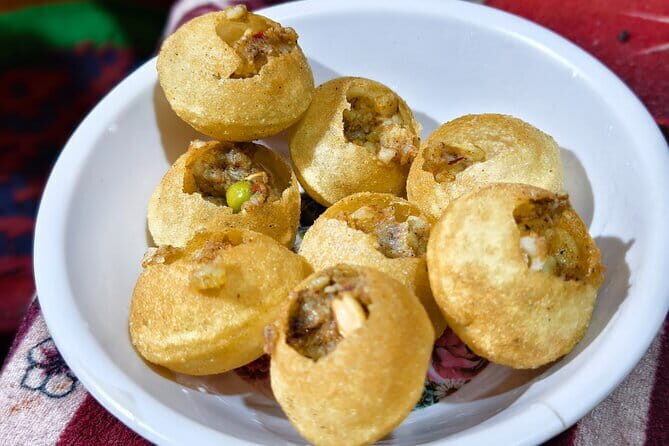
- Pani Puri: Crunch + Surprise in One Stop
- Masala Chiya and Tea: The Drink Stop That Actually Matters
- Shopping in Local Markets (With a Real Strategy)
- Cultural Insights: How the Guide Turns Snacks Into Stories
- Timing and Pacing: When You Get Photos, Breaks, and Free Moments
- Price and Value: Why $30 Can Make Sense in Kathmandu
- Languages and Communication: Easy Questions, Better Tastings
- What to Bring (And What to Skip)
- Small-Group Size: Why It Matters More Than You Think
- The “Not-For-Everybody” Part You Should Know
- Should You Book This Rickshaw + Food + Market Tour?
- FAQ
- FAQ
- How long is the Kathmandu Food, Drink and Shopping Rickshaw Tour?
- Where does the tour start and end?
- What food and drink will I taste?
- Does the tour include hotel pickup?
- Can the tour handle dietary restrictions?
- Does the tour operate in rain?
- Do I need to bring an ID?
- Is the tour wheelchair accessible?
Key Highlights I’d Prioritize
- Rickshaw + walking mix: quick orientation by rickshaw, then hands-on browsing on foot
- Mo:Mo, pani puri, and masala chiya: multiple flavors in a single, timed route
- Market shopping that makes sense: spices, textiles, jewelry, and everyday crafts with guidance
- Clear dish explanations from Deepak: you don’t leave wondering what those foods were
- Small-group feel: easier pacing for photos, sampling, and questions
- Rain or shine: plan for weather and wear layers and sturdy shoes
First, Here’s What This 3-Hour Thamel Plan Actually Feels Like
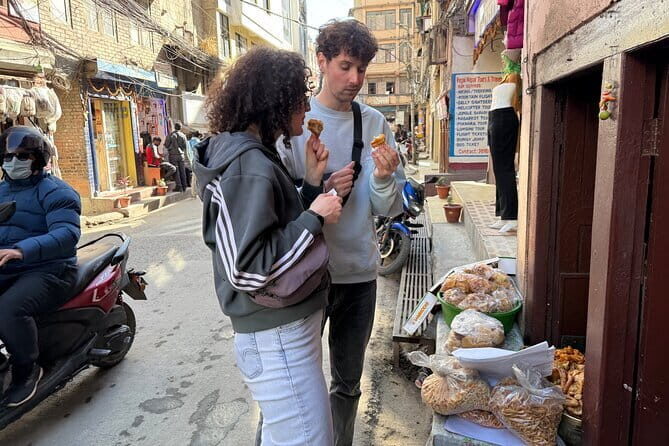
Kathmandu can be a lot. The streets are active, the smells are strong, and it’s easy to get stuck in the “wrong” line for the wrong thing. This tour is built to make your first hours in town calmer and more useful.
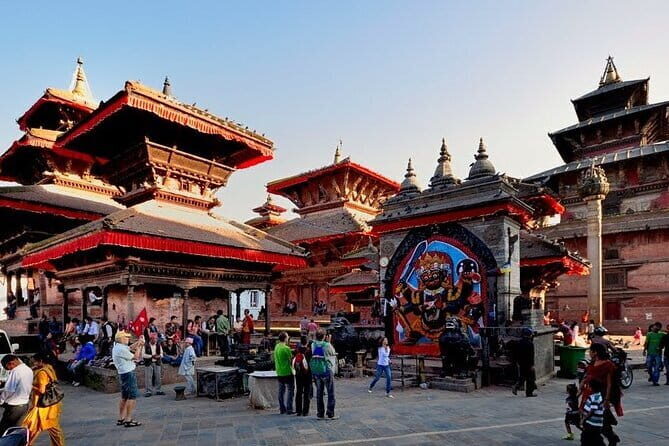
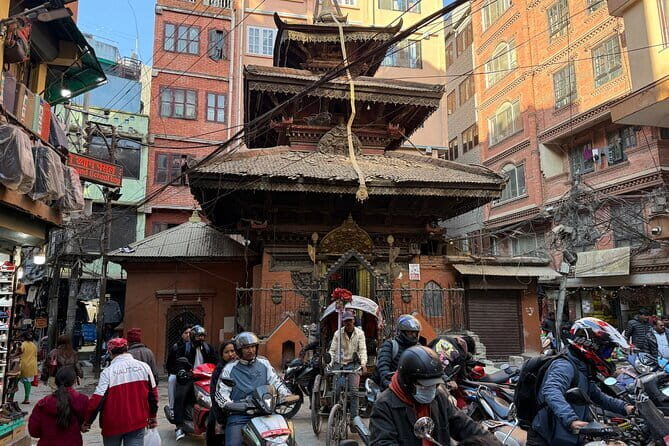
You start around Thamel, the area most visitors use as a base. From there, you’ll do a guided rickshaw ride through Thamel and nearby areas, then shift to a walking tour that takes you into local market lanes and cultural spots. The pacing is relaxed—long enough to taste and ask questions, short enough that you won’t feel like you’ve been “on tour” all day.
At about 3 hours, it’s also a smart slot if your schedule is tight. It can work as your first food plan in Kathmandu, when you’re still figuring out what you like and how to order.
You can also read our reviews of more food & drink experiences in Kathmandu
The Rickshaw Ride: Fast Orientation Without the Stress
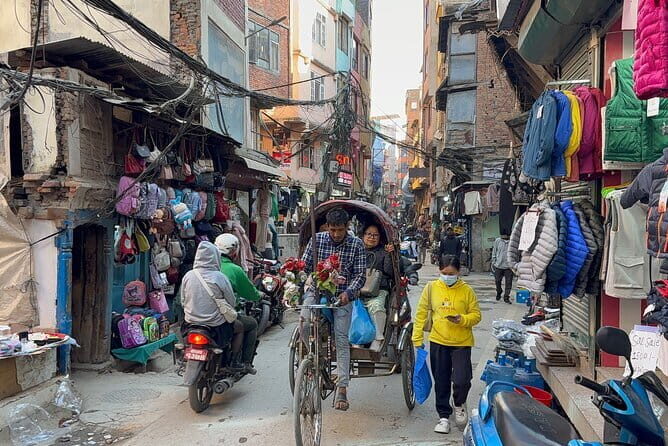
The rickshaw portion is more than a fun photo. It’s the shortcut to getting your bearings in a city that can feel chaotic if you’re on foot immediately.
You’re not just riding for scenery. You’re getting a moving introduction to how Kathmandu neighborhoods connect—especially around Thamel. That matters later when you wander on your own: you’ll recognize the feel of a street, the direction to go, and where market clusters start.
Also, because you’re with a guide, you don’t have to guess at what’s safe, what’s worth stopping for, and what to skip. The tour includes bottled water throughout, which helps when you’re switching between quick rides and snack stops.
A note on comfort: rickshaw rides and walking mean you should wear comfortable shoes and clothes you can move in. If you’re the kind of person who hates crowds, the markets can still feel busy—but the guide helps you navigate through them in a controlled way.
Food Tastings That Don’t Feel Random
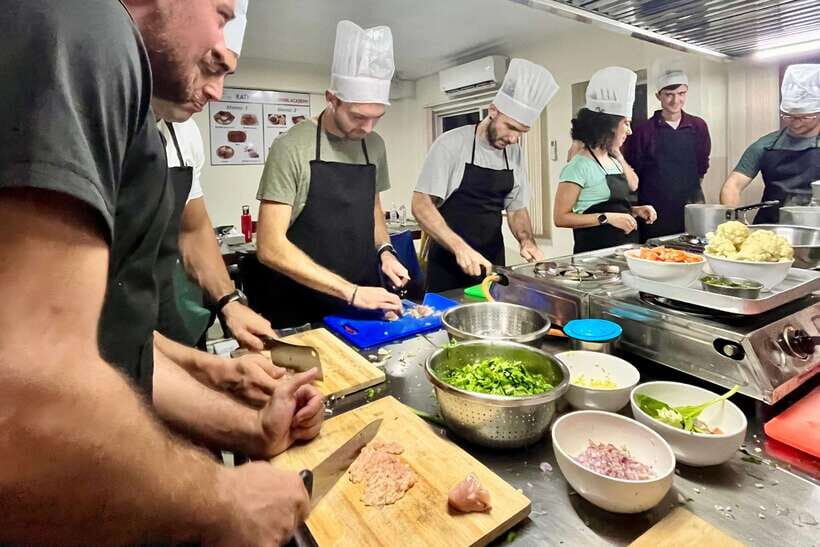
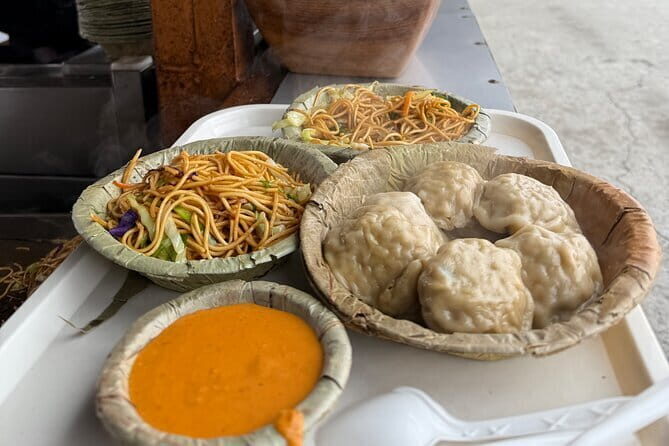
This tour’s heart is the food. You’ll sample popular Nepali items like Mo:Mo, pani puri, and drinks such as masala chiya (and tea). You’re not getting one bite and a shrug; you’re getting a sequence designed to give you a mini “greatest hits” overview.
Mo:Mo: The Crowd Favorite, Explained
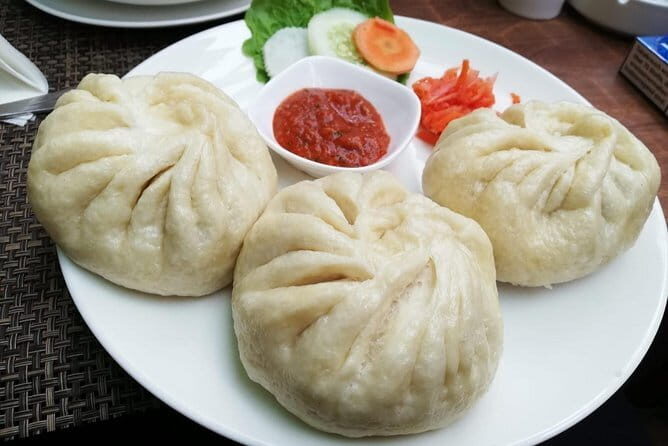
Mo:Mo is one of those foods that’s everywhere once you start paying attention. What makes it work on a guided tasting is that you’re more likely to learn how it’s served, what to look for, and how it pairs with flavors around it. Even if you’ve had momos before, Kathmandu versions can feel different.
Pani Puri: Crunch + Surprise in One Stop
Pani puri is the kind of snack that’s best when you have someone show you the timing and the best way to eat it. The payoff is in the mix: crisp shells, a burst of filling, and the sauce experience that hits fast.
A few more Kathmandu tours and experiences worth a look


Masala Chiya and Tea: The Drink Stop That Actually Matters
A lot of food tours include drinks. This one puts Nepal’s tea culture in your path, so you get a more complete picture of local eating habits. If you like warming up between street-food tastes, this is a welcome rhythm.
And one small detail I really like: the guide can help you remember what you ate. Deepak, in particular, has a habit of sending the names of the foods after the tour, so you can look things up later and order with confidence.
Shopping in Local Markets (With a Real Strategy)
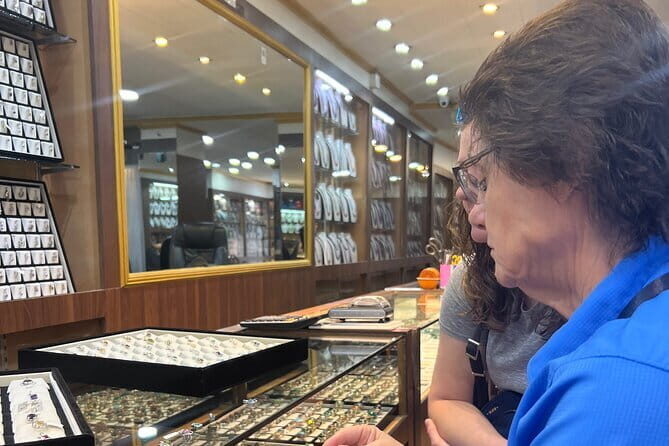
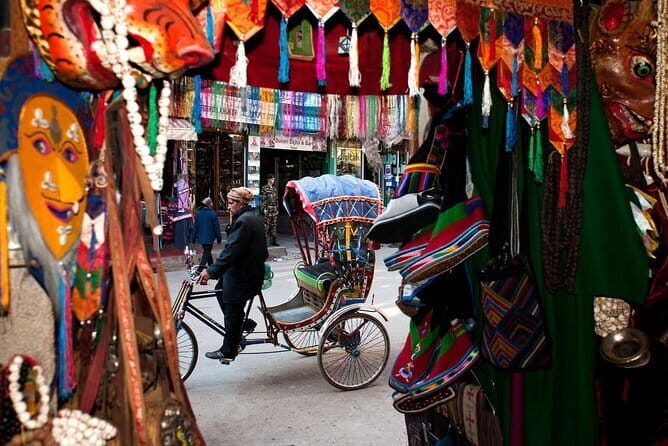
This isn’t just “walk past stores.” You get shopping stops at local markets where you can look for souvenirs, jewelry, textiles, and spices.
The value here isn’t that you’ll magically find the cheapest price in the city. It’s that you’ll shop with context. When a guide points out materials, typical uses, and what different sections tend to sell, you’re less likely to buy something you don’t actually want—or pay for something you didn’t need.
Also, shopping with a guide can save you from the biggest time-waster in tourist shopping: wandering in circles trying to figure out what’s legit and what’s just noise.
If your souvenir style is “useful and edible” (spices, tea, small gifts), this tour is a strong fit. If you want high-end, designer-focused shopping, you might find the market range more day-to-day than luxury.
Cultural Insights: How the Guide Turns Snacks Into Stories
Food tours go two ways: either you eat and move on, or you learn something that sticks. This one leans toward the second option.
You’ll get cultural insights about Nepali traditions, food, and shopping culture as you walk. That means you’re not just collecting flavors—you’re building a quick map of how different parts of Kathmandu relate to each other.
In the same way that a museum guide helps you see what you’d otherwise miss, this tour helps you understand the meaning behind the items on your table. That’s especially helpful if it’s your first time in Kathmandu and you’re trying to avoid the classic mistakes: ordering blindly, eating too much too fast, or missing the foods that are actually central to local life.
Timing and Pacing: When You Get Photos, Breaks, and Free Moments
The plan includes built-in pauses for things like a break time and photo stops while you’re out. There’s also a relaxed flow where you get some time to look around rather than rushing from one tasting to the next.
This matters because street-food eating rewards timing. If you’re sprinting, you miss details—like how sauces differ or what a dish should feel like. If you’re too slow, snacks get cold and the walking chunks start to feel long.
At around 3 hours, the balance is practical: you finish with a full stomach and useful shopping awareness, not a “we did everything and now I’m exhausted” feeling.
Price and Value: Why $30 Can Make Sense in Kathmandu
The price is listed at $30 per person for about 3 hours. For that, you’re getting:
- A guided rickshaw ride
- A walking tour through local markets and cultural spots
- Food tastings of multiple items (like Mo:Mo, pani puri, masala chiya, and others)
- A local guide who provides cultural insights
- Bottled water
- Pickup and drop-off if you’re within Thamel
In many cities, if you tried to replicate this solo, you’d spend money just on meals, drinks, and transportation, and you might still lack the context that makes tastings enjoyable instead of stressful. Here, you’re paying for structure: the route, the guide’s explanations, and the selection of stops.
That said, your personal value depends on your style. If you love wandering and you already know exactly what you want to eat, you might skip a guided tour. But if you want someone to guide your taste buds and keep you on a smart path, this is a reasonable way to spend a half-day.
Languages and Communication: Easy Questions, Better Tastings
The guide can operate in multiple languages, including Nepali, English, Hindi, Chinese, Japanese, Korean, Spanish, French, German, Russian. That’s useful because food questions are not simple.
You’ll likely want to ask:
- What’s spicy vs. mild?
- What is traditionally eaten with what?
- How do people order it locally?
A guide who can explain clearly in your language makes the whole experience more than just sampling.
What to Bring (And What to Skip)
Bring comfortable shoes and clothes you can layer. Kathmandu weather can shift, and the tour runs rain or shine, so you’ll feel the difference if you’re not dressed for it.
It’s also smart to pack:
- Hand sanitizer or tissues
- A reusable water bottle (the tour provides bottled water, but you’ll stay hydrated longer if you can refill later)
- Any personal medication
Not allowed is also straightforward: weapons or sharp objects, intoxication, alcohol and drugs, explosive substances, and nudity.
Small-Group Size: Why It Matters More Than You Think
The tour keeps groups small. For a food experience, smaller groups mean:
- You can get answers without waiting your turn
- It’s easier to pace tastings and walking chunks
- The guide can adjust when someone hesitates, asks extra questions, or needs a brief pause
If you’ve had chaotic food tours elsewhere, this is the difference between a fun meal and a chore.
The “Not-For-Everybody” Part You Should Know
The information says wheelchair accessible, but it also says not suitable for wheelchair users and not suitable for people with mobility impairments. That contradiction matters.
If mobility is a concern, don’t assume it’s fine. I’d recommend confirming with the operator directly before you book so you know what the walking portions and market lanes look like for your specific needs.
Should You Book This Rickshaw + Food + Market Tour?
Book it if you want a structured first taste of Kathmandu. This tour is ideal when you:
- Want to try Nepal classics like Mo:Mo and pani puri without guessing
- Plan to shop for spices, textiles, and small crafts and want guidance
- Like explanations that make food feel more meaningful (Deepak is strong at this)
- Would rather spend 3 hours wisely than spend half a day wandering hungry
Skip it if you’re already confident ordering Nepali street food and you prefer self-guided exploring only. In that case, you might prefer to pick specific restaurants and markets on your own pace.
FAQ
FAQ
How long is the Kathmandu Food, Drink and Shopping Rickshaw Tour?
It runs for about 3 hours at a relaxed pace, with sampling and walking built in.
Where does the tour start and end?
Pickup and drop-off are arranged in Thamel. The tour begins at a pickup location in Thamel and returns you back to Thamel.
What food and drink will I taste?
The tastings include popular Nepali dishes and drinks such as Mo:Mo, pani puri, and masala chiya (as well as tea). Additional items may be part of the tasting menu.
Does the tour include hotel pickup?
Yes, hotel pick-up and drop-off is included if your hotel is within Thamel. Pickup outside Thamel is not included.
Can the tour handle dietary restrictions?
You should inform the operator in advance about any dietary needs so they can adjust the tastings.
Does the tour operate in rain?
Yes. The tour operates rain or shine, so wear layers and bring weather-appropriate clothing.
Do I need to bring an ID?
No physical ID is required. A photo on your phone is sufficient.
Is the tour wheelchair accessible?
The details include both wheelchair accessible and statements that it’s not suitable for wheelchair users and not suitable for people with mobility impairments. If that’s relevant to you, confirm the situation directly before booking.