REVIEW · POKHARA
Private Tour Local Culture and The View of Mohare Danda
Book on Viator →Operated by Nepal Nature Adventure Destination (P) Ltd · Bookable on Viator
Sunrise here feels personal. This private 5-day trek built around Mohare Danda-style viewpoints brings you off-the-beaten trails, real village life, and mountain views in full scale, with community-run lodges (community-run lodges) and early-day panoramas (Annapurna-Dhaulagiri-Manaslu sunrise) as the main payoff. The best part is that guides like Chitra and Lukesh connect the dots between what you see and how people live. One consideration: the walking days can be demanding in stretches, so you’ll want moderate fitness and you’ll be relying on good mountain weather.
I also like how the day-to-day comfort is handled without making the trip feel like a hotel tour. You get private transportation, luggage help from local porters, tea/coffee, multiple meals, and even a hot shower. In the same trip style where weather can turn (including reports of heavy rain and hail), having a guide team with strong local connections helps when you need a plan B.
Finally, this is a local-culture-forward trek, not a quick photo stop. If you’re the type who wants to slow down for farming scenes, traditional houses, and small handcraft moments, you’ll likely feel right at home. If you want easy flat walking only, this route may feel like work.
In This Review
- Key highlights you’ll actually feel on the ground
- Community-run lodges: why this trek feels different
- Day 1: Pokhara to Beni, then up toward Banskharka by the Kali Gandaki
- Day 2: Dhaulagiri in front of you, plus Lokta paper and village crafts
- Day 3: Sunrise over Annapurna, Dhaulagiri, and Manaslu with firewood dining
- Day 4: Kali Daha Lake reflections, rhododendron trails, and the Kali Gandaki gorge
- Day 5: A sacred farewell along the Kali Gandaki River
- Food, comfort, and support: how this tour keeps you moving
- Price and value: is $315 fair for what you get?
- Safety and weather reality: what to expect when conditions change
- Who this trek fits best (and who should choose another route)
- Should you book this private Mohare Danda trek?
- FAQ
- What is the duration of the tour?
- Where does this tour operate?
- How much does the tour cost?
- Is this a private tour?
- Do you get airport-style pickup or transportation?
- What meals are included?
- Is hot shower included?
- Will there be a guide?
- Are there any activities that cost extra?
- Is this trek weather-dependent?
Key highlights you’ll actually feel on the ground
- Community-run lodge stays where your tour money supports education, health, and village infrastructure
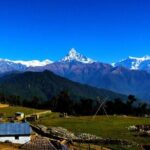
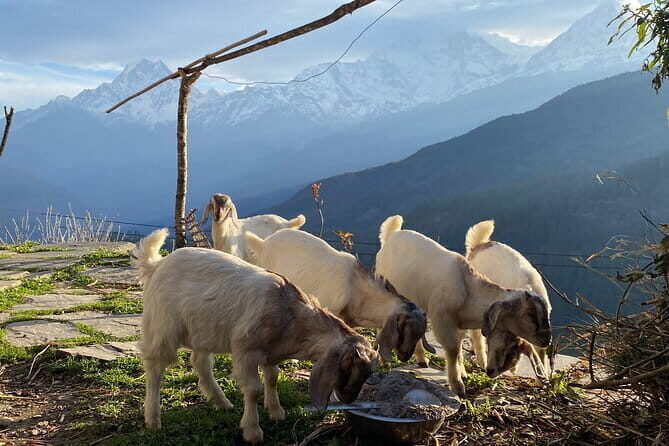
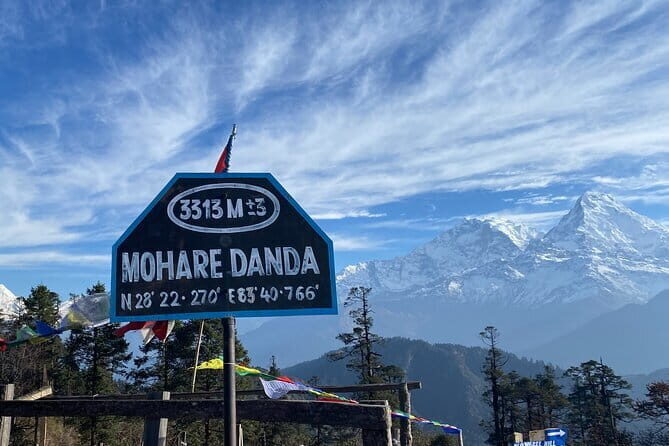
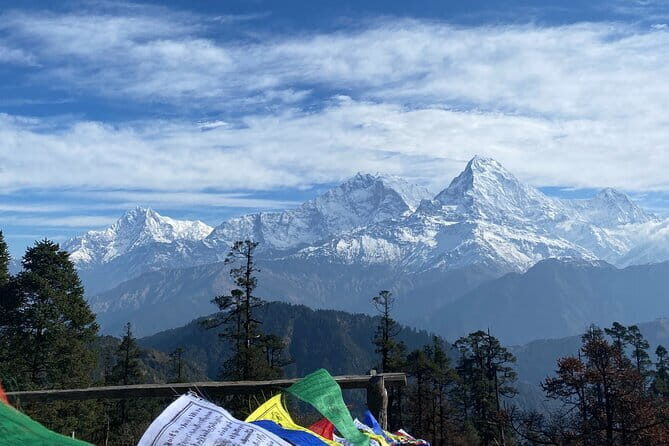
- Mohare Danda-focused sunrise views across Annapurna, Dhaulagiri, and Manaslu ranges
- Kali Gandaki moments from the river valley to the sacred river rituals
- Lokta paper and handmade crafts you can pick up as souvenirs during the trek
- Firewood-heat dining with a chimney on sunrise-focused days
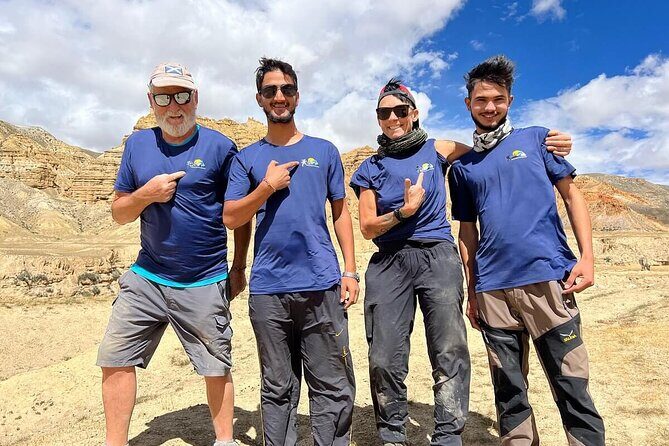
- Chitra and Lukesh-style guiding that prioritizes safety and smooth problem solving
Community-run lodges: why this trek feels different
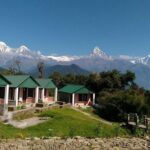
One reason I’d pick this tour style is the direct link between your trek and the Annapurna-region communities. Here, lodges are run by local people, so the money you pay doesn’t just disappear into a ticket booth. It’s meant to support community development like education, health, and infrastructure improvements.
What that means for you, day to day, is a more human trek. Instead of only passing through places, you’re living alongside them. You’ll see farming landscapes, traditional homes, and daily routines that have shaped life in this valley for generations. Even small breaks feel like more than a pit stop because there’s usually a reason someone does something the way they do.
There’s also a practical angle: using local workers and porters matters for sustainability. Local porters are part of the plan here, so your luggage moves with people who know the routes and the timing. That reduces friction and helps keep the pace steadier, especially when conditions change.
You can also read our reviews of more private tours in Pokhara
Day 1: Pokhara to Beni, then up toward Banskharka by the Kali Gandaki
Your day starts with a drive from Pokhara that tracks the Kali Gandaki River. This matters because you get an early sense of the terrain. The river valley is a constant reminder: you’re moving through one of Nepal’s major natural corridors, not just trekking to a single viewpoint.
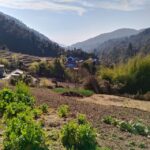
After lunch in Beni, you begin hiking toward Banskharka village. The time on your feet here is long enough to feel like a real start, but it’s also the kind of day where you learn your rhythm. As you pass through places like Mallaj village and get close to Banskharka, you can notice Brahman settlements and farming land. Those small visual details help you understand why this region’s trails have always been about more than scenery.
A few practical notes:
- Expect the first day to be your “body check.” You’ll get used to the uphill feel and how warm layers change during the hike.
- Bring layers even if you start in mild weather. Mountain air can shift fast.
- If you get motion-sick on drives, plan light meals and take your time on the road.
Day 2: Dhaulagiri in front of you, plus Lokta paper and village crafts
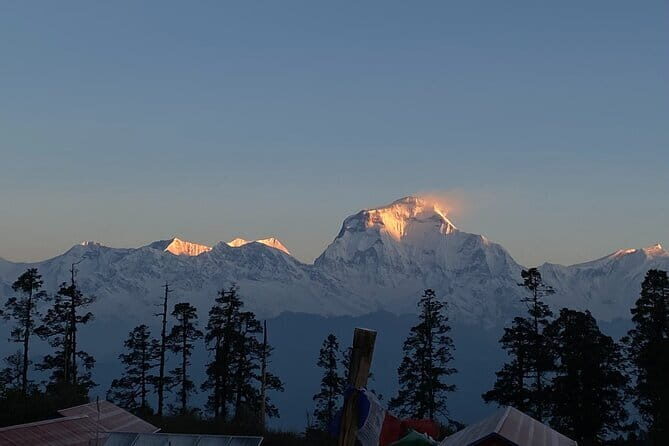
Day 2 is a classic “mountain lunch with a view” day. You’ll have an outdoor lunch with the Dhaulagiri mountain range in sight. Dhaulagiri is among the tallest mountains on Earth, and seeing it from near the trekking route gives it a different feel than photos. It’s the scale that hits first.
This is also where you get a taste of village life through architecture and daily work. Nepalese traditional houses and farming land show up in the scenery, and you’ll likely notice how people use the terrain around them rather than fighting it.
One small but meaningful moment: you can buy Lokta paper and other handcrafted items as souvenirs. Lokta paper is tied to local materials and traditional making. If you’re trying to avoid mass-produced souvenirs, this is the kind of stop that feels more honest because it supports local craftwork.
Drawback to watch for: if you’re not interested in buying handicrafts, plan for the time anyway. These moments are woven into the day and usually come with conversation, questions, and a slow pace.
Day 3: Sunrise over Annapurna, Dhaulagiri, and Manaslu with firewood dining
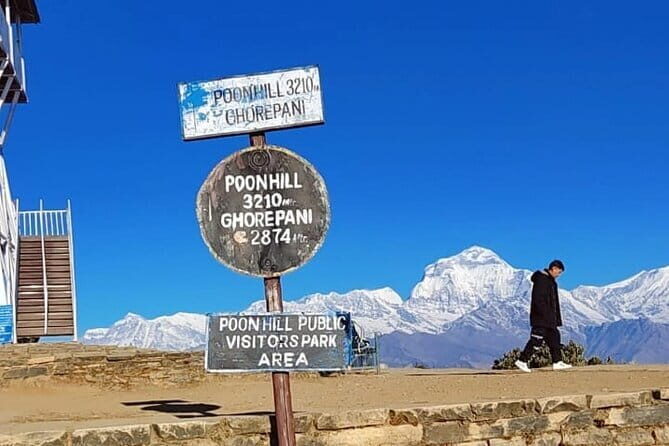
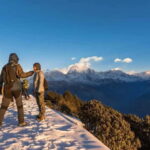
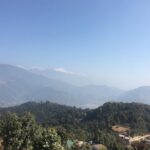
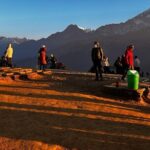
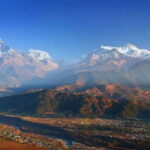
Day 3 is the big sunrise day. You’ll be positioned to see the majestic sunrise with Annapurna, Dhaulagiri, and Manaslu ranges opening up in front of you. This is the part of the trip that most clearly matches the Mohare Danda-style viewpoint focus: early light, long sightlines, and mountain silhouettes that feel much sharper than midday views.
What makes this sunrise more comfortable is the way meals are handled. There’s cozy dining with a firewood chimney, which turns waiting time into something warm and human rather than just cold and impatient. You’ll also have free internet facility available during this day, which can be handy for messaging, maps, or simply staying connected while you’re off the usual routes.
The day continues with more sunrise viewing time and then a focused moment for Mount Manaslu (8,163 metres). If you’re the kind of traveler who loves repetition when it pays off, this schedule makes sense. Seeing the same big peaks at different minutes of light change helps you “read” the mountains better.
Practical caution: sunrise days usually mean early starts and colder air. Even if the trek feels manageable, plan for chilly conditions while you wait for the light to land right.
Day 4: Kali Daha Lake reflections, rhododendron trails, and the Kali Gandaki gorge
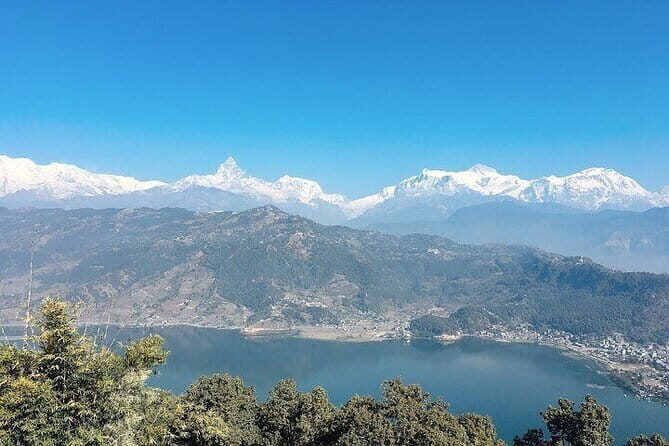
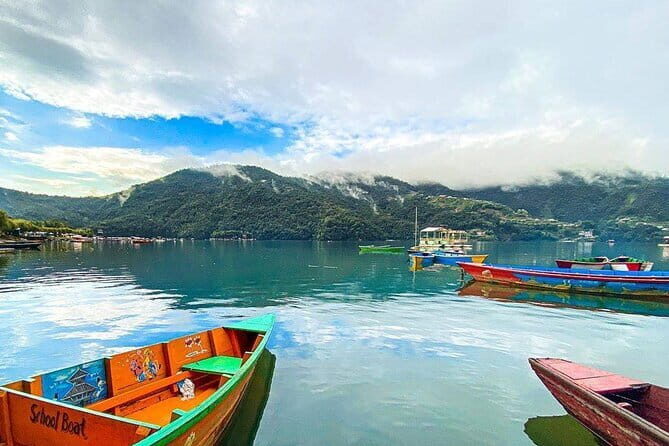
On Day 4, the scenery shifts from straight-up mountain sightlines to reflective water and cultural trail details. Kali Daha Lake is described as mirror-like, reflecting the Annapurna mountain range. When the sun rises, the golden rays bounce across the water and the reflection effect becomes part of the experience, not just a background.
Then you’ll move along rhododendron-adorned trails. Rhododendron bushes show up here as part of the natural scenery and also hold cultural significance in Nepali tradition. That mix of nature and meaning is what makes this route more than a “get the photo and go.”
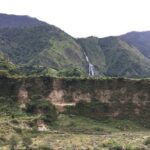
Another standout geography lesson happens on this day: the Kali Gandaki separates two of the world’s 10 highest mountains, and the measurement from Dhaulagiri’s tip to the riverbed is described as one of the deepest gorges in the world (about 5.5 kilometres vertical distance). You don’t have to be a geologist to feel the result. The region’s terrain is steep and dramatic, and the trek’s rhythm reflects that.
A small logistical consideration: because this is a multi-day route, you’re doing a lot of moving while keeping your attention on timing (sunrise, weather, light). Build in buffer time in your head so you don’t feel rushed.
Day 5: A sacred farewell along the Kali Gandaki River
Your final day centers on the Kali Gandaki River again, this time with a spiritual lens. The river is considered sacred in Hindu and Buddhist beliefs, and rituals and ceremonies happen along its banks. Many pilgrims take dips in the holy waters as a form of purification.
Even if you’re not planning to join any rituals, just knowing what the river means to people changes how you see it. It stops being scenery and becomes a living place with ongoing traditions.
Day 5 also tends to feel like a transition day. You’re leaving behind the higher viewpoint time and returning to the river energy that has been part of the trip from the start.
Food, comfort, and support: how this tour keeps you moving
Here’s what you’re covered for, and why it matters:
- You get private transportation and an air-conditioned vehicle for the driving parts.
- You travel with local professional porters for your luggage between destinations, which can reduce fatigue and keep you from having to carry everything.
- Tea/coffee are included, along with lunch (5), breakfast (4), and dinner (4).
- You’ll also have hot showers available, which is a big deal on multi-day trekking when you want to feel human again.
Dietary needs are something you can indicate when booking, which helps you avoid surprises if you have restrictions. Alcohol, wine, and soft drinks are not included, so if you like a drink with dinner, that’s on you.
The best “comfort” detail is subtle: this tour doesn’t treat you like a package moving from one viewpoint to another. With a licensed in-person guide and a team that handles route decisions locally, you’ll spend less time worrying about what happens next.
Price and value: is $315 fair for what you get?
$315 for a roughly 5-day private tour can be a good value, mainly because the cost isn’t only paying for a guide. You’re also paying for:
- Private transport and air-conditioned driving segments
- An in-person licensed/certified guide
- Local porters for luggage between destinations
- Multiple meals (lunches, breakfasts, dinners)
- Tea/coffee
- Hot shower access
- A style of trekking that’s meant to connect you to local communities running lodges
You’re also getting group discount possibilities, which can make the per-person cost drop if you’re traveling with others. That said, this is a private setup, so you won’t benefit from the cheapest kind of group trekking where you’re one face in a crowd.
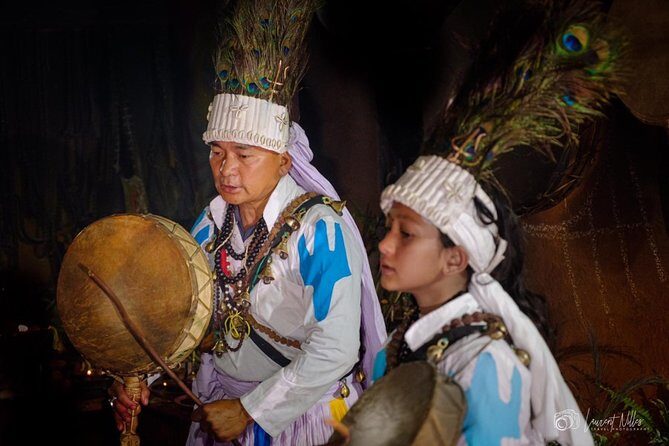
What’s not included matters too. If you request the Pun Magar Traditional Cultural Program, there’s a fee of USD 48 total. And any alcohol/soft drinks are extra.
My take: if you want comfort support (hot showers, porters, meals) and cultural access (local lodge economy, craft stops, community focus), this price feels aligned with the effort you’re getting. If you’re trying to do the trek strictly on a budget with no guidance, then $315 may feel steep. But you’re not really comparing apples to apples—this is a managed, local-focused experience.
Safety and weather reality: what to expect when conditions change
This route depends on weather in a real way. Day 3 and the sunrise rhythm especially rely on clear conditions for peak views. The trek also includes terrain where heavy rain can make descents and exposed sections feel rough.
The reassuring part is that the guide team has been reported as extremely careful and supportive, including resolving issues quickly. In one real-world situation with heavy rain and hail, cars were arranged to take the group down from a steep descent, saving time and reducing the risk of injuries. That kind of flexibility is the difference between a trip that feels stressful and a trip that feels safe.
Still, keep your mindset simple: this is nature. You should dress for changing conditions, and you should accept that plans can shift when the mountains demand it.
Who this trek fits best (and who should choose another route)
This tour suits you if:
- You want local culture built into the trek, not added as an afterthought
- You care about village-run lodges and want your spending to support community development
- You want big mountain moments focused on sunrise views
- You’re okay with moderate walking over multiple days and can handle uphill/downhill terrain
You may want to skip (or choose a different route) if:
- You’re looking for mostly flat, low-impact walking
- You have limited mobility and can’t do moderate hiking
- You’re uncomfortable with weather uncertainty in mountain regions
If you’re traveling in a group, the private format also means your pace and needs are easier to manage than in large mixed tours.
Should you book this private Mohare Danda trek?
If your dream trip includes sunrise views over the Annapurna, Dhaulagiri, and Manaslu ranges, plus real local life in the lodges and villages along the way, I think this is a strong choice. The combination of community-run stays, luggage support from porters, multiple included meals, and the guide team’s safety-focused approach makes it feel practical—not just scenic.
I’d book it when you can prioritize good weather, you have moderate fitness, and you want more than a checklist of viewpoints. If you want a purely luxury feel, that’s not the point here. But if you want authentic mountain time with comfort built in, this trip style is worth your money.
FAQ
What is the duration of the tour?
The tour runs for about 5 days.
Where does this tour operate?
It’s based in Pokhara, Nepal.
How much does the tour cost?
The price listed is $315.
Is this a private tour?
Yes. It’s private, and only your group participates.
Do you get airport-style pickup or transportation?
Private transportation is included, and pickup is offered.
What meals are included?
Lunch is included 5 times, breakfast 4 times, and dinner 4 times, plus tea/coffee.
Is hot shower included?
Yes, hot shower is included.
Will there be a guide?
Yes. An in-person guide who is licensed or certified is included.
Are there any activities that cost extra?
The Pun Magar Traditional Cultural Program costs USD 48 total if you request it. Alcohol, wine, and soft drinks are also not included.
Is this trek weather-dependent?
Yes. It requires good weather, and if it’s canceled due to poor weather, you’ll be offered a different date or a full refund.