REVIEW · POKHARA
3-Day Chitwan Jungle Safari Adventure From Kathmandu/Pokhara
Book on GetYourGuide →Operated by Snow Peak Tours and Travels pvt. ltd. · Bookable on GetYourGuide
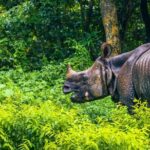
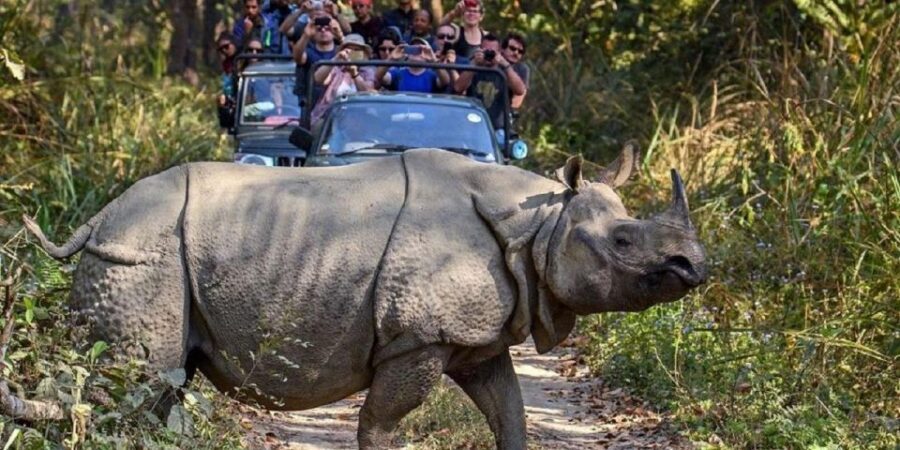
Rhinos are not usually this close. This 3-day Chitwan Jungle Safari turns a long-hyped national park into a real, timed experience, with Rapti River canoe rides and a Tharu village dance evening that feel human-sized, not touristy. What I like most is the mix: quiet nature time in the morning and lively culture time in the evening. One drawback to plan for: it moves at safari speed, and you choose either an elephant-back safari or a jeep safari, not both.
You’ll start in Kathmandu or Pokhara, transfer to Sauraha, and settle into a resort base for two nights. I like that the package handles the big stuff: park admission, meals, and a live guide in English, Hindi, or Nepali, so you spend your energy on animals and birds instead of paperwork.
For $158 per person, the value mostly comes from what’s bundled: round-trip tourist bus, meals, and guided wildlife activities inside Chitwan National Park. If you hate early starts or long coach rides, you might find the pace a bit intense, but most people enjoy the structure because it keeps the safari day focused.
In This Review
- Key Highlights You’ll Feel Day by Day
- Entering Chitwan: Why This Safari Works as a 3-Day Trip
- Price and Value: What $158 Really Buys You
- Getting There: Kathmandu or Pokhara to Sauraha (The 6-Hour Reality)
- Day 1: Tharu Village, Rapti Sunset, and Your Resort Base
- Tharu village tour
- Riverside sunset by the Rapti River
- Evening Tharu cultural dance program
- Day 2: Canoe Ride, Birds, Jungle Walk, and Breeding Centers
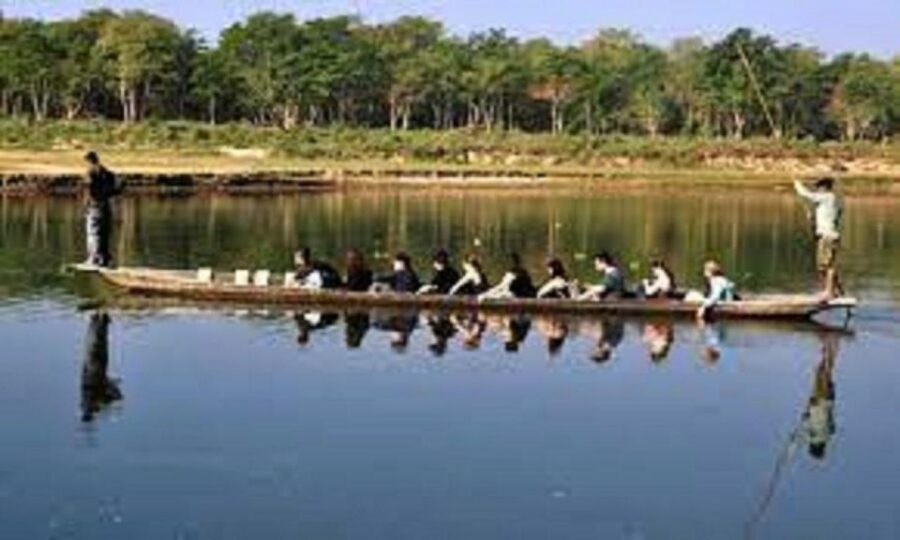
- Canoe ride on the Rapti River
- Birdwatching and jungle walk
- Elephant Breeding Center
- Ghoriyal crocodile breeding center
- Elephant-Back Safari vs Jeep Safari: How to Choose Your Best Day
- Food, Comfort, and the Resort Base in the Sauraha Area
- Day 3: The Return Coach and What to Bring Back from Chitwan
- Who This Tour Is Best For (and Who Might Not Love It)
- Should You Book This Chitwan Jungle Safari Adventure?
- FAQ
- How long is the Chitwan Jungle Safari from Kathmandu/Pokhara?
- Where do you get picked up and dropped off?
- What’s included in the price?
- Do I have to choose between elephant back safari and jeep safari?
- What language will the guide speak?
- What ID do I need to bring?
Key Highlights You’ll Feel Day by Day
- Rapti River canoe time: calm water, good birdwatching, and a slower way to see Chitwan
- Tharu culture in Sauraha: village visit plus an evening dance program with music and storytelling
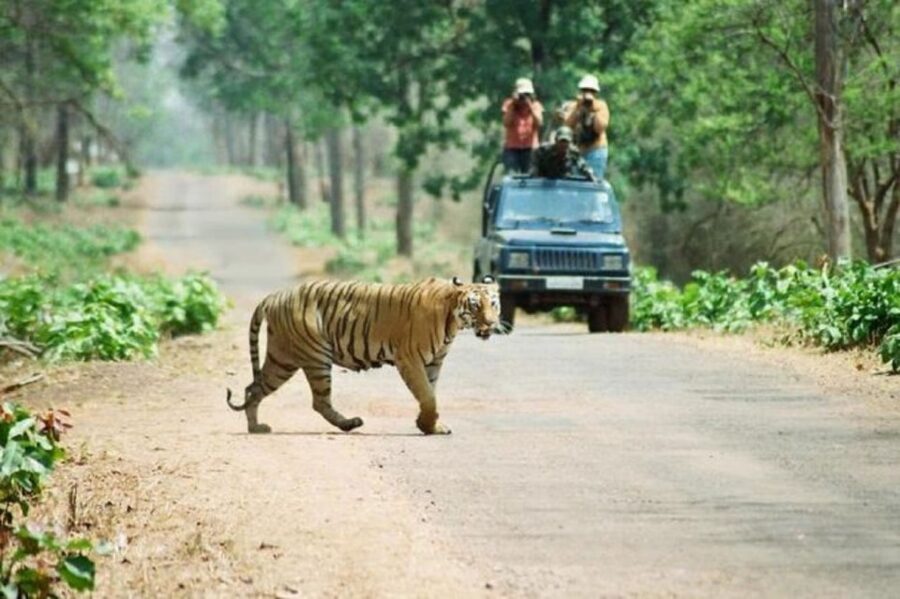
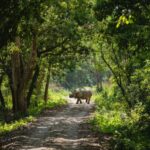
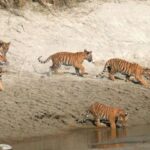
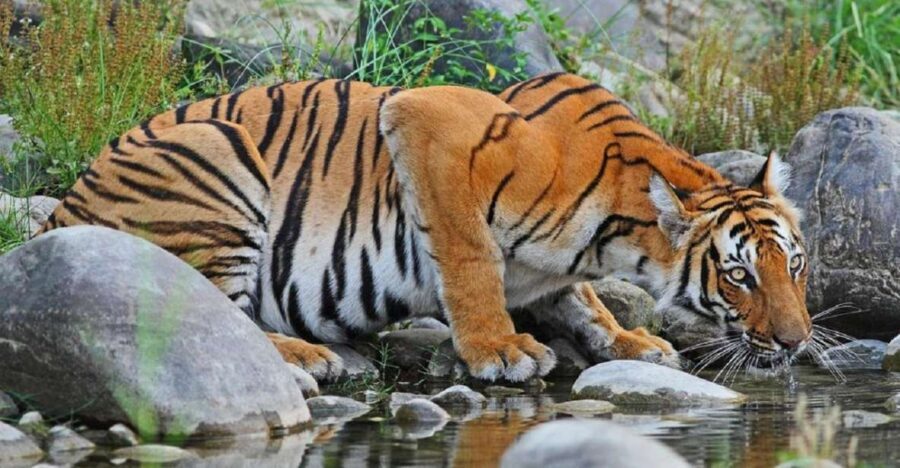
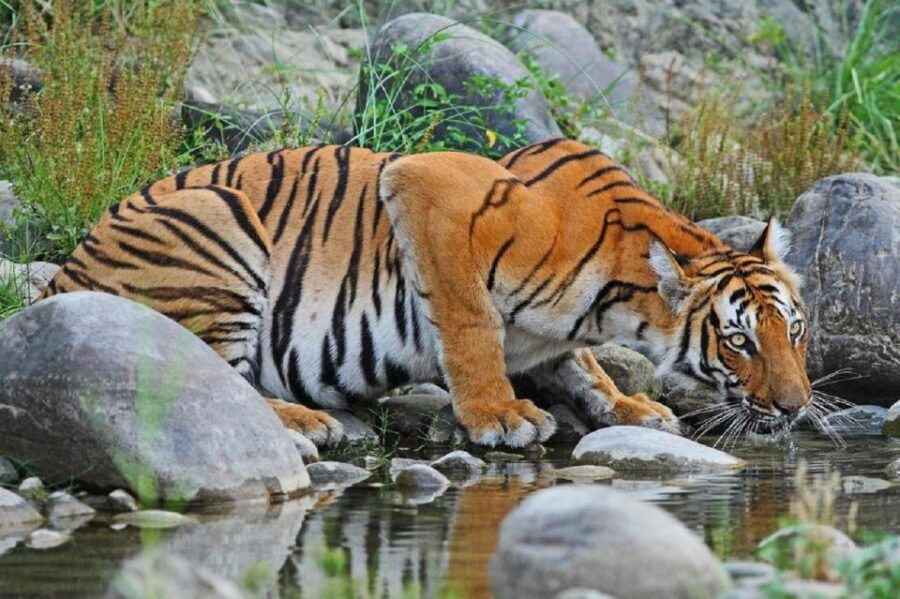
- Big wildlife targets: Chitwan’s one-horned rhino and tiger are part of why this park is famous
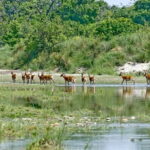
- Birdwatching plus jungle walk: walking and spotting skills, not just vehicle watching
- Elephant Breeding Center stop: a close look at conservation-focused animal care
- Elephant-back or jeep safari choice: you get one main ride for wildlife viewing
Entering Chitwan: Why This Safari Works as a 3-Day Trip
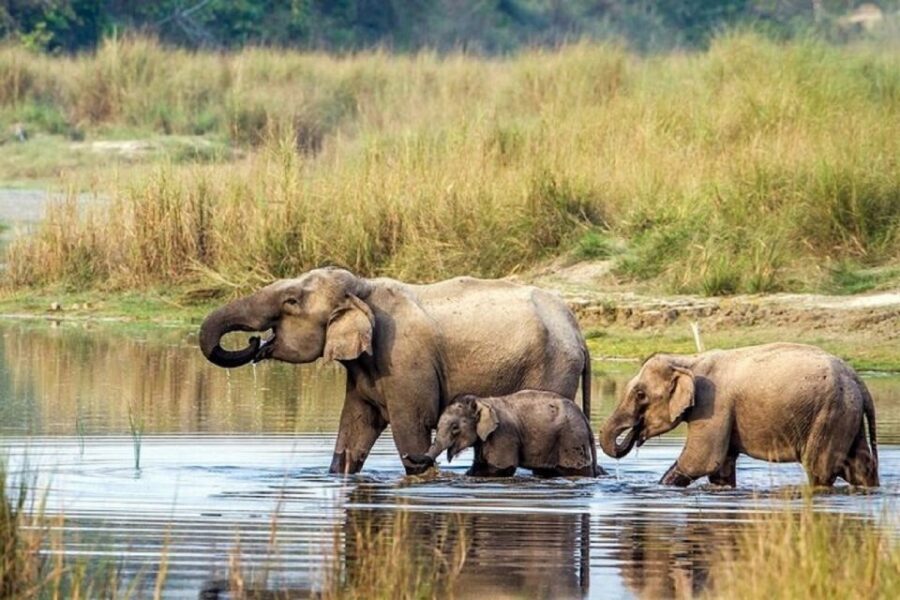
Chitwan National Park is the kind of place that makes you rethink what a “wild day” looks like. Yes, you come for the animals people list on posters. But the best part of this tour is how it balances wildlife with slower, quieter moments.
You start with the rhythms of the Rapti River and the edges of the jungle. Then you add a walking component, plus guided spotting. That matters because you’re not only staring from a vehicle. You’re learning how to notice movement, calls, and the small signs that animals are nearby.
The Tharu part is also well-placed. It’s not a random add-on. You do the village visit and then later you watch a cultural dance program in the evening. That helps the trip feel like Chitwan, not just a checklist of wildlife spots.
A few more Pokhara tours and experiences worth a look
Price and Value: What $158 Really Buys You
At $158 per person, the headline question is simple: what are you actually paying for?
You’re paying for the package foundation:
- Round-trip tourist bus between Kathmandu/Pokhara and Chitwan (Sauraha area), including the long drive time
- National park admission fees
- A live guide during the Chitwan portion
- Meals in Chitwan (2 breakfasts, 2 lunches, 2 dinners)
- Two-night private accommodation (Rainbow Safari Resort or similar)
- Hotel pickup and drop-off in the Sauraha area
When you price safari days on your own, the extras are usually what blow up the budget: entrance fees, guide time, transfers, and meals. This tour bundles those pieces, so you’re less likely to get stuck paying for the same thing twice.
My advice: if you want a stress-light 3-day Chitwan plan with one main itinerary and all meals handled, this package format makes sense.
Getting There: Kathmandu or Pokhara to Sauraha (The 6-Hour Reality)
This tour runs as a timed round trip using a tourist coach. The drive between your base city and Chitwan is listed as 6 hours each way, and the stop in Chitwan is Sauraha.
You’ll pick up from specific Kathmandu/Pokhara meeting points:
- In Kathmandu: Thamel, Durbar Marg (listed pickup options)
- In Pokhara: Lakeside and Lakeside area options
On departure, drop-off points are also the same set of areas. The practical upside is that you’re not improvising transport at either end.
On the downside, you should treat the road time as part of the trip, not a side detail. If you’re the type who hates long seated days, plan to keep expectations realistic. Think of the coach ride as your “setup” day for the wildlife time ahead.
Day 1: Tharu Village, Rapti Sunset, and Your Resort Base
After you’re picked up and driven to Sauraha, you get a welcome drink and lunch at your jungle resort. Then the day shifts to culture and river views.
Tharu village tour
This includes a Tharu village visit, which is one of the tour’s most grounded parts. It gives context for the people who live in the Terai region, and it’s where the evening program makes more sense later.
A few more Pokhara tours and experiences worth a look
Riverside sunset by the Rapti River
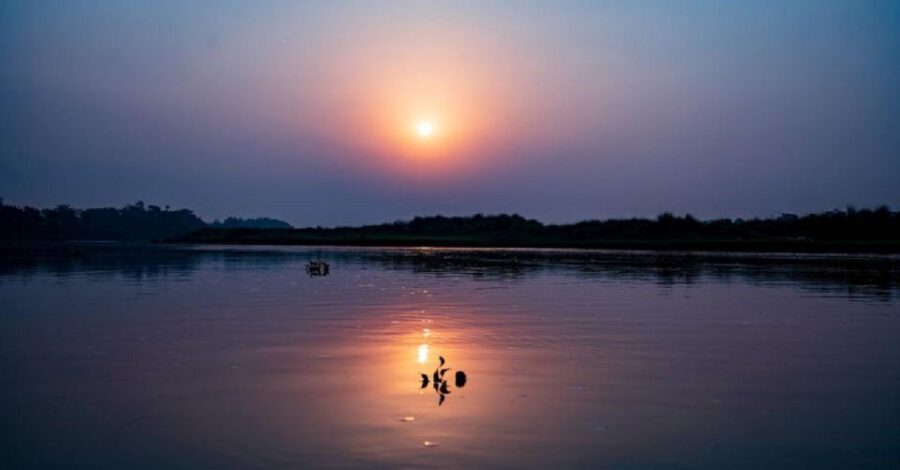
You’ll also get a sunset viewing stop along the Rapti River. I like this because it’s not rushed wildlife viewing. It’s a moment to reset after travel, and it sets the tone for the next day’s animal-focused activities.
Evening Tharu cultural dance program
Then you do the Tharu cultural dance program with music and performance. This is where many people feel the trip becomes more than sightings. It’s also one of the most memorable parts mentioned in the experience feedback, often tied to the friendliness of the staff and the smooth way the evening is run.
You finish with dinner and an overnight stay at your resort.
Day 2: Canoe Ride, Birds, Jungle Walk, and Breeding Centers
Day 2 is your wildlife engine day. It starts with breakfast and then moves through several activity types, which is key to making a short safari feel full.
Canoe ride on the Rapti River
You take a serene canoe ride along the Rapti River. This is a major contrast to jeep or elephant time. You’re on calmer water, and it’s especially good for spotting birds.
If you’re the kind of traveler who likes stillness and careful watching, this part is a highlight. People often point to the boat and bird element as a strong reason the tour works.
Birdwatching and jungle walk
Next comes birdwatching plus a jungle walk with a guide. The point here isn’t just to move through the forest. It’s to learn what to pay attention to, and how a guided walk changes what you notice.
Elephant Breeding Center
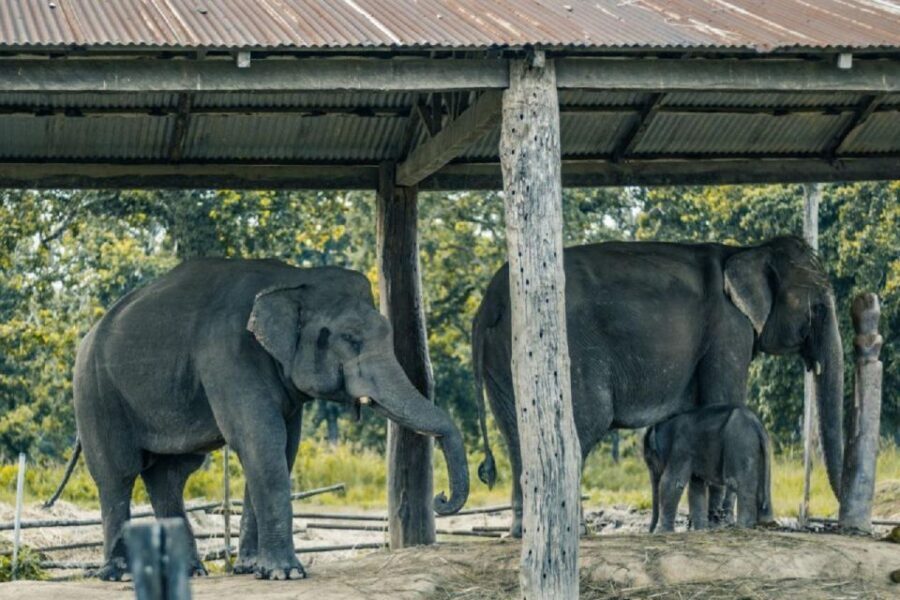
You visit the Elephant Breeding Center. The idea is straightforward: you get a closer look at elephants in a structured setting, with the experience tied to animal care and education.
Ghoriyal crocodile breeding center
The broader program also mentions visiting the Ghoriyal crocodile breeding center. I like having this because it widens the safari beyond big mammals and shows conservation work for other species too.
After lunch, you get your main wildlife viewing choice.
Elephant-Back Safari vs Jeep Safari: How to Choose Your Best Day
You’ll have a choice after lunch for either:
- Elephant back safari, or
- Jeep safari
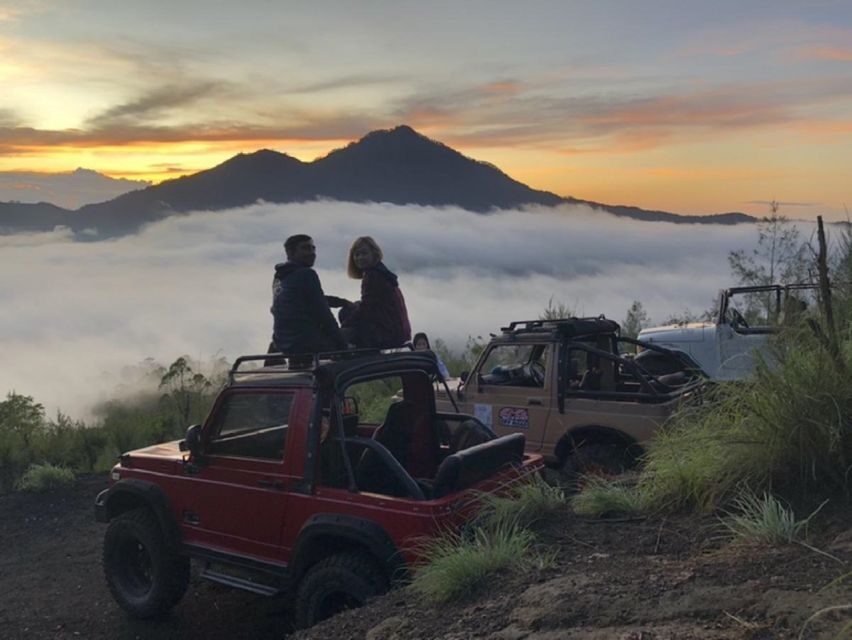
This is one of those moments where your preferences should drive the decision. If you’re drawn to tradition and want that classic safari feeling, the elephant option is the obvious pull. If you’d rather optimize for broader viewing and comfort with vehicle time, jeep may feel easier.
One practical consideration: the tour structure gives you one of these safari formats, not both. So if your heart is set on doing both an elephant ride and a jeep safari, this package won’t satisfy that wish in a single trip.
My tip: decide based on what you’d regret not choosing. In a short 3-day schedule, that mental trade-off matters.
Food, Comfort, and the Resort Base in the Sauraha Area
You stay for two nights at Rainbow Safari Resort or a similar property. That matters because Chitwan isn’t a city with endless dining options nearby. Your meals are included: 2 breakfasts, 2 lunches, and 2 dinners.
What I like about having meals handled is that you don’t waste daylight searching for food between activities. You can keep your energy for the next safari block.
The comfort piece is also a big deal for this kind of trip. You’re active during the day, then you need a place to reset at night. Based on the feedback tied to this resort and the overall setup, people typically feel it’s a comfortable base for the schedule.
Day 3: The Return Coach and What to Bring Back from Chitwan
On day 3, you wake up, have breakfast, and then head back to Kathmandu or Pokhara by tourist coach. The ride back is also listed as 6 hours.
The important thing here is mindset. You’re not just returning home. You’re completing a short loop that started with travel, moved into wildlife and birds, and finished with culture and river scenes.
If you’re hoping the trip will feel like a single story, day 3 closes it neatly. You’ll likely leave with two kinds of memories:
- the animal sightings and the breathing-space moments like canoe time
- the human side of Chitwan through Tharu village and dance
Who This Tour Is Best For (and Who Might Not Love It)
This tour is a good match if you want:
- A guided, organized Chitwan plan with activities grouped across 3 days
- A mix of wildlife time plus Tharu cultural experiences
- Included meals and a resort base so you’re not managing logistics daily
- A structured way to do canoe time, birdwatching, and jungle walking
It might be less ideal if:
- You strongly prefer custom touring with lots of spare time for wandering
- You want both elephant-back and jeep safari in the same trip
- Long road transfers are a deal-breaker for your travel style
Should You Book This Chitwan Jungle Safari Adventure?
If you want Chitwan National Park in a simple, guided 3-day package, I think this is a smart buy. The value comes from bundling what’s usually hardest to coordinate: transfers from Kathmandu/Pokhara, park fees, meals, and a guide, with a comfortable resort base in Sauraha.
I’d book it especially if you’re excited about the combination of Rapti River canoe viewing, birdwatching, and the Tharu cultural evening. That blend is what gives the trip weight, not just the big animal headlines.
Before you book, make your peace with one thing: you’ll choose either elephant-back or jeep safari as your main riding experience. If you want both, you’ll need a different plan than this 3-day structure.
FAQ
How long is the Chitwan Jungle Safari from Kathmandu/Pokhara?
The tour runs for 3 days, with round-trip travel between Kathmandu or Pokhara and the Chitwan (Sauraha area) region.
Where do you get picked up and dropped off?
In Kathmandu and Pokhara, pickup options include Thamel and Durbar Marg in Kathmandu, and Lakeside in Pokhara. Drop-off options include the same areas: Lakeside, Durbar Marg, Thamel, and Pokhara Lakeside.
What’s included in the price?
The package includes round-trip transportation by tourist bus, national park admission fees, a Chitwan guide for the jungle tour, all meals in Chitwan (2 breakfasts, 2 lunches, 2 dinners), and 2-night private accommodation at Rainbow Safari Resort or similar, plus hotel pickup and drop-off in the Sauraha area.
Do I have to choose between elephant back safari and jeep safari?
Yes. After lunch on day 2, you can choose either an elephant back safari or a jeep safari as your wildlife ride.
What language will the guide speak?
The live tour guide is available in English, Hindi, and Nepali.
What ID do I need to bring?
Bring a passport or an ID card.