REVIEW · POKHARA
Pokhara: Nepali Cooking Class and Momo Making Workshop
Book on GetYourGuide →Operated by My Dream Adventure · Bookable on GetYourGuide
A kitchen class in Pokhara beats any food tour. You’ll learn Nepali staples like momo or dal bhat with a local Aama chef, while the day balances hands-on cooking, market shopping for ingredients, and a meal you actually make.
Two things I especially like: the small group size (so you get real help) and the focus on practical technique, not just eating. One consideration: the class uses spices and shared kitchen setup, so it is not suitable for people with food allergies.
In This Review
- Key Highlights You’ll Notice Fast
- Why This Pokhara Cooking Class Feels More Like a Home Meal
- Getting Picked Up in Pokhara Without Stress
- Meet the Aama Chef: English-Friendly, Hands-On Teaching
- Ingredient Shopping in Local Markets: Where the Flavor Begins
- Dal Bhat Cooking Track: Rice, Lentils, and Curry Balance
- Momo Making Track: Dumplings with Chicken or Vegetarian Filling
- Masala Tea Break and the Meal You Actually Cook
- The Little Extras: Certificates, Tika, and a Friendly Send-Off
- Price and Value: What $42 Buys You (And Why It’s Not Just Paying for Food)
- Who This Cooking Class Is Best For
- What to Bring and How to Prepare
- Should You Book This Pokhara Cooking Class or Skip It?
- FAQ
- What dishes can I cook in the class?
- How long is the cooking class in Pokhara?
- Is hotel pickup and drop-off included?
- What language is the instructor?
- Is the class suitable for people with food allergies?
- What should I bring to the workshop?
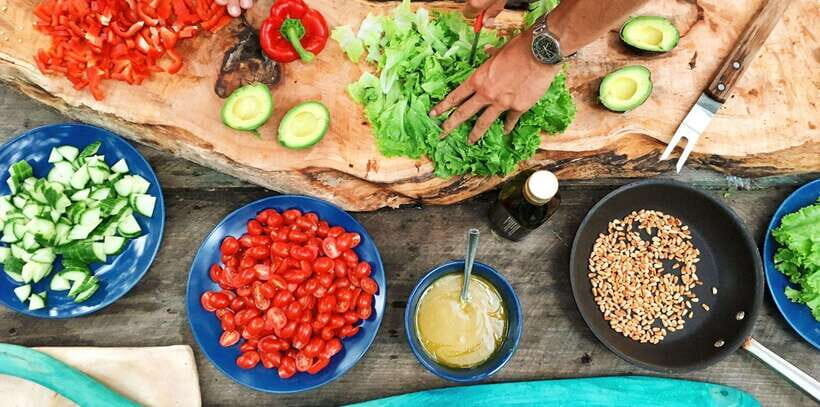
Key Highlights You’ll Notice Fast
- Small-group format (up to 8), so questions don’t get lost
- Local Aama instruction with step-by-step guidance in English
- Market ingredient shopping for vegetables, spices, and meat
- Two main tracks: dal bhat or momo (chicken or vegetarian)
- You eat what you cook, plus masala tea during the session
- Family-style hospitality that can include a completion certificate and tika for some participants
Why This Pokhara Cooking Class Feels More Like a Home Meal
Pokhara is good at setting the mood for food. This class leans into that. Instead of watching from the sidelines, you’re in a traditional Nepali kitchen where spices smell strong and instructions come in plain, doable steps.
I like the pairing of cooking plus culture without making it feel like a lecture. You learn why each dish matters in everyday Nepali dining, and you practice the techniques that create the flavors. That matters because once you understand the method, you can recreate the dishes later, not just remember the taste.
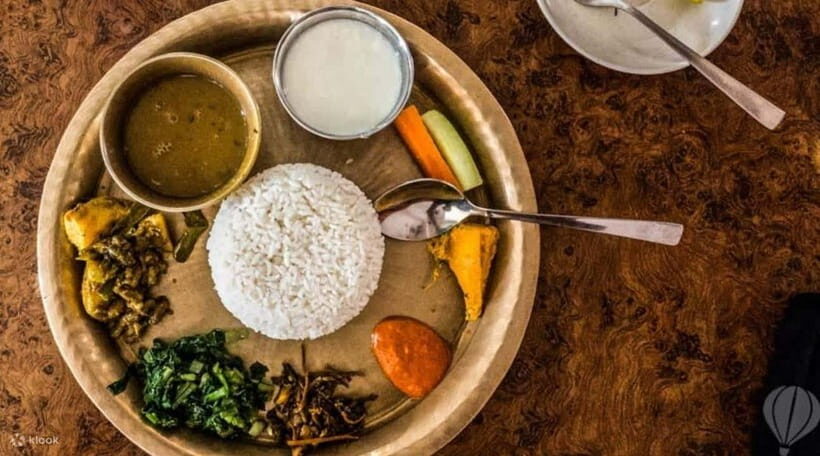
Also, the experience is built around iconic comfort foods. Dal bhat gives you rice with lentil soup and curry components. Momo lets you focus on dumplings, with a choice of chicken or vegetarian fillings. Either way, you’re cooking something that locals take seriously, but it’s approachable enough for beginners.
One more reason this works well: the class is only 3 hours. You get momentum and then you get fed, without dragging into an all-day event.
You can also read our reviews of more cooking classes in Pokhara
Getting Picked Up in Pokhara Without Stress
The day starts with hotel pickup and drop-off inside Pokhara. You’ll be collected from your accommodation using a name card, which is a small detail that prevents the usual first-hour chaos.
From there, you’re taken to the home kitchen. The transfer is part of the value here. Even if you enjoy navigating Pokhara on your own, having this handled means you can show up in comfortable clothes and focus on learning.
A practical note from the experience setup: the cooking location can be convenient for a lakeside stroll afterward if your schedule allows. If you’re staying farther out, the return ride may be handled as well. It’s not the kind of class where you’re left on your own after the meal.
Meet the Aama Chef: English-Friendly, Hands-On Teaching
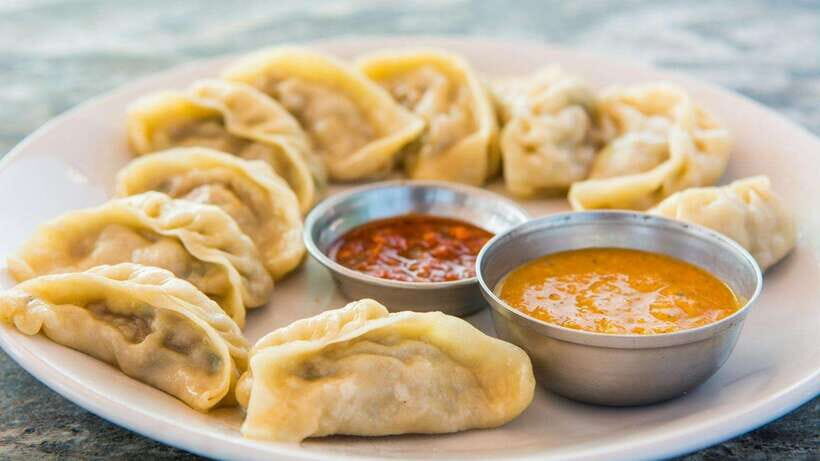
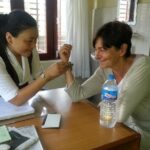
This is taught by a local house kitchen head, the Aama chef instructor. Instruction is in English, and the group size is capped at 8 participants. That combination is what turns this from a cooking demo into a real workshop.
Here’s what you can expect your time to look like:
- You get step-by-step guidance as you work.
- You learn what to do first, second, and third.
- You get help when your dumpling seams look like they’ve been through a windstorm.
The English instruction matters more than it sounds. Nepali cooking has specific moves, like how you handle spice blends and how you portion and shape fillings. Clear language makes those actions repeatable.
And the teaching style is family-based. In past sessions, the host family setup has included a very patient husband-and-wife dynamic alongside the Aama instructor. It comes through as warm and accommodating, especially if you’re cooking for the first time.
If you care about cultural context, you’ll also hear the significance of the dishes as you make them. That extra bit turns the food from a snack into a story you can tell later.
Ingredient Shopping in Local Markets: Where the Flavor Begins
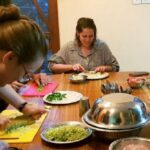
One of the most useful parts is the chance to select ingredients before you cook. You’ll explore local markets to buy vegetables, spices, and meat for the class.
This step does two things for your results:
- It helps you understand what fresh ingredients actually look like in Pokhara.
- It connects the final dish to choices you can make again at home.
You’re not just grabbing whatever is on the shelf. You’re seeing how selection affects the dish, especially with spices and vegetables. Even if you don’t remember every ingredient name, you’ll recognize the flavors and the logic behind them.
If you’re picky about food preferences, this is the moment to flag them. The workshop notes that you should inform the team about dietary restrictions in advance. You’ll be better off addressing it early rather than hoping your dish adapts at the last second.
Dal Bhat Cooking Track: Rice, Lentils, and Curry Balance
If you choose Dal Bhat, you’ll work on the parts that make Nepali meals feel complete. Dal bhat is not just one dish. It’s the idea of rice plus lentil soup plus curry components, put together in a balanced bowl.
In this class format, you can expect to learn:
- How lentil soup and rice work as the base
- How curry elements fit into the overall meal
- How cooking steps build flavor instead of relying on shortcuts
This track is a strong pick if you want something practical. Rice and lentils are forgiving. You can practice technique and still end up with a satisfying result even if your first attempt isn’t perfect.
It’s also a good option if you’d rather focus on cooking components than shaping dumplings. Dal bhat is comfort. It’s also a smart meal to learn because it’s flexible and widely understood.
One small drawback to consider: dal bhat can be easy to love and easy to forget if you don’t pay attention. Ask questions while you’re cooking so you leave with a real sense of timing and seasoning, not just a finished plate.
A few more Pokhara tours and experiences worth a look
Momo Making Track: Dumplings with Chicken or Vegetarian Filling
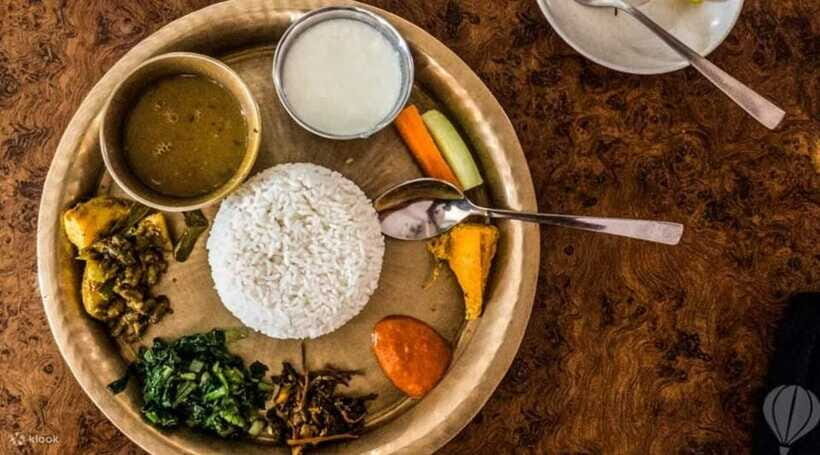
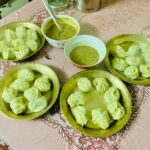
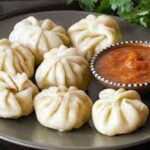
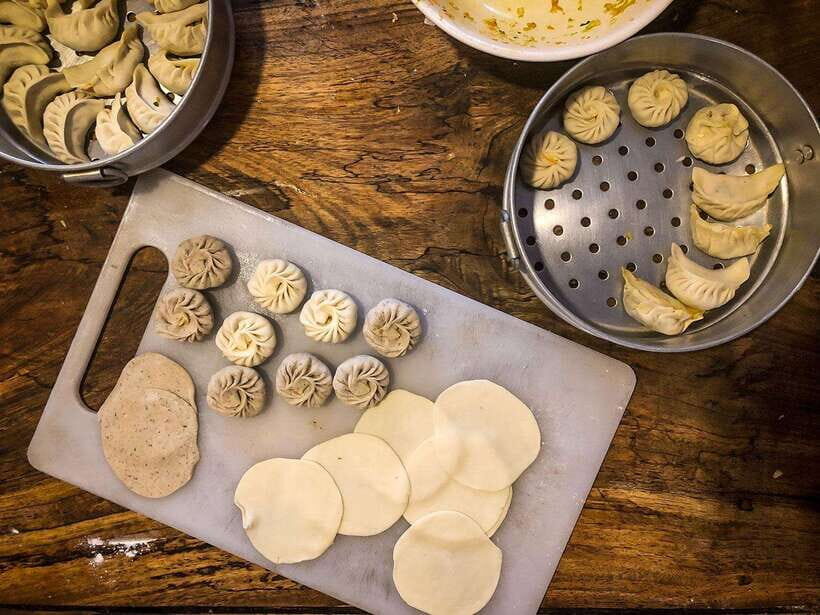
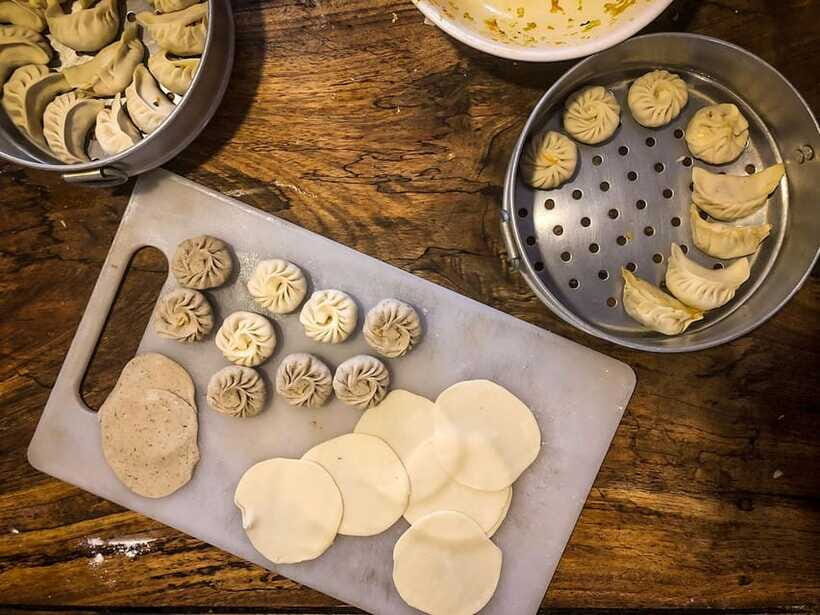
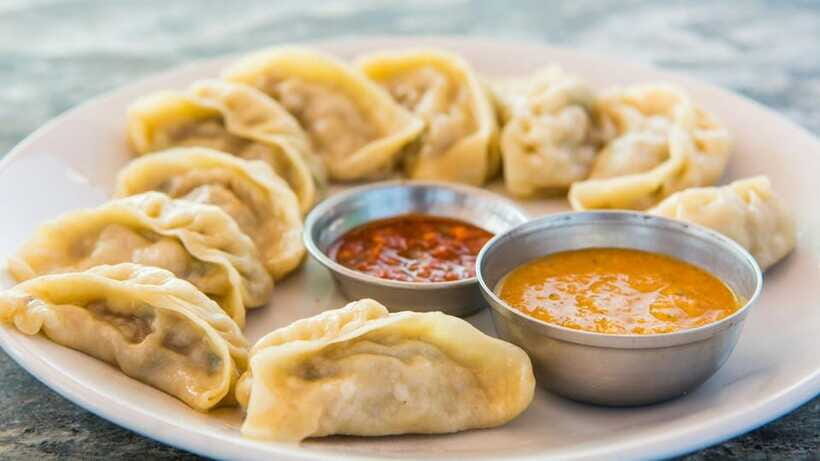
Choosing momo means focusing on dumpling technique. You’ll learn to make Nepali dumplings with a choice of chicken or vegetarian fillings.
This track is especially rewarding if you like tactile cooking. You’re shaping, stuffing, and sealing. Those are skills that feel more like craft than assembly.
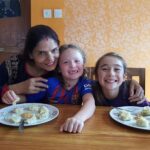
A detail that stands out from the experience setup: the instruction style is patient. Even participants who come in with family members joining the session have found the teachers very accommodating. That makes momo feel less intimidating than it can sound.
There’s also a strong cultural angle here. Momo isn’t only a snack. It’s a dish with its own identity in Nepali food culture, and learning the steps gives you a better appreciation than eating one on the street.
One extra tip if you want the best outcome: take notes on your shaping and sealing method if you can. Momo dough can be forgiving, but consistency improves your results fast.
Masala Tea Break and the Meal You Actually Cook
You’ll enjoy Nepali masala tea during the lesson. It’s a nice reset point because cooking builds heat and focus, and tea helps you slow down and taste.
Then comes the best part: the tasting session and the meal of the dishes you prepared. In other words, you don’t just cook for show. You eat what you made.
That matters for learning. Tasting while the food is still tied to the steps you just did helps you connect technique to flavor. You can notice if something needs more spice, more balance, or more salt, even if your instructor didn’t call it out.
Also, expect a meal that feels like a real Nepali home dinner rather than a staged plate. It’s simpler, fuller, and more satisfying than many tourist-focused food experiences.
The Little Extras: Certificates, Tika, and a Friendly Send-Off
Sometimes the experience includes small cultural gestures after the class. In past sessions, participants have received a laminated completion certificate and some were given tika on the forehead and a scarf.
Those extras aren’t guaranteed in the data you’re working from, so don’t count on them as the main reason to book. Still, they match the overall family-based tone of the workshop: you’re not just a customer. You’re treated like someone joining a household process.
If you love souvenirs that aren’t tacky, a printed certificate can be a fun way to remember the day.
Price and Value: What $42 Buys You (And Why It’s Not Just Paying for Food)
At $42 per person for 3 hours, this is priced like a true workshop, not a quick tasting.
Here’s what’s included, which is where the value comes from:
- Hotel pickup and drop-off
- Local Aama chef instructor
- Cooking class with step-by-step instructions
- All ingredients and equipment
- Hands-on cooking of typical Nepali meals
- Tasting session
- Nepali masala tea
- The meal you prepare
Add in the market ingredient step, the small group size, and the fact that you leave with cooking knowledge, and the price starts making sense. You’re not paying only for a plate. You’re paying for guided practice and the food learning actually leads somewhere.
What is not included: alcoholic beverages. That’s usually a non-issue, since tea is part of the experience anyway.
If you’re comparing this to a restaurant meal plus a random cooking video, this format wins. You get the technique and the full meal experience in one go.
Who This Cooking Class Is Best For
This is a great match if you:
- Want hands-on cooking in a real Nepali home kitchen
- Like practical learning you can repeat later
- Prefer small groups where someone can correct your mistakes
- Are interested in either momo technique or dal bhat meal-building
It’s also a good option for beginners. The workshop is described as suitable for novices and experienced cooks, and the step-by-step teaching style helps you keep up.
It may not be a good fit if you:
- Have food allergies (the class states it is not suitable)
- Don’t want to cook at all and only want to watch
- Need fully quiet, low-interaction activities (family-led classes tend to be social)
What to Bring and How to Prepare
You won’t need special gear, but a few choices make the experience easier:
- Wear comfortable clothes and shoes suitable for cooking
- Bring a camera if you want photos of the food and process
- Let the team know about dietary restrictions in advance if they apply to you
Also follow the rules: no smoking indoors.
If you’re the type who likes capturing details, you might find it helps to take quick photos of your mise en place (spices, chopped ingredients) once you start. Those snapshots can be useful later when you cook at home.
Should You Book This Pokhara Cooking Class or Skip It?
You should book it if you want a short, high-skill-value experience that connects Nepali food to everyday cooking methods. The price is fair for the included pickup, ingredients, instructor time, and the fact that you eat what you cook. The small group and English instruction also make it a dependable choice.
Skip it only if your main goal is restaurant-style dining rather than learning, or if you have food allergies. In that case, you’d be safer choosing a different kind of experience with clear allergy-handling options.
If you’re in Pokhara and you want something memorable that you can actually recreate later, this one is hard to beat.
FAQ
What dishes can I cook in the class?
You can choose between Dal Bhat and Momo. Momo can be made with either chicken or vegetarian fillings.
How long is the cooking class in Pokhara?
The class lasts 3 hours.
Is hotel pickup and drop-off included?
Yes. Hotel pickup and drop-off are included, and you’ll be picked up from your hotel using a name card.
What language is the instructor?
The instructor speaks English.
Is the class suitable for people with food allergies?
No. The class is not suitable for people with food allergies.
What should I bring to the workshop?
Bring comfortable clothes, comfortable shoes, and a camera.