REVIEW · KATHMANDU
8 Days Tour in Nepal (3 Star Accommodation)
Book on Viator →Operated by The Great Adventure Treks & Expedition - Private Day Tours · Bookable on Viator
Eight days can change your idea of Nepal.
This tour strings together Kathmandu temples, Pokhara mountain views, and a real-life Chitwan wildlife day, with pickup and guided stops that keep things moving. I especially like the built-in Sarangkot sunrise plus the lakeside time at Phewa Tal, because that’s where the trip slows down and lets you feel the country.
Second, I like that the natural day in Chitwan isn’t just a name on a brochure. You’ll go out with a safari specialist on a guided jungle tour, and the plan is timed for early wildlife spotting (including bird watching).
One thing to consider: you’ll spend real hours on the road. Long transfers between Kathmandu, Chitwan, and Pokhara mean you’ll want to travel light and accept that the schedule values getting places over sleeping in.
In This Review
- Key highlights worth planning around
- Entering Nepal’s Big Three: Kathmandu, Chitwan, and Pokhara
- Airport arrival and Kathmandu orientation (Day 1)
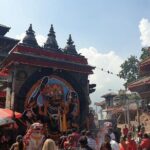
- Patan Durbar Square, Swayambhunath, and Bouddhanath: the Kathmandu morning that sets the tone (Day 2)
- Pashupatinath and Kathmandu Valley heritage, without the museum fatigue
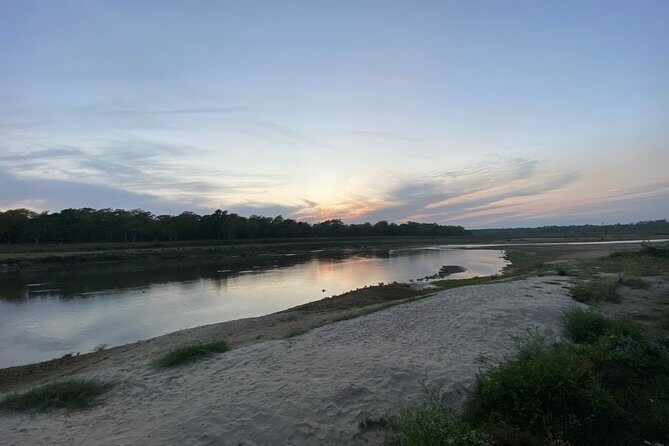
- Chitwan National Park: leaving traffic for rhinos and river crocodiles (Day 3)
- Early bird watching and a safari expert-led jungle tour (Day 4)
- Getting to Pokhara via Prithvi Highway: a calmer pace after Chitwan (Day 5)
- Sarangkot sunrise: the moment the trip earns its early start (Day 6)
- Mahendra Cave adds a break from pure viewpoints (Day 6)
- Return to Kathmandu by deluxe tourist bus (Day 7)
- Departure day (Day 8)
- Price and Logistics: what you’re paying for at $860
- Group size and how private it really feels
- Add-ons and human help: Mani and Nishan as proof of customization
- Who should book this 8-day Nepal route
- Should you book this 8 Days Tour in Nepal?
- FAQ
- What’s the start time for the tour?
- Does the tour include airport pickup and drop-off?
- What kind of accommodation is provided in Kathmandu, Chitwan, and Pokhara?
- Is Sarangkot sunrise included?
- What safari activities are included in Chitwan?
- How long does it take to travel from Kathmandu to Chitwan?
- What meals are included during the trip?
- What happens if weather is poor?
Key highlights worth planning around
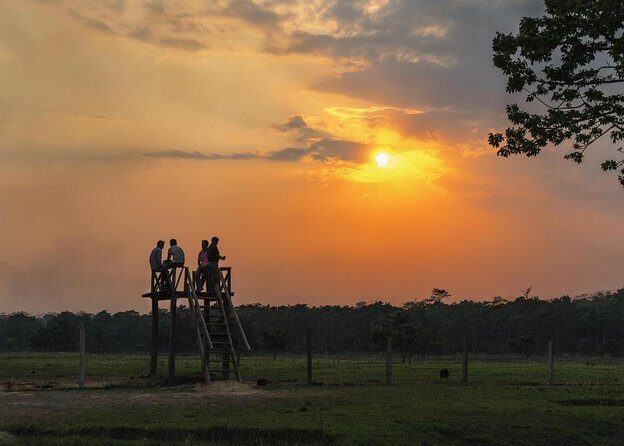
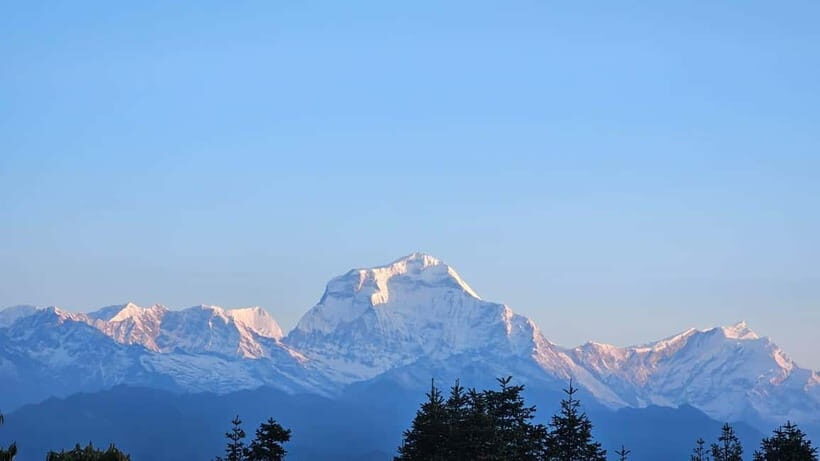
- Sarangkot sunrise view over the Annapurna and Manaslu region plus Pokhara Valley
- Chitwan National Park safari setup with early bird watching and a safari expert-led jungle tour
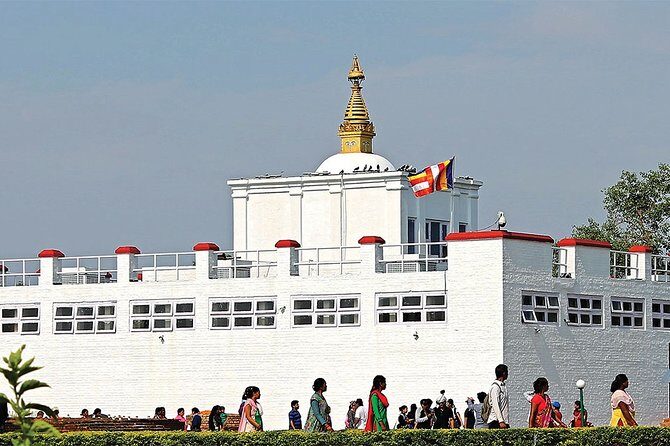
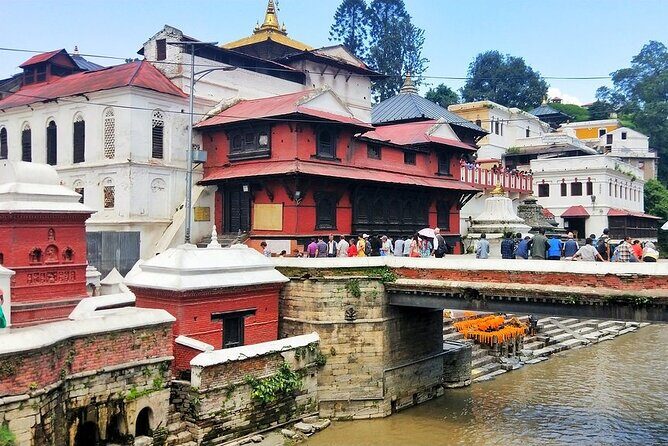
- UNESCO heritage focus in Kathmandu Valley including Patan Durbar Square, Bouddhanath, and Pashupatinath
- Phewa Tal experience with morning lake time and an included one-hour boating slot
- 3-star comfort where you need it: Kathmandu breakfast hotel, air-conditioned Chitwan room, and lakeside mountain-view Pokhara stay
Entering Nepal’s Big Three: Kathmandu, Chitwan, and Pokhara
This is a classic “best-of” route, but it’s put together in a way that makes sense for first-timers. You start with the Kathmandu Valley heritage sites, shift to jungle wildlife in Chitwan, then end with Himalayan views in Pokhara. The three locations don’t just look different on a map—they feel different in your day-to-day routine.
You also get a practical mix of transport: private car for some parts, then tourist bus for others, including the longer stretches. With a maximum group size of 30, you’re not packed in like a sardine bus—though you should still expect a little waiting when coordinating multiple people.
You can also read our reviews of more tours and experiences in Kathmandu.
Airport arrival and Kathmandu orientation (Day 1)
On Day 1, you’re met at the international airport. From there, the tour staff help you get through the handoff to your hotel and brief you on how the next days work. This matters more than it sounds. The first day in Nepal is all logistics—currency, sim cards, jet lag, and figuring out where things are—and having that first support knocks out a lot of stress.
You’ll check into a top hotel (their description), and the tour positions you in a comfortable base before the cultural mornings begin. If you want photos right away, the timing of Day 1 helps because you’re not forced to start temple hopping immediately after landing.
Patan Durbar Square, Swayambhunath, and Bouddhanath: the Kathmandu morning that sets the tone (Day 2)
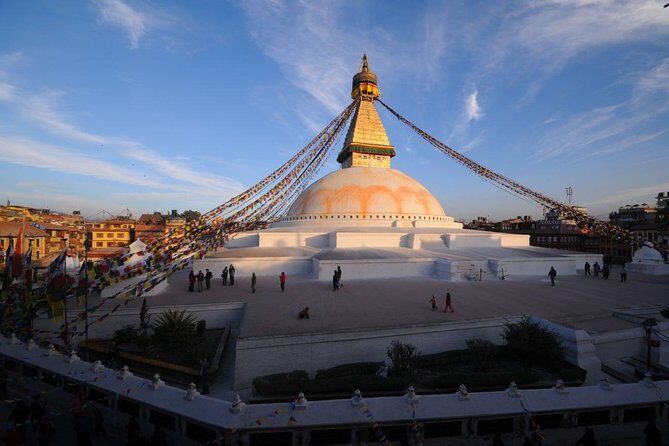
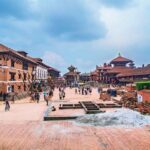
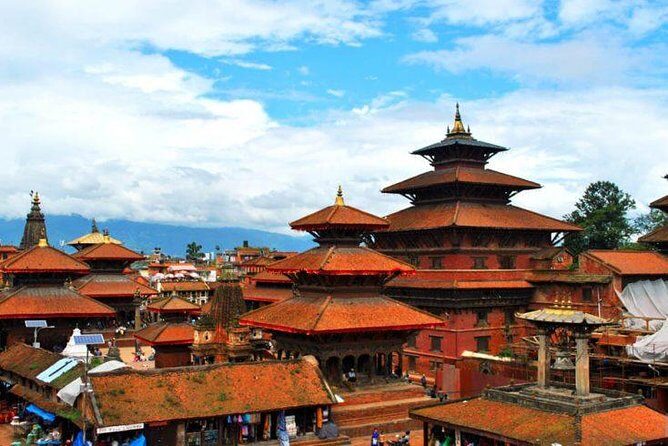
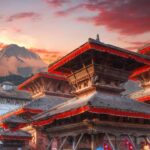
Day 2 is built around a smooth flow of major heritage stops. You’ll cover Patan Durbar Square and related sights like the Patan Museum, then move on to Swayambhunath and Bouddhanath Stupa.
Here’s why this order works for you:
- Patan Durbar Square is full of carved stone and woodwork traditions. It’s the kind of place where slowing down helps, because the details are the point.
- Swayambhunath gives you a hilltop perspective. Even if you only spend a short time there, it gives context for how the Kathmandu Valley is laid out.
- Bouddhanath Stupa brings a different kind of atmosphere—big, iconic, and very much a living religious center rather than a museum.
The tour lists admission tickets for these stops as included, which can save you from the annoying start-stop feeling that comes when you’re constantly hunting for entry lines or cash.
Practical note: Kathmandu morning weather can be cool early and warmer later. Bring layers so you can handle walking between sites without being miserable.
Pashupatinath and Kathmandu Valley heritage, without the museum fatigue
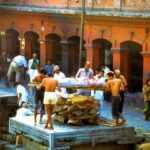
Your included sightseeing list calls out Pashupatinath, along with Bouddhanath and Patan Durbar Square. That tells me the tour isn’t just dropping you at one highlight and calling it a day. It’s trying to give you the key “must-see” icons of the valley—especially the ones that anchor Nepal’s spiritual life.
This is valuable if you’re short on time. It’s also useful if you’re trying to learn how the geography and religion interconnect across the valley. The mix of stupa sites and temple heritage helps you avoid getting stuck in one style of sightseeing for the whole trip.
Chitwan National Park: leaving traffic for rhinos and river crocodiles (Day 3)
Day 3 is your transition day. You travel from Kathmandu to Chitwan via the Prithvi Highway, described as around a six-hour journey. Once you arrive, you’re checked into a safari lodge, and there’s a local dance welcome when you reach the Chitwan area.
That dance moment is more than a show. It signals that you’re in a different Nepal—less city and ritual architecture, more culture tied to the rhythms of the forest and rivers.
You’ll also have a long day here in terms of total time on the move. The itinerary lists Day 3 as 18 hours, which usually means travel time plus settling in. Plan to be flexible and let the day happen.
Early bird watching and a safari expert-led jungle tour (Day 4)
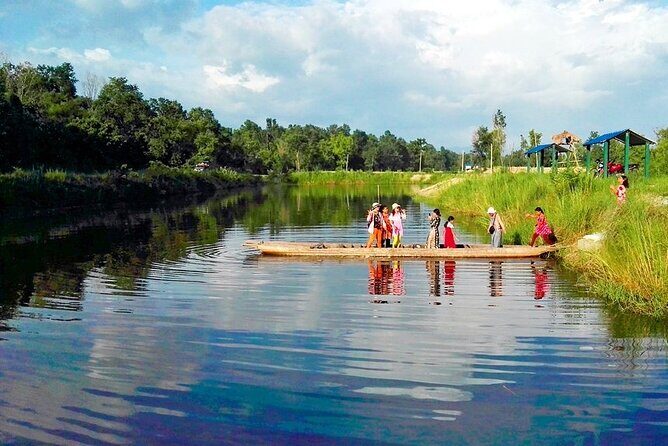
The wildlife day starts early. You get morning bird watching, then return for breakfast. After that, a safari expert takes you into the park for several hours.
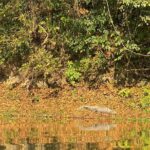
What you might see is clearly stated: rhinos, gharial crocodiles, and maybe tigers. The wording matters—this is wildlife, not a controlled theme park. But having these targets in the plan is a good sign. It suggests the safari time isn’t arbitrary; it’s built around typical animal-viewing conditions.
Also, because you’re with a guide who knows where to look, you’ll likely spend your time better than if you tried to wing it. Chitwan is not about “finding animals.” It’s about reading signs, being positioned right, and moving with the day.
Comfort tip: safari days can be hot and buggy. I’d pack light long sleeves and something for insects, even if your lodge area is comfortable.
Getting to Pokhara via Prithvi Highway: a calmer pace after Chitwan (Day 5)
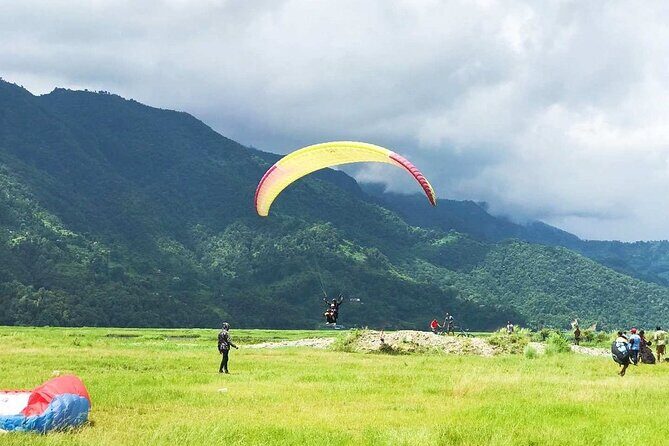
After Chitwan, you head to Pokhara quite early after breakfast. The drive is described as about 4 hours and follows the Prithvi Highway, with big-window scenery on the way.
Pokhara itself is often easier on the legs than Kathmandu because the pace feels gentler. The itinerary includes Phewa Tal, Nepal’s famous lakeside area. You’ll get a “nice little town with mountain backdrops” vibe, and this is where the trip becomes more about views and slower moments.
You also have an included one-hour boating slot on Phewa Tal. That’s a smart inclusion for value. It’s not just a photo stop; it gives you time on the water when the lake air cools you down.
Sarangkot sunrise: the moment the trip earns its early start (Day 6)
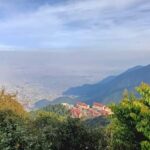
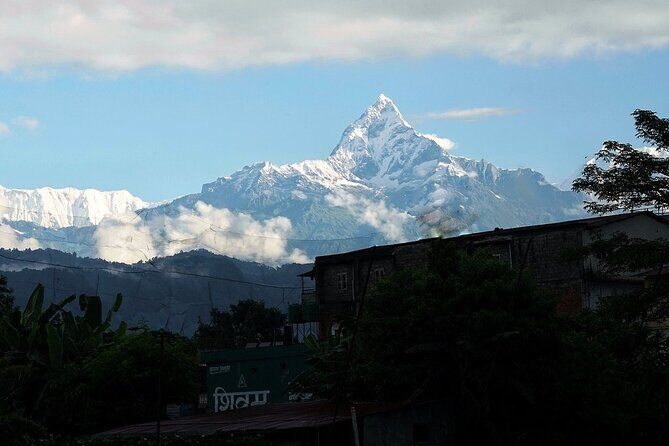
Day 6 begins with a very specific promise: go early to Sarangkot to observe sunrise. The payoff is described in straightforward terms—bird’s-eye views of the Annapurna and Manaslu mountain region and the serene view of Pokhara Valley.
This is where I think the tour delivers the biggest emotional return. Sunrise viewing is one of the few travel moments where the weather, light, and stillness line up into something you remember for years. Even if sunrise is not dramatic every single time, the high viewpoint itself is the reason to do Sarangkot.
Bring warm layers if you’re going that early. Sunrise viewing can feel cold before the sun finishes climbing. You don’t need bulky winter gear, but I wouldn’t show up in just a t-shirt.
Mahendra Cave adds a break from pure viewpoints (Day 6)
After the sunrise, you head to Mahendra Cave. Admission is listed as included, and the time slot is around 1 hour.
Caves are a nice counterbalance to viewpoint fatigue. The cave portion also breaks up the day so you’re not spending hours only looking outward at mountains. If you like quick, concrete activities—something you can say you did—this stop gives you that without adding a full trekking commitment.
Return to Kathmandu by deluxe tourist bus (Day 7)
On Day 7 you return to Kathmandu on a deluxe tourist bus. The route is described as scenic, with views of the Himalayas along the highway.
This kind of “return by bus” day is usually a good compromise. It saves you from having to sort separate transport and keeps you on the tour’s timeline. You’ll arrive in Kathmandu and then have time to stroll around the Basantpur area, per the itinerary notes.
This is the day to do the practical stuff: grab a drink, find a snack, do a little last-minute souvenir browsing, and let your legs recover.
Departure day (Day 8)
Day 8 is simple. Staff drop you at the airport, and you fly to your next destination. After eight days, that clean finish matters. You’re not stuck guessing how to get from one neighborhood to another while dragging luggage.
Price and Logistics: what you’re paying for at $860
At $860 per person for an 8-day trip, the real question isn’t just what’s included. It’s whether the inclusions match the time and effort involved.
Here’s what you get for the money based on the tour details:
- Airport pickup and drop-off (international)
- 7 nights of accommodation, with 3-star Kathmandu hotel with breakfast, air-conditioned Chitwan room, and lakeside Pokhara lodging with mountain view
- Kathmandu heritage sightseeing (world heritage sites like Pashupatinath, Bouddhanath, and Patan Durbar Square)
- Transport legs: tourist bus to Chitwan and from Pokhara back toward Kathmandu
- Chitwan safari activities including jungle tour with a safari expert and early bird watching
- Pokhara includes Sarangkot sunrise, Pokhara sightseeing, 1 hour of boating at Phewa Tal, and Mahendra Cave
- A professional guide included for the Kathmandu day tour
- Meals included: breakfast (6), lunch (2), dinner (2)
What’s not included: lunches/dinners beyond what’s listed, soft/hard drinks, travel insurance, and tips.
So is it good value? For many people, yes—because you’re paying for the hard-to-organize pieces in Nepal: transfers across regions, guided heritage coverage, the safari day with a specialist, and sunrise timing. If you were to book those separately, you’d likely spend time on coordination and face higher total costs.
The main trade-off is that some meals and parts of the route rely on fixed timing. If you hate early mornings or long road days, this is where your flexibility matters.
Group size and how private it really feels
The tour describes personalized attention on a private tour, plus travel by private car and tourist bus. It also lists a maximum of 30 travelers.
That combo often means this: you get more guided structure and less wandering on your own, but the group still exists. Expect coordination at checkpoints and during shared transport windows. You’ll likely feel like you’re part of a group with breathing room, not a crowd.
A practical upside: when something goes wrong—timing, weather, small confusion—you have a staff team to resolve it. That matters in Nepal.
Add-ons and human help: Mani and Nishan as proof of customization
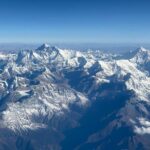
One reason this kind of tour works is that the operator appears willing to support customized add-ons. In the info you provided, there are examples of extra arrangements, including a flight through Everest as an add-on and a day trek with sunrise led by a guide named Nishan.
There’s also praise for attention from someone named Mani. You can’t assume that you’ll get those exact people, but it’s a strong hint that the team cares about responsiveness and tailoring, not just running a fixed script.
If you want to swap out a small piece or add a short extra, it’s worth asking early—especially if you’re traveling on a tight personal schedule.
Who should book this 8-day Nepal route
This tour fits well if you want:
- Major highlights in a short time: Kathmandu heritage + Chitwan safari + Pokhara sunrise
- Guides for the “hard parts” (heritage orientation and wildlife day)
- Mostly planned experiences, with a little downtime built in (like lakeside time and walking in Kathmandu)
It may be less ideal if you:
- Hate early mornings (Sarangkot sunrise is an early start)
- Prefer slow travel and lots of free-form wandering between regions
- Want every meal and every activity to be fully included
Should you book this 8 Days Tour in Nepal?
I’d say yes if you want a structured, value-driven trip that hits Nepal’s big emotional beats: religious heritage in the Kathmandu Valley, wildlife intensity in Chitwan, and mountain light in Pokhara. The combination of a guided safari day plus Sarangkot sunrise is a strong pairing for first-time visitors.
I’d hesitate only if your schedule can’t handle road time or you’re sensitive to early starts. If that’s you, consider shortening the route or adding a rest day elsewhere.
If you do book, pack for big temperature shifts, keep your daypack light for sunrises and cave time, and go into the safari day accepting that wildlife is always a little unpredictable—in a good way.
FAQ
What’s the start time for the tour?
The tour lists a start time of 9:15 am.
Does the tour include airport pickup and drop-off?
Yes. Pickup and drop-off from the international airport are included.
What kind of accommodation is provided in Kathmandu, Chitwan, and Pokhara?
Kathmandu is 3-star accommodation with breakfast. In Chitwan you get an air-conditioned room with a big garden. In Pokhara you stay at the lakeside in a mountain view room with breakfast.
Is Sarangkot sunrise included?
Yes. Sunrise from Sarangkot is included, along with Pokhara sightseeing.
What safari activities are included in Chitwan?
You’ll have early bird watching, then a safari expert leads a jungle tour. The plan mentions spotting rhinos, gharial crocodiles, and maybe tigers.
How long does it take to travel from Kathmandu to Chitwan?
The itinerary describes a roughly six-hour journey through the Prithvi highway.
What meals are included during the trip?
The inclusions list breakfast for 6 days, lunch for 2 days, and dinner for 2 days. Lunch and dinner beyond those are not included.
What happens if weather is poor?
The tour requires good weather. If it’s canceled due to poor weather, you’ll be offered a different date or a full refund.