REVIEW · KATHMANDU
Langtang valley trek
Book on Viator →Operated by Gokyo Treks and Expedition Pvt Ltd · Bookable on Viator
A trek where Langtang legends and big-altitude passes share the same trail. I like the mix of Langtang Valley plus Gosainkunda lakes and Helambu villages in one circuit, because you’re not doing the same view twice. I also like how the trip builds comfort in smart places: lodge stays in the mountains, real meals, and an English-speaking guide (plus a porter for every two guests). One drawback to plan around: lodge conditions are basic on trek days, and you won’t have attached bathrooms or showers.
You’ll go from Kathmandu by bus to Syabrubensi, then start walking with the goal of reaching the high country and the Gosaikunda pilgrimage area. You’ll cross a high pass associated with Tserkuri (around 4,900m / 15,187 ft) and spend time around the lakes—Suryakunda being part of the route—before continuing toward Helambu’s villages and Buddhism-focused sights.
In This Review
- What makes this route special (key points)
- Langtang Valley, Gosainkunda, and Helambu: what you’re really signing up for
- The story behind the name: why Langtang feels mythic
- Bus to Syabrubensi: the start that saves your legs
- Lodges and meals: comfort with a clear boundary
- Meal plan you’ll actually feel
- The stuff not included that surprises first-timers
- The high pass day: Tserkuri at around 4,900m
- Gosaikunda and the Suryakunda lakes: where the route gets meaningful
- Why this part is worth the effort
- Helambu villages: the quieter ending with Buddhism in view
- Guides and crew: what support looks like on the trail
- The names you’ll hear around this company
- Price and value: is $618.75 a fair deal?
- What costs extra (and should be planned for)
- Who should do this trek (and who should not rush it)
- Best fit
- Reconsider if…
- Should you book this Langtang Valley + Gosainkunda + Helambu trek?
- FAQ
- How long is the Langtang valley trek?
- Where does the trek start and end?
- How much does it cost?
- Is pickup available in Kathmandu?
- Is this a private trek?
- What kind of accommodation do you get during the trek?
- What meals are included?
- Are permits included?
- What is not included in the price?
- What is the cancellation policy?
What makes this route special (key points)
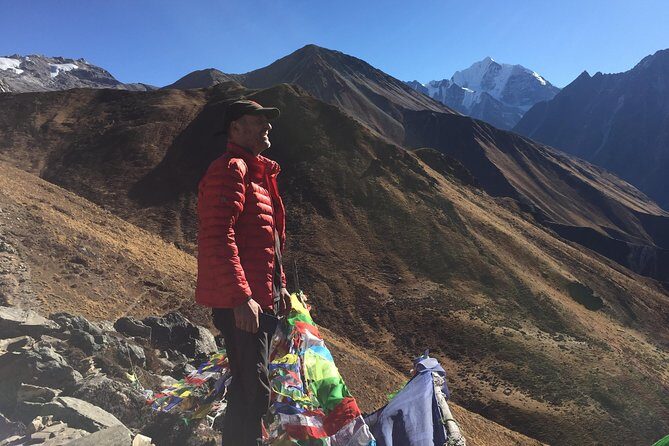
- Langtang + Gosainkunda + Helambu in one package, so you see valleys, lakes, and village life
- A high pass around 4,900m / 15,187 ft helps make the trek feel like a real accomplishment
- Lodge accommodation with local-run food, but without attached bathrooms on trekking days
- Langtang National Park permits included, plus an English-speaking licensed guide
- Clear crew support structure: an English-speaking guide and 1 porter for each 2 guests
- A very approachable “group trek” feel while still being private to your group
Langtang Valley, Gosainkunda, and Helambu: what you’re really signing up for
This trek isn’t just about ticking off a famous valley. It’s about moving through three different “moods” of the Himalaya.
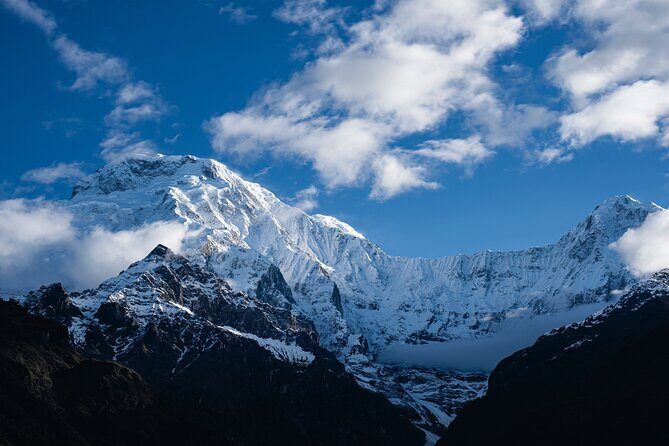
First, you enter the Langtang region, dominated by massive peaks like Langtang Lirung (7,227m) and Xisapangma (8,103m), plus the wider Gnash Himal family. That big backdrop matters because it changes how every day feels: even when the trail is modest, the mountains loom like they’re right behind your shoulder.
Second, you pivot toward the Gosainkunda area, a pilgrimage destination. Lakes here aren’t just scenery. They’re part of a long-standing spiritual route, and you’ll feel that shift in atmosphere once you get closer to the lake zone.
Third, you end up in the Helambu villages, which makes the trek more than a hike. You get a window into local life and Buddhism—less “wild expedition” and more “walk through communities that have lived here for generations.”
You can also read our reviews of more hiking tours in Kathmandu


The story behind the name: why Langtang feels mythic
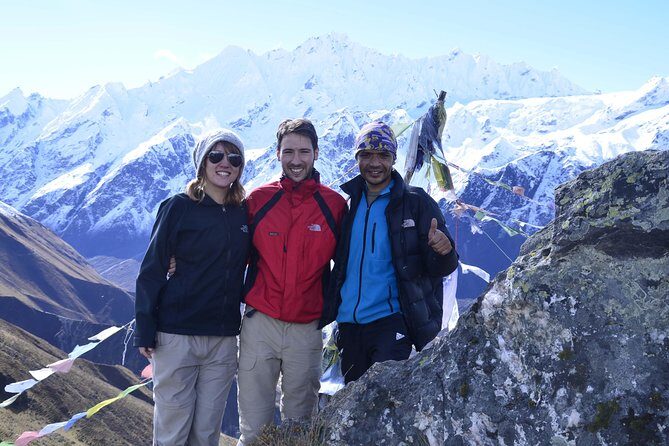
The guide’s explanations usually land best when they connect the trail to something human. Here, the legend attached to the name is very memorable: a lama chasing a runaway yak discovers the valley. In simplified terms, the story links Lang (yak in Tibetan) and Tang/Dhang (to follow).
Even if you don’t care about legends, the timing is smart. When you’ve been walking for hours and the ridgelines start to repeat, a story like this gives your brain a handle. You stop just counting steps and start noticing patterns—trail bends, valley shapes, and where the route feels like it’s “following” the valley’s logic.
It’s also a good reminder of why this region has people on the move. Even on a trek, you’re sharing space with the same kinds of motivations—journey, devotion, and survival in a high environment.
Bus to Syabrubensi: the start that saves your legs
The trip includes a bus transfer from Kathmandu to Syabrubensi, and then back to Kathmandu at the end. This matters more than it sounds. Syabrubensi is where trekking circuits like this begin to feel real—before that, you’re still adjusting to logistics, altitude awareness, and packing order.
Starting by bus also helps you protect your energy for the early trekking days. If you arrive in Kathmandu already travel-tired, this is the difference between day-one morale and day-one misery.
Practical note: you’ll meet in Kathmandu (the meeting point is near public transportation), and pickup is offered. If you’re arriving from a hotel far from transit, confirm your pickup details early so you don’t waste time hunting down your group.
Lodges and meals: comfort with a clear boundary
This trek includes 6 nights lodge accommodation in the mountains. On trekking days, lodge rooms are without attached bathrooms. That’s not a dealbreaker; it’s just the rule of the game in this kind of route.
What I like about how this is handled is that the trip doesn’t pretend otherwise. You’re not paying for a hotel experience at altitude. Instead, you’re paying for practical comfort where it counts: warmth, a bed, and meals that keep you functioning.
Meal plan you’ll actually feel
The included meals are clearly laid out:
- Breakfast (5)
- Lunch (6)
- Dinner (6)
That pattern suggests one of the days is more of a travel transition than a full trekking-and-eat schedule. Either way, the big value is that you’re not constantly negotiating food stops.
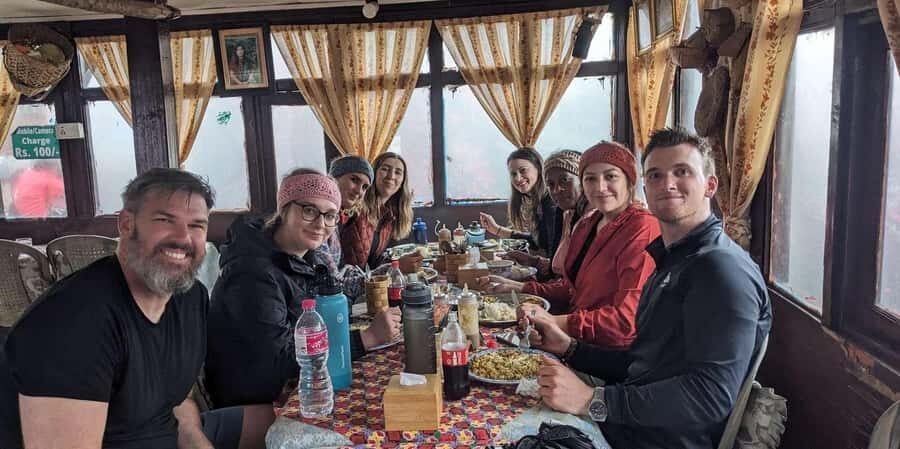
Also, the trek description emphasizes delicious cuisines run by local inhabitants. That tends to mean you get familiar “mountain lodge” meals rather than bland catering. It won’t be Michelin-star food, but it’s the kind of fueling you want when you’re working your breathing.





The stuff not included that surprises first-timers
Battery charges, laundry, phone calls, and showers are not included. Drinks and desserts during the trek are also not included. This matters because charging devices and buying extra snacks can add up fast when you’re tired and want a small comfort.
If you want to stay on budget, bring what you can for your downtime (power bank, a plan for charging, and snacks that travel well). This is one of those treks where “tiny decisions” add up.
The high pass day: Tserkuri at around 4,900m
This is the day that changes the whole tone of the trek.
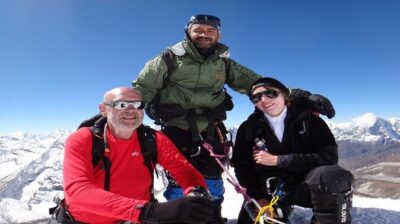
The route includes crossing a high pass at about 4,900 meters (15,187 ft), associated with Tserkuri peak. I like that the description gives you a concrete number. It helps you judge effort and plan hydration, pacing, and clothing for colder air and thinner conditions.
A high pass day isn’t only physical. It’s mental. You’ll feel it in how quickly you get winded, in how your stride shortens, and in how important it is to keep a steady rhythm instead of charging.
Since this trek includes lodge nights and guided structure, you’ll have the benefit of a plan instead of guessing. Still, go in expecting a slower pace than you might on lower-elevation hikes. When altitude hits, “slow” is actually “fast enough.”
Gosaikunda and the Suryakunda lakes: where the route gets meaningful
Gosainkunda is the pilgrimage highlight, and it’s easy to see why. Lakes at altitude feel different—water color changes, the air feels sharper, and the whole area takes on a different rhythm because people are traveling with purpose.
The route description also mentions Suryakunda lakes as part of the hiking approach. Even without a detailed day-by-day breakdown here, you can take this as a sign that you’ll spend time in the lake zone rather than doing a quick “look and leave” stop.
Why this part is worth the effort
This is the section where the trek stops being only about the mountains and becomes about the meaning people attach to the landscape. You’ll likely see more devotional energy around the lakes area, which makes your own hike feel less like a sport and more like a journey with context.
And when the pass and climb are done, lakes provide that needed emotional reset: you get to arrive somewhere quieter, sit with the view, and let your body recover while the day’s work finally makes sense.
Helambu villages: the quieter ending with Buddhism in view
After the lake zone, the trek continues toward Helambu villages. The description calls this “a great valley to discover Buddhism,” and that’s the key idea.
Helambu adds a change of pace. Instead of only climbing and descending through wilderness, you’ll move through areas where community life is the main feature. That tends to make trekking days feel more connected and less isolated.
It’s also a good final chapter for people who want their trek to end with culture, not only fatigue. If you’re choosing between routes, this is a smart differentiator: you’ll finish with more “human geography” than some purely high-country circuits.
Guides and crew: what support looks like on the trail
This trek includes:
- An English speaking licensed trek guide
- Each 2 guest 1 porter basis
- Nepali trekking staff with included food and accommodation and salary
That structure is practical. You get an experienced guide who can handle route choices and explain what you’re seeing. You also get porters so your load stays reasonable.
The names you’ll hear around this company
From past customer feedback, the company leadership and guides show up repeatedly in a positive way. Ammar is mentioned as the organizer/owner with strong communication and professionalism. Guides like Rajesh, Bishnu, and Prem are praised for being attentive, explaining mountains, and making the experience feel safe and cared for.
The real value isn’t celebrity names. It’s what those names represent: people who handle the details and keep your trek from turning into a scavenger hunt.
Price and value: is $618.75 a fair deal?
At $618.75 per person for about 6 days, the real question is what you’re paying for.
This price includes a lot of the heavy-lift parts:
- 6 nights lodge accommodation in the mountains
- Bus transfer Kathmandu to Syabrubensi and back
- Guide and porter staffing (including the 2 guests to 1 porter setup)
- Langtang National Park permits
- Meals: breakfasts/lunches/dinners as listed
- Staff food, accommodation, and salary
- VAT and service charge
A trek like this often gets expensive in “hidden” ways. Here, permits and core logistics are handled. That’s the difference between “cheap” and “good value.” You’re not only buying a bed. You’re buying organization in a remote area.
What costs extra (and should be planned for)
You’ll need to budget separately for:
- Nepal entry visa fee ($40)
- Lunch and dinner in Kathmandu
- Battery charges, laundry, phone calls, showers
- Personal trekking equipment and clothing
- Travel insurance (mandatory in case of emergency)
- Tips (not compulsory, but expected)
- Drinks and deserts on trek
- Donations and monument entrance fees (if any apply)
If you already have gear and you’ve bought solid travel insurance, this package starts looking like a clean deal. If you’re arriving without hiking basics or without insurance, it can feel pricey fast. For first-timers, that’s the main “gotcha.”
Who should do this trek (and who should not rush it)
This says most travelers can participate, but “can” doesn’t mean “should” without thinking.
Best fit
- People who want a guided trek with lodge comfort rather than camping
- Hikers comfortable with higher-altitude walking and a high pass around 4,900m
- Travelers who like mix-and-match goals: valley scenery, lake pilgrimage, and village culture
Reconsider if…
- You’re not ready for basic bathroom situations on trekking days (no attached bathrooms)
- You hate the idea of paying extra for charges (battery/power, showers, drinks)
- You want a fully luxury experience throughout. The company notes luxury Kathmandu accommodation is extra, and the trek portion is lodge-based.
Should you book this Langtang Valley + Gosainkunda + Helambu trek?
If you want one trip that combines Langtang Valley, Gosainkunda lakes, and Helambu villages, this is a strong match. The included permits, guide, porter ratio, and meal coverage make it feel structured and less stressful than DIY planning.
I’d book it if your priorities are:
- a guided route with real staffing
- lodge comfort with clear expectations
- high-altitude effort that ends with lakes and village culture
I’d hesitate if you’re seeking a fully “hotel-style” experience on trek days, or if you haven’t budgeted for visa, insurance, and small extra costs like charging and drinks.
FAQ
How long is the Langtang valley trek?
The duration is listed as 6 days (approx.).
Where does the trek start and end?
It starts in Kathmandu and ends back at the same meeting point in Kathmandu.
How much does it cost?
The price is $618.75 per person.
Is pickup available in Kathmandu?
Yes, pickup is offered.
Is this a private trek?
Yes. It’s described as a private tour/activity, meaning only your group participates.
What kind of accommodation do you get during the trek?
You get 6 nights lodge accommodation in the mountains. On trekking days, lodge accommodation is without attached bathrooms.
What meals are included?
Meals included are breakfast (5), lunch (6), and dinner (6).
Are permits included?
Yes. Langtang National park permits are included.
What is not included in the price?
Not included: Nepal entry visa fee ($40), lunches and dinners in Kathmandu, battery charges, laundry service, phone calls, showers, personal trekking equipment/clothing, travel insurance, donations/monuments entrance fees, tips, and all drinks and deserts while on trek.
What is the cancellation policy?
It offers free cancellation up to 24 hours in advance for a full refund. If you cancel less than 24 hours before the start time, the amount paid is not refunded.