REVIEW · KATHMANDU
Annapurna Panaroma
Book on Viator →Operated by himalayan sanctuary adventure private limited · Bookable on Viator
Poon Hill sunrise makes you wake up fast. This 10-day Annapurna Panorama trip blends Kathmandu’s UNESCO sights with Pokhara lakeside time, then brings you to Poon Hill for some of the area’s best early-morning Himalayan views.
I love how the plan reduces stress. You get airport and hotel transfers, an English-speaking trekking team, and a porter system that aims to keep your backpack manageable (2 trekkers to 1 porter).
The main thing to consider is that you’ll be hiking at real altitude and on real schedules. Meeting times are early (the trip starts at 6:15am), and Poon Hill sits at 3,210m, so you should be ready for chilly mornings and a steady day-by-day effort.
In This Review
- Key highlights at a glance
- Kathmandu and Pokhara first: how the trip warms you up
- The trek route in plain language: from Nayapul to Poon Hill
- Ghandruk and the Gurung village feel at the end
- What I’d watch for: altitude, cold mornings, and walking days
- Guide, porter, and the comfort factor that actually matters
- Price and value: what $687 includes and what you’ll still pay
- Who this Annapurna Panorama tour fits best
- Should you book this Poon Hill-focused trek?
- FAQ
- What is the start time for the tour?
- Where does the tour begin in Kathmandu?
- How long is the Annapurna Panorama tour?
- What altitude do you reach on the trek?
- Are hotels and trekking accommodations included?
- What meals are included?
- Are a guide and porter included?
- Are permits included?
- What is not included in the price?
Key highlights at a glance
- Sunrise timing at Poon Hill (3,210m / 10,529ft) for wide Annapurna and Dhaulagiri views
- Airport-to-hotel and end-of-trip transfers in Kathmandu, plus return rides to Pokhara and back
- Teahouse trekking with all trek meals included, from start to finish of the hiking days
- Guide and porter support built in, including porter salary/insurance/equipment support
- Permits and paperwork handled with ACAP and TIMS included
- Kathmandu valley heritage + Pokhara sightseeing, including viewpoints like Sharangkot and Fishtail Mountain
Kathmandu and Pokhara first: how the trip warms you up
Day 1 is all about getting your footing fast in Nepal. A Himalayan Sanctuary Adventure representative meets you outside the international airport terminal with your name and transfers you to your hotel. It’s a simple start, but it matters, because Kathmandu traffic can turn a calm arrival into a chaotic one.
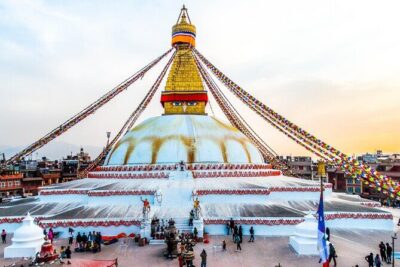
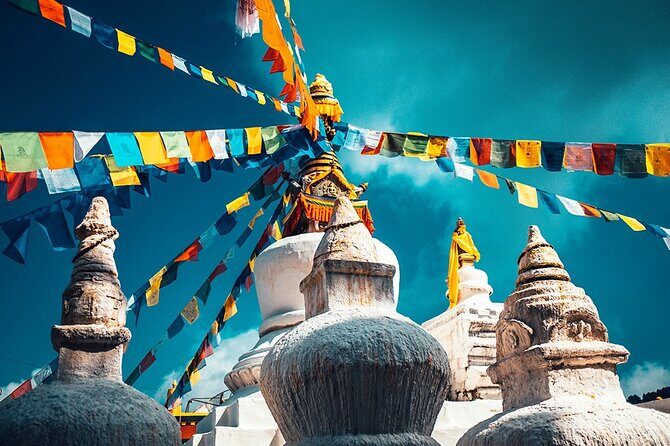
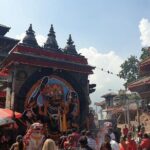
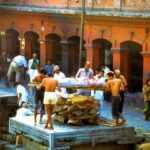
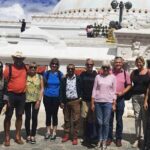
Day 2 is where Kathmandu’s classic sites do their job: helping you understand Nepal beyond the mountains. You’ll cover major heritage stops in the valley, including Swayambhunath (the Monkey Temple, with viewpoint views over the city), Pashupatinath Temple on the Bagmati River area, and Durbar Square-style palace complexes such as Patan Durbar Square. The temple and stupa density can feel like sensory overload in a good way—just remember to pace yourself and wear footwear that handles lots of uneven stone.
Then you switch gears on Day 3: an early drive out to Pokhara, about seven hours by road. Once you check in, you’re set up for a low-effort evening by the lake. It’s also the start of your Pokhara sightseeing side of the trip, with time built around the area’s famous viewpoints for sunrise and sunset—Sharangkot is explicitly listed, along with Fishtail Mountain and Mahendra Cave. This is smart pacing: you save the toughest effort for the trek, but you still get the iconic scenery while you’re fresh.
You can also read our reviews of more tours and experiences in Kathmandu.
The trek route in plain language: from Nayapul to Poon Hill
The hiking portion starts after you drive from Pokhara to Nayapul. From there, you begin trekking toward Tikhedhunga, passing through sub-tropical valley forests and sections of trail that can hug cliff edges. You’ll reach Tikhedhunga for your first overnight, and there’s a noticeable shift here from road-time to foot-time. The trip also includes crossing a river (Bhurenhdi Khola is named) via a bridge—one of those small moments that reminds you Nepal is a working landscape, not a postcard set.
Day 5 takes you up toward Ghorepani, a key overnight stop before Poon Hill. Expect a steep climb early (through Ulleri), followed by longer stretches through rhododendron and oak forests. Ghorepani has a nice story attached to its name—it means horse-water in Nepali, linked to trader stops long before modern trekking. At this point, the air typically feels colder in the evenings since Ghorepani sits higher than Tikhedhunga, so pack for temperature swings, not just daytime comfort.
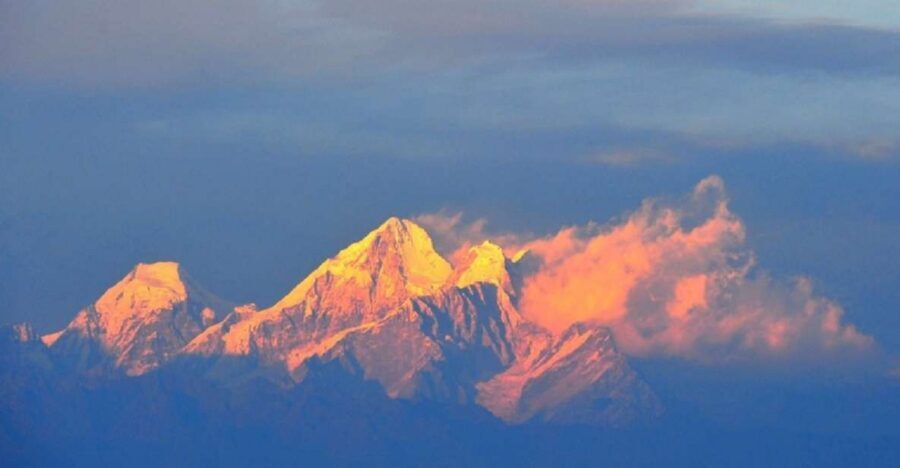
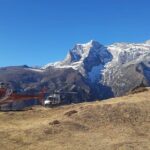
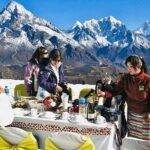
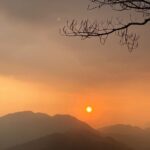
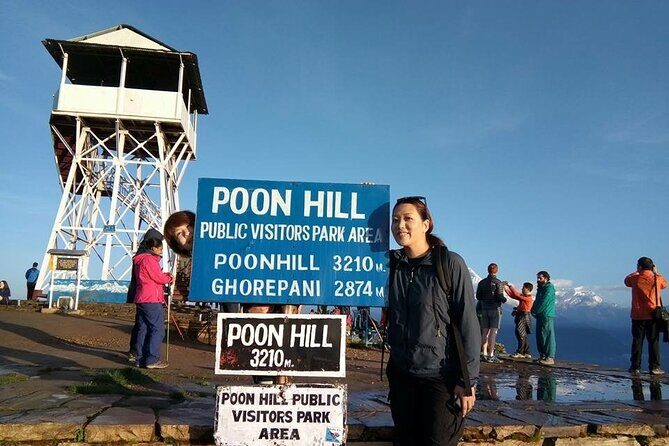
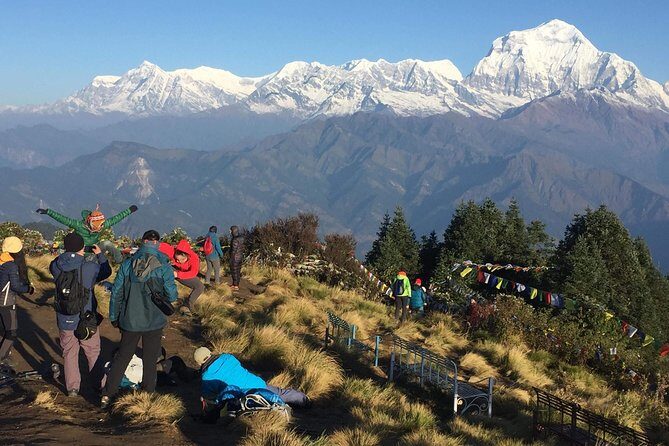
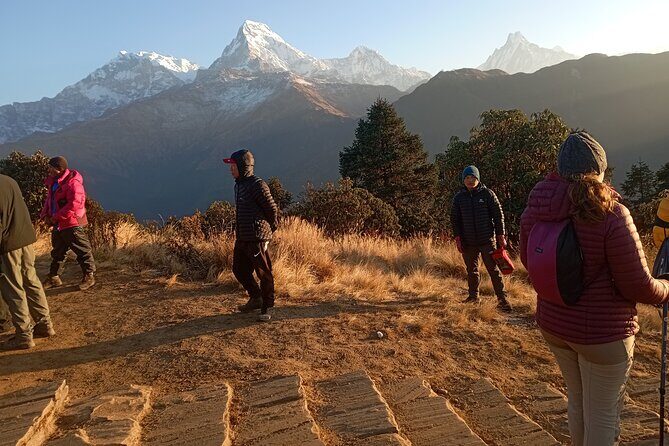
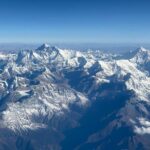
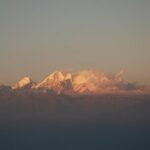
Day 6 is the day you came for: you start early, climb up to Poon Hill (3,210m / 10,529ft), then return to Ghorepani for breakfast before continuing to Tadapani. Poon Hill is described as the most popular Annapurna-region viewpoint, and the payoff is built into the route: you’re aiming at sunrise glows over major peaks, with close-up views of the Annapurna and Dhaulagiri ranges and a wide view that can include more than 20 high mountains. Even if clouds roll in sometimes, the experience is still about being present for that changing light.
Then after breakfast, you move on: you head east, climb a ridge, and descend toward Tadapani for the overnight. This is a good rhythm. Sunrise is the big event, but you don’t spend the whole day frozen at one spot—you’re back in motion.
Ghandruk and the Gurung village feel at the end
By Day 7 you’re heading down from Tadapani toward Ghandruk, including a steep descent through dense, darker forest. This is where the trek shifts from peak-chasing to village scale. When you reach Ghandruk (also called a Gurung village), you’ll get time to slow down and take in local life, since it’s described as one of the biggest Gurung settlements in Nepal.
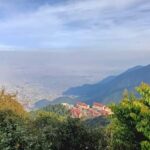
Ghandruk is also where mountain views often feel framed rather than overwhelming. You’re lower than Poon Hill and higher than the valley towns, so the peaks can look more like they’re hovering in layers instead of looming in one direction. It’s a satisfying transition: you still get the Himalaya in the background, but you also get people-level detail in the foreground.
Day 8 finishes the trek loop. You follow the trail back to Nayapul, then drive to Pokhara for another overnight. Day 9 is your return to Kathmandu. The trip uses a bus route for the Kathmandu-Pokhara connection, then transfers you to a hotel in Thamel, the area set up for shopping and evening wandering. Thamel market time is built in, plus a farewell dinner so you can compare notes with your guide team and reflect on what you just did.
Finally, Day 10 is departure. Your driver picks you up and takes you to the TIA a couple of hours before your scheduled flight time. It’s a good buffer, especially after a trek, since timing always feels tighter when you’re dealing with altitude fatigue and city traffic.
What I’d watch for: altitude, cold mornings, and walking days
This is marketed as being open to most travelers, but the body still has to do the work. Poon Hill is at 3,210m, and the trek route reaches around 10,500 feet as part of the Annapurna panorama goals. That’s not extreme high altitude like a high-pass expedition, but you should respect the cold mornings and the effects of altitude on breathing and sleep.
Early mornings are also non-negotiable. Your trek day starts early for sunrise, and the broader trip’s meeting time is listed as 6:15am. If you hate getting up before your brain is ready, you’ll want to mentally plan for it now.
Weather is another consideration. The itinerary doesn’t promise clear skies, and mountain viewpoints can be capricious. What you can control is your packing strategy: bring layers you can add or remove quickly, gloves or something warm enough for sunrise, and footwear you trust on uneven paths.
Guide, porter, and the comfort factor that actually matters
One of the strongest parts of this trip is how it handles day-to-day support. An experienced English-speaking trekking guide is included, along with porters to carry luggage. The porter ratio is specifically given as 2 trekkers: 1 porter, and the cost package includes porter salary, insurance, equipment, flight, food, and lodging. That’s not just a nice gesture—it’s the difference between enjoying the trek and constantly thinking about your heavy bag.
In customer feedback tied to this operator, Bishnu is named as a guide who helped make the journey feel smooth, and Bhupen is named as porter support. The theme is consistent: care, organization, and help when something goes slightly off-script (like weather, timing, or basic logistics).
Comfort is also built in with the lodging level. You get 3-star hotels in Kathmandu and Pokhara, and then teahouses during the trek. The trek accommodations won’t be hotel-luxury, but teahouses are part of how this route works, and they let you focus on walking and views instead of hunting for beds.
Price and value: what $687 includes and what you’ll still pay
At $687 per person for about 10 days, this isn’t a budget-only trekking deal. But it’s also not priced like you’re paying for just a guide and a map. Here’s what you get that’s usually expensive or annoying to arrange yourself:
- Private pickups and drops from hotels and the airport by car
- 3-star hotels in Kathmandu and Pokhara
- Trek teahouse stays plus breakfast in Kathmandu and Pokhara
- All meals during the trek (and a farewell dinner)
- Kathmandu-Pokhara-Kathmandu transport by tourist coach/bus as described
- Trek leader (English-speaking) and porters, with porter operational costs included
- Permits and paperwork listed as ACAP and TIMS, plus government/local taxes
What’s not included matters for budgeting:
- Nepal visa fee and international airfare
- Lunch and dinner in Kathmandu and/or Pokhara
- Entrance fees for sightseeing
- Travel and rescue insurance
- Tips for guides and porters
- Alcohol and personal expenses like phone calls, laundry, bottle/boiled water, and showers
So the value call depends on your travel style. If you’re the kind of traveler who wants someone to handle the moving parts—transfers, permits, meals, and a porter—this price can feel fair. If you’re trying to build everything DIY and already have permits, insurance, and lodging locked in, you might find cheaper options. But cheap often turns into time spent coordinating instead of walking.
Who this Annapurna Panorama tour fits best
This works well if you want:
- A guided Annapurna-region trek with sunrise focus at Poon Hill
- A mix of culture and mountains, not just trail time
- Less mental load: transfers, permits, meals during the trek, and support staff are included
It might not be the best fit if you:
- Want a slow, no-early-morning itinerary
- Have very limited ability to walk several hours on trekking days
- Prefer to choose every sightseeing stop yourself without any fixed plan
Also note the vibe: it’s a private tour/activity, meaning only your group participates. That can be a big quality-of-life upgrade if you like consistency and a quieter pace.
Should you book this Poon Hill-focused trek?
I’d say yes if your priority is a classic Annapurna-region experience with strong support and a sunrise viewpoint that’s actually part of the schedule. The combination of Poon Hill timing, included guide/porter support, and the Kathmandu + Pokhara setup makes this a very practical way to do the Annapurna promise without turning your vacation into logistics.
I’d hesitate only if you know you dislike early starts or you’re nervous about cold mornings and altitude comfort at 3,210m. In that case, you may want a gentler route or more buffer days.
FAQ
What is the start time for the tour?
The experience start time is listed as 6:15am.
Where does the tour begin in Kathmandu?
On your arrival day in Kathmandu, a representative meets you outside the international airport terminal gate and transfers you to your hotel.
How long is the Annapurna Panorama tour?
The duration is listed as 10 days (approximately).
What altitude do you reach on the trek?
The trek includes Poon Hill at 3,210m (10,529ft), and the overall route reaches about 10,500 feet (3,200 meters).
Are hotels and trekking accommodations included?
Yes. You stay in 3-star hotels in Kathmandu and Pokhara, and you stay in teahouses during the trek.
What meals are included?
Breakfast in Kathmandu and Pokhara is included, and all meals during the trek are included. Lunch and dinner in Kathmandu and/or Pokhara are not included.
Are a guide and porter included?
Yes. An experienced English-speaking trekking guide and porters are included, with a porter ratio of 2 trekkers to 1 porter.
Are permits included?
Yes. The package includes necessary paperwork and permits, including ACAP and TIMS.
What is not included in the price?
Not included: sightseeing entrance fees, alcohol, Nepal visa fee, international airfare, lunch and dinner in Kathmandu/Pokhara, extra nights in cities if needed, travel and rescue insurance, and personal expenses plus tips for guides and porters.