REVIEW · KATHMANDU
Kathmandu: 10-Day Adventurous Annapurna Circuit Trek
Book on GetYourGuide →Operated by Himalayan Nomad Treks Pvt. Ltd. · Bookable on GetYourGuide
Thorong La Pass is the big line on this map. This 10-day Annapurna Circuit route feeds you mountain views day after day, then puts you on the road to Thorong La Pass (5,416m/17,769 ft) before you drop toward Muktinath. You also get real village life along the way, not just walking between viewpoints.
What I like most is the way the trip balances effort with altitude sense. Manang is built in as a full acclimatization day, and guides like Keshab (and others you may be matched with) are praised for pacing you and keeping the day-to-day logistics calm and clear.
The possible drawback: you’re signing up for long, high-altitude days, including a very long crossing day (early start, long 12-hour trek). If you’re not comfortable with altitude, cold mornings, and sustained uphill, you’ll need to think hard about whether this is the right fit.
In This Review
- Key highlights worth planning for
- Getting the most out of Thorong La: the pass is the whole point
- Day 1: Kathmandu to Besisahar to Dharapani, the long “warm-up” drive
- Day 2: Dharapani to Chame, forests and suspension bridges
- Day 3: Chame to Upper Pisang, when the mountains start looking close
- Day 4: Upper Pisang to Manang, valley views and big peaks
- Day 5: Acclimatization day in Manang, the lungs’ chance to catch up
- Day 6: Manang to Yak Kharka, alpine calm at higher elevation
- Day 7: Yak Kharka to Thorong Phedi, the base-camp prep mood
- Day 8: Thorong La Pass to Muktinath, 12 hours of effort and then a spiritual landing
- Day 9: Muktinath to Jomsom, the scenery changes again (and the wind tends to follow)
- Day 10: Jomsom to Pokhara by bus, then you finally exhale
- Price and what $467 really covers (and what you’ll still pay for)
- The guide and team factor: why it shows up on real days
- What you’ll be carrying (and what to pack so you don’t suffer)
- Who this trek fits best (and who should pass)
- Should you book this Annapurna Circuit plan?
- FAQ
- How high is Thorong La Pass on this trek?
- What are the trek start and end points?
- How long does the trek take, including travel days?
- Are meals included in the price?
- What kind of accommodations will I have during the trek?
- Is an English-speaking guide included?
- What permits do I need for this trek?
- Do I need travel or rescue insurance?
- Is this trek suitable for pregnant women?
Key highlights worth planning for
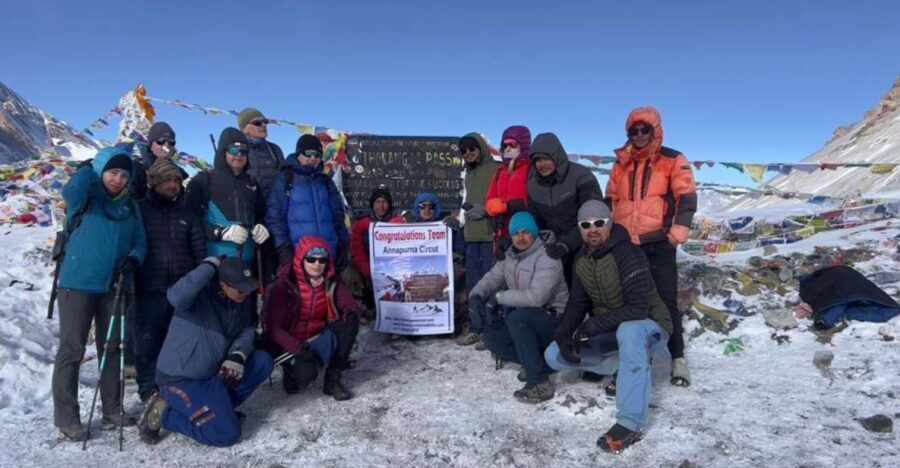
- Thorong La Pass at 5,416m: the physical and mental summit moment, with panoramic reward
- Manang acclimatization day: a real pause for lungs and legs before the highest section
- Tea houses and village stops: you spend nights in lived-in communities, not only big lodges
- Local pilgrimage at Muktinath: you finish the pass descent at a sacred Hindu and Buddhist site
- Guide support that adapts: multiple guides are noted for smart adjustments when conditions change
- Well-run transport flow: bus/jeep segments connect Kathmandu, trekking trail, Pokhara, and Jomsom smoothly
Getting the most out of Thorong La: the pass is the whole point
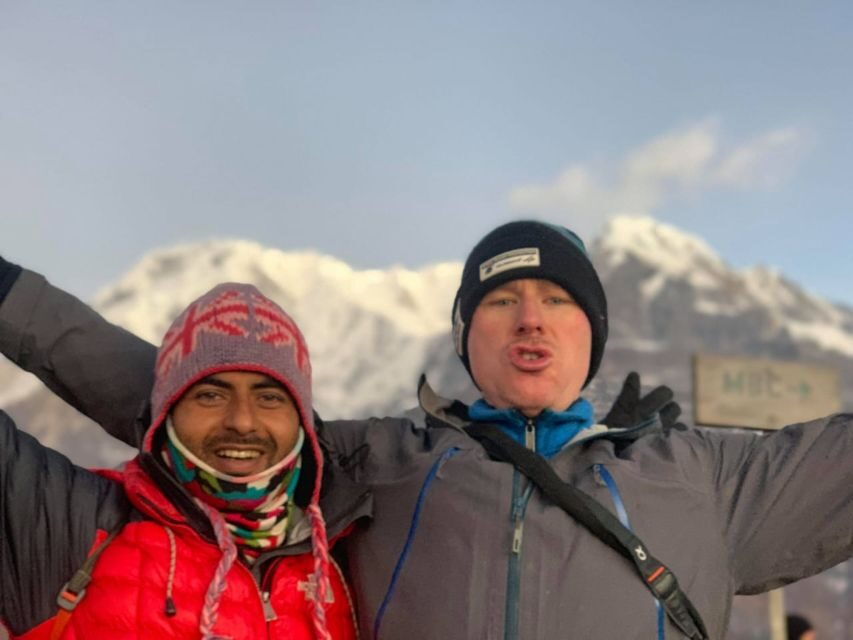
Let’s be honest: the Annapurna Circuit trek sells itself on one thing—crossing Thorong La Pass—and everything else is there to get you safely ready for it. At 5,416m, the pass is high enough that pace and decision-making matter more than bravado. You’ll start early from Thorong Phedi (4,450m/14,600 ft), work your way up, then spend time soaking in what you earned.
The emotional feel of this kind of crossing is different from a typical day hike. You’re not just moving uphill. You’re managing your breathing, your clothing layers, and your energy. Guides in this trek line are repeatedly described as keeping a steady rhythm—sometimes with more conversation, sometimes with quiet focus—so you can pay attention to your body.
If you like adventure but also hate chaos, this itinerary’s structure helps. You’re not jumping from one altitude shock to the next. The days leading to the pass step upward gradually, then give you a proper buffer day in Manang.
You can also read our reviews of more hiking tours in Kathmandu
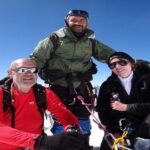
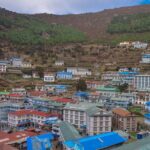
Day 1: Kathmandu to Besisahar to Dharapani, the long “warm-up” drive
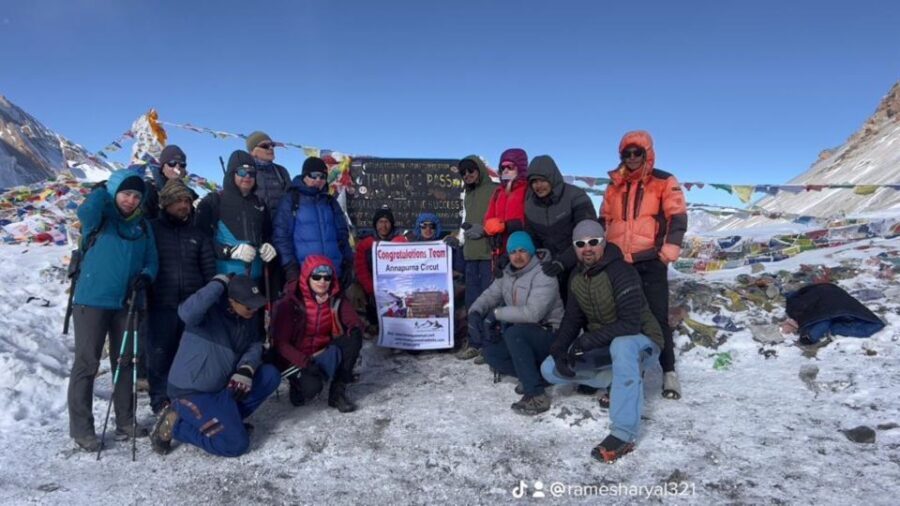
You start with a drive from Kathmandu to Besisahar by bus, then continue from Besisahar to Dharapani by shared Jeep. It’s a long travel day (about 10 hours total), and that matters because you arrive already a bit tired and want your first night to feel easy.
Dharapani sits at 1,800m/5,905 ft, so the altitude change here is more about getting into rhythm than about stress. Still, you’ll want to treat tonight like day zero. Eat well, hydrate, and don’t go wild with extra snacks that will upset your stomach in the morning.
This is also where you start learning the trek’s basic rhythm: limited time, steady movement, and the steady expectation that things run on local schedules. If you’ve never done Nepal trekking logistics before, this first day is a practical introduction.
Day 2: Dharapani to Chame, forests and suspension bridges
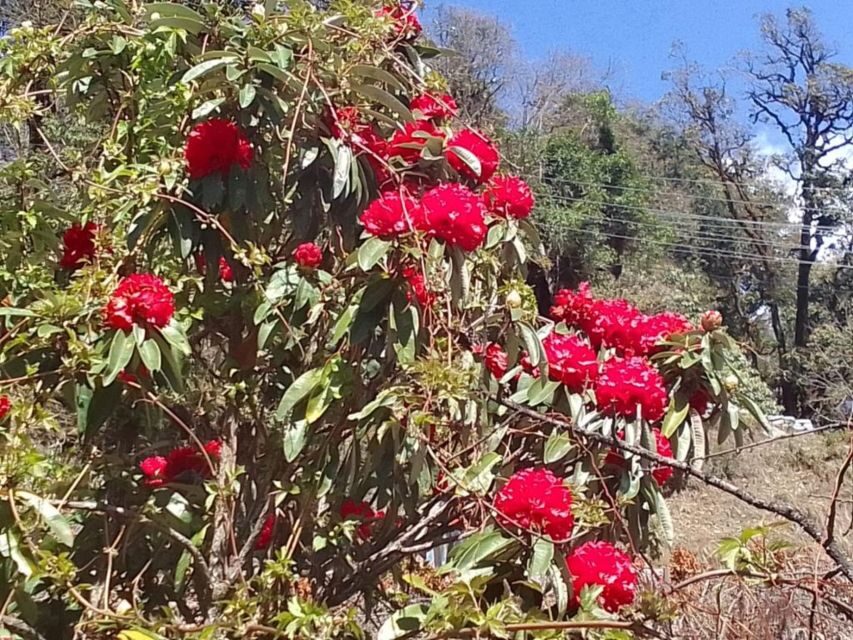
On paper, Dharapani to Chame is listed as about a 6-hour trek (ending at 2,670m/8,760 ft). What you’re actually going to feel is gradual ascent through forested slopes, with crossing points that can be as memorable as the views themselves.
Suspension bridges are common on this section, and they tend to be short but psychologically loud. They’re also a good reminder to keep your footing and stay calm when the trail gets narrow or windy.
Chame is a classic stop on the Circuit, and it’s a good place to understand how tea-house trekking works. Your night’s comfort depends on the guesthouse, but you’re typically in simple mountain hospitality. You can expect basic comforts, not five-star everything, and that’s part of the charm.
Day 3: Chame to Upper Pisang, when the mountains start looking close
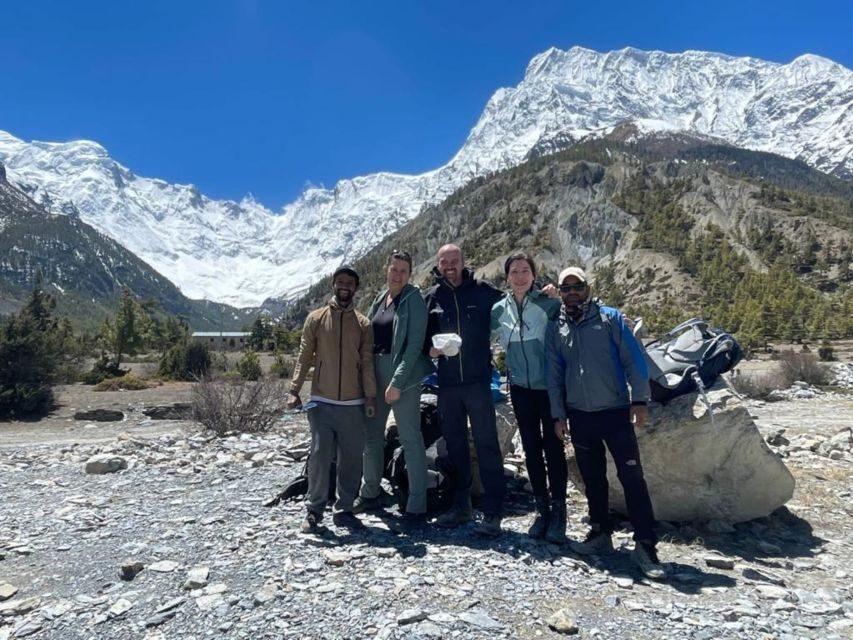
The trek to Upper Pisang (3,300m/10,826 ft) is another ~6-hour day. The big change here is the visual shift: the higher you go, the more the mountains start to look like they belong to your day. Upper Pisang is described as picturesque, and it’s also a village stop, so you’ll get some cultural texture along with the views.
You’ll likely spend time walking streets that feel small and practical. People live here year-round, and the trek brings steady visitor traffic. That means you’re not touring a museum—you’re passing through someone’s home.
One practical tip: on days like this, you’ll often feel better if you take breaks early rather than waiting until you’re dragging. A competent guide helps here by suggesting when to pause and when to keep a steady cadence.
Day 4: Upper Pisang to Manang, valley views and big peaks
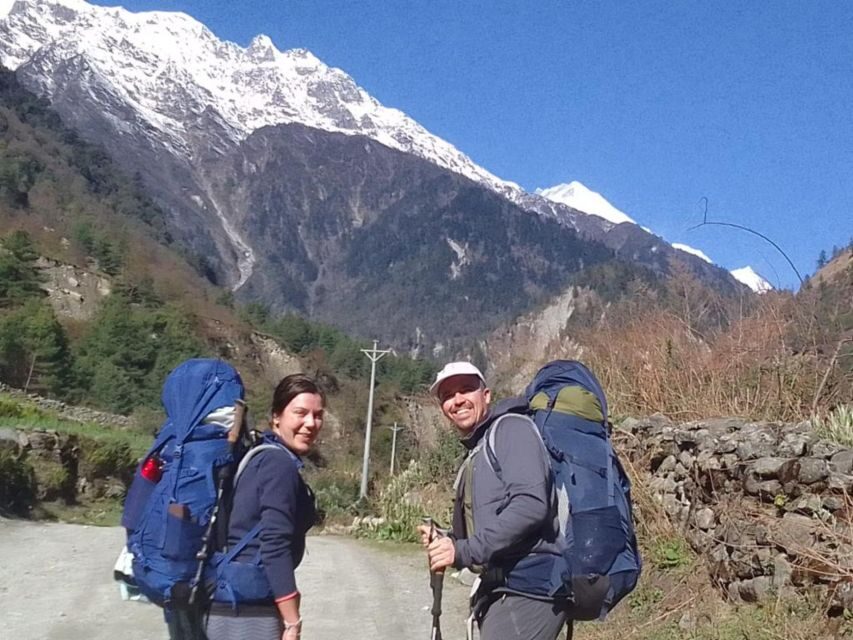
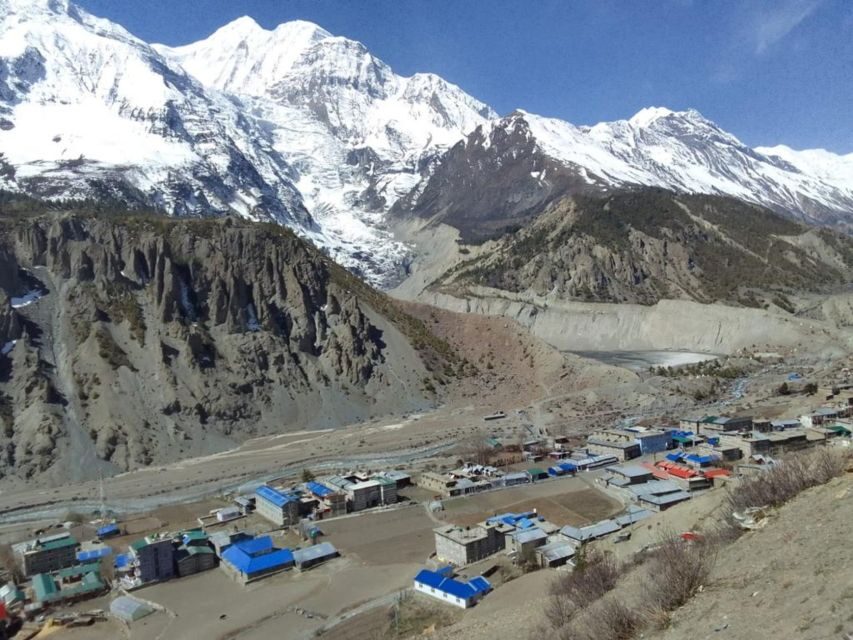
Today takes you to Manang (3,540m/11,614 ft), about 6 hours. You’re still hiking, but Manang is where the trek starts to feel like high-altitude trekking, not just “a long hike in the hills.”
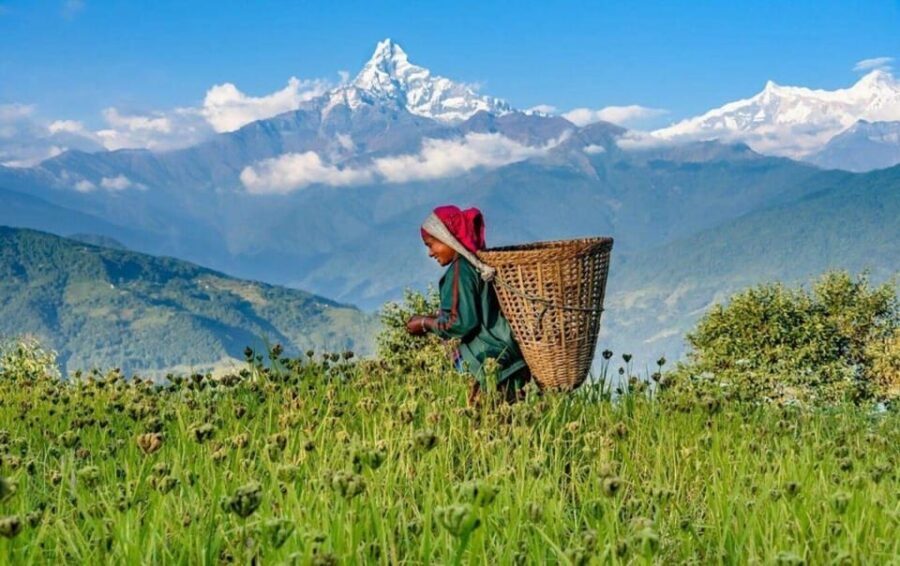
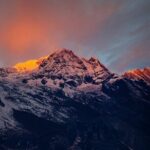
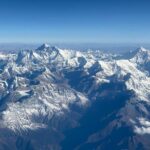
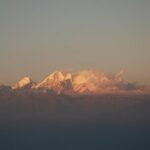
What makes Manang special is the way it frames the peaks around it. The trip description calls out views of Annapurna II, Annapurna III, and Gangapurna, and you’ll likely feel like you can see farther than you’re used to in mountains. Big walls, big sky, and a kind of quiet that only happens when air thins and sounds carry.
If you tend to get restless at night, Manang can be a mixed blessing. There’s more going on than in the tiniest villages—shops, guesthouses, and more trekking traffic—yet the air is thinner, so your downtime is still about rest and recovery.
Day 5: Acclimatization day in Manang, the lungs’ chance to catch up
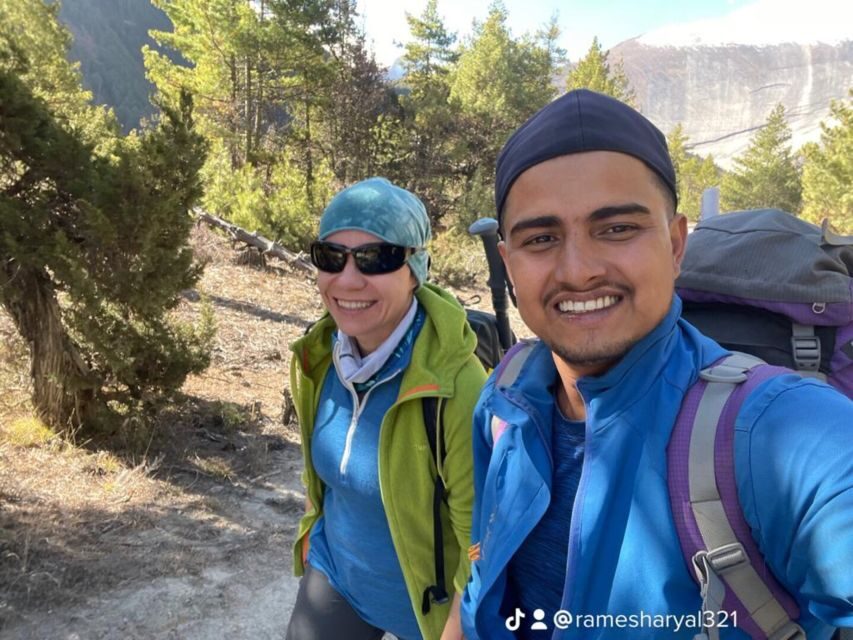
The itinerary gives you a full acclimatization day in Manang. This is one of those choices that separates a responsible trek from a risky one. Altitude sickness doesn’t care about how tough you feel on day four. A planned rest day gives your body time to adjust.
During this day, the plan is to rest and explore the village while taking in the panoramic views. Even if you don’t do anything dramatic, the goal is simple: keep moving gently, stay hydrated, and pay attention to how you feel.
This is also a day where your guide’s mindset shows. Multiple reviews highlight guides being careful about altitude sickness risk and keeping people from rushing. If your guide notices symptoms early—or just pushes you to slow down—you’ll be glad you’re not the one making that judgment alone.
Day 6: Manang to Yak Kharka, alpine calm at higher elevation
You move to Yak Kharka (4,050m/13,287 ft) on about a 6-hour trek. This section shifts into alpine landscapes and higher pastures. Yak Kharka is essentially a grazing area surrounded by mountain scenery, and it can feel calmer and more open than the village stops earlier in the trip.
You’ll likely notice the air is cooler and drier. Even in good weather, mornings can feel sharp, and afternoons can bring bright sun. Layering is your best friend here. Your goal is to stay warm without overheating when you’re hiking.
It’s also a day where your pace habits matter. If you start the day too fast, you’ll pay for it later. A guide who keeps an easy rhythm helps you avoid that trap.
Day 7: Yak Kharka to Thorong Phedi, the base-camp prep mood
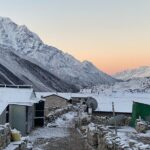
Now you go to Thorong Phedi (4,450m/14,600 ft), again about 6 hours. This is described as the base camp for the pass crossing, and that’s the vibe you’ll feel: you’re not just arriving somewhere—you’re preparing.
The practical parts take center stage. You’ll want your gear ready for an early start the next day: layers, headlamp (if you use one), sunglasses, and a plan for warm breaks. Even if you feel fine, this is the day to be organized. It’s also the day to respect the weather. On high passes, conditions can change fast.
This is where having a guide with a track record matters. Reviews mention guide teams watching for safety and responding when trail conditions shift due to events like landslides. That kind of readiness is exactly what you want before committing to the pass.
Day 8: Thorong La Pass to Muktinath, 12 hours of effort and then a spiritual landing
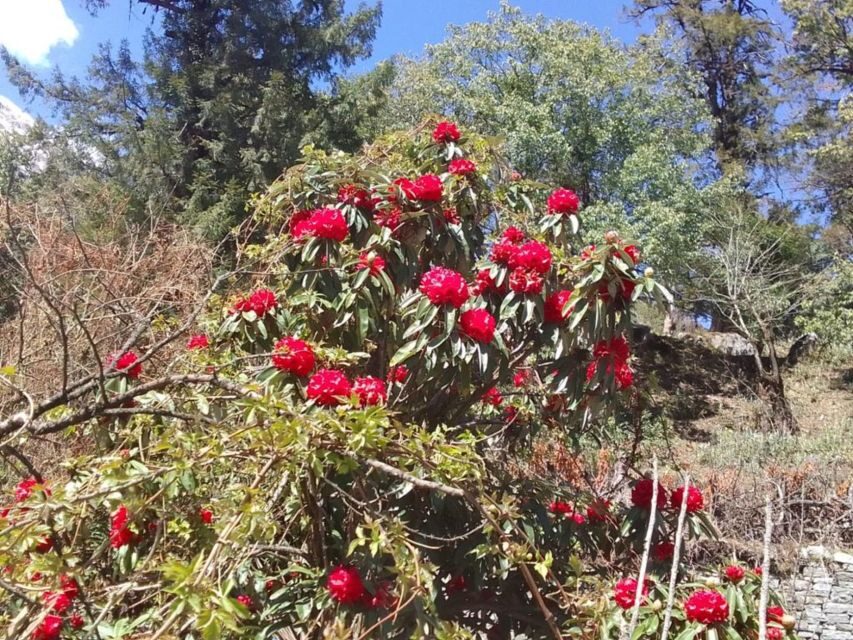
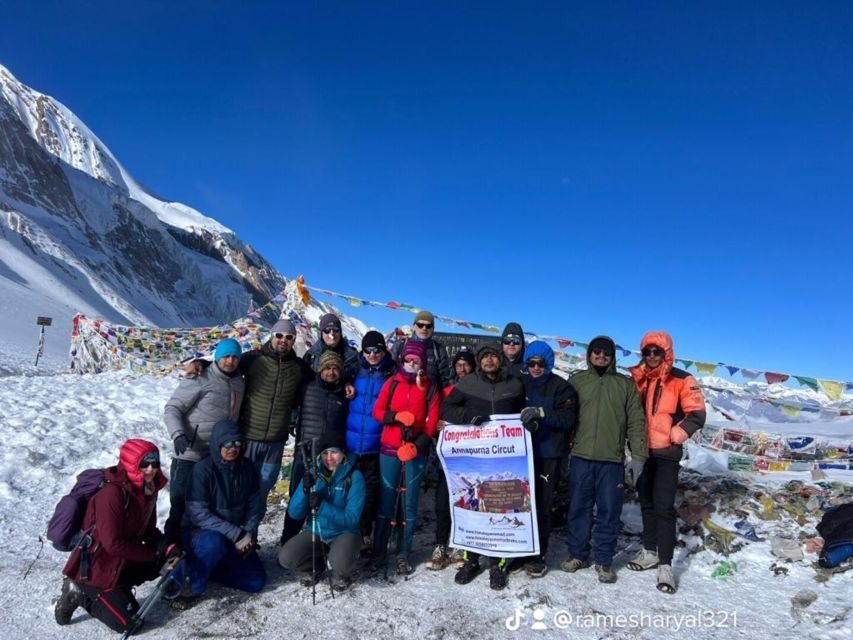
This is the big one. You start early and hike about 12 hours, crossing Thorong La Pass (5,416m/17,769 ft), then descending to Muktinath (3,800m/12,467 ft).
The pass itself is about more than distance. It’s a test of altitude tolerance, weather patience, and mental focus. You’ll want to keep your breathing steady and avoid sudden bursts that spike your heart rate. If you’ve never done altitude trekking before, treat the crossing as a slow job, not a race.
Then comes the best kind of contrast: you drop down into Muktinath, a sacred site for Hindus and Buddhists. The itinerary includes time to explore the village around the temple area. This is a reward that doesn’t require you to be “fit enough for one more big climb.” After a hard day, meaning matters.
Muktinath is also a reminder that Nepal trekking is rarely only about scenery. You’re walking through living traditions tied to place. When you see pilgrims moving quietly through the same mountain corridor you just conquered, it reframes your effort.
Day 9: Muktinath to Jomsom, the scenery changes again (and the wind tends to follow)
Today drops you to Jomsom (2,720m/8,923 ft) over about 5 hours. The big feature here is the landscape shift into more arid, desert-like terrain—and the town’s reputation for wind fits the setting.
This is also a psychologically important day because you’re no longer climbing toward the pass. You’re transitioning back to “trail life” that feels less altitude-driven and more about moving through a different climate zone.
Jomsom also feels like a hub compared to earlier villages. You get a chance to relax, eat well, and let your body stop bracing for the next ascent.
Day 10: Jomsom to Pokhara by bus, then you finally exhale
You take a bus from Jomsom to Pokhara (about 8 hours). This ride comes after the physical work of the trek, so it’s one of those days where comfort matters. You’ll likely watch the mountain views fade and reappear depending on weather and road conditions.
Once you reach Pokhara, your plan includes a night at a tourist-standard luxury hotel: Hotel Orchid. You also get a farewell Nepalese dinner in Lakeside Pokhara, which is a nice way to close the story with something local instead of just “airport food energy.”
Pokhara is the place where you’ll notice your body relaxing in real time. When trekkers say it feels like they’re floating after, it’s because the stress hormones finally drop.
Price and what $467 really covers (and what you’ll still pay for)
At $467 per person for a 10-day trek, the value depends on what’s included and how organized the logistics are. In this package, you’re getting a lot that makes a difference in Nepal: trekking permits and paperwork (including the TIMS fee and government taxes), nine trek-night accommodations, and a full guide setup with transport segments (bus and shared Jeep, plus the bus back from Jomsom to Pokhara).
You’re also getting transportation smoothing across the bigger legs:
- Kathmandu to Besisahar by bus
- Besisahar to Dharapani by shared Jeep
- Jomsom to Pokhara by bus
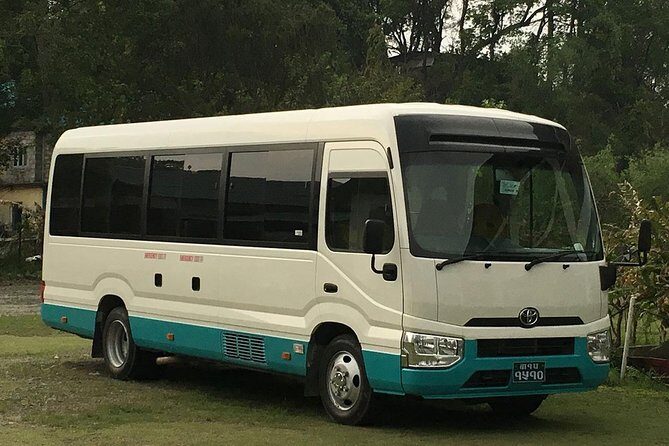
- Plus a luxury sofa seater tourist AC bus from Pokhara to Kathmandu
Meals are included for a full package: breakfast, lunch, and dinner during the trek. That matters because mountains can make food selection confusing—having meals planned helps you eat enough without gambling on quality.
A few costs you should still expect:
- Travel and rescue insurance (not included) and it should include high-altitude trekking
- Soft/hard drinks
- Personal expenses like phone calls, laundry, battery recharges, and bottled/boiled water
- International flights and Nepal visa fee
- Any extra porter charges (porter costs are described as an extra)
If you’re comparing to “cheap” trekking offers, the real question is not only price. It’s whether you’re buying safety and organization: permits handled, meals planned, transport timed, and a guide present who can help with decisions at altitude.
Also, this is listed as a private group, which can be a hidden value if you hate being forced into someone else’s pace.
The guide and team factor: why it shows up on real days
This is one of the most consistently praised parts of the experience. Different guides are named in feedback, but the patterns match:
- Keshab is praised for balancing conversation with letting people enjoy silence in nature, plus good information on the trek and finding strong sleeping places.
- Bipin is described as highly experienced, organized, and capable of timely adjustments when route conditions change.
- Suresh is noted as patient, caring, and taking care of permits, tea houses, meals, and trail logistics.
- Prakash and Mahesh are repeatedly described as knowledgeable, supportive, and focused on reducing altitude-sickness risk by pacing properly.
- Milani is mentioned as motivating during harder moments and handling landslide-affected sections safely by getting people back on track.
- The coordinator Ramesh shows up as the behind-the-scenes communicator who quickly answers questions and supports planning.
If you’re trying to decide whether this trip is “worth it,” the guide factor is your best clue. A good guide doesn’t just point forward. They help you manage time, conserve energy, and make safer choices when conditions aren’t perfect.
There’s also practical support noted: one bag that wasn’t needed during the trek was transported from Kathmandu to Pokhara, and sleeping bags rented in Kathmandu were handled so they ended up back at the store. That’s not flashy, but it reduces stress and clutter.
What you’ll be carrying (and what to pack so you don’t suffer)
The trek expects you to bring your own gear. You’ll want:
- passport or ID
- warm layers and a jacket
- hat and sunglasses
- sunscreen
- hiking shoes
- socks and trekking gear
- a sleeping bag
- daypack
- water
- first aid kit
- flashlight/headlamp
- cash
- camera
Two practical reminders:
1) Don’t underestimate cold at higher altitude and especially early starts from Thorong Phedi.
2) You’ll feel best if your shoes and socks are already broken in. Trekking shoes that rub become miserable fast when days are long.
And yes—bring a plan for water. Water and bottles/bottled or boiled water are listed as personal expenses, so don’t assume it’s all “included” with no extra cost.
Who this trek fits best (and who should pass)
This tour is a strong fit if you:
- want a serious mountain trek with a real pass crossing
- can handle long hiking days and slow, steady altitude pacing
- like village culture and don’t mind basic tea-house comfort
- enjoy being with a guide who helps with safety decisions and logistics
It’s explicitly not suitable for pregnant women.
If you’re recovering from an injury, or if you know altitude hits you hard in general, you should think carefully and consider alternate routes or shorter itineraries. The pass crossing day is long, and it’s high enough that “good fitness” alone doesn’t solve the altitude piece.
Should you book this Annapurna Circuit plan?
If you want Thorong La Pass plus a well-run, guide-led trek structure, I think this is a solid choice. The standout values are the acclimatization day in Manang, the planned route progression toward the pass, and the strong emphasis in feedback on guides who pace smartly and adjust when needed.
Book it if you’re ready for long days, cold mornings, and carrying what you need. Skip it if you’re hoping for an easy stroll or you’re not comfortable with high-altitude conditions.
One final decision tool: look at your motivation. If your dream includes that pass moment and you’re okay with earning it step by step, this trek matches the job.
FAQ
How high is Thorong La Pass on this trek?
Thorong La Pass is at 5,416m (17,769 ft).
What are the trek start and end points?
The journey starts in Kathmandu and includes driving to Besisahar and then to Dharapani. The trek continues to Jomsom, and you finish in Pokhara after a bus ride from Jomsom.
How long does the trek take, including travel days?
The total duration is 10 days, including driving and bus travel segments.
Are meals included in the price?
All meals (breakfast, lunch, dinner) during the trek are included for the full package. Soft and hard drinks are not included.
What kind of accommodations will I have during the trek?
You’ll have comfortable accommodation during the trek for 9 nights, with tea/guesthouse-style stays in the villages. The final night in Pokhara is at a tourist standard luxury hotel (Hotel Orchid).
Is an English-speaking guide included?
Yes. An authorized English-speaking guide is included. Porter charges are extra.
What permits do I need for this trek?
Trekking permits and all necessary paperwork are included, including TIMS fee(s) and applicable government tax.
Do I need travel or rescue insurance?
Travel and rescue insurance is not included. The trip notes that you should have travel insurance with high-altitude coverage.
Is this trek suitable for pregnant women?
No, it is listed as not suitable for pregnant women.