REVIEW · POKHARA
Seti George and Thrilling Suspension Bridge Tour at Pokhara
Book on GetYourGuide →Operated by Anjil Manjil Travels and Tours · Bookable on GetYourGuide
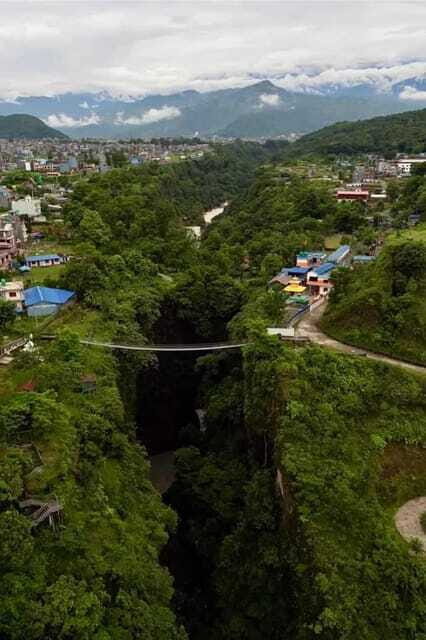
That turquoise canyon isn’t on a postcard. The Seti Gorge walk and suspension bridge crossing in Pokhara mix dramatic river country with real adrenaline, plus nonstop chances to photograph the gorge, bridge, and valley views. I especially like the suspension bridge crossing for the perspective you get mid-span, and I love how the guide builds the experience around the Seti River cutting a deep, narrow gorge. One consideration: there’s a moderate amount of walking and the route can include tight, cave-like underground exploration, so it’s not a great fit if you’re claustrophobic.
You’ll also get a calm, practical setup: hotel pickup and drop-off, an AC car transfer, and a private group so the pace feels manageable. The tour includes a safety briefing and bridge instructions, and you’ll have time at stops rather than feeling rushed through photos.
Plan on bringing a camera and comfortable shoes, and carry water. It’s a short tour at 4 hours, but you’ll be moving enough that flip-flops don’t cut it—especially if you end up in darker, underground spots.
In This Review
- Key Highlights You’ll Feel on This Tour
- Seti Gorge: Why This River Carves Such a Strong Impression
- Crossing the Suspension Bridge: The Fun Part, Plus the Reality Check
- How the 4-Hour Timing Works (and Why Transfers Matter)
- Stop-by-Stop: What Happens From Lakeside to the Monastery Stop
- 1) Lakeside Center: Your Start Point
- 2) First Transfer (~40 minutes): Getting Out of Town
- 3) Mid-Tour Photo Stop and Guided Walk (~1 hour)
- 4) Second Transfer (~25 minutes): Another View Angle Break
- 5) Viewpoint Stop (~35 minutes): Photos and a Shopping/Class Block
- 6) Third Transfer (~20 minutes): Time for the Monastery Stop
- 7) Back to Lakeside Center
- Value for $13: What You’re Really Paying For
- What to Bring (and What to Skip)
- Who This Tour Fits Best (and Who Should Rethink It)
- Quick Tips That Make the Bridge and Gorge Go Smoother
- Should You Book This Seti Gorge and Suspension Bridge Tour?
- FAQ
- How long is the Seti Gorge and Suspension Bridge tour?
- What does the tour cost?
- Where is the meeting point?
- Is pick-up and drop-off included?
- What kind of transport do you use?
- What’s included in the price?
- Is food included?
- What should I bring?
- Is there smoking during the tour?
- Is this tour suitable for everyone?
Key Highlights You’ll Feel on This Tour
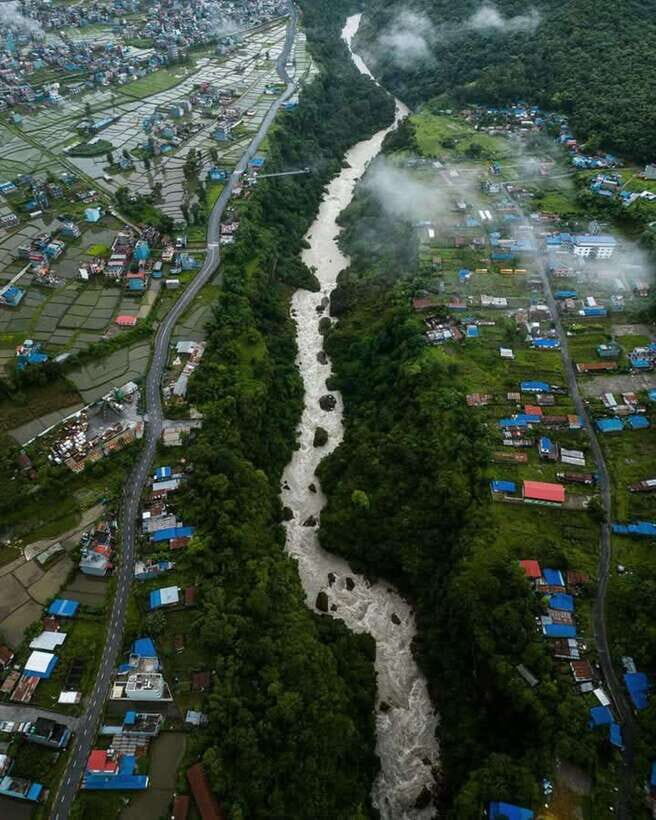
- Seti River gorge views that look different at every angle with turquoise water and steep, narrow walls
- A suspension bridge crossing that delivers real height and a jaw-drop photo angle
- Long photo-stop timing so you’re not sprinting from one viewpoint to the next
- A guided circuit with safety briefing before you step onto the bridge
- Hotel pickup inside Pokhara plus AC car transport that keeps things easy
- Refreshments/snacks included so you don’t start hungry and fade
Seti Gorge: Why This River Carves Such a Strong Impression
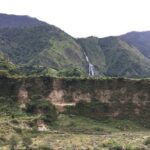
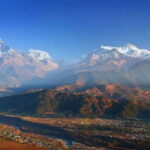
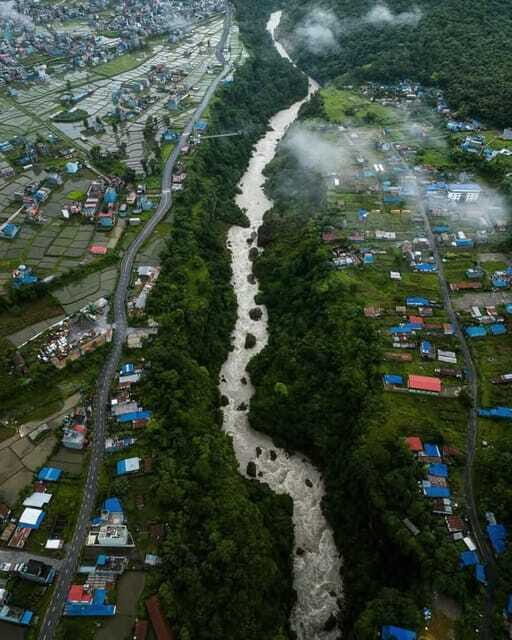
The Seti Gorge is the kind of place where your brain keeps trying to explain the scale. The Seti River has carved a deep, narrow gorge, and the walls feel close—especially when you’re down at the river-adjacent viewpoints. Even if you’re not a “geology person,” the visuals do the teaching for you: sharp cliff cuts, a tight river channel, and a mix of green slopes and terrace patches in the wider views.
What makes the gorge experience work on a short tour is pacing. You’re not just looking from one fixed spot. The route includes guided sighting and photo stops, plus walking segments that let you change your viewpoint as the gorge unfolds. That matters because the Seti’s color can shift with light, and the river’s path looks completely different from a higher angle than it does nearer to the trail.
I also like that the tour frames this as more than scenery. You get local guidance about the region and the area’s geological significance, which gives you a better sense of what you’re seeing instead of just snapping photos and moving on.
You can also read our reviews of more tours and experiences in Pokhara.
Crossing the Suspension Bridge: The Fun Part, Plus the Reality Check
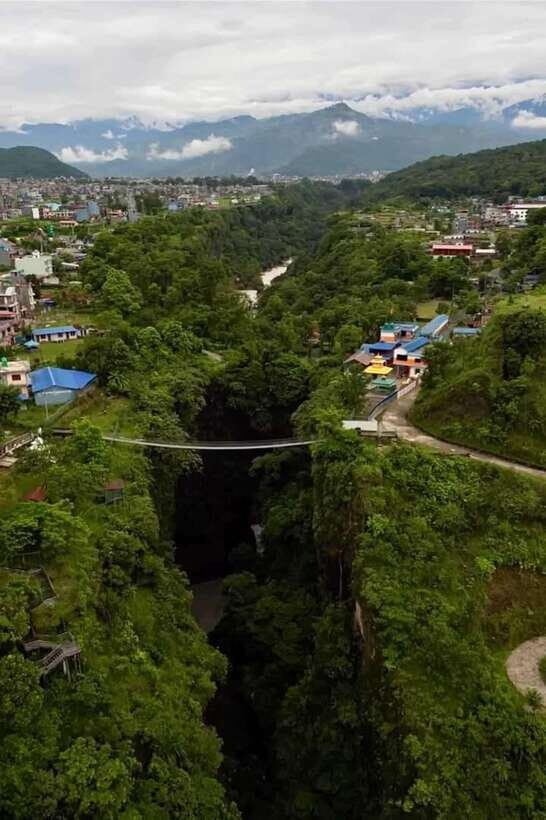
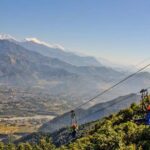
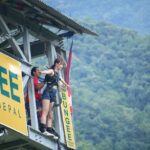
Crossing a suspension bridge is where this tour stops being just pretty and starts being memorable. You get the adrenaline rush of stepping onto planks with open space below, and you also get panoramic views that you can’t get from the shore.
Here’s the practical reality: the bridge crossing is the main “wow” moment, but it does require comfort with heights. The tour includes a safety briefing and instructions, which helps you know what to do before you step on. Still, if you freeze at the thought of moving over a gap, you’ll feel it. And if you’re the type who worries about tight spaces, keep in mind the tour info asks you to be prepared for underground exploration in caves, which can be a deal-breaker for claustrophobia.
From a photographer’s perspective, the bridge is a goldmine. You’ll have plenty to shoot: the gorge, the river, the bridge structure itself, and the surrounding valley views. If you like photos with leading lines and strong depth, this is exactly that kind of subject—bridge cables, receding terrain, and the river channel giving you layers.
How the 4-Hour Timing Works (and Why Transfers Matter)
This tour runs around 4 hours, with a listing range of 4–5 hours depending on timing. That’s a sweet spot in Pokhara. You’re not committing your whole day, but you’re also not stuck on a quick drive-by.
You start at Lakeside Center, then you’ll transfer by AC car. The route includes multiple short transfer blocks (including one that’s about 40 minutes and others around 20–25 minutes). Those transfers might sound like “waiting,” but they actually matter. They’re part of how you reach different viewpoint angles and how the walking segments connect without turning the day into a long haul.
One smart detail is the pickup option. You can meet at your hotel if it’s inside Pokhara city, or you can meet at Lakeside Center. Either way, the transport is organized, so you’re not trying to figure out routes and parking while you’re also excited about the bridge.
And based on a verified booking experience, the pickup timing tends to be smooth and the driver/guide doesn’t push you past your comfort level—so you can enjoy the sights instead of being dragged along.
Stop-by-Stop: What Happens From Lakeside to the Monastery Stop
Here’s the flow you’ll experience, in the same order your day is laid out.
1) Lakeside Center: Your Start Point
You begin at Lakeside Center. If you’re getting hotel pickup, this is where the tour anchors itself. This starting point is helpful because it’s easy to reach even if you’re staying somewhere else in Pokhara.
2) First Transfer (~40 minutes): Getting Out of Town
Next is a transfer of about 40 minutes. Use this time to settle in, charge your camera if you need to, and get a feel for what kind of views you might see once you arrive. The AC car is included, which makes a noticeable difference in Nepal heat.
3) Mid-Tour Photo Stop and Guided Walk (~1 hour)
A longer stop is scheduled for a photo stop and guided sightseeing, with walking and scenic views along the way. This is likely where the experience shifts from “driving day” to “you’re in the gorge zone,” with the guided portion helping you connect the scenery to the Seti River’s dramatic cuts.
What you’ll enjoy here:
- guided walking on scenic trails
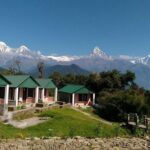
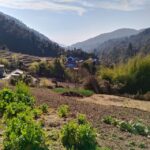
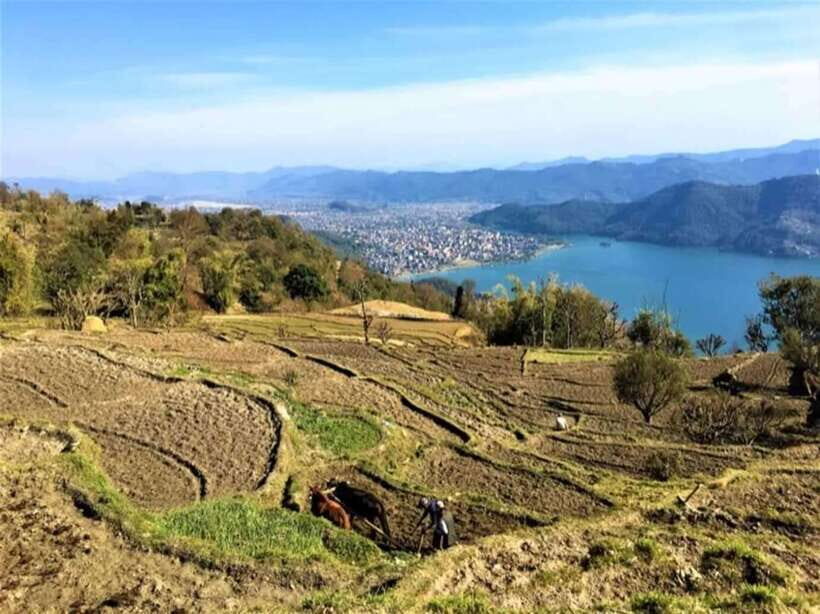
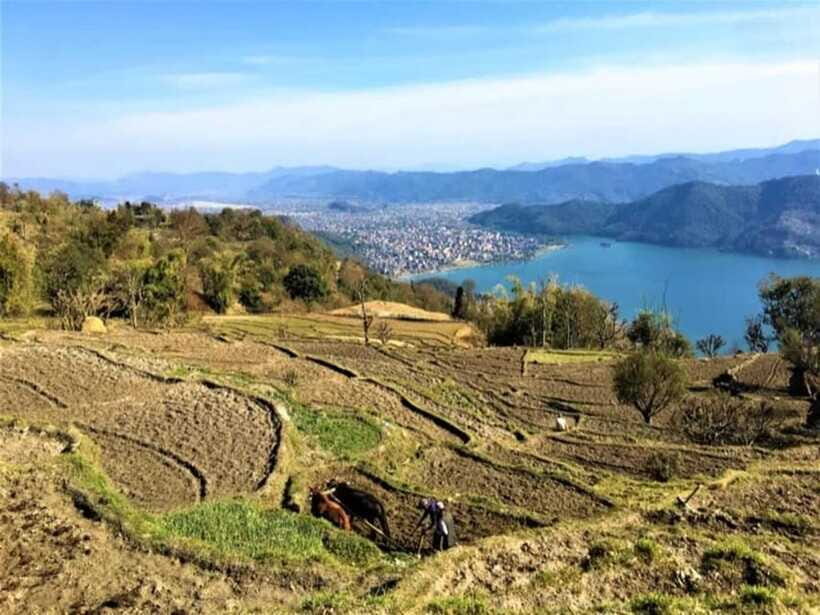
- views that include lush forests and terraced fields
- enough time for photos of gorge angles and the river corridor
A note on expectations: “scenic views” doesn’t mean a paved walkway. You should assume uneven ground and plan for comfortable shoes.
4) Second Transfer (~25 minutes): Another View Angle Break
Then you move via transfer for about 25 minutes. This is a good moment to refill water and mentally prep for the bridge crossing and the viewpoint stops ahead. Short transfers like this are one reason the tour stays at 4 hours rather than stretching into a full day.
5) Viewpoint Stop (~35 minutes): Photos and a Shopping/Class Block
A viewpoint stop follows, with time for photo taking and guided info. The schedule also includes shopping and a class block (listed as class time). You’ll have about 35 minutes here.
How to use this time well:
- take your photos first, because shopping can eat time fast
- ask your guide questions while you’re still at the viewpoint, when your orientation is easiest
- if you’re not into shopping, treat that time as a chance to rest your legs
Because the gorge and bridge visuals are the main event, I’d prioritize photos and guidance at the viewpoint and treat shopping as optional.
6) Third Transfer (~20 minutes): Time for the Monastery Stop
After about 20 minutes of transfer, you’ll head to a monastery stop. It includes photo time, guided visit, and a walk, with around 40 minutes scheduled.
This stop balances the day. If the bridge crossing and gorge walking run adrenaline-high, the monastery stop gives your eyes and mind a different type of focus—less about height, more about the human rhythm of place. It’s also another chance for photos, though the main “must shoot” images remain the gorge and bridge.
7) Back to Lakeside Center
Finally, you return to Lakeside Center and your tour ends.
Value for $13: What You’re Really Paying For
At $13 per person, this tour is budget-friendly, but the value isn’t just the price tag—it’s what’s bundled.
Included items:
- pick up and drop off
- entrance fees and suspension bridge-related ticketing
- driver fees and an AC car
- guide support and tickets (as listed)
- refreshments/snacks are also mentioned in the tour’s included items
Not included:
- food (so don’t plan on a full meal)
- personal expenses
Why this matters: entrance fees and local transport can add up quickly in Pokhara if you try to assemble it on your own. Here, you’re paying for a managed circuit. You show up, the car arrives, the guide handles the checkpoints, and you get organized time at viewpoints for photos.
For most people, the real savings comes from avoiding a day of logistics. You’re paying to reduce friction while still getting the gorge and bridge experience—the main reason you came to Pokhara.
What to Bring (and What to Skip)
Pack for comfort, photos, and a little unpredictability.
Bring:
- comfortable shoes for a moderate walking route
- a camera (this tour is built for gorge/bridge shots)
- water to stay hydrated
The tour also warns you to be prepared for underground exploration in caves. That doesn’t mean you need spelunker gear, but it does mean you should be ready for darker, tighter moments. Plan to move carefully.
Skip:
- smoking (not allowed)
Also, since food isn’t included, you may want a small plan for what you’ll eat after the tour. Snacks are included, but snacks aren’t lunch.
Who This Tour Fits Best (and Who Should Rethink It)
This tour is a strong match if you want:
- a short outing that still feels like an actual adventure
- photo-focused stops (gorge, river, bridge, valley)
- a guided experience so you understand what you’re seeing
- a private group setup, meaning you’re not getting rushed by a big crowd
It’s also a good fit if you’re comfortable walking a moderate amount and you don’t mind changes in terrain.
But reconsider if:
- you’re pregnant (listed as not suitable)
- you have claustrophobia (listed as not suitable)
- you’re extremely fearful of heights, because you will cross a suspension bridge and the route includes safety instructions, not comfort guarantees
If you’re on the edge, I’d decide based on your comfort with both heights (bridge) and tight/underground areas (caves).
Quick Tips That Make the Bridge and Gorge Go Smoother
These are small moves that pay off fast.
- Wear shoes you can trust on uneven ground. The difference between stable footwear and slip-anything is huge once you’re focused on framing photos.
- Get your camera ready before you reach the bridge. You won’t want to be fiddling at the moment you’re about to step on.
- Use your viewpoint time wisely: photos first, questions second, shopping third.
- Keep your water accessible during transfers. By the time you’re walking, you’ll be glad you planned it.
If you want the best photos, aim to capture the gorge angle early, then take the bridge shots from multiple moments while you still have breath and good light.
Should You Book This Seti Gorge and Suspension Bridge Tour?
If you’re spending limited time in Pokhara and you want the most memorable combo—Seti Gorge scenery plus a suspension bridge crossing—this tour is an easy yes. The private group setup, hotel pickup, and included tickets/fees mean you’re not paying extra to make it happen, and you’ll still get the guided context that turns photos into something you can actually explain later.
But if you know you struggle with enclosed spaces or tight underground areas, or you’re not comfortable with suspension bridges, skip it and look for a lower-stress alternative. This one is built for motion, walking, and crossing.
FAQ
How long is the Seti Gorge and Suspension Bridge tour?
The tour is listed as about 4 hours, with an additional note that it may run 4–5 hours depending on timing.
What does the tour cost?
It’s priced at $13 per person.
Where is the meeting point?
You can meet at any hotel inside Pokhara city, and the tour also references a starting point at Lakeside Center.
Is pick-up and drop-off included?
Yes. Pick-up and drop-off are included.
What kind of transport do you use?
The tour includes an AC car for transfers.
What’s included in the price?
The included items listed are pick up and drop off, entrance fees, driver fees, AC car, and tickets. Refreshments and snacks and the suspension bridge entry fee are also mentioned as included.
Is food included?
Food is not included. Refreshments and snacks are included, but you should plan on eating elsewhere if you want a full meal.
What should I bring?
Bring comfortable shoes and a camera. It’s also advised that you carry water.
Is there smoking during the tour?
No, smoking is not allowed.
Is this tour suitable for everyone?
No. It’s not suitable for pregnant women or people with claustrophobia.