REVIEW · KATHMANDU
Everest Base Camp Trek
Book on Viator →Operated by Top of The World Treks Pvt.Ltd · Bookable on Viator
Everest Base Camp starts with a surreal flight. This trek takes you from Kathmandu’s culture into Sherpa villages, with timed altitude acclimatization so you’re not just rushing higher. The payoff is a close-up day at Everest Base Camp, plus a big summit-style moment at Kala Pattar.
What I really like is how the pacing is built in: you get acclimatization walks and rest days at key altitudes, not just a straight grind upward. I also like that the trip pairs the big mountain goal with real Kathmandu sightseeing and shopping time in places like Thamel.
The second thing I like is the human support baked in. You’ll travel with a trekking guide and porters, and that matters a lot when the air thins and the trail gets longer each day. One consideration: you’ll be above 4,000m for multiple days, and some areas are described as windy, so you’ll want to treat cold and altitude effects as part of the plan, not an afterthought.
In This Review
- Key things that make this Everest Base Camp trek worth considering
- From Kathmandu to the Himalayas: the trip’s real structure
- Day 1–2 in Kathmandu: jet lag friendly, gear ready, culture included
- The Lukla flight and the first trail days: getting altitude without panic
- Namche and the acclimatization day to Khumjung: where your body learns the route
- Tengboche Gompa, Devuche, and the Sherpa heart of the trail
- Pangboche, Pheriche, and the windy altitude zone
- Lobuche and Chukpilhara: the trail gets serious
- Gorak Shep and Everest Base Camp: peak season energy, plus the walking payoff
- Kala Pattar at 5 a.m.: the most memorable photos aren’t optional
- Descent via Tengboche and Namche: letting the mountain work for you
- Back to Kathmandu: a stupa finale and a calmer last day
- Price and value: why $2,051.48 can make sense here
- Guides and porters: the human difference on Everest days
- What to pack (and what not to overthink)
- Should you book this Everest Base Camp trek?
- FAQ
- How long is the Everest Base Camp trek?
- Where does the experience start, and what time is the meeting?
- Are flights included for the mountain portion?
- What meals are included during the trek?
- What’s included versus not included in the price?
- Is this a private tour?
- Can I cancel for free?
Key things that make this Everest Base Camp trek worth considering
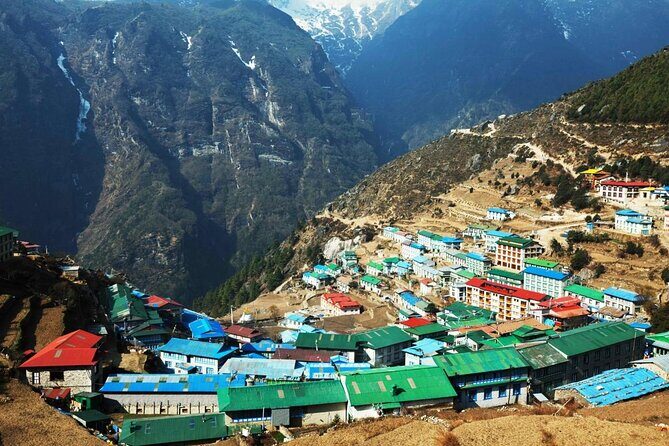
- Gradual acclimatization built into the route with planned higher-day walks and return-to-sleep moments
- Kala Pattar is the high point on the trek (5545m), timed for early-morning views and photos
- Sherpa culture stops are practical, not random, including Tengboche Gompa and village walks
- You fly into Lukla and back to Kathmandu (weather and schedules can affect flight timing, like all mountain flights)
- Meals and tea during the trek are included, with choices for breakfast, lunch, and dinner while on the trail
- Guides named in real experiences include Vision Tamang and Biru, both praised for support and professionalism
From Kathmandu to the Himalayas: the trip’s real structure
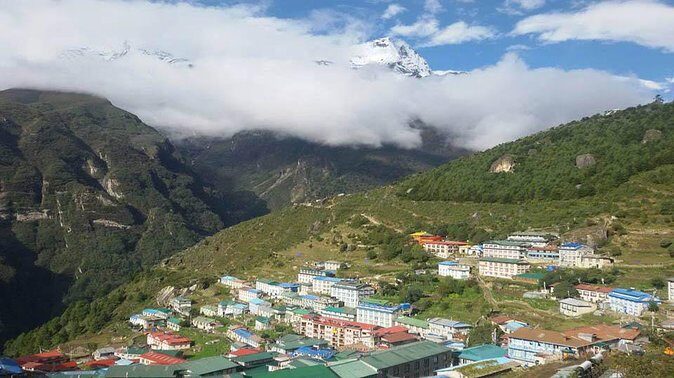
This isn’t a one-note trek. It starts with Kathmandu so you get your bearings, your gear is ready, and you have a calm first night before the mountain days start. Then you fly to Lukla, do the classic valley-to-Everest route, and come back down with enough time to return to civilization without feeling wrecked.
You’ll spend your trekking time climbing in stages. That means you get a “why” behind each stop: altitude makes you slower, so the itinerary keeps you moving but also gives you chances to adjust.
And because this is a private tour for your group, you’re not competing with strangers for guide attention when conditions get tricky. That sounds small until you’re at 4,000m and everyone needs the same thing: clear direction and calm pacing.
You can also read our reviews of more hiking tours in Kathmandu
Day 1–2 in Kathmandu: jet lag friendly, gear ready, culture included
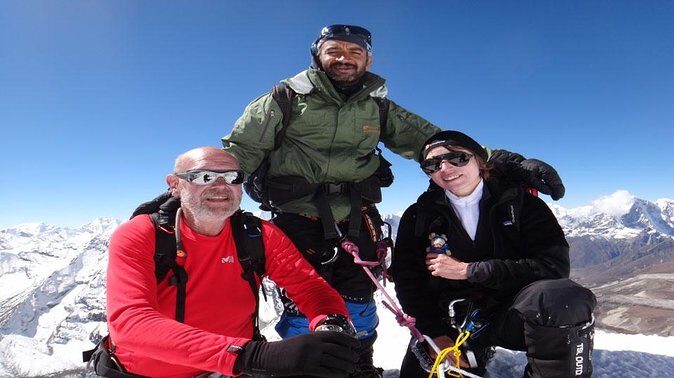
You land at Tribhuvan International Airport and transfer to your Kathmandu hotel. The plan is straightforward: check in, shower, and then get dinner and an early night. If you want a trekking start that doesn’t feel chaotic, this is a good approach. You’re not scrambling to figure out transport and basics before the mountains.
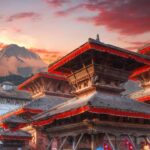
The next day is Swayambhu (Swayambhunath), a Buddhist stupa and monastery that’s over 2,000 years old. It’s one of those places that helps you understand Nepal fast: Buddhist art, old stone, and sweeping views across the valley. The itinerary also calls out monkeys, which usually means short, lively moments between the serious sightseeing.
After that, you shift into practical mode. You’ll use the afternoon to get your trek kit and packing sorted. Thamel shopping time is part of that. Even if you don’t need much, it’s useful to know where the last-minute items are, and Thamel is easy to walk around once you get your bearings.
The Lukla flight and the first trail days: getting altitude without panic
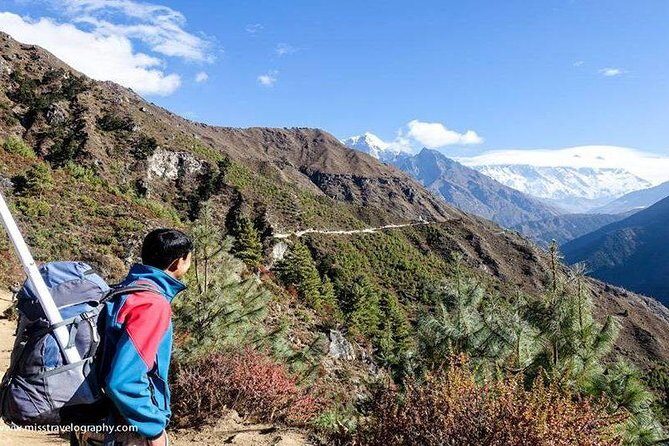
On day 3, you fly to Lukla, about a 40-minute flight over the foothills. Lukla sits at 2,800m. From there, you trek to Phakding (2,653m). This first leg is shorter (around three hours), passing villages and following a river corridor, which makes it feel like a transition day rather than a test.
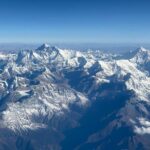
Day 4 continues along the valley beside the river. You reach Monjo (2,835m) in time for lunch, then cross into Sagarmatha National Park and head toward Jorsale. The big psychological moment on this day is when the uphill “kicks in,” and you get your first real views of Mount Everest in the Namche area. That kind of first glimpse changes the whole mindset for the rest of the trek.
Also note: Namche is at 3,440m, so even though this is an early part of the itinerary, altitude is already in the story. You’ll want to move at a steady pace and avoid aggressive speed.
Namche and the acclimatization day to Khumjung: where your body learns the route
Day 5 is an acclimatization day in Namche. Instead of pushing higher straight away, the itinerary includes a walk up toward Khumjung (around 3,780m). The goal is to help your body adjust while still giving you mountain context and views.
Khumjung is also interesting from a cultural angle—village life with big backdrops. And those small hikes at higher altitude are the quiet work of the trip: they reduce the odds of feeling completely wiped on later, higher days.
If you’ve ever done a trek where you skipped acclimatization, you already know why this part matters. The itinerary here keeps the logic simple: you gain height gradually, then you rest. Your pace becomes your friend.
Tengboche Gompa, Devuche, and the Sherpa heart of the trail
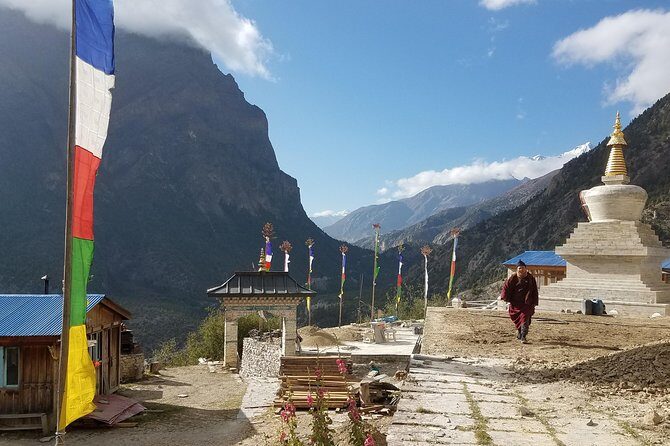
On day 6 you trek toward Devuche (around 3,750m), passing through villages with frequent chances for mountain views, including Ama Dablam glimpses. The route includes Tengboche, called the religious heart of the Sherpa region, and you visit a monastery described as the largest in Nepal.
That monastery stop is more than a photo stop. It’s a cultural anchor, and it gives you a sense of how the Sherpa community lives with the mountains rather than just viewing them as scenery.
The walking day is about five hours, and by the end you’re higher—close enough to feel the altitude but not so high that you’re stuck in survival mode. This is a smart sweet spot for comfort and acclimatization.
Pangboche, Pheriche, and the windy altitude zone
Day 7 heads to Pangboche (described as the highest all-year settlement in the region) around 3,800m. The itinerary calls out mani stones and an infamous bridge before reaching Pangboche, plus a tea break there.
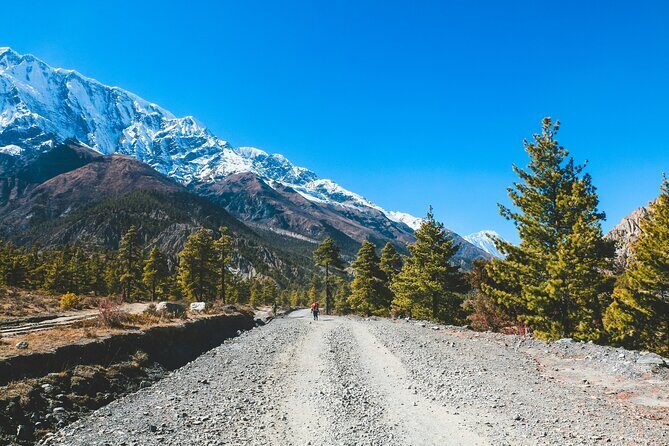
Then you continue across the 4,000m mark, and the tree line disappears as the trail shifts into alpine-meadow scenery. That change usually feels like stepping into a different world: fewer trees, more open sky, stronger wind, and sharper views.
You finish at Pheriche (the itinerary places it at 4,240m). It also notes Pheriche can be windy, so warm clothing is not optional. This is where your “layer system” needs to work—hat, gloves, and a warm mid-layer help more than people expect.
Day 8 is another acclimatization day in Pheriche. You take a walk higher during the day and return down to sleep. This pattern is one of the main reasons the itinerary feels like it’s designed for real bodies, not just ambitious schedules.
Lobuche and Chukpilhara: the trail gets serious
On day 9 you move higher into the Lobuche zone (the itinerary references 4,930m) and include an afternoon area called Chukpilhara. This place has stone monuments to climbers, mainly Sherpas.
That matters. When you’re walking among memorial stones, Everest shifts from an idea into a reality: people come here, people also don’t always come back.
Even if you’re not religious, it’s a sobering stop that adds meaning to the hike. It’s also a reminder to take your own safety seriously and not treat altitude like a fun detour.
Gorak Shep and Everest Base Camp: peak season energy, plus the walking payoff
Day 10 takes you after breakfast toward Gorak Shep (5,160m). The itinerary notes it was the first base camp for Everest climbing in the 1950s, which gives the place historical weight even as it functions as a staging area today.
After rest and lunch at Gorak Shep, you trek onto Everest Base Camp. The timing is described as May, when it’s peak climbing season. That means EBC is likely busy and full of activity. If you want to see Base Camp alive rather than quiet, this month is the right one.
You then descend back to Gorak Shep for an early night. The big idea here is simple: you’ve done the long, high day. Don’t sabotage yourself by pushing beyond what the plan allows.
Kala Pattar at 5 a.m.: the most memorable photos aren’t optional
Day 11 is the highest point of the trek at 5,545m: Kala Pattar. You start early, around 5 a.m., with tea before the climb. That early start is practical. In mountain regions, you usually want the calmest conditions and the best chance for clear views.
The itinerary emphasizes memories of Everest and surrounding peaks that people remember for a long time. You’ll spend time at the top for photos and to soak up the experience, then descend to Gorak Shep for lunch. After that, you walk back down to Pheriche for the night.
This day can feel like a bigger challenge than you expect even if you feel okay earlier in the week. If you tend to overdo it when you get excited, remind yourself: the top is a goal, not a reason to sprint.
Descent via Tengboche and Namche: letting the mountain work for you
Day 12 brings the descent to Tengboche for an overnight stay. Day 13 continues downward through Namche. The itinerary describes a general feeling shift on these days: as you descend, even uphill sections can feel easier because your body has more oxygen.
There’s also shopping time in Namche. The trip even mentions a second piece of famous apple pie as a possible treat, which is a great detail because it shows how the itinerary expects you to enjoy small rewards, not just count steps.
Day 14 is the return toward Lukla, via Monjo and Phakding. The trail is described as steep at first for about an hour and a half, then it becomes small ups and downs. You aim to reach Lukla around 4 p.m. so you have time to wander the village. The itinerary even notes there’s a Starbucks there—oddly reassuring when you’ve been living off tea and warm drinks for days.
Back to Kathmandu: a stupa finale and a calmer last day
Day 15 is travel back to Kathmandu, arriving mid-morning if weather allows. You get a welcome shower and clean clothes, then the afternoon is yours for lunch and Thamel shopping.
Day 16 shifts to Boudhanath Stupa, described as the largest Buddhist stupa in the world and a UNESCO world heritage site. It’s a great way to end the trek with something that feels grounded and local rather than focused only on altitude and trekking.
There’s also a group dinner in the evening to celebrate the end of the trek. It’s the kind of wrap-up moment that helps the experience feel complete.
Day 17 is the return to Tribhuvan International Airport, with possible extra days available at your own cost.
Price and value: why $2,051.48 can make sense here
At $2,051.48 per person for roughly 17 days, the main question is what you’re actually paying for—and the list of included items is what makes the price feel more reasonable.
Here’s what’s covered:
- All accommodation while on the trek
- Flights to Lukla and back to Kathmandu via return to Manthali for clients
- Private transportation in Kathmandu, including airport transfers and airport sightseeing
- Domestic airport taxes
- Permits and fees including Sagarmatha National Park permits, Pasang Lhamu Municipality fee, and TIMS card
- Guides, porters, and their wages
- Insurance for the guide and porter
- Medical supplies (a first aid kit)
- Trek meals structure: breakfast (17), plus lunch and dinner on the trekking days (lunch 12, dinner 12)
- Breakfast and meals on trek also come with tea/breakfast/lunch/dinner options you can choose from while on the trek
What’s not included:
- Kathmandu lunch and dinner
- Personal expenses like bar bills, bottled water, laundry, and phone calls
- Tips for guides and porters
- Your travel insurance
- Hotel accommodation or meals in Kathmandu if you return early for any reason
For you, this matters because Everest Base Camp is expensive partly because of logistics: flights, permits, and paying a team to carry essentials while you focus on walking. If you’ve ever tried to DIY this kind of trek, you already know time and complexity can be the hidden cost.
Guides and porters: the human difference on Everest days
This itinerary puts a trekking guide and porters in the middle of the experience, and that’s not marketing fluff. On high-altitude hikes, small decisions matter: when to slow down, how to manage rest, and how to keep everyone moving safely.
In real experiences tied to this operator, guides like Vision Tamang and Biru are praised for being supportive, patient, and professional. One account also highlighted that porters worked hard to keep the trekking experience smooth, even for a group with mixed backgrounds and experience levels.
If your group includes people of different fitness levels, this kind of structure helps. A private tour doesn’t remove altitude. It does make it easier for your guide to manage the pace so you’re not stressed by being too slow or too fast.
What to pack (and what not to overthink)
The trip notes cold/wind concerns, especially around Pheriche, plus an early start day for Kala Pattar. That’s enough to guide your packing list without inventing extra requirements.
You’ll want:
- Warm layers you can add/remove while walking (the air changes through the day)
- Gloves and a hat, especially for the early-morning start at Kala Pattar
- A system for rain/wind protection, since wind is specifically called out on the higher days
- Comfortable day hiking shoes or boots suited for multi-day trail walking
What to avoid is packing gear that’s heavy for no reason. When you’re carrying only your essentials and letting porters handle the trekking load, you can focus on staying warm and steady without feeling like your pack is an extra weight penalty.
Also: drink and food routines matter. Since meals and tea are included during the trek, you can keep your schedule consistent rather than hunting for options at every stop.
Should you book this Everest Base Camp trek?
I’d book it if you want a plan that feels built for altitude: rest days at key points, a clear high-payoff schedule, and real support with guides and porters. The Kathmandu add-ons (Swayambhu and Boudhanath) also help you end the trek with something meaningful beyond just mountains.
I might look at other options if you’re the type who wants a lighter, shorter mountain experience, because this itinerary spends many days above 3,000m and includes early starts and a high point at 5,545m. This route rewards commitment and steady pacing.
FAQ
How long is the Everest Base Camp trek?
The trip is listed as 17 days (approx.).
Where does the experience start, and what time is the meeting?
The meeting point is in Kathmandu, with a start time of 10:15 am.
Are flights included for the mountain portion?
Yes. Flights to Lukla and a return flight back to Kathmandu (via Manthali) are included for clients.
What meals are included during the trek?
While on the trek, breakfast, lunch, and dinner are included (breakfast 17 times, lunch 12 times, dinner 12 times). You’re also able to choose food and tea during the trek.
What’s included versus not included in the price?
Included are trek accommodations, guides and porters (with their wages), permits and fees (including TIMS and national park permits), domestic airport taxes, and a first aid kit. Not included are Kathmandu meals (lunch and dinner), personal expenses, tips, and your own travel insurance.
Is this a private tour?
Yes. It’s private, and only your group participates.
Can I cancel for free?
Free cancellation is available up to 24 hours in advance for a full refund. If you cancel less than 24 hours before the start time, the amount paid is not refunded.