REVIEW · KATHMANDU
12 days Annapurna Circuit Trek
Book on Viator →Operated by Magnificent Himalayan Treks · Bookable on Viator
Thorong La looms, then it’s real. This Annapurna Circuit trek takes you village to village—Chame to Manang to Muktinath—then finishes with Poon Hill sunrise and a calm landing in Pokhara.
I love that permits are handled for you, including the ACAP fee and the TIMS card, so you spend less time hunting paperwork. I also like the day-to-day ease of tea house lodge stays with breakfast, lunch, and dinner included while trekking, plus an English-speaking, government-licensed guide running the show.
One thing to plan for: the trek asks for stamina at altitude, and the Thorong La crossing involves a very early start and cold high-country conditions.
In This Review
- Key takeaways before you go
- Annapurna Circuit realities: what this 12-day route is really about
- Kathmandu to Dharapani: a long start that sets the tone
- Chame: rhododendron hills and the first real altitude shift
- Upper Pisang and Geru: dry air, big walls, and early light
- Manang base time: acclimatization day with Ice Lake option
- Yak Kharka to Thorong Phedi: building toward the pass
- Thorong La to Muktinath: early wake-ups and a sacred finish
- Tatopani: hot springs as real recovery, not just a bonus
- Ghorepani and Kali Gandaki: Thakali settlements and lodge nights
- Poon Hill sunrise and the ride to Pokhara
- Price and value: what $1,100 buys you (and what it doesn’t)
- Your guide team: what to expect when names like Bhim Panta show up
- Fitness, timing, and the simple gear mindset for altitude
- Should you book this Annapurna Circuit trek?
- FAQ
- How long is the Annapurna Circuit trek in this package?
- Where does the tour start and where does it finish?
- What transport is included during the trip?
- Are trekking permits included?
- What kind of accommodation and meals are included while trekking?
- Do I need a porter?
- Is a guide provided?
- Is Nepal visa included?
- Can I fly from Pokhara back to Kathmandu instead of taking the bus?
- What is the cancellation policy?
Key takeaways before you go
- Full-board during the trek: Tea house/lodge lodging plus meals are included from day to day on the hike.
- Permits included: You’re covered for ACAP and TIMS fees, plus government and local taxes.
- An English-speaking licensed guide: You’re not left to figure it out on your own.
- Acclimatization built in: A full day in Manang gives your body a chance to adjust.
- Two big view days: Thorong La scenery and the early scramble up to Poon Hill.
Annapurna Circuit realities: what this 12-day route is really about
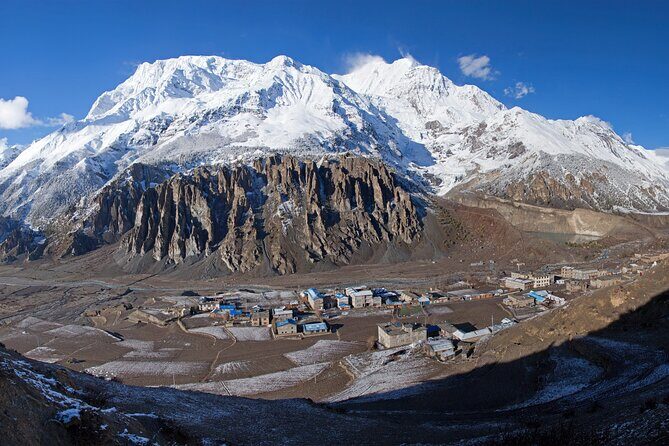
The Annapurna Circuit is famous for two things: altitude drama and mountain drama. This itinerary leans hard into classic Circuit rhythm—climbing, adjusting, crossing the pass, then dropping toward warmer valleys and hot springs—so you feel the changes in your body and your surroundings over time.
For me, the best part is the balance between big moments and human-scale travel. You’re not just chasing summits; you’re moving through real places like Manang, Muktinath, Thakali settlements, and Kali Gandaki River territory, where food, prayer flags, and local routines shape the day as much as the views.
You should know upfront that this is a moderate-fitness trekking experience, not a stroll. You’ll be hiking most days, and one day is anchored on the Thorong La crossing, which means early wake-ups and weather that can shift fast at high elevation.
You can also read our reviews of more hiking tours in Kathmandu


Kathmandu to Dharapani: a long start that sets the tone
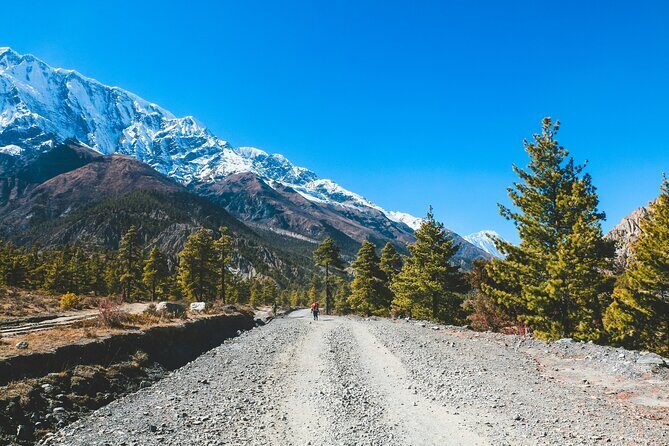
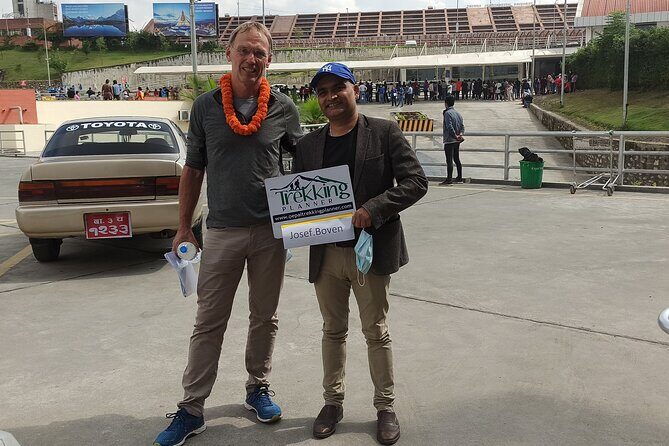
Your trip begins in Kathmandu, with pickup offered and a meeting time listed at 12:15 am. The first travel block is straightforward but long: you drive from Kathmandu to Besishar along the Trishuli River, then switch to a jeep to reach Dharapani for the night.
That opening day matters. By the time you reach Dharapani, you’ve already started moving away from the city and into the hiking-world schedule. It also helps you avoid the common mistake of arriving “ready to trek” but still mentally stuck in Kathmandu logistics.
Practical note: the tour summary lists Kathmandu to Dharapani by public transportation. Expect a mix of vehicles and a day that’s more about getting positioned than scenery-watching.
Chame: rhododendron hills and the first real altitude shift
From Dharapani, the trek heads to Chame, the headquarters of Manang District. This is where you feel the Circuit change: the trail starts climbing through rhododendron forests, and the air gets thinner as altitude builds.
Chame is a good “first gear” day because it gives you a taste of the higher trails without throwing you straight into the hardest pass segment. You’ll likely find your breathing starts to matter more than your speed, and that’s a normal signal on this kind of trek.
A consideration here is the time on the trail. The day is shown as a longer hike block (listed at 12 hours), so even early progress days can feel like a full commitment. If you’re the type who likes short days, this itinerary may test that preference.
Upper Pisang and Geru: dry air, big walls, and early light
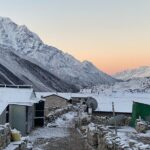
Next comes Upper Pisang (about 3300 m), then onward toward Geru. The itinerary highlights Lamjung Himal views and the first light hitting peaks as you set out, which is the kind of payoff you only get when you’re moving early.
Upper Pisang matters because it sits at a point where your perspective changes. The mountains start looking more “layered” and more imposing, and the trail feels like it’s taking you toward deeper high-country basins rather than just into taller hills.
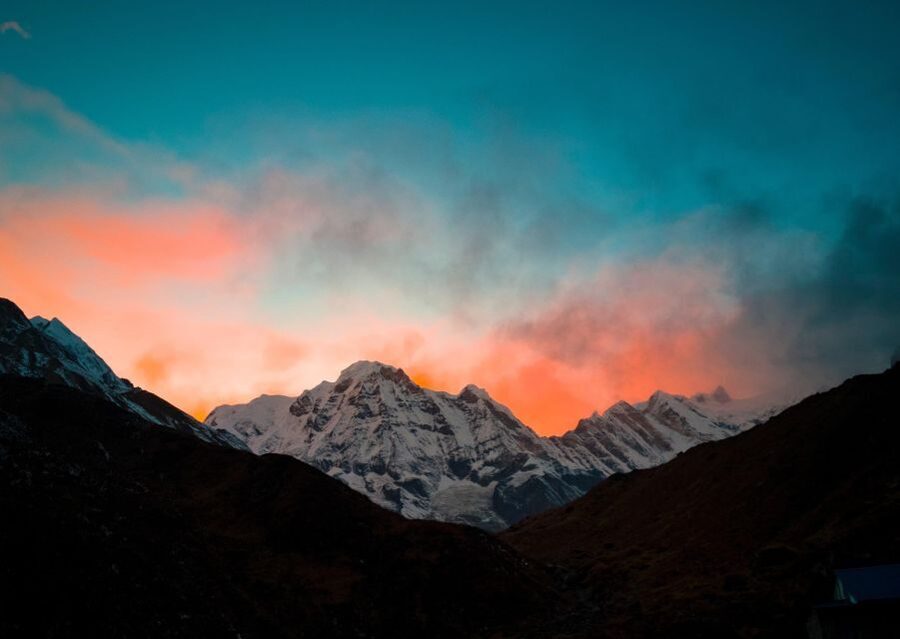
Then the route pivots through Geru with spectacular north-face views of Annapurna II, Annapurna III, Annapurna IV, Gangapurna, Tilicho, and Pisang Peak. It’s also where the itinerary notes the air getting drier and colder—exactly what you want to respect, because weather management becomes a daily job up here.
Manang base time: acclimatization day with Ice Lake option
Day five is a full acclimatization day in Manang, located at the base of Annapurna III. This is one of the best design choices in the whole trip, because it reduces the odds of rushing your body toward the Thorong La zone.
The plan also gives you an easy activity option: you might take a stroll to Ice Lake for acclimatization support. You won’t treat Manang like a vacation; you’ll use it like training—walk gently, drink water, and keep an eye on how you’re feeling.
The trade-off is time. A rest day doesn’t look exciting on paper, but it often helps you feel better later when the pass day gets serious. If you tend to push hard, Manang is your checkpoint: you either listen to it and benefit, or you pay for ignoring it.






Yak Kharka to Thorong Phedi: building toward the pass
After Manang, you trek toward Yak Kharka via Tenki, then climb higher along streams and into the Jarsang Khola valley direction. These days tend to feel like steady work: you’re moving higher, and even when the trail isn’t at full steepness, the altitude makes everything feel heavier.
Then comes the move to Thorong Phedi, the base area for Thorong La. The route includes ascending to a ridge from Yak Kharka, descending, then crossing the Marsyangdi River on a wooden bridge—small details, but they add up to a “real trail day,” the kind where your legs get specific.
One reason this section is worth taking seriously is that it sets up your pass morning. You’re not just reaching a bed—you’re staging your body, your gear, and your timing for a very early start.
Thorong La to Muktinath: early wake-ups and a sacred finish
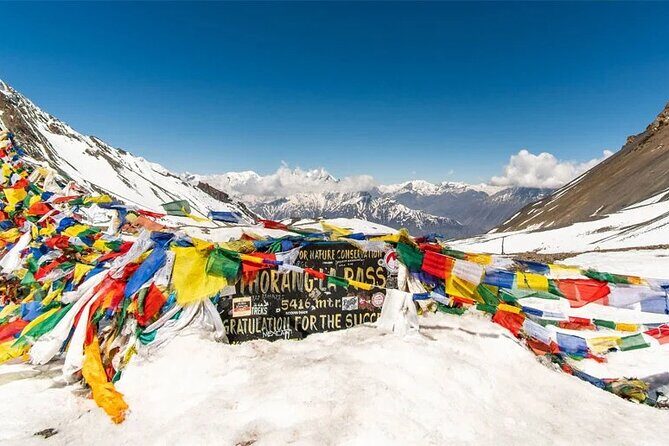
The itinerary’s pass-day goal is crossing Thorong La and reaching Muktinath. You’ll start the day around three in the morning, then climb toward the summit before descending and continuing onward.
This is the part of the Circuit that can feel both dramatic and humbling. The early hours mean you’ll deal with cold, wind, and low-visibility potential. Even if you’re prepared, you’ll still notice the pass is not a “check box.” It’s the day that changes how you remember the whole trek.
Once you reach Muktinath, you’re rewarded with a different kind of atmosphere—less “climb mode,” more “arrival mode.” Muktinath is also a classic spiritual waypoint on the Circuit, and the day’s rhythm shifts from effort to reflection.
Tatopani: hot springs as real recovery, not just a bonus
After Muktinath, the plan travels by jeep to Tatopani, about three hours. When you arrive, you rest at your lodge or visit the hot springs for a swim.
This is recovery with a purpose. After pass day, your feet and legs usually crave heat and downtime. Tatopani gives you exactly that kind of break before the trail climbs back into the pre-Poon Hill finish zone.
The only catch is that hot-spring visits are listed as optional. So if you’re the type who likes structure and included activities, you may want to plan your own time there rather than count on a scheduled spa moment.
Ghorepani and Kali Gandaki: Thakali settlements and lodge nights
Next you head toward Ghorepani, passing through ethnic Thakali settlements like Sikha and Chitre. The route then reaches the east bank of the Kali Gandaki River and continues with an ascent to Ghorepani.
This day is interesting because it’s not just altitude; it’s culture and community. You’re moving through places where trekking routes have become part of everyday economics—tea houses, local shops, and familiar trails that guide both trekkers and locals.
You’ll also notice a change in how days feel after Thorong La. The hardest climbing is behind you, but you still have real hiking ahead. Ghorepani is a good penultimate stop because it’s positioned for the sunrise push and the final scenic stretch toward Pokhara.
Poon Hill sunrise and the ride to Pokhara
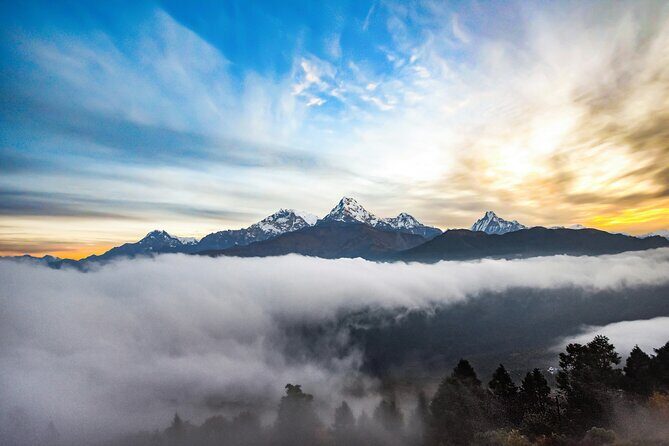
The highlight morning is an early climb to Poon Hill (listed at 3,210 m) for sunrise. The view range includes the Dhaulagiri and Annapurna ranges, with Mt. Machhapuchhre (Fishtail) and Annapurna specifically called out in the plan.
Why this works so well: Poon Hill is demanding enough to feel earned, but it’s shorter than a full pass-day push. You get a cinematic payoff without spending another entire day ascending at extreme altitude.
After sunrise, you trek from Ghorepani to Birethani, then take a bus to Pokhara. The final transfer day is about letting your body decompress. Your last night includes breakfast in Pokhara, and after breakfast on day 12 you either take a tourist bus back to Kathmandu or choose an optional 25-minute flight to Kathmandu that’s not included.
Price and value: what $1,100 buys you (and what it doesn’t)
At $1,100 per person, this is more than “a walking trip with a guide.” You’re paying for logistics, permits, and full-board trekking support—plus the unglamorous stuff that saves you energy and risk.
Included items that matter for real value:
- Trek permits/fees: ACAP and TIMS, plus all government and local taxes.
- Guide costs handled: the guide’s meals, insurance, salary, lodging, and transportation are covered.
- Lodging and most meals during the trek: tea house/lodge accommodation and breakfast, lunch, and dinner while trekking.
- Transport coverage for key segments: Kathmandu to Dharapani (by public transportation), Muktinath to Tatopani and Nayapul to Pokhara (listed in the included section), and Pokhara to Kathmandu by tourist bus.
- A farewell dinner in Kathmandu.
What you’ll likely pay extra for:
- Beverages and personal expenses like tips and laundry.
- Insurance (not included).
- The porter option is available at $20/day, carrying up to 20 kg.
- The Nepal visa cost, since you obtain it upon arrival (listed price depends on length of stay).
- If you want the short flight from Pokhara to Kathmandu, it’s an added extra.
My practical take: the permit + meals + guide package reduces the day-to-day uncertainty that can eat up your trip energy. If you already know you’ll eat in lodges and you want a licensed guide handling paperwork and timing, the price feels aligned with what you’re buying—effort, safety planning, and comfort on a long route.
Your guide team: what to expect when names like Bhim Panta show up
The experience provider is Magnificent Himalayan Treks. In the company’s communications shared in the materials you provided, you’ll see names like Bhim Panta, and a mention of Manit responding quickly to questions during online consultation. There’s also a reference to Kumar in the support thread.
Why this matters on a trek like the Annapurna Circuit: you want a team that can handle the “messy middle” of travel—paperwork, pacing, and the small route decisions that keep you safe when weather turns.
Even with great planning, the mountains don’t run on spreadsheets. A strong guide is the difference between stressed guessing and calm movement, especially when you’re dealing with early morning starts and changing trail conditions.
Fitness, timing, and the simple gear mindset for altitude
The tour notes a moderate physical fitness level. That’s accurate in the sense that you don’t need mountaineering skills, but you do need stamina for long hiking days and a big pass day.
Your gear mindset should be simple:
- Pack for cold high altitude on pass day, not just for “day hiking chill.”
- Expect long days to feel longer at altitude.
- Plan your hydration and pace like they matter more than speed, especially after Manang.
The itinerary also includes very early starts (meeting time at 12:15 am, and a pass morning around three in the morning). That means you’ll want sleep, layers ready at night, and no last-minute fussing with equipment in the dark.
Should you book this Annapurna Circuit trek?
I’d book this tour if you want the Annapurna Circuit experience without turning your vacation into a logistics project. The biggest reasons: permits and taxes are included, meals and lodge stays during the trek are included, and the itinerary has an acclimatization day in Manang plus an organized route through Thorong La, Muktinath, Tatopani, Ghorepani, and Pokhara.
Skip it—or at least double-check your expectations—if you dislike early mornings and long hiking blocks. This route is built around the pass and around altitude days, not around leisurely walking.
One more nudge: there’s free cancellation listed up to 24 hours in advance for a full refund. That gives you a safety net if your plans change, but it still pays to book when you can so you lock in your slot.
If you want, tell me your trekking dates and fitness level (and whether you’d consider a porter). I can suggest a realistic pace strategy for the Thorong La day and help you plan what to pack.
FAQ
How long is the Annapurna Circuit trek in this package?
The trek is listed as 12 days (approx.).
Where does the tour start and where does it finish?
It starts in Kathmandu, Nepal. You end in Kathmandu after breakfast in Pokhara, either by tourist bus or an optional flight.
What transport is included during the trip?
Kathmandu to Dharapani is included by public transportation. Also included are Muktinath to Tatopani and Nayapul to Pokhara, plus Pokhara to Kathmandu by tourist bus.
Are trekking permits included?
Yes. The package includes the Annapurna Conservation Area Permit (ACAP) and the TIMS card fee.
What kind of accommodation and meals are included while trekking?
You’ll have tea house/lodge accommodation during the trek with meals included: breakfast, lunch, and dinner as listed in the package. One night accommodation in Pokhara with breakfast is also included.
Do I need a porter?
A porter is not included, but porters are available for $20/day and can carry up to 20 kg.
Is a guide provided?
Yes. A government licensed, experienced English-speaking guide is included.
Is Nepal visa included?
No. You obtain the Nepal visa upon arrival, and the listed costs depend on how many days you need (15, 30, or 90 days).
Can I fly from Pokhara back to Kathmandu instead of taking the bus?
Yes, you can choose a 25-minute flight, but it is not included in the package and costs extra.
What is the cancellation policy?
Free cancellation is available if you cancel up to 24 hours in advance of the experience start time for a full refund.