REVIEW · KANDE
Pokhara: 1-Day Scenic Australian Camp & Dhampus Guided Hike
Book on GetYourGuide →Operated by Himalayan Nomad Treks Pvt. Ltd. · Bookable on GetYourGuide
Australian Camp beats a long trek. I love the scenic Annapurna and Dhaulagiri viewpoints and the relaxed vibe at Australian Camp, perched at 2,060 meters. The Dhampus stop turns a hike into a real day in a Gurung village, not just a sightseeing drive. One thing to consider: if the sky is cloudy or foggy, the big mountain panorama can be muted.
I also like the practical setup. You get hotel pickup and drop-off around Lakeside Pokhara (and from Pokhara Airport), plus an authorized licensed English-speaking guide who keeps things clear and safe on the trail. Names like Ramesh and Prakash/Prakass come up for staying friendly and helpful when conditions shift and you have questions.
In This Review
- Key Highlights That Make This 1-Day Hike Work
- Why Australian Camp Is a Pokhara Shortcut to Big Views
- Getting There From Pokhara: Pickup, Scenic Kande Drive, and an 8-Hour Plan
- The Trail Experience: Forest Climb, Village Passes, and Real Nepal Tempo
- Australian Camp at 2,060 Meters: Views, Weather Reality, and Photo Strategy
- Dhampus Gurung Village Lunch: More Than a Break Stop
- The Return to Pokhara: Scenic Highway, Easy Finish, and Luggage Support
- Price and Value: What $43 Includes (and What You’ll Still Pay For)
- What to Bring: A Simple List That Prevents Awkward Moments
- Who This Hike Fits Best (and Who Might Want More Time)
- Should You Book This One-Day Australian Camp Hike?
- FAQ
- How long is the Australian Camp and Dhampus hike?
- Where does the hike start?
- Is hotel pickup and drop-off included?
- What language will the guide speak?
- Is lunch included?
- Is water included?
- What are the trekking permits and paperwork for?
- Are porters included?
- What’s the highest point on the route?
- What if the weather is cloudy or foggy?
- Is travel and rescue insurance included?
- What should I bring for the hike?
Key Highlights That Make This 1-Day Hike Work
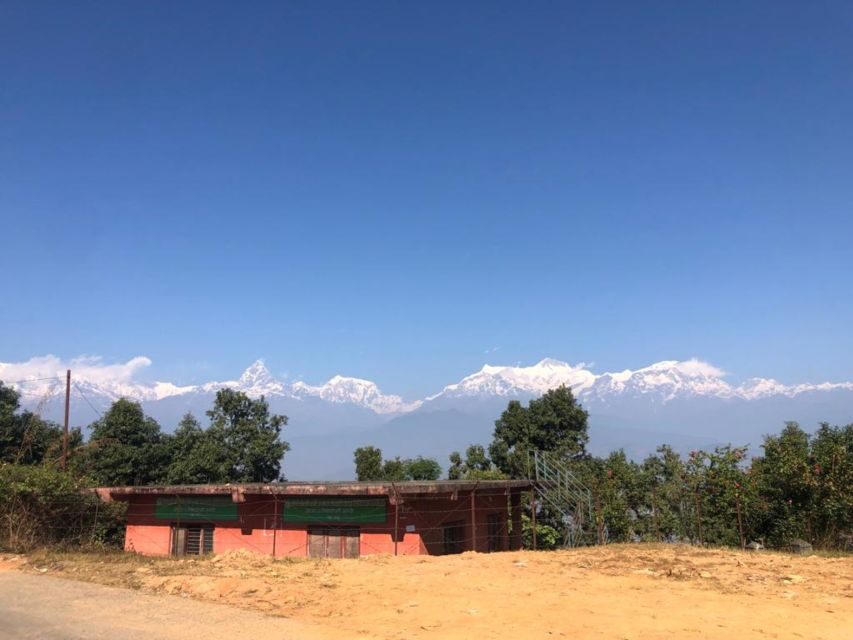
- Australian Camp at 2,060 meters: a short time investment for wide views of the Annapurna and Dhaulagiri ranges
- Kande trail start: an hour-ish scenic drive from Pokhara with Seti River and paddy fields along the way
- Rhododendron and oak forest hiking: shade and texture on the climb, plus plenty of photo chances
- Dhampus Gurung village lunch and guided tour: a cultural break in a place where daily life is the point
- Private group pace: you’re not competing with a busload crowd for attention or walking space
Why Australian Camp Is a Pokhara Shortcut to Big Views
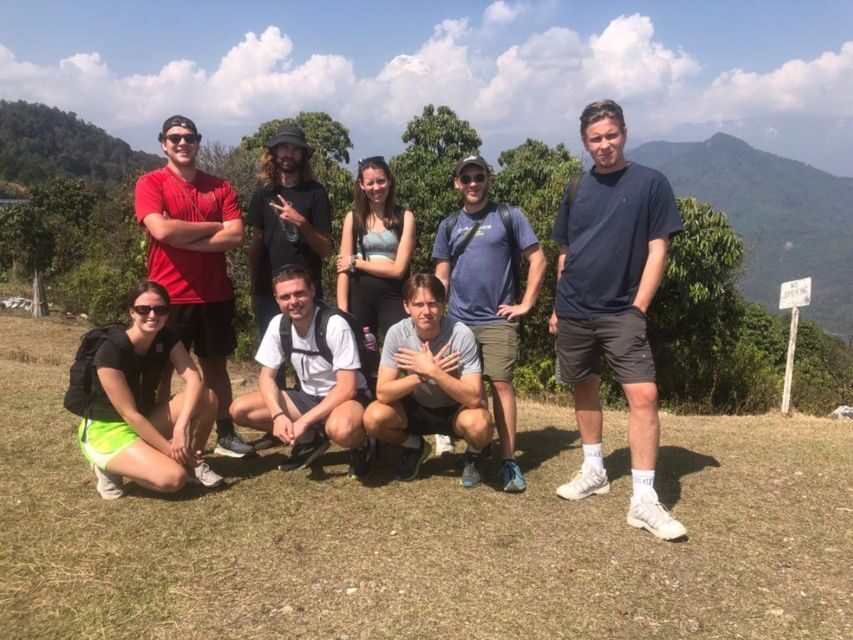
Australian Camp is the kind of Pokhara outing that makes you feel like you planned well. You get a proper trekking day without committing to multi-day routes. That matters if you only have a brief stay in town or you want something outdoorsy but still “doable” in one shot.
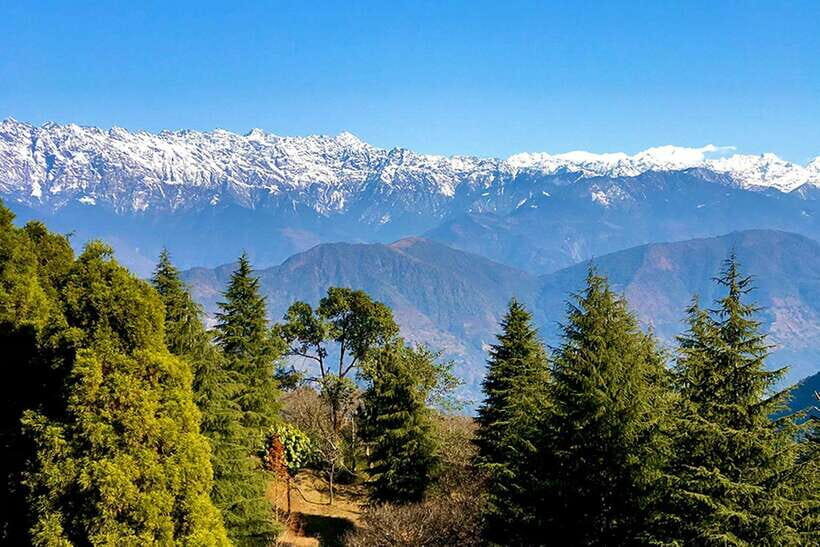
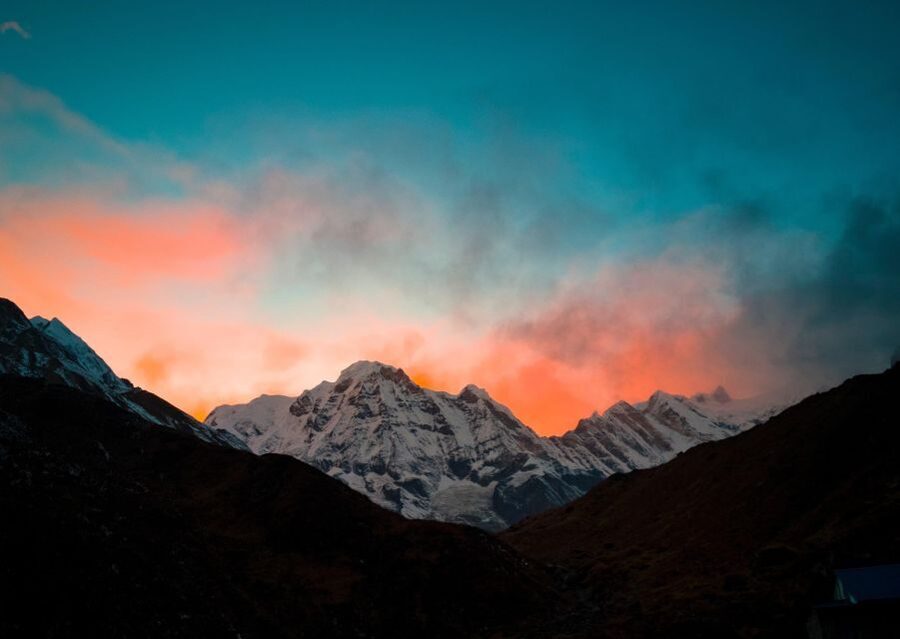
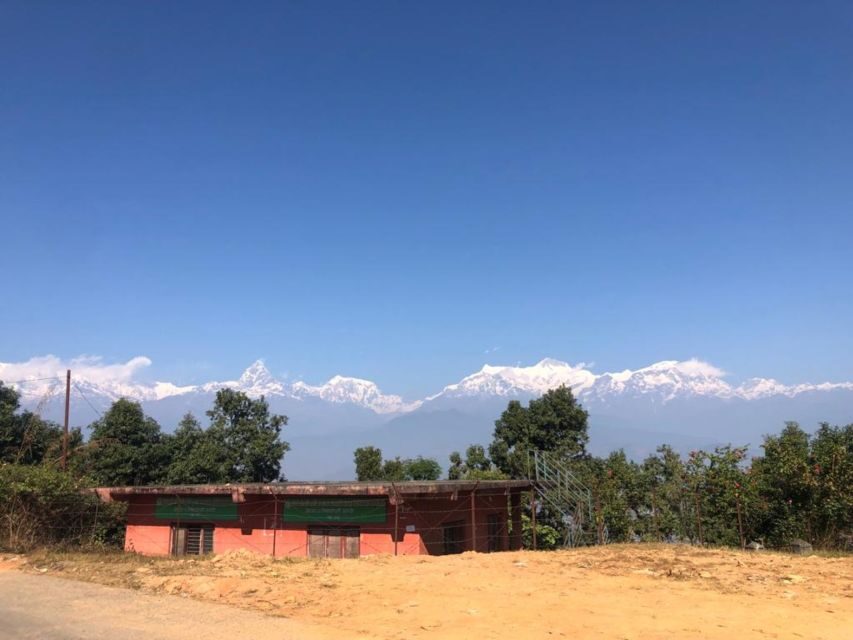
The payoff is the viewpoint itself. Australian Camp sits at 2,060 meters, and it’s positioned for wide-ranging sights toward the Annapurna and Dhaulagiri regions. On clear days, that’s the whole reason to show up. On less-clear days, it’s still a calm place to breathe, look around, and enjoy the rhythm of the hike.
You can also read our reviews of more guided tours in Kande
Getting There From Pokhara: Pickup, Scenic Kande Drive, and an 8-Hour Plan
The day starts with pickup from your hotel in the Lakeside area (or from Pokhara Airport). You’ll want to be ready in the lobby about 10 minutes before the scheduled time, since the whole day is timed to fit the trail and returns.
A key piece is the drive to the trailhead at Kande. Kande is about a one-hour drive from Pokhara, and the route is part of the experience. You pass the Seti River views and lush paddy fields, with big mountain scenery along the way when the weather cooperates.
In total, you’re out for about 8 hours. That’s enough time to climb, reach Australian Camp, enjoy the viewpoints, and still get a village lunch and a scenic return. It’s a full day, but it’s not a grind.
The Trail Experience: Forest Climb, Village Passes, and Real Nepal Tempo
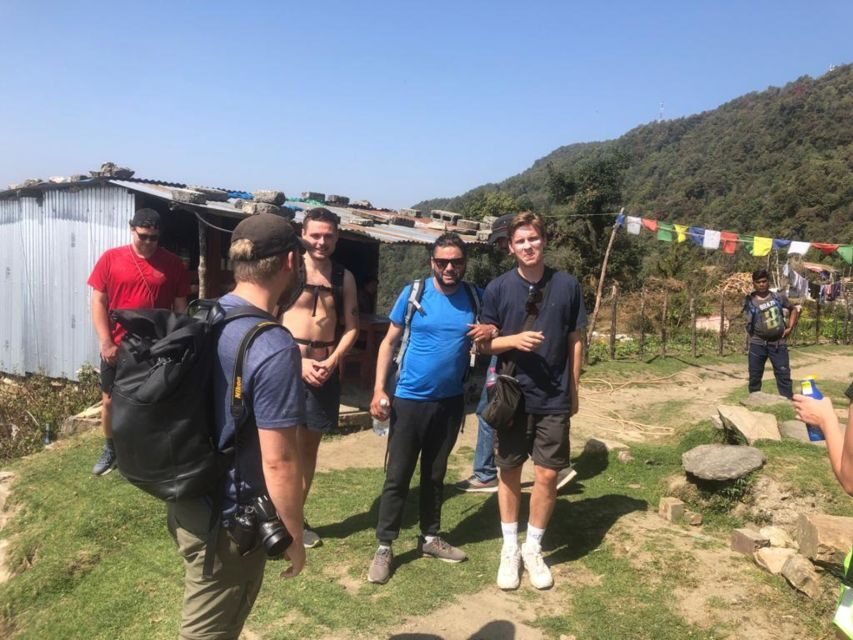
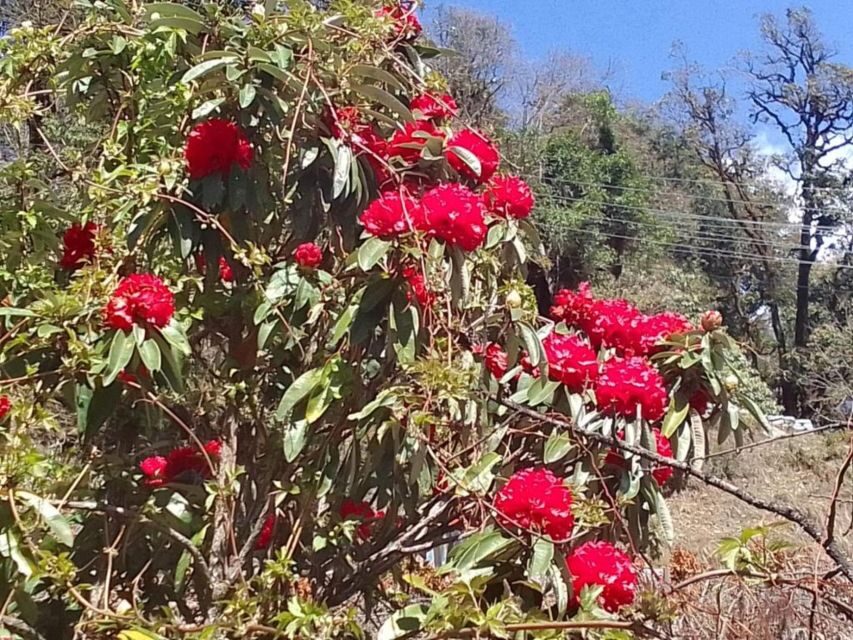
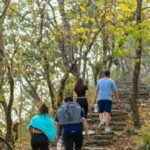
Once you start hiking, the trail uses the region’s natural “staging.” You ascend through rhododendron and oak forests, which is great because it breaks up the effort with cooler shade and a more interesting walking feel than open paths. Even if your goal is views, the forest sections make the hike more than just “up, pause, photos, down.”
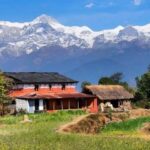
You’ll also pass through villages and terraced fields. This is where the route turns from a scenic workout into a cultural walk. Terraces mean local agriculture is right there in front of you, not a distant concept. Village segments mean you’re moving through everyday spaces where people live on the slope.
Because it’s a guided hike, you’re not left guessing what you’re seeing. A good guide like Ramesh (or Prakash/Prakass, depending on your group) can help you make sense of the route, the local life, and the best moments to stop for photos.
Australian Camp at 2,060 Meters: Views, Weather Reality, and Photo Strategy
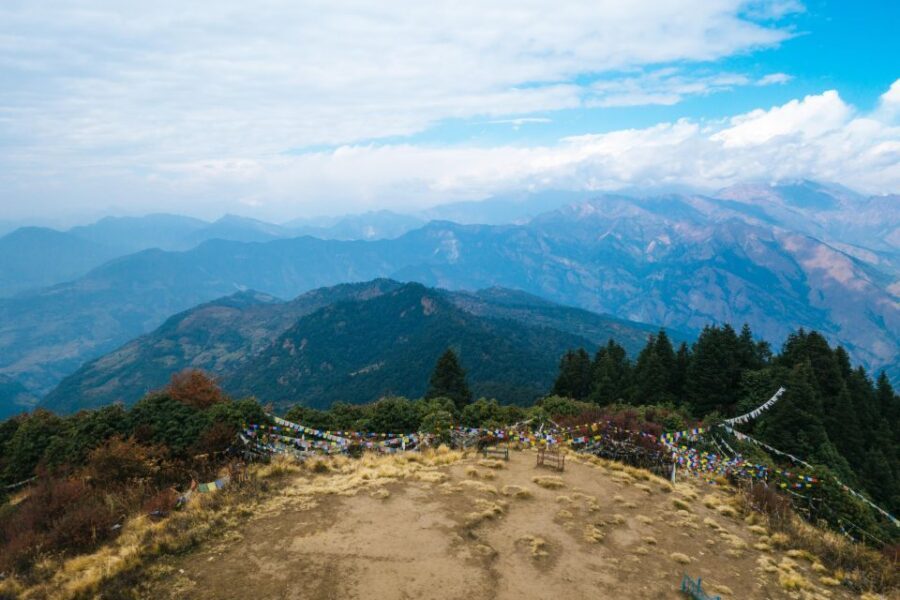
Australian Camp is the “arrive and breathe” moment of the day. You reach it after a few hours of trekking, and the altitude helps you feel the change: the air is cooler, the pace slows down, and the viewpoint becomes the main event.
The goal here is the panoramic view across the Annapurna and Dhaulagiri ranges. The height isn’t extreme compared to high-altitude treks, but it’s high enough that the view feels expansive and satisfying.
Now for the honest part: visibility depends on the sky. If it’s foggy or cloudy, you may not see the mountains as clearly as you expected. I wouldn’t panic—use that time to enjoy the silence, the forest edges, and the way light moves over the hills. If you want sharper views, bring a flexible mindset and watch the sky as the morning progresses.
Photo strategy that usually works:
- Take the first set of photos when you arrive, then take another round if the weather clears.
- Back up your shots with a few slow minutes where you just look and don’t rush for the camera.
Dhampus Gurung Village Lunch: More Than a Break Stop
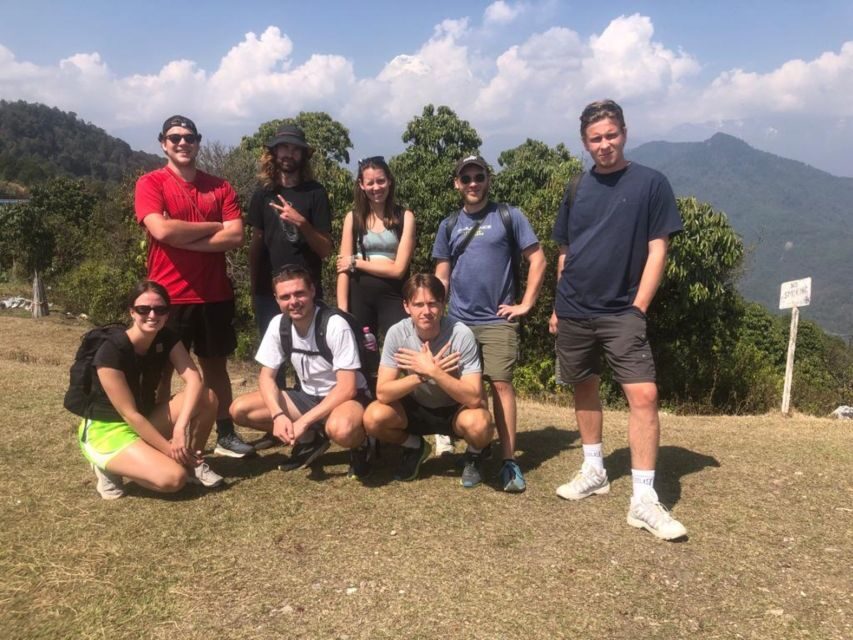
After Australian Camp, you descend toward Dhampus, a picturesque Gurung village known for its traditional culture and scenic setting. This is the part of the day that helps the hike feel balanced. You’ve already had time outdoors; now you switch gears to people and place.
You can expect a guided experience and time to interact with locals. That doesn’t mean a staged performance. It means you’re walking through a living community and seeing how the day’s rhythm works at village level.
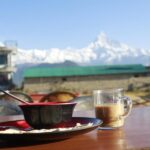
Lunch is served in the village setting, and it’s described as a simple, satisfying meal. The value here isn’t Michelin-star cuisine. It’s the fact that you’re eating where the hike brought you—warm, local, and grounded after time on the trail.
You can also read our reviews of more hiking tours in Kande
The Return to Pokhara: Scenic Highway, Easy Finish, and Luggage Support
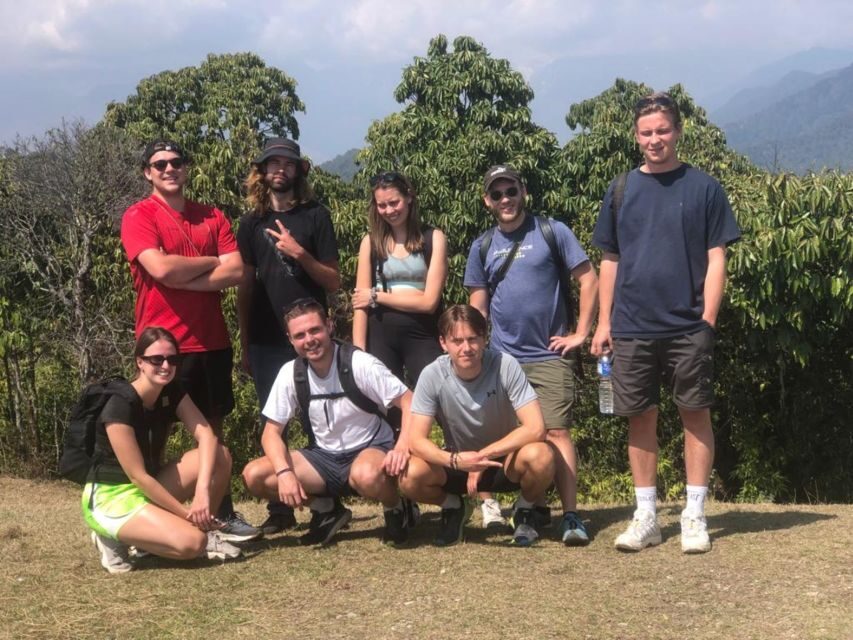
After Dhampus, you continue the descent toward Phedi, where transportation takes you back to Pokhara. The return route is part of the charm, because you’re back on a scenic highway with views of the region after your time on foot.
You’re not stuck worrying about logistics either. The tour includes luggage storage, so you’re not carrying everything around while you hike. That small detail makes the day smoother, especially if your bag is heavier than you expected.
By the time you roll back into Pokhara, you’ve basically collected three things in one outing: forest hiking, mountain viewpoint time, and a village meal with cultural context.
Price and Value: What $43 Includes (and What You’ll Still Pay For)
At $43 per person for a full one-day, 8-hour guided outing, this is priced like a practical Pokhara activity rather than an all-day luxury tour. The value gets stronger when you look at what’s included.
Included items:
- Hotel pickup and drop-off
- Authorized licensed English-speaking guide
- Trekking permits and paperwork, plus the Trekkers’ Information Management System fee(s)
- Applicable government tax
- A bottle of water
- Deluxe transportation as per the itinerary and group size
- Lunch during the hike for the full package
- All staff expenses (meals, accommodation, salary, equipment, insurance, transportation)
Not included (the stuff you should plan for):
- Soft and hard drinks
- Porters (available on request for extra cost)
- Travel and rescue insurance
- Personal expenses like phone calls or laundry
- Extra items like shower-related needs or extra bottled/boiled water if you want them
My advice: if you’re serious about comfort, plan snacks too. Even though lunch is included for the full package, having small trail snacks helps you keep energy steady without waiting for meal time.
And if you’re traveling light, you can likely handle the day without a porter. If you expect you’ll want extra help with a heavier daypack, arrange it early so it’s not a last-minute scramble.
What to Bring: A Simple List That Prevents Awkward Moments
The tour asks you to bring the essentials for a day hike. Keep it simple and pack like you’ll be outside for hours, not like you’re heading to a city walk.
Bring:
- Passport or ID card
- Sunglasses
- T-shirt and shorts (plus layers depending on how cool mornings feel)
- Snacks
- Daypack
- Hiking shoes
- Sunscreen
- Trekking gear you already own
If you forget anything, it usually won’t ruin the hike. But a poor shoe choice can make the descent uncomfortable fast. Also, sunglasses and sunscreen matter because the sun can show up even when the morning starts grey.
Who This Hike Fits Best (and Who Might Want More Time)
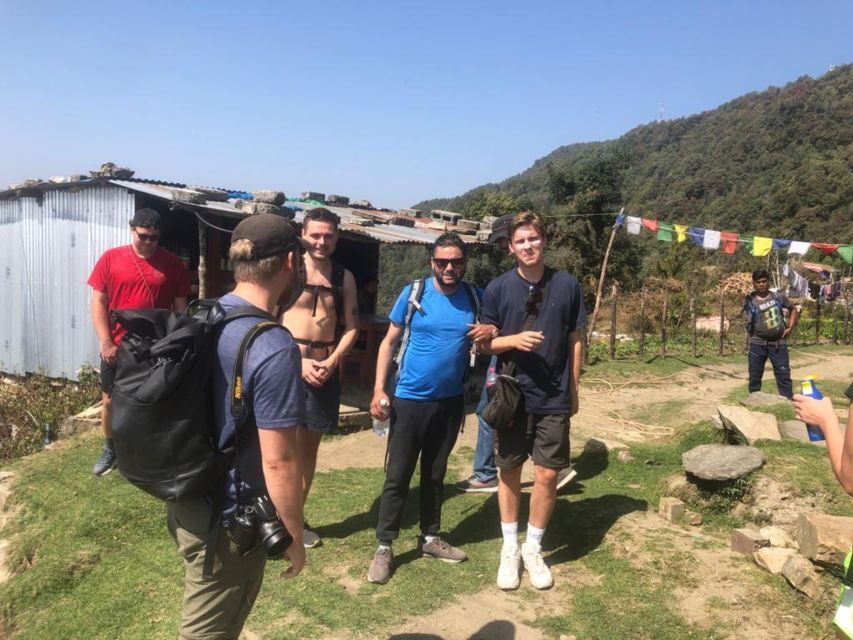
This is a great match if you:
- Have a short Pokhara stay and want a real hike
- Want guided support with a licensed English/Hindi-speaking guide
- Prefer a private group experience instead of being mixed into a large crowd
It’s also ideal if you like “mix and match” days. You get forest trekking, big viewpoint potential, and a village cultural stop with lunch.
If you’re the type who always needs clear mountain panoramas no matter what, keep your expectations flexible. Weather can reduce visibility, and the best “plan” is a calm one: enjoy what’s there, even if the mountains are hiding.
Should You Book This One-Day Australian Camp Hike?
If you want a solid day outdoors with Australian Camp views, a village lunch at Dhampus, and a guided route that keeps the logistics easy, I’d book it. The value is strong for $43 because permits, guide, pickup, transport, and lunch (full package) are built in.
I’d especially book if you’re looking for a way to experience the Pokhara region without committing to a multi-day trek. Just go in with two smart expectations: wear real hiking shoes, and remember that mountain views depend on weather. If the sky behaves, you’ll get the panorama. If it doesn’t, you’ll still get a memorable forest hike and an authentic village stop.
FAQ
How long is the Australian Camp and Dhampus hike?
The duration is listed as 8 hours.
Where does the hike start?
The trail starts from Kande (with pickup and then the trek to the Australian Camp trail head and onward toward Dhampus).
Is hotel pickup and drop-off included?
Yes. Pickup and drop-off are included from hotels in the Lakeside area and from Pokhara Airport.
What language will the guide speak?
The live tour guide is available in English and Hindi.
Is lunch included?
Lunch during the hike is included for the full package.
Is water included?
Yes. A bottle of water is included.
What are the trekking permits and paperwork for?
Trekking permits, necessary paperwork, and Trekkers’ Information Management System (TIMS) fee(s) are included.
Are porters included?
Porters are not included, but they can be arranged upon request for an additional cost.
What’s the highest point on the route?
Australian Camp is at about 2,060 meters above sea level.
What if the weather is cloudy or foggy?
Weather can affect how clear the mountain views are. On cloudy or foggy days, you may not see the ranges as sharply as you planned, but the hike and village experience still continue as scheduled.
Is travel and rescue insurance included?
No. Travel and rescue insurance is not included.
What should I bring for the hike?
Bring your passport or ID card, sunglasses, a t-shirt and shorts, snacks, a daypack, hiking shoes, sunscreen, and trekking gear.