REVIEW · KATHMANDU
Everest View Trek – 7 Days
Book on Viator →Operated by Breeze Adventure Pvt Ltd · Bookable on Viator
Lukla first, Everest next. This Everest View Trek is built for people who want the Khumbu region’s big drama without signing up for the full Everest Base Camp grind, with a quick schedule that still hits Sherpa villages and serious summit views. The experience starts with the classic Kathmandu–Lukla flight, then settles into daily hikes that take you past iconic places like Namche Bazaar and Khumjung Monastery.
Two things I really like are the mix of high-impact scenery and reasonable trekking days. First, the thrilling Lukla flight sets the mood fast, and the clear panoramas after you land feel almost unfair. Second, the day at Khumjung is memorable not just for views of peaks like Everest and Lhotse, but because you visit the monastery tied to the local Yeti scalp story.
One consideration: weather can affect flight timing, especially on Lukla days. Also, even though your trekking meals are covered, guest-house basics like showers and charging can cost extra since they are not included.
In This Review
- Key highlights you’ll feel right away
- Why the Everest View Trek is a smart shortcut to Khumbu
- Kathmandu arrival: two nights that help you breathe easier
- Lukla flight: the dramatic start you can’t fake
- Phakding to Namche Bazaar: the day your legs learn patience
- Namche to Khumjung: Sherpa culture and the Yeti scalp story
- Khumjung back to Phakding: recovery with real downhill effort
- Phakding to Lukla: finishing strong before the flight window
- The value equation: what your money actually buys
- Guide and porter teamwork: how the trip stays smooth
- Pace, fitness, and altitude: who this is really for
- The itinerary, day by day: where the magic happens
- Should you book it?
- FAQ
- FAQ
- What is the overall duration of the Everest View Trek?
- Where does the trek start and end?
- How many days do you trek?
- What are the flight details for the trek?
- What altitude do you reach during the trek?
- What does the trek include for meals?
- Is a guide and porter included?
- What accommodation is provided?
- What trekking equipment is included?
- What’s not included in the price?
Key highlights you’ll feel right away
- Scenic Kathmandu–Lukla round-trip flights that put you in the Everest zone quickly
- Namche Bazaar, the main Sherpa hub where you’ll get context for daily life in Khumbu
- Khumjung Monastery at 3,790m, plus the famous Yeti scalp story
- Sagarmatha National Park access and the UNESCO setting for this region
- A trek designed for moderate fitness, with acclimatization built into the route
- Max group size of 10 for a calmer pace and easier logistics
Why the Everest View Trek is a smart shortcut to Khumbu
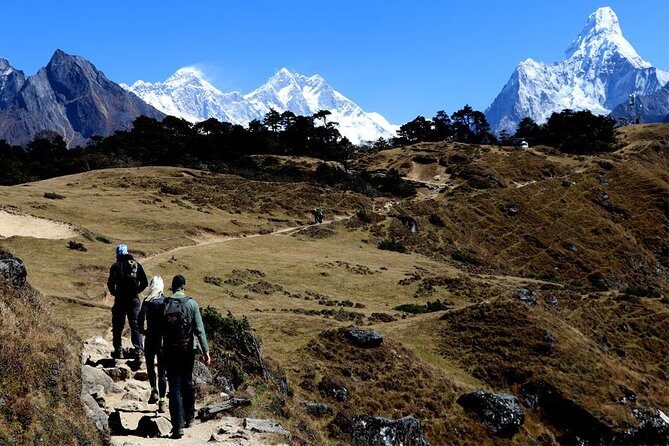
This trek aims at one goal: getting you the Everest region’s “wow” factor without making you spend a week or more suffering through constant altitude stress. You’ll still hike in some thin air, and you’ll see real Sherpa culture up close, but the trekking time is shorter than the classic Base Camp approach.
You’re also not stuck doing everything alone. You travel with a government-authorized experienced guide and porters, plus a small group size capped at 10. That matters on a route like this, where timing, weather, and finding the next village path can make or break the day.
The route is also paced like someone planned for acclimatization, not just distance. After landing in Lukla (2,860m), you gradually rise to Namche Bazaar (3,440m) and then to Khumjung (3,790m). You’re not jumping to extreme altitude all at once.
You can also read our reviews of more hiking tours in Kathmandu


Kathmandu arrival: two nights that help you breathe easier
Day 1 is a straightforward arrival: you land in Kathmandu and get transferred to your hotel. You also get two nights in a 2–3 star hotel with breakfast included. That buffer day-and-a-half is more than convenience. It helps you settle in, manage jet lag, and be ready for the early flight world of Lukla.
Kathmandu is also where you’ll get your first reality check about the trek. You’ll want to mentally switch from city walking pace to mountain pacing, where “slow” is a strategy, not a sign you’re failing. If you’re the kind of person who feels rushed in transit, try to give yourself grace here. On these days, calmer is faster.
One more practical note: meals in Kathmandu are only included for breakfast. So you’ll plan for lunch and dinner on your own during those hotel days.
Lukla flight: the dramatic start you can’t fake
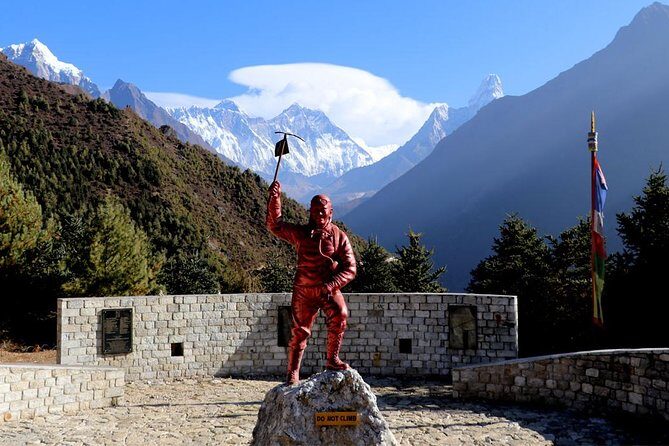
Day 2 is the turning point: a flight from Kathmandu to Lukla, then a hike to Phakding. The flight is about 30 minutes, and Lukla sits at 2,860m.
Then comes the gentle opener: Lukla to Phakding (2,610m) takes about 2–3 hours. Dropping slightly in elevation that first trekking day is a good move for many people. It lets you start hiking without immediately feeling like you’re climbing a wall.
What to expect from the flight itself: it’s not just transportation. It’s your first real glimpse of the Khumbu region. Even if you’re not a “view person,” you’ll get that cinematic feeling when the mountains start forming a wall around you. It’s also why this trek works for people with limited time. You’re not waiting days to reach the Everest zone.
Phakding to Namche Bazaar: the day your legs learn patience
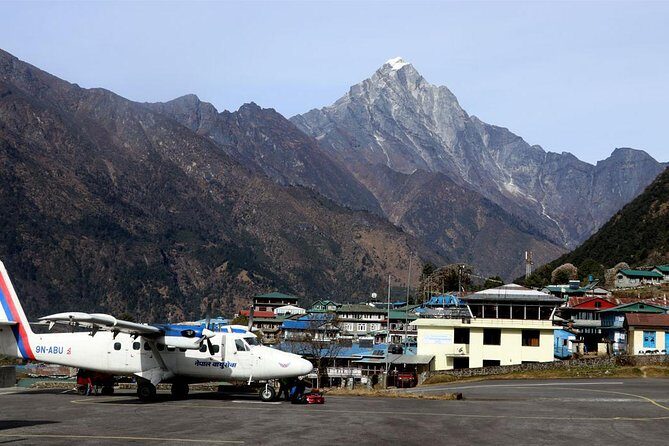
Day 3 is the big hike up: Phakding (2,610m) to Namche Bazaar (3,440m) in about 6–7 hours. This is where the word “moderate” becomes meaningful. You’re not doing a technical climb, but you are gaining altitude steadily, and your pace will need to slow down.
Namche Bazaar is the major Sherpa hub in the Khumbu region. That means more than postcard streets. You’re in a place where people have built a system around mountaineering, trade, guiding, and everyday life in high altitude. You’ll feel it in the vibe—practical, busy, and deeply connected to the mountains.
This is also a great day for learning how the trip works on the ground: where you can rest, how guest houses operate, and what “today’s weather” actually means for mountain travel. Namche is often where people start appreciating that trekking isn’t just walking—it’s reading conditions.
Namche to Khumjung: Sherpa culture and the Yeti scalp story
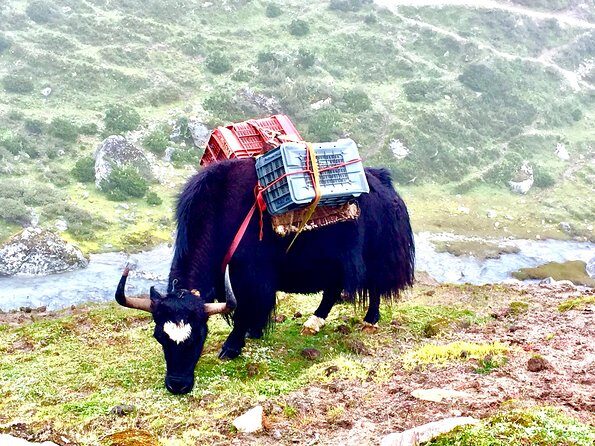
Day 4 adds culture and altitude. You’ll explore Namche Bazaar, then trek to Khumjung (3,790m) in about 3 hours.
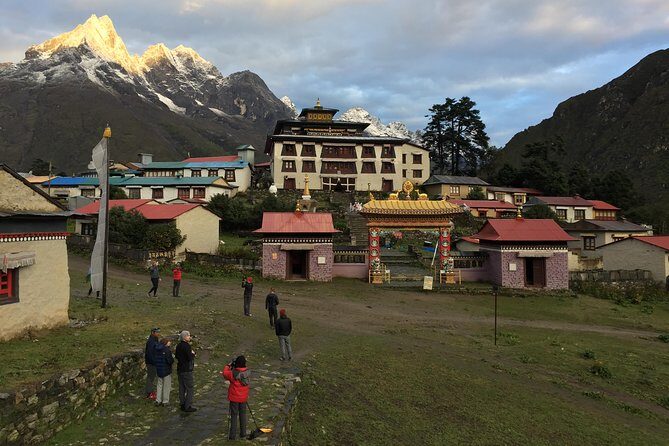
Khumjung is where you visit the monastery and see the fabled Yeti scalp. Even if you treat the story as folklore, it’s a fascinating peek into how mountain communities preserve belief and identity across generations. And practically, it’s a reminder that the Everest region isn’t just about peaks—it’s about the people living with them.
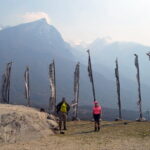
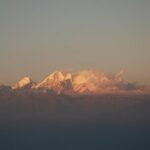
This day also tends to deliver some of the best mountain viewing. You’re surrounded by the kind of peaks that look too sharp to be real. The trek is designed to give you panoramic views of Everest, Lhotse, Lhotse Shar, Ama Dablam, Cho Oyu, and neighboring summits.
One tip for this cultural part: go slow and respectful. Ask questions quietly and listen. This is the heart of why the Everest View Trek feels more personal than a checklist tour.
A few more Kathmandu tours and experiences worth a look
Khumjung back to Phakding: recovery with real downhill effort
Day 5 is the return leg: Khumjung to Phakding takes about 4–5 hours. On paper, this is “just going down,” but your quads will still get the memo. Downhill in altitude regions can be tough on knees and legs, especially when the trail is uneven and you’re tired from the previous climb.
Still, this day matters. It’s not only about distance. It’s about resetting your body for the last stretch and allowing you to absorb the altitude you’ve already gained.
You’ll likely notice how the air feels thinner but more predictable. That’s the sweet spot for a short trek: enough elevation to make the experience feel authentic, but not enough to turn every step into a fight.
Phakding to Lukla: finishing strong before the flight window
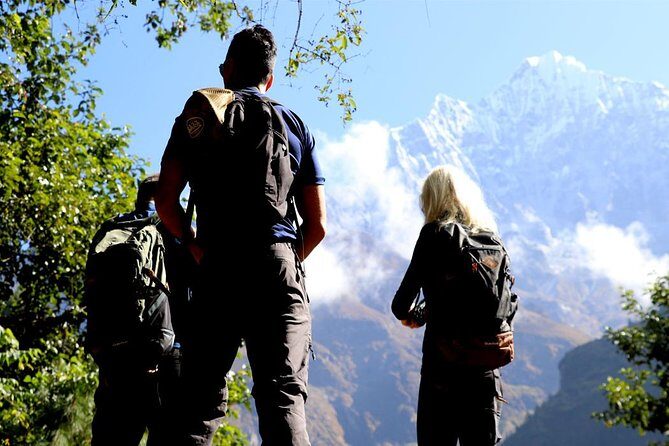
Day 6 returns you toward Lukla with a hike from Phakding to Lukla in about 3–4 hours. This is a strong finish because it keeps the itinerary logical: you work upward to your key viewpoints, then you start moving back to your base for departure.
Then Day 7 is your flight from Lukla to Kathmandu in the morning (again, about 30 minutes). Morning flights can be smoother in general because weather often builds through the day, but you’ll want to stay flexible. In this region, conditions can change quickly.
If you’ve ever wondered what “weather-dependent” really means, Lukla is where you’ll find out. It’s the price of getting so close to Everest so fast.
The value equation: what your money actually buys
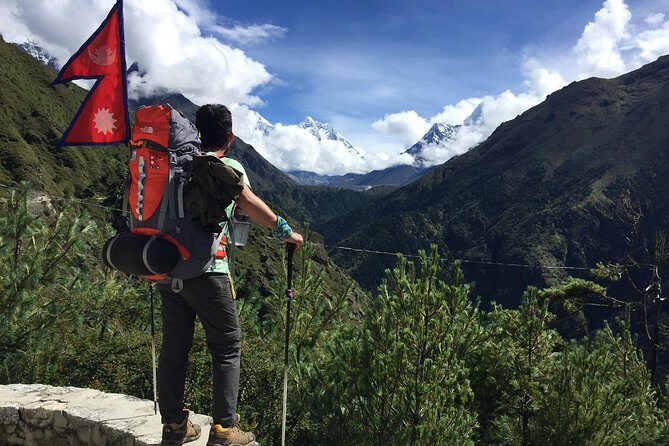
At $1,324.62 per person (as listed), you’re paying for more than hiking. You’re paying for logistics that would otherwise eat your time and energy: flights, transfers, park fees, guided navigation, and the mountain basics that allow you to travel lighter.
Here’s what’s included that carries real value:
- Transfers to and from Tribhuvan Airport
- Two nights in a Kathmandu hotel (breakfast included)
- All transportation for the trek
- Local guest house accommodations in the mountains
- Experienced guide and porters (government-authorized)
- Hygienic meals during the trek: breakfast, lunch, and dinner
- Equipment like a sleeping bag and warm layers
- A first aid kit, plus a map of the Everest region
- Sagarmatha National Park entry fees and Khumbu villages entry fees
- A post-trek celebration dinner in Kathmandu
What’s not included (so you can budget without surprises):
- International airfare
- Kathmandu meals besides breakfast
- Personal shopping and expenses
- Shower and electronic charging fees at guest houses during the trek
- Alcoholic drinks, chocolates, tea and coffee
- Tips for guide and porter
A good way to judge value on this trek: compare what you’d have to arrange yourself. You’d still need flights to Lukla, a guiding system, park permissions, and the “mountain logistics” around lodging and meals. This package bundles the hard parts for you.
Guide and porter teamwork: how the trip stays smooth
This trek is small by design—maximum 10 travelers—which tends to make the relationship with your guide and porters feel practical instead of chaotic. You’ll have an experienced guide leading you through villages and altitude shifts, with porters helping carry some weight.
Breeze Adventure has been associated with strong organization in Everest-region treks, and guide Lakpha has been specifically praised for keeping things well managed. Even more important than “nice guiding” is decision-making. In mountain travel, you can’t control weather, but you can control how the plan reacts when forecasts change. The best teams coordinate with you instead of shrugging.
If you’re the kind of person who worries about being a burden, remember this: porters and guides are part of how this region functions. Tipping is not optional for that human side of the adventure; it’s how you close the loop on a service that’s doing real work.
Pace, fitness, and altitude: who this is really for
The trek calls for moderate physical fitness. That’s not marketing fluff. It means you should be comfortable walking for hours, taking short breaks, and moving at a slower pace. You don’t need technical climbing skills.
You do need altitude respect. You’ll go up as high as 3,790m at Khumjung, and you’ll spend time in the Sagarmatha National Park zone. Altitude can affect sleep, appetite, and breathing—so hydrate, eat what you can, and don’t treat every headache as a personal failure.
Also remember: included gear helps, but you still need to bring common sense. Even with warm layers provided, you’ll want your own essentials—things like sun protection, a water strategy, and layers you can adapt throughout the day.
The itinerary, day by day: where the magic happens
Here’s the rhythm in plain language:
- Day 1: Arrive Kathmandu, transfer to hotel, recover and prep.
- Day 2: Fly Kathmandu → Lukla (2,860m), then hike to Phakding (2,610m), about 2–3 hours.
- Day 3: Trek Phakding → Namche Bazaar (3,440m), about 6–7 hours; get used to altitude and the hub vibe.
- Day 4: Explore Namche, then hike to Khumjung (3,790m), about 3 hours; monastery visit and major views.
- Day 5: Khumjung → Phakding, about 4–5 hours; recover with a downhill rhythm.
- Day 6: Phakding → Lukla, about 3–4 hours; set up for departure.
- Day 7: Fly Lukla → Kathmandu in the morning, about 30 minutes.
- Day 8: Transport from hotel to Tribhuvan Airport for departure.
The standout stops are the ones tied to viewpoint + culture: Namche Bazaar and Khumjung Monastery. Those are what make the trek feel like more than a scenic walk.
Should you book it?
If you want Everest-region views and Sherpa culture, but you’re short on time or want to avoid the hardest Base Camp schedule, I’d seriously consider booking this. It’s designed for a focused experience: big mountains, key stops, and a trek length that keeps your trip realistic.
You should think twice if you hate uncertainty. Lukla flights depend on weather, and you’ll be in the altitude band where conditions can shift how you feel day to day. Also, if you’re strict about spending, plan for the extra costs that come with guest-house charging and showers, plus tips.
FAQ
FAQ
What is the overall duration of the Everest View Trek?
The tour is listed as 8 days approximately, including time in Kathmandu and the trekking days in the Khumbu region.
Where does the trek start and end?
It starts at Breeze Adventure Pvt. Ltd in Thamel Marg, Kathmandu, and ends back at the same meeting point.
How many days do you trek?
The trek is described as requiring 5 days of trekking.
What are the flight details for the trek?
You fly from Kathmandu to Lukla and back. The flight time is about 30 minutes each way.
What altitude do you reach during the trek?
You begin in Lukla at about 2,860m, reach Namche Bazaar at about 3,440m, and go up to Khumjung at about 3,790m.
What does the trek include for meals?
Meals during the trek are included: breakfast, lunch, and dinner. In Kathmandu, breakfast is included, but lunch and dinner are not.
Is a guide and porter included?
Yes. The package includes a government-authorized experienced guide and porters.
What accommodation is provided?
You get two nights in a 2–3 star hotel in Kathmandu, plus local guest house accommodation during the trek.
What trekking equipment is included?
The tour includes all equipment such as a sleeping bag and warm layers, plus a first aid kit and a map of the Everest region.
What’s not included in the price?
International airfare is not included, and meals in Kathmandu other than breakfast are not included. Shower and electronic charging fees at guest houses during the trek are also not included, along with alcohol and tips for guide and porter.