REVIEW · KATHMANDU
Langtang Trek from Kathmandu 7 Days
Book on Viator →Operated by My Dream Adventure (MDA) · Bookable on Viator
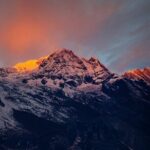
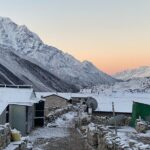
Snow peaks on your doorstep in a week. This Langtang Valley trek is a classic Himalayan route with a gentle-to-steady rhythm, passing through Tamang and Sherpa villages, monasteries, forest trails, and big views. It also starts with an actual Kathmandu-to-mountains journey, so day one already feels like a change of world.
I like that this trip keeps things practical: an English-speaking trekking guide, trekking permits and TIMS handled, and lodge accommodation along the way. You also get hotel pickup/drop-off and a guide who can help you move through the trail and paperwork without headaches.
The main consideration is altitude: the route reaches about 4,700 meters, and you’ll be outside for hours each day. If you get winded easily or hate cold air, plan to go slow and listen to your body.
In This Review
- Key highlights to expect
- Why Langtang Valley is a smart 7-day trek
- Price at $410: what you’re really paying for
- Getting to Syabrubesi: the long day that sets the tone
- Lama Hotel: following the Langtang Khola through green country
- Langtang Village: the village trail where the culture shows up
- Kyanjin Ri day: Kyanjin Gompa and the real altitude payoff
- The Kyanjin Ri summit push and back toward Lama Hotel
- Down to Syabrubesi and back to Kathmandu: finishing strong
- Lodges, guide quality, and the permits that keep you legal
- Fitness level: what moderate really means here
- Who should book this trek with My Dream Adventure (MDA)
- Should you book this Langtang Trek at $410?
- FAQ
- FAQ
- How long is the Langtang Valley trek?
- Where does the trek start and end?
- Is hotel pickup and drop-off included?
- Does the tour include trekking permits and TIMS?
- Will I have an English-speaking guide?
- What kind of accommodation is provided during the trek?
- What fitness level do I need?
Key highlights to expect
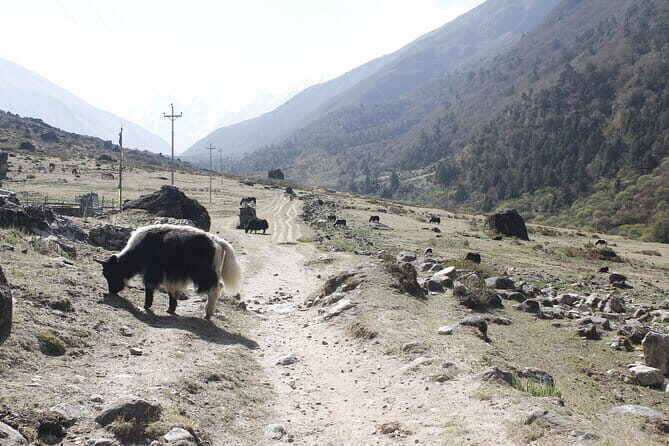
- Tamang and Sherpa village moments along the valley, not just a hike through trees
- Monastery stop at Kyanjin Gompa, with a spiritual calm and strong mountain backdrop
- Views from Kyanjin Ri (around 4,700 meters), a real payoff day
- Lodge-based nights so you’re not camping for a 7-day commitment
- Permits and TIMS taken care of, so you travel lighter on admin
Why Langtang Valley is a smart 7-day trek
Langtang Valley is one of Nepal’s easier entrances into high-country trekking. You’re not chasing the steep, punishing feel of the most extreme routes. Instead, the experience builds step by step: forest trails, river valleys, village rhythm, then higher terrain where the air feels thinner and colder.
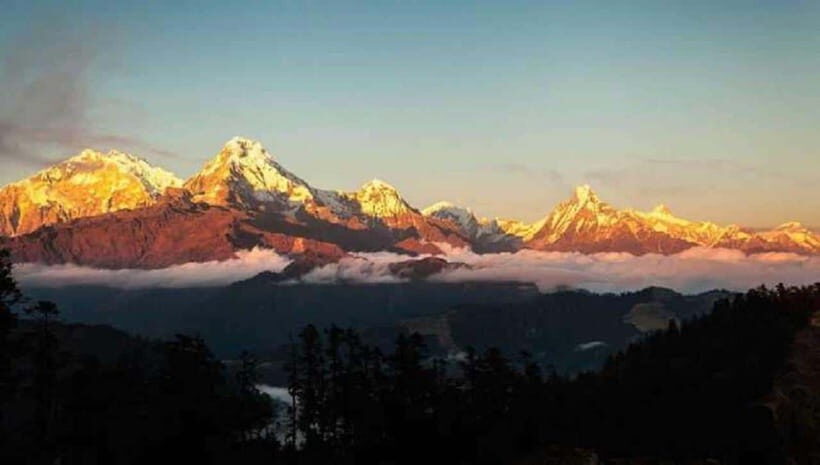
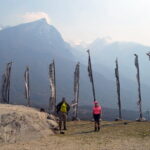
What makes it especially appealing is the mix. You get the natural drama—snow-capped peaks, oak and rhododendron forests, and rushing water—but you also get human scale: prayer walls, village life, and places like Kyanjin Gompa where the region’s spiritual side shows up clearly.
Another reason I like this trek conceptually: it’s long enough to feel like you got away, but short enough that you can still come back to Kathmandu feeling functional instead of wrecked.
You can also read our reviews of more hiking tours in Kathmandu


Price at $410: what you’re really paying for
At $410 per person, the value comes from what’s included rather than the headline number. You’re paying for the parts that usually take the most effort to organize well: trekking permits and a TIMS card, an English-speaking guide, lodge nights, and transfers.
You also get hotel pickup and drop-off, plus round-trip transfer by sharing a local bus. That matters because getting to the trailhead and back is half the battle in Nepal trekking, and road time can be long.
One more subtle point: this is described as a private trip, meaning only your group participates. That usually translates to less waiting around and fewer awkward “figure it out” moments with logistics—especially helpful if you want a smooth flow across days.
Getting to Syabrubesi: the long day that sets the tone
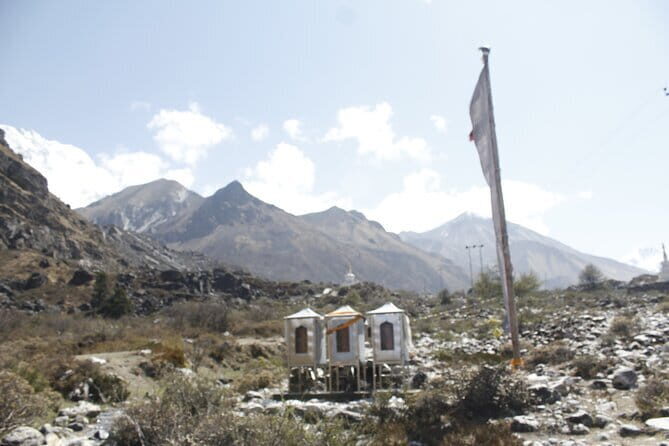
Day one is your shift from Kathmandu to the mountains, and it takes about 7 hours of travel. You’ll start from your Kathmandu hotel area, then move out by local bus toward Syabrubesi, the common launch point for Langtang Valley.
Stop-wise, you’re overnighting at Hotel Garden Inn Shyfru Bensi, which helps because you’re not trying to find beds at the last minute. After a full travel day, having a set lodge base is a comfort.
A practical tip that’s not glamorous but works: on arrival, treat this as a pacing day. Don’t turn it into a “let’s explore” mission. Eat, hydrate, and sleep. You want your legs to feel fresh for the next day’s walking.
Lama Hotel: following the Langtang Khola through green country
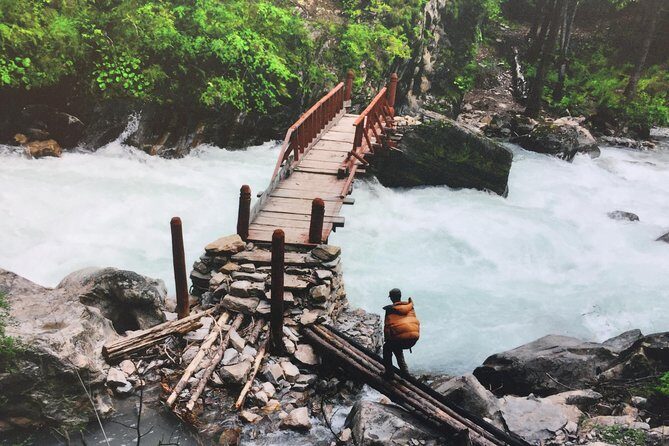
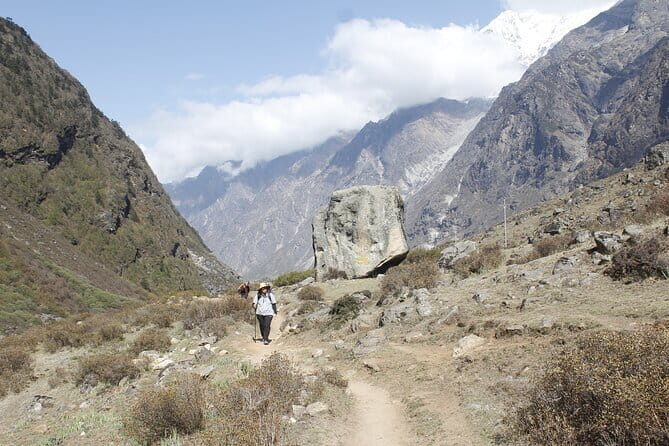
On day two, you’ll trek about 6 hours to Lama Hotel. The trail follows the Langtang Khola, and that matters more than it sounds. River valleys often mean a steadier path—plus constant scenery change as the water and greenery keep pulling your attention forward.
The day’s feel is about staying focused on rhythm. You’re in dense forest country, and you’ll likely see moments that look like they belong on a postcard: mossy textures, shaded trails, and flashes of color when rhododendrons show up.
Why this day is valuable: it gives you a gentle way to get trekking legs. By the time you reach Lama Hotel, you’ve already started acclimating through movement and time outdoors, rather than jumping straight to high altitude.
Langtang Village: the village trail where the culture shows up
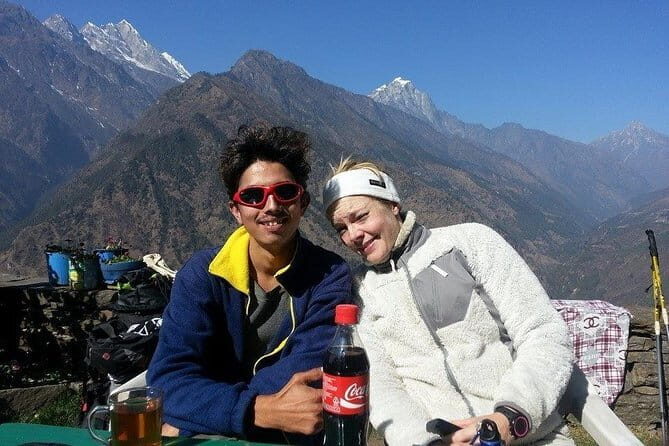
Day three takes you to Langtang Village in about 6 hours. This is when the trek shifts from mostly forest scenery to lived-in landscapes.
The route takes you through moss-covered trees and rhododendron blooms, and you’ll be passing through spaces where local life is part of the trail experience. In practical terms, you’re more likely to have chances to interact—saying hello, seeing small routines, and noticing how people use the valley.
This is also a good day to slow down mentally. The villages aren’t a museum stop; they’re communities. Even small exchanges can make the trek feel real in a way that just chasing views can’t.
One caution: village days can tempt you to snack more often than you need to. Eat when you’re hungry, but don’t confuse a steady climb with a full-day buffet strategy.
A few more Kathmandu tours and experiences worth a look
Kyanjin Ri day: Kyanjin Gompa and the real altitude payoff
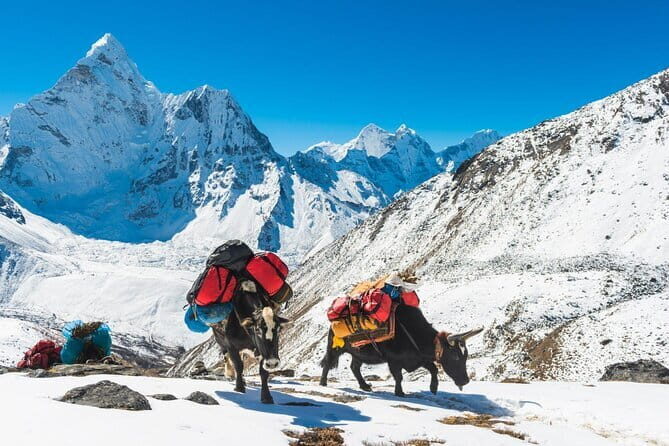
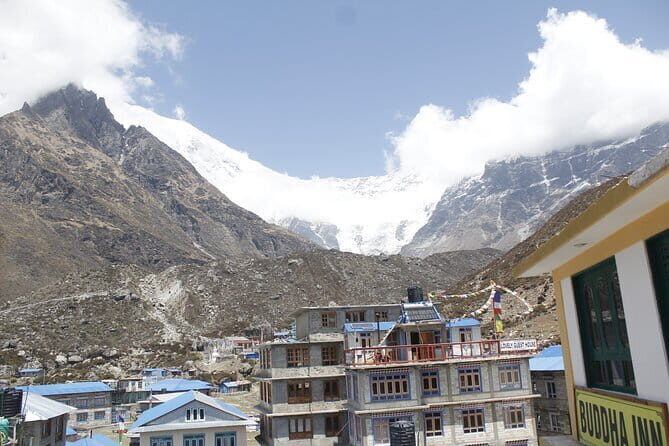
Day four is built around Kyanjin Ri and includes Kyanjin Gompa as a key stop. You’ll trek about 6 hours, and the description highlights Kyanjin Gompa at around 3,800 meters above sea level.
This is where the spirituality and scenery lock together. A monastery in the mountains doesn’t just look scenic—it changes the feel of the day. You get quieter moments, and the environment seems to hold your attention longer.
The altitude also starts to remind you to respect your body. At this height, you don’t need panic. You do need patience. If you feel breathy, that’s normal at altitude—so you match your pace to your breathing, not your pride.
In the provided feedback, Kyanjin Gompa is called out as a highlight with stunning panoramas. That’s consistent with why this stop matters: you’re not just walking past buildings, you’re reaching a perspective.
The Kyanjin Ri summit push and back toward Lama Hotel
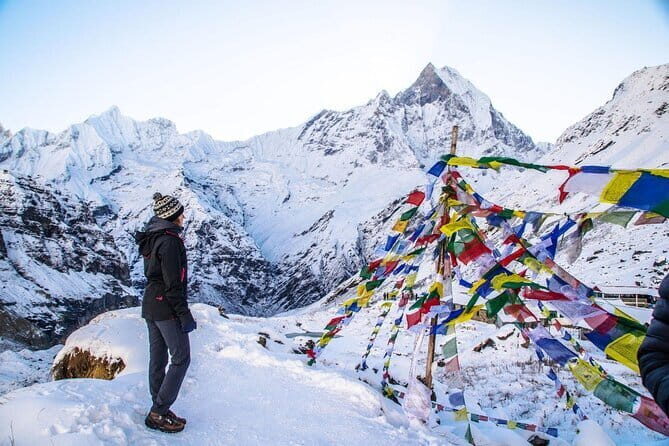
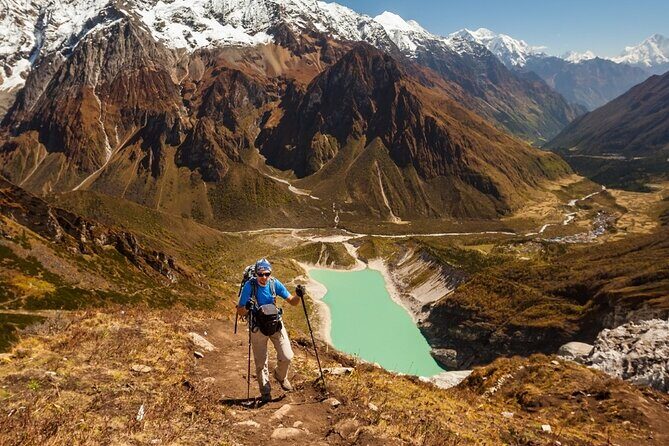
Day five is the most demanding in the written plan. The route description mentions rocky ridges, narrow paths, and occasional steep sections, with the summit of Kyanjin Ri at about 4,700 meters.
This is not just a “pretty hike” day. Expect your legs to work and your breathing to be a little louder than it was earlier days. Plan to move carefully on narrow or uneven sections—fast steps are less useful than steady steps.
The itinerary then indicates you return toward Lama Hotel for the overnight. This back-and-forth shape is common in mountain trekking: you get the big view, then you recover by descending back to a lower sleeping altitude.
Practical mindset for this day: treat it like a climb with breaks built in, not a race to the top. If you push too hard early, you’ll pay for it on the way down.
Down to Syabrubesi and back to Kathmandu: finishing strong
Day six brings you down from Lama Hotel to Syabrubesi, usually around 5–6 hours. The description notes forest scenery, streams, and local villages along the descent.
A descent can feel easier than ascent, but your knees may disagree. Going slow helps more than you’d think. You also usually get better mountain mood here—because by late trek days, you often understand what you’re seeing, not just look at it.
Day seven is your return to Kathmandu, roughly 7–8 hours by drive with breaks for stretching. The final stop is Thamel, which makes sense because it’s where most visitors end up for gear, food, and an easy reset after trekking.
This ending is useful: you can shower, eat normal meals, and still have energy to enjoy Kathmandu’s lively streets without feeling like you’re dragging yourself around.
Lodges, guide quality, and the permits that keep you legal
This trek includes lodge accommodation each night, plus an English-speaking trekking guide. That combination matters a lot. Lodges reduce the mental load of camping decisions, and an English guide helps you navigate both the trail and the practical questions that come up every day.
On top of that, you get trekking permits and TIMS card included. That’s a big deal in Nepal trekking. When permits are handled well, you avoid annoying last-minute scrambling and keep your focus where it belongs: walking, resting, eating, and enjoying.
The trip also requests your passport details and a photo (a selfie works) to issue the trekking permit. That’s normal for the process, but it’s smart to get it done quickly so your booking stays on track.
What about the day-to-day vibe? The feedback highlights “good service,” “excellent service,” and a “very well trained and friendly guide.” I take that as a sign the guiding and logistics are handled in a way that doesn’t make you feel lost when you’re tired.
Fitness level: what moderate really means here
The trek is listed for travelers with moderate physical fitness. That fits the structure: several days of roughly 6 hours trekking plus one longer travel day at the beginning and a drive day at the end.
But “moderate” doesn’t mean easy. With altitude reaching about 4,700 meters, you’re asking your body to work in thinner air. The best approach is not hero mode. It’s consistent pacing, taking breaks when needed, and eating enough to keep energy stable.
If you’re new to trekking, this route is still doable because it’s paced over multiple days. You’re not thrown into a single-day wall. Still, you should be ready for sustained walking and changing weather.
Who should book this trek with My Dream Adventure (MDA)
This is a strong match if you want:
- A 7-day itinerary that feels complete without weeks of setup
- Lodge comfort instead of camping
- A guide you can communicate with in English
- An authentic valley experience with villages and a monastery, not only summit chasing
It may be a weaker fit if you want a trek that’s mainly flat strolls or if altitude makes you anxious. In that case, you may prefer a lower route or a shorter option.
Should you book this Langtang Trek at $410?
I’d book if you value smooth organization. The included permits, TIMS, guide, lodge stays, and hotel pickup/drop-off cover the hard-to-coordinate parts. At $410, you’re also paying for time saved—an underrated part of trekking.
I’d think twice if you know you struggle with cold or altitude. This route climbs high enough that you need to be okay with slower pacing and careful steps on rocky sections.
Overall, this trek is the kind of trip that works because it balances big mountain payoff with enough days of gradual progression to keep things manageable.
FAQ
FAQ
How long is the Langtang Valley trek?
The itinerary runs for about 7 days, with trekking days of roughly 6 hours on most days and longer travel time on the first and last days.
Where does the trek start and end?
It starts in Kathmandu and includes travel to Syabrubesi. The trek concludes with a return journey to Kathmandu, with the final stop in Thamel.
Is hotel pickup and drop-off included?
Yes. Hotel pickup and drop-off are included.
Does the tour include trekking permits and TIMS?
Yes. Trekking permit and TIMS card are included.
Will I have an English-speaking guide?
Yes. An English speaking trekking guide is included.
What kind of accommodation is provided during the trek?
Accommodation in lodge is included for the trekking nights.
What fitness level do I need?
The trek is recommended for travelers with moderate physical fitness, and the route includes days with long walks and altitude reaching about 4,700 meters.