REVIEW · KATHMANDU
Multiday Manaslu Circuit Trek
Book on Viator →Operated by Places Nepal Trek & Tours · Bookable on Viator
A high pass and quiet villages make this trek different. I love the way this route pushes you into the Manaslu region’s Buddhist communities while keeping things organized with an English-speaking local guide and included meals. I also like that the trip builds in acclimatization at Sama Gaun before you tackle Larkya La Pass. One thing to consider: it’s genuinely demanding trekking at altitude, and the operator notes it’s not ideal for certain dietary needs.
This is a small-group trek too, with a maximum of 12 people, so the pace feels human instead of rushed. You’ll start in Kathmandu and return by local bus, with pickup offered and a mobile ticket provided. If you’re the kind of traveler who likes real mountain days more than polished comfort, you’ll likely appreciate the guesthouse rhythm and the local feel.
In the package, you don’t just get a route—you get tools for the job. Permits are included (including Restricted Area Permits), plus a duffle bag, sun cap, trek map, and an oximeter for oxygen checks. There’s also an emergency helicopter arrangement, but it’s stated to be paid by your travel insurance, so don’t assume you can skip insurance.
In This Review
- Key points worth knowing before you go
- Why the Manaslu Circuit feels different on your legs
- Route overview: Machha Khola to Kathmandu with Larkya La Pass in the middle
- Day-by-day trek notes: what happens each day
- Day 1: Ride to Machha Khola, then start walking
- Day 2: Trek to Jagat with bridges and waterfalls
- Day 3: Forests, terraces, and mountain glimpses
- Day 4: Deng to Namrung and monastery vibes
- Day 5: Namrung to Shyala, with a big panorama near Lho
- Day 6: Sama Gaun day with Pungyen Gompa
- Day 7: Acclimatization in Sama Gaun (optional base camp or lake)
- Day 8: Sama Gaun to Samdo at the Tibetan border
- Day 9: Samdo to Dharmasala (Larkya Phedi)
- Day 10: Larkya La Pass day
- Day 11: Descent from Bhimthang to Dharapani
- Day 12: Bus back to Kathmandu and a farewell dinner
- Altitude, acclimatization, and the Larkya La Pass reality check
- Price and value: what $1,200 really buys you
- Transportation, meeting point, and what to pack
- Guides, food, and the human side of hard days
- Who should do the Manaslu Circuit with this operator, and who should pause
- Should you book this Manaslu Circuit trek?
- FAQ
- How long is the Manaslu Circuit trek?
- What’s the highest point on the trek?
- Is a guide included?
- Are trekking permits included?
- What meals are included?
- Do I need a porter?
- What about emergency evacuation?
- What if I need to cancel?
Key points worth knowing before you go
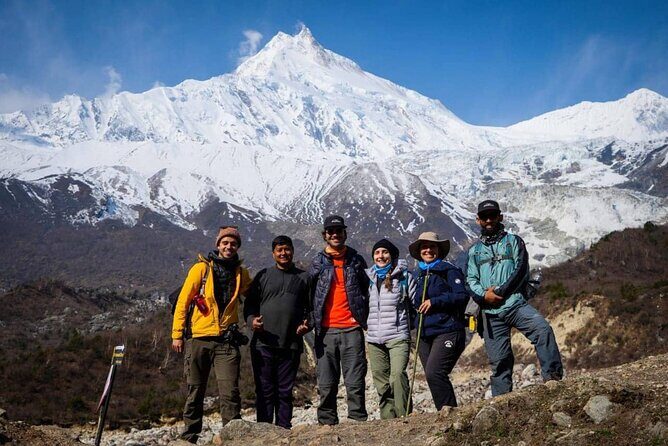
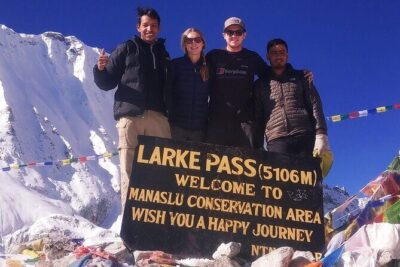
- Larkya La Pass crossing: the big summit-moment at about 5,106m (16,752 ft).
- Restricted area permits included: a real logistics win for the Manaslu region.
- Sama Gaun acclimatization day: time to adjust before the higher days.
- Local Buddhist monasteries and Tibetan-border villages: you pass places like Samdo and visit sites such as Ribung and Pungyen Gompa.
- Small group size (max 12): easier movement, less chaos on the trail.
- Oximeter + first-aid support: not a guarantee, but it shows they take altitude seriously.
Why the Manaslu Circuit feels different on your legs
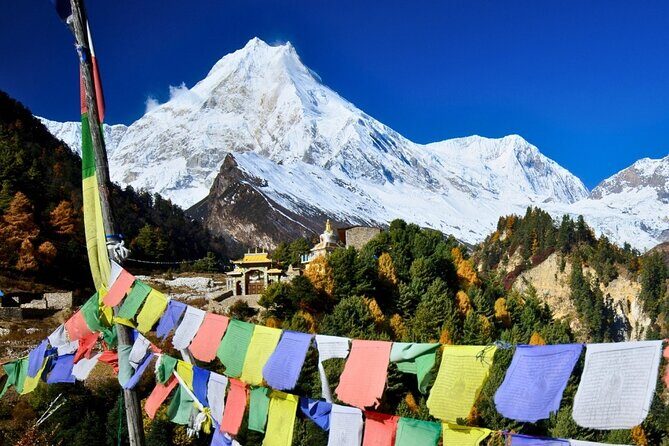
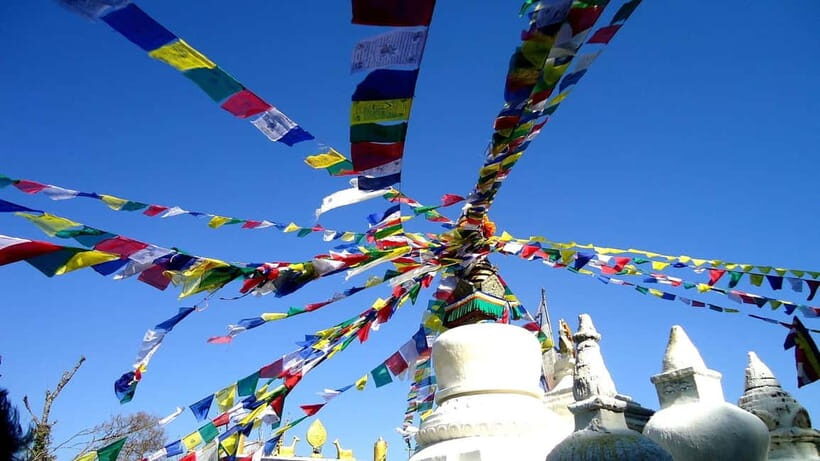
The Manaslu Circuit isn’t just about getting to a high point. It’s about hiking through a part of Nepal that still feels tied to local life—villages, monasteries, prayer flags, and daily routines that aren’t built for mass tourism. If you like routes where you can hear yak bells, watch terraced fields work their way across hillsides, and see people living their faith, this trek fits well.
What I like here is the balance of effort and reward. Some days are short and scenic, then the next day reminds you you’re in the Himalaya. That pacing matters because altitude doesn’t care about your enthusiasm. With an acclimatization break at Sama Gaun and a pass day that’s planned in a step-by-step way, you’re set up to handle the hardest part with less guesswork.
There’s also a practical reason this trek works: it’s structured around the Budhi Gandaki River valley and classic Himalayan tea-house style villages, which means you can keep your rhythm. You’re not spending days in a totally empty wilderness loop; you’re moving through settlements where you can eat, sleep, and keep going.
You can also read our reviews of more hiking tours in Kathmandu
Route overview: Machha Khola to Kathmandu with Larkya La Pass in the middle
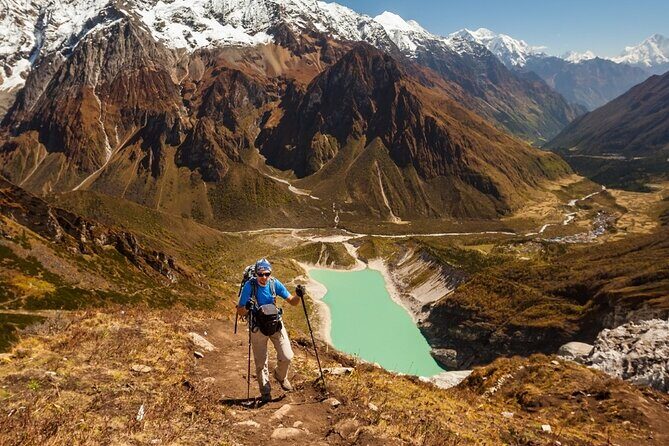
This 12-day trek follows the classic arc: you enter from lower elevation around Machha Khola, work your way north and west through village stops, then push higher toward Samdo and Dharamsala (also called Larkya Phedi). The payoff is crossing Larkya La Pass at roughly 5,106m, then descending toward Bhimthang and down to Dharapani before your return to Kathmandu.
A key detail is that ground transport is handled both ways by local bus, and the trek includes your guesthouse stays in twin sharing during the days on trail. You’re also covered for necessary permits and fees—important in the Manaslu region, where access rules matter.
Group size stays capped at 12. That means you’ll feel like you’re trekking with a team, not competing for space. It also tends to make meal lines and rest breaks less chaotic on the tougher days.
Day-by-day trek notes: what happens each day
Below is what your days will feel like in real time—good for planning your expectations and stamina.
Day 1: Ride to Machha Khola, then start walking
You begin with a local ride to Machha Khola at about 2,965 ft. The first day is less about suffering and more about getting your boots adjusted, meeting your guide and group, and settling into Nepal trekking life. Expect countryside views and villages as you find the trail rhythm.
Why it matters: starting with a ride instead of a long initial hike helps you conserve energy for the days that stack elevation later.
Day 2: Trek to Jagat with bridges and waterfalls
Today’s trek takes you toward Jagat (about 19 km and about 4,400 ft gained). You’ll pass suspension bridges and waterfalls, which usually means the route stays interesting even when your legs are complaining.
Watch-outs: days in the early circuit phase can feel deceptively long. Keep your pace steady; save your effort for the higher terrain.
Day 3: Forests, terraces, and mountain glimpses
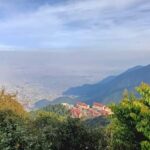
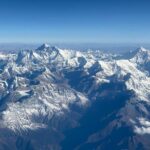
You head to Deng, trekking through lush green forests and terraced fields. As you climb, you’re rewarded with panoramic views of mountains and valleys—plus a sense that you’re getting deeper into the region’s day-to-day life.
What to expect: forests can be cooler but also humid. It’s easy to overheat if you dress like it’s cold at the top.
Day 4: Deng to Namrung and monastery vibes
You trek up toward Namrung. This stretch includes traditional villages and monastery visits along the way, giving the trek more meaning than just height and distance.
Tip: plan to be slightly flexible here. Monastery stops can slow the day in a good way—just don’t treat them like optional sightseeing if you’re trying to meet a strict pace.
Day 5: Namrung to Shyala, with a big panorama near Lho
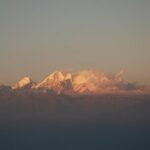
Today climbs from Namrung to Shyala. As you rise, the views widen, and the itinerary notes that upon reaching Lho you’ll see a spectacular panorama including Mount Manaslu.
Consideration: if you’re prone to altitude headaches, keep water and snacks consistent. The “reward views” don’t prevent dehydration.
Day 6: Sama Gaun day with Pungyen Gompa
You move to Samagaun. The plan includes an uphill hike to Pungyen Gompa, then returning to Samagaun to explore the village and Ribung monastery.
Why this day is smart: it’s still active, but it gives you a cultural hit and a physical warm-up without pushing straight to the highest zones.
Day 7: Acclimatization in Sama Gaun (optional base camp or lake)
This is the day to catch your breath. You stay in Sama Gaun and focus on acclimatization. There’s an option for a side trip to Manaslu Base Camp (noted at 15,748 ft) or to Birendra Lake (noted at 12,109 ft).
Practical advice: if you tend to get altitude symptoms, pick the option that feels easiest for you. The best strategy is the one that keeps you comfortable enough to sleep well.
Day 8: Sama Gaun to Samdo at the Tibetan border
You trek from Sama Gaun to Samdo, crossing rocky terrain and moraines. The goal is Samdo village, described as sitting at the Tibetan border, which usually means the environment and cultural cues feel more “high plateau” than forest valley.
Watch for: wind can feel stronger here. Layers are your best friend.
Day 9: Samdo to Dharmasala (Larkya Phedi)
You follow the Budhi Gandaki River trekking toward Dharmasala, also known as Larkya Phedi. You’ll encounter a suspension bridge along the route, then rest for the night—because tomorrow is the pass day.
This is a good place to take it seriously: after this point, your schedule revolves around the pass crossing, and how well you sleep becomes a bigger deal than you think.
Day 10: Larkya La Pass day
Today you tackle Larkya La Pass, with the itinerary describing an elevation around 16,929 ft (about 5,160 ft). The big reward is panoramic views of surrounding peaks and glaciers after the climb to the top.
Then you continue down toward the next sleeping area. The following day mentions descending from Bhimthang, so plan on a long, tiring day where your legs do most of the thinking.
Practical reality: pass days are often about slow movement, not speed. If you go out too fast, altitude will punish that choice.
Day 11: Descent from Bhimthang to Dharapani
You descend from Bhimthang to Dharapani, walking through pine and rhododendron forests and passing charming villages and terraced fields.
A key point: descent days still strain your body. Your knees and calves do most of the work. Bring trekking poles if you use them regularly—they can be a lifesaver on uneven steps.
Day 12: Bus back to Kathmandu and a farewell dinner
You take a local bus back to Kathmandu for about 7 hours of scenic journey. Once you’re back, you celebrate completion with a farewell dinner.
Why this matters: finishing with food in Kathmandu (even if it’s not the whole-food inclusion plan) helps your body transition out of trekking mode.
Altitude, acclimatization, and the Larkya La Pass reality check
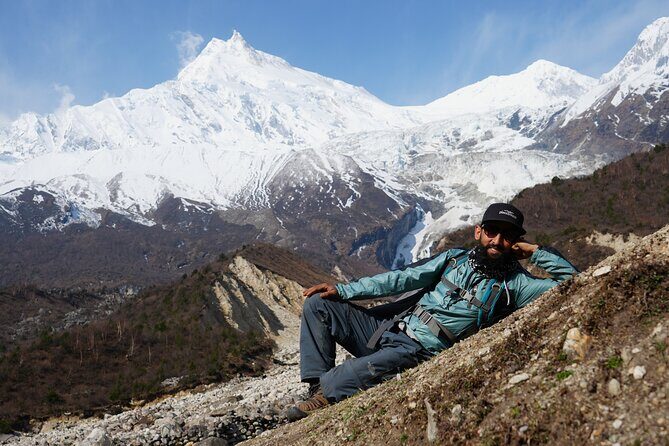
The itinerary includes the big altitude milestones and a planned acclimatization day, which is exactly what you want when you’re dealing with peaks around and above 5,000m. The pass is the headline at about 5,106m, but your body’s success depends on the days leading up to it.
That’s why the Sama Gaun acclimatization day is such a core part of the plan. You stay at a high-enough base to adjust, then you have options (base camp or Birendra Lake) if you feel good. If you don’t feel good, you can simply take it slower without derailing the whole trip.
Also, the package includes an oximeter so oxygen levels can be checked during the trek. That doesn’t eliminate risk, but it adds a safety layer and gives you a way to monitor how your body is handling the altitude.
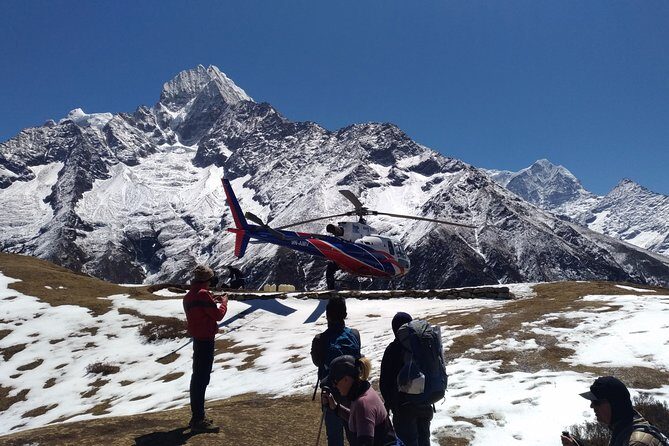
Finally, the operator mentions emergency helicopter service arranged through your travel insurance company. That means you should treat insurance as non-negotiable for a trek like this, especially if you’re traveling from abroad.
Price and value: what $1,200 really buys you
At $1,200 per person, the big question is what’s included versus what you’ll pay later. This package is heavy on the “hard-to-organize from scratch” items.
Included that adds real value:
- Permits and fees, including Restricted Area Permits
- An English-speaking local guide registered with the government
- Twin sharing guesthouse accommodations during the trek
- All trekking meals: breakfast (12), lunch (12), dinner (12)
- A bundle of trek gear items: duffle bag, sun cap, trek map, oximeter
- Both-way local bus transport between Kathmandu and the trek starting/ending point
- Basic medical support: first aid kit plus medical supplies
- Seasonal fruits during the trek
Not included costs to plan for:
- Your Kathmandu hotel (if you need one)
- Personal expenses like phone calls, laundry, recharging, bottled water, and hot water/shower costs
- Tips for the guide (tipping is expected)
- Food in Kathmandu, and any expenses if the trek changes due to strikes/delays/cancellations
- Optional porter service: $300 per person with a 25 kg max (noted as “2 person 1 porter”)
My honest take: if you subtract what most independent trekkers would need to line up—guides, permits, and daily meals—the price looks more reasonable than a “cheap trek” pitch. The main financial risk is the extras you choose (porter, Kathmandu nights, tips), not the base fare.
Transportation, meeting point, and what to pack
You meet at Places Nepal Treks, Medical Chowk, Kathmandu (44600), Nepal. Pickup is offered, and the tour uses a mobile ticket, which is usually handy for getting everyone in the right place without paper chaos.
Because this is a guesthouse trek, your packing strategy should be simple: bring what you’ll need day to day, and be ready to keep it dry and accessible. The package provides a duffle bag and a sun cap, which is a nice start. You’ll still want your own trekking layers, gloves if you run cold, and sturdy boots.
Extra weight choice: you can travel with just your bag, or hire a porter service for help. Since the operator states porters are 2 people to 1 porter with 25 kg max, you’ll want to decide early whether reducing weight is worth the $300 per person.
Guides, food, and the human side of hard days
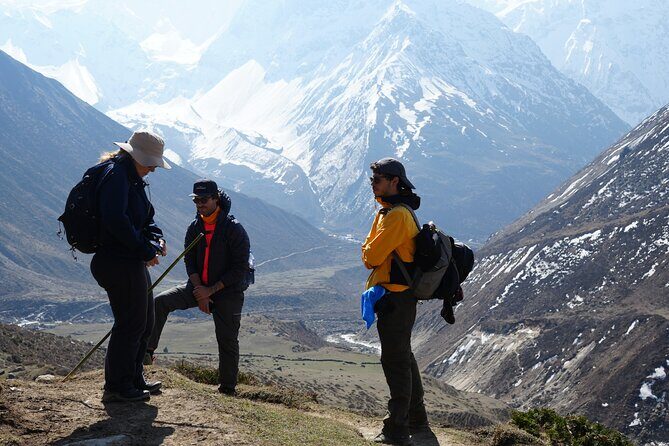
One of the strongest repeated themes is how much the guides matter. Names that come up include Kapil, Nam, Kopil, Gokul, and Mangal—and the porter names Ganesh, Temke, and Sujan also show up. The consistency is that the team is organized and responsive, especially from the start in Kathmandu through your final day.
On the food side, the trek includes all three meals each day on trail, and people also highlight the quality of the meals and the comfort of sleeping places even when conditions get harsh. That’s a big deal on long routes: you don’t just need calories, you need a predictable meal schedule so you can hike well the next day.
A smaller practical win: the group stays limited to 12, which tends to make guide instructions and pace adjustments easier. When the trail gets tougher, you want fewer variables.
Who should do the Manaslu Circuit with this operator, and who should pause
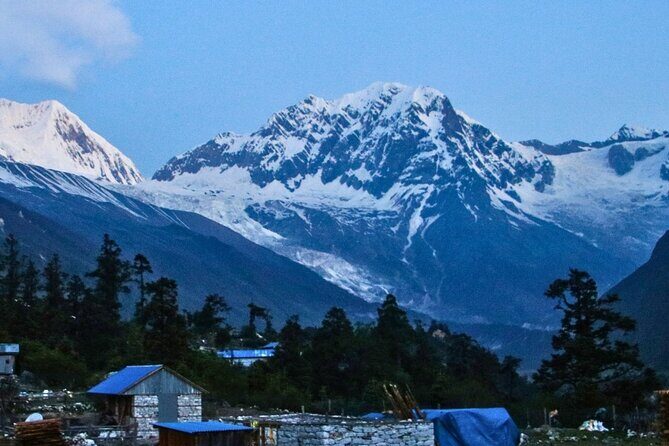
This trek is listed for people with moderate physical fitness. That’s not code for easy. It means you don’t need to be an ultra-marathoner, but you do need to be comfortable hiking daily with elevation gain, and you should plan for long days—especially around the pass.
It also isn’t recommended for people with certain dietary needs. If you have strict dietary requirements, ask specific questions before you book, because the data here doesn’t promise special meal accommodations.
This is also a good fit if you like cultural stops as part of the route, not just “quick photo stops.” The monastery visits (like Pungyen Gompa and Ribung monastery) and the Tibetan-border feeling of Samdo give you more than peak views.
You might want to think twice if:
- You know altitude reliably hits you hard
- You want a more luxury pace (guesthouses are part of the deal)
- Your travel style depends on lots of flexibility at the last minute
Should you book this Manaslu Circuit trek?
If you want a well-supported Manaslu Circuit Trek with permits handled, meals included, and a real plan for acclimatization, this one makes sense. The inclusion list is strong, especially the Restricted Area Permits, daily meals, English-speaking guide, and basic altitude monitoring tools like the oximeter.
I’d book if you’re excited by the idea of walking through Buddhist villages, crossing Larkya La Pass around 5,100m, and treating the trek like a physical travel experience rather than a sightseeing cruise.
I wouldn’t rush if you have strict dietary needs, or if your main goal is comfort over effort. In that case, ask direct questions first—because the information you have here shows a trek built around standard trekking food and guesthouse life.
If that matches your style, you’ll likely leave with the feeling that you hiked a place that still belongs to locals, not just to tourists.
FAQ
How long is the Manaslu Circuit trek?
It’s listed as 12 days approximately.
What’s the highest point on the trek?
The itinerary highlights crossing Larkya La Pass at about 5,106 meters (16,752 ft), and it also notes a pass elevation around 16,929 ft on the pass day.
Is a guide included?
Yes. The trek includes a government registered English-speaking local guide.
Are trekking permits included?
Yes. The package includes the necessary trekking permits and fees, including Restricted Area Permits.
What meals are included?
The trek includes breakfast, lunch, and dinner for 12 days each.
Do I need a porter?
A porter is not included. You can hire porter support at $300 per person with a 25 kg max (noted as “2 person 1 porter”).
What about emergency evacuation?
There is an arrangement of emergency helicopter service, but it’s stated as being paid by your travel insurance company.
What if I need to cancel?
You can cancel up to 3 days in advance for a full refund. If you cancel less than 3 days before the start time, the amount paid is not refunded.