REVIEW · KATHMANDU
8 Days Private Guided Trekking in Annapurna Circuit with Pickup
Book on Viator →Operated by Bold Himalaya Treks and Travels Pvt Ltd · Bookable on Viator
Eight days in the Annapurnas beats most plans.
This private guided trek strings together major passes, classic villages, and big mountain views, with pickup included and permits handled for you. I love the private guide team and the logistics that keep you moving, but you still need to respect the altitude jump around Thorong La.
You’ll also see how this route fits real-world trekking life: jeep rides to start, a planned acclimatization day in Manang, and then a steady push to Thorong High Camp before the big pass. If you’re moderately fit and can handle early starts, this format can feel calm and well-managed instead of chaotic.
In This Review
- Key things I’d watch before you go
- Why this private Annapurna Circuit plan feels practical
- Getting In and Out: Pickup, jeep rides, and a clean start
- Day 1: Besisahar to Chame, your first feel for the route
- Day 2: Dhikur Pokhari to Lower Pisang, then Upper Pisang
- Day 3: Ngawal views, then Manang as your high-mountain base
- Day 4: Manang acclimatization + optional Gangapurna Lake hike
- Day 5: Yak Kharka via Letdar, entering alpine terrain
- Day 6: Yak Kharka to Thorong High Camp (4450m)
- Day 7: Thorong La Pass (5416m) to Muktinath, then down toward Jomsom
- Day 8: Jomsom to Pokhara by jeep, and time to breathe again
- Altitude reality check: Thorong La at 5,416m
- What’s included (and what you still need to budget)
- The guide team makes or breaks your comfort level
- Price and logistics: what $260 buys you in real life
- Who should choose this Annapurna Circuit trek
- Should you book this 8-day private Annapurna Circuit with pickup?
- FAQ
- FAQ
- How long is the Annapurna Circuit trek in this package?
- Where does the trip start and how do you get to the trekking area?
- How do you return after the trek?
- What permits are included?
- Are meals included?
- Do I need trekking poles or a sleeping bag?
- What’s the highest point on this trek?
- Is travel insurance included?
- Is this a private tour?
Key things I’d watch before you go
- Pickup + shared jeep transfers: You’re not left figuring out the first and last connections.
- Permits and TIMS included: You’re not scrambling for paperwork mid-trip.
- Acclimatization day in Manang: Optional hike to Gangapurna Lake gives you a smart buffer.
- Thorong La staging in the plan: Yak Kharka to Thorong High Camp helps you pace the pass day.
- Guide support when altitude hits: The guide team has experience helping with altitude symptoms.
- Meals, basic medical, and first-aid supplies included: You’re covered for day-to-day needs.
Why this private Annapurna Circuit plan feels practical
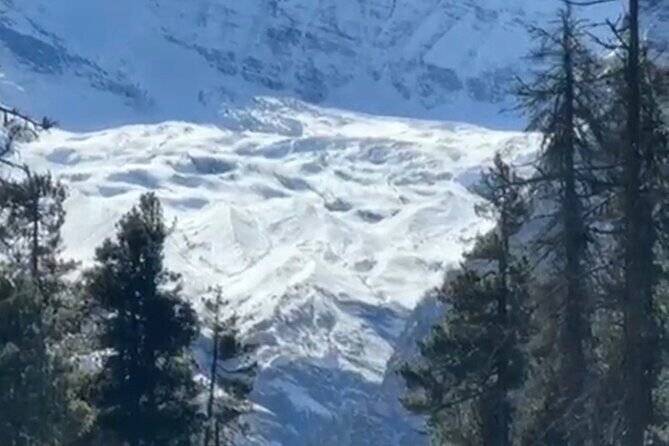
The Annapurna Circuit is famous for a reason, but what matters for your actual experience is less about the hype and more about how the days are stitched together. This 8-day private option focuses on keeping you on the trail while handling the paperwork, permits, and daily logistics through a guide and support structure.
From the start, you get clear structure: jeep to reach the trekking zone, daily trekking segments that don’t look random, and a realistic altitude timeline. That’s why the private guiding is such a big deal here. You can move at a pace that makes sense for your breathing and energy, not someone else’s.
And you’ll appreciate the human side of trekking logistics. Guides with names like Sobit, Sirjan, Garap, Bijay, and Ramesh show up repeatedly in client feedback for a reason: they handle route and pacing, and they also keep morale up—sometimes with humor that makes the long days feel shorter.
Possible drawback to keep in mind: this is still a high-altitude trek. Private support helps, but it can’t erase physics.
You can also read our reviews of more guided tours in Kathmandu
Getting In and Out: Pickup, jeep rides, and a clean start
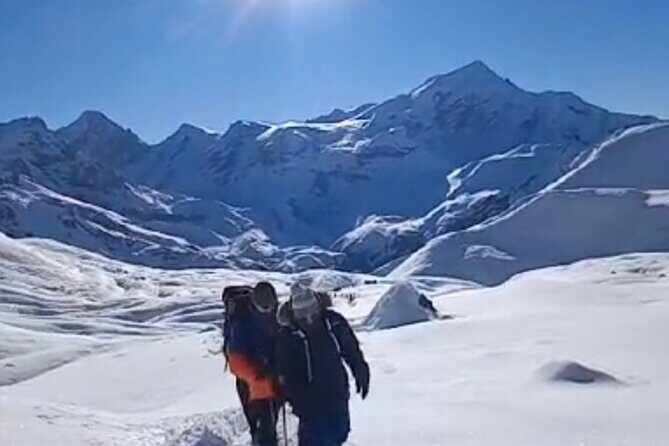
Your trek begins with transportation from your location in Kathmandu (and/or other provided pick-up hubs). The plan includes shared transportation by jeep to Besisahar and onward toward the trekking entry near Chame.
This matters more than it sounds. A lot of trekking problems start before you hike: delayed buses, unclear meeting points, and last-minute decisions. Here, the transport pieces are built in, so your first day feels like a transition instead of a puzzle.
By the end, you’re not trapped in trekking mode either. After Muktinath and the route down, there’s a jeep ride from Jomsom to Pokhara to finish the trip. That day is ideal if you want a smooth landing: you’re still moving, but you’re out of the constant up-and-down rhythm.
One small consideration: since these are shared jeeps, don’t expect a silent, private car experience. You’re sharing seats and schedules with other groups.
Day 1: Besisahar to Chame, your first feel for the route
Day 1 starts with a drive to Besisahar, then you continue by jeep to Chame. This is a classic way to transition into the circuit without wasting half the trip on local transport.
What’s good about this approach is timing. You get the trekking rhythm started immediately, and Chame is a sensible early base for settling into the Annapurna zone. Even if you’re fresh, the mountains will start doing their thing: lighter air, stronger sun, and paths that ask for steady steps.
You’ll likely keep expectations realistic here. This first day isn’t about conquering anything. It’s about getting your legs working and your head in trekking mode.
Day 2: Dhikur Pokhari to Lower Pisang, then Upper Pisang
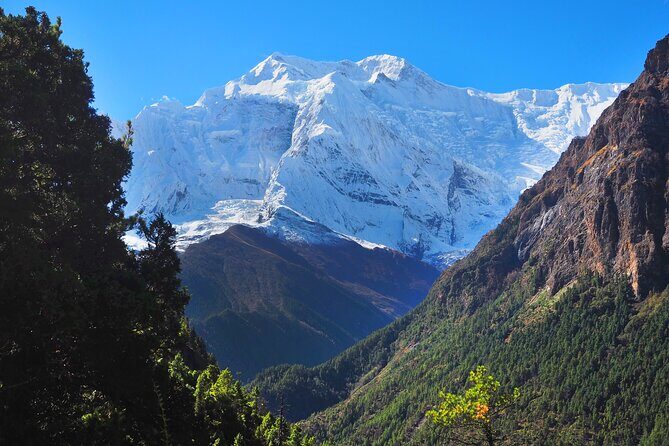
On Day 2, you trek through dense forests with strong Annapurna views—specifically Annapurna II sightings mentioned in the route description. You pass Dhikupokhaari village, then head toward Lower Pisang, and continue upward to Upper Pisang for the night.
Upper Pisang is the kind of stop that makes you feel like you’re moving deeper into the circuit’s character. You get higher views, cooler air, and the sense that you’re no longer in the foothills.
This day also has an underrated value: it gives you a gentle but real “altitude training” feel without demanding a pass-day effort. You’re building consistency—steady hiking, breaks when you need them, and acclimatizing through movement instead of stress.
If there’s one thing to plan for, it’s comfort with uneven trail. Forest-to-village-to-stone village trails can be slippery and slow in places, even when the day length looks manageable.
Day 3: Ngawal views, then Manang as your high-mountain base
Day 3 takes you toward Ngawal for breathtaking Annapurna-range views, then continues to Manang.
Manang is a key word on the Annapurna Circuit. It’s where the altitude starts to feel serious for many hikers. After reaching Manang, you unwind and get a proper rest day coming soon, so Day 3 is basically a “arrive and adjust” step.
I like how this kind of day supports first-timers. You get strong views early, but you also get to land in a base town before the pass push begins.
Possible consideration: Manang days can feel fast because you want to look outside all the time. That’s great for photos, but don’t turn it into a marathon of sightseeing. Save energy for tomorrow’s acclimatization plan.
You can also read our reviews of more private tours in Kathmandu

Day 4: Manang acclimatization + optional Gangapurna Lake hike
Day 4 is built as a rest day in Manang to acclimatize, and it offers options: you can choose a hike to Gangapurna Lake for higher-altitude views.
This is smart route design. A rest day isn’t just downtime; it’s a chance to let your body catch up to the thinner air. The optional hike gives you structure if you feel restless, but it’s still your choice.
I’d treat Day 4 like a pacing lesson. If you feel good, a short hike can help you feel more “in control” of the altitude. If you feel off, you can keep it calm and conserve energy.
Day 5: Yak Kharka via Letdar, entering alpine terrain
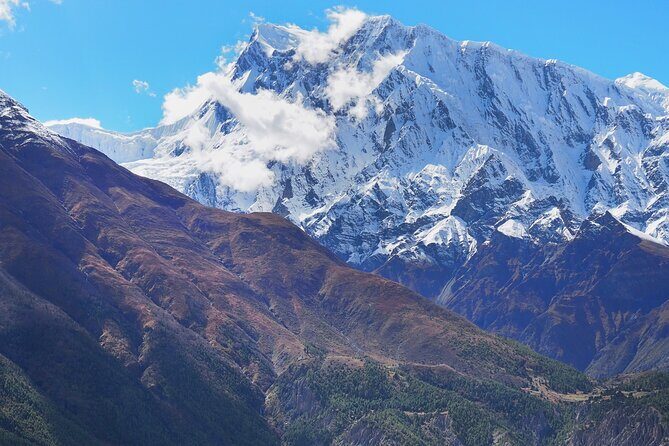
Day 5 heads from Manang-region hiking into alpine scenery, passing Letdar and reaching Yak Kharka.
This is where the circuit shifts from village rhythm to high-country trekking. Yak Kharka is a common kind of overnight spot because it puts you closer to the Thorong La staging area.
The practical takeaway: Day 5 is not the pass day, but it prepares your legs and lungs. You’ll likely notice that everything feels slightly slower—your breathing, your stride, even how quickly you want to sit down.
Also, you’re not alone in needing hydration and steady snacks here. Since your meals are included for the majority of days (and extra meals are not), it helps to use what’s planned and avoid getting overly dependent on finding food on the fly.
Day 6: Yak Kharka to Thorong High Camp (4450m)
Day 6 is the key staging day: Yak Kharka to Thorong High Camp (4450m), which the plan frames as preparation for Thorong La Pass.
This is a big psychological shift. Up to this point, you’ve been “getting there.” On Day 6, you’re building your base for the pass itself.
Sleeping at Thorong High Camp puts you closer to pass conditions. That can help on the big day because you’re not jumping from a low town to a very high summit-like effort.
The most important thing here is how the guide sets pacing. In feedback, guides like Sirjan and Ramesh are praised for support when altitude symptoms show up. Even if you feel okay, that kind of experience matters because your body can change fast in thin air.
Day 7: Thorong La Pass (5416m) to Muktinath, then down toward Jomsom
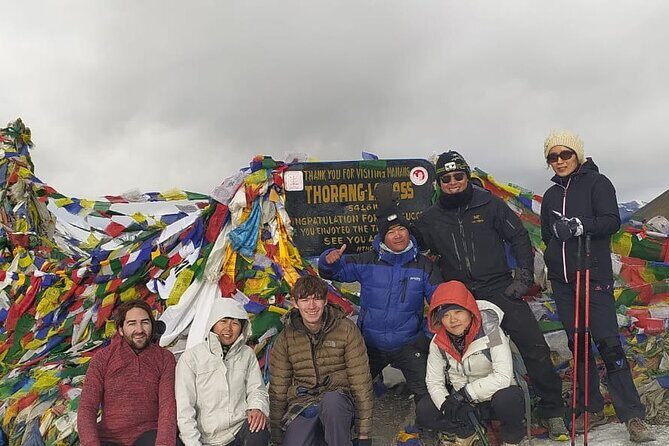
Day 7 is the signature day. You start with an early ascent to Thorong La Pass (5416m), then descend and reach Muktinath (3800m). The plan also includes a drive onward to Jomsom.
This day can feel like two treks in one: the pass climb, then the long downhill work. It’s not just about legs. It’s about managing effort so you don’t burn out before the pass, and managing knees after.
The Muktinath stop adds cultural weight to the physical challenge, and the route overview also notes paying homage at the Lord Vishnu Temple along the way. That blend—physical payoff plus spiritual and cultural context—is one of the reasons people keep ranking this trek so highly.
One practical note: pass days reward good planning. If you oversleep, go too fast at the beginning, or skip water early, you’ll feel it immediately.
Day 8: Jomsom to Pokhara by jeep, and time to breathe again
The final day is a scenic jeep ride from Jomsom to Pokhara, about a 6-hour transfer. When you arrive, you’re back in a lakeside town atmosphere where trekking energy starts to soften into real travel mode.
Why this ending works: you get a clean exit from the trek while still traveling through dramatic terrain. It’s also useful if you want to add a little recovery time in Pokhara after you’re done hiking.
If you like easy mornings and simple plans after a hard trek, Day 8 delivers.
Altitude reality check: Thorong La at 5,416m
Let’s talk numbers. The plan explicitly includes Thorong High Camp at 4450m, and the pass itself at 5416m. Muktinath is listed at 3800m.
That’s a lot of vertical change in a short time. This is why acclimatization is built into the schedule with the Manang rest day, and why Thorong High Camp exists as a staging stop.
Here’s what I’d take from the guide feedback: altitude support is not theoretical. People report that their guide helped when altitude sickness showed up, and that pacing adjustments can be the difference between quitting and finishing.
Your role still matters. Eat regularly, drink consistently, and tell your guide early if you feel strange. Don’t wait for the pain to become a big emergency.
What’s included (and what you still need to budget)
This trip tries to take the “how do we do this?” stress off your plate. Included items cover permits (Annapurna Conservation Area permit and TIMS card), guide support with insurance, guide food and accommodation, and practical trekking essentials.
Notable inclusions you should actually care about:
- Sleeping bag and trekking poles: included if you need them.
- First-aid medicine: carried as part of the trip support.
- Meals: breakfast (7), lunch (7), dinner (7) listed as included.
- Some seasonal fruit: small, but it shows someone thought about trail energy.
- Trip certificate: small but satisfying.
- Jomsom to Pokhara jeep and the earlier shared jeep route from your location.
What’s not included:
- Travel insurance
- Tips for the guide
- Extra meals and bar bills
Value angle: at $260 per person, you’re paying for more than guiding. You’re paying for permits, transport legs, and a lot of day-to-day coverage. If you were to organize permits, guides, and transfers on your own, you’d likely spend more time and money doing it piece by piece.
The guide team makes or breaks your comfort level
The guides in this program show up with specific strengths in client stories: humor that keeps long trekking days lighter, and solid practical problem-solving when the body doesn’t cooperate.
Names you’ll see associated with this trek include Sobit, Sirjan, Garap, Bijay, and Ramesh. One recurring theme is that they handle logistics and equipment adjustments, and help with pacing so you can finish. Another theme: when altitude sickness appears, the guide’s attention and support can keep you safely moving.
If you’ve trekked before and love independence, private guiding still helps. You get freedom within the plan, but someone watches the details for you: timing, trail expectations, and how fast you should go.
Price and logistics: what $260 buys you in real life
At $260 per person for an 8-day private guided trekking route with pickup and core permits included, this sits in the “good value” range for a trek that covers high-altitude infrastructure and multiple transport legs.
Here’s what you’re getting for that cost, in plain terms:
- You don’t have to manage permits (TIMS + conservation area permit are included).
- You’re fed for the bulk of trekking days (7 breakfasts, lunches, dinners).
- You’re moved via shared jeep segments at the start and finish.
- You have a guide who’s insured and supported, not just a casual escort.
Where you need to stay realistic: anything outside the listed inclusions costs extra—travel insurance, guide tips, and meals that aren’t part of the pre-planned count.
If you’re the type who hates surprises, this package is built for you. If you hate sharing jeeps or want total control over every meal and timing choice, you might want to consider a different style of trekking arrangement.
Who should choose this Annapurna Circuit trek
This trekking plan is best for people with moderate physical fitness who are willing to hike daily and handle altitude. The itinerary rhythm includes early mornings on the pass day, and the pass day itself is clearly challenging.
It’s also a nice fit if:
- you want a private group setup (only your group participates)
- you have limited time in Nepal and need a plan that runs on rails
- you’d rather spend energy on hiking than on logistics and paperwork
If you have health concerns, the provided guidance is clear: consult a doctor for assistance. And if you already know altitude affects you, bring that information into your planning conversations early.
Should you book this 8-day private Annapurna Circuit with pickup?
If you want the Annapurna Circuit experience without turning your trip into an admin project, I think this one makes sense. The combination of permits included, meals covered, pickup and jeep transfers, and a guide team praised for pacing and altitude help is a strong package for $260.
I’d book it if you’re excited about the Thorong La challenge and you want your days managed so you can focus on the hike. I’d pause if you’re unsure about altitude tolerance or if your schedule doesn’t allow a few tough early starts.
FAQ
FAQ
How long is the Annapurna Circuit trek in this package?
The trekking duration is 8 days (approx.).
Where does the trip start and how do you get to the trekking area?
Pickup is offered, and there is shared transportation by jeep from your location (Kathmandu, Pokhara, Chitwan) to Besisahar and onward toward the trekking start area.
How do you return after the trek?
After reaching the end of the route area, there is shared transportation from Jomsom to Pokhara by jeep.
What permits are included?
The package includes the Annapurna Conservation Area permit and the TIMS card.
Are meals included?
Yes. Breakfast (7), lunch (7), and dinner (7) are included, plus some seasonal fruit.
Do I need trekking poles or a sleeping bag?
If you need them, trekking poles and a sleeping bag are included.
What’s the highest point on this trek?
Thorong La Pass is listed at 5416m.
Is travel insurance included?
No. Travel insurance is not included.
Is this a private tour?
Yes. It is a private tour/activity, and only your group will participate.