REVIEW · KATHMANDU
Upper Mustang Classic Trek with Local guide
Book on Viator →Operated by Himalayan Wander Walkers · Bookable on Viator
Upper Mustang feels like another planet, yet it’s still Nepal. This private guided trek takes you through the rain shadow of the Annapurna and Dhaulagiri ranges into a remote Buddhist kingdom where monasteries, cave stops, and village life fit into each trekking day. I especially liked the way the trip blends culture and altitude in a steady rhythm, with local guidance that makes the places easier to understand.
Two things I’d flag right away: you get strong local leadership with guides like Norbu (from Upper Mustang) and support from people such as Dawa who handled pre-trip questions for some groups, and the logistics are mostly done for you (transfers, permits, tea-house stays, and most meals). One possible drawback to note: Upper Mustang is a restricted area, so the special permit is not included in the base price (it’s listed separately), and you’ll also want a truly moderate fitness level for long travel days and higher, drier trekking.
In This Review
- Key Points You’ll Care About
- Entering Upper Mustang: Why This Trek Feels Different
- Kathmandu Days 1: Boudhanath, Patan Durbar Square, and Swayambhu
- A practical note
- Road to the Trek: Pokhara Transfer and the Slow Start
- Lupra Village and Bon Monastery: A Different Kind of Spiritual Stop
- Chhuksang to Samar: Start Trekking From the Mustang Side
- What this means for you
- Thukchen Monastery Chant, Yak Herd Stop, and Tiji Festival Time
- Eastern Upper Mustang to Yara: Kali Gandaki Views and Luri Gompa
- Charang Monastery and the Jomsom Connection
- Pokhara and City Time: Flights, Breakfast, and a Breather
- Tea Houses, Meals, and How “All-Inclusive” Actually Works
- Price and Logistics: What You’re Paying For at $2,500
- Local Guides Make the Difference: Norbu, Dawa, and Babu
- Who This Trek Fits Best (and Who Might Want Another Route)
- Should You Book This Upper Mustang Classic Trek?
- FAQ
- How long is the Upper Mustang Classic Trek?
- Is this tour private?
- What permits are included, and is there an extra permit cost?
- Are flights and transportation included?
- What kind of accommodation and meals are included?
- What fitness level do I need?
- What’s included if I cancel?
Key Points You’ll Care About
Local guide experience matters: You’ll be trekking with someone who knows the region’s rhythms, not just a checklist.
Tiji festival timing can be a highlight: The itinerary includes time around the final day of Tiji in Mustang (when dates line up).
Good mix of sightseeing and walking: Kathmandu’s major sites plus Mustang stops like monasteries and gompas keep the trip from feeling only like trekking.
Flights reduce the travel grind: The plan uses domestic flights between Pokhara and Jomsom so you’re not adding extra days on the road.
Tea-house accommodation is built in: During the Mustang trekking portion, you’re set up for overnight stays in local tea houses.
Permits and pricing need a close check: ACAP is included, but the special Upper Mustang permit is listed separately.
Entering Upper Mustang: Why This Trek Feels Different
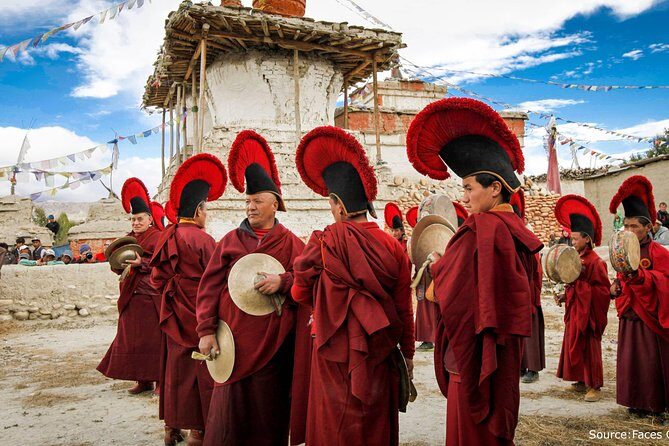
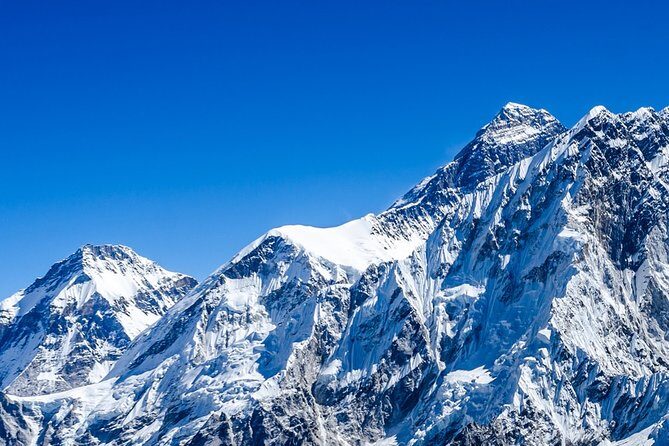
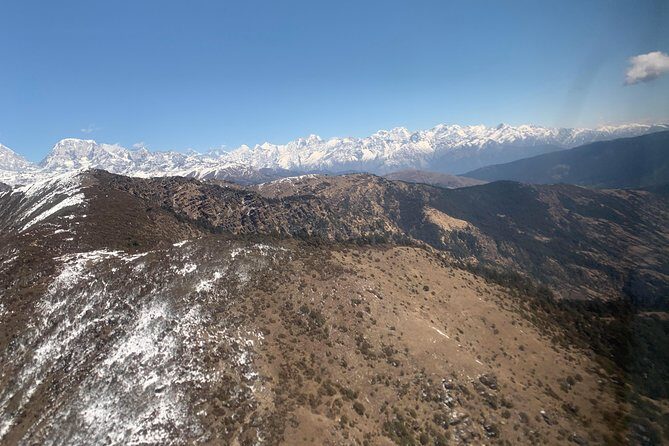
Upper Mustang sits in a dry pocket of Nepal, shaped by the mountains that block much of the rain. That’s one reason many trekkers talk about clear visibility and sharp light on stone villages. It also means the terrain and daily routine feel different from greener trekking routes.
What I like about this classic trek style is the balance. You don’t just walk and hope for the best. You start in Kathmandu with meaningful cultural time, then you shift into villages and monasteries as you move toward the Mustang core. When the itinerary includes a morning chant at Thukchen monastery and a visit to a yak-nomad area, it turns the trip from scenery-only into lived culture.
You can also read our reviews of more guided tours in Kathmandu
Kathmandu Days 1: Boudhanath, Patan Durbar Square, and Swayambhu
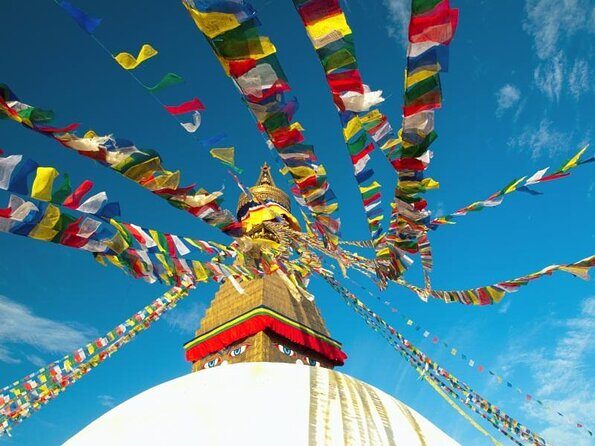
Day 1 is a full-on cultural warmup. You’ll start at Boudhanath Stupa, described in the itinerary as the largest stupa in Nepal, with the white dome and golden-polished details on parts of the structure. You’ll see pilgrims doing circumambulation, including people connected to Tibetan and Himalayan communities. Even if you’ve seen stupas before, this one tends to feel busy in a quiet way.
Then you move to Patan Durbar Square. This stop is about craft and architecture: wood and metal art on palace struts, windows, and doors, plus courtyards that show off typical Nepalese design. The Patan museum is included in this plan and is where you can learn how metal statues are made, not just admire finished objects.
Finally, you head to Swayambhu (Swayambhunath), one of the oldest religious sites in the Kathmandu Valley. The hilltop view over the valley is a real payoff. This is also where the itinerary cues you to shift from “tour mode” into “religion-and-landscape mode,” because Swayambhu is revered across Buddhist and Hindu communities.
A practical note
These are all stamina-neutral stops, but they do add up in walking time. If you’re coming off jet lag, I’d keep expectations low for museum energy and just enjoy the pace.
Road to the Trek: Pokhara Transfer and the Slow Start
Day 2 is a drive to Pokhara by tourist bus, about 6–7 hours. In practical terms, this day helps you avoid the shock of going straight into the high-reach trekking days. You’ll likely feel the day more in your legs than in your breath.
By Day 12, the plan flips and uses an early flight to return to Pokhara. That’s a smart trade. It keeps the overall schedule from becoming a “long travel trip” instead of a trekking trip.
Lupra Village and Bon Monastery: A Different Kind of Spiritual Stop
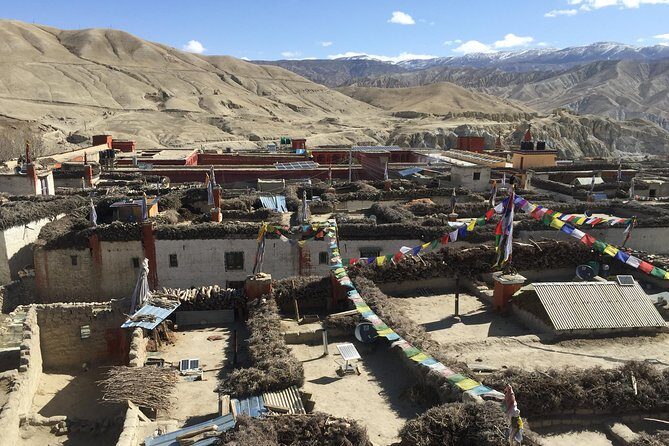
On Day 3, you visit Lupra village and the Bon Monastery. Bon is a religious tradition connected to Himalayan culture, and this stop widens your understanding of the region beyond just one branch of Tibetan Buddhism. The itinerary says you’ll experience local village life, which is where you often learn more than you will from a lecture.
If you’re the type who likes asking questions and watching daily work—water, cooking, simple chores—this is where the trek becomes personal. Even a short cultural detour can change how you experience the next week of monasteries.
You can also read our reviews of more hiking tours in Kathmandu



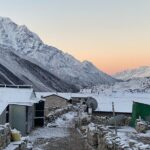
Chhuksang to Samar: Start Trekking From the Mustang Side
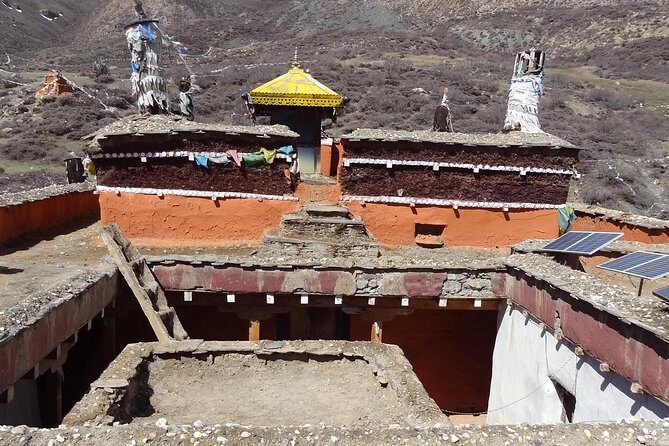
Day 4 is the start of trekking in the Mustang region. The plan drives you to Chhuksang village, then you trek toward Samar, via places named Chele and Gyakar Village. This is one of those segments that matters because it transitions you from roads and hotels to narrow paths, thinner air, and slower thinking.
Days 5 through 8 are listed as ongoing time in the Mustang region, but the detailed village-by-village text isn’t fully spelled out in the information you provided. What you can still count on is that this block is built for gradual movement, with enough time for rest and on-the-ground adjustments as the group’s pace changes.
What this means for you
If you prefer a trek that moves at a human pace—stopping for viewpoints, monastery visits, and photos—this itinerary style usually works well. If you’re trying to maximize daily kilometers with zero stops, you might feel like you’re being “slowed down on purpose.” For most people, that’s the point.
Thukchen Monastery Chant, Yak Herd Stop, and Tiji Festival Time
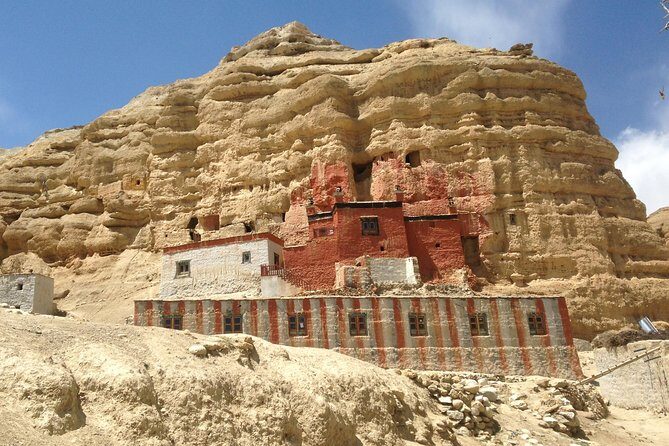
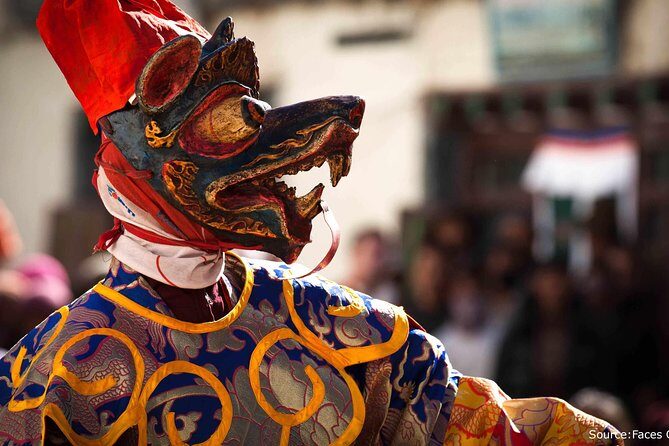
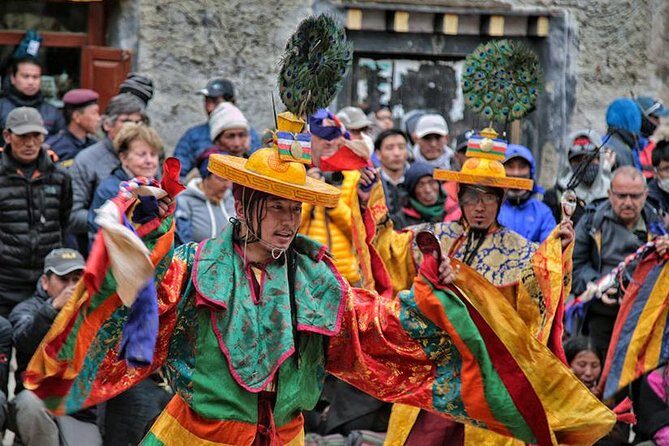
Day 9 has one of the most memorable early mornings in the whole schedule. At around 6:00 am, you go to Thukchen monastery to see how monks chant in the morning. Then you have breakfast and continue with a short drive to a yak nomadic place, returning to the hotel for lunch and time to watch the last day of the Tiji festival.
This mix is powerful. You’re not seeing “festival costumes” on demand. You’re seeing morning monastic routine, then shifting to living pastoral life, then ending with a festival atmosphere later. It’s also a great example of why a local guide is valuable: the timing and sequencing makes cultural sense.
If your travel window lines up with Tiji, this is the part of the trek that can feel like a once-in-a-lifetime experience. Even if you’re not a festival person, this day gives you context for why people come to Mustang again and again.
Eastern Upper Mustang to Yara: Kali Gandaki Views and Luri Gompa
On Day 10, you drive to Yara village in eastern Upper Mustang. The itinerary mentions the Kali Gandaki River, with driving near it and into the area’s big, dry visual lines.
After lunch, you visit Luri Gompa. Gompas like this one are where the trek’s theme becomes real: monasteries aren’t just photo stops, they’re part of how communities organize learning, rituals, and daily spiritual life.
Day 10 is also good for people who get nervous about long trekking days. It’s a day of travel plus a monastery visit, so you still feel the Mustang rhythm without being on foot the entire time.
Charang Monastery and the Jomsom Connection
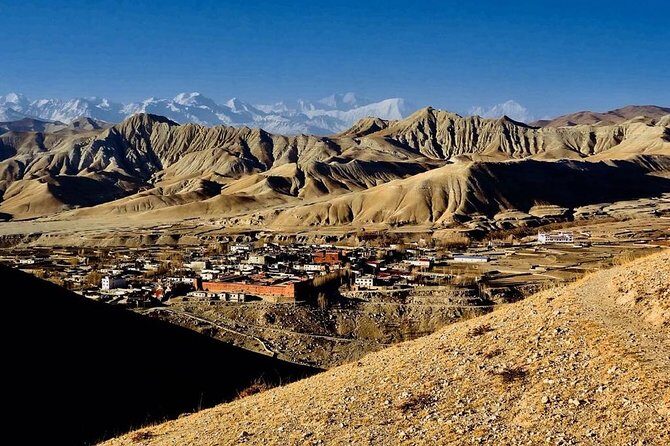
Day 11 continues the east-side movement. You start with breakfast in Yara, then drive to Charang village for a monastery visit, and continue on to Jomsom. This is a key “getting ready for flights” day.
Even if you’re excited for the comfort of a flight, don’t treat Jomsom as an end-of-trip victory lap. This leg still matters because it connects you to the return logistics (and it’s when you usually notice the trek’s altitude and pace in your body).
Pokhara and City Time: Flights, Breakfast, and a Breather
Day 12 includes an early morning flight to Pokhara, plus breakfast and a city tour. This is a smart psychological break. The trek has a way of stacking physical and emotional input. A return to a more normal city pace helps you “clear your head” before the long bus back.
Day 13 then has a drive back toward Kathmandu. The itinerary says a tourist bus departure from the station at 7:00 am. It’s another full-day transfer, but by now you’re not adding altitude stress. It’s mostly the fatigue of hours in a vehicle.
Days 14–16 include additional stops in Pokhara and mentions of Kurintar and final return steps, but the exact schedule details aren’t fully laid out in the information. Still, this part of the trip is clearly designed as a buffer and return-routing phase, not more technical trekking.
Tea Houses, Meals, and How “All-Inclusive” Actually Works
A big selling point here is that you’re not micromanaging the trip. The plan includes tea house accommodation during the Mustang trek, plus breakfast for 16 days, lunch for 11 days, and dinner for 11 days. That’s important because food timing on trekking routes can make or break your energy.
You also have a trekking guide and porter included. The porter piece is more than convenience. It reduces the chance your trip becomes a suffering contest and helps you keep consistent energy for monastery visits and photo stops.
That said, “not included” items still exist: travel insurance is not included, and anything not explicitly listed remains your responsibility. If you need strong coverage for trekking in remote regions, I’d plan insurance early so you don’t scramble later.
Price and Logistics: What You’re Paying For at $2,500
The listed price is $2,500 per person for about 16 days (15 nights trekking/guiding portion is the core). For this kind of restricted-region trek, part of what you’re paying for is route access and planning—especially because Upper Mustang is not a free-for-all.
Here’s the value math based on what’s included:
- Domestic flight(s) are included, reducing time and fatigue
- Private transportation is included in multiple segments
- Guide and porter are included
- Accommodation and most meals are included
- ACAP permit is included
And here’s the potential cost surprise to plan for:
- The special permit for Upper Mustang is listed separately as USD 500 per person for 10 days
So in real budgeting terms, the “base” cost can be higher once permits are added. If your travel dates are exactly on the 10-day permit window, you’ll want to confirm how the permit calculation matches your exact number of days in Upper Mustang.
Also worth noting: the tour is private and only your group participates, but there’s a requirement of a minimum of two people per booking. If you’re traveling solo, you’ll likely need to pair up or choose a different arrangement.
Local Guides Make the Difference: Norbu, Dawa, and Babu
Across the information you shared, the guides are consistently the standout. You may travel with different names depending on the dates and staffing, but the pattern is clear: local know-how is built into the experience.
- Norbu is described as coming from Upper Mustang, which is an advantage because he understands cultural context and the practical realities of the region.
- Dawa shows up as someone who can be very responsive before departure, handling questions about what to pack and what to expect.
- Babu is also mentioned as top class and adaptable, looking after group needs and adjusting the itinerary as they traveled.
A guide who can adapt matters on a trek like this. Weather, group pace, and the timing of ceremonies don’t always follow a perfect timetable. Flexibility is part of quality here, not a minor perk.
Who This Trek Fits Best (and Who Might Want Another Route)
This trek fits best if you want:
- Private pacing (you can go at your own speed)
- A mix of culture and trekking, not just long days on a trail
- Time that includes major spiritual and festival moments like Thukchen monastery chanting and the Tiji festival window (when your dates align)
You should think twice if you:
- Want a very strict “kilometers only” schedule with minimal cultural stops
- Don’t want to deal with permit complexity (the special permit is a separate cost)
- Are sensitive to long travel days outside the trek itself, since there are multiple road/flight/bus segments
The tour info calls for moderate physical fitness. That’s a good match for many active travelers, but you’ll still be doing trekking plus high-altitude adaptation.
Should You Book This Upper Mustang Classic Trek?
If your idea of a great trip is walking through a remote Buddhist region with thoughtful cultural sequencing, this is the kind of itinerary that works. The combination of Kathmandu classics, monastery-focused Mustang days, tea-house lodging, and included guides makes it feel “managed” without turning into a sterile tour.
My main booking checklist:
- Confirm the special permit total and how your time in Upper Mustang lines up.
- Be ready for long-but-not-technical travel days on the edges of the trek.
- If you can time your trip around festival dates, the itinerary’s Tiji festival slot is one of the strongest reasons to choose this route.
If you want Upper Mustang with less logistics anxiety and more local context, I’d say yes—this is a strong pick. Just go in with realistic planning for permits and a steady, moderate pace.
FAQ
How long is the Upper Mustang Classic Trek?
It’s approximately 16 days, with the core trek described as 15 nights in Upper Mustang from Kathmandu.
Is this tour private?
Yes. It’s a private tour/activity, and only your group will participate.
What permits are included, and is there an extra permit cost?
The plan includes an ACAP permit. A special permit for Upper Mustang is listed separately at USD 500 per person for 10 days.
Are flights and transportation included?
Yes. The package includes domestic flight(s) and private transportation for the listed transfers, including flights between Pokhara and Jomsom as part of the route.
What kind of accommodation and meals are included?
Tea house accommodation is included during the Mustang trek. Meals included are breakfast (16 days), lunch (11 days), and dinner (11 days).
What fitness level do I need?
The tour states you should have moderate physical fitness.
What’s included if I cancel?
Cancellation is free up to 24 hours in advance for a full refund. If you cancel less than 24 hours before the experience start time, the amount paid is not refunded.