REVIEW · KATHMANDU
Kathmandu: Private City Guided Tour
Book on GetYourGuide →Operated by Green Valley Nepal Treks & Research · Bookable on GetYourGuide
Four UNESCO stops, one smooth afternoon. This private city guided tour is a smart way to orient yourself in Kathmandu without spending your whole first day guessing routes. I especially like the mix of Buddhist and Hindu holy places, and I found the helicopter stop at Everest View Hotel adds a wow-factor most half-days in Nepal can’t match. One thing to keep in mind: monument entry fees are not included, so you’ll want cash ready and a flexible mindset for crowded religious spaces.
What makes this tour work well is the private pacing. You get hotel pickup and drop-off, an English-speaking guide, and a dedicated car that can handle the traffic and short-distance hops better than trying to piece it together yourself. You’ll also build in small pockets of time for looking around and shopping, which is handy when you’re trying to buy a few practical items before trekking.
If I had to flag just one consideration, it’s that the day can feel like a sprint around sacred sites. It never has to be a rush if your guide manages it well, but if you hate stair climbing and crowds, you should plan your energy accordingly.
In This Review
- Key highlights at a glance
- A 6-Hour Shortcut Through Kathmandu Valley’s Most Important Places
- Pickup Options and a Day That Actually Fits Your Schedule
- Swayambhunath Monkey Temple: Stupa Symbolism and Valley Views
- Boudhanath Stupa: Tibetan Pilgrimage Energy Without Needing a Full Day
- Pashupatinath Temple by the Bagmati River: Sacred Hindu Rituals in Action
- Patan Durbar Square: Newari Architecture You Can Actually Read
- Everest View Hotel Helicopter Stop: What to Expect From the Big-View Moment
- Private Car, English Guide, and Smooth Time Management
- Local Cuisine Breaks: Savory Stops and Sweet Comfort
- Price and Value: What $40 Gets You, and What Costs Extra
- What to Bring, What to Watch For, and How to Make It Go Smooth
- Who This Tour Fits Best
- Should You Book This Kathmandu Private City Guided Tour?
- FAQ
- FAQ
- How long is the Kathmandu private city guided tour?
- What does the tour price include?
- Are monument entry fees included?
- Which sites are visited on the tour?
- Is the Everest View Hotel part of the tour?
- Are meals included?
- What languages does the guide speak?
- Where can the pickup happen?
- What should I bring with me?
- Is the tour suitable for wheelchair users?
Key highlights at a glance
- Four major UNESCO-related sights in one 6-hour circuit
- Buddhist vs. Hindu contrast across Swayambhunath, Boudhanath, and Pashupatinath
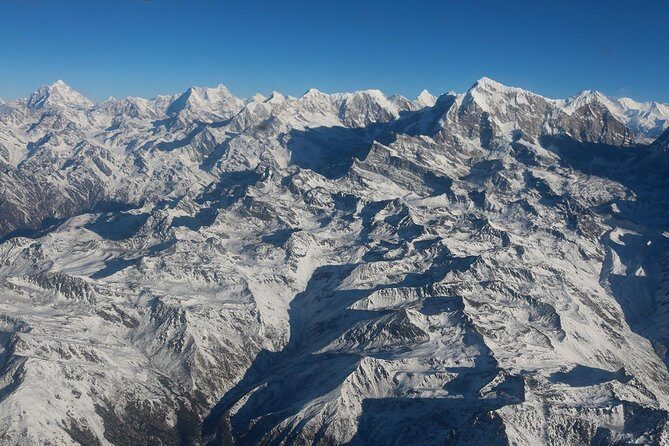
- Everest View Hotel helicopter stop for a closer look at Mt. Everest
- Private car + English-speaking guide for smooth navigation and context
- On-the-spot monument tickets with guidance from your driver/guide team
- Local food time built into the day, with options for savory and sweet dishes
A 6-Hour Shortcut Through Kathmandu Valley’s Most Important Places
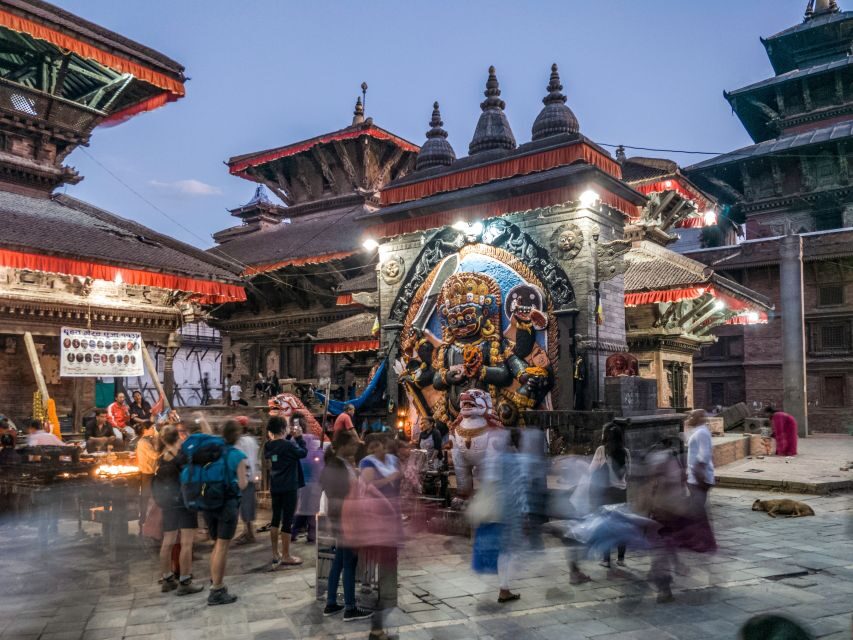
This is the kind of day tour you book when your schedule is tight but you still want real meaning behind the monuments. Kathmandu can be overwhelming at first—streets feel busy, temples look similar until someone explains the details, and you can easily miss what makes each site different. This tour solves that by grouping four headline religious sites into one organized afternoon.
The value here is not just convenience. It’s context. With the guide driving the story—why Swayambhunath’s symbolism matters, what Tibetan pilgrims do at Boudhanath, and what the Bagmati river rituals represent—you’ll look at the architecture differently than if you were wandering alone with a map.
Another practical advantage: the tour is private. That means pickup and timing are tailored to your day, and you’re not stuck waiting for a large group at each stop. In the real world of Kathmandu traffic, that matters more than it sounds.
You can also read our reviews of more guided tours in Kathmandu
Pickup Options and a Day That Actually Fits Your Schedule
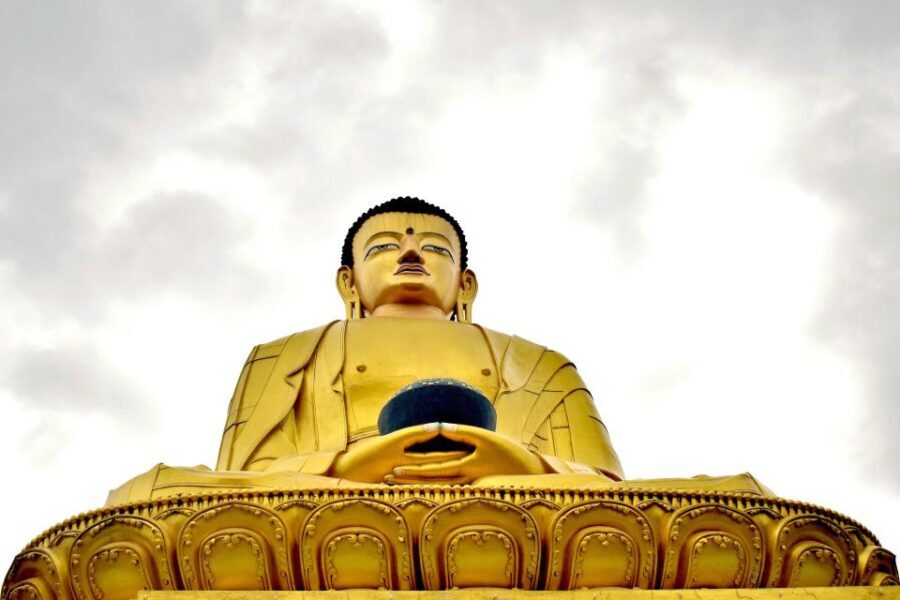
You’ll get hotel pickup and drop-off, and the tour lists multiple pickup areas including Thamel, Lazimpat, Naya Bazaar, Boudhha, and Lalitpur, plus Ekantakuna and others. That’s more than a convenience detail. It usually means less time crossing the city before you even reach the first monument.
The tour duration is 6 hours, so think of it as an efficient orientation day rather than a slow, devotional pilgrimage. You’ll have guided time at each major stop, plus a bit of flexibility for free time and shopping during the Kathmandu portion.
One honest tip: don’t plan extra errands immediately after the tour ends. Kathmandu traffic and temple crowds can run late, especially around major prayer times. Give yourself a buffer so the day ends on a calm note.
Swayambhunath Monkey Temple: Stupa Symbolism and Valley Views
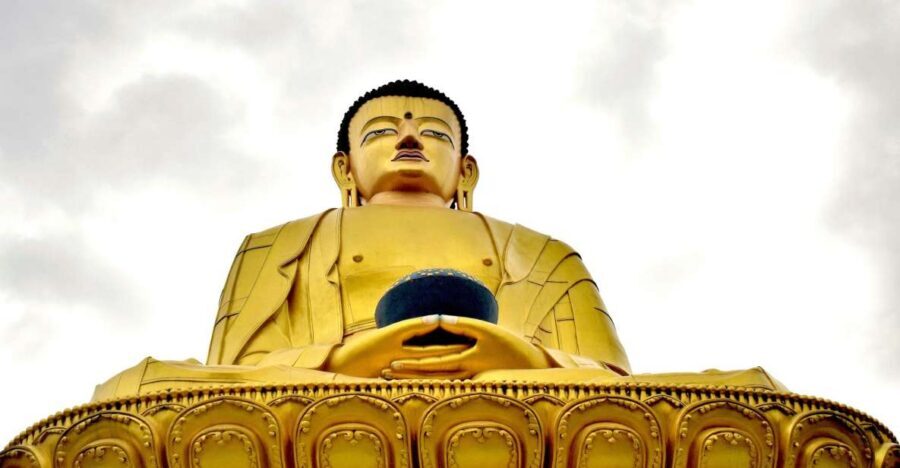
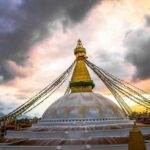
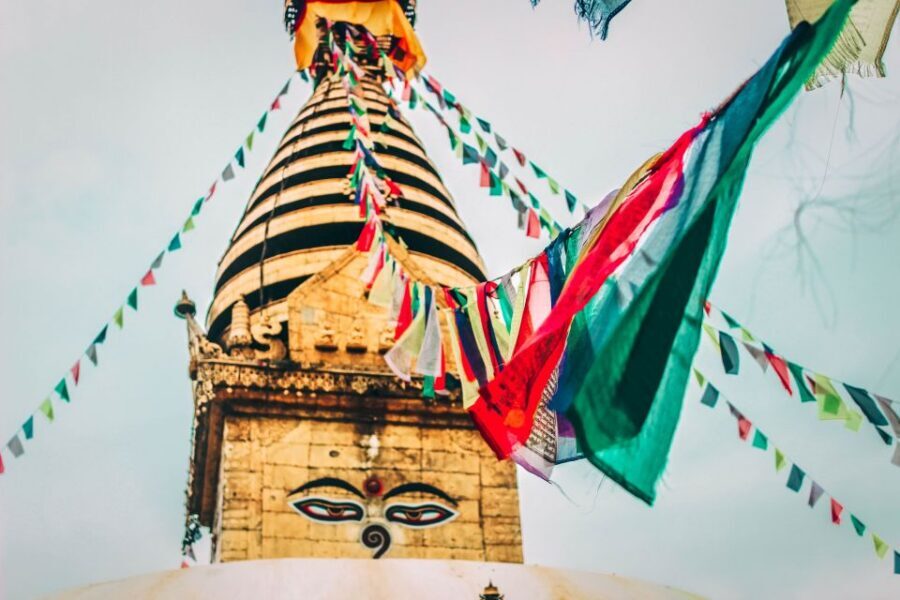
Swayambhunath—often called Monkey Temple—is built on a hillock about 77 meters above the ground, with sweeping views over the Kathmandu Valley. If you only visit one viewpoint-style monument on your first day, this is a strong candidate because it combines scenery and sacred meaning in the same walk.
Here’s what makes it memorable once you understand what you’re seeing:
- The top dome has painted eyes on four sides, often described as the Buddha’s all-seeing presence.
- The complex includes monasteries and temples where both daily worship and long-stay pilgrimage rhythms overlap.
- It also sits close enough to smaller nearby spots such as a temple of Haratima and the Manjushree area, which can make your time there feel layered instead of one-note.
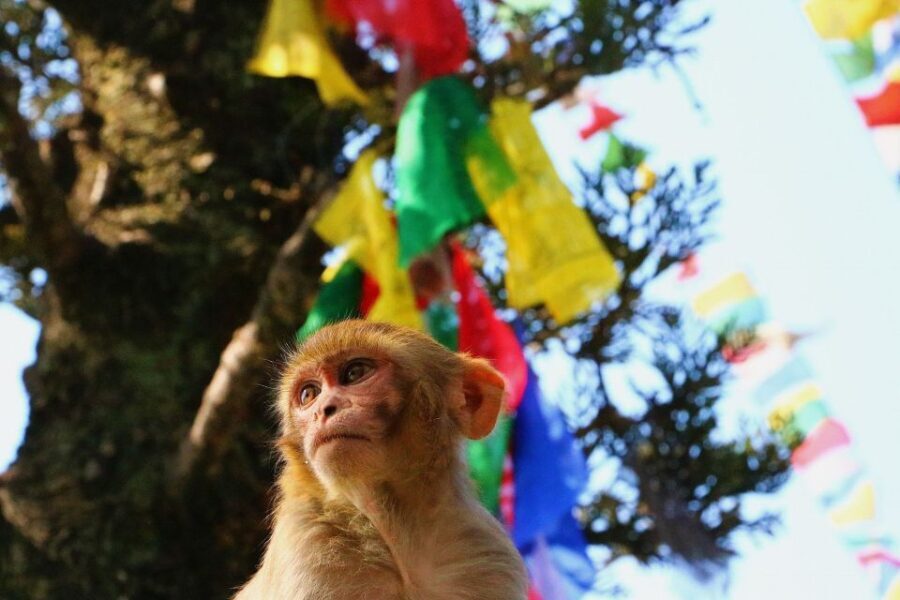
Also, yes, there are monkeys. They’re part of the setting, but you don’t have to treat it like a safari. Keep your hands and snacks secure, and watch where you step on uneven stone. You’ll enjoy it more if you treat it as a holy site first and a photo location second.
Practical note: plan for stairs. Even if you take your time, Swayambhunath is not flat. Comfortable shoes are not optional here.
Boudhanath Stupa: Tibetan Pilgrimage Energy Without Needing a Full Day
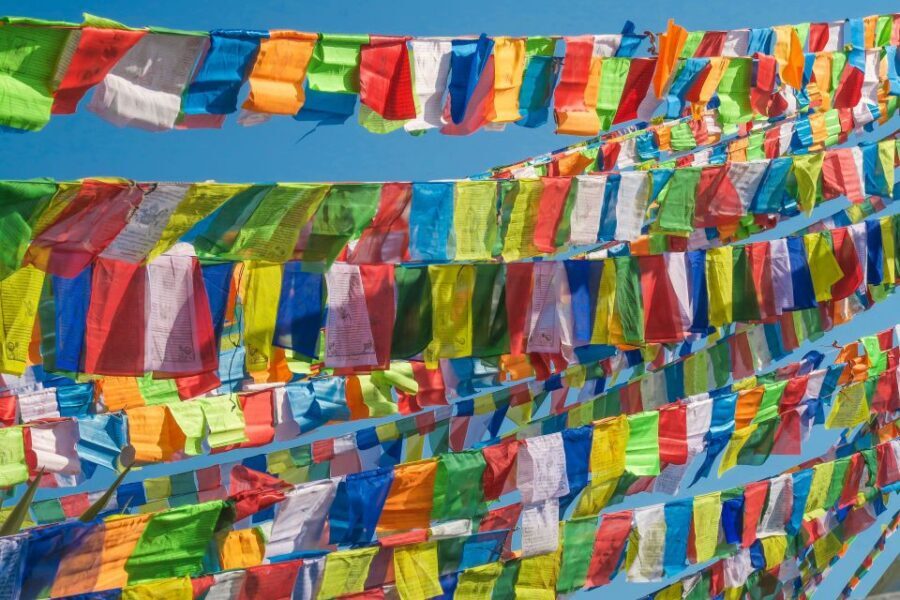
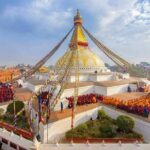
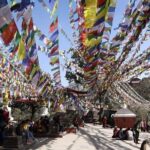
Boudhanath is one of the biggest Buddhist stupas in the world, located about 6 km east of Kathmandu. It’s especially important to Tibetan Buddhists, with many pilgrims visiting in winter, which adds a noticeable rhythm to the area.
What stands out at Boudhanath is the way the stupa behaves like a living center:
- The stupa’s large ringed area is surrounded by lamas and monasteries.
- The scene is both devotional and social—people moving, chanting, and taking the time to pay respect.
- The stupa’s scale makes it easier to feel the significance even if you’re not steeped in the details yet.
If you’re the kind of traveler who likes to understand what you’re looking at before you photograph it, this stop benefits from having an English-speaking guide. You’ll see more because you know what to notice: the sacred geometry, how worship flows around the structure, and how the surrounding monasteries fit into the larger religious ecosystem.
Crowds can build at peak times. If you want calmer photos, ask your guide about timing inside the complex and where to stand.
Pashupatinath Temple by the Bagmati River: Sacred Hindu Rituals in Action
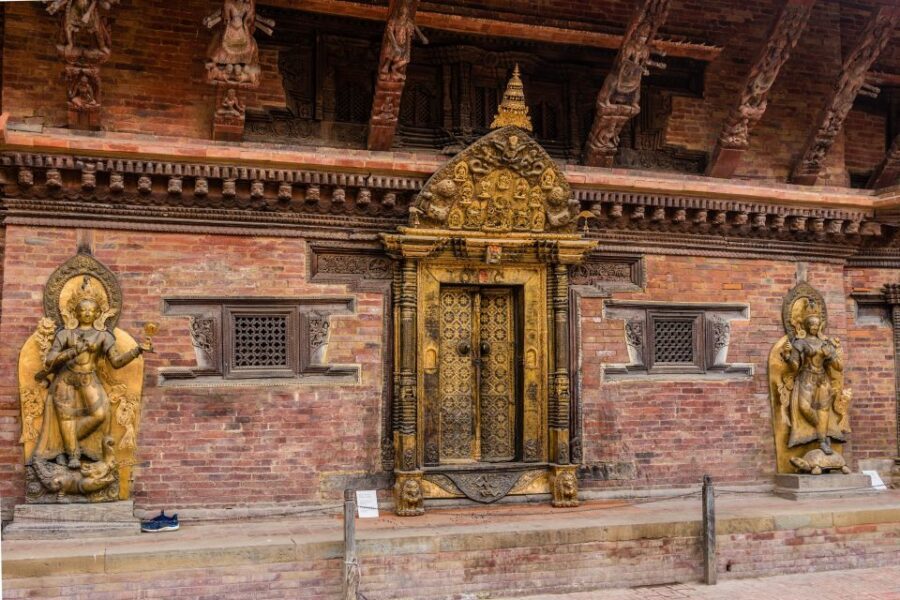
Pashupatinath is dedicated to Lord Shiva and sits about five kilometers east of Kathmandu on the Bagmati River. The temple is known for its striking roofs—two golden roofs and four silver doors—and it draws tens of thousands of Hindu pilgrims every year, especially around spring.
The part many first-time visitors find most intense is the riverside ritual space. From the Bagmati riverbanks, you can observe the cremation ritual of Hindus. This is not a performance for tourists, and it shouldn’t be treated like one. Approach it with respectful distance and a steady mindset, because the emotional tone can feel heavier than other temple stops.
If you’re sensitive to smoke or smell, bring a face covering. The tour info suggests bringing a mask or protective covering, and guides may help you handle the riverside conditions in practical ways.
This stop is also a reminder that Kathmandu’s religious life isn’t frozen in time. It’s active, ongoing, and very much part of how people process grief and spirituality.
You can also read our reviews of more city tours in Kathmandu
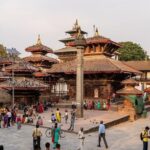
Patan Durbar Square: Newari Architecture You Can Actually Read
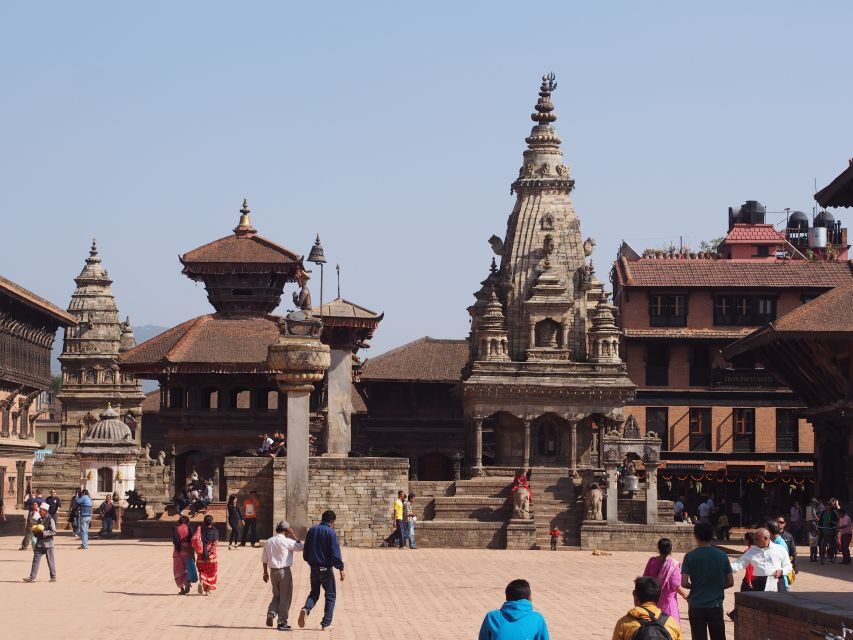
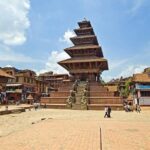
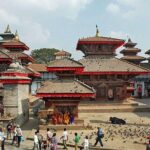
Patan Durbar Square is famous for its Newari architecture and for its connection to the former Patan Royal Family. It’s considered one of Kathmandu’s three Durbar Squares, and it’s often the easiest to appreciate in a short visit because the layout makes it feel like a complex of courtyards rather than a random cluster of buildings.
Your guide will likely point out several key elements:
- The Krishna Temple, with 21 golden pinnacles
- The Buddhist monastery area called Rudra Varna Mahavihar, where local treasures are housed
- The central courtyard Mul Chowk, which helps you understand how these spaces function for community life
Durbar Square locations can become overwhelming if you don’t know what you’re looking at. The value of guided time here is that it gives you a framework: which structures matter, what the patterns and courtyards are meant to communicate, and how Hindu and Buddhist traditions share space and influence across Kathmandu Valley.
If you like photos, this is often one of the best stops to capture architecture without trying too hard. The shapes are clear, the colors are strong, and the textures invite close viewing.
Everest View Hotel Helicopter Stop: What to Expect From the Big-View Moment
This tour includes helicopter stops at Everest View Hotel for a closer view of Mt. Everest. That’s the highlight that turns a city-heritage afternoon into something more cinematic.
Because this is a “stop” rather than a full scenic flight itinerary described in detail, you should treat it like a time-limited chance to look at the mountains rather than a long vantage experience. You’ll want to keep your expectations flexible on what you can see depending on weather and visibility, and you’ll enjoy it most if you show up calm and ready for quick transitions.
Even with limited time, the point is simple: you get a more direct line-of-sight to Everest’s region than you would from inside Kathmandu alone. It’s a meaningful contrast to the temple stops, and it helps you understand why so many people come to Nepal for the mountains first, then stay for the culture.
Private Car, English Guide, and Smooth Time Management
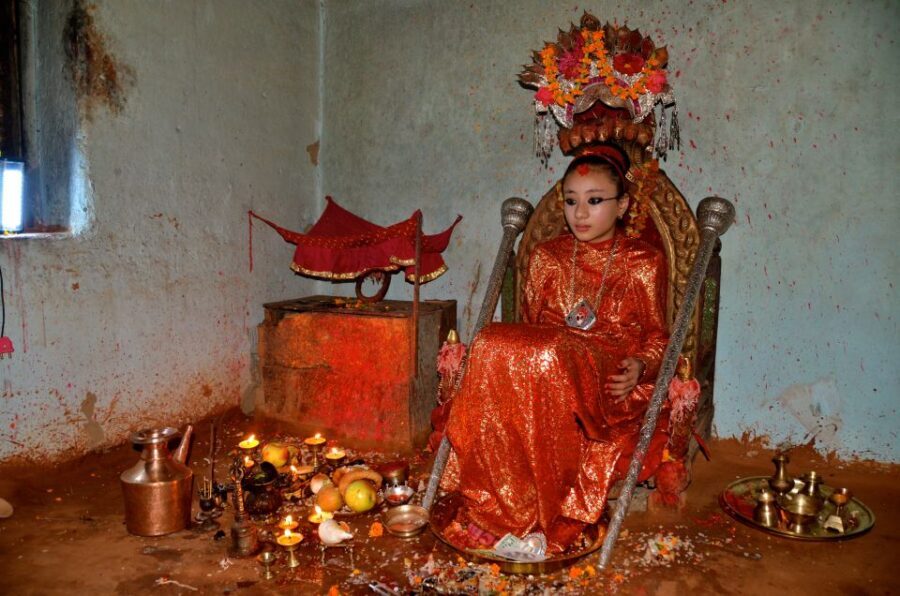
This is built around a private car and an English-speaking guide. That combo matters because Kathmandu is not a city where you can rely on short travel times. The tour description also lists guidance in English, Hindi, and Nepali, so communication is usually straightforward.
In practice, the best part of a private tour is pacing. One reason this tour scores well is that guides commonly adjust for what you care about. Some visitors request extra time at specific temples, skip a site if needed, or ask for a particular kind of view. When the guide can flex the plan, the day feels less like a checklist and more like a personal introduction to the city.
It also helps that your guide can support practical tasks. Monument entry tickets must be purchased on the spot, and the guide will assist you through that process. In other words, you’re not stuck hunting for ticket offices or figuring out which counter to use alone.
Local Cuisine Breaks: Savory Stops and Sweet Comfort
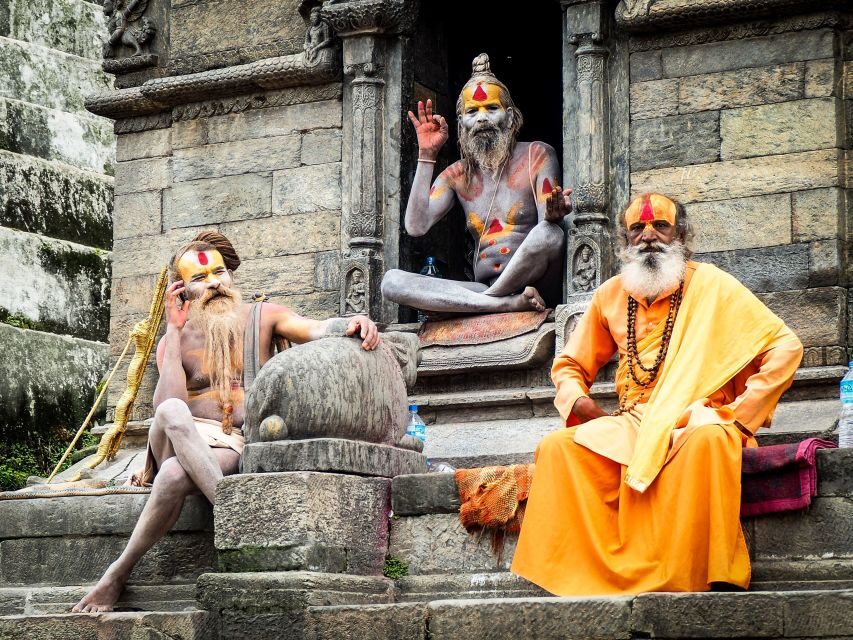
Meals and drinks are not included, but the tour day does make room for food. That matters, because Nepalese meals are part of the experience, not just fuel.
You can expect the day to include time to taste local dishes, including both savory and sweet items. In one case, visitors mentioned lunch on a rooftop overlooking a stupa, which is a great reminder that where you eat can turn a simple meal into a memory.
If food is a priority for you, use the guide’s suggestions. Guides often know which spots are reliable and which dishes fit the time you have. And if you have dietary restrictions, say so early during pickup, not once you’re already waiting for a table.
Price and Value: What $40 Gets You, and What Costs Extra
The price is $40 per person for a 6-hour private guided tour with:
- Hotel pickup and drop-off
- A private car
- An English-speaking guide
What’s not included:
- Monument entry fees (listed as NPR 2700, about US$22 per person)
- Meals and drinks
So what’s the real value? You’re paying for organized access, saved time, and interpretation. Four major sacred sites plus a helicopter stop is not the kind of combo you want to try to “DIY” in Kathmandu unless you’re confident with navigation and logistics. Add to that entrance fees that you handle on arrival, and the guide’s help with timing and ticket buying, and the value starts to make sense.
One more thing: entrance fees can vary by nationality groupings (the tour notes different pricing for SAARC nationals and Chinese nationals). Your guide will steer you at the counter, but this is a good reason to keep cash ready and avoid being surprised by small differences.
What to Bring, What to Watch For, and How to Make It Go Smooth
Here’s the practical packing list that makes this day easier:
- Passport or ID card
- Comfortable shoes for stairs and uneven surfaces
- Water
- Cash for on-the-spot ticket purchase and meals
- Face mask or protective covering, especially helpful for the riverside air near cremation areas
Some other guidance from the tour notes:
- Pets are not allowed.
- The tour is not suitable for wheelchair users.
- Choose the car type (sedan, SUV, or minivan) based on your group size.
If you want the day to feel calm instead of chaotic, wear clothes that work for temples and plan for sun. Temple walks can be exposed. A hat and sunscreen are simple wins.
For photos: you’ll take better pictures if you pause first and watch how people move through worship space. Don’t block entrances, and don’t treat ritual areas like photo sets.
Who This Tour Fits Best
This is a great fit if:
- You have limited time in Kathmandu and want a serious overview
- You want both Buddhist and Hindu sites in one organized day
- You prefer a private guide who can adjust your pace
- You’re planning a longer Nepal trip afterward (trek, another city, or a cultural route)
It’s less ideal if:
- You can’t handle stairs or uneven walking
- You want a slow, devotional visit where you stay for hours at one site
- You hate crowds in religious spaces
Should You Book This Kathmandu Private City Guided Tour?
Yes, if you want an organized first-day orientation that actually teaches you what you’re seeing. The private car and English-speaking guide turn four major sacred stops plus the Everest View helicopter moment into one coherent story of Kathmandu Valley. The entrance fees and meal costs are extra, but the time savings and guided context usually make it worth it.
I’d book it especially if this is your first trip to Nepal and you’re trying to get your bearings fast. If you’re sensitive to smoke near the Bagmati river, plan your face covering ahead of time and talk with your guide about comfort options.
If your priorities are only one or two temples, or you want a very slow pace, you might choose a more flexible day focused on fewer sites. But for most first-timers on a tight schedule, this is one of the smartest ways to see a lot with real understanding.
FAQ
FAQ
How long is the Kathmandu private city guided tour?
The tour lasts 6 hours.
What does the tour price include?
It includes hotel pick-up and drop off, a private car, and an English-speaking guide.
Are monument entry fees included?
No. Monument entry fees are listed as NPR 2700 (about US$22) per person, and you buy tickets on the spot with your guide’s help.
Which sites are visited on the tour?
The tour includes Patan Durbar Square, Swayambhunath Temple, Pashupatinath Temple, and Boudhanath Stupa.
Is the Everest View Hotel part of the tour?
Yes. The tour includes helicopter stops at Everest View Hotel for a closer view of Mt. Everest.
Are meals included?
No. Meals and drinks are not included.
What languages does the guide speak?
The guide is available in English, Hindi, and Nepali.
Where can the pickup happen?
Pickup options include Boudhha, Lalitpur, Kathmandu, Ekantakuna, Thamel, Lazimpat, and Naya Bazaar.
What should I bring with me?
Bring a passport or ID card, comfortable shoes, water, cash, and a face mask or protective covering.
Is the tour suitable for wheelchair users?
No. It is not suitable for wheelchair users.