REVIEW · POKHARA
3 Day Australian Camp Dhampus Ghandruk Easy Trek in Pokhara
Book on Viator →Operated by Shriyan World Wide Tours Private Limited · Bookable on Viator
Three days, two villages, and big Annapurna views. This easy trek out of Pokhara strings together forest trails, terraced village paths, and classic Himalayan viewpoints without demanding hardcore trekking skills. You’ll also get a strong cultural angle through the Gurung community in Dhampus and Ghandruk areas, not just scenery.
I really like two things here: the Australian Camp viewpoints (with Machhapuchhre and Annapurna range views) and the way the route slows down for culture—especially the Gurung Museum stop in Ghandruk. The mix of gentle walking time and meaningful village time is what makes the trek feel complete instead of rushed.
One thing to consider: this is a trek supported by basic guest house lodging, and meals aren’t included. If you want full board and lots of creature comforts, you’ll need to plan for the added cost and keep expectations simple.
In This Review
- Key Highlights You Shouldn’t Miss
- Why This 3-Day Australian Camp Trek Feels Beginner-Friendly
- Pokhara Pickup and the Kande Start (with Lumle on the Drive)
- Australian Camp Day 1: Forest Climb, Big Views, Simple Village Time
- Day 2 to Ghandruk: Village Life, Panoramic Views, and the Gurung Museum
- Day 3: Sunrise Over Annapurna and the Descent to Birethanti
- Value and Price: Is $195 a Good Deal for This Trek?
- Logistics That Affect Your Comfort (More Than You Think)
- The Cultural Side: Gurung Heritage Without Feeling Like a Lecture
- Who This Trek Fits Best (and Who Might Want Something Else)
- What to Pack for a Comfortable Easy Trek
- Should You Book This 3-Day Australian Camp and Ghandruk Trek?
- FAQ
- How long is the Australian Camp Dhampus and Ghandruk easy trek?
- Where does the trek start and end?
- What is the price per person?
- What’s included in the tour price?
- Are meals included?
- Do I need a trekking permit and TIMS card?
- Is the Gurung Museum in Ghandruk included?
- Is this tour a group tour with other people?
- What’s the cancellation window?
- Is pickup available for all of Pokhara?
Key Highlights You Shouldn’t Miss
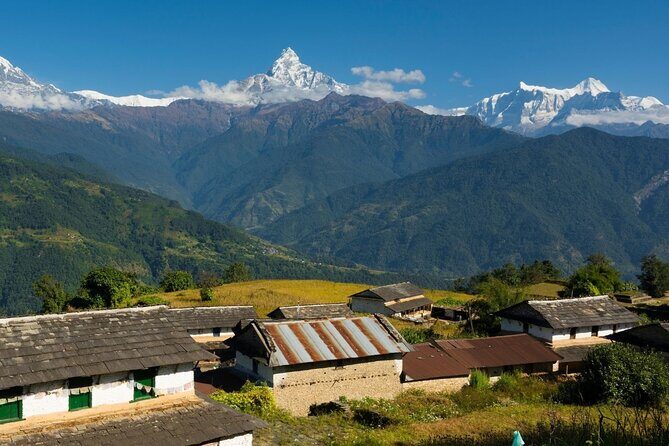
- Australian Camp, for the best payoff: steady uphill from Kande, then time at the top for major mountain views.
- Ghandruk village time: walk the village, then visit the Gurung Museum for context on local history.
- Sunrise-to-descent rhythm: a morning view over Annapurna, then a downhill route that’s more about scenery and village life than climbing.
- English-speaking guide support: helpful for navigating the trail flow and keeping timing smooth.
- Permits handled (TIMS + trekking permit): you don’t have to figure this part out alone.
Why This 3-Day Australian Camp Trek Feels Beginner-Friendly
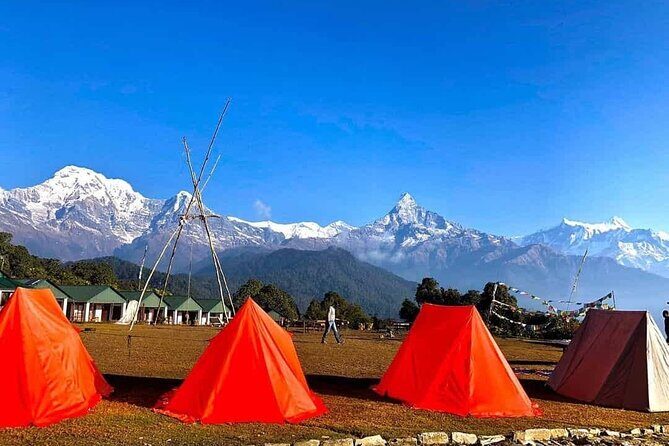
This is one of those treks where the schedule does a lot of the work for you. The walking periods are broken into manageable chunks, with gradual ascents and time set aside for viewpoints and village wandering. If you’re new to Himalayan trekking, that pacing matters more than people think.
You’ll get the Annapurna and Machhapuchhre story told in two ways: first through big views from Australian Camp, then again through panoramic vistas from Ghandruk. The second half of the trek shifts gears into a downhill-and-village route toward Birethanti, so you still get a satisfying trek arc without feeling like you’re climbing nonstop.
You can also read our reviews of more hiking tours in Pokhara
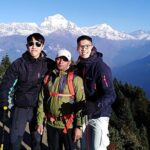
Pokhara Pickup and the Kande Start (with Lumle on the Drive)
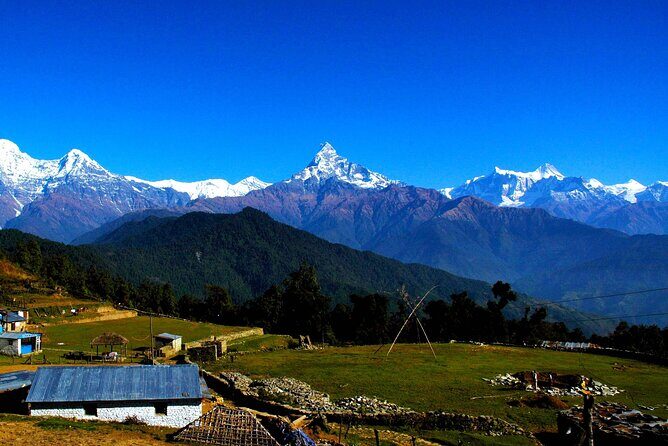
The day begins with pickup from your hotel, but only if you’re within the Lakeside area of Pokhara. Then you’ll transfer by private car and take a scenic route that includes Lumle and leads you toward Kande, where trekking starts.
Why this matters: having the drive handled means less stress about getting to trailheads on your own. It also gives your group a real “start line” so you don’t spend the first hour figuring out buses and timing.
What to watch: even though the trek is labeled easy, you’re still doing a full day with walking time. Comfortable shoes and a steady pace will make the first climb feel like a warm-up rather than a surprise.
Australian Camp Day 1: Forest Climb, Big Views, Simple Village Time
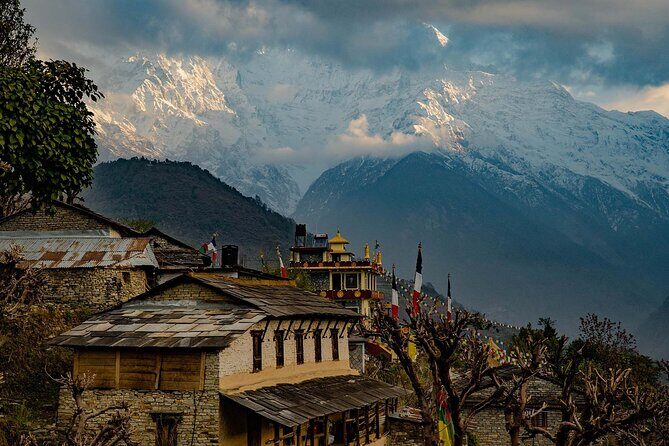
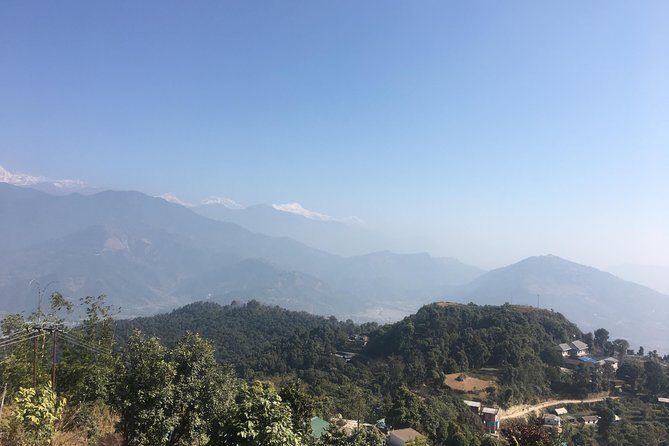
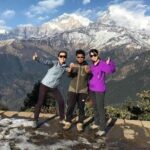
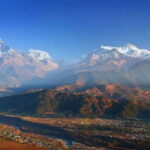
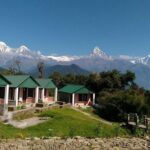
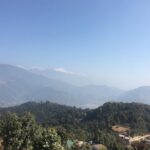
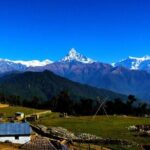
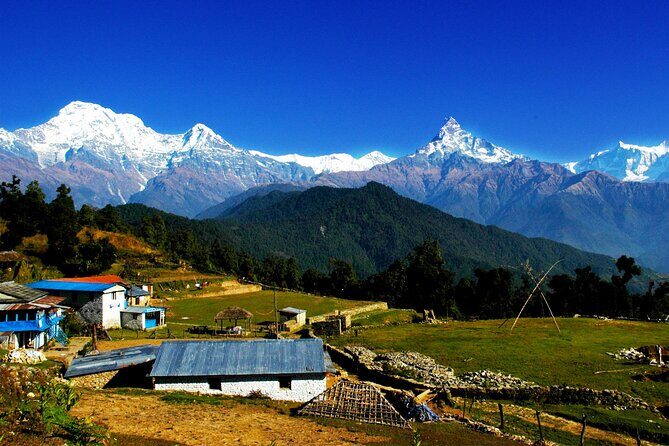
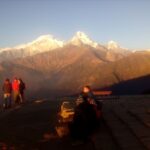
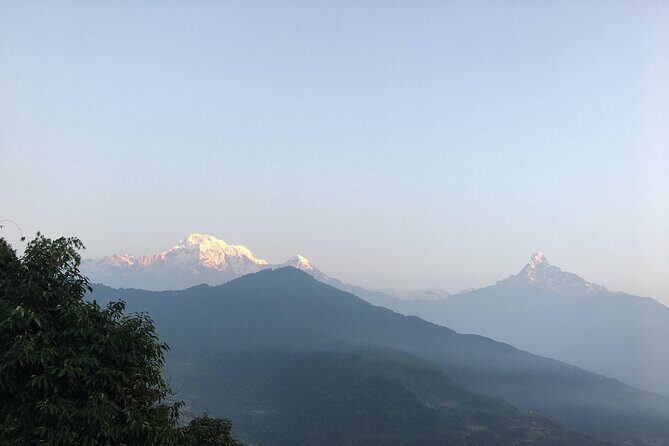
Your first trekking push climbs uphill from Kande through dense forest to Australian Camp. The route is about 3 hours on the uphill side, and the reward is at the top: sweeping views of the Annapurna range and Machhapuchhre.
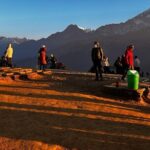
If you like moments that feel like a payoff, this is built in. The trek isn’t just movement; it’s designed so you reach a viewpoint and then get actual time to enjoy it before the day ends. You’ll spend the night in a guest house at Australian Camp, which keeps logistics realistic for a 3-day itinerary.
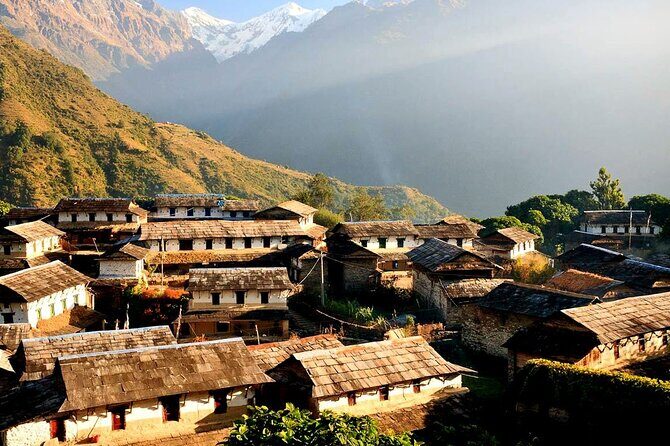
After you reach Australian Camp and settle, you’ll also spend additional time exploring a typical Gurung village area and walking to a view point. Expect about 2 hours for this, with the day ending back at the guest house.
A small practical note: the longer you hang out at the viewpoint, the more you’ll enjoy it—but that also means it’s smart to bring a light layer. Mountain weather can shift fast, even when you’re not doing a high-altitude trek.
Day 2 to Ghandruk: Village Life, Panoramic Views, and the Gurung Museum
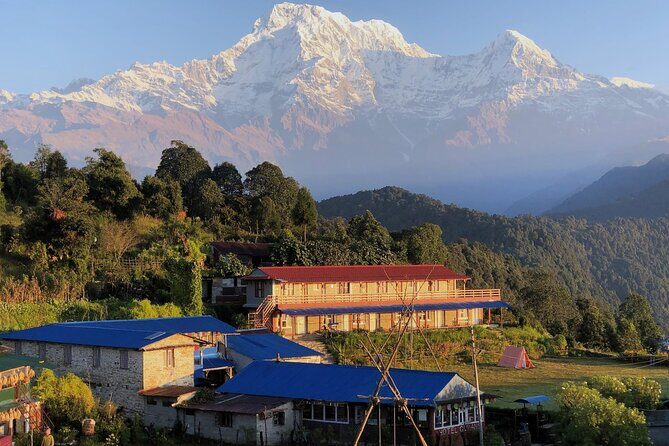
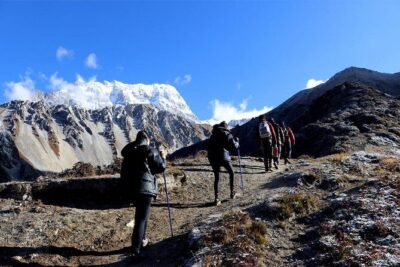
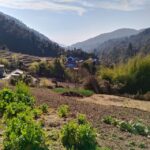
On day 2, you’ll trek from Australian Camp to Ghandruk Village, with about 5 hours of walking time. The route keeps you in the “easy trek” zone, focused on gradual progress and village scenery rather than technical hiking.
Ghandruk is where the cultural part turns into the main event. You’ll explore the village and then visit the Gurung Museum, which is specifically highlighted as an included stop. That’s a big deal for a short trek: instead of only learning names and locations, you get a local lens on Gurung heritage and history.
Then there are the views. The timing and pacing are set up so you’re not rushing through the village like a photo stop. You’ll also have time for panoramic mountain views, which helps you connect what you saw from Australian Camp to what Ghandruk frames from its angle.
Potential drawback for some people: this is a village day, not a quiet nature hike day. If you’re hunting for empty trails and total solitude, you might find the village areas more active than expected.
Day 3: Sunrise Over Annapurna and the Descent to Birethanti
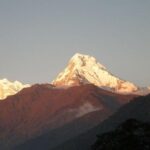
Day 3 starts with an early sunrise view over Mt. Annapurna, then you shift into descent mode. The hike takes about 4 hours, dropping you toward Birethanti through a mix of village areas, forest, and a riverside feel.
This is a nice design for a 3-day trek. You get the emotional high (morning views), then you get a calmer route that feels like you’re traveling through the region rather than “earning altitude” for hours.
By the time you reach Birethanti, the trekking portion is done, and your driver takes you back to Pokhara. You’ll be dropped off at your hotel, again within the Lakeside area, with about 1 hour 10 minutes of driving time.
Practical tip: descent days can still feel tough on the knees, even when they’re labeled easy. Your best friend here is slow, controlled steps and breaks when you feel your legs getting heavy.
A few more Pokhara tours and experiences worth a look
Value and Price: Is $195 a Good Deal for This Trek?
At $195 per person, this trek can be a strong value because several costly or annoying-to-handle items are included. You get hotel pickup and drop-off (within Lakeside), round trip private car transfer, TIMS and trekking permit, an English-speaking guide, basic guest house accommodation, and a first aid kit with the guide.
Meals are not included, and the estimate given is about USD 25 per person per day. For a 3-day trek, that often means you should mentally budget roughly another $75 for food if you eat the whole way through as planned. That brings the “realistic trip cost” closer to around $270 per person in many cases.
Where this becomes good value: you’re not paying separately for permits, navigation support, and guided logistics. For short itineraries, those add-ons can quickly erase the savings you think you found by choosing a cheaper base price.
One more value point: this is described as a private trip where only your group participates. Private support can mean less waiting around and more direct help on timing and pacing.
Logistics That Affect Your Comfort (More Than You Think)
This tour is straightforward, but a few details will shape how smooth it feels:
- Pickup is Lakeside-only in Pokhara. If your hotel is outside that area, you may need to confirm how you’ll handle reaching the pickup point.
- Accommodation is basic guest house style, which is normal for Himalayan treks but still worth acknowledging. You shouldn’t expect hotel-grade comfort.
- Meals are on your dime. Even if you plan to find local food, knowing it’s not bundled helps you avoid budget surprises.
- Private car transfer removes most transportation friction, especially on a short 3-day schedule.
Also, the tour mentions mobile ticket and group discounts. The core trek experience is still private in practice, but if you’re traveling with friends, it can be worth asking whether your group size changes the overall cost.
The Cultural Side: Gurung Heritage Without Feeling Like a Lecture
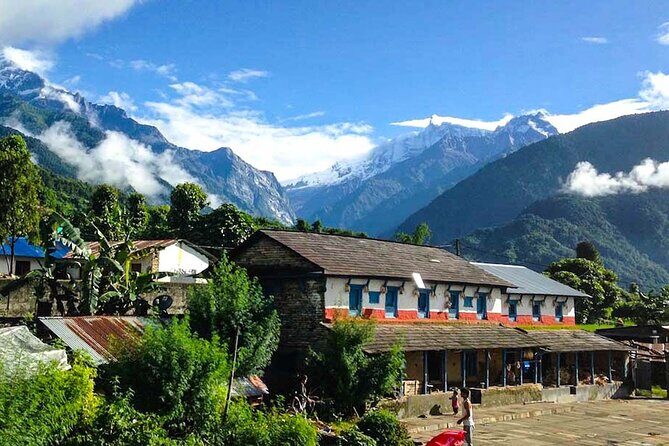
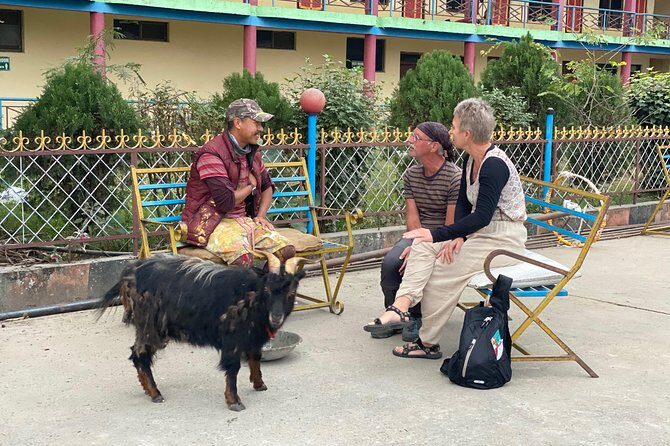
What I like about this trek’s culture is that it’s woven into your route, not tacked on at the last second. You spend time around Gurung village areas and then get the Gurung Museum in Ghandruk, which helps you connect the places you’re walking through with the people who live there.
That matters because it changes your attention. You’re not just asking what a mountain looks like; you’re also noticing how community life organizes around the terrain.
In one personal note from a past traveler, the experience was praised as a great mix of adventure and culture, and the organizer named Roma was specifically thanked for making the trip adventurous and entertaining. That kind of practical, friendly guidance often makes the difference between a trek that feels mechanical and one that feels human.
Who This Trek Fits Best (and Who Might Want Something Else)
This trek is designed for beginners and families, with manageable distances and gradual ascents. If you want the Annapurna region experience without committing to a longer, more demanding route, you’ll likely appreciate the structure.
It also works well if you enjoy a “short hike + meaningful stops” style. A 3-day itinerary is long enough to feel like a trip, but short enough that you can still be in Pokhara afterward for lakeside downtime.
Consider another option if you’re very sensitive to basic lodging. Guest houses are part of the package here, and meals aren’t included, so you’ll want to feel comfortable handling that style of travel.
What to Pack for a Comfortable Easy Trek
The tour data doesn’t list packing items, but you can pack smarter by thinking about what the trek includes: forest walking, viewpoint time, and a few hours of descent on day 3.
Bring:
- Comfortable trekking shoes (you’ll use them for uphill and downhill)
- A light rain layer or weather protection
- Sun protection for viewpoint time
- A warm layer for early sunrise viewing (day 3 starts with a morning view)
- Water and snacks you can access easily during walking breaks
If you rely on cash for meals, plan for that too. Since meals aren’t included, having a simple payment plan helps you keep the trek rhythm.
Should You Book This 3-Day Australian Camp and Ghandruk Trek?
I think this is a solid booking if your goal is an easy, well-paced taste of the Annapurna region. You’re getting a real viewpoint payoff at Australian Camp, plus the cultural anchor of Ghandruk and the Gurung Museum. The private-car logistics from Pokhara and the included permits and guide are exactly the kind of support that makes a short trek feel safe and organized.
Book it if:
- You want beginner-friendly hiking with clear pacing
- You like culture stops that explain what you’re seeing
- You’d rather pay one reasonable package price than piece permits, guide time, and transport separately
Pause before booking if:
- You need full-service meals and hotel-level comfort
- Your Pokhara base is outside the Lakeside pickup area and you don’t want extra coordination
- You’re strict about choosing the right ticket/options on booking platforms, since one caution was noted about ordering the wrong options elsewhere on the same general booking ecosystem
FAQ
How long is the Australian Camp Dhampus and Ghandruk easy trek?
It runs for about 3 days, with a day-by-day trekking plan that starts from Kande and ends back in Pokhara after reaching Birethanti.
Where does the trek start and end?
The trek starts from the Pokhara area (transfer to Kande) and ends in Pokhara after your drive back from Birethanti.
What is the price per person?
The price is $195.00 per person.
What’s included in the tour price?
Included items are hotel pickup and drop-off (within the Lakeside area of Pokhara), round trip private car transfer, trekking permit and TIMS card, an English speaking trekking guide, basic guest house accommodation, a first aid kit (with the guide), and a private trip.
Are meals included?
No. Meals are not included, though meals are available for purchase (approx. USD 25 per person per day).
Do I need a trekking permit and TIMS card?
No need to arrange them yourself for this tour, since the trekking permit and TIMS card are included.
Is the Gurung Museum in Ghandruk included?
Yes, the itinerary includes visiting the Gurung Museum in Ghandruk, marked with admission ticket free.
Is this tour a group tour with other people?
It’s described as private, meaning only your group participates.
What’s the cancellation window?
You can cancel for a full refund up to 24 hours in advance of the experience start time.
Is pickup available for all of Pokhara?
Pickup and drop-off are offered from hotels within the Lakeside area of Pokhara.