REVIEW · KATHMANDU
Langtang Valley Trek – 8 days
Book on Viator →Operated by Breeze Adventure Pvt Ltd · Bookable on Viator
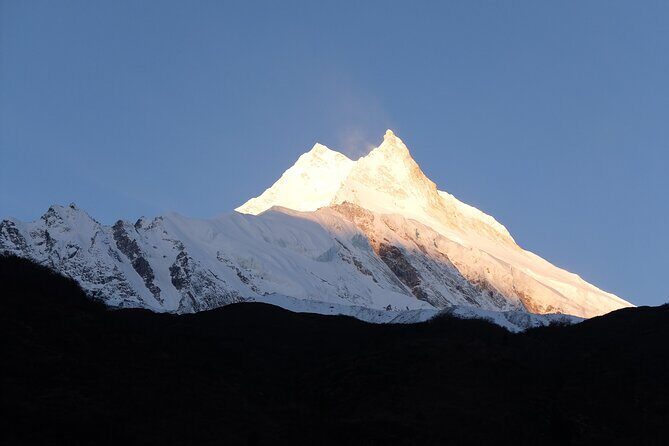
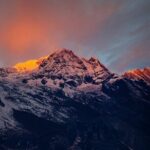
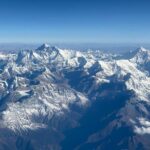
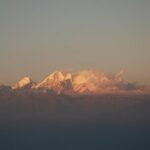
Himalaya, minus the crowds. This short, 8-day Langtang Valley trek takes you through sacred Tamang country and into Langtang National Park, Nepal’s first protected Himalayan area. You end with a big reward: the walk up toward Kyanjin Ri for sweeping 360-degree views over more than 21 snow-capped peaks.
What I really like is how much you get for your money, including real climbing cold-weather support like a down jacket plus crampons, sleeping bag, and a guided plan built for moderate fitness. Second, the trek mixes scenery with people: Tamang villages, warm hospitality, and time at Kyanjin Gompa, where you can also sample cheese made the Swiss way. The main consideration is altitude and weather: you’ll be going up to 4773m and even higher on optional days, and the experience depends on good conditions.
In This Review
- Key highlights at a glance
- Why Langtang Valley Feels Different Than the Big-Ticket Treks
- Price and Logistics: What Your $775 Really Covers
- Day 1: The Long Ride to Syabrubesi (And Why It Sets You Up)
- Days 2 and 3: Up to Lama Hotel and Langtang Village Through Tamang Country
- Day 4: Kyanjin Gompa at 3870m, with a View-First Mindset
- Day 5: Valley Time and Optional Big-View Hikes
- Days 6 and 7: The Return That Still Works Your Legs
- Day 8: Back to Kathmandu and a Chance to Reset
- How Fitness, Weather, and Altitude Should Shape Your Plan
- Who This Trek Suits Best (and Who Should Rethink It)
- Should You Book This Langtang Valley Trek?
- FAQ
- How long is the Langtang Valley Trek?
- What is the highest point you reach?
- Where do you start and end?
- Does the trip include transportation from Kathmandu?
- Are meals included during the trek?
- What trekking gear is included?
- How big is the group?
Key highlights at a glance
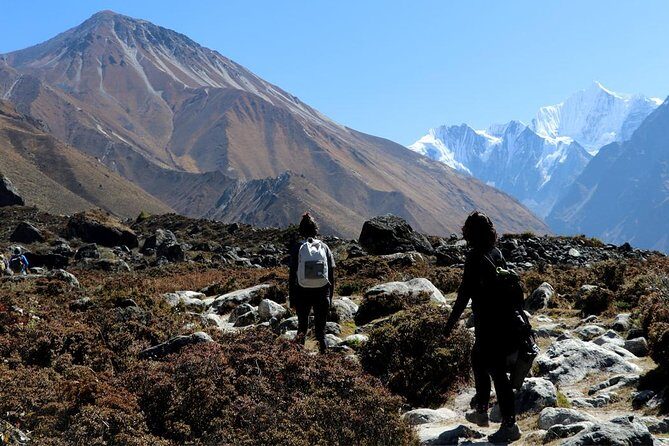
- Sacred Langtang Valley route through Tamang villages inside Langtang National Park (established in 1976)
- Kyanjin Gompa time with monastery sights plus a Swiss cheese factory to sample
- Big viewpoint payoff from Kyanjin Ri (4773m) with 360-degree mountain panoramas
- Optional ridge day hikes to Langshisa Kharka, Kyanjin Ri, and Tserko Ri (4985m)
- Forest variety through pine, bamboo, and rhododendron
- Wildlife potential in the park, including red panda, Himalayan tahr, and Himalayan black bear
Why Langtang Valley Feels Different Than the Big-Ticket Treks
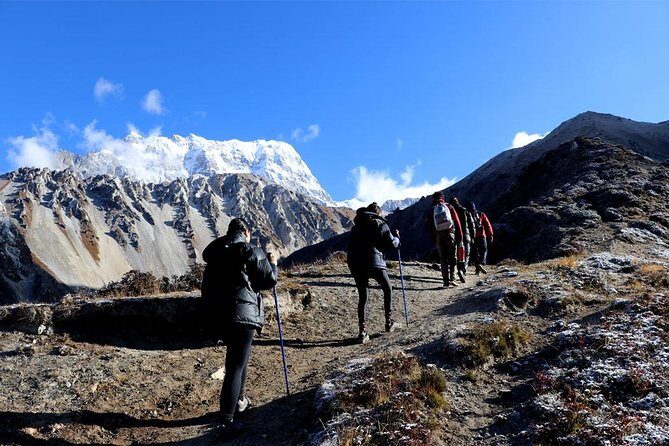
Langtang Valley is often described as a cousin of the Everest and Annapurna regions, but it travels with a calmer vibe. You’re still in the real Himalayan world, with high passes and serious views, yet the area is less crowded. That matters because it gives you more space to actually notice what’s around you: the way trails thread through forest, the rhythm of village life, and the quiet intensity of the mountains when the clouds lift.
This trek also comes with a sense of place. Langtang is sacred ground, and you’ll be walking through Tamang cultural territory as you rise higher. The park side is important too: Langtang National Park was established in 1976 and is Nepal’s first protected Himalayan area. That protection is why you have a genuine shot at seeing wildlife in season, not just “maybe some animals somewhere.” You’re told to keep an eye out for red panda, Himalayan tahr, and even the Himalayan black bear, though sightings are never guaranteed.
If you’re short on vacation but still want the mountains to feel “big,” Langtang hits that sweet spot. It’s a classic without needing a full-on endurance epic.
You can also read our reviews of more hiking tours in Kathmandu
Price and Logistics: What Your $775 Really Covers
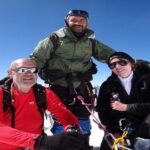
At $775.36 per person for an 8-day trek, this doesn’t feel like a bare-bones bargain. It feels like a package where the costs that matter most are handled for you. The big wins are the items that would otherwise eat your time and money back in Kathmandu: transportation, experienced staff, and key gear.
Here’s what’s included that tends to matter on the trail:
- Kathmandu hotel (2-3 star) for two nights with breakfast
- Airport transfers to and from Tribhuvan
- All trek transportation
- Government-authorized experienced guide and porters
- Insurance, plus food, accommodation, and wages for guides and porters
- Hygienic meals during the trek (breakfast, lunch, dinner)
- Essential gear like a sleeping bag, down jacket, and crampons
- A first aid kit and a map of the route
- A post-trek celebration dinner back in Kathmandu
That gear list is a big deal. You’re not just paying for someone to walk ahead of you; you’re paying for the cold-weather setup that keeps you safer and more comfortable as conditions change. Also, the group size is capped at 10 travelers, which usually keeps things organized on busy trail moments and makes it easier for your guide to manage pacing.
One small downside on the “package feel” side: meals in Kathmandu are not included beyond breakfast, and you may see extra costs at guest houses like shower and charging fees. You’ll want a little cash for that reality.
Day 1: The Long Ride to Syabrubesi (And Why It Sets You Up)
Your adventure starts with a drive from Kathmandu to Syabrubesi, at 1420m. The travel time is long, about 7-8 hours by bus. That’s not exactly thrilling, but it’s part of how trekking works here: you trade a day of sitting for days of walking where the views get more serious.
This first day is practical planning time. You’re not going uphill yet, but you can use the ride to get your gear organized, double-check your layers, and set a game plan for hydration. If you’re the type who forgets something small and then suffers later, this is the day to avoid that pattern.
Also, because you’ll have local transport handled, you’re not stuck hunting for connections or trying to figure out timing. A smooth first day matters when your schedule is tight and you still want energy for the first real trek day.
Days 2 and 3: Up to Lama Hotel and Langtang Village Through Tamang Country
On Day 2 you trek from Syabrubesi to Lama Hotel (2340m), taking around 5-6 hours. This is your early altitude adjustment. The trail gives you time to warm up your legs, find your pace, and get used to how quickly effort changes as you climb.
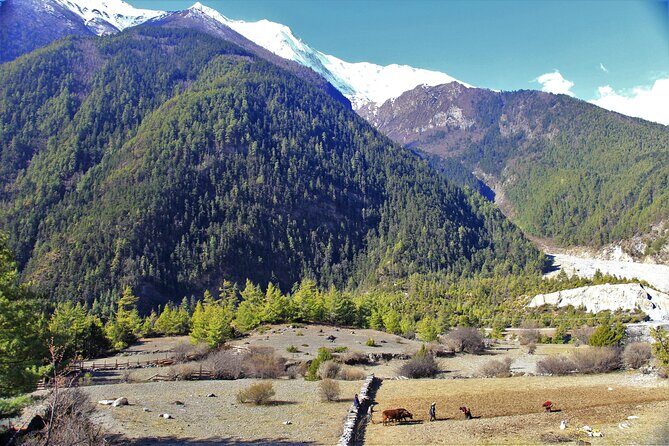
Day 3 continues the rise from Lama Hotel to Langtang village (3480m), again about 5-6 hours. This is where the “real trekking” feeling starts to lock in. You’re moving through a zone known for lush forest—think pine, bamboo, and rhododendron—and that variety keeps the trail from turning into one long grind.
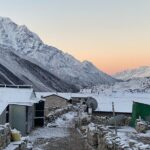
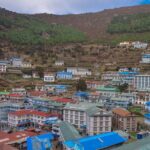
Cultural immersion starts too. You’re trekking through Tamang villages, not just alongside them. The route is sacred, and the hospitality you’re promised is the kind that shows up when communities run guest houses and welcome trekkers with daily rhythms. It’s not a staged performance. It’s just how people live where the trail connects.
A balanced expectation: you’ll likely feel tired on these days, but the walking hours are reasonable. This route is built for moderate fitness rather than extreme scrambling. Still, don’t treat “moderate” as “easy.” Your body will ask for respect.
Day 4: Kyanjin Gompa at 3870m, with a View-First Mindset
Day 4 goes from Langtang village to Kyanjin Gompa (3870m) in about 4 hours. That shorter day length can feel like a gift after two longer walking days, but it’s also a psychological shift: you’re closing in on the region’s key attractions.
Kyanjin Gompa is a core stop, and it’s not just because of altitude. You’ll spend time exploring around the monastery, which gives you a sense of why this part of the Himalaya is considered sacred. The architecture and spiritual feel tend to slow people down, even if you’re usually the type who walks quickly and keeps moving.
This stop also includes something that feels almost out of place—in a good way. You can visit one of Nepal’s oldest Swiss cheese factories and sample the product. It’s the kind of detail that makes a trek feel human, not only scenic. You’re not just chasing peaks; you’re also discovering how mountain communities adapt and trade ideas.
If you’re hoping for wildlife, this is also a reasonable day to stay alert. The park’s protected status supports species like Himalayan tahr and red panda, and while you can’t count on sightings, your chances improve when you’re moving through the park’s proper habitat.
Day 5: Valley Time and Optional Big-View Hikes
Day 5 is a flexible day for exploration and day hikes around Langtang Valley. This is where you decide how hard you want to play it. The good news is that the route gives you options tied to some of the best viewpoints in the region.
You might hike toward Langshisa Kharka, a spot included in the optional list. Or you might push for Kyanjin Ri (4773m), which is known for the 360-degree panorama over more than 21 snow-capped peaks. If you want even more altitude, there’s also Tserko Ri (4985m) as an optional step up.
Here’s the practical part: the higher you go, the more you’ll feel cold and the more your breathing changes. Even if you’re physically ready, weather can turn a top day into a careful-weather day. So treat this like a choose-your-own-adventure—listen to your guide and don’t force it just to “check a box.”
I also like how this day structure helps you manage fatigue. Instead of cramming another 6-hour climb back-to-back, you get a day to absorb the region, explore Kyanjin Gompa area, and decide whether the higher ridges are worth the extra effort for your current energy level.
Days 6 and 7: The Return That Still Works Your Legs
Day 6 is the trek down from Kyanjin Gompa to Lama Hotel (2340m) for about 6-7 hours. Going downhill can feel easier at first, but your knees and ankles still do real work. Downhills change your muscle use, and they can leave you sore if you stride too fast.
Day 7 goes from Lama Hotel back to Syabrubesi via Sherpa Gaon, again about 5-6 hours. That routing detail matters because it keeps the return day from feeling like a mirror image. Sherpa Gaon is part of the way your trail stitches into local settlement patterns, and those village stops tend to remind you that you’re walking through living places, not only corridors of scenery.
By the end of these two days, you’ve done the full arc: up through forest and villages, through Kyanjin Gompa and viewpoint potential, then down to the road-access side. The mountains don’t disappear when you descend; they just keep changing shapes as you lose altitude.
Day 8: Back to Kathmandu and a Chance to Reset
Day 8 is the drive back from Syabrubesi to Kathmandu by bus. It’s the final movement of the circuit. After trekking, a long ride can feel like the worst and the best thing at once. Worst because you’re tired. Best because you can finally sit, stretch, and think about what you want to eat when you land.
In Kathmandu, you’ll have had your post-trek celebration dinner built into the package, which is a nice way to close the trip properly. You come home with a new sense of altitude in your memory, and a dinner is a simple human way to mark the end.
How Fitness, Weather, and Altitude Should Shape Your Plan
This trek is described as moderate fitness, which is good. It means the walking hours and daily elevation changes are designed to be achievable for many people who train a bit and pace smart. It also means you should take altitude seriously, because “moderate” doesn’t remove the reality of breathing thinner air.
You’ll reach at least 4773m on the Kyanjin Ri option, and you might go to 4985m on Tserko Ri. Those are high numbers. If you’re unsure about how your body handles altitude, talk with your doctor before you go and be honest with your guide about any past issues.
Gear and support help. Because the package includes sleeping bag, down jacket, and crampons, you’re less likely to show up underprepared. Still, you’ll want proper clothing and a system for staying warm and dry. Even in a short trek, conditions can shift quickly, and cold at night can creep up on you.
Weather is also a key factor. The experience requires good weather, and if it’s canceled due to poor conditions, you should expect the operator to offer an alternate date or a full refund. That kind of contingency matters in the Himalaya, where visibility and safety depend on the sky.
One more practical note: guest houses may charge for showers and electronic charging fees, which aren’t included. Plan on that small budget so it doesn’t surprise you at the end of the day.
Who This Trek Suits Best (and Who Should Rethink It)
This is a great choice if you want:
- A Himalayan trek that fits into a short schedule
- A less-traffic route than the headline regions
- Real cultural time with Tamang communities and Kyanjin Gompa
- A serious payoff viewpoint plan through Kyanjin Ri
- An organized, small-group trip with government-authorized staff
It might be a tough fit if you:
- Can’t manage sustained walking on uneven trails for 5-7 hours a day
- Hate altitude and don’t want to deal with 4773m or higher optional days
- Get grumpy after long travel days, since Day 1 and Day 8 are bus rides around 7-8 hours
Should You Book This Langtang Valley Trek?
If you’re trying to do the Himalaya on a tighter timeline, this trek makes a lot of sense. You get the sacred Langtang Valley experience, Tamang culture, time at Kyanjin Gompa, and a strong “top of the world” reward. The value is also clear: a guided setup with staff support, insurance, meals on trek days, and serious cold-weather gear included.
My call: book it if you want a classic route with a practical team behind you and you’re ready to respect altitude and weather. Skip it if you want a fully comfortable, no-challenge vacation. This one is scenic, meaningful, and demanding in the honest way that makes it worth remembering.
FAQ
How long is the Langtang Valley Trek?
The trek runs for 8 days (approx.).
What is the highest point you reach?
Kyanjin Ri is listed at 4773m. An optional day hike includes Tserko Ri at 4985m.
Where do you start and end?
The activity starts at Breeze Adventure Pvt. Ltd in Thamel Marg, Kathmandu 44600, Nepal, and ends back at the same meeting point.
Does the trip include transportation from Kathmandu?
Yes. Transportation to and from Tribhuvan Airport is included, and you also have transportation for the trek.
Are meals included during the trek?
Yes. Hygienic meals (breakfast, lunch, and dinner) are included during the trek. Breakfast is also included at the Kathmandu hotel. Meals in Kathmandu other than breakfast are not included.
What trekking gear is included?
The package includes sleeping bag, down jacket, and crampons.
How big is the group?
The tour/activity has a maximum of 10 travelers.