REVIEW · POKHARA
Morning Half Day Tibetan cultural tour to Tibetan Settlements
Book on Viator →Bookable on Viator
If you like your travel with meaning, this one fits. You’ll visit Tibetan refugee communities near Pokhara with a guide from the community. I especially loved the Tibetan refugee perspective from Mr. Thupten Gyatso and the chance to share a simple morning meal in a real settlement home.
You also get a smooth start with hotel pickup and drop-off, plus tea and breakfast to make the early hour feel worth it. The timing (5:30 a.m. departure) is very intentional, so you’ll see monastery life when it’s active. One drawback: you’re looking at a fast half day, so you won’t have time to linger at every stop.
In This Review
- Key things to know before you go
- Early start from Pokhara: why 5:30 a.m. works
- Meeting Mr. Thupten Gyatso and hearing the refugee story
- Jangchub Choeling Tibetan Monastery: morning prayer and sacred symbolism
- Tashi Palkhel Tibetan Settlement: breakfast in a family home
- Pema Ts’al Sakya Monastic Institute: meeting a young monk
- What you’re actually paying for: value at $60
- Pickup, group format, and why logistics matter here
- Who should book this Tibetan cultural tour (and who might not)
- Should you book this morning half-day Tibetan cultural tour?
- FAQ
- FAQ
- What are the tour times?
- Where does the tour go?
- Is hotel pickup and drop-off included?
- What meals are included?
- Do I need to pay for admissions at the stops?
- Does the tour include a driver or guide?
- Is lunch included?
- How much does the tour cost?
- When should I book?
Key things to know before you go
- 5:30 a.m. departure in Pokhara: plan an early wake-up and keep expectations for a brisk pace.
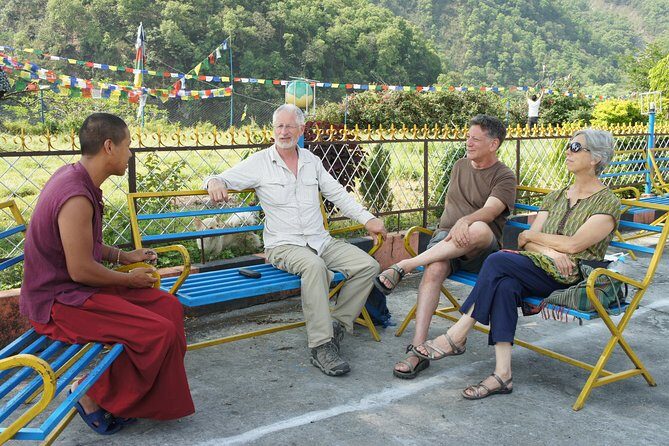
- Guide is from the Tibetan refugee community: you’ll hear context that you won’t get from a standard sightseeing script.
- Three spiritual stops, each about an hour: monastery, settlement home breakfast, then a second monastic institute.
- Breakfast and tea are included: this tour isn’t just walking around; you’ll start the day with food.
- Admission tickets are listed as free at each stop: you’re paying mainly for the guided experience and transport.
- Mobile ticket and possible group discounts: if you’re traveling with friends, check if pricing improves when grouped.
Early start from Pokhara: why 5:30 a.m. works
This tour runs from about 5:30 a.m. to 9:00 a.m., and yes, that’s early. The payoff is that you’re not just touring buildings—you’re catching morning rhythm: monastery routines, morning prayers, and daily life in the settlement.
I like the clean half-day format because it gives you a meaningful cultural experience without eating your whole morning. If your Pokhara plan includes hiking later or a boat ride, this timing helps you keep options open.
You can also read our reviews of more historical tours in Pokhara
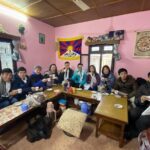
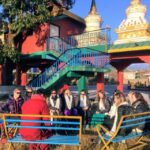
Meeting Mr. Thupten Gyatso and hearing the refugee story
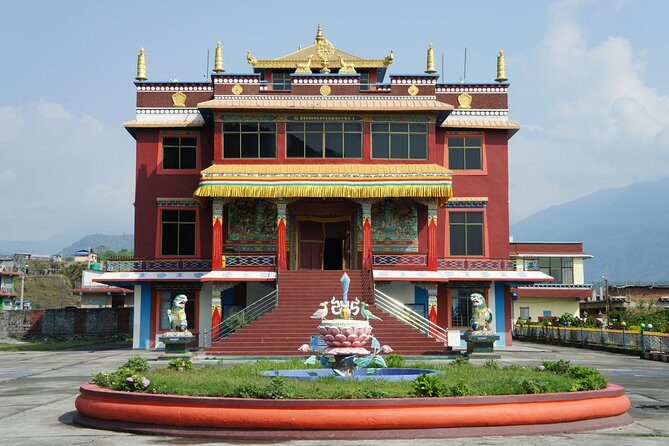
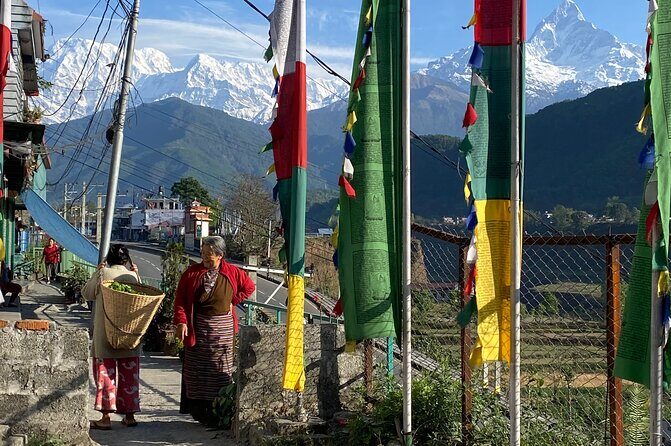
One of the strongest parts of this tour is that you go with Mr. Thupten Gyatso, a guide from the Tibetan refugee community. That matters because the tour isn’t only about religion-as-architecture. You also learn how the community lives in Nepal and what it means to be refugees from Tibet.
The itinerary places you among monks and residents who are refugees, not just visitors to a heritage site. That shift changes the tone of the day: questions like Why this place? and What daily life looks like? come up naturally.
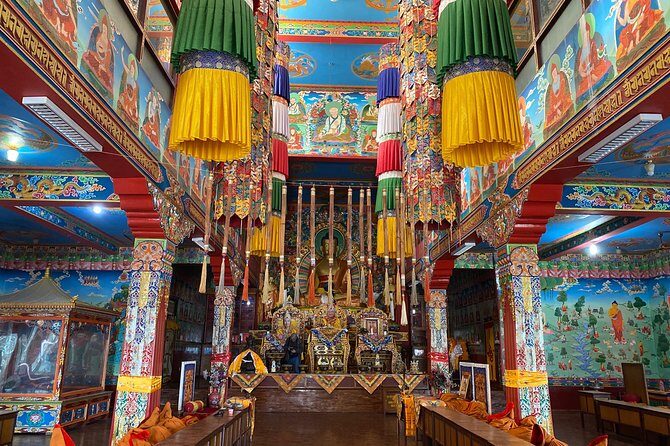
You can expect your guide to explain symbols and images of Tibetan Buddhism, connecting what you see to what it represents. It’s the kind of context that helps you move past photos and understand the meanings behind the details.
Jangchub Choeling Tibetan Monastery: morning prayer and sacred symbolism
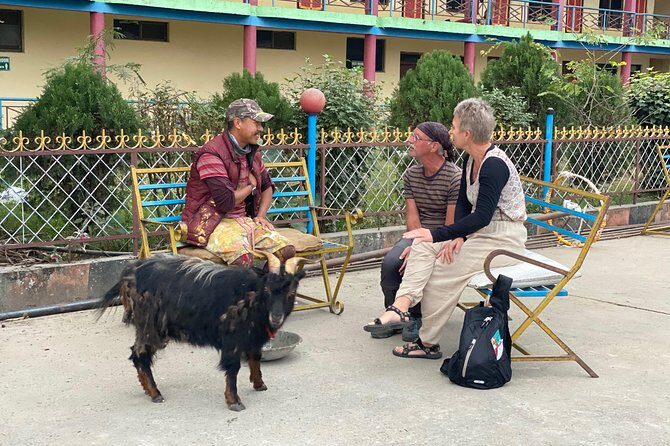
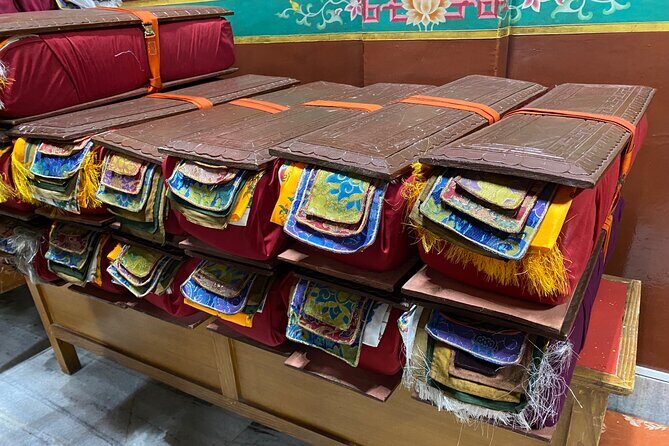
Your first stop is Jangchub Choeling Tibetan Monastery, scheduled for about one hour. The day begins here with a morning group prayer, which is one of the best ways to understand how community worship works—shared time, shared focus, and a routine that visitors can witness respectfully.
Because the tour starts early, you’re more likely to see the monastery in action rather than as a quiet photo stop. And since you’ll be guided through symbols and images of Tibetan Buddhism, this isn’t random sightseeing. You’ll have a framework for what you’re looking at.
A practical note: monastery time can feel still and structured, so you’ll want to keep your phone use respectful and quiet. If you prefer fast, chatter-heavy tours, you might find the monastery portion more reflective than energetic—but that’s also why it’s valuable.
Tashi Palkhel Tibetan Settlement: breakfast in a family home
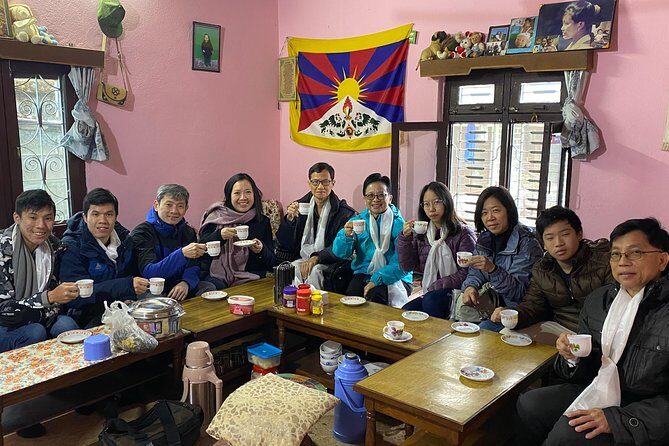
Next you head to Tashi Palkhel Tibetan Settlement, again for about one hour. This is the part I found most human-scale: you visit a local Tibetan family’s home and enjoy a traditional Tibetan breakfast.
There’s a difference between eating at a restaurant and sharing breakfast in a home setting. Here, food becomes part of culture, routine, and community life—especially because your guide is there to add context. You’ll also have tea as part of the morning inclusions, so you’re not just tasting; you’re settling in.
If you’re a bit nervous about how home visits work, you’ll likely feel better once you’re there. The tour is structured, and you have a guide who can help translate etiquette and explain what you’re seeing.
The potential drawback is also pretty obvious: with only about an hour, you won’t have a long conversation or slow meal. You’ll get the experience, but you’ll still have that “can we stay longer?” feeling after.
Pema Ts’al Sakya Monastic Institute: meeting a young monk
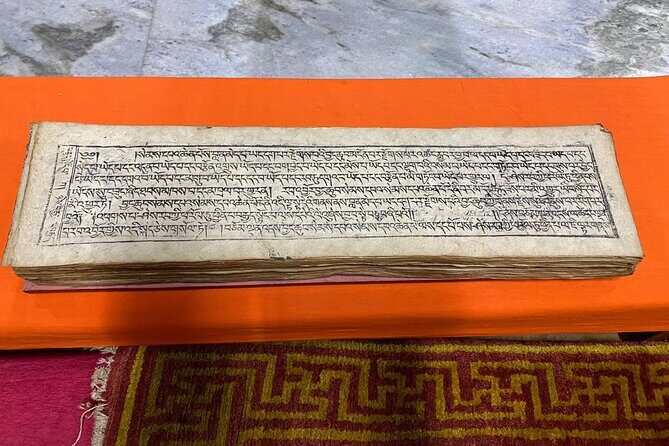
The third stop is Pema Ts’al Sakya Monastic Institute, about an hour. You’ll visit another Buddhist monastery and, importantly, you may meet a young monk who’s eager to share insights into monastic life and education.
This part often lands well because it’s not only about religious buildings. You’re getting a living voice—someone who can explain what daily life involves from a personal point of view. For many people, that’s what turns a cultural tour into a real conversation.
There’s also a subtle benefit to having two monastery stops on the same morning. It gives you a chance to compare how different spaces feel and what emphasis the guide highlights in each place. Even without big sweeping changes, you start noticing patterns in how Tibetan Buddhist institutions function.
One thing to keep in mind: because the tour is time-boxed, you’ll want to listen closely during the Q&A moment. If you keep waiting for later, the morning will move on fast.
A few more Pokhara tours and experiences worth a look
What you’re actually paying for: value at $60
At $60 per person, this tour isn’t trying to compete with cheap group transfers. You’re paying for a guided cultural circuit that includes hotel pickup and drop-off, a professional guide, bottled water, and meals—plus the transport needed to reach the settlements.
The included food is practical value. Breakfast and coffee/tea (and the traditional Tibetan breakfast at the family home) means you’re not scrambling for food after an early start. It’s also one less thing to organize on your own.
The itinerary notes admission tickets are free for the listed stops, which helps clarify what your money supports. Since the core costs are guide time and transport, you get a focused experience rather than paying for entrances and then spending the day on your own.
Not included is lunch, so plan your day accordingly. You’ll finish around 9:00 a.m., which usually makes it easy to eat later in Pokhara, but you’ll want to have that hunger plan in your head.
Pickup, group format, and why logistics matter here
This is a group style tour, and the listing indicates pickup is offered and there are group discounts. That’s a meaningful detail because the tour starts at 5:30 a.m. A self-arranged route that early can become a hassle quickly—especially if you’re trying to avoid wasting time and energy.
You’ll also get a mobile ticket, which is convenient when you’re juggling mornings, phones, and early check-in windows. Since the tour is only 3 to 4 hours, smooth logistics matter more than on a full-day outing.
The group setting has one upside: the guide can shape the explanations so you’re not stuck guessing. You’ll get help decoding what you’re seeing and learning why it matters.
The one downside of any group tour is the pace. You’ll move from stop to stop on schedule, and you can’t linger as long as you might want—especially at the family breakfast portion.
Who should book this Tibetan cultural tour (and who might not)
I’d recommend this tour if you want Tibetan culture through people and daily life, not just monuments. The refugee-community guide and the home breakfast are the ingredients that make the experience feel grounded.
It’s also a good fit if you’re staying in Pokhara and want a morning activity that doesn’t derail the rest of your day. Finishing around 9:00 a.m. leaves room for markets, lakeside downtime, or outdoor plans.
You might want to skip it if you strongly prefer slow travel, independent exploration, or you dislike early mornings. The value depends on accepting the schedule: you’re choosing a compact, structured cultural morning.
Should you book this morning half-day Tibetan cultural tour?
I’d book it if three things matter to you:
- A guide with a Tibetan refugee background, bringing context you can’t easily get on your own
- A monastery morning prayer plus a home breakfast, so you experience faith and community in real settings
- Hotel pickup with meals included, which turns an early start into a manageable plan
If you’re on a tight itinerary, this is a smart way to add depth without sacrificing your whole morning. If you’re sensitive to rushed schedules, treat the time limit as part of the deal and come ready to absorb more than you debate.
Overall, this is one of those half-day experiences that feels efficient because it’s structured around real daily moments—prayer, learning, and breakfast—rather than just checking boxes.
FAQ
FAQ
What are the tour times?
The tour departs at 5:30 a.m. and returns at about 9:00 a.m., with an overall duration of about 3 to 4 hours.
Where does the tour go?
You visit Jangchub Choeling Tibetan Monastery, Tashi Palkhel Tibetan Settlement, and Pema Ts’al Sakya Monastic Institute.
Is hotel pickup and drop-off included?
Yes. Hotel pickup and drop-off are included as part of the tour.
What meals are included?
You’ll have breakfast and coffee and/or tea. The settlement stop also includes a traditional Tibetan breakfast with a local Tibetan family.
Do I need to pay for admissions at the stops?
The itinerary lists admission ticket free for each of the stops.
Does the tour include a driver or guide?
Yes. The tour includes a driver/guide and a professional guide.
Is lunch included?
No. Lunch is not included, so you’ll need to plan for it after the tour ends.
How much does the tour cost?
The price is $60.00 per person.
When should I book?
On average, it’s booked about 5 days in advance.