REVIEW · POKHARA
Full Day Tibetan Cultural Tour
Book on GetYourGuide →Operated by The Tibetan Encounter Day Tours (P) Ltd · Bookable on GetYourGuide
Monks, medicine, and butter tea in one day. What makes this Pokhara experience special is the way it connects Tibetan symbols, day-to-day monastic life, and refugee community reality—guided by Mr. Thupten Gyatso with stops in Tibetan refugee settlements near the Pokhara valley.
I especially love two parts: the prayer chanting and monk conversations, where you can ask questions and hear how practice works in real life, not just on a signboard; and the food moments—making tsampa and sipping salted butter tea—because culture ends up on your tongue, not only in your head.
The only real drawback is time and pace. It’s a long day with walking and several structured stops, so wear comfortable shoes and don’t schedule a late-night plan afterward.
In This Review
- Key highlights you should care about
- From Pokhara lakeside to Tibetan life: what this day is really about
- Your guide, Mr. Thupten Gyatso, and why the explanations feel practical
- Tashiling Tibetan settlement: symbols you can point to, plus tea and lunch
- Pema Ts’al Sakya Monastic Institute: monk studies, instruments, and group prayer
- Hemja Tibetan refugee camp: tea, snacks, and seeing history in place
- Handmade Tibetan carpets: what you learn before you ever see a showroom
- Tibetan medicine consultation: pulse reading and how diagnosis is described
- The food you’ll actually remember: momos, thenthuk, butter tea, tsampa
- Time on your feet and how to plan your Pokhara day
- Is $82 good value near Pokhara? A practical reality check
- Should you book the Tibetan Cultural Tour near Pokhara?
- FAQ
- How long is the Tibetan Cultural Tour?
- Is pickup and drop-off included?
- What is the group size and is the guide English-speaking?
- What places will I visit during the day?
- What food is included, and are there vegetarian options?
- Is the Tibetan doctor consultation included?
- What is the cancellation policy?
- Is the tour suitable for wheelchair users and small children?
Key highlights you should care about
- Small group (up to 8) means questions actually get answered.
- Two Tibetan refugee settlements help you compare how traditions are carried forward in Nepal.
- Monastery time with chanting includes seeing instruments and hearing the rhythm in person.
- Carpet workshop + showroom shows both the making process and finished design choices.
- Tibetan doctor consultation with pulse reading gives you direct context for traditional diagnosis.
- Lunch and afternoon tea go beyond snacks, with momos, thenthuk, tsampa, and salted butter tea.
From Pokhara lakeside to Tibetan life: what this day is really about
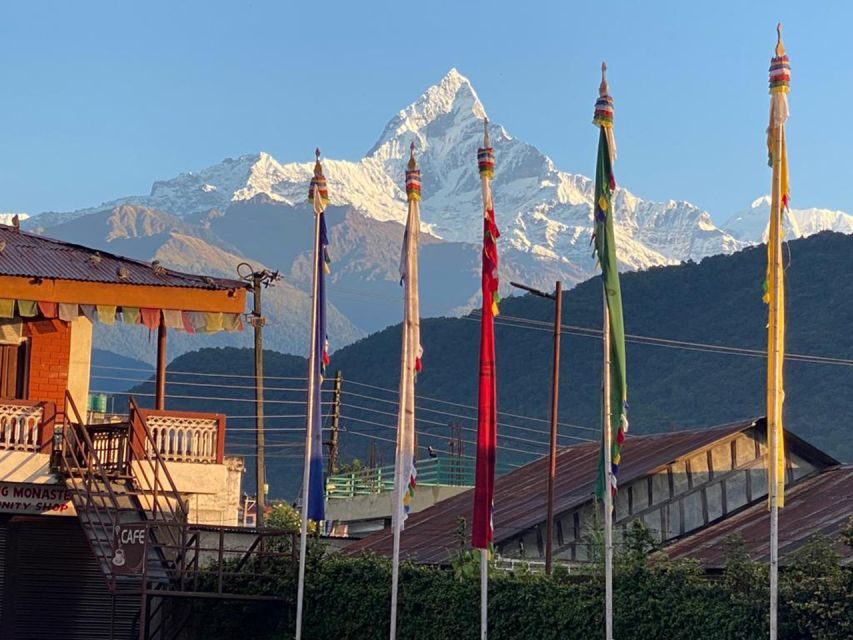
This is a full-day Tibetan cultural experience in the western region of Nepal, starting from Pokhara’s lakeside area and running about 8 hours. The value isn’t only the sights. It’s the access: you’re not just passing temples, you’re meeting people, hearing explanations, and tasting food that Tibetan refugees have built into daily routine.
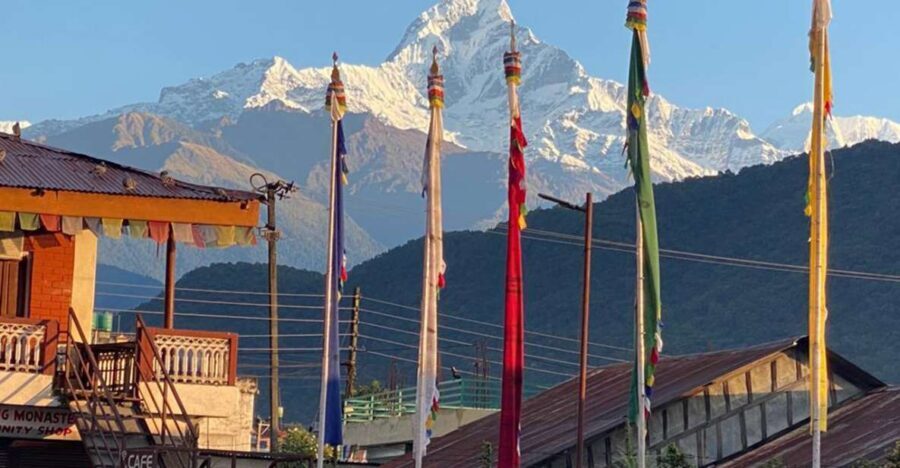
You’ll move between two Tibetan settlement areas and a monastic institute, with breaks for tea, food, and conversation. Along the way, the day focuses on the symbols of Buddhism you’ll see everywhere—prayer wheels, prayer flags, stupas—and how those ideas connect to everyday habits and beliefs.
If you like travel that feels human—questions answered in plain English, not rehearsed script—this tour fits well. If you’re chasing only photo stops, the day might feel a bit more structured than you expect.
You can also read our reviews of more historical tours in Pokhara
Your guide, Mr. Thupten Gyatso, and why the explanations feel practical
Mr. Thupten Gyatso is the heart of the day. He’s a Tibetan native from the region, and his role isn’t just to translate. He ties together history, religion, and daily life so it actually makes sense in the moment you’re standing there.
What I like about his approach is that the focus stays on cause and meaning. When you see Buddhist symbols—like prayer wheels or flag structures—he doesn’t treat them as decoration. You learn what they represent and why they show up repeatedly in community life.
You’ll also see a history photo gallery that helps place the refugee story in context, including images from the early 60s and the journey of the Dalai Lama into exile in India. For many visitors, that’s the moment the cultural experience stops feeling like a theme tour and starts feeling grounded.
Tashiling Tibetan settlement: symbols you can point to, plus tea and lunch
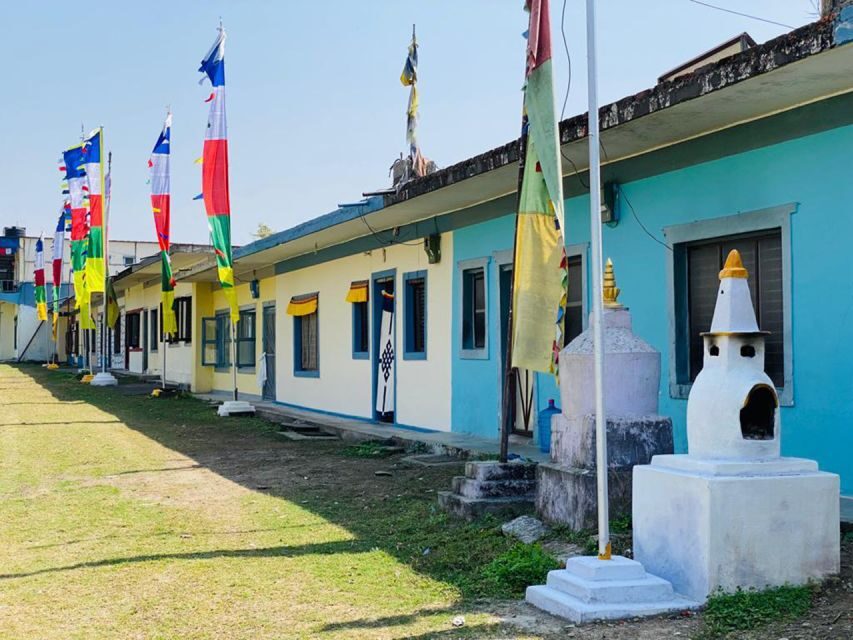
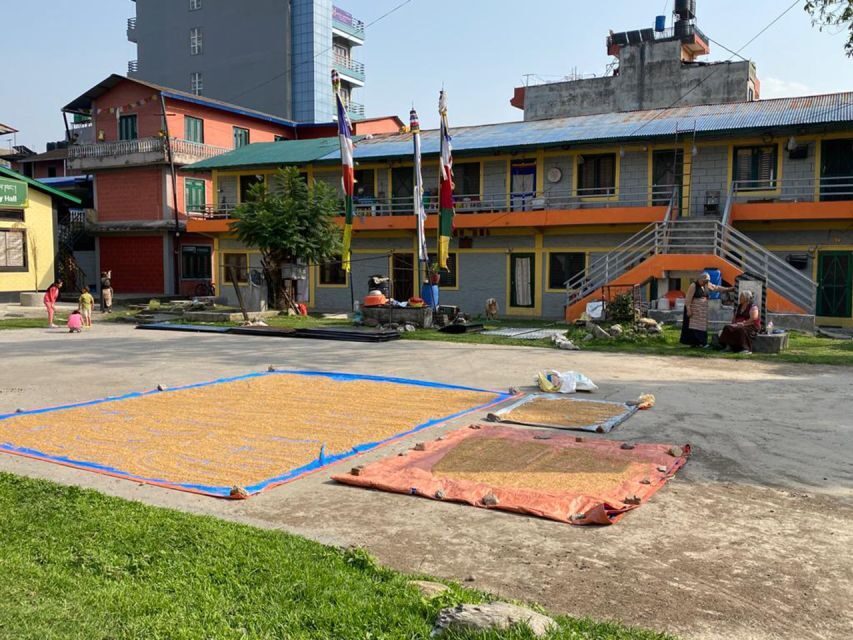
Your first long block of the day is time at Tashiling Tibetan settlement, with photo stops, a guided walk, and plenty of chances to stop and look closely. This is where the tour’s educational angle shows up most clearly: you learn how Buddhist religious symbols operate in daily life.
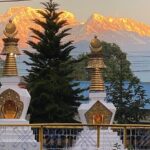
Expect to hear explanations of things you’ll likely see repeatedly in Tibetan settlements: prayer wheels, prayer flags, and stupas. The goal is simple: once you understand the symbol, the scene changes from busy to meaningful. You start noticing patterns, not just objects.
Food is built into the visit here too. You’ll have a Tibetan-style lunch and drinks during the day, and later you’ll add even more tasting at a local home. The lunch typically includes Tibetan classics such as momos and thenthuk, and the tour offers both vegetarian and non-vegetarian options, so you can match the meal to your needs.
One practical note: this section is part scenic drive, part walking, part listening. Go slowly with your energy, and you’ll enjoy it more.
Pema Ts’al Sakya Monastic Institute: monk studies, instruments, and group prayer
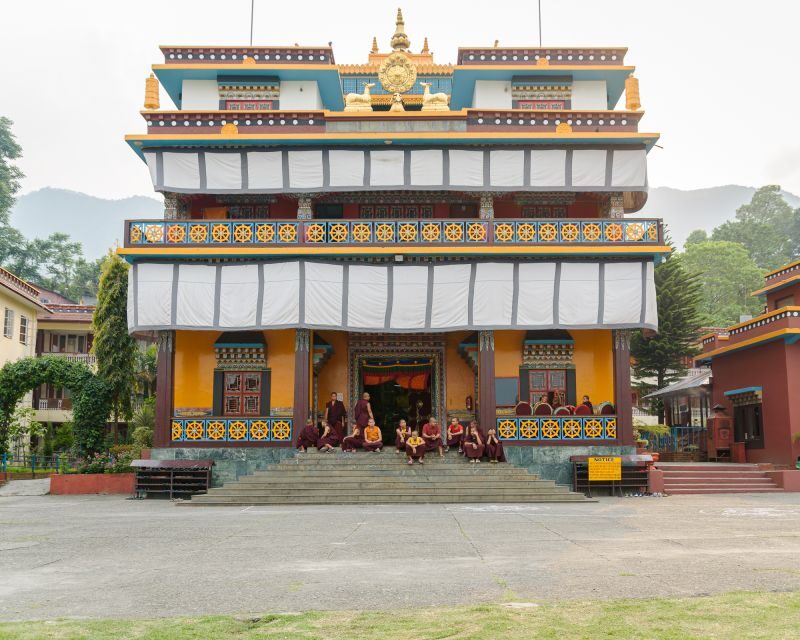
After the first settlement, the day moves to Pema Ts’al Sakya Monastic Institute. Even if you’ve visited monasteries before, this stop is about understanding monk life as a daily rhythm—studies, chanting, and the activities that fill the schedule beyond the obvious ceremonies.
You’ll also get time to learn what happens during afternoon group prayer chanting. A highlight here is the soundscape: the ceremony includes multiple instruments, and you can feel the vibration through the space. It’s one of those things that photographs can’t explain well, because the meaning is in the experience of sound and repetition.
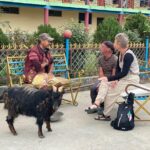
There’s also a chance to interact with a young monk. This is the kind of conversation that helps you separate assumptions from reality. Instead of getting generic explanations, you can ask about studies and daily activities and get answers in the context of a real monastic routine.
The main consideration? Keep your questions respectful and simple. If you come in with curiosity rather than debate, the conversation will feel easier for both you and the people you meet.
Hemja Tibetan refugee camp: tea, snacks, and seeing history in place
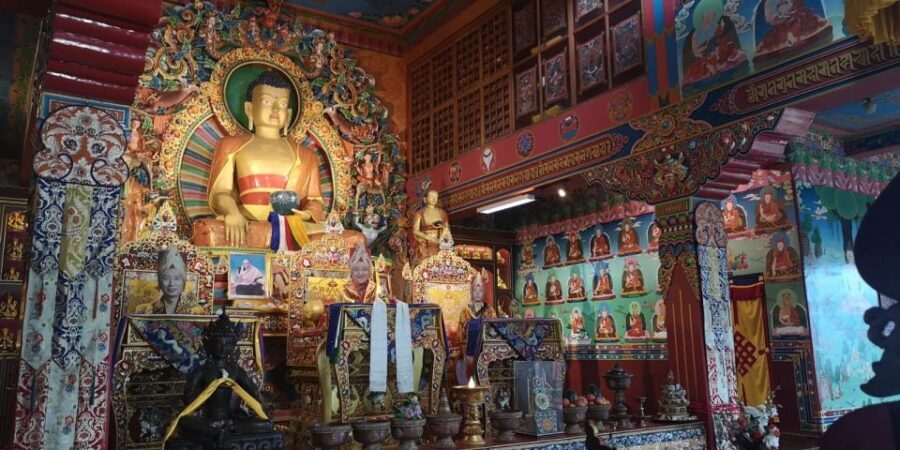
Next comes Hemja Tibetan refugee camp, another key settlement stop where you’ll spend a couple hours for guided tour time, photos, and a walking segment. You’ll also have tea and some form of brunch or snacks here, which is a nice rhythm break if the earlier part of the day already brought a lot of explanation.
Hemja is also where the refugee story becomes more concrete. You’ll see history material during the day through a photo gallery that covers early refugee images and the broader exile journey connected with the Dalai Lama. That background matters because it changes how you interpret the community: traditions aren’t only cultural heritage, they’re continuity under difficult circumstances.
I also like that this section gives you time to observe without being rushed. That matters in refugee communities, where the temptation can be to treat people and buildings like scenery. Here, the tone stays educational and focused on meaning rather than quick sightseeing.
If you’re sensitive to crowding or you’re easily overwhelmed by new visual information, take a slow breath when you arrive. You’ll get plenty of stimulation during the full day.
A few more Pokhara tours and experiences worth a look
Handmade Tibetan carpets: what you learn before you ever see a showroom
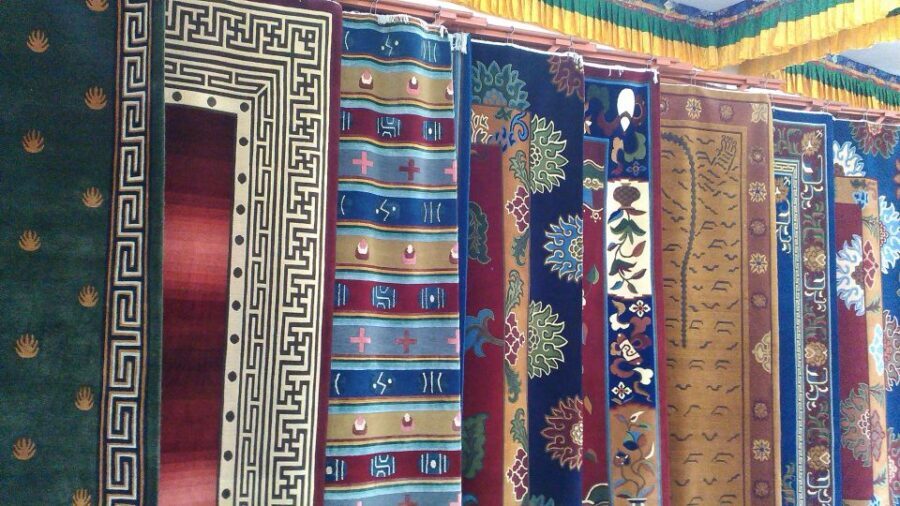
Some tours sell carpets. This one tries to explain the craft first. You’ll visit both a carpet workshop and later a carpet showroom, so you can connect the process to what ends up as a finished product.
In the workshop, the point is the steps. You’ll see how Tibetan carpets are made by hand, and Mr. Thupten Gyatso will explain the process along the way. Even if you don’t buy anything, this is one of the best stops on the day because it turns a common souvenir into a real craft with effort behind it.
Then the showroom adds the visual contrast: you can browse variety in colors and designs. It’s a good place to ask questions like what patterns mean or how designs differ, because you’re not starting from zero anymore—you already understand the labor side.
If you do plan to purchase, keep your priorities clear. A carpet is personal, heavy, and time-consuming to manage, so shop with a budget and a plan for how you’ll handle transport once you’re back in Pokhara.
Tibetan medicine consultation: pulse reading and how diagnosis is described
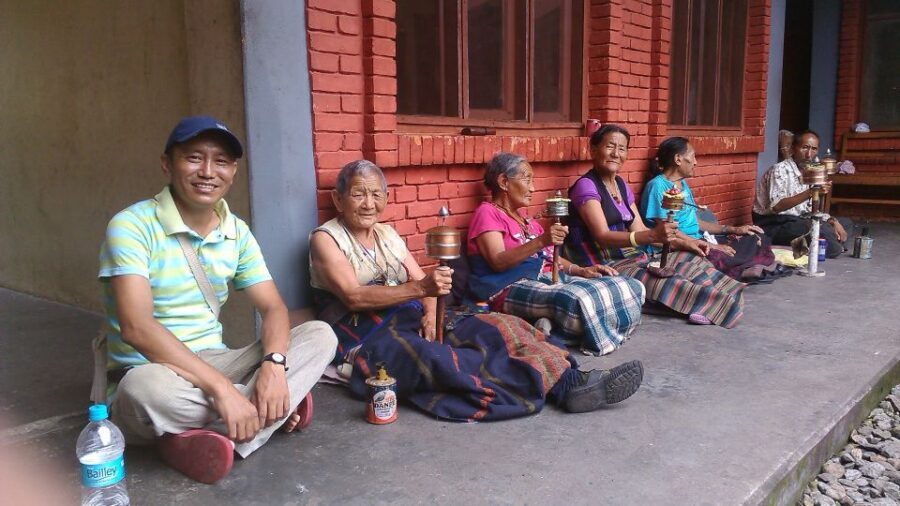
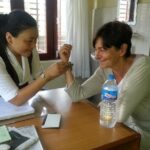
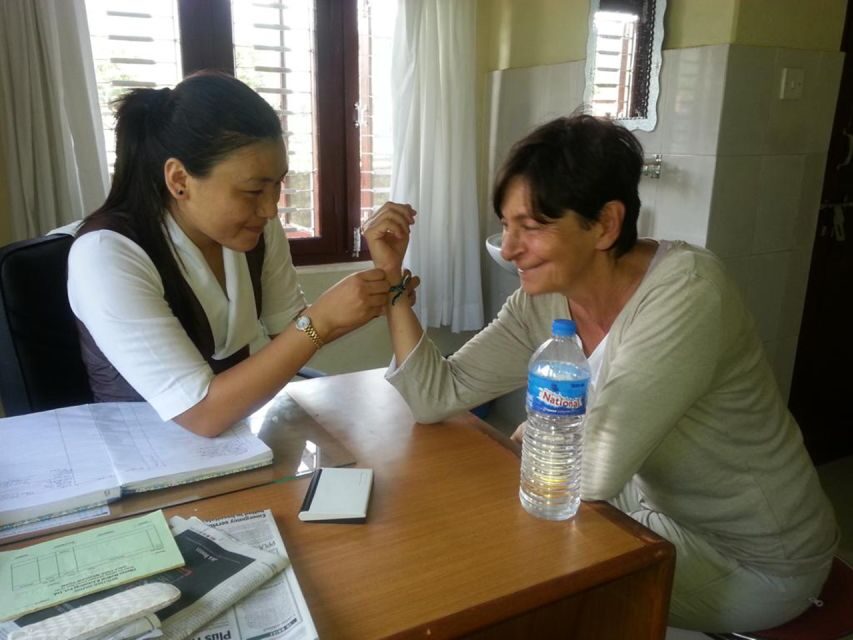
One of the most distinct stops is the visit to a Tibetan medical center, including a doctor consultation. The consultation includes pulse reading, and you’ll learn about the Tibetan medical system, including approaches to treatment and diagnosis.
This is one of those experiences that can feel surprisingly practical. Instead of only talking about religious practice, the day also shows how Tibetan culture organizes health, wellbeing, and assessment through its own framework.
If you’re wondering about medicines: the tour notes that if you’re interested, you can purchase medicines separately. That means the consultation is covered, but remedies aren’t bundled automatically.
A good travel habit here is to bring your curiosity and also your common sense. If you have any medical conditions, it’s still smart to follow your standard healthcare plan at home. Treat this as cultural insight and a chance to ask questions, not as a replacement for urgent care.
The food you’ll actually remember: momos, thenthuk, butter tea, tsampa
Food is a big part of what makes this tour feel real. At lunch, you’ll have Tibetan options including momos and thenthuk, a nourishing soup with freshly kneaded dough plus meat and vegetables. The tour also offers vegetarian options, so you’re not forced into one style of eating.
Then, later in the day, you’ll experience Tibetan afternoon tea at a local family home. This is more than tea in a cup. You’ll taste salted butter tea, learn about and try tsampa (roasted barley flour), and also eat Tibetan bread with honey, butter, and peanut butter.
What I like about these tasting moments is that they teach you how a settlement builds comfort and identity through food. You’re not just eating to fill time; you’re eating what people actually serve in daily life.
If you have dietary restrictions, ask the guide early. You can’t assume every kitchen uses the same ingredients, and the most respectful approach is to tell Mr. Thupten Gyatso clearly what you need.
Time on your feet and how to plan your Pokhara day
This tour is 8 hours. That sounds simple until you remember it includes scenic driving, multiple visits, walking in settlement areas, and group time for chanting and conversations. Since wheelchair users are not suitable for the tour, plan on stairs, uneven ground, and a bit of walking.
Comfort matters. Bring shoes you can walk in for real. Also consider a light layer, because monasteries and indoor prayer spaces can feel cooler than you expect.
The good news for energy: the tour includes drinks like mineral water, fresh juice, tea, and coffee, plus meals during the day. You won’t have to constantly hunt for refreshments between stops.
If your hotel is outside the lakeside area, there’s an additional transportation fee depending on location. That’s normal for tours out of Pokhara, but it’s worth checking before you commit so there are no surprises.
Is $82 good value near Pokhara? A practical reality check
At $82 per person for a full day, the value depends on what you want from your time in Pokhara. If your goal is only a few temples and a photo haul, you might feel the price is too high.
If your goal is meaningful access—two different Tibetan settlements, a monastic institute visit, prayer chanting with instruments, conversations with monastics, a carpet workshop and showroom, a doctor consultation with pulse reading, and Tibetan lunch plus butter tea—then $82 starts to look like a fair deal. You’re paying for guided context and multiple structured encounters, not just transportation.
The small-group format helps a lot here too: it’s limited to 8 participants, which makes it easier to ask questions and keep the day from turning into a silent bus tour.
My advice: treat this as a learning day. If you go with that mindset, you’ll feel the price was spent on people, not on boxes you check.
Should you book the Tibetan Cultural Tour near Pokhara?
Book this tour if you want more than buildings. Choose it if you care about Tibetan Buddhist symbols, you like hands-on explanations (carpets, tea, food), and you’re genuinely interested in how monastic life and traditional medicine work in practice. You’ll also appreciate the refugee history context that shows up through the photo gallery.
Skip it if you want a slow, flexible day with minimal walking and no structured group moments. It’s also not suitable for wheelchair users and it isn’t for children under 2 years.
If you’re on the fence, think about this: the unique part isn’t one location. It’s the mix—monks, doctor pulse reading, craft, and meals—connected by one guide who keeps pulling the meaning back into focus.
FAQ
How long is the Tibetan Cultural Tour?
The full day tour lasts 8 hours.
Is pickup and drop-off included?
Yes, pickup and drop-off are included around the Pokhara lakeside area. If your hotel is outside that area, there is an additional transportation fee depending on your location.
What is the group size and is the guide English-speaking?
The group is limited to 8 participants. The live tour guide speaks English.
What places will I visit during the day?
You’ll visit two Tibetan refugee settlements near Pokhara valley, a monastic institute/monastery setting for symbols and monk interactions, a Tibetan carpet workshop and a carpet showroom, and a Tibetan medical center. You’ll also spend time at a local Tibetan family home for afternoon tea/snacks.
What food is included, and are there vegetarian options?
Lunch is included and Tibetan food like momos and thenthuk are served. The tour offers both vegetarian and non-vegetarian options. Mineral water and tea/coffee are also included, plus afternoon tea with butter tea and tsampa.
Is the Tibetan doctor consultation included?
Yes, the tour includes a consultation with a Tibetan doctor, including pulse reading. Medicines, if you want them, can be purchased separately.
What is the cancellation policy?
You can cancel up to 24 hours in advance for a full refund.
Is the tour suitable for wheelchair users and small children?
No. The tour is not suitable for wheelchair users, and it is not suitable for children under 2 years.