REVIEW · KATHMANDU
Everest Base Camp Trek
Book on Viator →Operated by Himalayan Leisure, Inc. · Bookable on Viator
Lukla first, Everest later. This 15-day Everest Base Camp trek is built around the Lukla landing and real Sherpa culture, with porters carrying your load while your guide handles the plan, meals, and sleeping. I like that you get key trek gear in advance (including a down jacket, sleeping bag, and duffel bag), and I like the relaxed-but-structured rhythm of a private small group that goes at your own pace. The main drawback to weigh is that Lukla flights can be weather-sensitive, so you’ll want to stay flexible.
What makes this trip feel practical is how much is pre-arranged: airport transfers in Kathmandu, domestic tickets Kathmandu–Lukla–Kathmandu (including for the guide), Everest National Park entry, TIMS registration, and a guide-supported first aid kit. The guides named in feedback I read, like Lok and Khila, are repeatedly praised for keeping logistics smooth and pace steady—exactly what you want when you’re tired, cold, and thinking about altitude.
In This Review
- Key Things I’d Notice Before Booking
- Getting From Kathmandu to Lukla: The Flight That Sets the Tone
- What the Included Gear and Porters Actually Mean for You
- Price and Value: What $1,408 Covers (and What It Doesn’t)
- Day-by-Day Trek Walkthrough: From Phakding to the Khumbu Passes
- Day 1: Kathmandu Setup
- Day 2: Flight to Lukla, Then to Phakding
- Day 3: Pine Forests, Hilary Bridge, and Early Trek Rhythm
- Day 4: Acclimatization Options That Keep You Moving Smart
- Day 5: To Kyanjuma, Tea Breaks, and the Dudh Koshi Crossing
- Day 6: Pangboche (3,930M) and the Everest Climber Village Feel
- Day 7: Second Acclimatization Day and Nagarkhang Peak Hike (~5,000M)
- Day 8: Pheriche Ridge to Dughla, Then Up Toward Dughla Pass
- Day 9: Glacier Walking and the Oxygen Drop
- Day 10: Kalatthar Before Sunrise for the Big Khumbu View
- Day 11: Debuche and Tengboche, Then Down to Phungi Tenga
- Day 12: Jorsalle Back to Phakding to Close the Walking Loop
- Day 13: Lukla to Kathmandu by Plane
- Day 14: Free Kathmandu Day for Shopping and Weather Insurance
- Day 15: Departure Day With Airport Transfer
- The Guide and Sherpa Support: Why Names Like Lok and Khila Matter
- What to Expect Physically (and How Moderate Fitness Plays In)
- Should You Book This Everest Base Camp Trek?
- FAQ
- What’s included in the trekking price?
- Do I need my own sleeping bag and down jacket?
- Are porters provided?
- How does acclimatization work on the itinerary?
- What level of fitness do I need?
- If flights get canceled due to weather, is there a backup?
Key Things I’d Notice Before Booking
- Pre-loaded gear: Down jacket, four-season sleeping bag, and a duffel bag (returned after the trip).
- Porters + organization: Porters carry your gear, and your guide coordinates the rest of your day.
- Lukla flight reality: One of the most adventurous flight segments in Nepal can mean schedule shifts.
- Built-in acclimatization: Rest days with options like Khumjung and Khunde, Everest View Hotel hike, Thame, or Nagarkhang Peak.
- A standout sunrise objective: Kalatthar is planned early, aiming for classic Khumbu Valley views.
Getting From Kathmandu to Lukla: The Flight That Sets the Tone
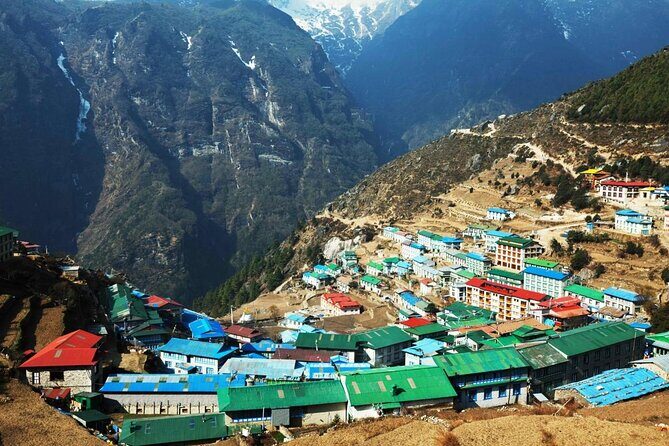
Start with Kathmandu. Day 1 is a straightforward arrival setup: an airport representative meets you with a name card, then you transfer to your hotel. That matters because trekking starts feeling real only when you’ve got sleep, time, and less stress on day one.
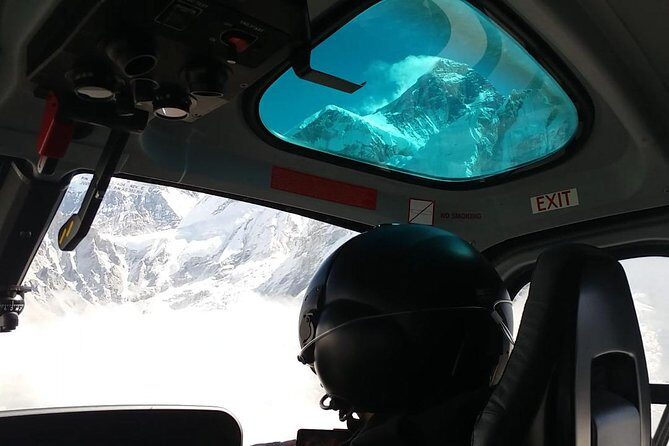
Then comes the big transition: a flight to Lukla on Day 2. The Lukla airport is famous for being an adrenaline-charged arrival. You should treat it as both a travel moment and a gear-test: you’ll likely land and quickly move into trek mode, and you’ll want to be mentally ready for that fast pivot.
The trek company also plans a return buffer in Kathmandu later (a free day on Day 14). That’s not just “extra time.” It’s there because Lukla flights can be disrupted by weather. In practice, this reduces the chance you’ll feel trapped by a tight international schedule.
You can also read our reviews of more hiking tours in Kathmandu


What the Included Gear and Porters Actually Mean for You
This is one of those trips where the value isn’t only the destination. It’s how much daily load and decision-making the plan removes.
You’re traveling with:
- down jacket
- four-season sleeping bag
- duffel bag (returned after completion)
- guide + porters the entire way
- meals and accommodation included across the trekking days
So instead of spending your time at the last minute hunting for equipment in Kathmandu, you show up and start. That reduces risk too—like realizing your sleeping setup isn’t warm enough once you’re already at altitude.
Porters are the other big deal. They carry your gear, while your guide organizes what comes next. That means your “personal work” stays focused on walking, hydration, and adjusting your effort. You’ll still do the climb yourself, but the trip is designed so you aren’t also managing heavy bags at high altitude.
Price and Value: What $1,408 Covers (and What It Doesn’t)
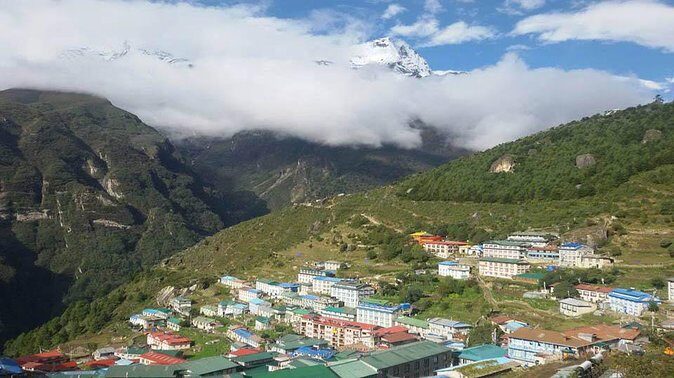
At $1,408 per person, this is positioned as an all-inclusive trek package in the Nepal sense: logistics, professional support, permits, and daily food and lodging are included. That’s why it can feel like good value compared to DIY trekking, where you’d need to piece together guide, porters, permits, and equipment rentals on your own.
Here’s what’s clearly covered:
- pickup and drop services via private vehicle in Kathmandu
- Kathmandu–Lukla–Kathmandu domestic airline tickets (including for the guide)
- Everest National Park Entry Permit
- TIMS registration card
- government-licensed English-speaking trekking guide
- strong Sherpa helpers/porters (with meals, accommodation, salary, and insurance)
- first aid medical kit carried by the guide
- meals and accommodation on trekking days (plus breakfast daily as listed)
What’s not included:
- international airfare and Nepal visa fees
- travel and medical insurance, plus emergency evacuation
- personal expenses (drinks, hot showers, laundry, phone, snacks, that kind of thing)
My takeaway: the pricing makes sense if you want less admin and more time to recover, acclimatize, and enjoy the trail. If you already have gear, permits, and want total autonomy, you might compare with cheaper alternatives—but this one spends money where it counts: safety structure, daily care, and operational planning.
Day-by-Day Trek Walkthrough: From Phakding to the Khumbu Passes
The itinerary has a classic Everest Base Camp flow, with gradual progression, planned breaks, and key view moments.
Day 1: Kathmandu Setup
You land, you meet the airport representative, and you transfer to your hotel. This is a low-drama start day. You’re not trekking yet, but you’re getting something important: a buffer for sleep, hydration, and getting your bags sorted.




Day 2: Flight to Lukla, Then to Phakding
You fly about 30 minutes to Lukla, then trek toward Phakding. This is where the Himalaya begins to feel real: first views, pine forest air, and the sense that you’ve started moving above daily life.
Day 3: Pine Forests, Hilary Bridge, and Early Trek Rhythm
The trail starts with gentle ascending before Monjo. Lunch happens around Jorsalle, then you continue to Hilary Bridge through pine forests. After you cross the bridge, the route turns more steep as the day stretches on.
This day is a warm-up that also trains you mentally: you’ll learn quickly what “steady effort” feels like, and you’ll find your pace early, which helps later when oxygen is lower.
Day 4: Acclimatization Options That Keep You Moving Smart
Day 4 is a rest and acclimatization day. You’ll do an acclimatization hike with options such as:
- Khumjung and Khunde
- Everest View Hotel hike
- Thame hike
- National Park-related options (listed as alternatives)
I like days like this because they teach the core altitude strategy: you move up, you don’t panic, you come back down. It’s not about speed; it’s about learning your body’s limits.
Day 5: To Kyanjuma, Tea Breaks, and the Dudh Koshi Crossing
You ascend toward the national park headquarter and follow the trail to Kyanjuma. There may be a short tea break before descending to Phungi Thanga for lunch, then you cross the Dudh Koshi river.
Crossings like the Dudh Koshi are more than scenic—they remind you the region’s rivers shape the trek. Watch your footing and take your time. This is where rushing costs energy you’ll need later.
Day 6: Pangboche (3,930M) and the Everest Climber Village Feel
You follow the Imja Khola toward Pangboche at 3,930M. Pangboche is described as home to many renowned Everest climbers and as a brave Sherpa community.
This is a meaningful cultural stop. You’re not just walking past places—you’re arriving in a village that’s been part of Everest history for a long time. If you care about Sherpa culture, this is one of the more authentic-feeling days.
Day 7: Second Acclimatization Day and Nagarkhang Peak Hike (~5,000M)
Another rest and acclimatization day, this time with a hike to Nagarkhang Peak around 5,000 meters. It’s planned to give you Himalayan beauty and broad viewpoints.
This is also a good day to practice your “slow is fast” technique: controlled pace, short breaths, and no heroic surges. It’s hard work, but the reward is a better understanding of what high-altitude effort costs.
Day 8: Pheriche Ridge to Dughla, Then Up Toward Dughla Pass
You follow the ridge above Pheriche until Dughla. Lunch happens in Dughla, then there’s steep climbing toward Dughla pass.
This is where the trek starts asking for more from your legs and your breathing. If you go too fast, you’ll feel it. If you stick to steady movement, you’ll keep your energy for the glacier days ahead.
Day 9: Glacier Walking and the Oxygen Drop
The first part is described as easier before you begin ascending over glaciers, where the trail gets harder due to oxygen levels and trail difficulty.
Glacier walking is a special kind of focus day. I recommend you treat it like this: one careful step at a time, don’t overthink, and follow your guide’s lead. This is the kind of day where you’ll appreciate having the guide and support team organizing the route.
Day 10: Kalatthar Before Sunrise for the Big Khumbu View
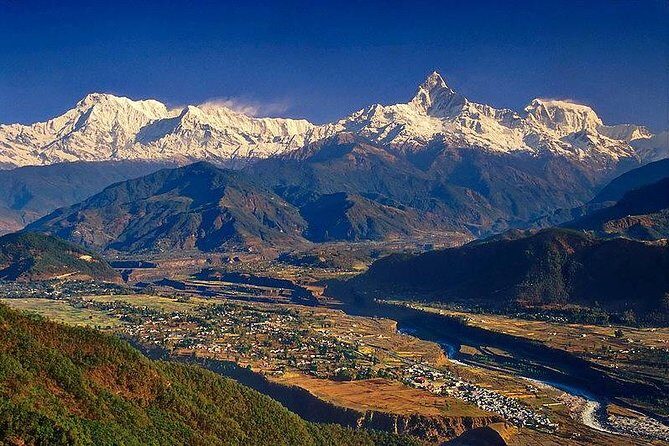
You wake early and hike to Kalatthar before the sun comes up. It’s known as the famous viewpoint of Khumbu valley, aimed at towering Himalayan peaks.
This is the emotional peak of the trek for many people because it feels like you’ve earned the sight. But plan for cold. Even when conditions are clear, pre-dawn temps can bite, and your body will feel every bit of altitude.
Day 11: Debuche and Tengboche, Then Down to Phungi Tenga
You pass through Debuche and Tengboche village, then you start steep descending to Phungi Tenga for lunch on the bank of the Dudhkoshi River. After lunch, you ascend toward Kyanjuma.
Tengboche-style areas often feel like the trek’s “people day”: more villages, more interaction, and a shift in rhythm from glaciers back to trail hiking. The steep descending can feel tough too—use trekking poles if you have them, and keep your steps controlled.
Day 12: Jorsalle Back to Phakding to Close the Walking Loop
You descend steeply to Jorsalle and continue to Phakding for lunch and breakfast. You’re coming toward the end of the walking portion, returning toward Lukla afterward.
This day can feel surprisingly emotional. You’re tired, but you can also see the finish. I’d keep your pace honest; don’t sprint just because you’re close.
Day 13: Lukla to Kathmandu by Plane
In the morning, you go to the airport and fly back to Kathmandu. The flight is described as breathtaking and there’s a practical tip: you may want to sit on the right side for beautiful views.
This is when you’ll likely notice altitude in reverse. Your body has been living in a slow oxygen world, and then suddenly you’re back in a different atmosphere. Drink water, take it easy, and don’t schedule anything stressful.
Day 14: Free Kathmandu Day for Shopping and Weather Insurance
You get a free day in Kathmandu before your international flight. Lukla weather can cause cancellations or delays, and this day is used as a buffer. You’ll have time for shopping and a normal city rhythm.
This is one of the most useful features in the whole design. It helps you manage the main risk factor of the route without turning the trip into a constant panic clock.
Day 15: Departure Day With Airport Transfer
On the last day, you drive to the airport roughly 3 hours before your flight time. The airport experience is described as small with one terminal.
That’s a good detail to know ahead of time: keep your airport timing calm, and plan to move efficiently.
The Guide and Sherpa Support: Why Names Like Lok and Khila Matter
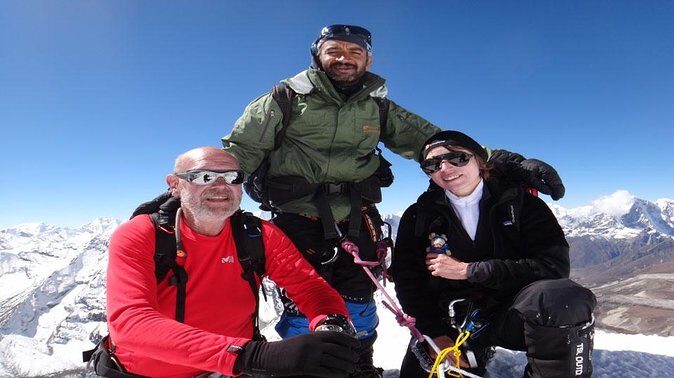
Support can be the difference between a tough trek and a well-paced one. The feedback highlights specific guides, including Lok and Khila, and also guide names like Lal and Ossman. People credit them with taking care of details, knowing the route well, and keeping a perfect pace.
Even without seeing the inside of their operations, the trek package itself is set up to match that style:
- guide coordinates the route and timing
- porters handle your gear
- a strong team is involved with meals, accommodation, and insurance
- a first aid kit is carried
That’s why I’d call this a value-focused trek. It’s not just “people will help.” It’s a structured staffing plan aimed at making the days smoother when you’re tired.
Also, the itinerary places you in Sherpa-heavy villages like Pangboche. That gives the culture component something real to stand on, not just a quick photo stop.
What to Expect Physically (and How Moderate Fitness Plays In)
This trek asks for moderate physical fitness. That’s a useful phrase because Everest Base Camp isn’t a flat walk. You’ll climb, descend, and spend days at altitude where effort feels heavier.
Key point: the itinerary includes acclimatization days rather than just pushing upward. That helps you manage altitude more intelligently. Still, you should treat the trek as physically demanding, especially on:
- glacier days
- steep sections near pass climbs
- early cold mornings to reach Kalatthar
If you’re the kind of traveler who gets frustrated by slower pace and careful breathing, you might find this challenging. If you’re the kind of traveler who likes deliberate effort and steady progress, it fits well.
Should You Book This Everest Base Camp Trek?
I’d book it if you want:
- a well-organized trek that covers permits, TIMS, meals, lodging, and gear
- a small-group feel where your pace is respected
- porters so you’re not carrying heavy loads
- a guide team supported by strong Sherpa helpers
- a plan that accounts for Lukla flight weather with a buffer day in Kathmandu
I wouldn’t book it if:
- your schedule cannot absorb domestic flight changes
- you’re uncomfortable trekking with altitude realities (oxygen + cold mornings)
- you’re hoping to travel ultra-budget with minimal services
If you want Everest without turning every day into logistics homework, this package looks like a solid, practical choice.
FAQ
What’s included in the trekking price?
The package includes Kathmandu hotel transfers by private vehicle, Kathmandu–Lukla–Kathmandu domestic airline tickets (including for the guide), Everest National Park entry permit, TIMS registration, an English-speaking trekking guide, Sherpa porters (with meals, accommodation, insurance, and salary), down jacket, sleeping bag, duffel bag, a first aid kit carried by the guide, and meals and accommodation during the trek.
Do I need my own sleeping bag and down jacket?
No. The tour provides a four-season sleeping bag and a down jacket, plus a duffel bag that is returned after the trip.
Are porters provided?
Yes. Porters carry your gear and your guide organizes the rest of the trek so you can focus on walking.
How does acclimatization work on the itinerary?
There are two rest and acclimatization days with hike options, including Khumjung and Khunde, Everest View Hotel hike, Thame hike, and a day hike to Nagarkhang Peak around 5,000 meters.
What level of fitness do I need?
The trek is listed for travelers with moderate physical fitness. It includes steep climbs, glacier walking, and early morning hikes at altitude.
If flights get canceled due to weather, is there a backup?
The plan includes a free day in Kathmandu used as potential coverage for Lukla flight weather issues and cancellations/delays. If the experience is canceled due to poor weather, you’ll be offered a different date or a full refund.