REVIEW · POKHARA
Annapurna: Mardi Himal Base Camp Trek
Book on Viator →Operated by Couch Adventure Nepal (CAN) · Bookable on Viator
Quiet trails, big Himalayan payoff. This Mardi Himal Base Camp trek from Pokhara keeps the focus on mountain views and a calmer feel than the busier routes, while still taking you up to 4500m. I love how the itinerary mixes forest paths, villages, and clear camp-day viewpoints, and I also really like the human side of the trip, especially the way guides keep things organized and encouraging. One consideration: you’ll be hiking several days at 4–6 hours a day, and altitude is real, so you’ll want moderate fitness and common-sense pacing.
You start with an easy-to-follow morning plan: pickup around Lakeside Pokhara, a drive to Kande, then a first climb toward Australian Camp (2000m) before overnighting in Pothana (1700m). After that, the days get steadily higher—Low Camp, then High Camp, and finally the base camp day—before you descend back through the forests and end with a local jeep ride from Siding to Pokhara.
Meals aren’t included, so you’ll need to plan for lunch and dinner purchases. That’s not a deal-breaker, but it does mean you’ll want snacks you like and a few small bills ready for teahouses along the way.
In This Review
- Key things to know before you go
- Why Mardi Himal Feels Calmer Than the Usual Nepal Treks
- Price and Logistics: What $359.90 Buys You in Real Terms
- Your 7 Days on the Mardi Himal Route
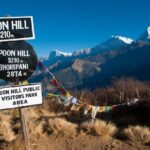
- Day 1: Pothana View Point, Kande to Australian Camp to Pothana
- Day 2: Mardi Himal Trail Through Forests and Villages
- Day 3: Reaching Low Camp and the Shift Toward High Altitude
- Day 4: High Camp View Day
- Day 5: Mardi Himal Base Camp (4500m) and the Heaven-on-Earth Feeling
- Day 6: Descend to Forests Camp
- Day 7: Phewa Tal Exit with Jeep Transfer Back to Pokhara
- Guide Quality: English Support and the Bisham Factor
- Guest Houses, Food, and What to Plan for Each Day
- Pace, Elevation, and Who This Trek Fits Best
- Weather and Clothing: Practical Advice for 4500m
- Is This a Good Value Trek for You?
- Should You Book This Mardi Himal Base Camp Trek?
- FAQ
- What time does the trek start and where is pickup?
- How long is the trek?
- What is the highest elevation on this itinerary?
- Are meals included in the tour price?
- What type of accommodation is included during the trek?
- What transportation is included from Pokhara to the trail?
- What is the cancellation policy?
Key things to know before you go
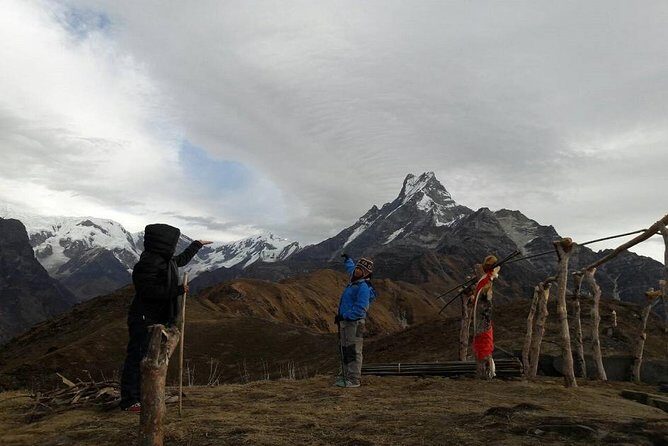
- Less-crowded feel: Mardi Himal is known for being calmer than the classic trails, so the trek feels more personal.
- Real altitude goal: You reach 4500m at Mardi Himal Base Camp, with camp stops along the way for gradual ascent.
- Guide support matters: English-speaking guidance keeps the pace sensible and the route clear.
- Included logistics reduce stress: permits (TIMS + trekking), pickup/drop-off, and transport to trail access points are handled.
- Guesthouse nights on route: you’ll sleep in guest houses during the trek, which keeps things simple after daily hikes.
Why Mardi Himal Feels Calmer Than the Usual Nepal Treks
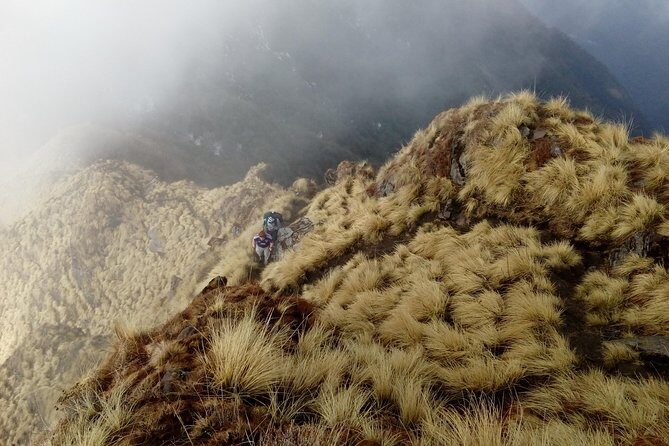
Mardi Himal Base Camp is a smart choice when you want big views without the constant crowd pressure. The route still gives you the classic Himalayan experience—forests, village sections, and steep payoff segments—but the overall feel tends to be more relaxed.
What I like is how the trek balances effort with payoff. You’re not just climbing for the sake of climbing. You also get multiple moments where you can pause, look out, and understand why people come back to this region again and again. And because you’re moving through different terrain types—starting at lower elevations and gradually lifting up—you notice the change in air and scenery as the days progress.
The “calmer” advantage is especially valuable on a trip with limited time. If you’re only doing one week, fewer bottlenecks mean you can keep a steady rhythm.
You can also read our reviews of more hiking tours in Pokhara
Price and Logistics: What $359.90 Buys You in Real Terms
At $359.90 per person, the headline price is just part of the story. The better question is what you’re not having to organize yourself.
This trip includes:
- An English-speaking trekking guide
- Guesthouse accommodation during the trek
- Hotel pickup and drop-off in Pokhara
- Private drive from Pokhara to Kande, and a sharing local jeep from Siding back toward Pokhara
- Trekking permit and TIMS
- A private tour setup for your group
That combination is often where trekkers save time and stress. Permits and route coordination can be a hassle if you go fully independent. Here, you’re also not spending your energy figuring out the best transport handoffs at the start and finish.
The main cost you’ll still handle yourself is food and drinks. Since meals aren’t included, you should budget extra for lunch and dinner during the trek. You’ll also want to plan for the fact that rescue costs aren’t covered in the price. That doesn’t mean you’re likely to need rescue—just that you should carry appropriate travel insurance.
Your 7 Days on the Mardi Himal Route
This trek runs about 7 days with a morning start time around 8:15am. The pacing is built around gradual ascent with day-by-day altitude progress: Australian Camp (2000m), Pothana (1700m) for your first night, then Low Camp, High Camp, and the base camp day at 4500m.
It’s also a “show up and follow the plan” type of route. You’ll be walking most days, but the schedule is clear enough that you can manage your energy without guesswork.
Day 1: Pothana View Point, Kande to Australian Camp to Pothana
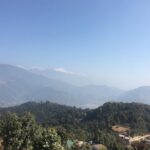
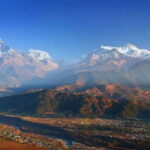
You’ll be picked up from your hotel within the Lakeside area of Pokhara around 8:30am, then you’ll drive about an hour to reach Kande. From there, your trek begins with an ascending segment up to Australian Camp (2000m), where you’ll get views across the Annapurna range.
After that, you’ll keep moving downhill to Pothana (1700m) for overnight. The walk time listed is about 5 hours.
What I think this day does well: it gets you onto the trail without overwhelming you on the first morning. You also start seeing the Himalayan scale early, so the rest of the trek feels like it’s building to something.
One practical note: the start is early-ish, and it’s a walking day even though you’re still at lower elevation. Pack water, and don’t treat this like a casual stroll.
Day 2: Mardi Himal Trail Through Forests and Villages
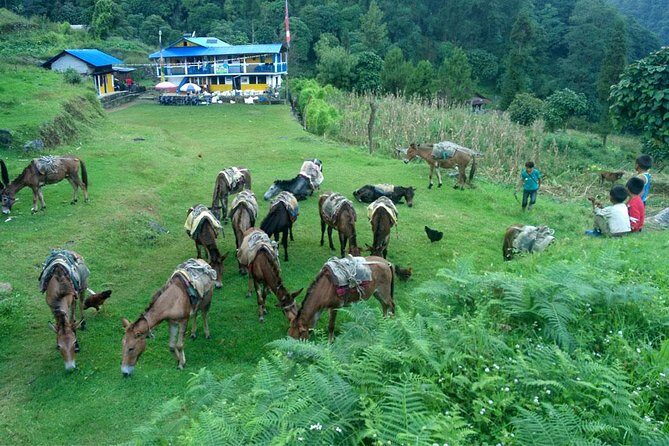
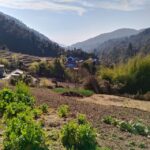
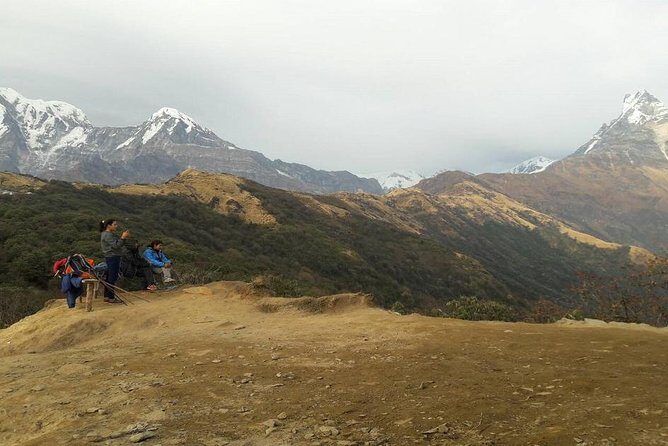
Day two starts at 8:00am and takes you through forests and village paths, with time to interact with locals along the way. You’ll also get amazing mountain views as the trail gives you breaks in the tree cover.
The trek time is about 5 hours.
This is the “real Nepal” day for many people—less about sprinting upward and more about walking where daily life is close by. Forest trails also tend to be more forgiving on the legs because the ground can be less exposed than higher ridgelines.
If you’re the type who likes to look for little details—how people manage small farms, how trails connect communities—this day is often a highlight.


Day 3: Reaching Low Camp and the Shift Toward High Altitude
Today’s climb targets Low Camp. The listed time is 4 hours, and the trek is upward the whole way.
Low Camp is where you feel the altitude change more clearly than on day one and day two. Even if you feel fine at midday, the air can be different enough that you’ll want to take breaks more often than you think you need.
The positive: this is still a “shorter” day on the schedule, which gives you time to settle in and adjust before the bigger viewpoint pushes ahead.
Day 4: High Camp View Day
You start trekking at 8:00am, and the day is designed to get you up to High Camp. The trek time listed is 4 hours.
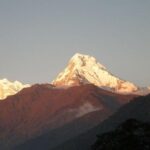
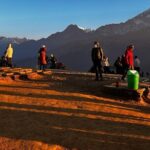
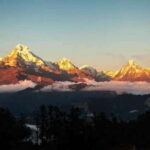
This is one of the days where the views matter most. As you gain height, the world opens up. Past feedback I’ve read highlighted the High Camp view as a standout moment, and it makes sense—this is where the effort starts feeling very worth it.
If clouds move in, don’t panic. At these elevations, conditions can change quickly. Plan to pause, look around, and take photos when the sky cooperates.
Day 5: Mardi Himal Base Camp (4500m) and the Heaven-on-Earth Feeling
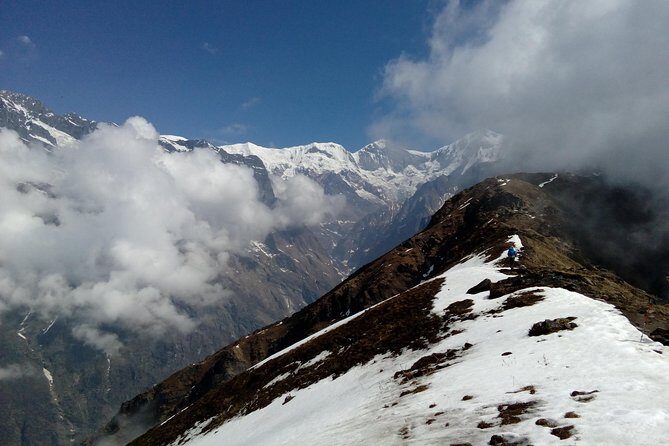
This is your destination day. You’ll start early, hike up to Mardi Himal Base Camp at 4500m, spend some time there, and then trek back down to High Camp for overnight.
The walking time listed is about 6 hours.
This is the day where altitude discipline counts. If you go too fast, your lungs will complain and your day will get harder than it needs to be. The whole point of “low camp, high camp, base camp” is to help your body adjust before the highest moment.
The payoff is the reason people keep choosing this route. At base camp, you’re working at the edge of what a one-week trek can deliver, and the feeling is intense in a good way—big sky, big mountains, and that moment where you realize you earned the view.
Day 6: Descend to Forests Camp
Today is mostly a return to lower elevation: you’ll trek down to Forests Camp. The listed time is about 5 hours.
This is a crucial day for recovery. Your legs might feel okay early, then get tired later as your body processes the downhill work. Trekking poles (if you use them) can help with the knees.
Mentally, this day is also useful. You’ll have time to reflect on what the high day meant, without needing to push hard again.
Day 7: Phewa Tal Exit with Jeep Transfer Back to Pokhara
On the final day, your trek ends with a walk to Siding, followed by a sharing local jeep to Milan chowk, and then back to Pokhara. Once you arrive in Pokhara, you’ll be dropped back at your hotel.
The listed time is about 6 hours.
The nice part here is that your final day isn’t a long, complicated multi-transfer day. You get the last stretch of walking, then hand it off to transport so you can actually enjoy your return.
If you want a quick post-trek reward, Phewa Tal is a logical place to end your trip, since you’ll be in that Pokhara area again rather than stuck in transit all day.
Guide Quality: English Support and the Bisham Factor
The trek runs well when your guide keeps the rhythm steady and your route decisions simple. This trip includes an English-speaking trekking guide, and that helps a lot with pace, explanations, and reassurance.
One standout detail from feedback I’ve seen is the guide named Bisham, described as perfect in guidance and service with a friendly, almost family-like support style. That kind of guidance matters on trek days when you’re tired but still need to keep moving—especially around higher camps.
The best guides do more than point forward. They help you:
- keep your pace realistic
- know when to rest
- manage timing so you don’t feel rushed at altitude
- understand what you’re seeing from the camp viewpoints
If you’re new to Nepal trekking, guide support can be the difference between a stressful trip and a smooth one.
Guest Houses, Food, and What to Plan for Each Day
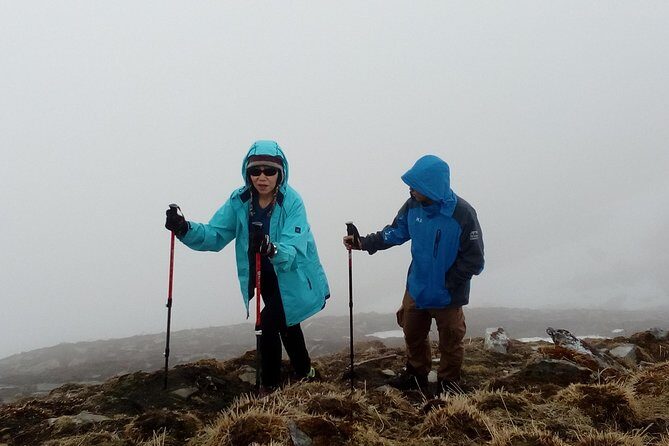
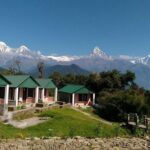
You’ll stay in guest houses during the trek. That usually means basic rooms, a bed, and a familiar rhythm each night—wash up, eat, rest, and repeat.
Meals and drinks are not included, though they’re available for purchase. So you’ll want a simple food strategy:
- Bring snacks you trust for low-energy moments
- Budget cash for meals along the way
- Expect that eating options can vary by stop, so don’t plan your day around one perfect meal
Also, remember the altitude factor. On high days, you might not feel like eating the same volume you normally do. A steady intake of smaller portions can work better than forcing big meals.
Pace, Elevation, and Who This Trek Fits Best
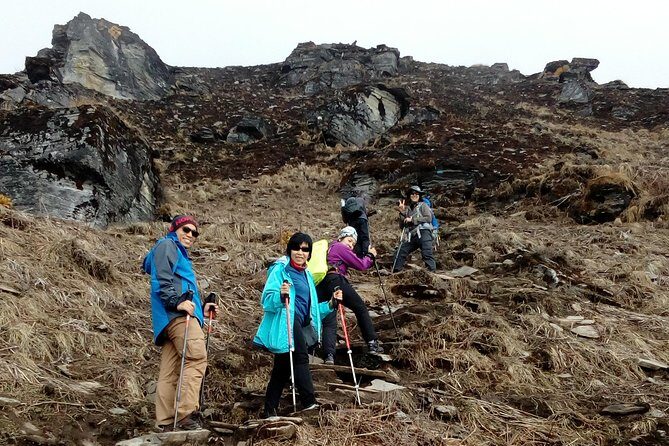
This is listed as a trek for people with moderate physical fitness. In real terms, that means you should be comfortable walking for multiple hours on uneven paths and handling gradual elevation gain.
Here’s what stands out:
- Multiple hiking days around 4–5 hours
- One bigger day (base camp) around 6 hours
- A peak elevation of 4500m
If you’ve never hiked at altitude before, take the route seriously. Go slow, drink water, and don’t treat “I feel fine” as a guarantee. Your body may react on a delayed schedule, especially as the days climb.
This trek is a strong fit if you want:
- a one-week program
- a serious mountain goal without weeks of travel
- less crowded trail time
- guided structure and permits handled for you
It might be less ideal if you want a very easy trek, or if you’re uncomfortable with the idea of reaching 4500m even with gradual camp steps.
Weather and Clothing: Practical Advice for 4500m
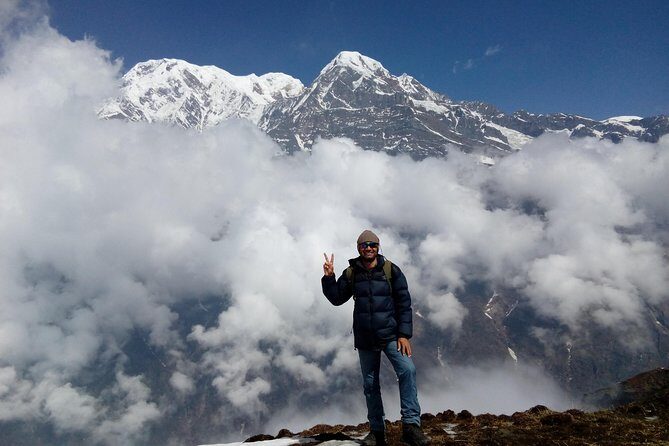
The tour data doesn’t spell out weather averages, so treat clothing as your job, not the operator’s job. At higher elevations, conditions can change fast.
My practical approach:
- Layer up: a warm mid-layer plus a windproof outer layer usually helps
- Bring a hat and gloves for camp evenings
- Wear comfortable trekking shoes with grip
- Pack a light day bag for water and snacks
And don’t forget sunscreen. Even when it feels cold, the sun can still hit hard at altitude.
Is This a Good Value Trek for You?
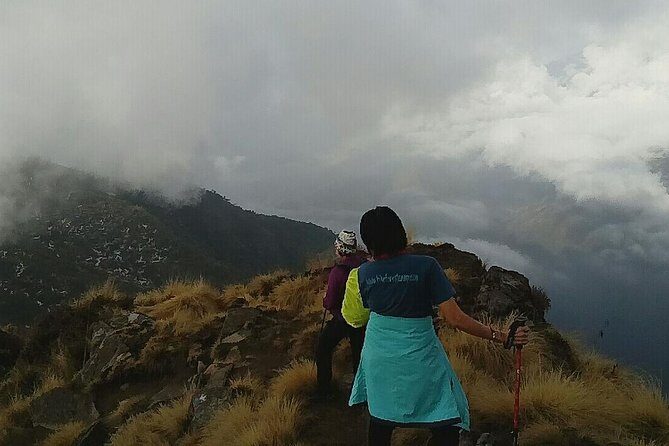
If you want a guided trek that handles the big logistics—permits (TIMS + trekking permit), pickup/drop-off, transport to Kande, and guesthouse nights—this price can feel reasonable. You’re paying for structure and reduced friction.
You’ll pay extra for meals and you’ll still carry personal responsibility for safety planning (especially since rescue costs aren’t included). But compared with DIY trekking where you’re building your own permits, guide arrangements, and transport handoffs, the overall package is likely to feel efficient.
Also, the route choice itself helps value: you’re aiming for a serious destination (4500m base camp) while keeping the trail experience calmer than more famous alternatives.
Should You Book This Mardi Himal Base Camp Trek?
Book it if you want a focused one-week trek with guided support, guesthouse comfort, and a clear goal: Mardi Himal Base Camp at 4500m. The mix of forests, village walking, and multiple camp viewpoints makes it feel like more than just a single “summit day.”
Hold off if you’re looking for a very easy hike, or if you’re not ready for the reality of 4–6 hour hiking days and altitude adjustment. If you do book, train for walking time before you arrive, keep your pace conservative on climb days, and plan to budget for meals since they aren’t included.
FAQ
What time does the trek start and where is pickup?
The start time is 8:15am, and pickup is offered from your hotel within the Lakeside area of Pokhara.
How long is the trek?
The trek is listed as 7 days (approx.).
What is the highest elevation on this itinerary?
Mardi Himal Base Camp is at 4500 meters, which is your destination on Day 5.
Are meals included in the tour price?
No. All meals and drinks are not included and are available for purchase.
What type of accommodation is included during the trek?
You get accommodation in guest houses during the trek.
What transportation is included from Pokhara to the trail?
You have a private drive from Pokhara to Kande, and at the end you use a sharing local jeep from Siding back toward Pokhara.
What is the cancellation policy?
You can cancel for a full refund if you cancel at least 24 hours in advance of the experience start time. If you cancel less than 24 hours before, the amount paid is not refunded. Free cancellation is also subject to any minimum traveler requirement stated in the policy.