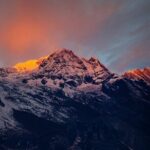
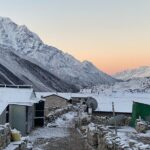
Crossing Larkya La feels like a dare. The Manaslu Circuit is a high-altitude loop that swaps the usual crowds for a remote feel, moving from steamy lowland fields to snowbound passes. You’ll get the less trekked reality of the Manaslu region, with prayer flags, suspension bridges, and big mountain views hanging over the whole walk.
I love that this route rides the Bhuri/Budi Gandaki River corridor through gorge country, where icy turquoise water cuts through cliffs and waterfalls. I also like the culture on the trail: you’ll see prayer flags, gompas, mani walls, and Tibetan-influenced villages, especially around Lho and Samagaon.
One consideration is that the trek is serious altitude work. The highest point is the Larkya La crossing around 5,160–5,167m, where crampons may be needed and weather can turn fast, so you have to be ready to move early and keep a steady pace through cold, rough conditions.
In This Review
- Key things I’d watch for before you go
- Why the Manaslu Circuit feels different from the Annapurna crowds
- Price and what $1,081 really covers (and what it doesn’t)
- The big picture: how your 14 days actually unfold
- Days 1–3: start hot, walk wild (Soti Khola → Machhakhola → Jagat)
- Days 4–6: Buddhist checkpoints and rhododendron hills (Phillim → Namrung → Lho)
- Days 7–10: Samagaun calm, base camp hikes, and Samdo border vibes
- Days 11–13: the pass day and the long, satisfying downhill
- Day 14: Kathmandu arrival
- Guides, pacing, and the kind of support that matters at altitude
- Teahouses, meals, and the small comforts you’ll actually notice
- So, should you book the Manaslu Circuit Trek with Magical Nepal?
- FAQ
- FAQ
- How long is the Manaslu Circuit Trek?
- Where does the trek start and end?
- What does the tour price include?
- Is a hotel in Kathmandu included?
- Is a porter included?
- What is the highest point on the trek?
- Can I cancel for a full refund?
Key things I’d watch for before you go
Remote Manaslu restricted-area vibe: You don’t just change scenery; you change the whole feel of trekking by entering the Manaslu Restricted Area.
River-gorge days with real drama: Suspension bridges and river-bend trails make the Bhuri/Budi Gandaki section memorable.
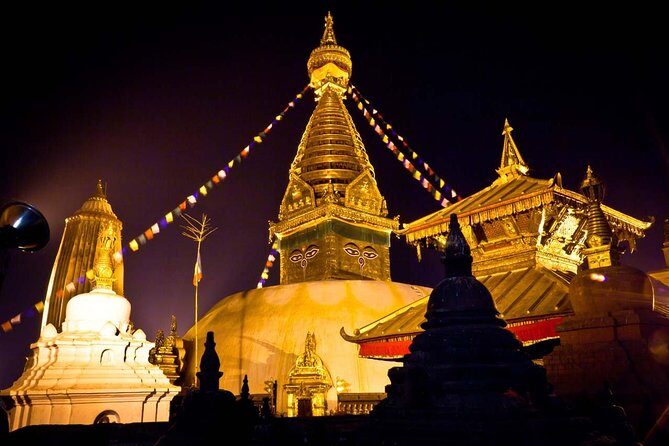
Buddhist signals all day long: Prayer flags, mani walls, gompas, and Tibetan dress show up constantly in this region.
Acclimatization built into the trek: Base Camp and lake-side options at Samagaun and Samdo help you climb smarter, not just harder.
Larkya La Pass needs respect: Early start, possible snow, and possible crampon use make this the day you plan for most.
Guides who adjust to conditions: From weather-window changes to itinerary tweaks, guides like KP, Dilman, and Mitra have been praised for adapting fast and keeping the trip smooth.
Why the Manaslu Circuit feels different from the Annapurna crowds
The Manaslu Circuit is famous for a reason: it’s one of Nepal’s best treks, and it still feels like a serious journey. The route stays away from the busiest corridors, so the trail can feel quieter and more expedition-like, even though you’re sleeping in teahouses and moving through villages.
What makes it click is the mix of environments. You start in lowland warmth and work your way upward through forests, rhododendron, pine, yak pasture country, and then into the stark world near the Tibetan border. Even the river days matter here: the Bhuri/Budi Gandaki gorge section is where you get that icy turquoise water, waterfalls, and bridge crossings that feel more dramatic than what you’ll see on many trekking loops.
If you’re the type who likes watching the mountains change as you gain altitude, this trek rewards patience. And if you want “less trekkers on the trail” energy, this is one of the better places to chase it.
You can also read our reviews of more hiking tours in Kathmandu


Price and what $1,081 really covers (and what it doesn’t)
At $1,081 per person for about 14 days, the value depends on what you hate coordinating. This price includes private transportation, all fees and taxes, and meals: breakfast (14), lunch (14), and dinner (14). That matters on Manaslu, because permits and restricted-area access are part of the deal, and meal planning is a huge stress saver when you’re trekking high and tired.
You’re also getting a mobile ticket and pickup is offered, which helps if you’re trying to keep your arrival day clean and simple.
What’s not included is the Kathmandu hotel and a porter. If you’re bringing a heavier pack, you’ll likely feel the cost-benefit of adding a porter yourself, especially when you’re dealing with the cold and potential snow near Larkya La.
Bottom line: if you want the Manaslu Circuit handled end-to-end by a team that knows the route, this price looks fair. If you’re the DIY type who likes arranging permits, transport, and teahouse plans one-by-one, then you may prefer building your own logistics.
The big picture: how your 14 days actually unfold
This is a real trek with a travel component. You start near Tribhuvan Airport and you finish back in Kathmandu the evening of the last day. Expect a mix of walking days (some around 3–7 hours, some longer like the pass day) plus a few “slow and smart” days for acclimatization.
Here’s how the route plays out, day by day, and what each part is really good for.
Days 1–3: start hot, walk wild (Soti Khola → Machhakhola → Jagat)
Day 1: Soti Khola
You’ll reach the trek’s start by bus, or bus plus a local jeep combo, or by private jeep. The road is described as long, dusty, and bumpy, so private jeep is the comfort upgrade if you don’t want your spine filing a complaint.
Day 2: Machhakhola
Once you start walking, you’ll feel like you’ve left the vehicle world behind. The trail runs rocky and narrow through sal forests and river country, with waterfalls and high cliffs nearby. You’ll also pass through Gurung and Ghale villages, and there’s a cool cultural moment near Nyali Khola where locals pray to local river and mountain deities for safety.
There’s also a practical trail-safety tip here: when mule trains pass, stand on the hillside side, not the drop side. That’s exactly the kind of small guidance that prevents slips.
Day 3: Jagat
You follow the Bhuri/Budi Gandaki River on a twisting trail along the water. This is a good day for wildlife—monkeys and langurs have a chance to show up in the forest. The route reaches Tatopani for warm-water soaking, then keeps building on the drama with suspension bridge and cantilever bridge crossings to reach Jagat. From Jagat, you’re entering the Manaslu Restricted Area, so the “restricted zone” reality starts right here.
Days 4–6: Buddhist checkpoints and rhododendron hills (Phillim → Namrung → Lho)
Day 4: Manaslu / Phillim area
This is where the Buddhist character ramps up. Expect prayer flags as you descend toward Sirdibas, plus gompas along the way. You’ll hit a checkpost at Phillim where your permit gets inspected before you continue on the western bank.
Then the walking turns into classic Manaslu trekking: water-formed boulders, rhododendron and pine forests, and teahouse nights. Dinner in the teahouse is dal bhat, the reliable Nepal trekking staple that helps you recover.
Day 5: Namrung
You’ll walk through a landslide zone, so you’ll want to slow down and listen to your guide’s instructions. The upside is you get more monkeys, and there’s a human surprise: a local businessman who worked in Hong Kong returned to build a hotel and restaurant with good coffee and wifi. It’s a nice reset day if you’re craving something familiar.
Day 6: Lho
This is a short-ish walk with a big cultural payoff. You’ll pass mani walls and see Tibetan Buddhist influence clearly—locals in Tibetan dress, plus terraces and forests (fir, oak, rhododendron) running up the hillsides. You’ll get strong views of Manaslu and Manaslu North from Lho, which makes the day feel like a reward for climbing.






Days 7–10: Samagaun calm, base camp hikes, and Samdo border vibes
Day 7: Samagaun
You gain altitude faster here, so the hike is shorter but feels “higher.” In the morning you get glorious Mt Manaslu views before the scenery shifts into yak pasture country. Samagaun is the principal village of the Nubri people, and it’s a hub: gompa, shops, a health post, a heliport, and telephone/wifi access. It’s also a good place to feel how life works here between treks.
Day 8: Manaslu Base Camp acclimatization day
This is an acclimatization day where the goal is to stay active, not to loaf. You can hike around 2 hours toward Pungyen Gompa, head up toward Manaslu Base Camp, or walk to Birendra Tal (lake) for a shorter option. Base Camp is around 4,400m, so you take it slow and hydrate.
Day 9: Samdo
You trek toward Sambo/Samdo through broad yak pasture valley. You can explore nearby villages or hike to Samdo Peak to see the trail leading to Larkya La and beyond toward Tibet. Even if the day is short, it helps you feel positioned for the pass push.
Day 10: Samdo, plus Tibetan border looks
This is another acclimatization day, and it has that “nearly there” border energy. You might not actually go into Tibet, but you can look over the border area. You could spot yak caravans crossing and, if luck is on your side, blue sheep, pica, and marmots. Looking south you’ll see Samdo Glacier with a serac near the top.
Days 11–13: the pass day and the long, satisfying downhill
Day 11: Manaslu region to Dharamsala
Walking slowly at altitude, you’ll get that chain-of-Himalaya feeling where peaks overlap as your perspective changes. Dharamsala is chosen for its views, so it’s a good night to sit, recover, and take stock of what you’ve climbed.
Day 12: Larkya La Pass (highest point) to Bimthang
This is the day you plan around. You’ll cross Larkya La at around 5,160–5,167m, and you need to start early so you’re through the pass before afternoon. Bad weather or snow makes it challenging, but it’s still described as doable with the right conditions.
From the pass you get big-name views: Himlung, Kang Guru, and Annapurna II. You’ll also see glacial features and icefall country on the descent, including huge icefalls and Pongkar Tal between Pongkar and Salpudanda Glaciers. From an experience standpoint, this day is about focus: steady steps, early timing, and respecting the cold.
Day 13: Downhill toward Karche (and signs of glacier floods)
You drop through lush forests and rhododendron bushes. Lunch is at Karche Village after crossing the Dudh Khola. This area has visible signs of glacier floods, and the track can get rough, but then it turns greener with more agriculture as you pass fields and forests.
Day 14: Kathmandu arrival
Day 14: Kathmandu
You head back by local jeep or bus (or private jeep), and you should reach Kathmandu by evening. It’s a travel finish day, so plan for rest, not another “must-do” activity.
Guides, pacing, and the kind of support that matters at altitude
This is where the operator’s value shows up. The trek is physically demanding, and a guide’s job isn’t just leading the line—it’s managing your pace, your safety, and the small decisions that change how you feel at altitude.
A recurring theme in praised guides from Magical Nepal is adaptability. KP has been credited with adjusting timing to maximize weather windows. Mitra has been praised for making itinerary changes, including side trips to local monasteries and even getting to the pass earlier when conditions improved.
Then there’s altitude care. Dilman has been singled out for helping when someone experienced altitude sickness, which is exactly the kind of support you hope you never need, but you’re grateful is there.
Other guides also add value beyond route knowledge. Pemba has been praised for pacing the group so people could take photos and still keep enough energy and water breaks. Narayan has been praised for trip coordination that made the days feel easier, even when the trek wasn’t. Sajan has been praised for professionalism and English that helps you understand what you’re seeing.
So when you think about “Is it worth paying for this trek?” don’t only compare mountains and mileage. Think about how much smoother you want the hard days to feel.
Teahouses, meals, and the small comforts you’ll actually notice
You’ll be in teahouses and village lodging most nights, with meal service built into the itinerary. Dal bhat shows up as a key dinner option, and warm-water breaks like Tatopani give you a rare chance to reset your legs.
Coffee and wifi are limited on the high trail, but you do get hints of modern life at lower-altitude hubs. Namrung has a coffee-and-wifi restaurant. Samagaun has telephone/wifi access. That doesn’t replace the mountains, but it can save your sanity if you need to check messages or recharge your morale.
Also pay attention to the rhythm of the days. Some days are shorter and designed to build acclimatization. On longer days, packed lunch keeps you moving rather than stopping too often.
So, should you book the Manaslu Circuit Trek with Magical Nepal?
I’d book it if you want a serious Nepal trek that stays more remote than the most famous loops, and you’re happy to trade crowds for cultural depth, river-gorge scenery, and the big test of Larkya La Pass.
I’d hesitate if you’re not ready for real altitude. This route asks for strong physical fitness, early pass timing, and tolerance for cold and possible snow conditions at the highest point. If you’re unsure, it’s worth choosing a departure window and pace you can handle, and consider adding a porter if you’ll struggle with pack weight.
FAQ
FAQ
How long is the Manaslu Circuit Trek?
The trek is listed as about 14 days.
Where does the trek start and end?
It starts at Tribhuvan Airport in Kathmandu and ends back in Kathmandu (44600, Nepal).
What does the tour price include?
The price includes private transportation, all fees and taxes, and meals: breakfast (14), lunch (14), and dinner (14).
Is a hotel in Kathmandu included?
No, the hotel in Kathmandu is not included.
Is a porter included?
No, a porter is not included.
What is the highest point on the trek?
The highest point is Larkya La Pass at about 5,160–5,167m.
Can I cancel for a full refund?
Yes. Free cancellation is allowed up to 24 hours in advance for a full refund.